
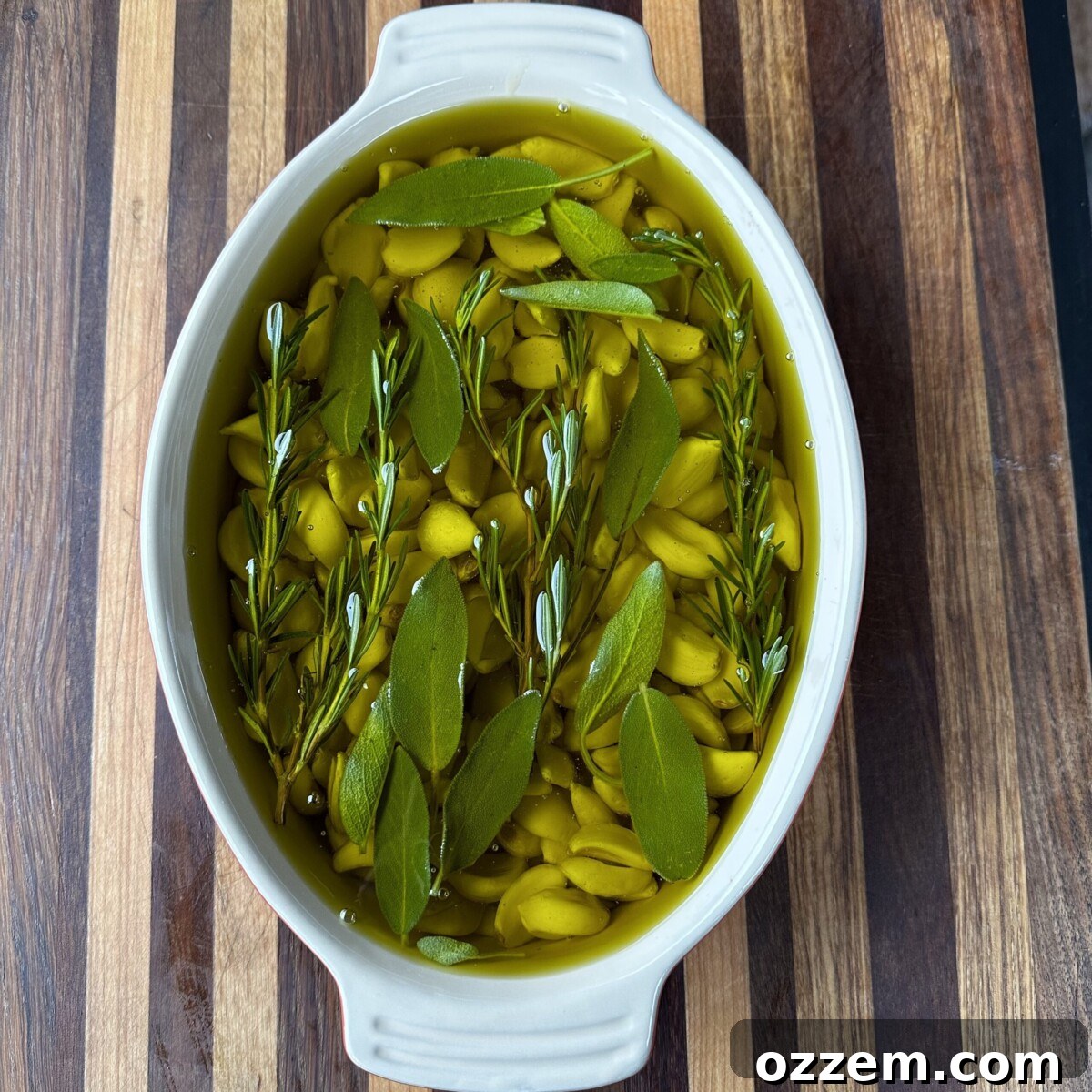
For culinary enthusiasts and garlic lovers alike, discovering the magic of **homemade garlic confit** is a revelation. This exquisite preparation transforms humble garlic cloves into soft, buttery, and intensely flavorful morsels bathed in aromatic olive oil. Infused with fresh herbs, garlic confit isn’t just an ingredient; it’s a versatile culinary staple that can elevate virtually any dish. Imagine spreading it on a warm, crusty baguette, stirring it into a rich pasta sauce, or mashing it into potatoes. The possibilities are truly endless, and the depth of flavor it brings is unparalleled. Best of all, crafting this gourmet delight at home is surprisingly simple, requiring minimal effort for maximum reward. Let’s dive into the process and unlock the secrets to perfect garlic confit.
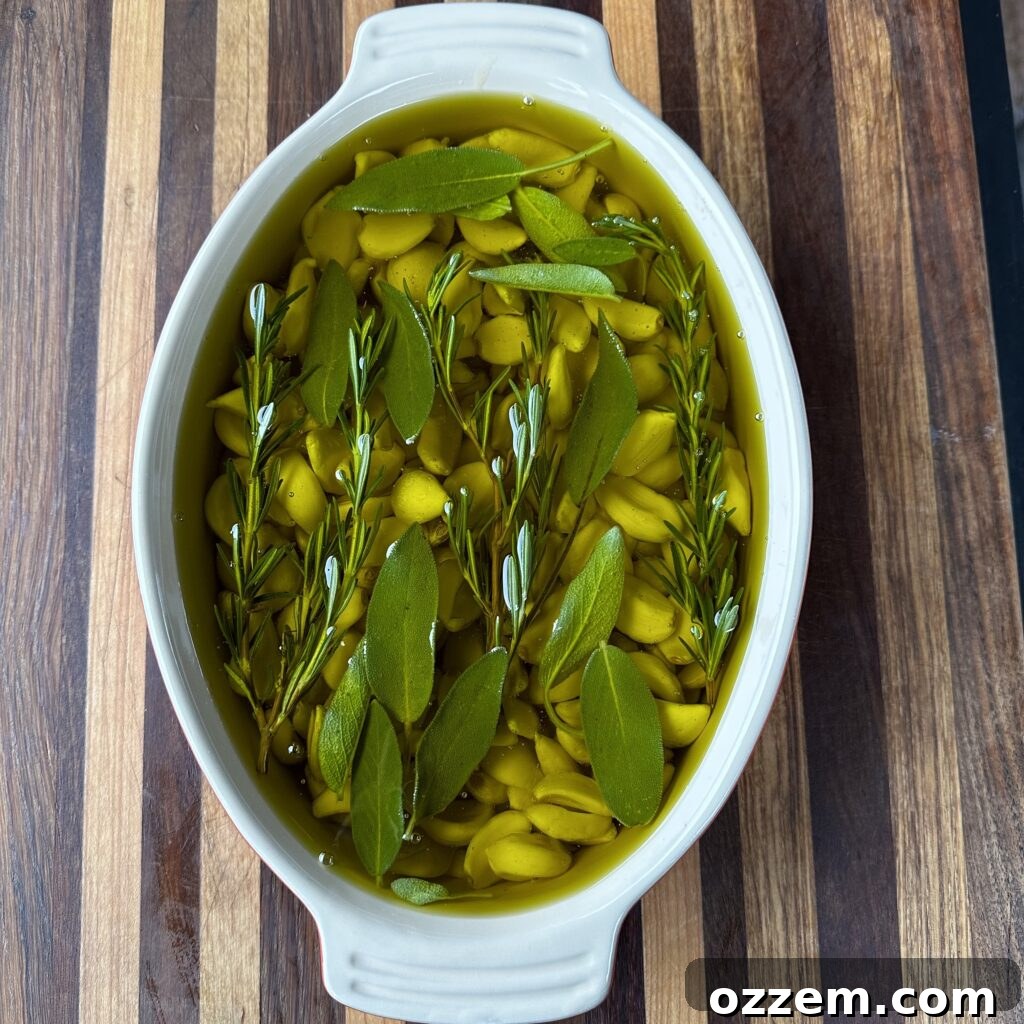
Table of Contents
- Why Garlic Confit: A Culinary Treasure
- Essential Ingredients for the Perfect Confit
- The Art of Slow Cooking: Grill or Oven Method
- Storing Your Homemade Garlic Confit: Safety Tips
- Creative Ways to Enjoy Garlic Confit
- Frequently Asked Questions:
- Garlic Confit Recipe
Why Garlic Confit: A Culinary Treasure
Garlic confit isn’t just a recipe; it’s a technique that transforms ordinary garlic into an extraordinary ingredient. The process of slow-cooking garlic cloves in oil at a low temperature renders them incredibly tender, mellow, and sweet, completely removing the harsh bite often associated with raw garlic. This gentle cooking method extracts and concentrates the garlic’s natural sugars, resulting in a rich, caramelized flavor that’s both complex and comforting. The infused oil itself becomes a golden elixir, imbued with the essence of garlic and herbs, making it perfect for dressings, marinades, or simply dipping bread. It’s a testament to how simple ingredients, when treated with patience and care, can yield remarkable results, turning everyday meals into gourmet experiences.
Essential Ingredients for the Perfect Confit
Creating a truly exceptional garlic confit hinges on selecting high-quality, fresh ingredients. The beauty of this recipe lies in its simplicity, making each component crucial to the final flavor profile. To begin, you’ll need a generous amount of garlic cloves. While peeling garlic can be a meditative task for some, for efficiency and convenience, I highly recommend purchasing pre-peeled garlic cloves. This saves considerable time and effort, allowing you to get straight to the enjoyable part of cooking. Look for firm, plump cloves without any green sprouts, which can indicate bitterness.
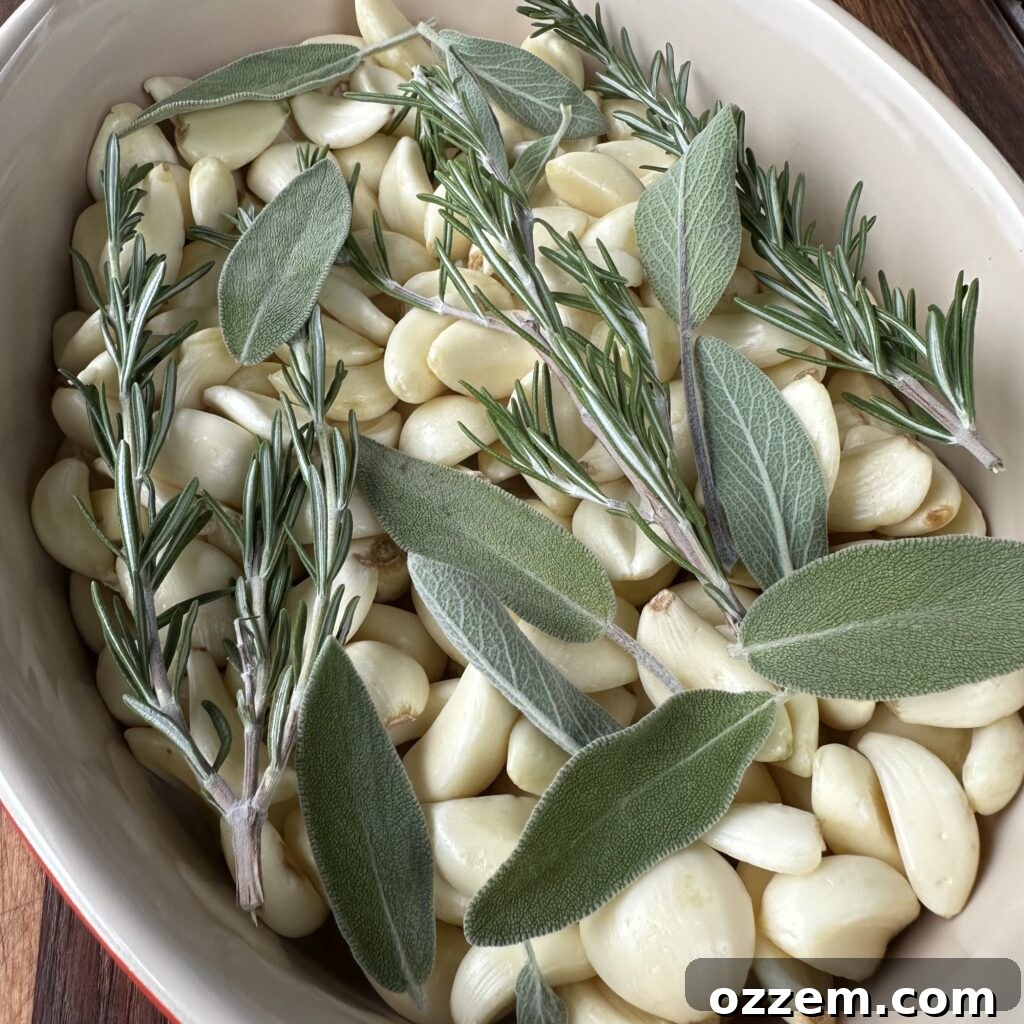
Next, the choice of oil is paramount. Extra virgin olive oil (EVOO) is ideal for its fruity notes and robust flavor, which beautifully complements the garlic. Ensure you use enough oil to completely submerge all the garlic cloves. This is essential not only for even cooking but also for creating that rich, infused oil that’s a highlight of the confit. Finally, fresh herbs lend an aromatic dimension. Sprigs of fresh rosemary and whole sage leaves are classic choices, imparting an earthy, fragrant essence. You can also experiment with other herbs like thyme, bay leaves, or even a pinch of red pepper flakes for a subtle kick. Remember, simple ingredients, thoughtfully chosen, pave the way for extraordinary flavor.
Dad’s Seasonings
Unlock incredible flavors with our must-have grilling seasonings!
The Art of Slow Cooking: Grill or Oven Method
The magic of garlic confit lies in its slow, gentle cooking process, which tenderizes the garlic without browning or burning it. This can be achieved beautifully using either a grill with indirect heat or a conventional oven. Whichever method you choose, the key is maintaining a consistently low temperature to allow the garlic to slowly infuse the oil and become meltingly soft.
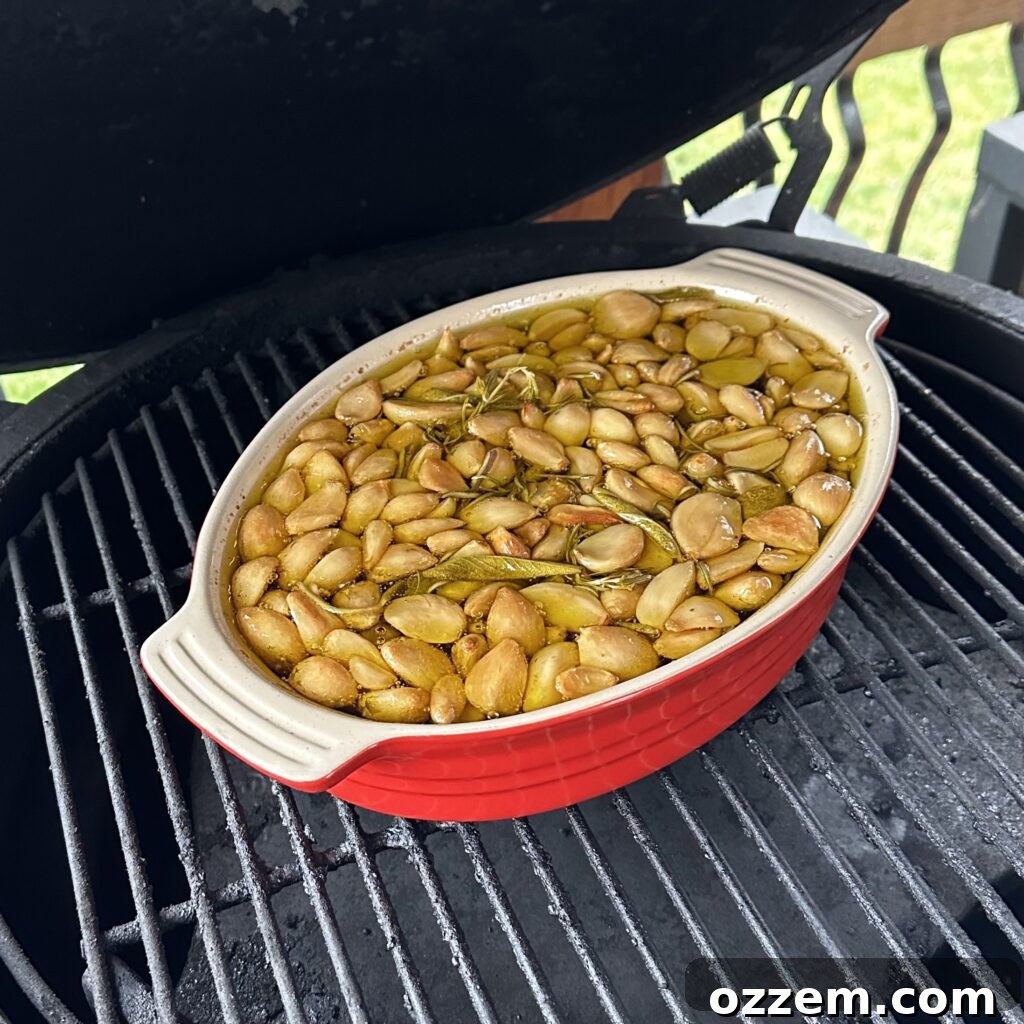
To prepare for cooking, simply place the peeled garlic cloves into a deep, oven-safe or grill-safe dish. Add your chosen fresh herbs, such as rosemary stems and sage leaves, ensuring they are nestled among the garlic. Then, pour in enough extra virgin olive oil to completely submerge all the ingredients. The garlic should be fully covered to ensure even cooking and to prevent any parts from drying out or frying.
If you’re using a grill, preheat it to a low temperature, aiming for around 250 degrees Fahrenheit (120 degrees Celsius). Set up your grill for indirect heat, meaning the heat source is not directly beneath the dish. Place the dish on the cooler side of the grill, close the lid, and let it cook for approximately 2 hours. Monitor the temperature to ensure it remains steady. For oven preparation, preheat your oven to 250 degrees Fahrenheit (120 degrees Celsius). Place the dish with the garlic and oil in the oven and bake for about 2 hours. The garlic cloves are ready when they are incredibly soft and tender, easily mashable with a fork, and have a beautiful golden hue. Avoid high heat, as this will fry the garlic, resulting in a crispy texture rather than the desired soft confit. The slow cooking ensures the garlic transforms into a rich, sweet delicacy, making your homemade garlic confit a truly irresistible treat.
Storing Your Homemade Garlic Confit: Safety Tips
Once your garlic confit is perfectly cooked and has cooled slightly, it’s time for proper storage. This step is crucial, not just for preserving flavor and freshness, but also for food safety. Garlic confit, like any oil-preserved low-acid food, carries a risk of botulism if not handled correctly. Botulism is a serious illness caused by toxins produced by the bacterium Clostridium botulinum, which can thrive in anaerobic (oxygen-free) environments like oil, especially at room temperature. Therefore, strict adherence to storage guidelines is essential for your health and safety.
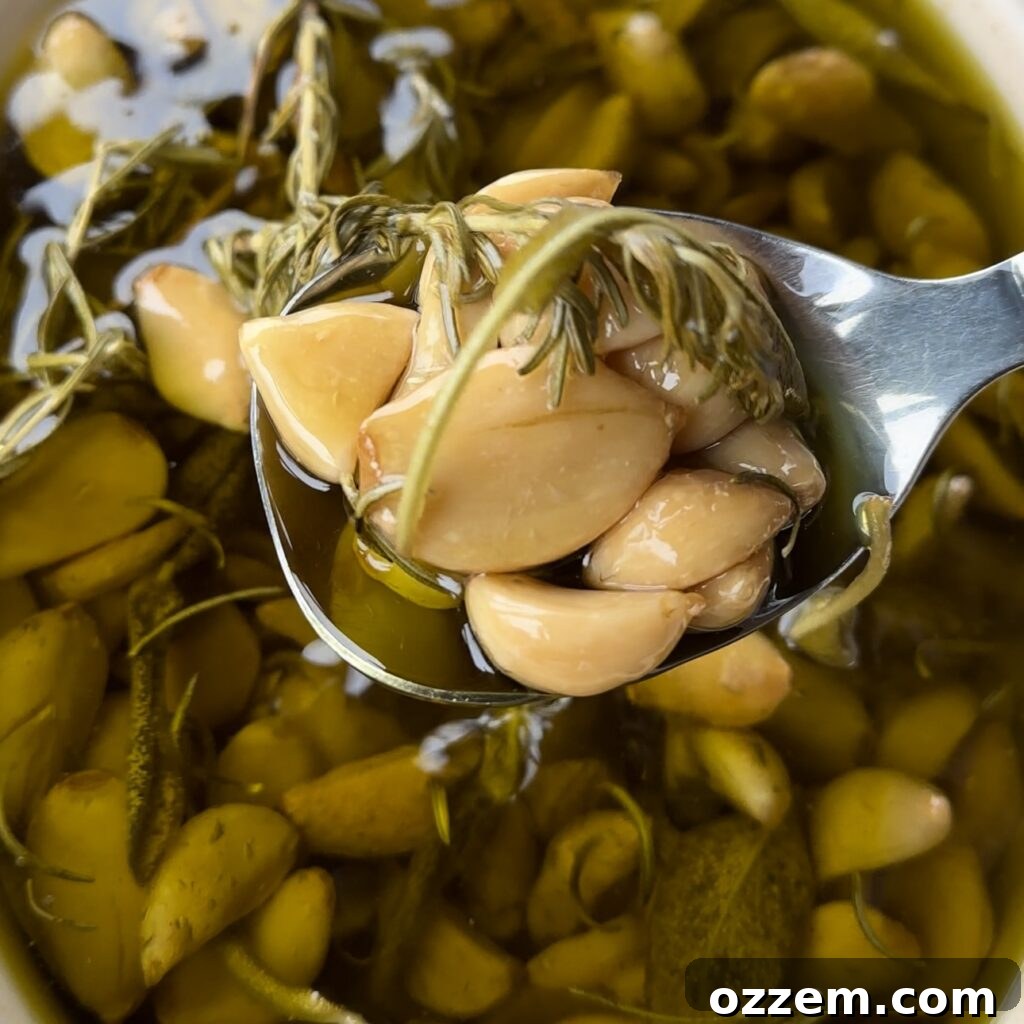
To store your garlic confit, carefully transfer the cooked garlic cloves, along with all the flavorful infused oil and herbs, into clean, sterilized glass mason jars. Ensure the garlic is completely submerged in the oil. Close the jars tightly with lids. It is absolutely vital to store the confit immediately in the refrigerator. Do not leave it at room temperature for any extended period. In the refrigerator, homemade garlic confit can be safely stored for up to 2-3 weeks. Some sources might suggest longer, but for maximum safety, it’s best to consume it within this timeframe. For longer storage, you can freeze individual portions of garlic confit in ice cube trays, then transfer the frozen cubes to an airtight freezer bag. Frozen garlic confit can last for several months. Always use clean utensils when retrieving garlic confit from the jar to prevent contamination, and discard any confit that shows signs of mold, discoloration, or an off smell. Prioritizing safety ensures you can enjoy your delicious homemade garlic confit with peace of mind.
Creative Ways to Enjoy Garlic Confit
The beauty of homemade garlic confit lies in its incredible versatility. Once you’ve experienced the rich, mellow flavor of these slow-cooked garlic cloves, you’ll find countless ways to incorporate them into your daily cooking. Here are just a few ideas to inspire your culinary creativity:
- **Spread it on bread:** This is perhaps the most classic and satisfying way to enjoy garlic confit. Simply mash a few cloves onto a fresh slice of toasted bread, a warm baguette, or crackers for an instant gourmet appetizer.
- **Infused oil:** Don’t let a drop of that glorious garlic-infused oil go to waste! Use it in salad dressings, as a dipping oil for bread, to sauté vegetables, or as a base for marinades. It adds a profound depth of flavor wherever it’s used.
- **Garlic and herb butter:** Mash the confit cloves into softened unsalted butter along with a pinch of salt and your favorite chopped fresh herbs (like parsley or chives). This compound butter is excellent melted over steaks, roasted chicken, corn on the cob, or spread on garlic bread.
- **Pasta perfection:** Toss warm pasta with a spoonful of garlic confit, a drizzle of its oil, fresh Parmesan cheese, and a sprinkle of chili flakes for a quick and incredibly flavorful meal.
- **Roasted vegetables:** Add whole confit cloves and a splash of the infused oil to your roasted vegetables (potatoes, asparagus, broccoli) during the last 15-20 minutes of cooking for an extra layer of garlicky goodness.
- **Soups and stews:** Stir a few mashed confit cloves into your favorite soups, stews, or even mashed potatoes to boost their savory profile.
- **Pizza and flatbreads:** Before baking, dot your homemade pizza or flatbread with confit garlic cloves for a burst of sweet, mellow garlic flavor.
- **Sandwiches and wraps:** Smash confit garlic into spreads like hummus or mayonnaise, or simply add whole cloves directly to your sandwiches for an elevated experience.
With homemade garlic confit in your refrigerator, you’ll always have a secret weapon to transform ordinary dishes into culinary masterpieces. Its soft texture and rich flavor make it an indispensable ingredient for any home cook.
Frequently Asked Questions:
Absolutely! All my recipes, including this garlic confit, are designed to be flexible. You can easily replicate them using a standard oven, a stovetop with a heavy-bottomed pot, or a gas grill. You don’t need specialized equipment like a big green egg or a Weber grill to achieve delicious results. However, it’s worth noting that if you use a smoker or charcoal grill, you might impart a subtle natural smoke flavor that an oven or stovetop won’t provide. The key is maintaining a low, consistent temperature.
When stored properly in the refrigerator, homemade garlic confit is best consumed within 2-3 weeks. It’s crucial to always keep it refrigerated due to the risk of botulism. For longer storage, you can freeze the confit for several months.
Extra virgin olive oil is highly recommended for its flavor and quality, which complements the garlic beautifully. However, you can also use other neutral-flavored oils like avocado oil or grapeseed oil if you prefer, though they will impart a different nuance to the infused oil.
Yes, absolutely! The infused oil is one of the most prized components of garlic confit. It’s packed with garlic flavor and can be used in salad dressings, sautéing vegetables, drizzling over pasta, or as a dipping oil for bread. Just ensure it’s stored in the refrigerator along with the garlic cloves.
Occasionally, garlic can turn green or blue when exposed to acid or certain minerals during cooking. This is a harmless chemical reaction and does not mean the garlic has gone bad or is unsafe to eat. However, if there are any other signs of spoilage (like mold or an unusual smell), it should be discarded.
Printer Friendly Recipe
Pin