

Discover the art of grilling with our comprehensive guide to crafting the Perfectly Grilled Venison Tenderloin. This recipe transforms lean, flavorful venison into a tender, juicy masterpiece, cooked to an exquisite medium-rare. Paired with a vibrant homemade blueberry sauce, this dish promises a gourmet experience that’s surprisingly easy to achieve, making it an ideal choice for an elevated weeknight dinner or a special occasion.
Venison, a superior alternative to traditional beef or lamb, offers a unique culinary adventure. If you appreciate the distinct taste of wild game, you’ll also love exploring other innovative recipes. For a delightful appetizer, consider our smoked elk puff pastries, perfect for tantalizing taste buds. Or, for a robust main course, grill up a succulent venison burger, featuring ground venison patties infused with the savory sweetness of caramelized onions. Each bite of these burgers delivers a burst of tender, juicy flavor, showcasing the versatility of game meat.
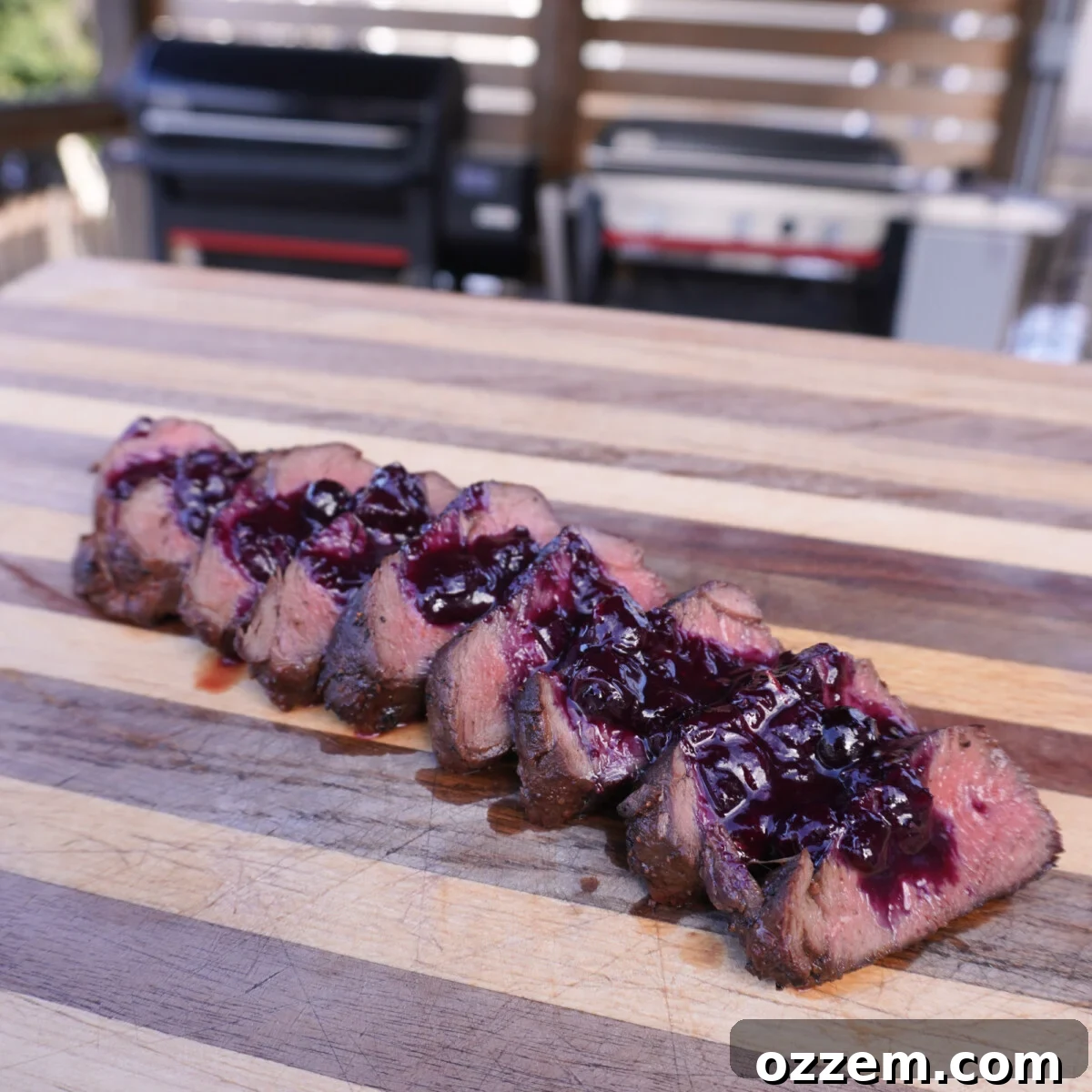
Table of Contents
- What is Venison Meat?
- The Unique Flavor Profile of Venison
- Essential Ingredients for the Perfectly Grilled Venison Tenderloin
- Step 1: Expert Preparation of a Venison Tenderloin
- Step 2: Mastering the Grill for Perfect Venison
- Grilling Tip: The Power of Dual-Zone Heat
- Creating Dual-Zone Heat on Your Grill
- Step 3: Crafting a Complementary Homemade Blueberry Sauce
- Step 4: Serving Your Perfectly Grilled Venison Tenderloin
- Frequently Asked Questions About Venison Tenderloin
- Perfectly Grilled Venison Tenderloin Recipe
What is Venison Meat?

Venison refers to the meat of game animals, primarily deer. Unlike conventional meats such as beef (from cows), pork (from pigs), or poultry (from chickens), venison is sourced from various wild game species, including deer, elk, moose, and antelope. This classification highlights its distinct origin and often its more natural, free-range lifestyle, which contributes to its unique characteristics.
Beyond its wild origins, venison offers a remarkable array of health benefits that make it an increasingly popular choice for health-conscious diners. It is significantly leaner than beef, containing less saturated fat and fewer calories. Furthermore, venison is packed with essential vitamins and minerals, including iron, B vitamins (B6, B12, niacin, riboflavin), and phosphorus. It also boasts a higher content of beneficial omega-3 fatty acids compared to many other proteins, supporting heart health and overall well-being. Its naturally thin muscle fibers contribute to its inherent tenderness, provided it is cooked correctly.
The Unique Flavor Profile of Venison
Often described as “gamey,” venison possesses a rich and complex flavor that sets it apart from more common meats. It’s far more intricate than beef, with pronounced earthy notes and a subtle musky undertone that reflects its natural diet and environment. This distinct taste is what many connoisseurs seek, offering a depth of flavor that is both robust and uniquely satisfying.
When it comes to seasoning and pairing, venison truly shines with complementary flavors. We recommend moving away from overly sweet BBQ rubs, which can overpower its delicate gaminess. Instead, opt for savory and herby rubs that enhance its natural essence without masking it. Think rosemary, thyme, garlic, black pepper, and a touch of smoked paprika. These ingredients complement the meat’s earthiness and highlight its complexity.
Venison also pairs exceptionally well with tangy or tart sauces. The addition of a homemade blueberry sauce, as featured in this recipe, introduces a burst of freshness and a delightful tartness that beautifully cuts through the richness of the perfectly grilled venison tenderloin. This sweet-tart contrast creates a harmonious balance, elevating the entire dish to a new level of culinary excellence.
Essential Ingredients for the Perfectly Grilled Venison Tenderloin
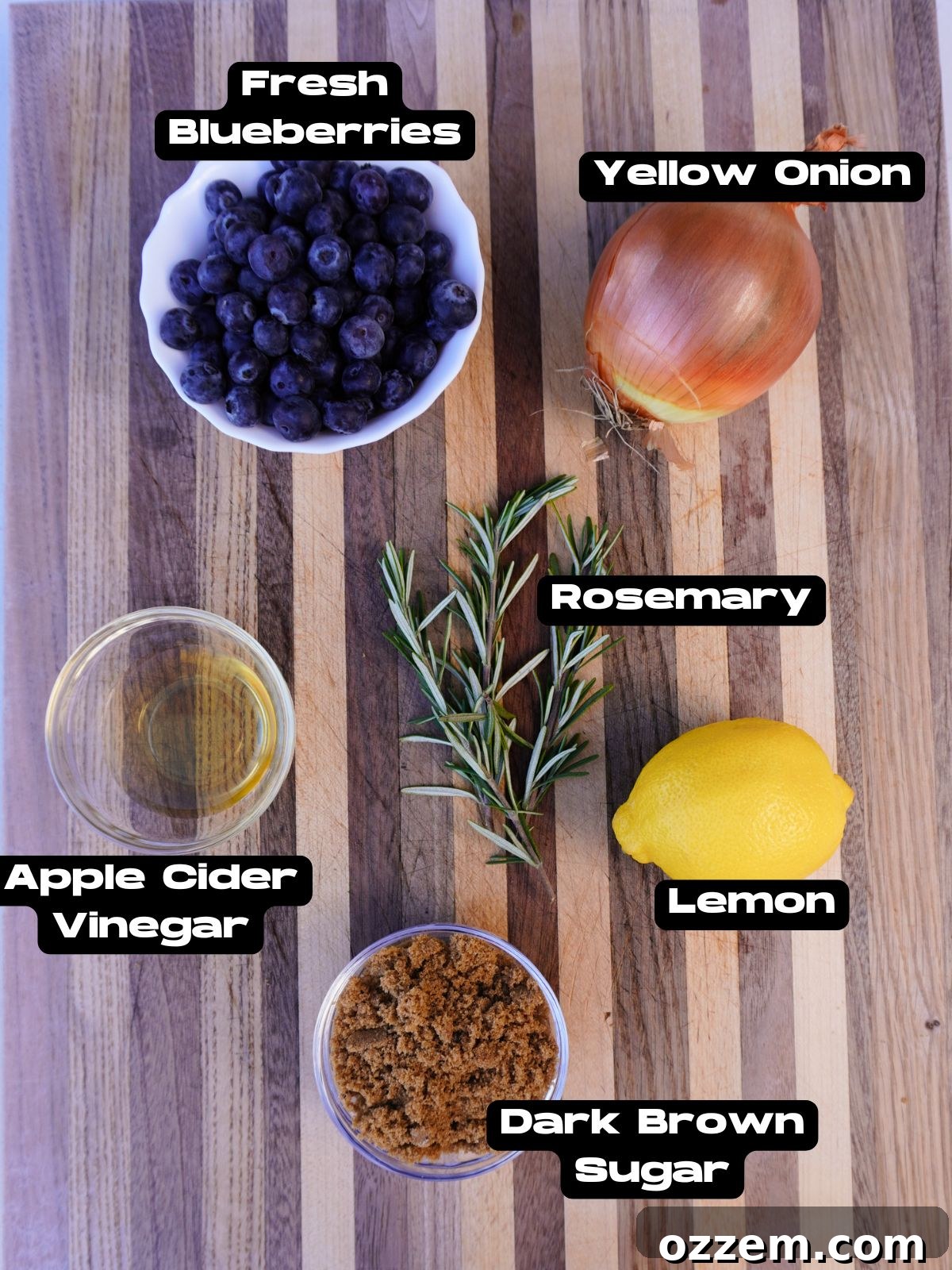
To create this memorable grilled venison tenderloin with blueberry sauce, gather these high-quality ingredients:
- Venison Tenderloin: The star of our dish. Choose a long, thin tenderloin, ideal for quick, high-heat grilling to achieve a perfect medium-rare.
- Olive Oil: Serves as an excellent binder for the seasoning, ensuring even adherence and contributing to a beautiful crust during grilling.
- Savory Seasoning Rub: We recommend an all-purpose rub, like Dad’s All-Purpose Rub, that offers a balanced profile of savory flavors, often including salt, pepper, garlic, and smoked paprika. This blend perfectly complements the rich taste of game meat.
- Fresh Blueberries: The foundation of our tangy sauce, providing natural sweetness and crucial tartness. Fresh berries are preferred for their vibrant flavor, but frozen can be used if thawed.
- Apple Cider Vinegar: Adds a bright, acidic tang to the blueberry sauce, balancing its sweetness and enhancing the overall flavor.
- Dark Brown Sugar: Less sweet than light brown sugar, it contributes a deeper, molasses-rich flavor and helps in the caramelization process, giving the sauce a beautiful sheen and depth.
- Lemon: Both the juice and zest of a fresh lemon will infuse the sauce with a zesty, bright aroma and an indispensable acidic kick.
- Fresh Rosemary: Finely chopped, fresh rosemary imparts an earthy, woodsy, and slightly peppery flavor that is a classic pairing with venison, harmonizing beautifully with its natural gaminess.
Step 1: Expert Preparation of a Venison Tenderloin
Proper preparation is crucial for ensuring your venison tenderloin cooks evenly and remains incredibly tender. Follow these steps meticulously:
Begin by carefully removing the venison tenderloin from its packaging. Once out, use paper towels to thoroughly pat the meat dry. Removing excess moisture is vital for achieving a beautiful, crisp sear on the grill.
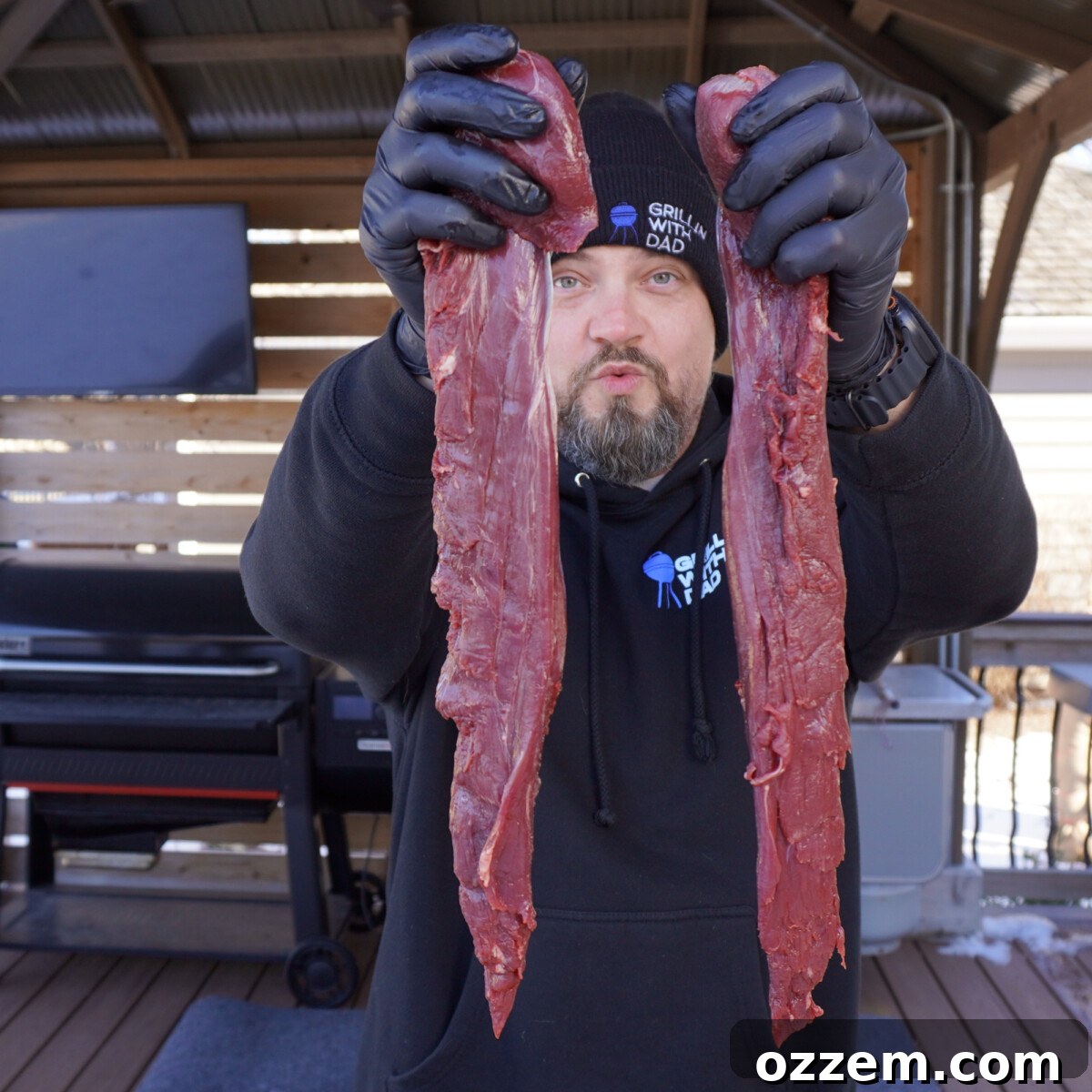
Next, you’ll address the “heel” at the end of the loin. This piece often detaches easily with a simple pull due to the meat’s tenderness, requiring no knife. It’s important to remove this, as well as any other tapered ends of the tenderloin. These thinner sections cook much faster than the thicker center cut, risking dryness and toughness if left attached. Don’t discard these valuable trimmings! They can be saved and frozen for future use in delicious stews, stir-fries, or even ground for homemade sausages or a smoked venison red curry, offering a fantastic opportunity to swap beef for venison in traditional recipes.
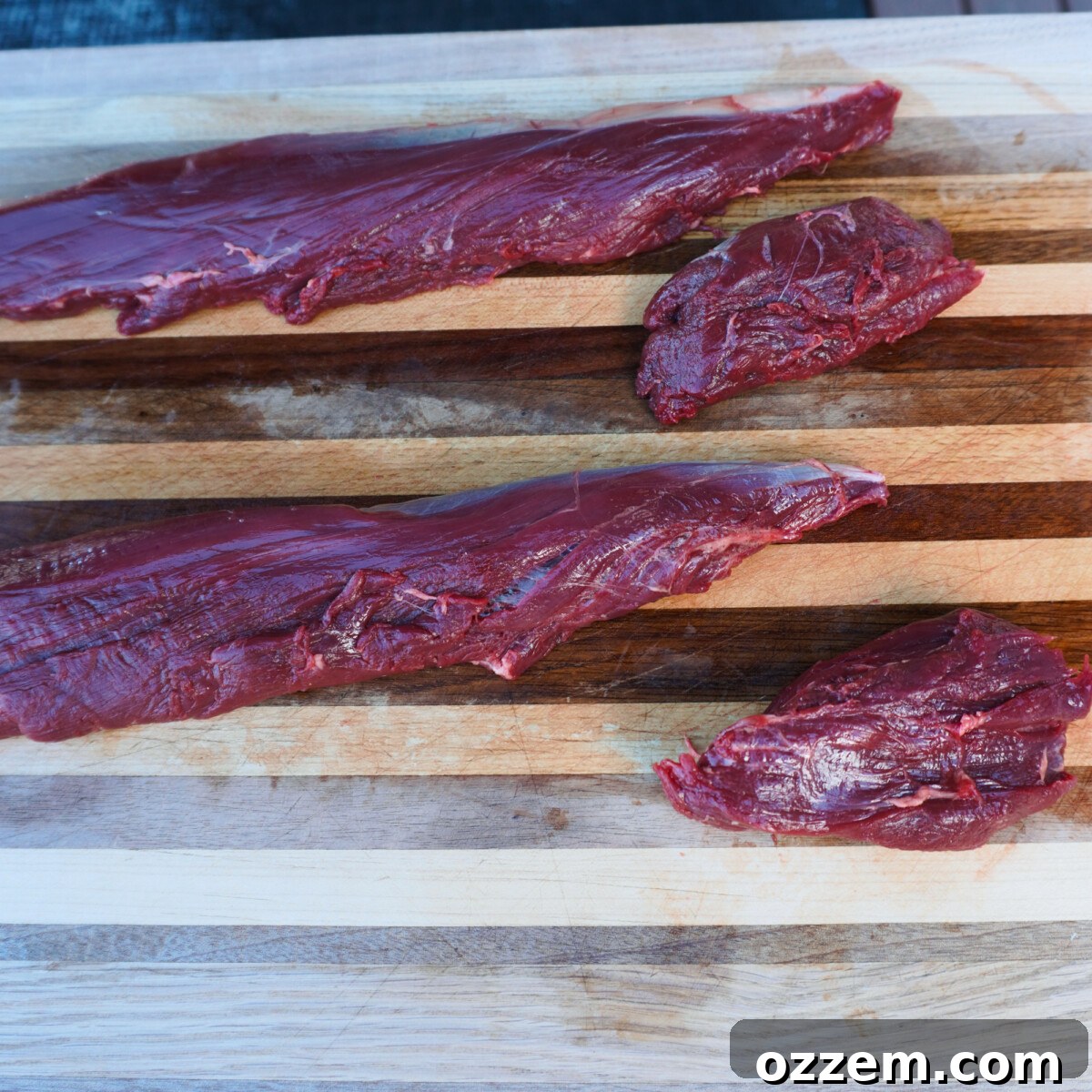
By trimming off these tapered ends, you eliminate the risk of them drying out and becoming tough during the grilling process, ensuring every piece of your main tenderloin is consistently tender and pleasant to eat.
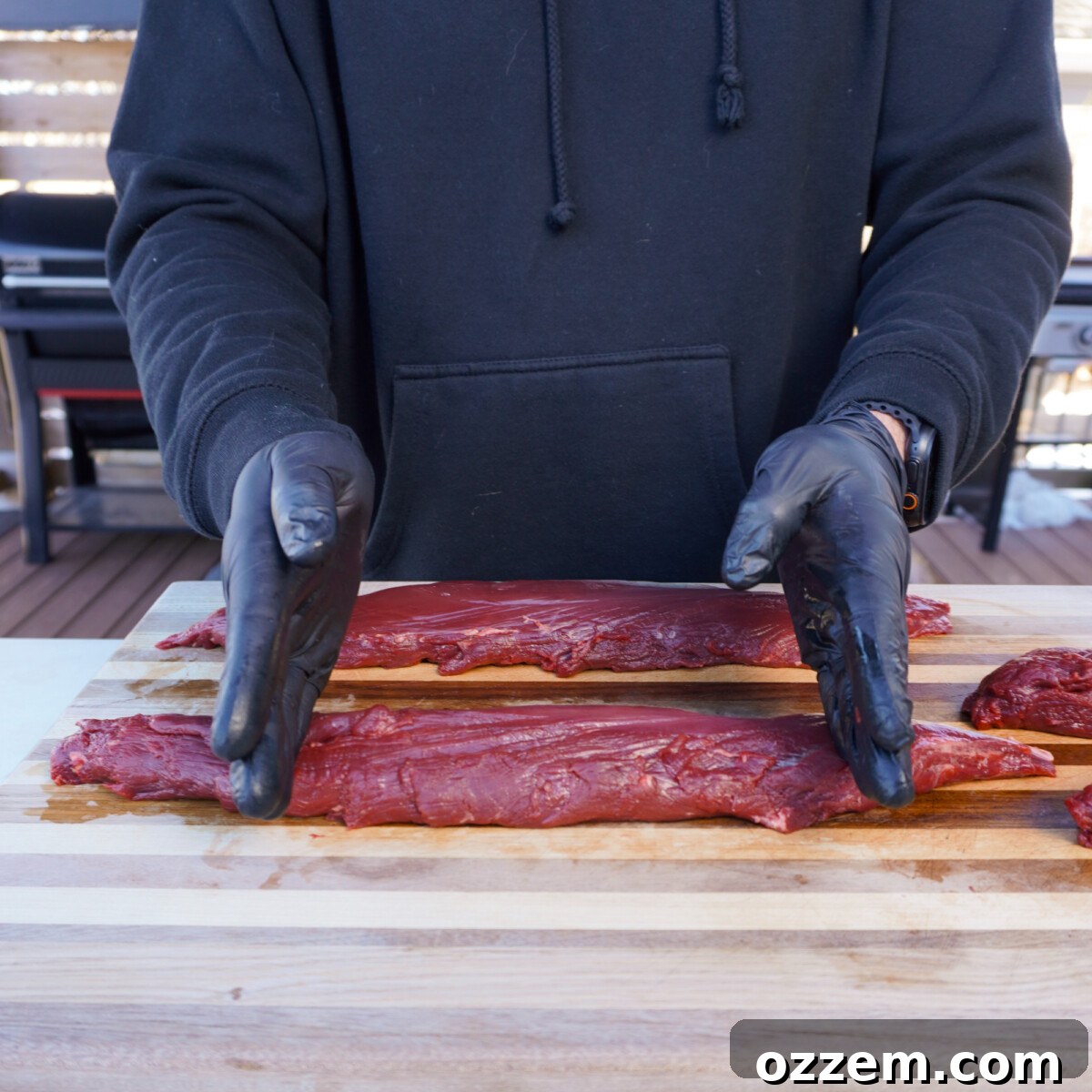
Finally, inspect the center cut for any remaining “silver skin.” This isn’t fat; it’s a tough, silvery membrane that will not render down during cooking. If left on, it will become even tougher and chewier, making the meat unpleasant to eat. To remove it, use a sharp trimming knife. Carefully slide the knife just under the silver skin, angling the blade slightly upward and away from the meat. Gently slice along the length of the membrane, pulling it taut as you go, to cleanly separate it from the tenderloin without removing excessive meat.
Once trimmed, drizzle a generous amount of olive oil over the entire venison tenderloin. This acts as a binder for your seasoning. Then, liberally season the meat with your preferred all-purpose rub, such as Dad’s All-Purpose Rub. A good rub for game meat typically features a perfect balance of salt and pepper, enhanced with hints of smoked paprika and garlic, creating an ideal savory profile that complements venison without overpowering its natural flavor.
Step 2: Mastering the Grill for Perfect Venison
Achieving a perfectly grilled venison tenderloin requires careful attention to heat and timing. Venison is a lean meat, and overcooking can quickly lead to a dry, tough result. Our goal is a beautiful medium-rare with a delectable crust.
Begin by preheating your grill to a medium-high heat, aiming for a temperature between 400-450 degrees Fahrenheit. Crucially, set up your grill for dual-zone cooking. While this recipe primarily calls for a hot and fast cook on the direct side, having a cooler, indirect zone is a vital insurance policy against overcooking.
Grilling Tip: The Power of Dual-Zone Heat
Always configure your grill for dual-zone heat, even if you anticipate grilling the venison entirely on the hot, direct side. This strategic setup provides a crucial “safety net.” Should the exterior of your venison achieve a perfect char before the internal temperature reaches your desired doneness, you can easily relocate the meat to the cooler, indirect side. This allows the venison to finish cooking gently, preventing the outside from burning while the inside comes up to temperature, ensuring a tender, juicy result without compromise.
Creating Dual-Zone Heat on Your Grill
Setting up dual heat zones is a fundamental grilling technique that allows for precise temperature control and versatility. The method varies slightly depending on your grill type:
- Gas Grill: To create dual zones, simply turn on the burners on one half of your grill to medium-high. Leave the burners on the opposite half completely off. This creates a direct heat zone over the active burners and an indirect heat zone over the inactive ones.
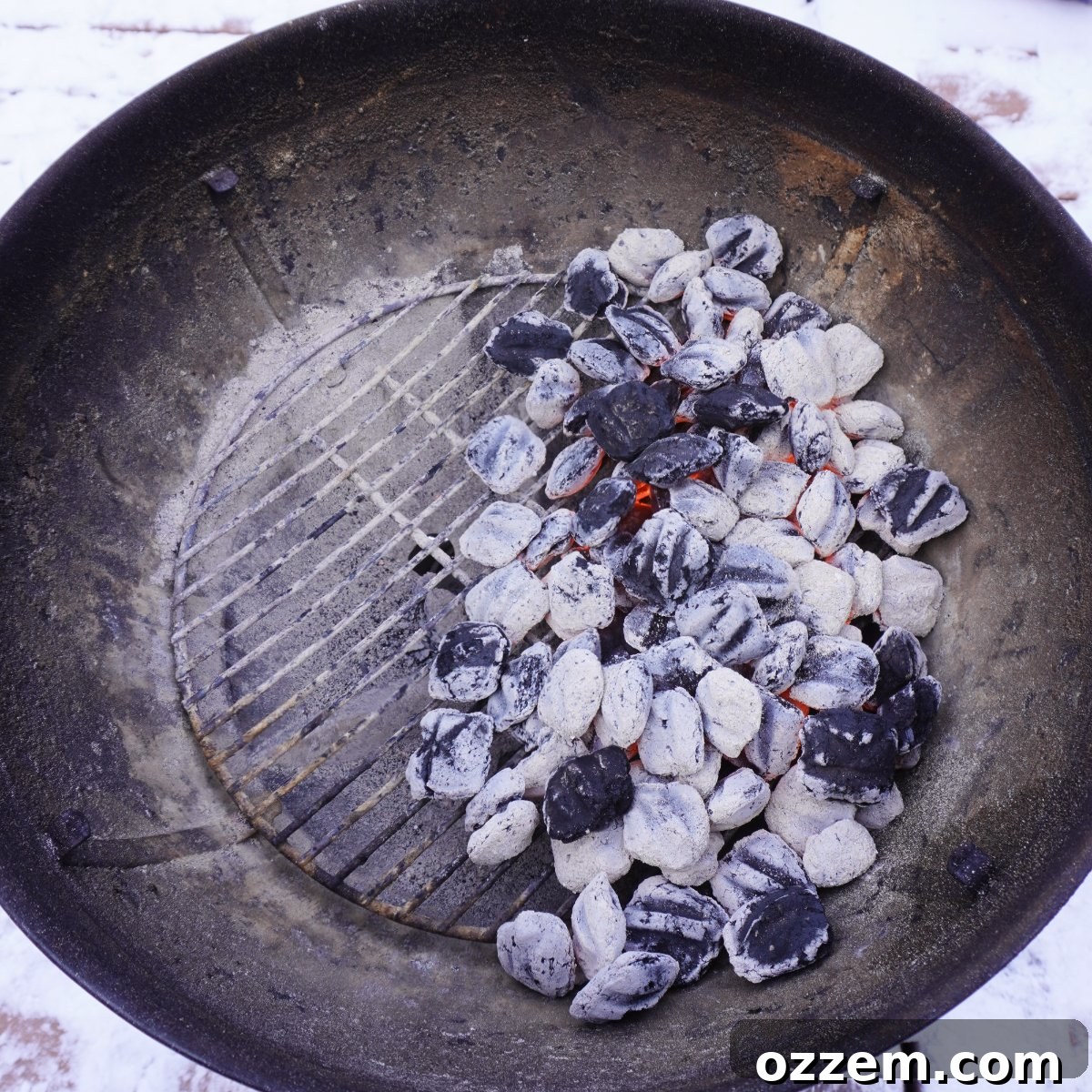
- Charcoal Grill: For charcoal grills, gather and position your hot, glowing charcoal briquettes or lump charcoal to one side of the grill bowl. The area directly over the coals is your direct heat zone, while the empty side of the grill grate serves as your indirect heat zone.
- Kamado-Style Grill: Kamado grills, like Big Green Eggs or Kamado Joes, utilize a “plate setter” or heat deflector. Place the plate setter between the coals and the cooking grate. This accessory deflects direct heat, transforming the entire cooking surface above it into an indirect cooking zone. For direct searing, remove the plate setter or use a half-moon deflector to create both zones.
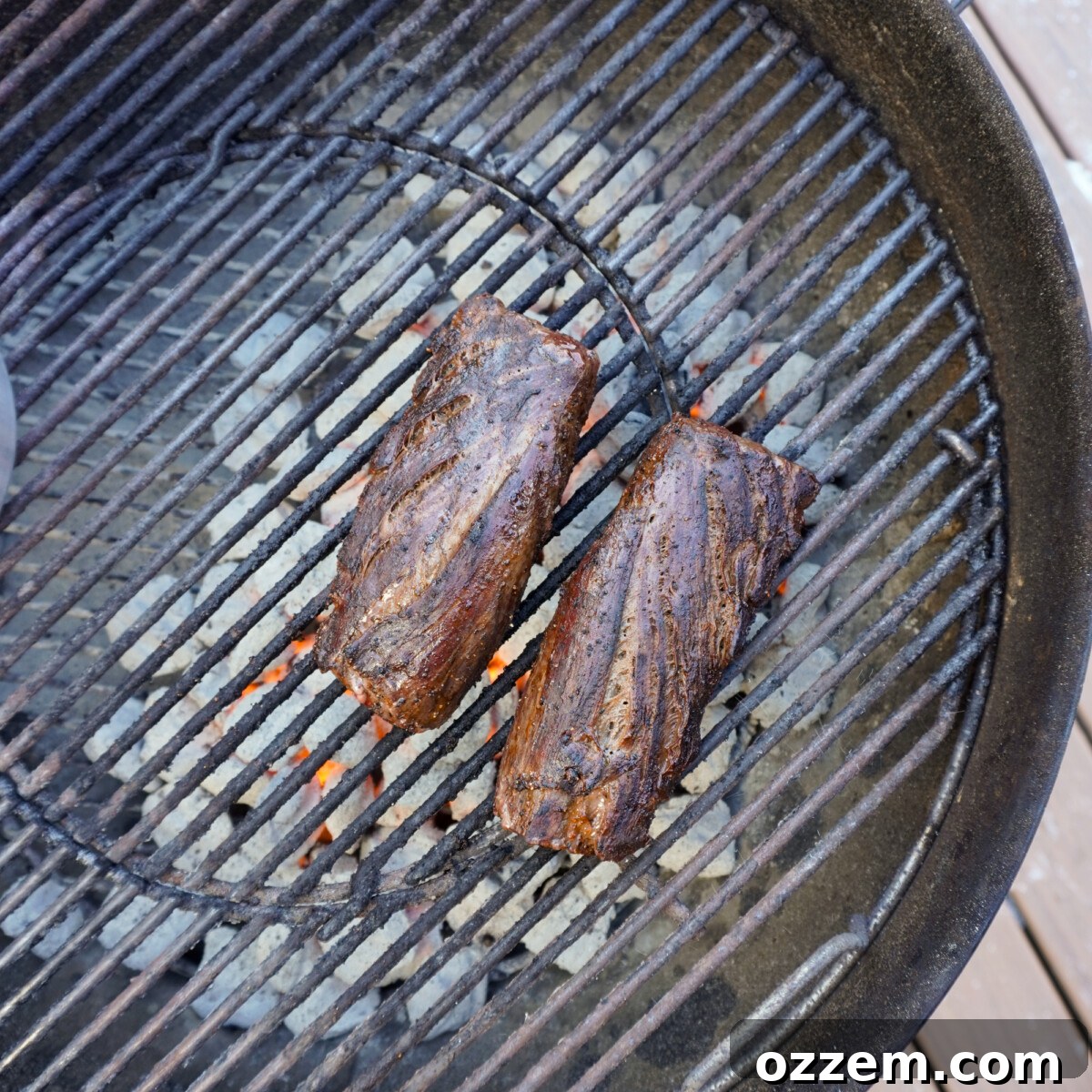
Place the seasoned venison tenderloin directly over the high heat (direct side) of your grill. Sear each side for approximately 1 minute. The goal here is to develop a beautiful, flavorful crust through the Maillard reaction. Frequent flipping is key – turning the tenderloin every minute ensures an even sear across all surfaces and promotes uniform cooking, leading to that ideal medium-rare finish throughout the meat. Total searing time will typically be 4-6 minutes, depending on the thickness of your tenderloin and the grill’s heat.
It is paramount to remove the perfectly grilled venison tenderloin from the heat when its internal temperature reaches between 125 – 130 degrees Fahrenheit. This range is critical for a medium-rare doneness. Resist the urge to grill the meat beyond a medium finish. Venison is an extremely lean meat, possessing very little internal fat. Unlike beef, which benefits from fat rendering to maintain juiciness, venison relies on careful temperature management. Overcooking will quickly cause the muscle fibers to tighten and expel moisture, resulting in a dry, tough, and less enjoyable bite. A reliable meat thermometer is your best friend here.
Once removed from the grill, transfer the venison to a clean cutting board and allow it to rest for 10-15 minutes. This resting period is not merely a suggestion; it’s a vital step in the cooking process. As the meat rests, the muscle fibers, which contracted during cooking, relax. This allows the natural juices, which have been pushed to the center of the meat, to redistribute throughout the entire tenderloin, ensuring every slice is incredibly tender and succulent. Skipping this step means the juices will simply run out when you cut into the meat, leaving you with a drier result.
Step 3: Crafting a Complementary Homemade Blueberry Sauce
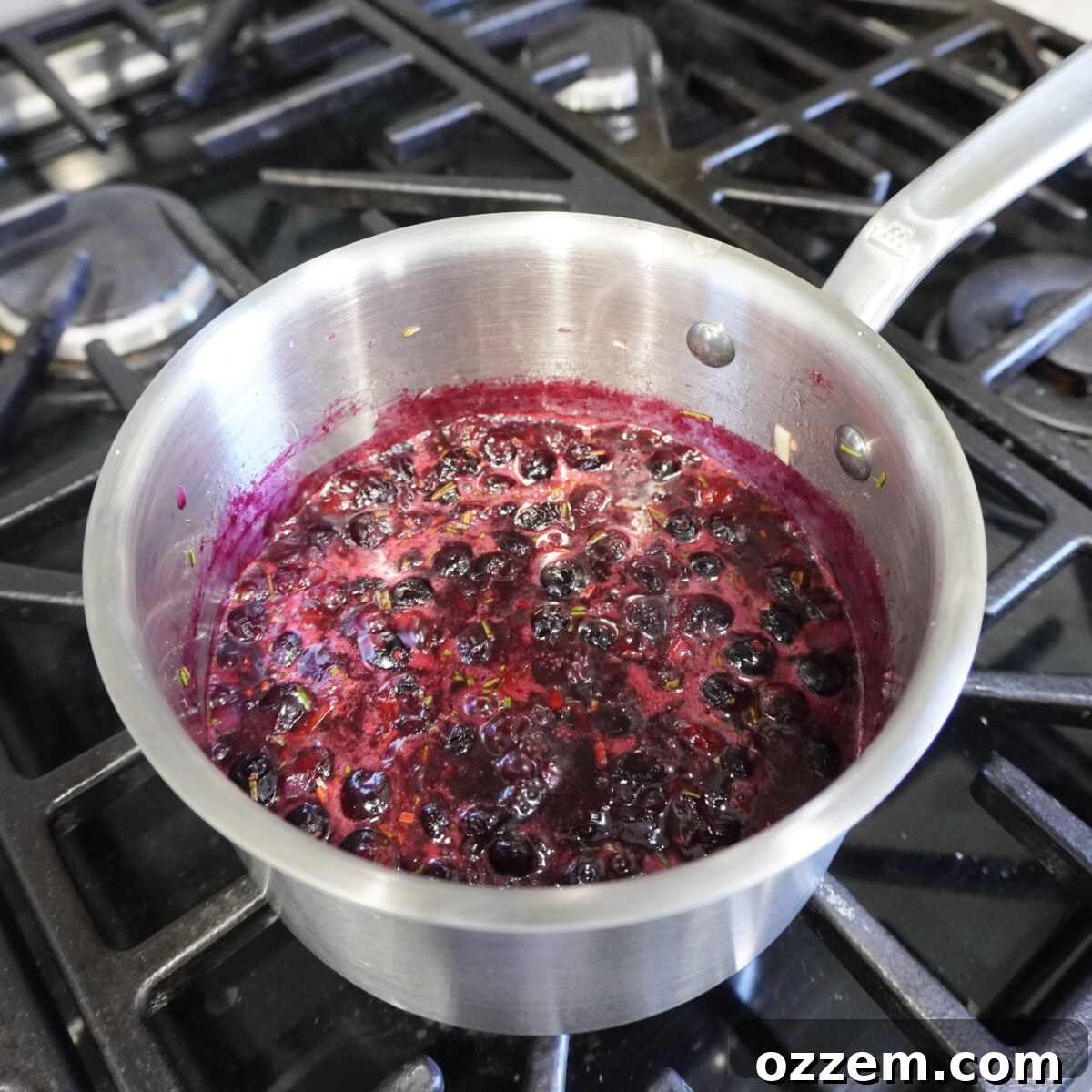
While your venison rests, turn your attention to creating the exquisite homemade blueberry sauce. This delicious, tangy condiment is the perfect topping for grilled venison, as the tartness of the blueberries and the bright zestiness of the lemon beautifully complement and cut through the rich, earthy flavors of the game meat, creating a harmonious and unforgettable pairing.
In a medium saucepan, combine all the sauce ingredients: fresh blueberries (you can use thawed frozen blueberries if fresh are unavailable), water, freshly squeezed lemon juice, delicate lemon zest, finely diced yellow onion, aromatic finely chopped fresh rosemary, rich dark brown sugar, and tangy apple cider vinegar. Stir these ingredients together until well combined.
Place the saucepan over low to medium-low heat. Bring the mixture to a gentle simmer, stirring occasionally. Allow the sauce to cook, uncovered, for about 10-15 minutes, or until the blueberries have softened and burst, and the sauce has thickened to your desired consistency. It should be thick enough to coat the back of a spoon but still pourable. Taste and adjust for sweetness or tartness if needed. The slow simmer allows the flavors to meld and deepen, creating a complex and intensely flavorful sauce that will elevate your venison.
Step 4: Serving Your Perfectly Grilled Venison Tenderloin
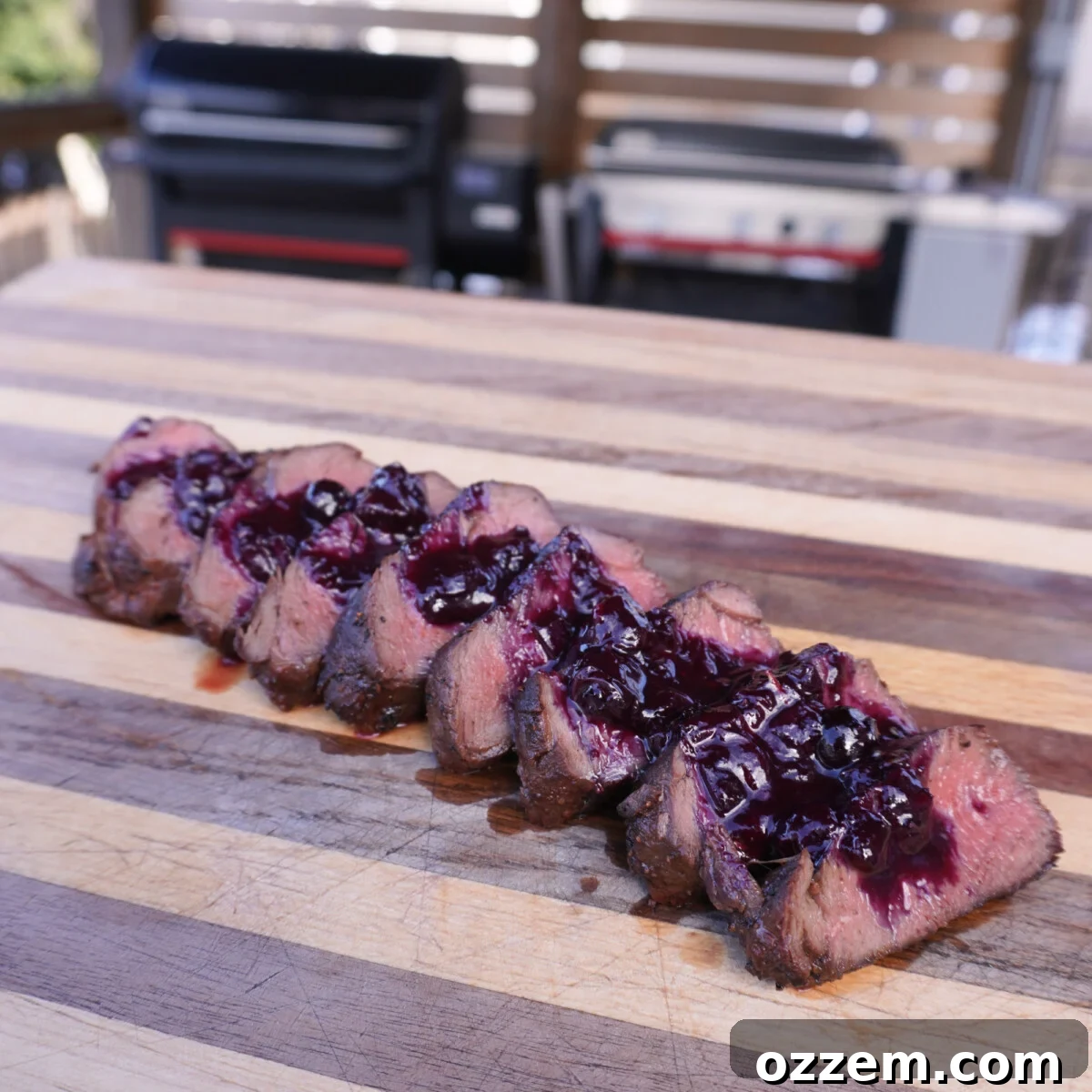
After the venison has had its essential resting time, it’s ready to be carved and served. Using a sharp knife, slice the tenderloin into elegant, single-serve medallions, typically about ½ to ¾ inch thick. Arrange these succulent slices artfully on a serving platter or individual plates. Generously spoon the warm, homemade blueberry sauce over the venison medallions. The vibrant color of the sauce against the deep red of the perfectly cooked venison creates an incredibly appealing presentation.
For a complete meal, consider serving this gourmet venison dish with complementary sides such as creamy mashed potatoes, roasted root vegetables, a fresh green salad, or perhaps some wild rice pilaf. The subtle sweetness and tang of the blueberry sauce will beautifully cut through the richness of the venison, creating a balanced and memorable dining experience. Enjoy every tender, flavorful bite!
Frequently Asked Questions About Venison Tenderloin:
For venison tenderloin, an ideal cook is medium-rare, given its incredibly lean nature. This means removing the meat from the grill when its internal temperature reaches between 125-130 degrees Fahrenheit. It’s important to remember that the internal temperature will continue to rise by another 5-10 degrees during the resting period (carry-over cooking), achieving a perfect 130-135°F medium-rare. Using an accurate meat thermometer is crucial to avoid overcooking.
Yes, venison inherently possesses a strong, robust flavor profile that is often described as “gamey.” This taste is more complex and distinct than beef, characterized by earthy, slightly musky notes and a rich, mineral undertone. Far from being a negative, this unique flavor is highly prized by those who enjoy wild game and can be wonderfully complemented by thoughtful seasoning and sauces, such as our tangy blueberry sauce.
Absolutely! Venison tenderloin can be beautifully pan-seared. Use a heavy-bottomed skillet (cast iron works wonderfully) over medium-high heat with a tablespoon of high smoke-point oil (like grapeseed or avocado oil). Sear each side for 1-2 minutes until a deep brown crust forms, then finish in a preheated oven at 375°F (190°C) until it reaches the desired internal temperature of 125-130°F for medium-rare. Don’t forget to rest the meat afterward.
Complementary side dishes include creamy mashed potatoes, roasted root vegetables (carrots, parsnips, sweet potatoes), wild rice pilaf, a simple green salad with a vinaigrette dressing, or blanched asparagus. The richness of the venison and the tang of the blueberry sauce pair beautifully with a variety of textures and flavors, from starchy to fresh greens.
If you tried this Perfectly Grilled Venison Tenderloin or any other recipe on my blog, please leave a 🌟 star rating and let me know how it went in the📝 comments. I love hearing from you!
Perfectly Grilled Venison Tenderloin
Maciek Zurawski
10 minutes
20 minutes
8
People
Ingredients
Venison Ingredients
- 2 strips Venison tenderloin
- 2 tbsp Olive oil
- 4 tbsp All purpose rub
Blueberry Sauce Ingredients
- 2 cups Blueberries
- 1/2 cup Water
- 1/4 cup Diced yellow onion
- 1/4 cup Dark brown sugar
- 1/4 cup Apple cider vinegar
- 1 tbsp Finely chopped rosemary
- 1 Lemon (juiced and zested)
Instructions
-
Start by removing the venison tenderloin from its packaging and pat it thoroughly dry using paper towels.
-
Carefully remove the ‘heel’ from the end of the loin and trim off any tapered, thin ends of the tenderloin. Place these trimmed pieces into a ziplock bag and freeze for later use in stews or curries.
-
Using a sharp knife, remove any visible silver skin from the tenderloin by carefully slicing it away.
-
Drizzle olive oil generously over the entire center-cut venison tenderloin and then season it liberally with your preferred all-purpose rub.
-
Preheat your grill to a medium-high heat, between 400-450 degrees Fahrenheit, ensuring it’s set up for dual-zone cooking.
-
Sear the venison tenderloin on the direct, hot side of the grill for 1 minute per side, rotating frequently to achieve an even crust all around.
-
Remove the perfectly grilled venison tenderloin from the grill once its internal temperature registers between 125 – 130 degrees Fahrenheit.
-
Transfer the cooked venison to a cutting board and allow it to rest for a crucial 10-15 minutes to redistribute juices.
-
While the venison rests, prepare the sauce: In a saucepan, combine fresh blueberries, water, freshly squeezed lemon juice and zest, diced yellow onion, finely chopped fresh rosemary, dark brown sugar, and apple cider vinegar. Mix ingredients and simmer over low heat until the sauce thickens to your desired consistency.
-
Before serving, slice the perfectly grilled venison tenderloin into single-serve medallions, generously top with the homemade blueberry sauce, and enjoy!
Notes
Don’t waste the trimmed venison pieces! Dice them up for a flavorful stew or curry, or even grill the ‘heel’ separately as a small steak.
Remember, silver skin is a tough membrane, not fat. It will not render during cooking and must be removed for a pleasant texture.
Even for a hot and fast cook, a dual-zone grill setup is invaluable. It provides a cooler side to move the venison to if the crust develops perfectly before the internal temperature reaches the desired doneness.
Venison is extremely lean with minimal fat. Overcooking will quickly dry it out, resulting in a tough and undesirable texture. Always aim for medium-rare.
Nutrition
Carbohydrates: 18g |
Protein: 1g |
Fat: 4g |
Saturated Fat: 1g |
Polyunsaturated Fat: 1g |
Monounsaturated Fat: 3g |
Cholesterol: 0.2mg |
Sodium: 6mg |
Potassium: 104mg |
Fiber: 2g |
Sugar: 11g |
Vitamin A: 222IU |
Vitamin C: 5mg |
Calcium: 87mg |
Iron: 3mg
Like this recipe? Rate and comment below!