
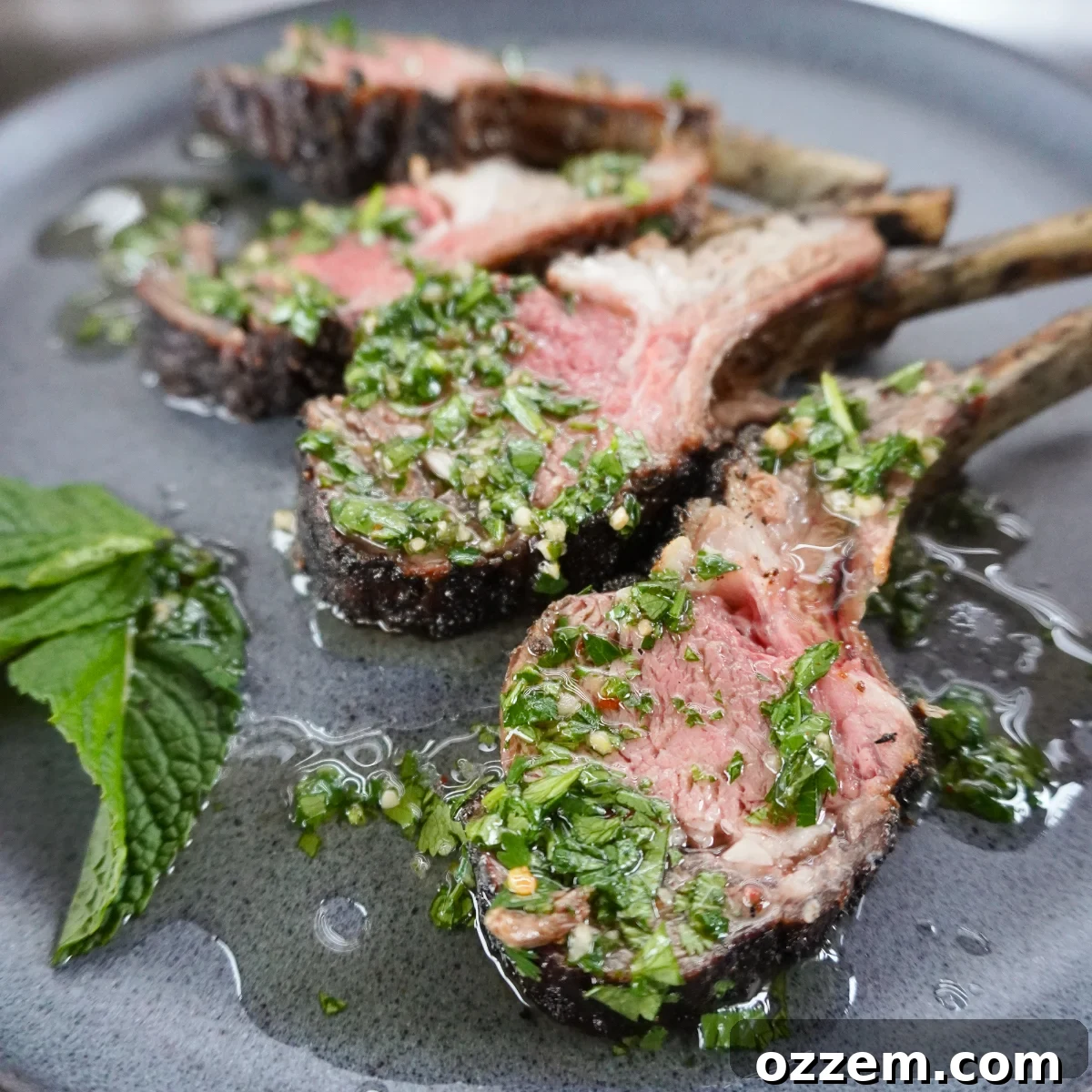
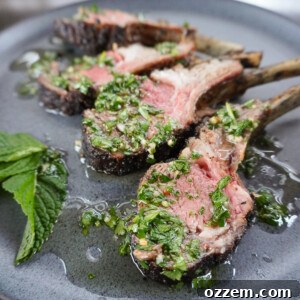
Unlock an extraordinary culinary experience with this definitive recipe for Grilled Rack of Lamb and Mint Chimichurri Sauce. This dish promises to transform even the most hesitant lamb eaters into enthusiastic admirers. The delicately grilled lamb, boasting its mild and succulent flavors, finds its perfect counterpart in a vibrant, refreshing, and exquisitely herby mint chimichurri sauce. Whether you’re planning an elegant dinner party, a sophisticated appetizer spread, or a memorable family meal, this recipe stands out as an impressive and surprisingly simple choice. Prepare to delight your guests with a symphony of flavors that is both bold and perfectly balanced.
Beyond a classic chunky chimichurri, consider exploring a wonderfully smooth and creamy mint sauce for an equally delightful dipping experience. This recipe, however, champions the traditional, vibrant texture of a hand-chopped chimichurri, ensuring every bite bursts with unparalleled freshness and aromatic goodness. It’s a versatile dish that marries the earthy notes of lamb with the bright, herbaceous kick of mint, making it a guaranteed crowd-pleaser.
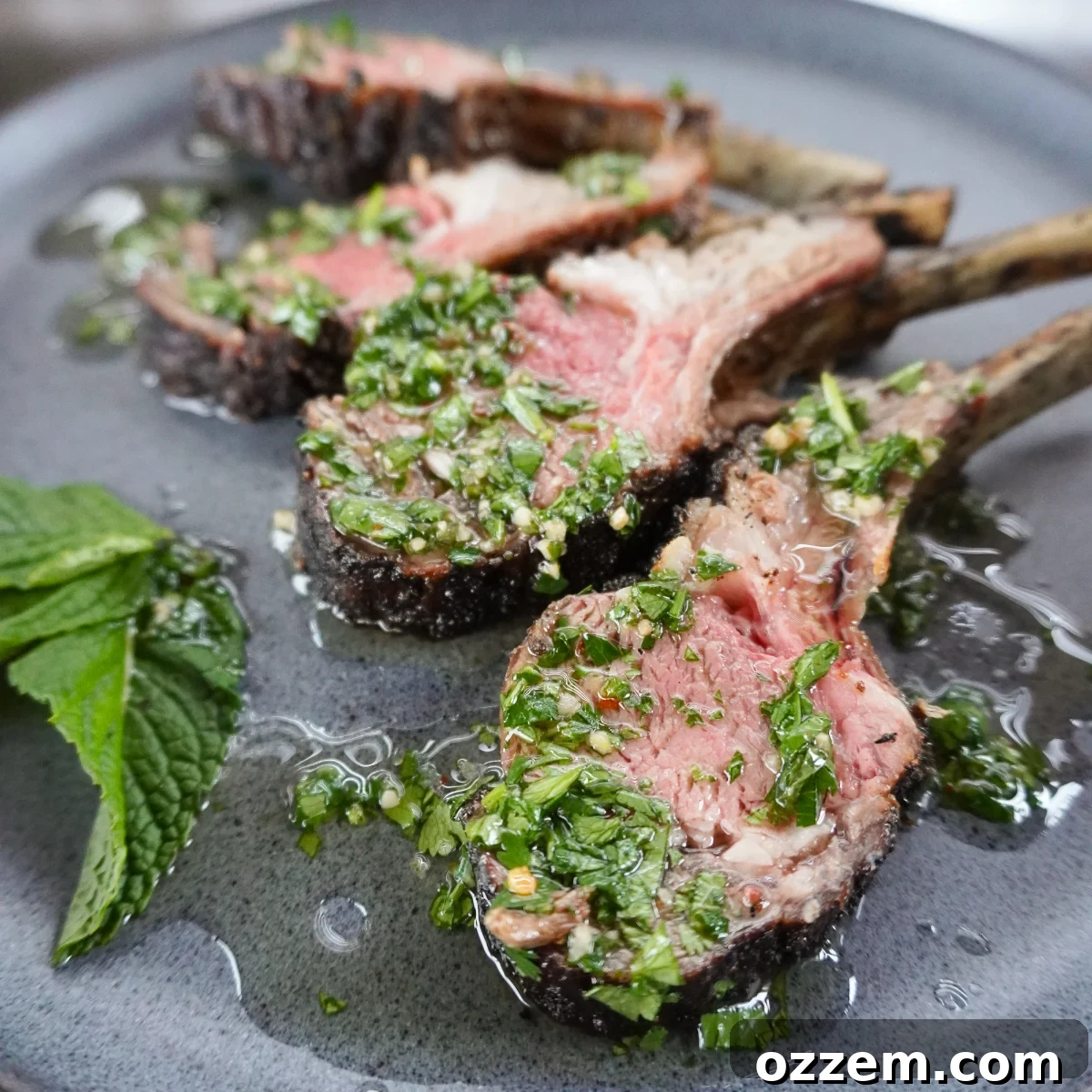
Table of Contents: Your Guide to Mastering Grilled Lamb
- What Does Lamb Taste Like? Demystifying its Flavor Profile
- Essential Ingredients for Grilled Rack of Lamb and Mint Chimichurri Sauce
- Step 1: Expertly Preparing Your Rack of Lamb for Grilling
- Pro Tip: The Art of Scoring Lamb Fat
- Step 2: Crafting the Perfect Homemade Mint Chimichurri Sauce
- Step 3: Grilling Your Rack of Lamb to Succulent Perfection
- Step 4: The Crucial Importance of Resting Lamb After Cooking
- Recommended Grilling Products
- Frequently Asked Questions About Lamb
- Discover More Delicious Grilled Lamb Recipes
- Printable Recipe: Grilled Rack of Lamb and Mint Chimichurri Sauce
What Does Lamb Taste Like? Demystifying its Flavor Profile
Lamb often carries a reputation for having a distinct “gamey” flavor, which can be an acquired taste for some. This unique taste comes from compounds found in its fat, influenced by the lamb’s diet, often contributing an earthy, grassy, and sometimes slightly sweet undertone. However, when prepared correctly, lamb is far from intimidating. Its fat content not only contributes to its rich, bold flavor but also ensures a wonderfully tender and juicy texture. A perfectly cooked rack of lamb is a truly elegant and luxurious protein, offering a depth of flavor that can elevate any meal to gourmet status.
The secret to making lamb universally enjoyable lies in pairing it with fresh, vibrant, and sometimes sweet accompaniments. These flavors beautifully counteract the inherent richness of the meat, creating a harmonious balance that delights the palate. Mint, garlic, citrus, and various herbs are classic companions that cut through the richness and enhance the lamb’s natural deliciousness, making it approachable and appealing to all. The key is to complement, not mask, its natural characteristics. This recipe specifically leverages the bright acidity and herbaceousness of chimichurri to achieve that perfect synergy.
Achieving the ideal doneness is paramount for lamb. A medium-rare temperature of 130-135 degrees Fahrenheit is typically considered perfect. At this temperature, the lamb remains tender, juicy, and beautifully pink in the center, offering the best texture and flavor. Overcooking lamb is the most common mistake, resulting in tough, dry, and less flavorful meat that loses its inherent elegance. Precision in cooking time and temperature, alongside proper resting, is key to unlocking lamb’s full potential and ensuring a memorable dining experience.
Beyond this incredible grilled rack, lamb offers immense versatility in the kitchen. You can explore a variety of preparations, such as making quick and easy balsamic citrus lamb skewers for a lighter option, indulging in a perfectly crusted rack of lamb with crushed pistachio nuts for an exquisite presentation, or savoring a smoky and hearty leg of lamb for a comforting, robust meal. Each preparation highlights a different facet of this magnificent meat, proving that lamb is far more than just a holiday roast. This particular recipe simplifies grilling a rack of lamb, making it accessible even for beginners, while delivering results worthy of a fine dining establishment.
The beauty of this grilled rack of lamb recipe also lies in its relatively simple ingredient list, making it accessible for home cooks. We’ll also discuss a few smart substitutions you can consider to make the recipe even more convenient or budget-friendly without compromising on the depth and quality of flavor.
Essential Ingredients for Grilled Rack of Lamb and Mint Chimichurri Sauce
Crafting this remarkable dish begins with selecting high-quality ingredients. Here’s what you’ll need, along with expert tips for best results and potential substitutions to streamline your cooking process:
- Rack of Lamb: This is unequivocally the centerpiece of our dish. When purchasing, prioritize a rack that has a healthy, even layer of fat, as this intramuscular fat is crucial for imparting flavor, retaining moisture, and contributing to the meat’s tenderness. Ideally, request your butcher to “french” the rack for you. Frenching involves meticulously trimming away excess meat, fat, and cartilage from the ends of the rib bones, resulting in a cleaner, more refined, and visually striking presentation. If your butcher can handle this, it saves you considerable effort at home and ensures a professional-looking finish.
- Seasoning: While “Dad’s Steak Seasoning” is highly recommended for its perfectly calibrated blend of buttery and herby notes that inherently complement lamb’s unique flavor profile, a simple yet profoundly effective blend of coarse sea salt and freshly cracked black pepper will also yield excellent results. For an enhanced aromatic depth and a more traditional lamb flavor, consider incorporating a tablespoon of dried oregano or finely crushed rosemary into your seasoning mix. Remember to always adjust the sodium levels to suit your personal dietary preferences and taste.
- Fresh Herbs (Cilantro and Parsley): These vibrant green herbs form the aromatic backbone of your chimichurri, providing freshness and complexity. The culinary debate often arises regarding the use of parsley only, cilantro only, or a blend of both. In my extensive experience, an equal mix of both herbs achieves the most balanced and nuanced flavor profile, offering a delightful complexity without any single herb dominating. Crucially, roughly chopping both cilantro and parsley by hand yields the best balance in flavor and texture, providing a delightful chunkiness that a food processor often misses, as it tends to bruise the leaves. While pre-chopped herbs are available, they tend to be more expensive and sometimes too finely processed, diminishing the desired fresh burst. Aim for vibrant, fresh bunches for maximum impact.
- Garlic: A foundational ingredient for any robust chimichurri, garlic provides a pungent, savory depth. The choice between readily available jarred minced garlic and fresh garlic is a common one. Jarred minced garlic offers unmatched convenience, especially when time is short, and still delivers a respectable flavor. However, for a truly robust, sharper, and more intense garlicky punch, fresh garlic cloves, meticulously minced just before use, are unequivocally superior and typically more economical. Use what works best for your schedule and desired flavor intensity.
- Mint: This is the signature ingredient that transforms a classic chimichurri into our refreshing mint variant. Fresh mint leaves are an absolute imperative; the amount can be precisely adjusted to your liking – add more for a bolder, invigorating minty profile, or less for a subtle, refreshing whisper. It is vital to exclusively use fresh mint leaves and strictly avoid mint paste or extract. Pasty mint products often carry an artificial, cloying flavor reminiscent of toothpaste, which will dramatically detract from the chimichurri’s vibrant, authentic taste.
- Olive Oil: A good quality extra virgin olive oil will serve as the essential base for both liberally coating and seasoning the lamb, and more importantly, for creating the lush texture of the chimichurri sauce, binding all the fresh flavors together harmoniously.
- Red Wine Vinegar & Lemon: These acidic components are absolutely key to cutting through the richness of the lamb and providing a bright, tangy counterpoint to the fresh herbs in the chimichurri. Red wine vinegar contributes a classic, assertive tang, while fresh lemon zest and freshly squeezed lemon juice add a radiant, zesty lift that brightens the entire sauce and enlivens the lamb.
- Crushed Red Pepper Flakes: For a subtle, intriguing kick that awakens the palate without overpowering the delicate flavors of the lamb and mint, a generous pinch of crushed red pepper flakes is perfect. Adjust the quantity to your preferred level of gentle warmth or fiery spice.
Step 1: Expertly Preparing Your Rack of Lamb for Grilling
Proper preparation is the foundational step towards achieving a magnificent grilled rack of lamb. Taking a little extra time and care here will not only ensure an exquisite presentation but also optimize flavor absorption and contribute to an even cook. This initial stage sets the stage for a truly remarkable dish.
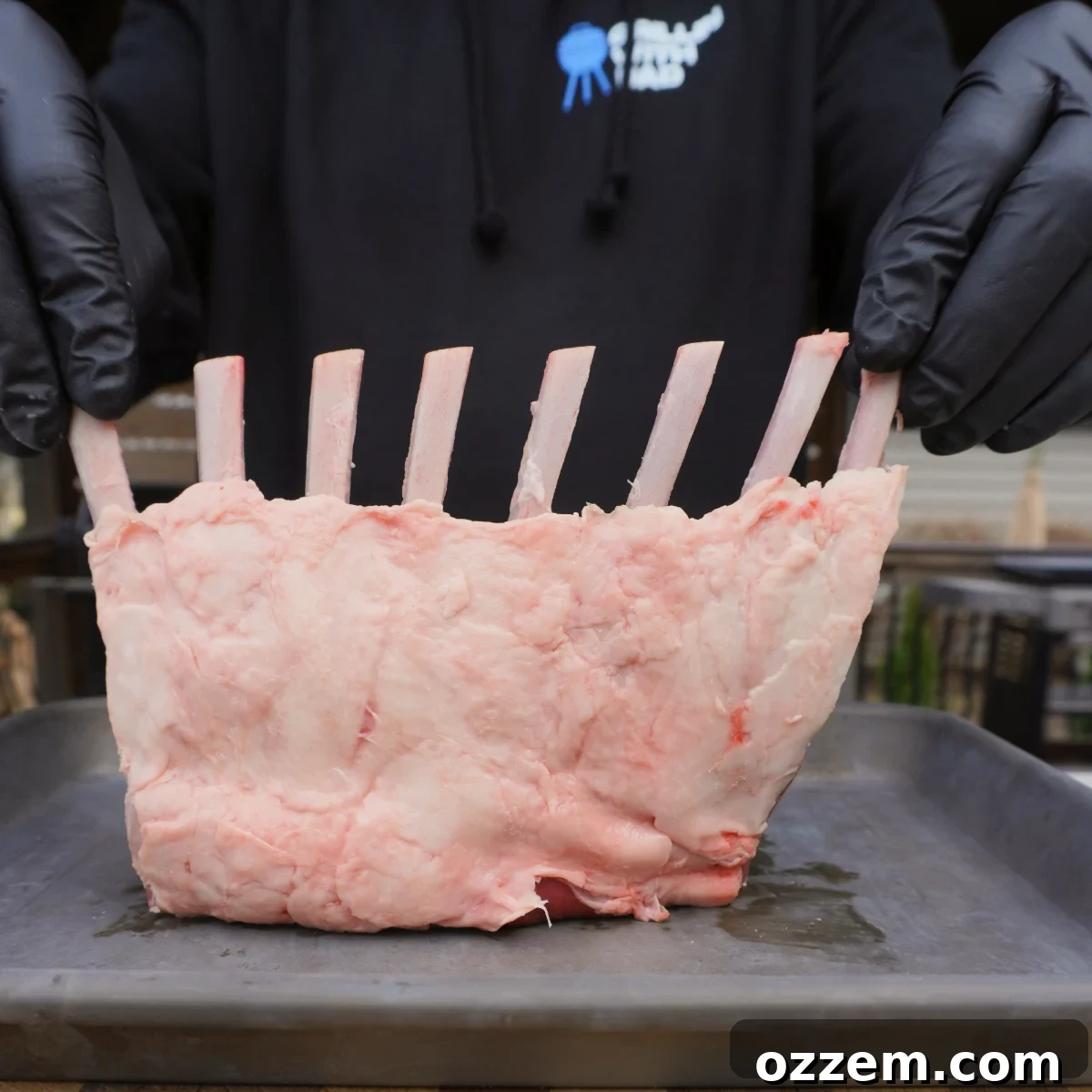
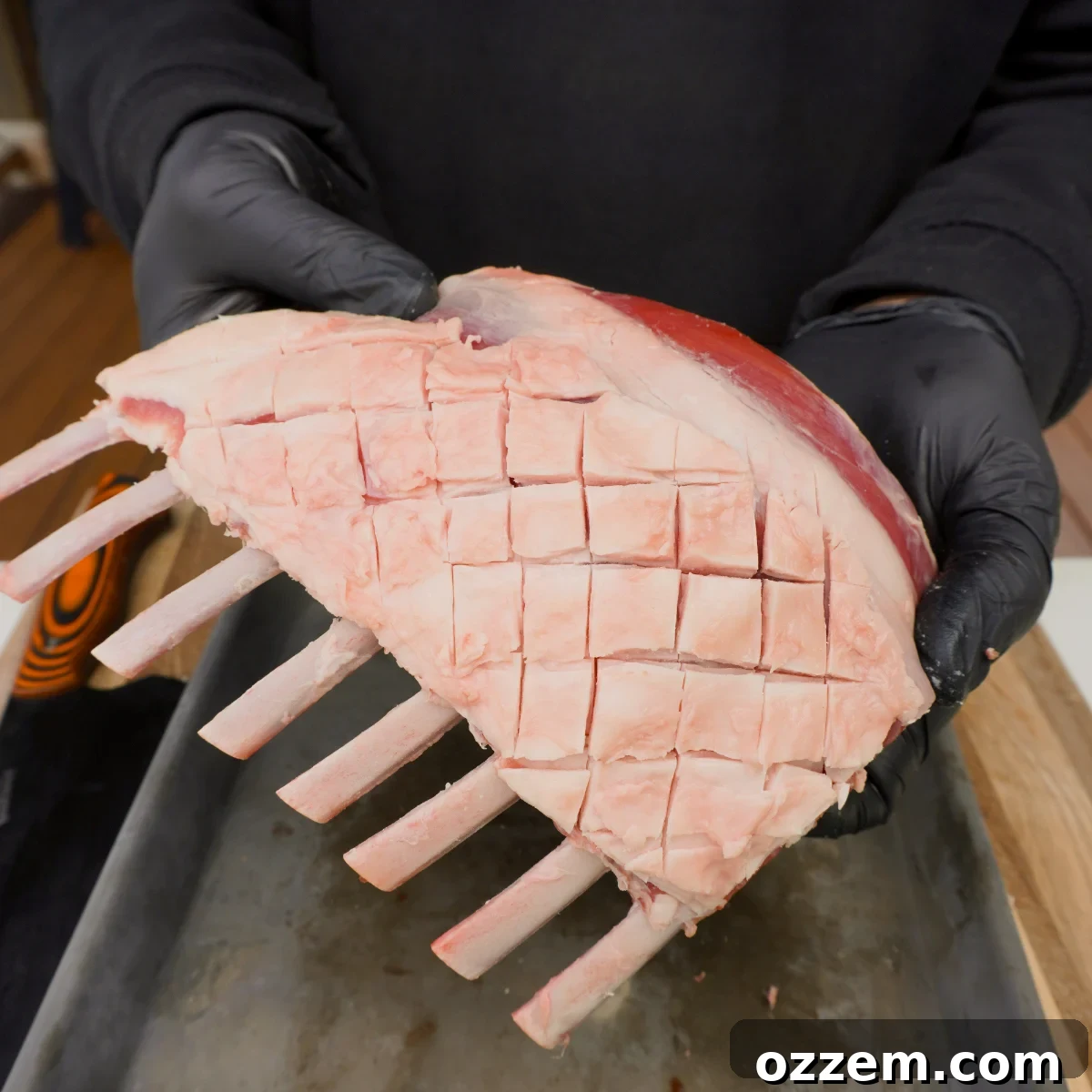
First, you’ll want to “french” the rack of lamb. This is a refined culinary term for meticulously cleaning the bones, primarily for aesthetic purposes, making the final presentation much more elegant, polished, and visually appealing. While the process might sound intimidating, it’s a straightforward technique that yields impressive results:
- Using a very sharp, thin-bladed trimming knife or boning knife, carefully slide it down the side of each rib bone, moving precisely towards the loin (the thick, meaty part of the rack).
- Once you reach the loin, make a horizontal cut across to connect with the adjacent rib, then repeat the downward cut on the other side of that rib. Continue this process methodically along the entire rack.
- Persist until the rib bones are fully exposed, perfectly clean, and free from any adhering meat or connective tissue.
- Finally, meticulously trim off any excess fat from the front of the now exposed ribs and around the loin area, creating a neat, symmetrical, and polished look. An excellent tip: don’t discard these trimmings! They are packed with flavor and can be used to make a rich, delicious lamb stock, perfect for elevating future sauces or gravies.
Next, it’s time to score the fat cap on the meaty side of the lamb. Using your sharp knife, make shallow, parallel cuts across the fat, approximately one inch apart, then repeat the process perpendicular to the first cuts, creating a checkered or diamond pattern. It is crucial to be careful not to cut deeply into the meat itself, only through the fat. This seemingly simple step offers multiple profound culinary advantages:
Pro Tip: The Art of Scoring Lamb Fat for Perfection
Scoring the fat cap on your rack of lamb is a crucial pre-grilling technique that delivers several significant benefits, transforming your cook from good to extraordinary:
- Enhanced Flavor Absorption: The shallow, precise cuts dramatically increase the surface area of the fat, allowing your chosen spices, marinades, or rubs to penetrate deeper into the lamb’s flesh. This infusion results in richer, more complex flavors that permeate every bite, rather than just seasoning the surface.
- Prevents Deformation: As the lamb cooks and the fat renders under heat, scoring helps to mitigate the natural tendency of the meat to curl or distort its original shape. This ensures that your rack cooks more evenly across its entire surface and maintains a beautifully aesthetic form, which is vital for presentation.
- Achieves Deliciously Crispy Edges: Scoring promotes a more even and efficient rendering of the fat. This process leads to the formation of delightfully crispy, almost crackling-like edges on the fat cap. These crispy bits add a wonderful textural contrast to the tender, succulent meat beneath, creating a truly gourmet experience.
- Facilitates Faster, More Even Cooking: By strategically exposing more of the fat and underlying meat to direct and indirect heat, scoring can slightly speed up the overall cooking process. More importantly, it helps in achieving a more uniformly cooked rack, reducing the chances of unevenly done sections.
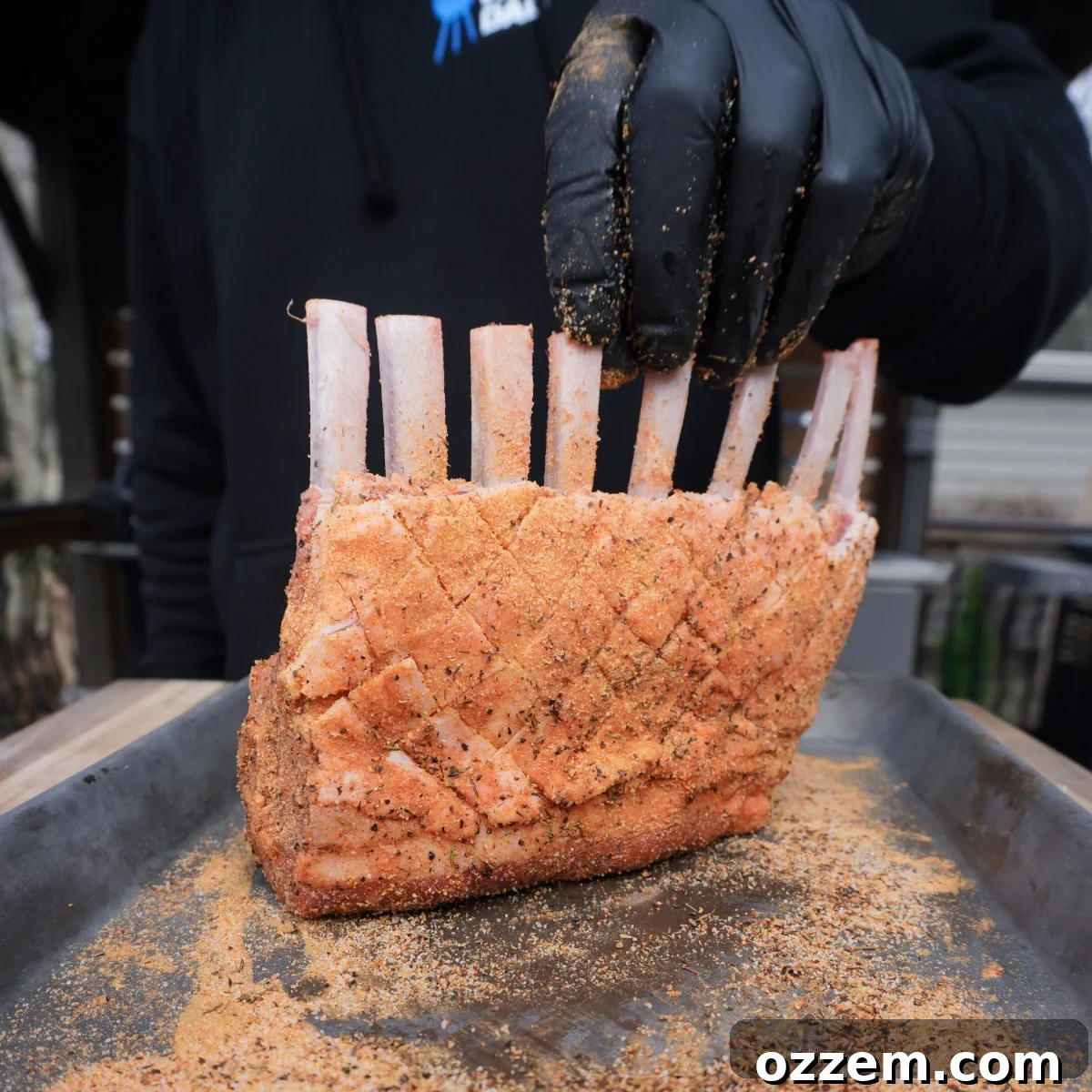
Once your lamb is meticulously prepared and scored, generously drizzle premium olive oil over the entire rack, ensuring every surface, including the exposed bones, is lightly but thoroughly coated. Then, season it liberally on all sides with “Dad’s Steak Seasoning.” This particular blend is highly acclaimed for its harmonious balance of buttery, savory, and aromatic herby notes that perfectly complement the natural, rich flavors of lamb, enhancing it without overpowering. If you don’t have this specific rub on hand, excellent and highly effective alternatives include a robust mix of dried oregano, rosemary, garlic powder, onion powder, coarse salt, and freshly ground black pepper, or any other high-quality steak or lamb seasoning blend that you prefer and trust. Ensure the seasoning adheres well to the scored fat and all surfaces of the meat, gently pressing it in to create a flavorful crust.
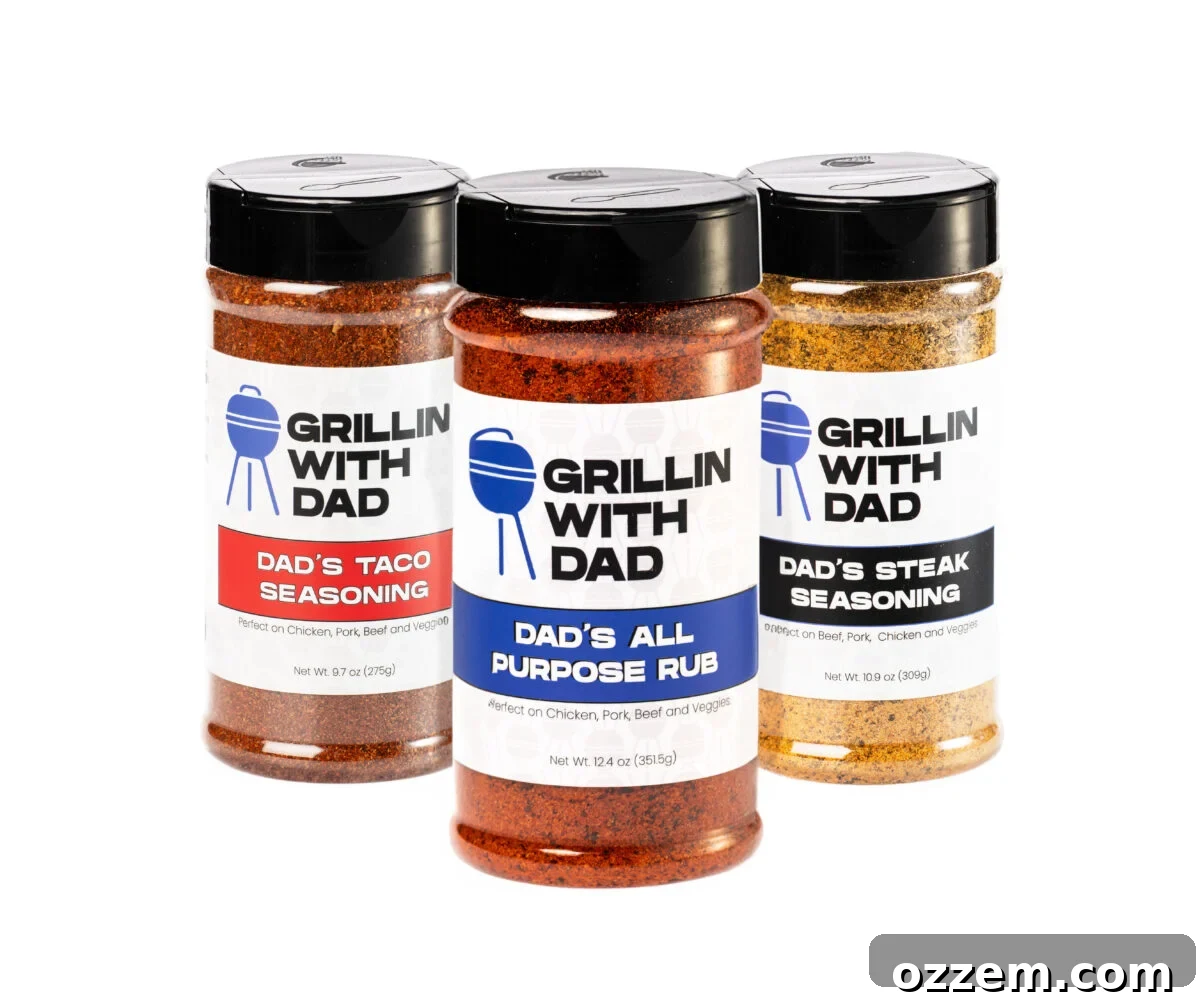
Dad’s Seasonings
Elevate your grilling game with these essential, expertly crafted seasonings designed for maximum flavor!
Step 2: Crafting the Perfect Homemade Mint Chimichurri Sauce
This homemade mint chimichurri sauce is a true game-changer for grilled lamb, brilliantly combining the classic, vibrant elements of traditional chimichurri with the invigorating, cool freshness of mint. The result is a sauce that is not only intensely refreshing and brightly flavored but also boasts a profound savory depth that perfectly complements grilled meats, especially the rich flavors of lamb. It’s an absolutely essential component of this recipe, promising a spectacular burst of flavor with every dip and bite.
To begin, meticulously and finely chop a generous amount of fresh flat-leaf parsley and cilantro. The age-old culinary debate often arises regarding whether to use parsley exclusively, cilantro exclusively, or a thoughtful blend of both. In my extensive experience, an equal mix of both herbs consistently achieves the most balanced and nuanced flavor profile, providing a desirable complexity without any single herb dominating the palate. Crucially, hand-chopping is paramount here; steadfastly resist the urge to use a food processor. A food processor tends to bruise the delicate herbs, resulting in a dark, paste-like consistency that sacrifices the desired vibrant green color, fresh aroma, and, most importantly, the delightful chunky texture that defines a truly great chimichurri.
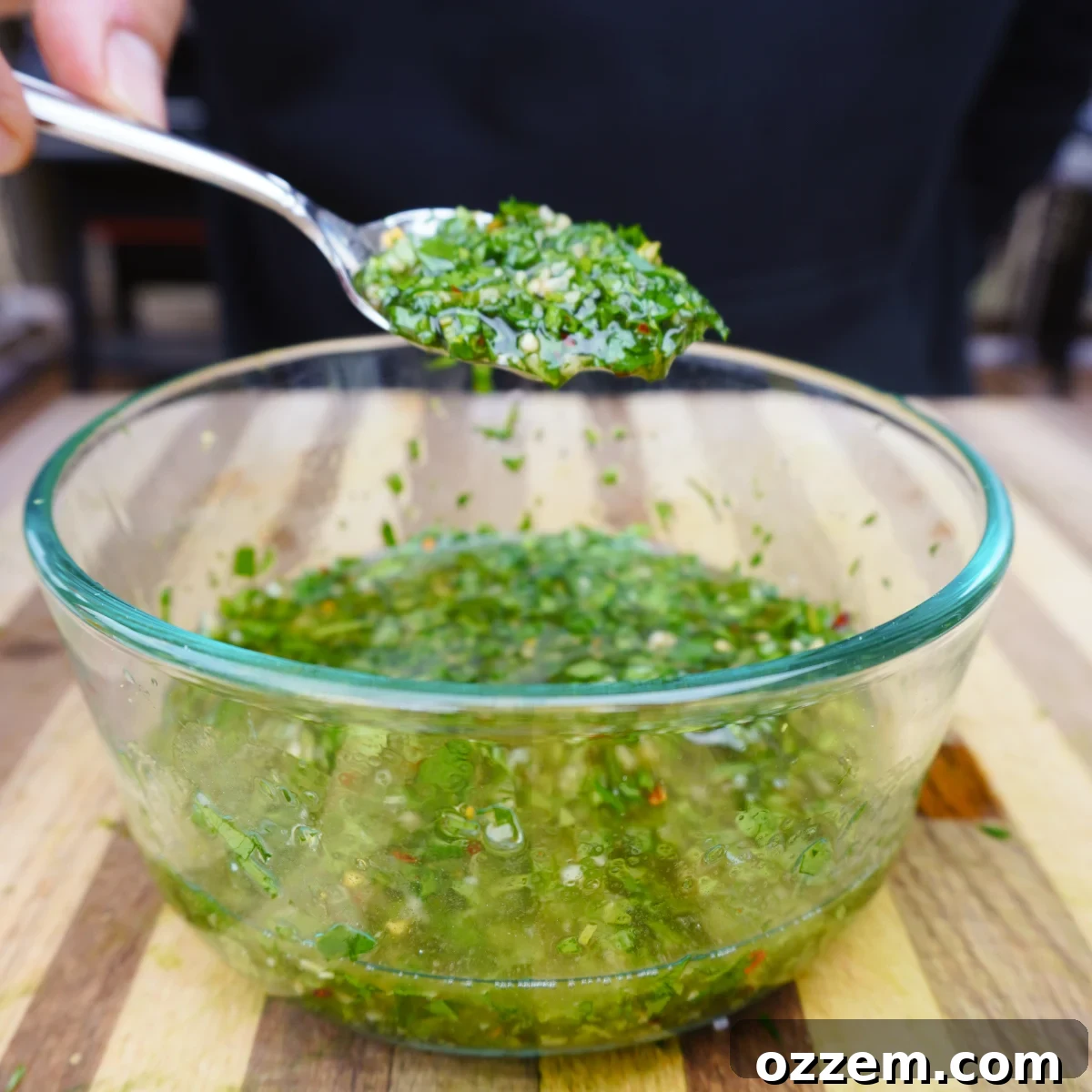
Next, gather your remaining ingredients to complete this aromatic masterpiece. Finely chop a handful of fresh mint leaves – remember, the quantity is entirely up to your personal preference for mint intensity; more for a bolder, invigorating profile, less for a subtle, herbaceous whisper. Add a tablespoon (or two, if you’re a garlic enthusiast) of freshly minced garlic (while high-quality jarred minced garlic offers convenience, fresh is always superior for flavor). Introduce a pinch of crushed red pepper flakes for a subtle, intriguing warmth that awakens the palate without overpowering the delicate flavors, and a generous amount of salt to taste, adjusting as needed. Introduce the bright, indispensable acidity with two tablespoons of high-quality red wine vinegar, along with the fragrant zest and freshly squeezed juice from one whole lemon. Finally, pour in half a cup of premium extra virgin olive oil, which serves as the luxurious base. Combine all these ingredients in a medium-sized bowl and mix thoroughly but gently with a spoon. The ultimate goal is a chunky, vibrant sauce, where the distinct textures of the herbs are still clearly evident and inviting. This delightful chunkiness is key, providing a wonderful textural contrast and an invigorating burst of fresh, savory, and tangy flavors with every spoonful. Once prepared, allow the chimichurri to rest for at least 15-20 minutes at room temperature for the flavors to meld beautifully and deepen; it often tastes even more spectacular after an hour or two, as the ingredients harmonize.
If you’re looking to explore other exciting chimichurri variations to pair with various dishes, try this recipe for a tangier and zestier lemon chimichurri sauce, which pairs exceptionally well with delicate fish and seafood. Alternatively, delight your taste buds with a sweet red chimichurri sauce, perfect for coating succulent chicken wings or enhancing pork dishes. The culinary possibilities with the versatile chimichurri are truly endless, offering a world of flavor exploration!
Step 3: Grilling Your Rack of Lamb to Succulent Perfection
Grilling a rack of lamb to perfection requires a strategic and thoughtful approach, particularly utilizing a dual-zone cooking method. This proven technique allows you to achieve both a magnificent, flavorful sear and a precise internal temperature, consistently ensuring juicy, tender, and perfectly cooked results every single time. Mastering the grill for lamb is key to its succulence.
Start by preheating your grill to a high heat, aiming for temperatures around 450-500 degrees Fahrenheit on the direct side. For dual-zone cooking, arrange your charcoal or strategically adjust your gas burners so that one side is intensely hot (direct heat) and the other side is noticeably cooler (indirect heat), creating distinct temperature zones. For instance, if you are using a Weber kettle grill, pile the hot, glowing charcoal exclusively on one side of the grill, leaving the other side completely empty. This deliberate setup is absolutely crucial for effectively controlling the cooking process, allowing you to sear and then gently finish the lamb.
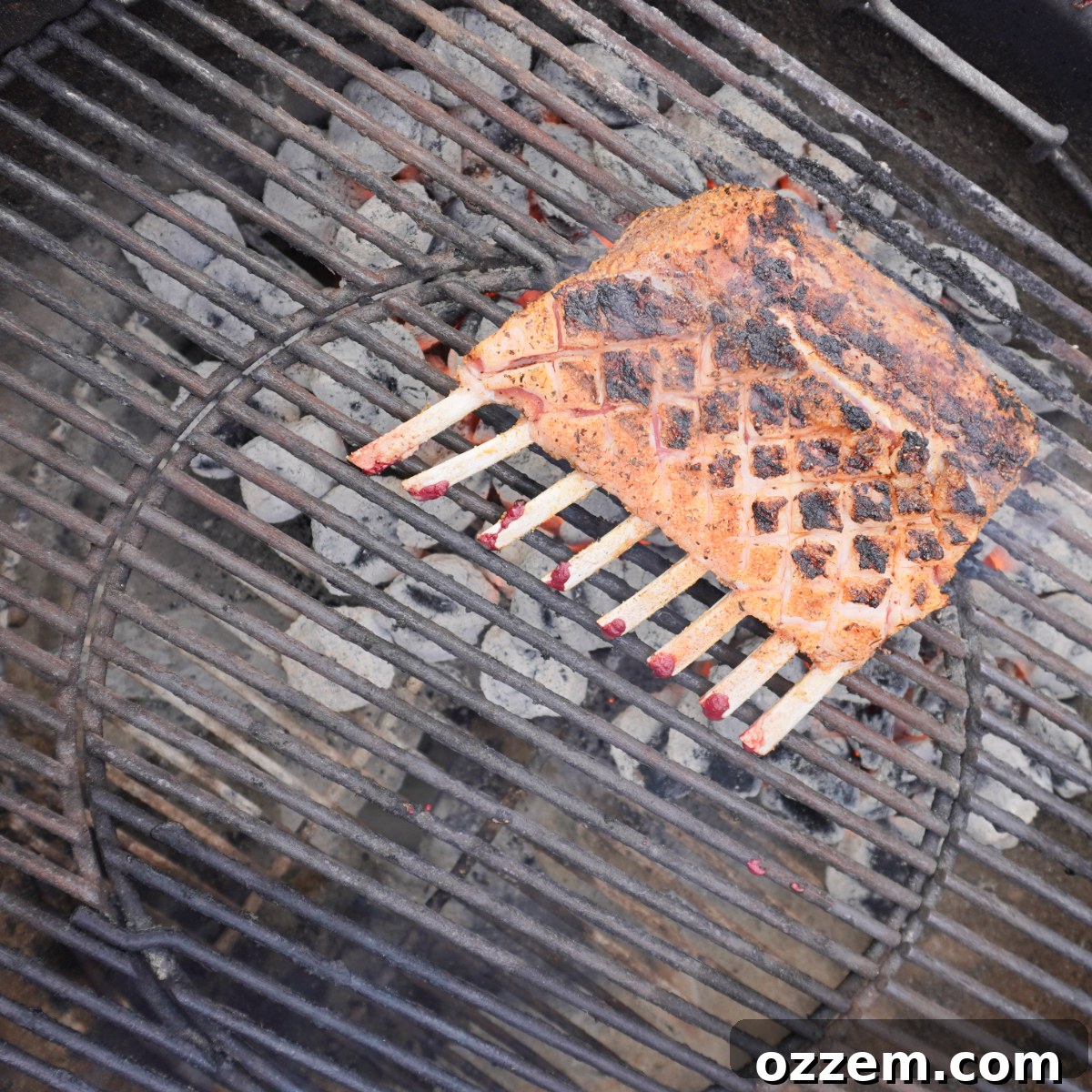
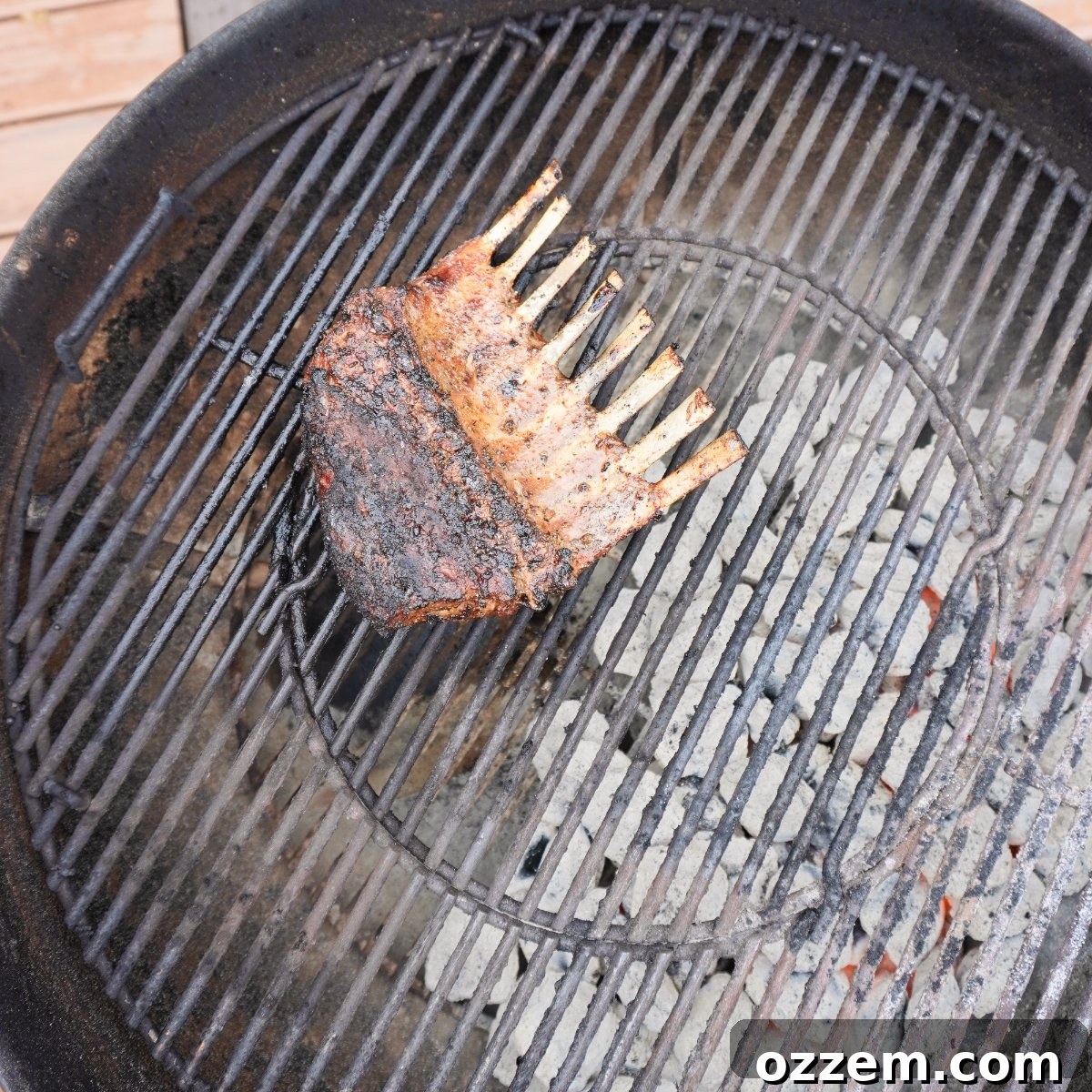
Once your grill is perfectly preheated and the zones are established, carefully place the seasoned rack of lamb directly over the intense heat zone. The primary objective here is to sear the exterior rapidly, creating a delectable, caramelized crust (the Maillard reaction) and effectively locking in the precious juices. Flip the lamb frequently, every 30-45 seconds, to ensure an even, rich char develops on all sides of the meat without any danger of burning. Always start with the fat cap side down during the initial sear to render some of that flavorful fat, contributing to a wonderfully crispy texture.
After achieving a beautiful, golden-brown sear on all sides – a process that typically takes only a few minutes – carefully move the rack of lamb from the direct heat to the indirect heat side of the grill. Close the grill lid to allow the ambient heat to cook the lamb gently, evenly, and without further direct exposure to flames. Insert a reliable, instant-read meat thermometer into the thickest part of the lamb, ensuring the probe does not touch any bone, as this can give an inaccurate reading. Continue cooking, monitoring the temperature diligently, until the internal temperature reaches 125 degrees Fahrenheit. This specific temperature is absolutely crucial, as the lamb will continue to cook and rise in temperature as it rests off the heat.
Step 4: The Crucial Importance of Resting Lamb After Cooking
Many home cooks, in their eagerness, tend to underestimate or even skip the crucial step of resting meat after cooking. However, for a succulent, uniformly tender, and maximally juicy rack of lamb, this step is absolutely non-negotiable and as critically important as the grilling itself. Resting is where true perfection is achieved.
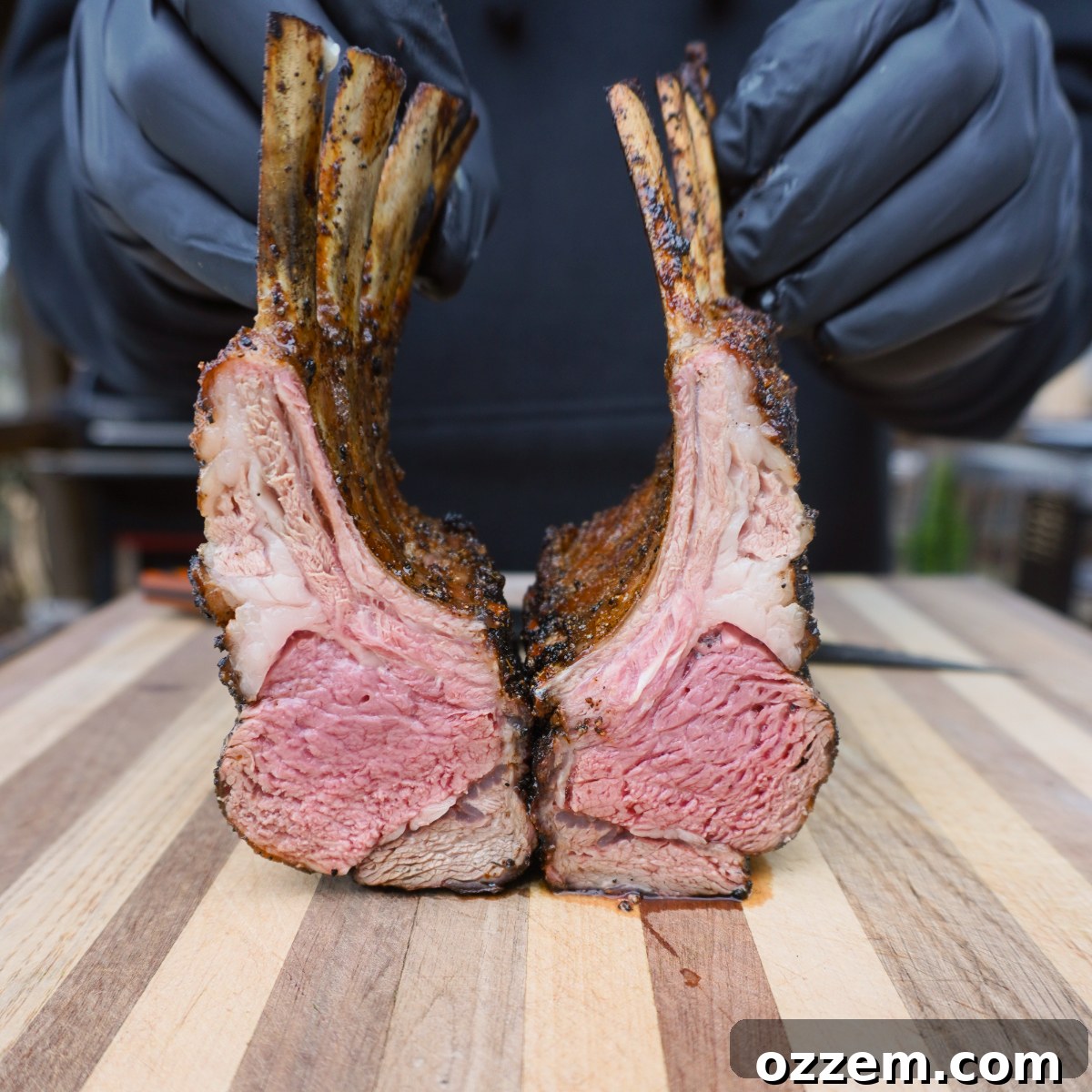
Once your grilled rack of lamb reaches an internal temperature of 125 degrees Fahrenheit (for a desired medium-rare), promptly and carefully remove it from the grill. Transfer it to a clean cutting board or a warm serving platter. Now comes the critical part: let it rest undisturbed for a minimum of 10-15 minutes, or even up to 20 minutes for a larger rack. Depending on the ambient temperature of your kitchen and how quickly you want it to cool, you can lightly tent the lamb with aluminum foil to retain some warmth, or simply allow it to rest uncovered. It’s important to avoid wrapping it too tightly, as this can trap steam and soften the delicious, crispy crust you’ve worked so hard to create.
During this seemingly passive resting period, two vital and transformative processes occur. First, the internal temperature of the lamb will continue to rise by a few degrees (a phenomenon known as carryover cooking), effectively bringing it to the ideal medium-rare range of 130-135 degrees Fahrenheit. More significantly, the muscle fibers, which naturally contract and push juices towards the center of the meat during the intense heat of cooking, will begin to relax. This relaxation allows those precious, flavorful, and savory juices to redistribute themselves evenly throughout the entire rack of lamb. Skipping this essential resting step means that when you slice the lamb, all that delicious moisture will simply run out onto your cutting board, leaving you with meat that is disappointingly dry, tough, and significantly less flavorful. Patience here is not just a virtue; it is truly rewarded with every tender, exquisitely juicy bite.
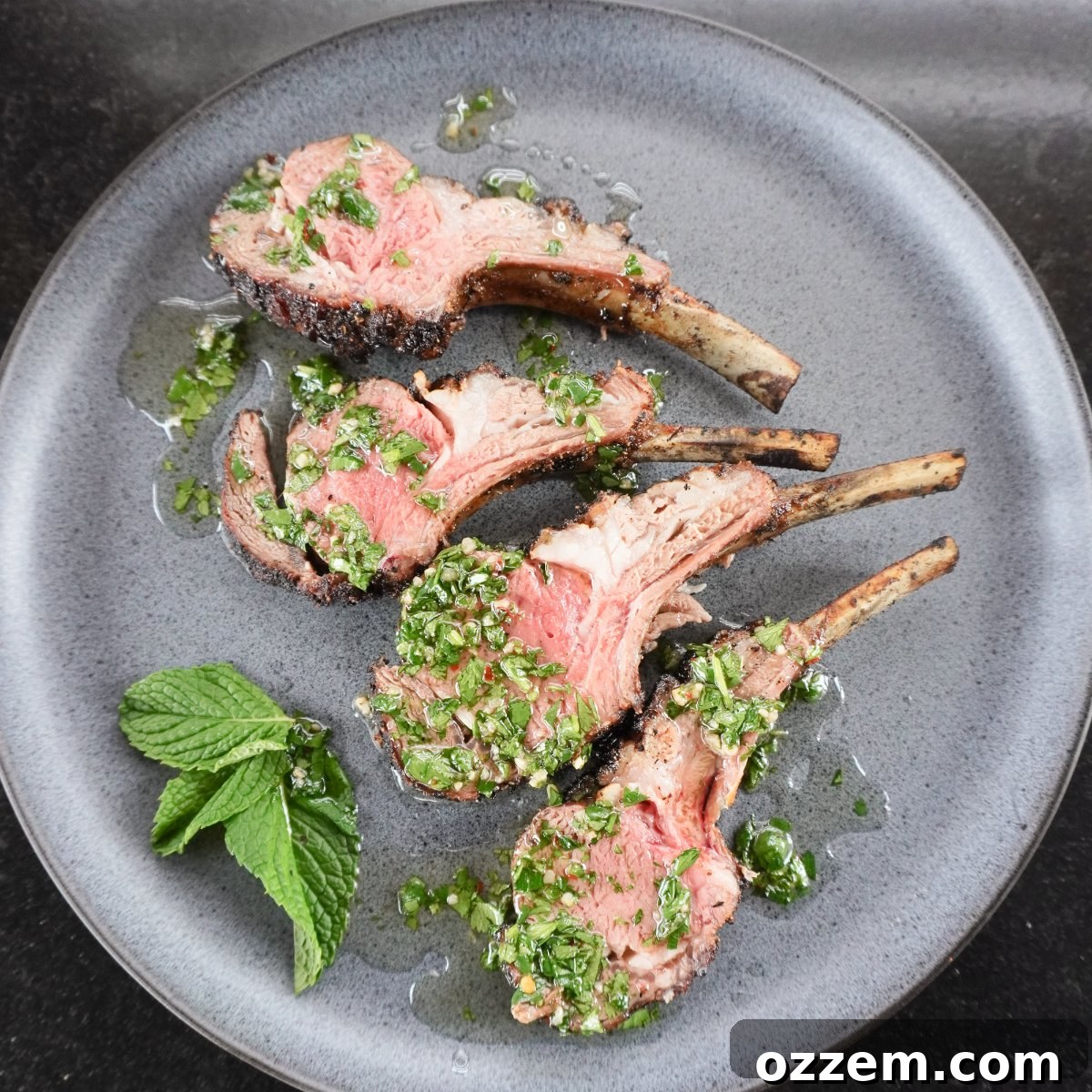
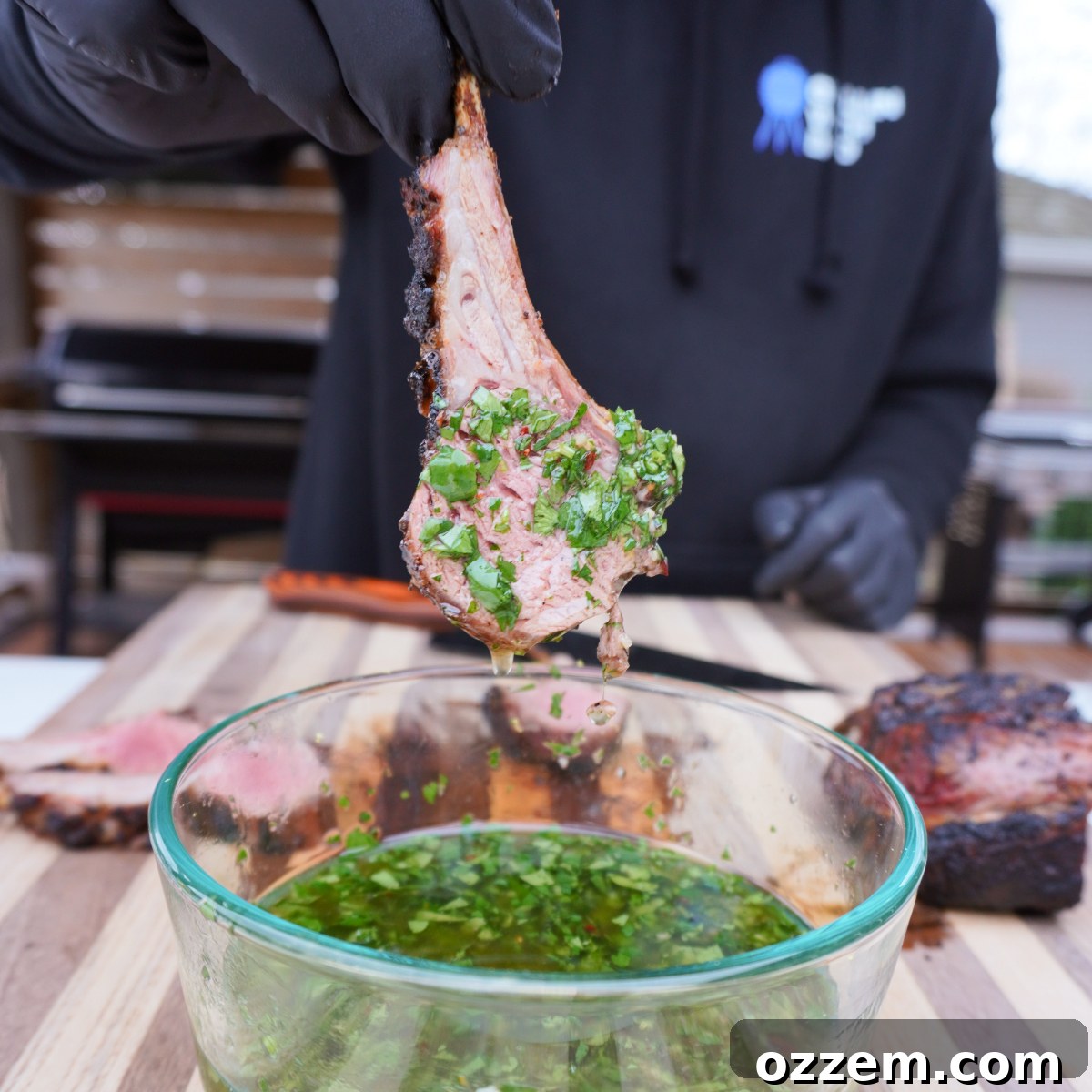
After the lamb has fully rested, the moment of truth and enjoyment arrives. Carefully slice the rack of lamb into individual lamb chops, carving neatly between the bones. Arrange these succulent chops artfully on a serving platter and generously spoon the fresh, vibrant mint chimichurri sauce over the top, allowing it to cascade over the grilled meat. For an added touch of hospitality and to allow guests to customize their experience, serve a small side dish with extra chimichurri, inviting everyone to dip and enjoy to their heart’s content. The combination of the perfectly grilled, tender lamb and the bright, zesty, herbaceous sauce is an undeniable culinary triumph that will impress and satisfy every palate.
A video demonstrating the grilling and preparation process would be embedded here to provide visual instructions and tips.
Recommended Grilling Products
To help you achieve the absolute best results and enhance your cooking experience, here are some of the premium grilling products that are either featured in our culinary demonstrations or highly recommended for preparing this exquisite recipe. Utilizing high-quality tools can make a significant and noticeable difference in the ease and success of your grilling endeavors!
Click the image below to view these essential products ⬇️
Frequently Asked Questions: Your Lamb Queries Answered
The precise cooking time for a rack of lamb can vary significantly based on its size (thickness and weight) and, crucially, your desired level of doneness. For a perfect medium-rare, which typically targets an internal temperature of 130-135 degrees Fahrenheit after resting, a standard grilled rack of lamb will usually take approximately 15-20 minutes in total. This includes a short, high-heat searing phase followed by gentle indirect cooking. Always rely on a reliable, instant-read meat thermometer for absolute accuracy rather than solely on time, as grill temperatures can fluctuate.
Lamb possesses a rich, bold, and distinct flavor profile that many describe as earthy, slightly grassy, and sometimes subtly gamey. It is known for being incredibly tender and succulent when prepared and cooked correctly. Its unique taste is often beautifully enhanced by complementary flavors such as fresh herbs (like mint, rosemary, and oregano), aromatic garlic, and bright, acidic sauces such as chimichurri. These accompaniments help to balance its robust profile, making lamb a highly versatile and cherished protein in various global cuisines.
In many Western countries, particularly in the U.S., lamb can indeed be considerably more expensive compared to other commonly consumed proteins like beef, pork, or poultry. This price disparity is primarily attributable to complex supply and demand dynamics. Sheep farming operations in the U.S. are generally conducted on a much smaller scale than in major lamb-producing nations such as Australia, New Zealand, or the UK. Consequently, lamb is less mass-produced domestically, and imported lamb often incurs additional costs due to shipping and tariffs. Furthermore, the longer time and specific resources required for lamb to mature, combined with more labor-intensive rearing practices, all contribute to its higher market price point.
Discover More Delicious Grilled Lamb Recipes
Lamb
Grilled Rack of Lamb and Mint Chimichurri Sauce
Beef
Smoked Irish Stew
Lamb
Grilled Rack of Lamb
Lamb
Balsamic Citrus Lamb Skewers
If you tried this Grilled Rack of Lamb with a Mint Chimichurri Sauce or any other recipe on my blog, please leave a 🌟 star rating and let me know how it went in the📝 comments. I love hearing from you!
Save Recipe
Pin Recipe
Print Recipe
Grilled Rack of Lamb and Mint Chimichurri Sauce
Ingredients
Grilled Rack of Lamb Ingredients
- 1 Rack of lamb (approx. 1.5-2 lbs), frenched and trimmed
- 1 tbsp Olive oil
- 1-2 tbsp Dad’s Steak Seasoning (or a quality blend of salt, pepper, dried oregano, and rosemary)
Mint Chimichurri Ingredients
- 6-10 Fresh Mint leaves, finely chopped (adjust to taste)
- 1/2 cup Fresh Flat-Leaf Parsley, finely chopped
- 1/2 cup Fresh Cilantro, finely chopped
- 1 Large Lemon (for both zest and freshly squeezed juice)
- 2 tbsp Red wine vinegar
- 1-2 tbsp Minced garlic (freshly minced highly recommended)
- 1 tsp Crushed red pepper flakes (adjust spice level to your preference)
- 1 tsp Salt (or to taste)
- 1/2 cup High-quality Extra virgin olive oil
Instructions
-
1. Prepare the Lamb: Start by “frenching” the rack of lamb. Carefully scrape the bones clean of any meat, fat, or cartilage for a polished, elegant presentation.
-
2. Score the Fat Cap: Using a sharp knife, make shallow, crisscross cuts in a checkered pattern across the fat cap. Ensure you cut through the fat, but carefully avoid piercing the meat itself.
-
3. Season the Lamb: Drizzle the entire rack of lamb with olive oil, ensuring a light, even coating. Then, generously season all sides with Dad’s Steak Seasoning, pressing it gently to adhere. Set the seasoned lamb aside at room temperature while you prepare the chimichurri.
-
4. Make the Mint Chimichurri: In a medium bowl, combine the finely hand-chopped parsley, cilantro, and mint. Add the minced garlic, crushed red pepper flakes, salt, red wine vinegar, fresh lemon zest, and lemon juice. Pour in the olive oil and mix all ingredients thoroughly with a spoon until well combined and vibrant. It’s crucial not to use a food processor, as hand-chopping preserves the desired chunky texture and fresh aroma. Allow the chimichurri to rest for at least 15-20 minutes for the flavors to fully meld.
-
5. Preheat Grill for Dual Zone Cooking: Preheat your grill to high heat, meticulously setting it up for dual-zone cooking (one side direct high heat, the other side indirect lower heat). This setup allows for both searing and gentle cooking.
-
6. Sear the Lamb: Place the seasoned rack of lamb over the direct, high-heat zone. Sear each side for 30-45 seconds, flipping frequently, until a beautiful, golden-brown crust forms evenly without burning. Begin with the fat cap side down to render the fat and achieve a crispy texture.
-
7. Finish with Indirect Heat: After searing, move the rack of lamb to the indirect heat side of the grill. Close the lid and continue cooking, monitoring with a reliable meat thermometer inserted into the thickest part (avoiding the bone), until the internal temperature reaches 125 degrees Fahrenheit for a perfect medium-rare.
-
8. Rest the Lamb: Immediately remove the lamb from the grill and transfer it to a clean cutting board. Let it rest, lightly tented with foil, for 10-15 minutes. This crucial resting period allows the juices to redistribute evenly and the temperature to gently rise to the ideal 130-135°F for medium-rare, ensuring maximum tenderness and flavor.
-
9. Slice and Serve: After resting, slice the rack of lamb into individual chops, carving carefully between the bones. Arrange them elegantly on a serving platter and generously spoon the homemade mint chimichurri sauce over the top. Serve with an extra bowl of chimichurri for dipping, and savor this exquisite dish immediately!
Chef’s Notes & Tips for Perfect Lamb
- While frenching the bones is technically optional for taste, it is highly recommended for presentation. It transforms a rustic cut into an elegant, restaurant-quality centerpiece. The trimmed meat and fat can be saved and utilized to make a rich lamb stock, perfect for enhancing future sauces or gravies, ensuring no part goes to waste.
Don’t Skip Scoring the Fat Cap for Optimal Results:
- Scoring the lamb’s fat cap serves multiple crucial purposes that significantly enhance the final dish. It allows seasonings and rubs to penetrate deeper into the meat, prevents the rack from deforming or curling during cooking as the fat renders, encourages the formation of deliciously crispy “crackling” edges, and promotes more even and thorough cooking. It’s a simple, yet profoundly impactful, preparatory step.
Master Medium-Rare and Embrace the Rest Period:
- The culinary sweet spot for lamb is typically medium-rare. To achieve this, remove the rack from the grill when its internal temperature reaches 125 degrees Fahrenheit. Subsequently, allow it to rest undisturbed for a full 10-15 minutes. This crucial resting period ensures that carryover cooking brings the temperature up to the perfect 130-135 degrees Fahrenheit range, and more importantly, allows all the precious juices to redistribute evenly throughout the meat, guaranteeing a tender, succulent, and juicy result with every single slice.
Hand-Chop Herbs for a Chunky Chimichurri:
- Resist the temptation to use a food processor for your chimichurri sauce. Hand-chopping the fresh herbs (parsley, cilantro, and mint) to a distinct, chunky consistency is absolutely vital. This technique provides a delightful textural contrast that complements the smooth lamb, offers an invigorating burst of fresh, vibrant flavor with each taste, results in a sauce that is lighter and more appealing compared to a dense paste, and simply looks much better on the plate.
Nutrition Information (Approximate per serving)
Carbohydrates: 2g |
Protein: 25g |
Fat: 88g |
Saturated Fat: 29g |
Polyunsaturated Fat: 8g |
Monounsaturated Fat: 46g |
Cholesterol: 129mg |
Sodium: 225mg |
Potassium: 372mg |
Fiber: 0.3g |
Sugar: 0.2g |
Vitamin A: 148IU |
Vitamin C: 2mg |
Calcium: 46mg |
Iron: 3mg
Love this Recipe? Share Your Thoughts!