

Mastering Grilled Chicken Legs: Juicy, Flavorful & Crispy Every Time
There’s an undeniable joy in grilling chicken legs to perfection: that succulent, juicy interior encased in a beautifully charred, crispy skin. After countless hours spent perfecting my technique over the years, I’m thrilled to share my ultimate guide to achieving consistently delicious results. This recipe isn’t just about cooking chicken; it’s about transforming simple drumsticks into a memorable meal, bursting with flavor and perfectly tender, without any burnt seasonings or dry meat. Whether you’re a seasoned grill master or just starting your backyard barbecue journey, this trusted marinade and precise grilling method will empower you to create grilled chicken legs that will become a staple at your table.
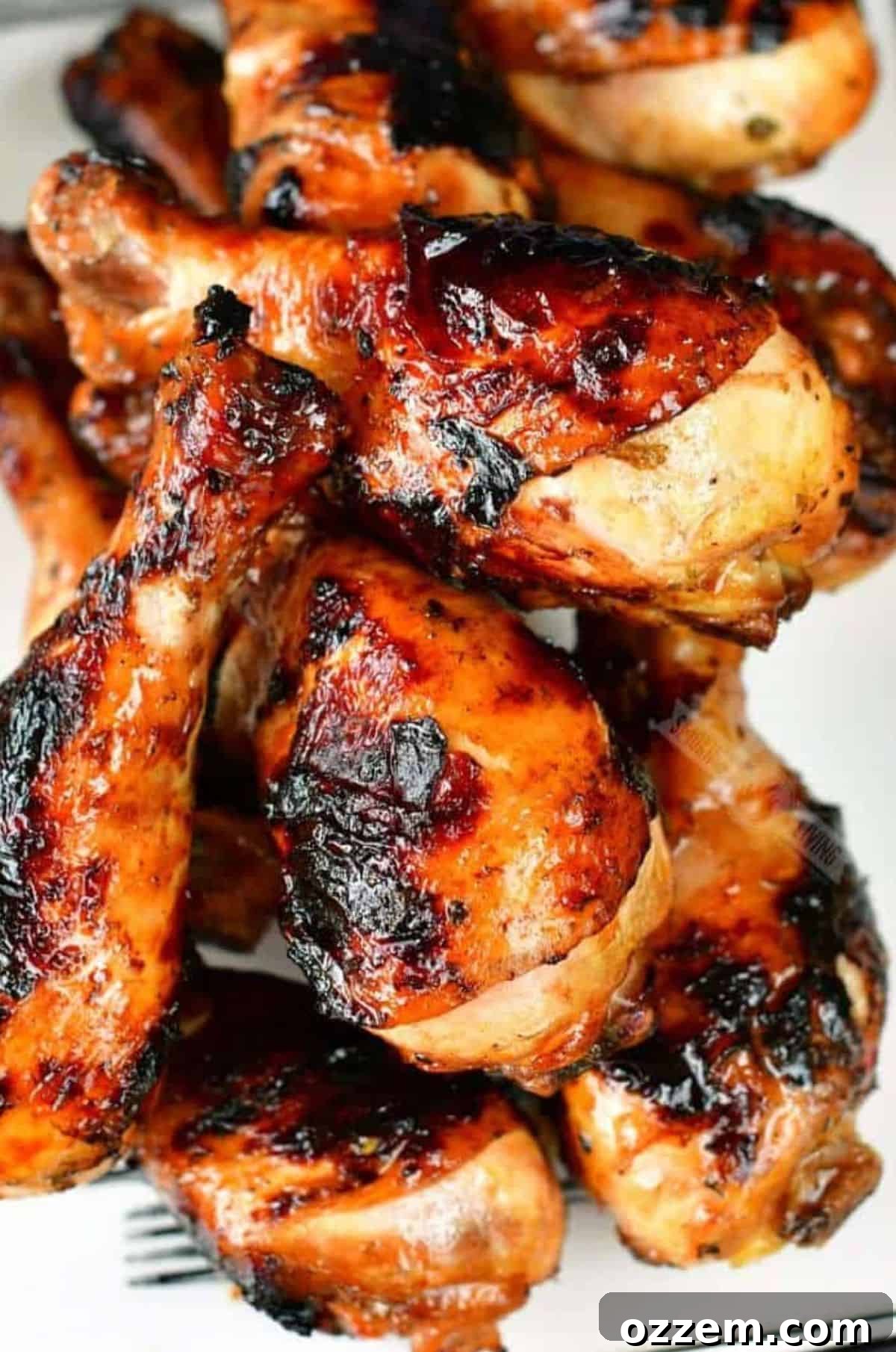
Why Chicken Legs Reign Supreme on the Grill
Chicken legs, often overlooked in favor of breasts or thighs, are a true grilling gem. Their higher fat content ensures they stay incredibly juicy throughout the cooking process, making them forgiving and full of flavor. For me, they’ve always been a favorite cut for outdoor cooking. When it comes to grilling drumsticks, I’ve learned that a marinade is your best friend. While a good dry rub works wonders for smoked chicken, applying it to drumsticks over direct grill heat often leads to burnt spices and a bitter crust. The natural fat from chicken legs can cause frequent flare-ups, incinerating any sugar or fine herbs in a dry rub.
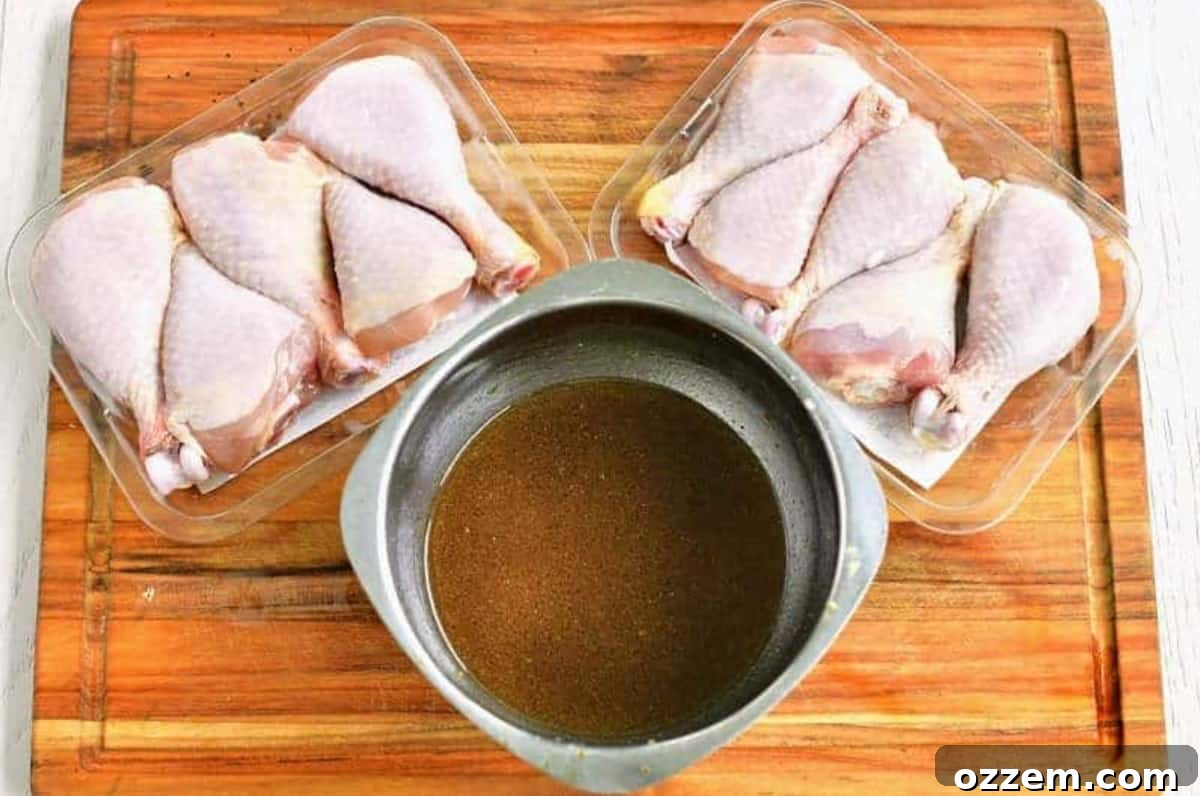
This is precisely why marinating chicken is my preferred method for grilling. A well-crafted marinade not only infuses the meat with incredible flavor but also helps keep it exceptionally moist. It creates a beautiful, caramelized exterior as it cooks, adhering perfectly without charring. My go-to marinade is a simple yet potent blend of everyday pantry staples: tangy balsamic vinegar, robust Dijon mustard, sweet honey, savory soy sauce, bright lime juice, pungent garlic, and fresh herbs. It takes less than five minutes to whisk together, yet its impact on the final dish is profound. This versatile marinade isn’t just for legs; I use it on chicken thighs, wings, and even breasts, whether I’m grilling, baking, or pan-searing. If you haven’t experienced it on chicken wings, you’re missing out – they’re absolutely incredible!
Frequently Asked Questions: Your Guide to Grilling Success
Achieving perfectly grilled chicken legs involves a few key techniques. Here are some of the most common questions and expert answers to ensure your drumsticks are always a hit.
How Long Should I Marinate the Chicken?
For maximum flavor penetration and tenderization, aim to marinate your chicken legs for 4-6 hours. This timeframe allows the acids and flavors in the marinade to work their magic without compromising the meat’s texture. You can even prepare them overnight, letting them soak for up to 18 hours. However, it’s generally best not to exceed 18 hours, as prolonged exposure to acidic ingredients can start to break down the meat fibers too much, potentially resulting in a mushy texture rather than a tender one.
What Temperature Should My Grill Be?
Setting up your grill with two temperature zones is crucial for grilling chicken legs successfully. This method allows you to sear the chicken over high heat for that desirable crispy skin and then move it to a cooler zone for thorough, even cooking without burning.
- For a Gas Grill: Set your grill to a medium-high temperature, aiming for about 375-400°F (190-205°C) in the hot zone. Achieve this two-zone setup by lighting only some of your burners (e.g., two out of three, or one side of a two-burner grill) to medium-high, leaving adjacent burners off. This creates a direct heat zone and a cooler, indirect heat zone.
- For a Charcoal Grill: Arrange your lit coals on one side of the grill grates, leaving the other side empty. This will naturally create your hot, direct cooking zone and your cooler, indirect cooking zone. To get started, fill a charcoal chimney starter about 1/2 to 3/4 full with briquettes, light them, and once they’re fully ashed over and glowing, spread them as described. Ensure the grill grates are clean and oiled before adding the chicken to prevent sticking.
Should I Grill Chicken Legs Over Direct or Indirect Heat?
Both methods are essential for perfectly grilled drumsticks! You’ll want to employ a two-stage cooking process:
- Start with Direct Heat: Begin by placing the marinated chicken legs directly over the hot zone of your grill. The initial direct heat exposure is vital for searing the exterior, achieving that beautiful browning, and rendering the fat beneath the skin to create a crisp texture. This is where the Maillard reaction happens, developing complex, savory flavors on the surface.
- Finish with Indirect Heat: Once the chicken has developed a nice char and rich color on all sides (typically after 10-15 minutes over direct heat), move it to the cooler, indirect heat zone. Close the grill lid to allow the heat to circulate evenly, transforming your grill into an oven. This indirect cooking phase is critical for ensuring the chicken cooks thoroughly to the bone without burning the exterior, resulting in perfectly cooked, juicy meat.
How Long Do Drumsticks Take to Cook on the Grill?
The exact cooking time for chicken legs can vary significantly based on factors like their size, the precise temperature of your grill, and even ambient weather conditions. For this reason, relying solely on time can be misleading. The most reliable way to ensure doneness is to use an instant-read meat thermometer.
As a general guideline, grilled chicken legs typically take between 30-35 minutes to cook completely. During the direct heat phase, turn the chicken legs a quarter of the way every 4-5 minutes to ensure even searing and browning on all sides. If you notice them browning too quickly, adjust your turning frequency or briefly move them to a slightly cooler spot. Once transferred to indirect heat, you’ll only need to flip them once, perhaps halfway through the indirect cooking time, to ensure even heat distribution.
When is the Chicken Done?
The minimum safe internal temperature for chicken is 165°F (74°C). While this is the baseline for safety, bone-in chicken legs, thighs, and leg quarters benefit from being cooked to a slightly higher temperature. Unlike lean chicken breast, which can dry out quickly, the dark meat of drumsticks has more connective tissue and fat. Cooking it to a higher temperature (175°F-180°F or 79-82°C) allows this connective tissue to break down, resulting in incredibly tender, fall-off-the-bone juiciness without becoming dry. Cooking to just 165°F can sometimes leave bone-in dark meat a bit chewy or, in thicker parts, potentially underdone.
Personally, I always aim for an internal temperature of 175°F-180°F (79-82°C) in the thickest part of the drumstick, away from the bone. This range ensures optimal texture and flavor for perfectly grilled chicken legs every time.
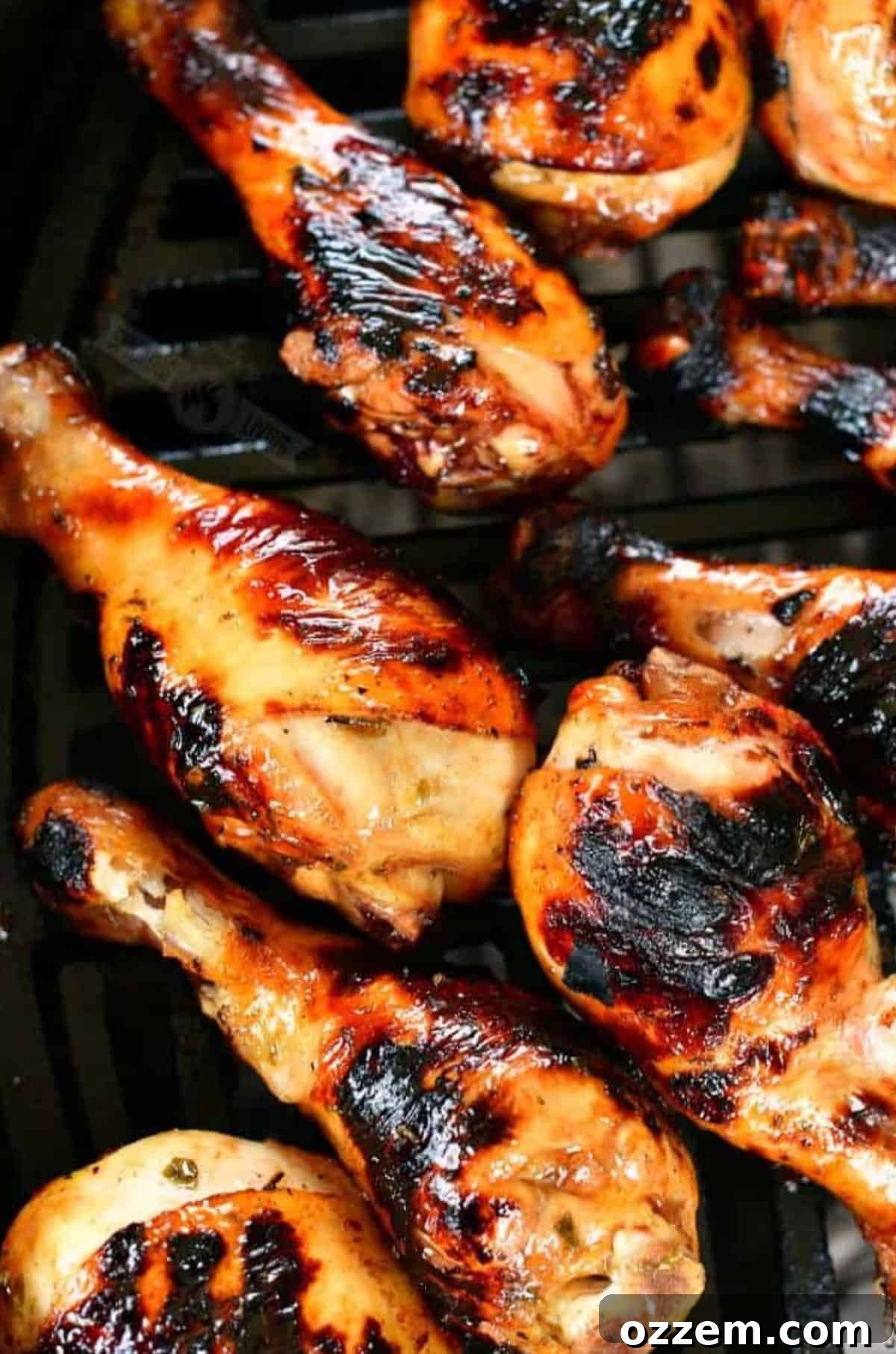
Serving Suggestions & Pairing Ideas
These flavorful grilled chicken legs are incredibly versatile and pair well with a wide variety of side dishes. For a classic barbecue spread, consider serving them alongside creamy coleslaw, a vibrant potato salad, or grilled corn on the cob. If you’re looking for something lighter, a fresh green salad with a vinaigrette or roasted asparagus makes an excellent accompaniment. For a heartier meal, serve with rice pilaf, quinoa, or crusty bread to soak up any extra marinade-turned-sauce. The rich, savory notes of the chicken also complement a chilled lemonade, iced tea, or a light-bodied red wine like Pinot Noir.
Troubleshooting Common Grilling Challenges
- Burning Too Quickly: If your chicken is charring before it’s cooked through, your direct heat zone might be too hot, or you might be leaving it over direct heat for too long. Reduce the heat slightly or move the chicken to the indirect zone sooner and finish cooking there.
- Flare-ups: Flare-ups are common with fatty cuts like drumsticks. Keep a spray bottle of water handy to spritz down flames immediately. Trim excess fat from the chicken legs before marinating to minimize flare-ups.
- Dry Chicken: The marinade and cooking to 175-180°F (79-82°C) should prevent dryness. If still dry, ensure you’re not overcooking past the recommended temperature or that your indirect heat zone isn’t too high.
- Uneven Cooking: Make sure your two-zone setup is distinct. Rotate the chicken regularly when over direct heat and flip once over indirect heat.
The Ultimate Grilled Chicken Legs Recipe
This recipe ensures perfectly juicy, crispy, and incredibly flavorful grilled chicken legs every single time. The secret lies in a vibrant marinade and a smart two-zone grilling technique that guarantees a beautiful sear and thorough, even cooking.

Grilled Chicken Legs Recipe
Print Recipe
Pin Recipe
Ingredients
- 3-4 lbs chicken legs
Marinade:
- 1/2 cup canola oil
- 1/4 cup balsamic vinegar
- 3 tbsp Worcestershire sauce
- 3 tbsp soy sauce
- 1/3 cup honey
- 1 lime – juice only
- 1 tbsp Dijon mustard
- 4 garlic cloves, minced
- 2 tbsp fresh parsley or half the amount of dried
- 2 tsp salt
- 1 tsp black pepper
Instructions
Marinating Chicken:
-
In a medium mixing bowl, whisk together all the marinade ingredients until well combined. Place the chicken legs into a large zip-top bag (or a non-reactive baking dish) and pour the marinade over them.
-
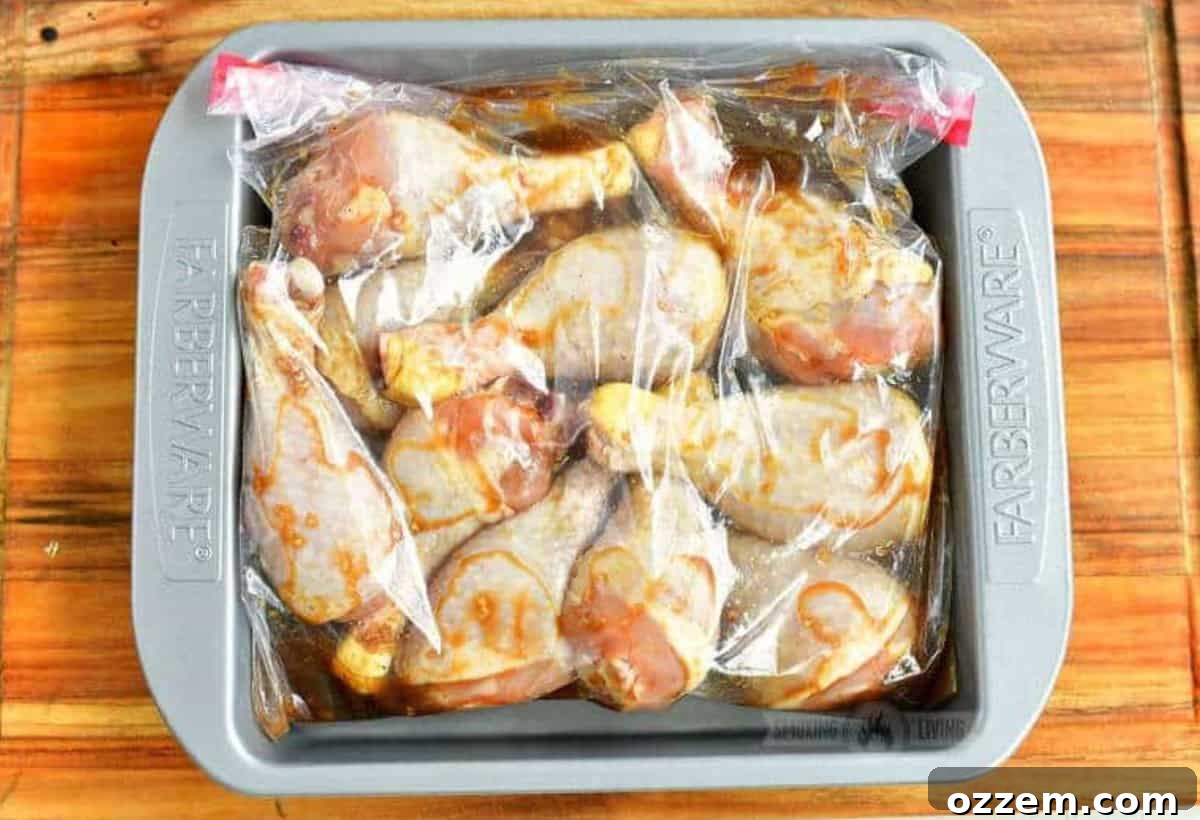
Remove as much air as possible from the bag and seal it securely. Gently massage the marinade into the chicken to ensure every piece is coated. Lay the bag flat in a baking dish and refrigerate for 4-6 hours, or ideally, overnight, for maximum flavor.
Grilling Chicken:
-
Prepare your grill for a two-temperature zone setup (as described in the FAQ section) – whether you’re using gas or charcoal. Remove the chicken legs from the marinade, allowing any excess liquid to drip back into the bag. Lightly spray the chicken with cooking spray to prevent sticking, then place them over the direct heat zone of the grill.
-
Cook over direct heat, turning each leg a quarter of the way every 4-5 minutes to ensure even searing and browning on all sides. Continue this process until the chicken is nicely browned with a beautiful char (about 10-15 minutes total). If browning too quickly, turn more frequently or briefly shift to a cooler spot.
-
Once the chicken is well-browned on all sides, check the internal temperature of the largest piece with an instant-read thermometer. Then, move all the chicken legs over to the cooler, indirect heat zone of the grill to finish cooking through.
-
Close the grill lid and allow the chicken to cook for approximately 10-15 minutes in the indirect zone. Flip each chicken leg once during this phase. Continue cooking until the internal temperature reaches 175°F-180°F (79-82°C) when measured in the thickest part of the meat, avoiding the bone. This higher temperature is ideal for juicy, tender dark meat.
Marinade to Sauce (Optional but Recommended):
-
Immediately after placing the chicken on the grill, pour the reserved marinade into a small sauce pot. Bring it to a rolling boil over medium-high heat on your stovetop or directly on the grill (ensure your pot is grill-safe). Let it simmer for at least 10 minutes to safely cook off any raw meat juices and thicken slightly. Once the chicken is on the cooler side of the grill, you can use this delicious, safe-to-eat sauce to baste the chicken for an extra layer of caramelized flavor.
Notes
Creative Uses: While reheating and enjoying these chicken legs as a meal is always an option, you can also get creative! Once cooled, remove the meat from the bone and shred or chop it. Use it to enhance salads, fill wraps or sandwiches, or even incorporate it into breakfast scrambles or hashes for a flavorful start to your day. It’s also excellent in quesadillas or as a topping for nachos.
Nutrition
Carbohydrates: 21g |
Protein: 23g |
Fat: 39g |
Saturated Fat: 7g |
Cholesterol: 120mg |
Sodium: 1503mg |
Potassium: 386mg |
Fiber: 1g |
Sugar: 18g |
Vitamin A: 226IU |
Vitamin C: 5mg |
Calcium: 31mg |
Iron: 2mg
DID YOU MAKE THIS RECIPE? PLEASE leave a 🌟 star rating and a comment📝! I’d love it if you share what you like about them on Instagram, make sure to tag me @grillingsmokingliving and #grillingsmokingliving so I can see all the delicious things you tried!