
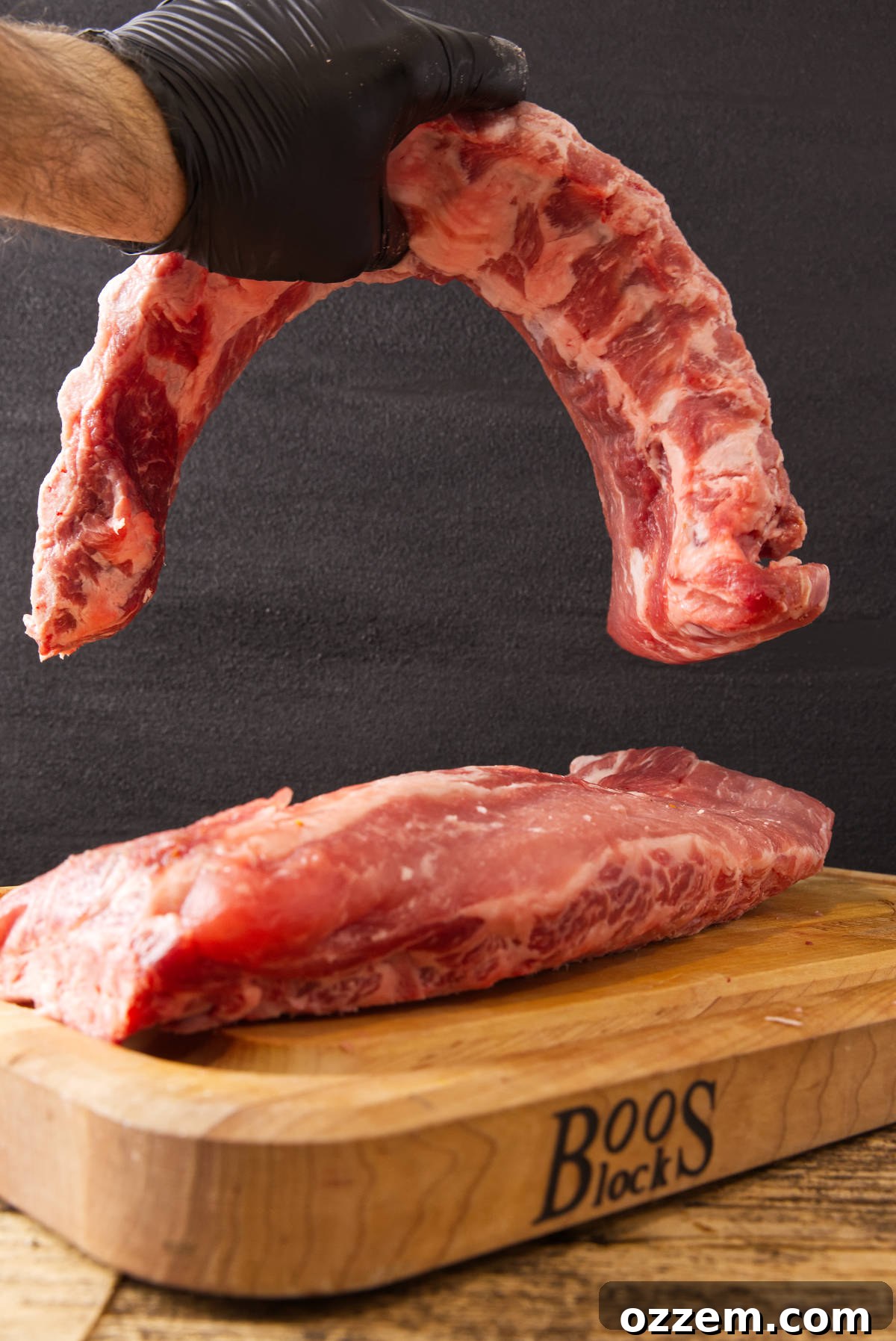
Pork Loin Back Ribs vs. Baby Back Ribs: Unraveling the Mystery for BBQ Perfection
There’s an undeniable allure to a perfectly cooked rack of ribs at any BBQ gathering. The smoky aroma, the tender meat falling off the bone, the rich flavor – it’s pure culinary bliss. However, navigating the world of pork ribs can sometimes feel like a daunting task, especially when you encounter terms that seem to describe the same cut in different ways. This article aims to demystify one of the most common confusions: Pork Loin Back Ribs vs. Baby Back Ribs. Are they truly different, or are we simply dealing with a clever case of culinary semantics?
The good news is, for all aspiring pitmasters and backyard grilling enthusiasts, the answer is delightfully simple: pork loin back ribs and baby back ribs are, in essence, the same cut of meat. They originate from the upper rib section of the pig, nestled near the loin, which contributes to their distinctive characteristics and popularity. Understanding this fundamental truth is your first step towards confidently selecting and preparing these beloved ribs.
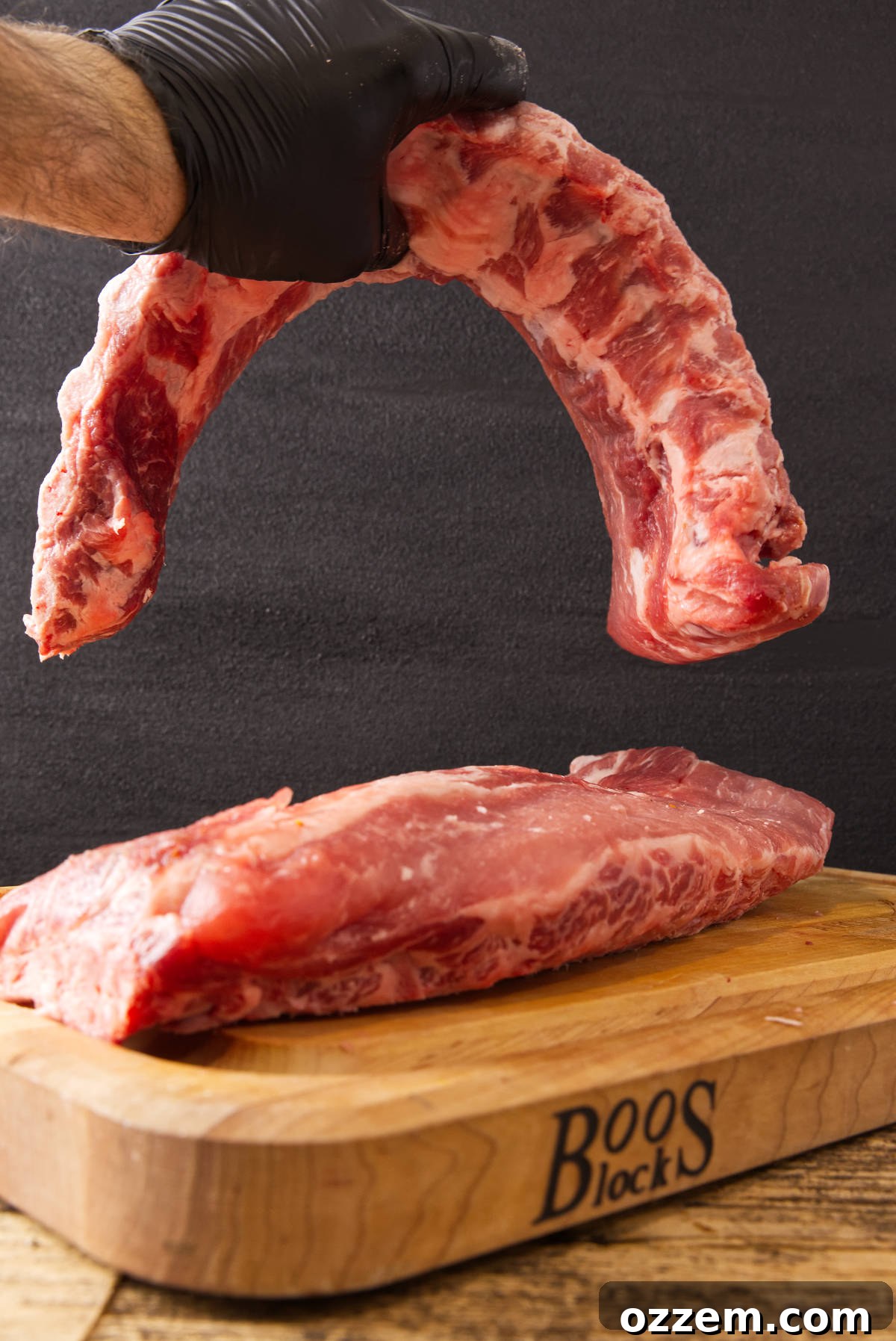
❓ What Are Pork Loin Back Ribs (Also Known as Baby Back Ribs)?
Let’s delve deeper into what makes pork loin back ribs – universally known as baby back ribs – such a highly prized cut. These ribs are harvested from the area just below the loin muscle on the pig’s back. This specific location gives them their unique profile: they are shorter, more curved, and typically leaner than other rib cuts. Often referred to as “loin back ribs” by butchers to indicate their proximity to the loin, the “baby” in “baby back ribs” doesn’t refer to the age of the pig, but rather to their size compared to spareribs.
The flavor profile of baby back ribs is wonderfully mild, offering a delicate pork essence that serves as an ideal canvas for a wide array of seasonings and BBQ sauces. Unlike the richer, fattier spare ribs, baby back ribs boast less fat marbling within the meat but feature a good amount of lean, tender meat on top of the bones. This combination contributes to their succulent texture when cooked properly, making them a favorite for those who prefer a less greasy yet incredibly flavorful rib experience.
Their characteristic short, curved shape not only gives them an iconic appearance often seen across social media and culinary shows but also makes them relatively quick to cook compared to larger, meatier cuts. Whether you’re a novice taking your first steps into the world of BBQ or a seasoned pitmaster perfecting your craft, baby back ribs offer a rewarding and delicious cooking experience.
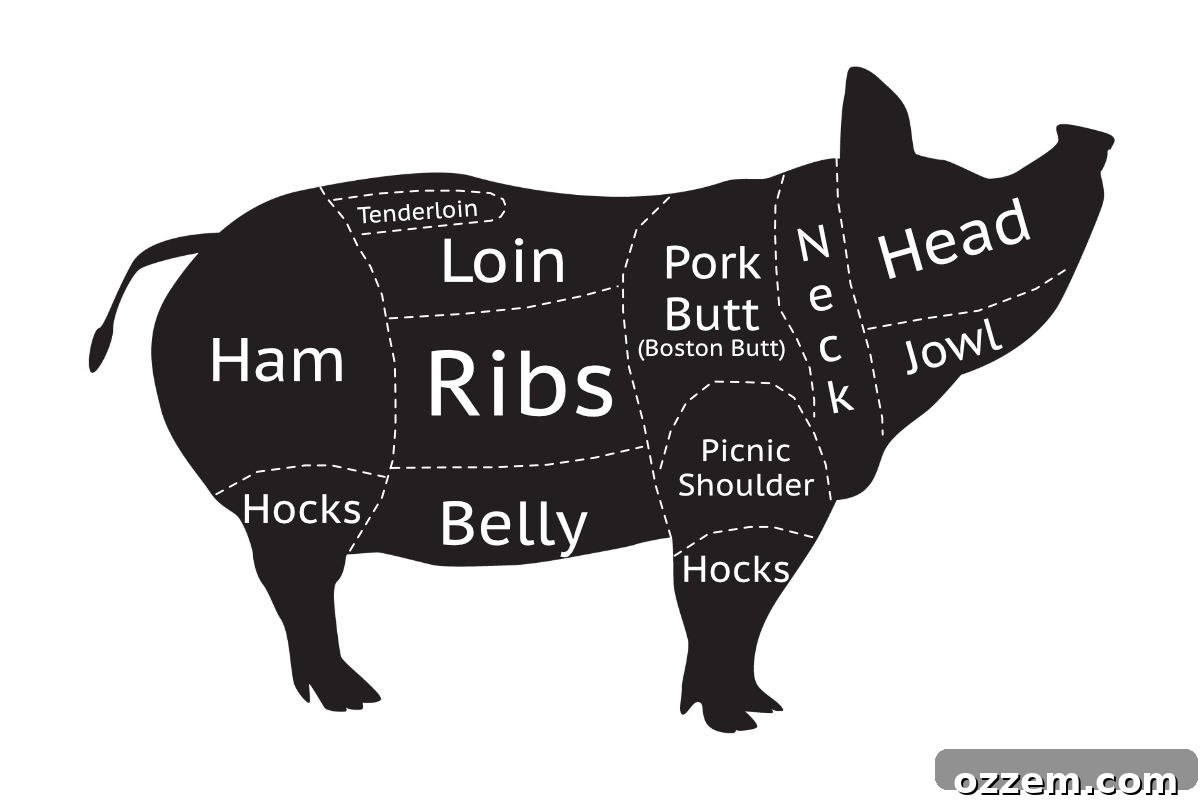
🍖 The Anatomy of Pork Ribs: Where Each Cut Originates
To truly appreciate the nuances between different pork rib cuts, it’s helpful to understand their origin on the pig. A pig’s rib cage is segmented, and each section yields a distinct type of rib with its own characteristics, flavor, and optimal cooking method. This anatomical knowledge empowers you to make informed choices at the butcher and achieve outstanding results in your kitchen or backyard.
Understanding the Loin and Belly Sections
The loin is the tender, lean muscle running along the pig’s back. Just beneath this muscle, connected to the spine, are the pork loin back ribs. As we move down the pig’s side, towards the belly, we encounter the spareribs. The belly is a much fattier section, prized for bacon and, of course, the robust spareribs. This distinction in location is key to understanding the differences in meatiness, fat content, and bone structure across various rib cuts.
🐷 A Comprehensive Guide to Pork Rib Varieties
Beyond the classic baby back rib, the world of pork ribs offers a diverse selection, each with its own charm and culinary applications. Exploring these varieties will broaden your BBQ horizons and allow you to experiment with different textures and flavors. For more in-depth comparisons, check out our dedicated guides on pork loin back ribs vs. spare ribs and pork loin back ribs vs. St. Louis-style ribs.
- Pork Loin Back Ribs (AKA Baby Back Ribs):
As discussed, these ribs come from the upper section of the pig’s rib cage, specifically near the loin. They are known for their tenderness, mild flavor, and relatively lean meat-to-bone ratio, with a good amount of meat on top of the bone. Baby back ribs absorb rubs and sauces exceptionally well, making them incredibly versatile for smoking, grilling, and baking.
- Spare Ribs:
Cut from the belly section of the pig, below the baby back ribs, spareribs are significantly larger, flatter, and boast a higher fat content with wonderful marbling throughout the meat. This fat renders beautifully during cooking, infusing the meat with a rich, robust pork flavor that is highly sought after by BBQ aficionados. Spareribs include the rib tips, which are often left intact and cooked as part of the full rack. They require longer cooking times but reward patience with incredibly juicy and flavorful results.
- St. Louis Style Ribs:
St. Louis style ribs are essentially spareribs that have been meticulously trimmed to achieve a more uniform, rectangular shape. This trimming process involves removing the tough sternum bone, cartilage, and the fatty rib tips. The result is a cleaner, easier-to-handle cut that cooks more evenly and presents beautifully. While they retain the rich flavor and excellent marbling of spareribs, their consistent shape makes them a favorite for competition BBQ and for those who prioritize presentation and even cooking.
- Country Style Ribs:
Despite their name, country style ribs are not true ribs in the traditional sense, as they don’t contain a rib bone. They are typically cut from the shoulder end of the loin, encompassing portions of the blade bone, or sometimes entirely boneless from the shoulder blade. These are thick, meaty cuts, often resembling chops, and are known for their hearty texture and rich flavor. Country style ribs are fantastic for slow cooking methods like smoking, braising, or using in a slow cooker, where their connective tissues can break down to produce incredibly tender, flavorful meat.
- Rib Tips:
Rib tips are the cartilaginous, bony, and meaty ends that are typically removed from spareribs when creating St. Louis style ribs. Far from being waste, rib tips are a flavorful and economical cut that are gaining popularity. They contain a mix of tender meat and chewy cartilage, which softens beautifully when slow-cooked. Often cut into smaller, bite-sized pieces, rib tips are excellent for smoking, stewing, or braising, developing a rich, savory taste that is perfect for appetizers or a unique BBQ experience.
🛒 Choosing the Perfect Ribs: Tips for Shoppers
When you head to the butcher or grocery store, knowing what to look for can significantly impact your BBQ success. Here are a few tips to help you select the best pork ribs for your culinary adventures:
- Color and Freshness: Look for ribs with a bright, rosy-pink color. Avoid any ribs that appear gray, greenish, or have an unpleasant odor. The meat should look moist, not dry or slimy.
- Meat-to-Bone Ratio: For baby back ribs, you generally want a good amount of meat on top of the bones. For spareribs, look for even marbling throughout the meat, indicating good flavor and tenderness.
- Uniformity: For St. Louis style ribs, aim for racks that are evenly cut and trimmed, ensuring consistent cooking. For other cuts, uniformity is less critical but still helpful.
- Packaging: Ensure the packaging is intact with no tears or leaks. If buying from a butcher, ask to see the full slab before it’s wrapped.
- Source: If possible, inquire about the source of the pork. Locally sourced or pasture-raised pork can often offer superior flavor and quality.
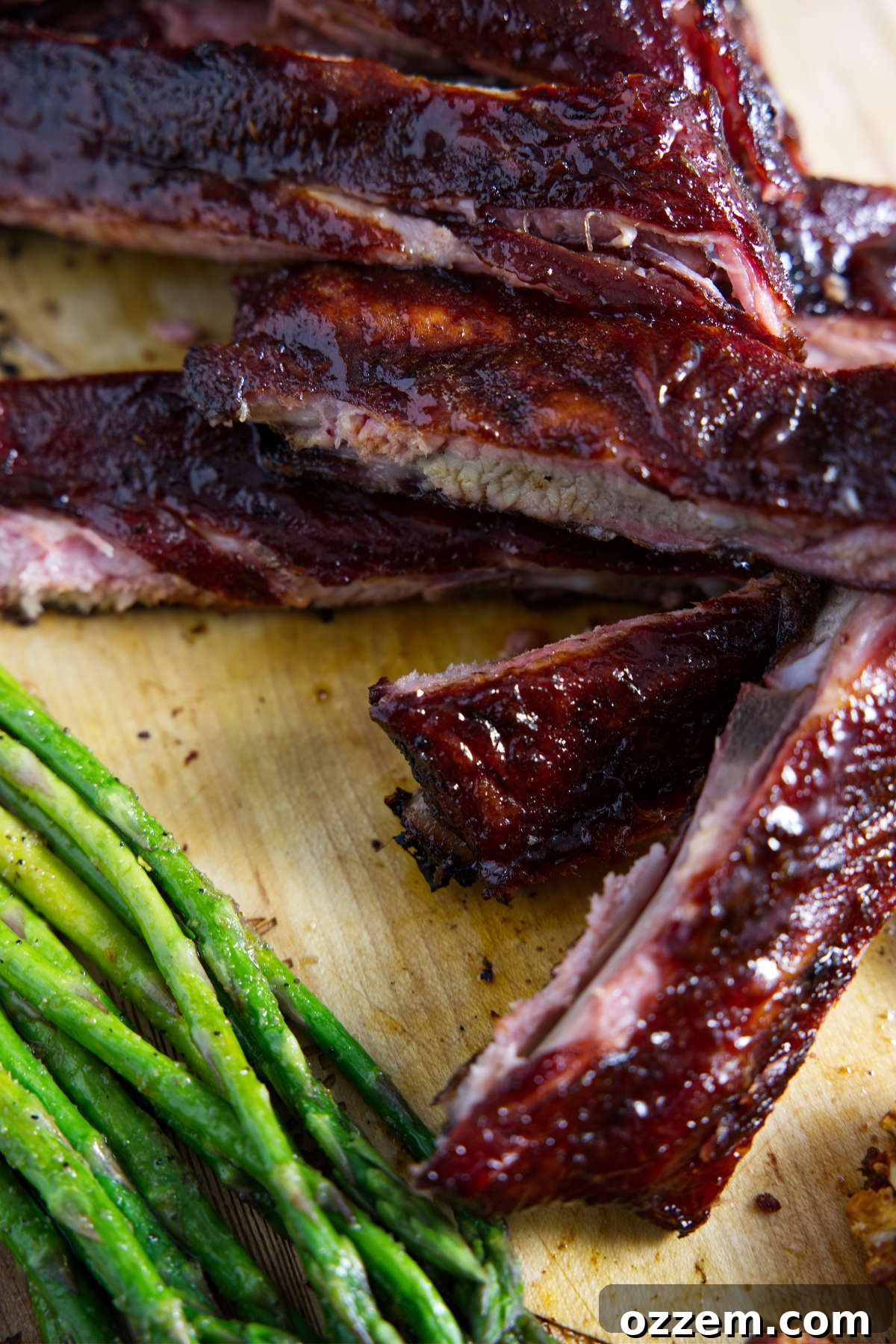
🔪 Mastering the Grill: Cooking Your Baby Back Ribs to Perfection
Once you’ve secured your preferred rack of pork loin back ribs (or baby back ribs!), the real fun begins: cooking them to juicy, tender perfection. While they are often associated with slow smoking, these versatile ribs can be incredibly delicious through various methods, tailored to your preference for texture and doneness.
Preparation is Key
Before any heat is applied, a crucial step is to prepare your ribs. This typically involves removing the thin membrane from the bony side of the rack. This membrane, when left on, can become tough and chewy, preventing rubs and smoke from penetrating the meat effectively. Simply slide a knife under the membrane at one end, lift it, then grasp it with a paper towel and peel it off. This simple step makes a world of difference.
Seasoning for Flavor
Once the membrane is removed, it’s time to season. A good dry rub, a blend of spices and herbs, is essential for building a flavorful crust. Apply your rub generously, pressing it into the meat, and allow it to sit for at least 30 minutes, or preferably several hours in the refrigerator, to allow the flavors to meld. You can also opt for a marinade or a brine if you prefer a different flavor profile or extra moisture.
Cooking Methods: Low & Slow vs. Hot & Fast
- Low and Slow Smoking: This is the quintessential method for fall-off-the-bone ribs. Smoking at temperatures between 225°F (107°C) and 275°F (135°C) for several hours allows the connective tissues to break down slowly, resulting in unparalleled tenderness and deep smoky flavor. Techniques like the 3-2-1 ribs method (3 hours smoke, 2 hours wrapped, 1 hour sauced) are incredibly popular for achieving consistent, moist, and tender results, and are easily adaptable to your preferred doneness.
- Grilling (Hot and Fast): While less common for the classic “fall-off-the-bone” texture, baby back ribs can be grilled successfully, especially if you prefer a firmer bite with a nice char. Start by searing the ribs over direct high heat to get a good crust, then move them to indirect heat to finish cooking, flipping occasionally. Keep the lid closed as much as possible to retain heat and moisture.
- Oven Baking: For those without a smoker or grill, the oven is a perfectly viable option. Wrap seasoned ribs tightly in foil and bake at a low temperature (e.g., 275°F/135°C) until tender, then finish under the broiler or on a grill for a caramelized crust and saucing.
- Instant Pot/Pressure Cooker: For incredibly quick and tender ribs, a pressure cooker can’t be beaten. While it won’t impart a smoky flavor, you can finish the ribs on a grill or under the broiler after pressure cooking to add char and sauce.
Saucing and Finishing
For the final touch, brush your ribs with your favorite BBQ sauce during the last phase of cooking. This allows the sauce to caramelize slightly without burning. Remember to apply sauce in layers to build up flavor and a beautiful glaze.
Doneness and Resting
Ribs are done when the meat is tender and pulls back from the bone easily, or when an internal temperature of around 195-203°F (90-95°C) is reached. However, for ribs, tenderness is often a better indicator than a precise temperature. Allow your ribs to rest for 10-15 minutes after cooking before slicing. This allows the juices to redistribute, ensuring every bite is moist and flavorful.
🌟 Flavor Profiles and Pairing Suggestions
The beauty of pork loin back ribs is their adaptability. Their mild flavor profile means they pair beautifully with a vast array of seasonings and sauces. For a classic BBQ experience, think robust smoky rubs with hints of paprika, garlic, and brown sugar, followed by a sweet and tangy tomato-based BBQ sauce. For a spicier kick, introduce cayenne or chili flakes. Asian-inspired marinades with soy sauce, ginger, and sesame oil also work wonderfully, offering a different take on this beloved cut.
When it comes to side dishes, classic BBQ accompaniments are always a hit. Think creamy coleslaw, baked beans, cornbread, potato salad, or grilled corn on the cob. For drinks, a cold craft beer, a dry rosé wine, or even a refreshing iced tea complements the richness of the ribs perfectly.
🚨 Common Mistakes and How to Avoid Them
Even seasoned grillers can occasionally stumble when cooking ribs. Here are a few common pitfalls and how to steer clear of them:
- Overcooking/Undercooking: Ribs that are too tough or too mushy are usually a result of incorrect cooking times or temperatures. Learn to trust the “bend test” – pick up a rack with tongs, and if it bends easily and the meat starts to crack, it’s likely done.
- Skipping the Membrane Removal: As mentioned, this leads to tough, chewy ribs. Don’t skip this crucial step!
- Applying Sauce Too Early: Sugary sauces can burn and become bitter if applied too early in the cooking process, especially at high temperatures. Add sauce during the last 30-60 minutes of cooking for best results.
- Not Resting the Ribs: Just like steaks, ribs benefit from a resting period after cooking. This allows the juices to settle back into the meat, ensuring maximum moisture and flavor.
- Too Much Direct Heat: While a little char is nice, prolonged direct high heat can dry out ribs and burn the exterior before the interior is tender. Utilize indirect heat for most of the cooking process.
🎉 Conclusion: Your Ultimate Rib Guide
The next time you find yourself at the butcher, confidently choose your rack knowing that pork loin back ribs and baby back ribs are one and the same – a premium cut celebrated for its tender meat and versatile flavor. With this clarity and the detailed insights into preparation and cooking techniques, you’re well-equipped to create mouth-watering ribs that will impress at any gathering. From understanding their origin on the pig to mastering the art of low and slow smoking, you now have the knowledge to elevate your BBQ game and enjoy the truly rewarding experience of perfectly cooked pork ribs. So fire up that smoker, preheat the grill, and get ready to enjoy some of the best ribs you’ve ever tasted!
CONNECT WITH A LICENSE TO GRILL!
Be sure to follow us on our social media accounts for more tips, tricks, and delicious recipes!
Did you try cooking ribs using our guide or recipe? Tell us about your experience in the comments below – we’d love to hear from you!