
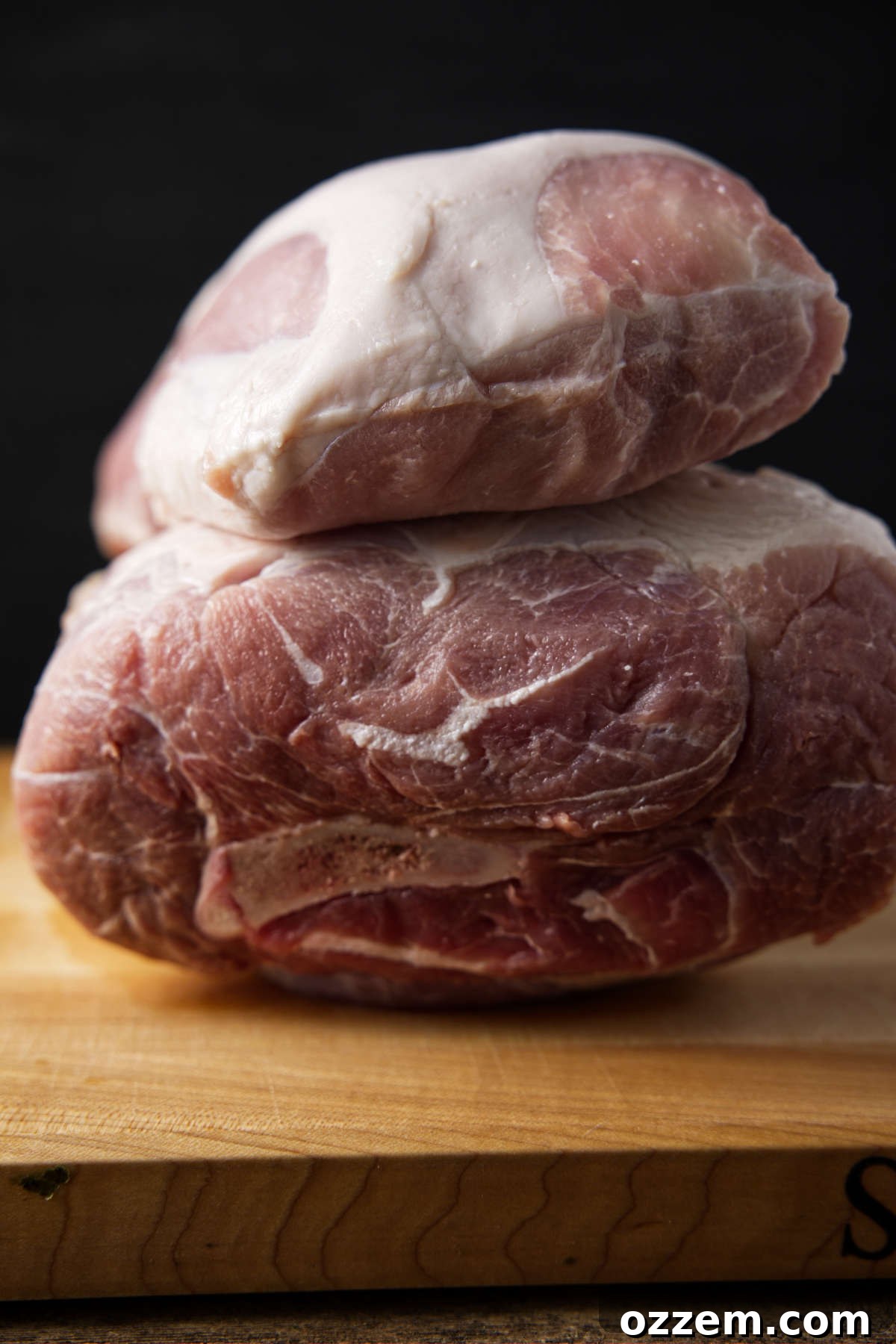
Welcome to the ultimate guide for mastering your outdoor cooking adventures! When it comes to pork, two cuts consistently steal the spotlight: the versatile **Pork Loin** and the incredibly succulent **Pork Shoulder**. While both are immensely popular, they demand distinct approaches to achieve culinary perfection. Understanding the fundamental differences between pork loin and pork shoulder is not just about making a choice; it’s about unlocking a world of flavor, texture, and cooking possibilities that will transform your barbecues and gatherings from good to legendary.
Whether your goal is a flawlessly smoked pork loin roast, celebrated for its tender bite and mild flavor, or the rich, fall-apart texture of pulled pork shoulder, knowing these cuts inside and out is your first step towards becoming a true grill master. This comprehensive comparison will arm you with the knowledge to select, prepare, and cook each cut with confidence, ensuring every dish is a resounding success.
🔑 Key Differences: Pork Loin vs. Pork Shoulder
- Pork Loin: A lean, tender cut sourced from the pig’s back, ideal for quicker cooking methods like grilling, roasting, or searing. Its mild flavor readily absorbs marinades and rubs.
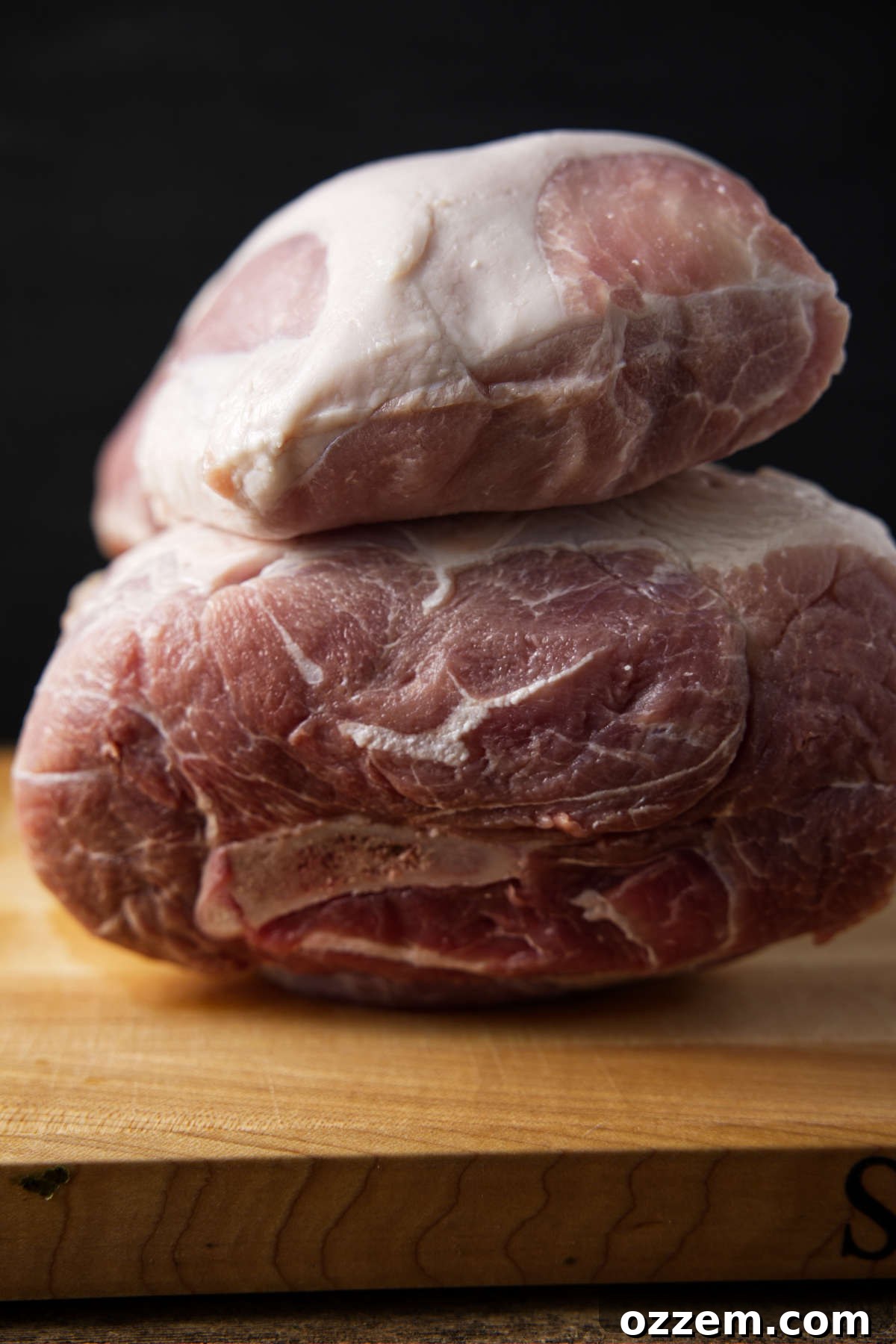
- Pork Shoulder: Also known as pork butt or Boston butt, this cut comes from the pig’s front leg area. Rich in fat and connective tissue, it thrives with long, slow cooking methods like smoking or braising, resulting in incredibly tender, flavorful pulled pork.
- Cooking Time: Pork loin cooks relatively quickly, typically within 1-2 hours depending on size. Pork shoulder requires significantly more time, often 8-12 hours or more, to break down its tougher fibers.
- Flavor & Texture: Pork loin offers a delicate, subtle pork flavor and a firm, juicy texture when cooked correctly. Pork shoulder boasts a robust, rich, and deeply savory flavor with a melt-in-your-mouth, shreddable texture.
- Moisture Management: Due to its low fat content, pork loin demands careful attention to prevent drying out. Brining, marinating, and proper temperature monitoring are crucial. Pork shoulder’s abundant fat self-bastes, making it more forgiving during extended cooks.
🐖 Understanding the Anatomy: Where Each Cut Originates
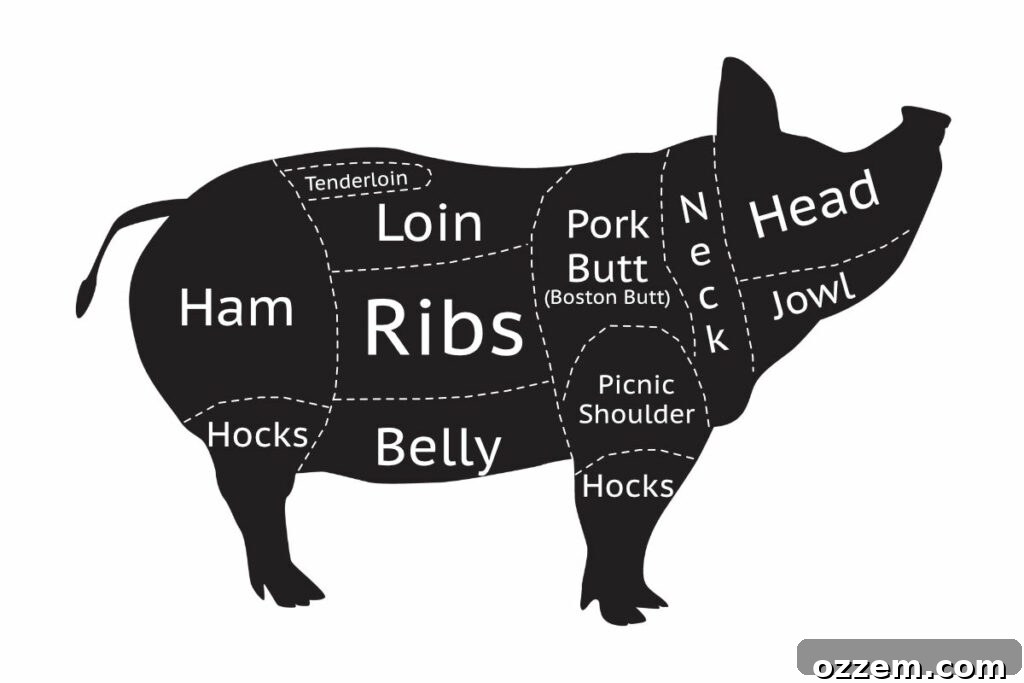
The journey to perfect pork begins with understanding its origins on the pig. The location of each cut dictates its muscle structure, fat content, and connective tissue, which in turn influences its ideal cooking method, flavor, and final texture. Knowing where your meat comes from is fundamental to selecting the right cut for your culinary vision.
The Elegant Pork Loin
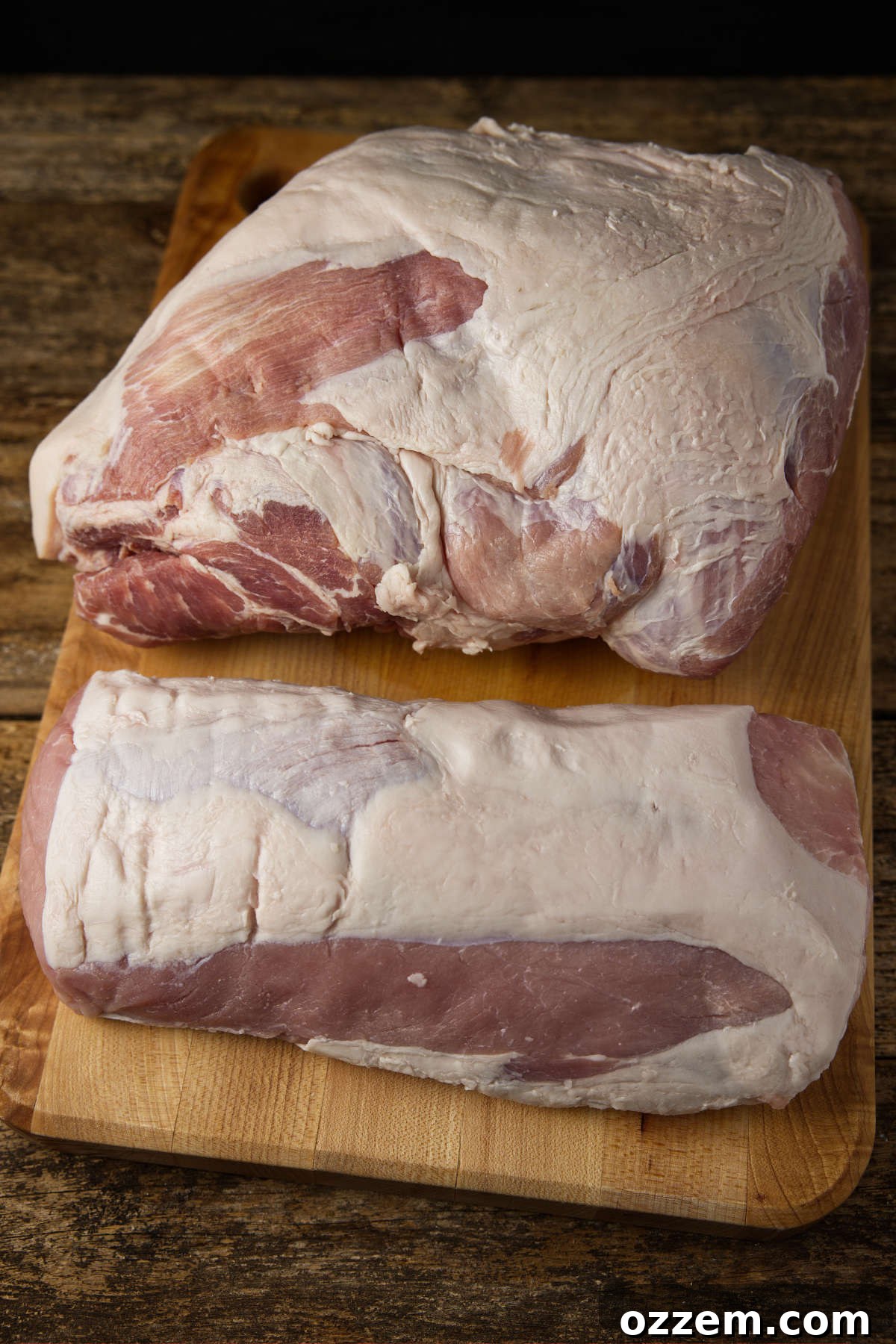
The pork loin is a long, lean, and relatively wide cut of meat that runs along the pig’s back, from the shoulder all the way to the hind leg. This muscle group is not heavily exercised, which is why it’s inherently tender and boasts a fine grain. Often sold boneless or bone-in, and sometimes as individual chops, the loin is one of the leanest sections of the pig, similar to beef tenderloin or sirloin. Its mild flavor profile makes it a fantastic canvas for a wide array of seasonings and culinary techniques.
- Location: Runs along the spine, from shoulder to hip.
- Muscle Activity: A non-weight-bearing muscle, resulting in exceptional tenderness.
- Fat Content: Very low in intramuscular fat, with a thin fat cap (if present) that can be trimmed or left for moisture.
- Flavor Profile: Mild and delicate, easily enhanced by brines, marinades, and rubs.
- Ideal For: Quick cooking methods such as grilling, roasting, pan-searing, or smoking at higher temperatures followed by a sear.
The Hearty Pork Shoulder (Pork Butt / Boston Butt)
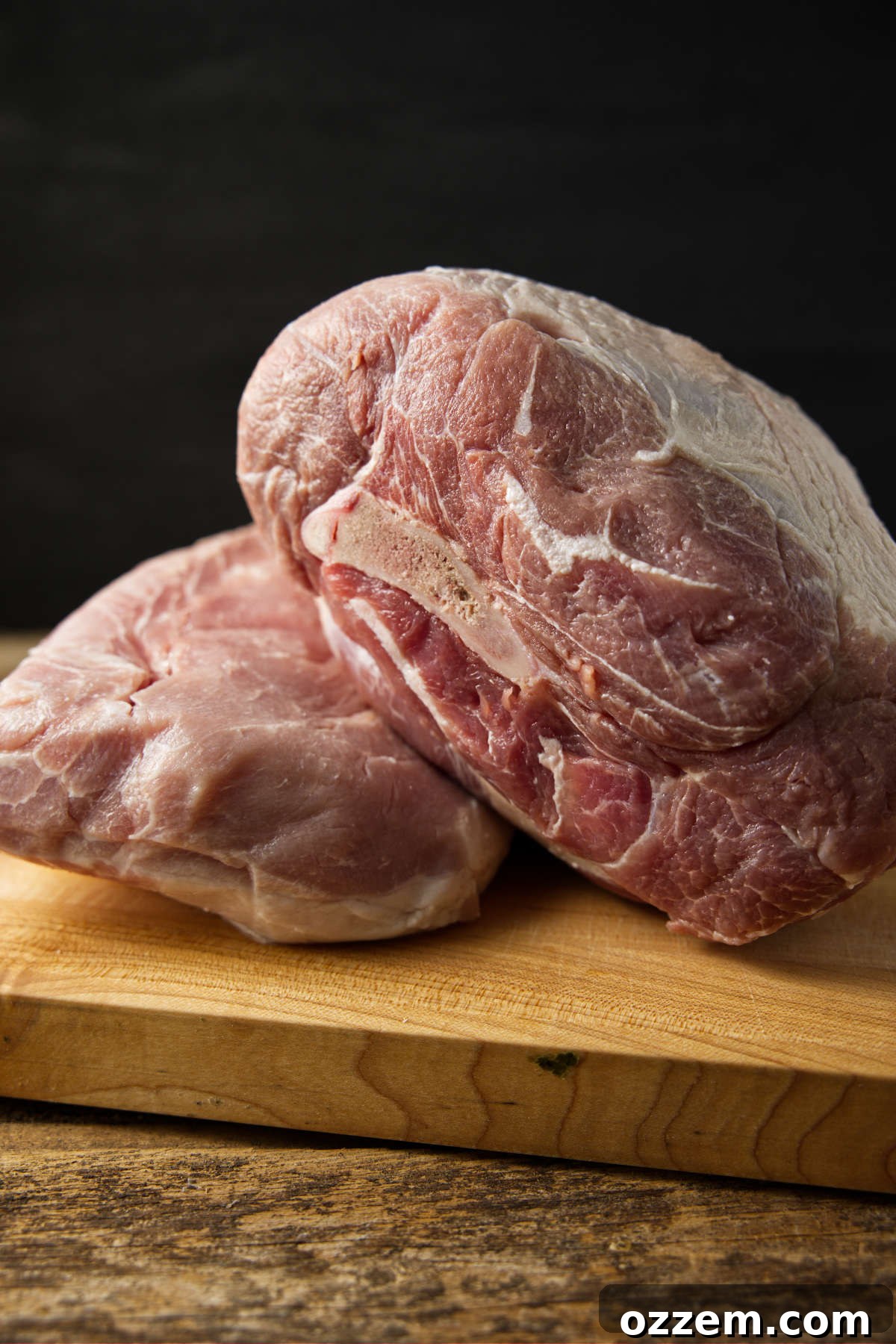
Despite its name, the “pork butt” (also known as Boston butt in the U.S.) actually comes from the upper part of the pig’s front leg, specifically the shoulder area. This is a working muscle, meaning it contains a significant amount of connective tissue and intramuscular fat. While initially tougher than the loin, this abundance of fat and collagen is precisely what makes the pork shoulder incredibly flavorful and succulent when cooked properly. Another cut from the shoulder region is the “picnic shoulder” or “picnic roast,” which is a lower, more conical part of the shoulder, often sold with skin on and bone-in.
- Location: Upper part of the front leg, behind the shoulder blade.
- Muscle Activity: A heavily worked muscle, rich in connective tissue and fat.
- Fat Content: High, with generous marbling and a thick fat cap, which renders down beautifully during cooking.
- Flavor Profile: Rich, robust, and intensely porky, perfect for absorbing smoky flavors and spices over long cooking periods.
- Ideal For: Low-and-slow cooking methods such as smoking, braising, stewing, or slow roasting, which break down tough fibers into tender, shreddable meat.
👩🍳 Mastering the Cook: Tips for Both Cuts
Achieving perfect results with either pork loin or pork shoulder requires a tailored approach. While both cuts benefit from outdoor cooking, their unique characteristics demand different techniques to unlock their full potential. Here are essential tips and tricks to ensure your pork is always juicy, tender, and packed with flavor, whether you’re aiming for a quick sear or an all-day smoke.
Elevating Your Pork Loin
The key to a delicious pork loin is to infuse moisture and flavor while preventing it from drying out, given its lean nature. It’s an ideal choice for a quicker meal, especially when you want a versatile protein that can be sliced for dinner or repurposed into other dishes.
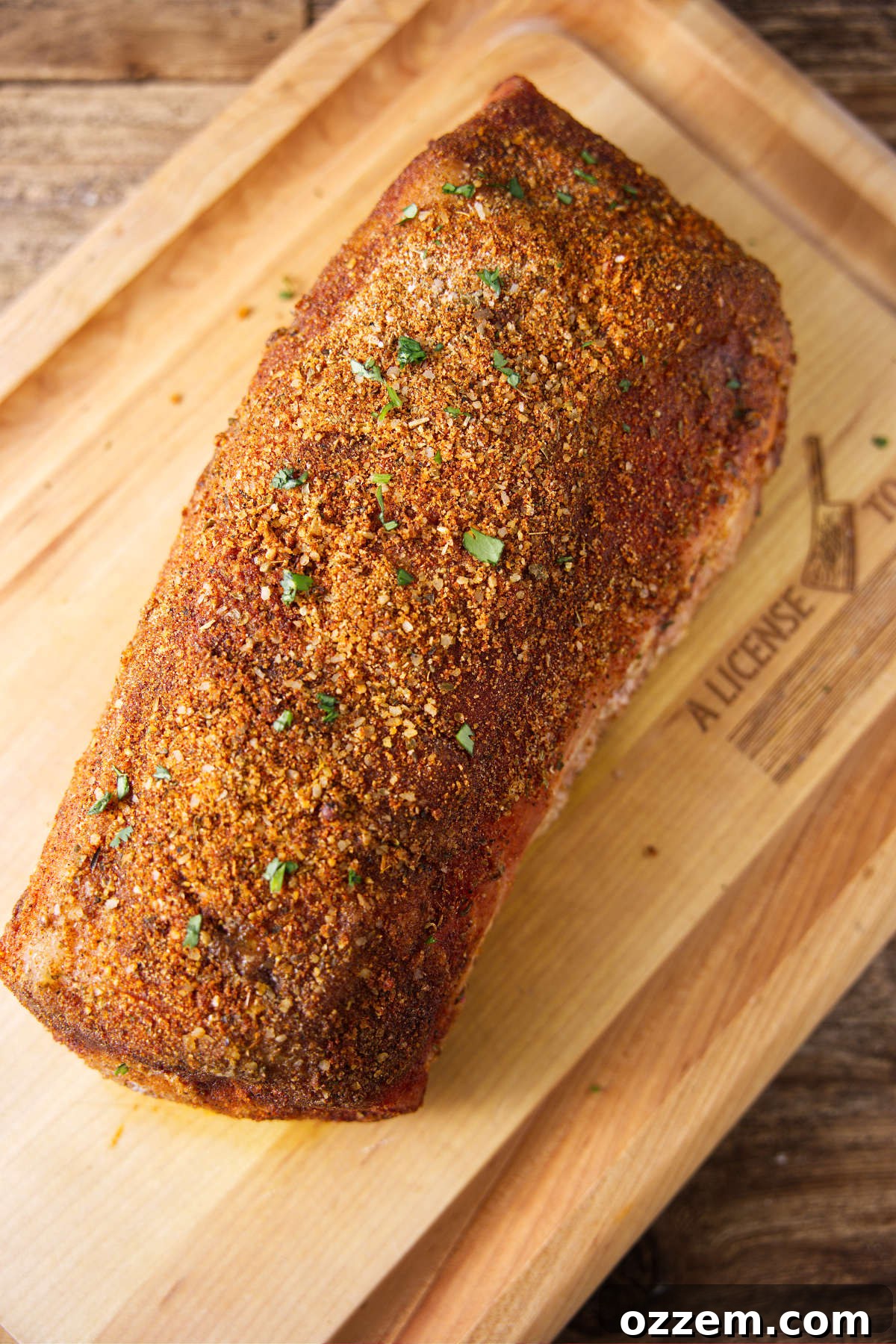
- Preparation is Paramount: Begin by trimming any thick excess fat, but leave a thin layer (about 1/4 inch) on one side to self-baste and add flavor. For even cooking, allow the loin to come to room temperature for 30-60 minutes before placing it on the grill or in the smoker. Consider tying the loin with butcher’s twine to ensure it holds a uniform shape throughout the cook.
- Brine or Marinate for Moisture: Due to its leanness, pork loin greatly benefits from a brine or marinade. A simple brine (salt, sugar, water, herbs) for a few hours can significantly enhance juiciness. Marinades, often oil-based with acids and spices, add layers of flavor and help tenderize the exterior.
- Rub It Right: A good quality pork rub not only adds depth of flavor but also helps create a beautiful crust (bark) during cooking. Apply liberally and evenly, massaging it into the meat. Sweet and savory rubs with ingredients like brown sugar, paprika, garlic powder, and onion powder work wonderfully.
- Two-Zone Cooking or Reverse Sear: A highly effective method is to smoke or cook at a lower temperature (e.g., 225-275°F / 107-135°C) until the internal temperature reaches around 130-135°F (54-57°C). Then, transfer it to high, direct heat for a quick sear on all sides, creating a fantastic crust and bringing the final internal temperature to 140-145°F (60-63°C). This reverse sear technique ensures a tender, juicy interior with a flavorful exterior. Learn how long to smoke pork loin per pound for precise timing.
- The Critical Rest: Once cooked, always let the pork loin rest for at least 10-15 minutes, tented loosely with foil. This allows the juices to redistribute throughout the meat, resulting in a more succulent and flavorful final product. Slice against the grain for maximum tenderness.
Got leftovers? Turn your perfectly cooked pork loin into some delicious tacos with our recipe for leftover pork loin tacos. They are loaded with juicy pork, avocado salsa, and crumbled queso fresco for a truly unforgettable meal!
Perfecting Your Pork Shoulder (Pulled Pork)
The pork shoulder is a champion of low-and-slow cooking. Its high fat content and abundant connective tissue require extended periods at lower temperatures to break down collagen into gelatin, yielding that characteristic melt-in-your-mouth, shreddable texture that makes pulled pork so beloved.
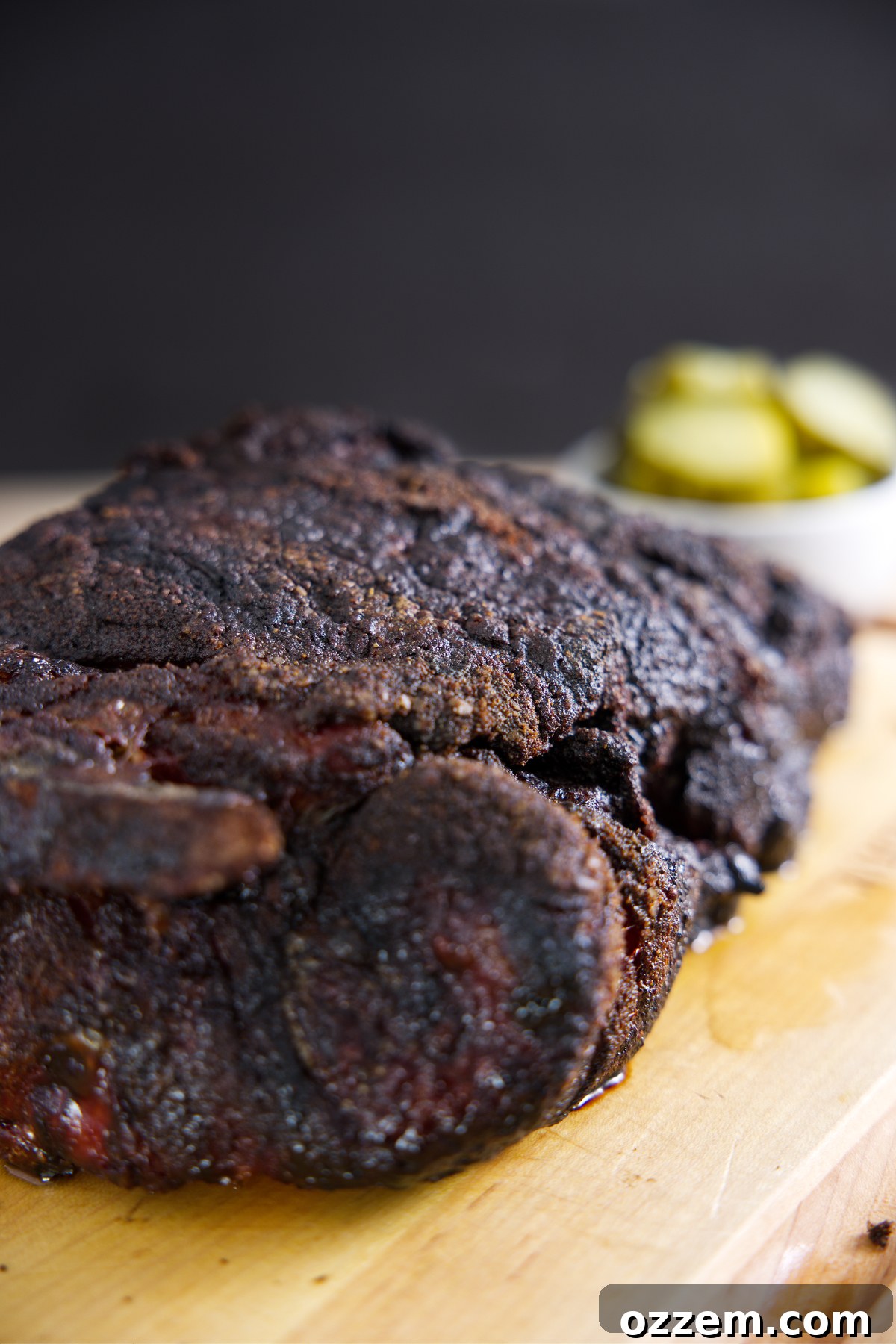
- The Low and Slow Philosophy: Set your smoker or oven to a consistent temperature between 225°F and 275°F (107-135°C). This gentle heat gradually renders the fat and transforms tough connective tissues into tender, juicy goodness. The process is lengthy, often taking 8-12 hours or more for a typical 8-10 pound shoulder.
- Prep for Deep Flavor: Trim some of the hard, thick fat but leave a significant fat cap (about 1/2 inch) as it will render and moisturize the meat. For deeper flavor infusion, consider injecting the shoulder with a savory liquid like apple juice, apple cider vinegar, chicken broth, or a custom injection solution. Then, apply a generous, robust dry rub, perfect for long cooking, with spices like paprika, chili powder, cumin, garlic, onion, and brown sugar.
- Maintain Moisture & Develop Bark: During the cook, especially after the initial several hours, misting or spritzing the pork shoulder every 1-2 hours with a liquid like apple juice, apple cider vinegar, or water can help keep the surface moist and promote bark formation. Wrap the pork shoulder in butcher paper or foil (the “Texas Crutch”) once it hits the “stall” (around 150-165°F / 65-74°C internal temperature) to push through this phase faster and retain moisture.
- Patience to Perfection: The ultimate goal for pulled pork is an internal temperature between 200°F and 205°F (93-96°C). More importantly, the meat should feel probe-tender, meaning a skewer or thermometer probe slides in with minimal resistance, like butter. Don’t rush this process; patience is key for truly fall-apart pork.
- The Essential Rest: After reaching its target temperature and tenderness, remove the pork shoulder from the smoker or oven and let it rest, still wrapped, for at least 1 to 2 hours. This resting period is crucial for redistributing the juices, making the meat incredibly succulent and easier to shred. You can even place it in an insulated cooler to maintain warmth during this rest.
Universal Tips for Outdoor Pork Success
Regardless of whether you choose the lean loin or the robust shoulder, some principles apply to all cuts of pork, ensuring safety, flavor, and an outstanding culinary experience.
- Season Generously and Thoughtfully: Both cuts demand generous seasoning, but the type of seasoning can vary. For pork loin, a balanced rub with herbs like rosemary, thyme, sage, and mild spices works wonders, allowing its delicate flavor to shine. For pork shoulder, don’t shy away from bolder, spicier, or sweeter rubs that can stand up to the long cook and rich flavor of the meat.
- Invest in a Quality Meat Thermometer: This is arguably the most crucial tool for any serious outdoor cook. An accurate, reliable meat thermometer (preferably a leave-in probe thermometer for long cooks) removes all guesswork, guaranteeing your pork is cooked to the perfect internal temperature for safety and desired tenderness. For loin, aim for 140-145°F (60-63°C) before resting. For shoulder, target 200-205°F (93-96°C) and check for probe tenderness.
- The Power of Brining and Marinading: While highly recommended for pork loin to add moisture and flavor, brining or marinading can also benefit pork shoulder. For the shoulder, injecting a liquid marinade deep into the meat ensures flavor penetrates beyond the surface, while a dry rub applied liberally to the exterior develops that coveted smoky bark.
- Don’t Skip the Rest: Rest your meat! This cannot be overstated. Resting allows the muscle fibers to relax and reabsorb juices that would otherwise spill out when you slice or shred, leading to dry meat. A well-rested piece of pork is significantly juicier and more flavorful.
- Consider Your Fuel Source: The type of wood or charcoal you use for smoking greatly influences the flavor. Mild woods like apple, cherry, or pecan complement pork loin beautifully. For pork shoulder, more robust woods like hickory or oak can provide a stronger, classic barbecue flavor.
🐷 Your Ultimate Pork Adventure Awaits!
Choosing between pork loin and pork shoulder for your next outdoor cooking endeavor truly depends on your desired outcome, the time you have, and the flavor profile you’re aiming for. The elegant pork loin offers a quick, tender, and versatile option, perfect for slicing and serving with delicate flavors. The robust pork shoulder, on the other hand, is a testament to the magic of low-and-slow cooking, delivering rich, intensely flavorful, and incomparably tender pulled pork that is worth every minute of anticipation.
Armed with the knowledge of their unique characteristics, optimal cooking methods, and essential preparation tips, you are now well-equipped to tackle either cut with confidence. Experiment with different rubs, marinades, and wood choices to discover your signature style. The world of outdoor pork cooking is vast and rewarding. So, fire up that grill or smoker, embrace the adventure, and prepare to impress your family and friends with truly unforgettable pork creations. Happy grilling!
CONNECT WITH A LICENSE TO GRILL!
Be sure to follow us on our social media accounts for more tips, tricks, and delicious recipes!
Did you try these tips or recipes? We’d love to hear about your experience in the comments below!