
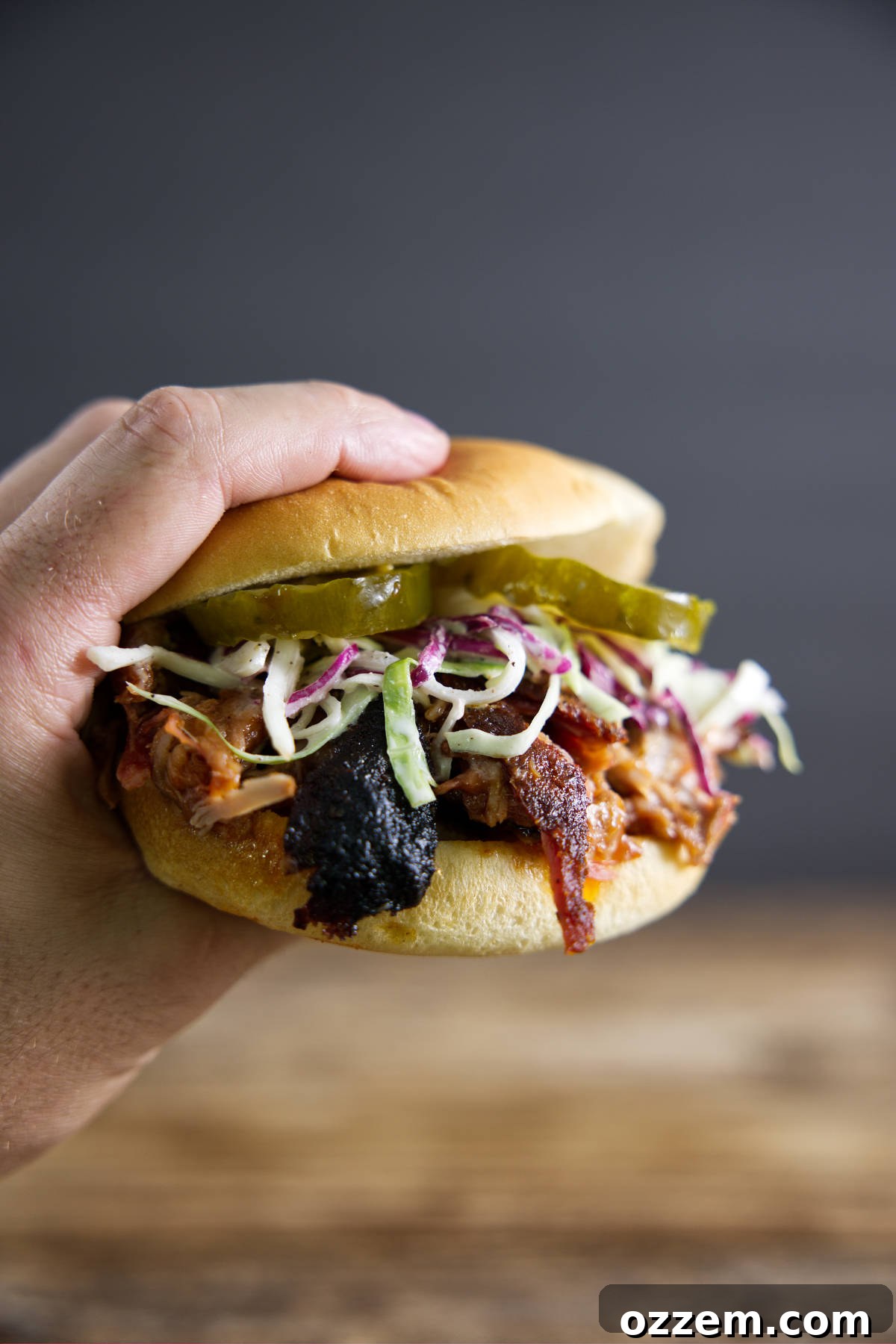
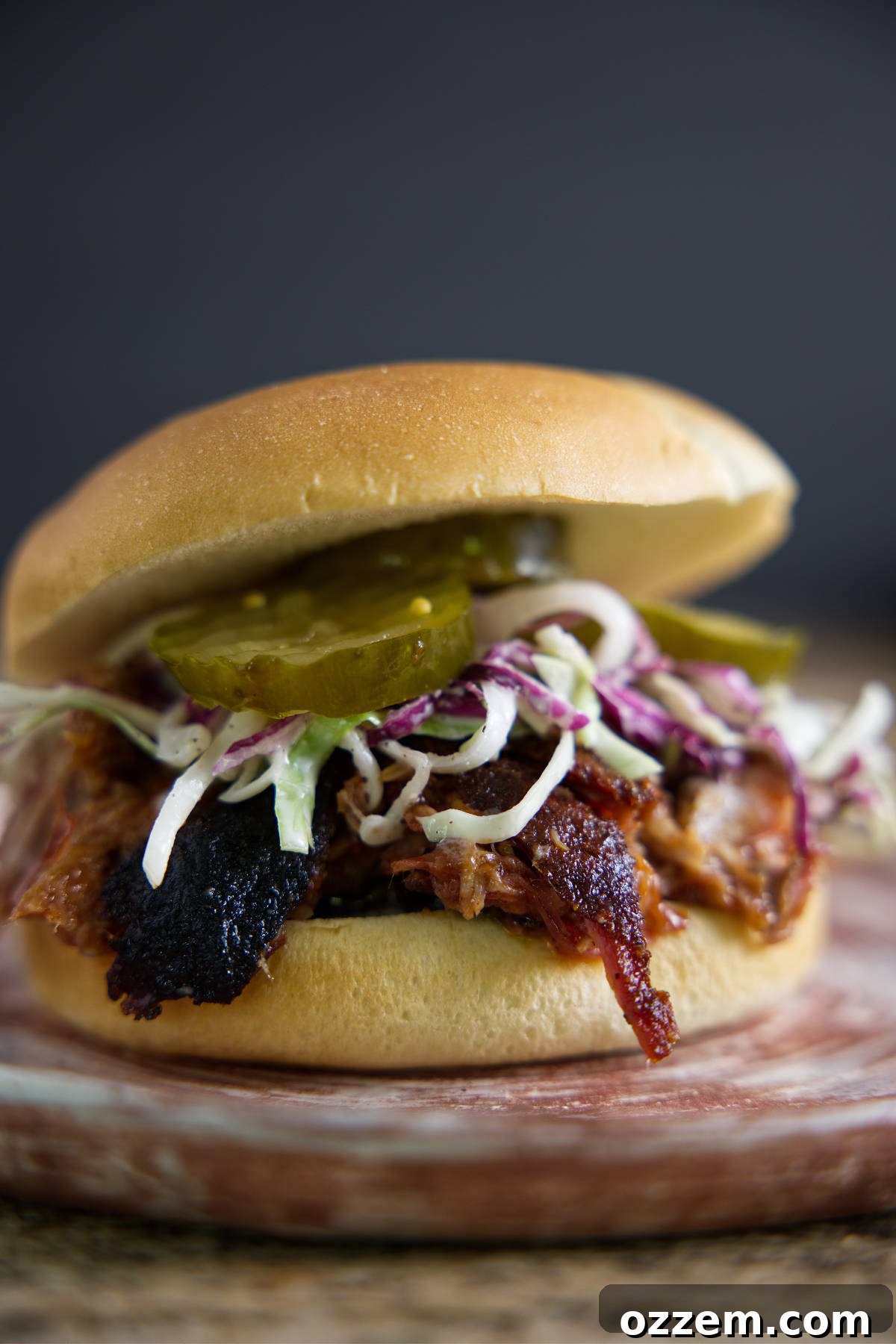
When the aroma of slow-smoked meat fills the air, you know it’s going to be an unforgettable gathering. And at the heart of such culinary excellence often lies a perfectly executed smoked pork butt. This isn’t just any barbecue; this is a declaration of deliciousness. Boasting an unparalleled tenderness where the bone slides out effortlessly, this smoked pork shoulder is a testament to the magic of low and slow cooking on a Traeger or any quality smoker. Our secret lies in a slightly sweet, flavor-infusing injection combined with a dynamic sweet-n-spicy pork butt rub, culminating in the juiciest, most flavorful pulled pork you’ve ever tasted. Say goodbye to dry, lackluster pulled pork and welcome the succulent goodness of expertly smoked pork.
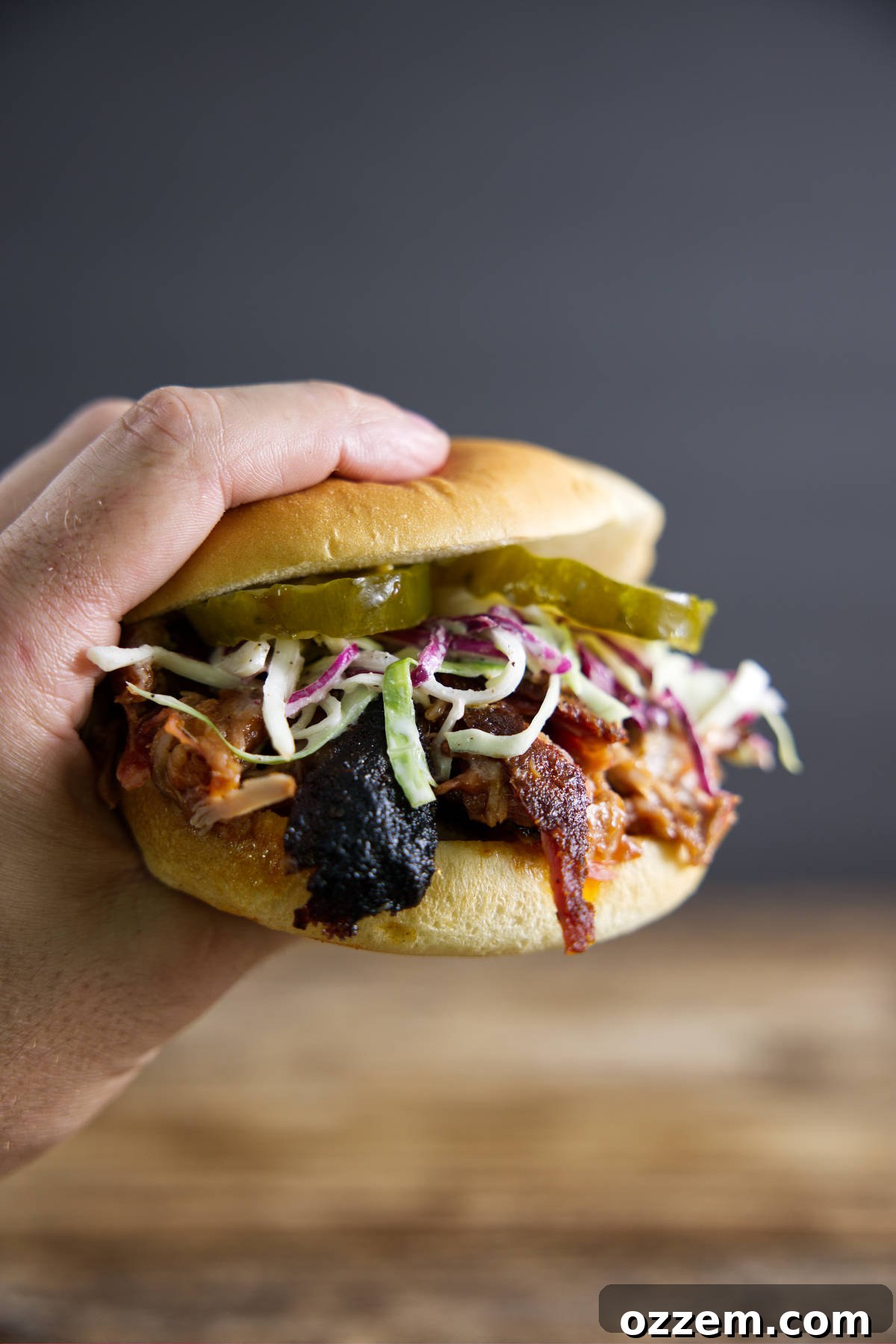
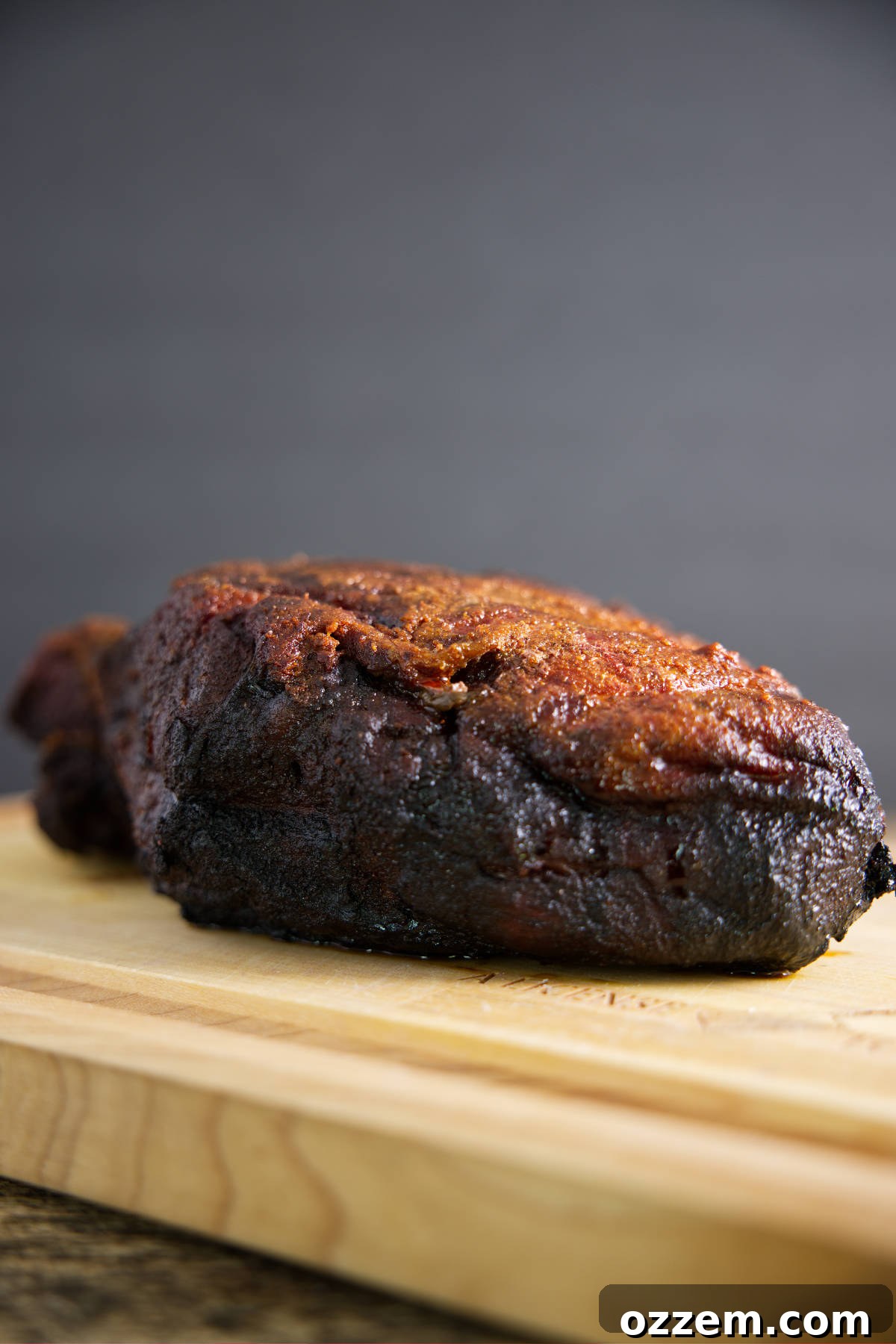
What elevates this smoked pork butt to a firm favorite in any BBQ enthusiast’s repertoire is not just the result, but the masterful cooking method. The consistent, gentle heat of the smoker imbues the meat with an incredible depth of warm, complex flavor that’s simply unrivaled by other cooking techniques. And that magnificent, richly colored beautiful bark that forms on the exterior during its leisurely smoke? It’s pure culinary gold, providing a textural contrast and concentrated flavor that will have your guests raving. Best of all, your smoker handles the lion’s share of the work, allowing you to relax while the magic happens. Cleanup is remarkably easy too, making this a stress-free route to barbecue greatness.
There’s truly nothing that captures the essence of classic American barbecue quite like a pile of incredibly smoky, tender, and juicy pulled pork. Prepare to stock your coolers with refreshing beverages, because once you master this recipe, you’ll be digging into the most delectable pulled pork you have ever experienced – a true showstopper for any occasion!
So, gather ’round, fellow Grill Masters and aspiring pitmasters! Take diligent notes, as this comprehensive guide will equip you with all the knowledge needed to make this smoked pork butt a permanent fixture in your summer BBQ rotation, and beyond.
❤️ Why This Smoked Pulled Pork Recipe is a BBQ Masterpiece!
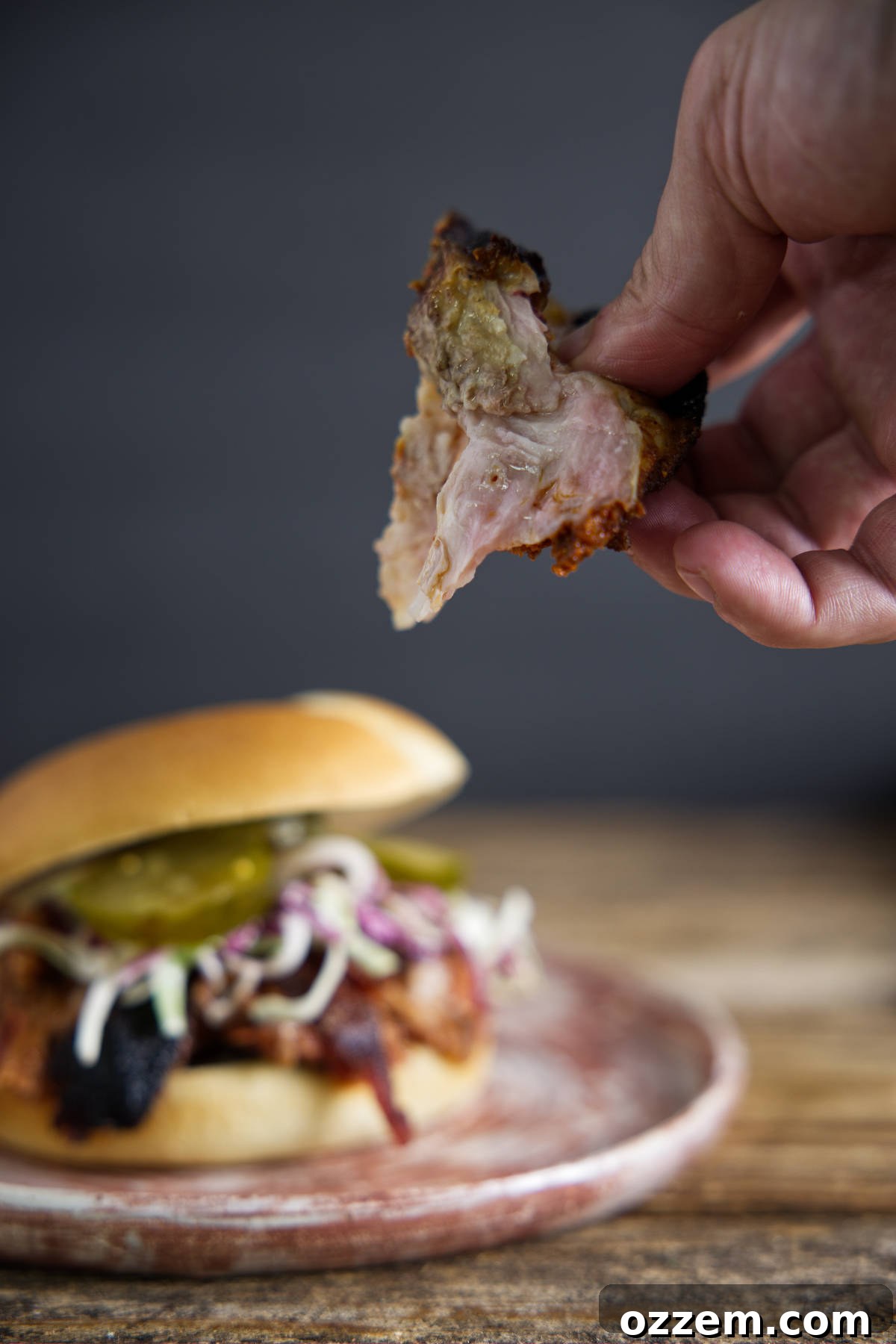
- The meat achieves a legendary status, literally falling off the bone and melting in your mouth! After hours of patient, low-and-slow smoking to absolute perfection, the bone can be effortlessly pulled out, smooth as butter. This is the hallmark of true pitmaster quality.
- The initial prep work is surprisingly minimal, meaning you spend less time fussing and more time anticipating. Once this magnificent pork butt is nestled in the smoker, you can kick back, relax, and let the smoker transform it into unforgettable deliciousness.
- This recipe is thoughtfully crafted to be accessible enough for beginners, providing clear steps to follow. However, the nuanced technique and the sublime finished product offer ample opportunity for seasoned cooks to refine and master with each repetitive cook, achieving even greater perfection.
- The glorious injection marinade is rich, delicately sweet, and deeply satisfying, infusing flavor throughout the entire cut and crucially, keeping the meat incredibly moist and juicy even after hours on the heat. This is a game-changer for tender, flavorful pulled pork.
- This recipe offers fantastic practicality for modern lifestyles. It stores exceptionally well, providing delicious leftovers for sandwiches, tacos, or quick weeknight meals throughout the week if you find yourself pressed for time. Enjoy gourmet pulled pork on demand!

🗒️ Gather Your Smoker and Essential Ingredients for the Best Pulled Pork
For the Star of the Show: The Pork
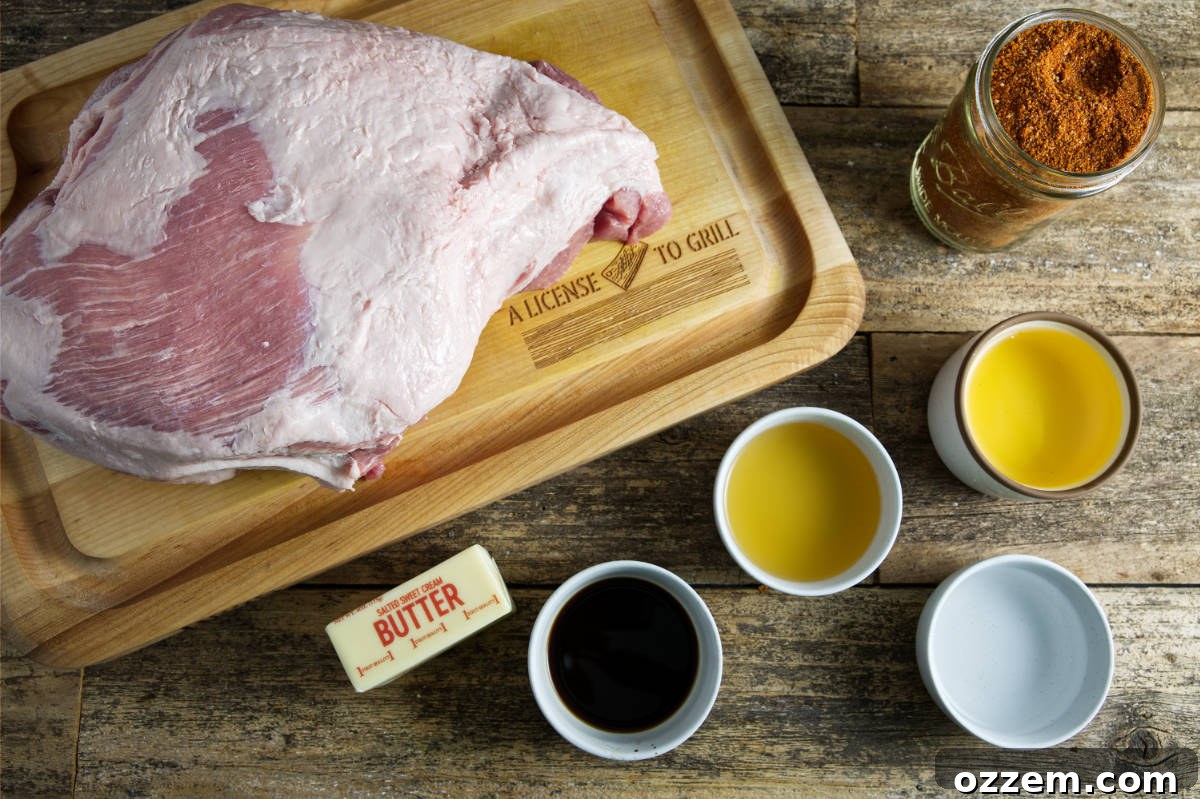
- Pork Butt: This cut is also widely known as a Boston butt or even simply pork shoulder in many butcher shops and grocery stores. Don’t be confused by the name – it doesn’t come from the rear of the pig! If you request “pork shoulder” from your butcher, you will typically receive a pork butt, which is perfect for pulled pork. Aim for a cut that weighs approximately 8 to 10 pounds; this size is ideal for balancing cooking time with yield. Opt for a bone-in butt whenever possible, as the bone contributes significantly to the flavor and moisture retention of the meat during the long smoking process. While you can certainly select a larger cut, be prepared to extend your smoking time considerably to ensure it reaches the perfect internal temperature and tenderness.
- Pork Butt Rub: A high-quality dry rub is absolutely crucial for developing that desirable, flavorful bark on the exterior of your smoked pork butt. This rub should offer a harmonious blend of sweet and spicy notes, complementing the natural richness of the pork and adding layers of complexity to your finished pulled pork. It’s the first layer of flavor that truly sets the stage.
For the Moisture and Flavor-Packed Pork Butt Injection
- Apple Juice: This sweet, acidic liquid is a classic choice for pork injections. It not only adds a subtle fruitiness that pairs beautifully with pork but also helps to tenderize the meat. You can also experiment with apple cider or pineapple juice for slightly different flavor profiles; feel free to get creative and discover what tantalizes your taste buds.
- Pork Butt Rub: Using the same rub in your injection as on the exterior creates a consistent and deeply layered flavor profile. This ensures that the sweet-n-spicy notes permeate the meat from the inside out, amplifying the overall taste experience.
- Water: As the base liquid for our marinade, water helps to dilute the other ingredients, ensuring a smooth consistency that can be easily injected throughout the pork butt, carrying all those wonderful flavors deep into the muscle fibers.
- Apple Cider Vinegar: A true secret weapon for tenderizing pork. The acidity in apple cider vinegar works wonders to break down tough connective tissues, resulting in incredibly succulent pulled pork. It also contributes a delightful tangy note that cuts through the richness of the meat, balancing the flavors.
- Butter: We all know fat equals flavor and moisture. Melted butter adds a luxurious richness and essential moisture to the injection, helping to keep the pork juicy and tender during its long journey in the smoker. It’s a key component for that melt-in-your-mouth texture.
- Worcestershire Sauce: A splash of Worcestershire sauce brings a powerful punch of umami and savory depth to the injection. Its complex, fermented flavors provide a foundational savory backbone that truly lifts and enhances the entire flavor profile of the pork.
👨🍳 Crafting the Ultimate Traeger Smoked Pulled Pork
Prepare the Pork Butt for Perfection
- Begin by preheating your smoker to a consistent 225°F (107°C). Maintaining this low and slow temperature is paramount for tender, flavorful results.
- Carefully remove the pork butt from its packaging. Using paper towels, thoroughly pat the entire surface of the pork butt dry. This step is crucial as it helps the rub adhere better and promotes the formation of that delicious, crispy bark. Also, meticulously wipe away any small bone fragments that may be present, especially if it’s a bone-in cut.
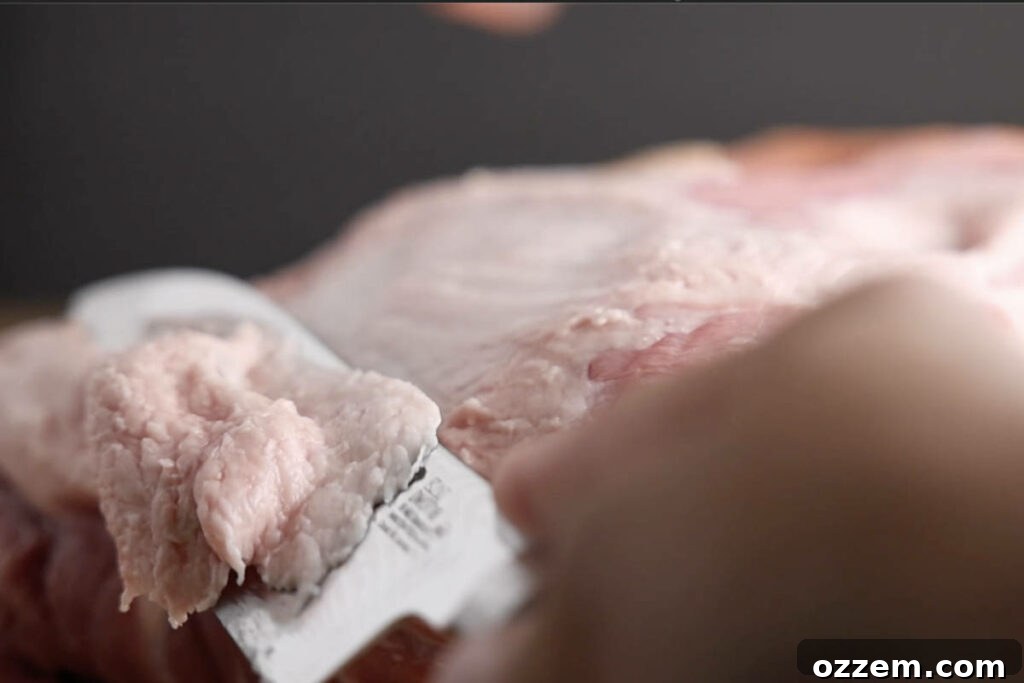
- Visually inspect the pork butt for any excessive fat. While a good fat cap is desirable for moisture, trim away any hard, thick, or excessively fatty areas (usually more than 1/4 to 1/2 inch thick). This ensures that the rub can penetrate the meat effectively and prevents rendering fat from creating a barrier. Don’t remove all the fat, as it renders down during smoking to keep the meat incredibly moist.
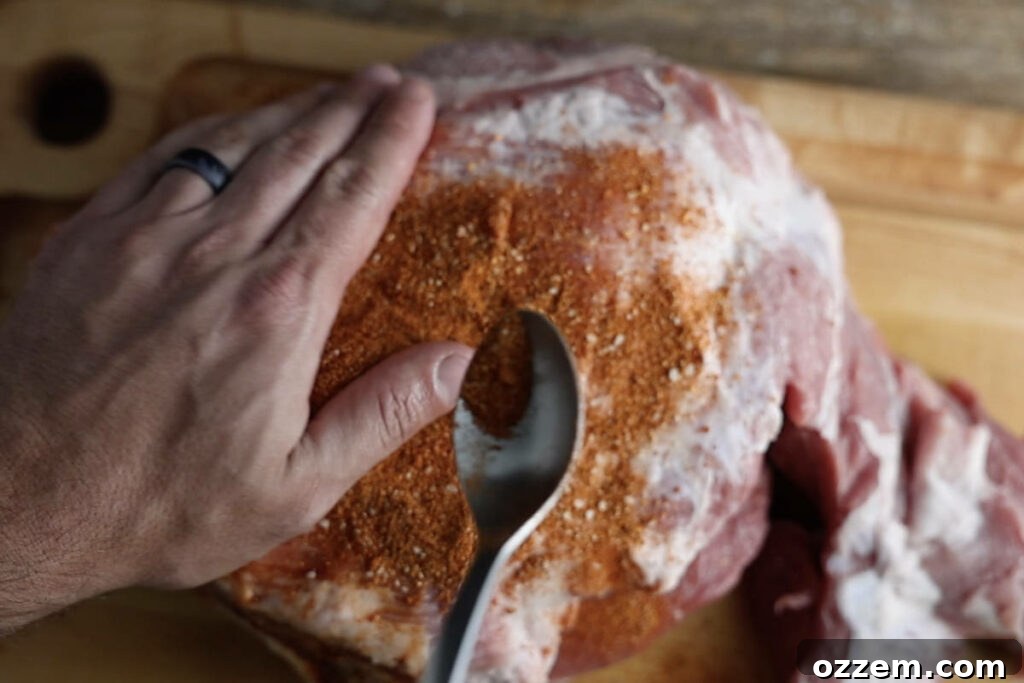
- Liberally sprinkle your chosen pork butt rub over every inch of the meat. Don’t be shy – the pork butt is a large cut and can handle a generous amount of seasoning. Vigorously rub the seasoning into all sides, crevices, and folds of the meat, ensuring an even and thorough coating. This creates the foundational flavor layer and the coveted bark.
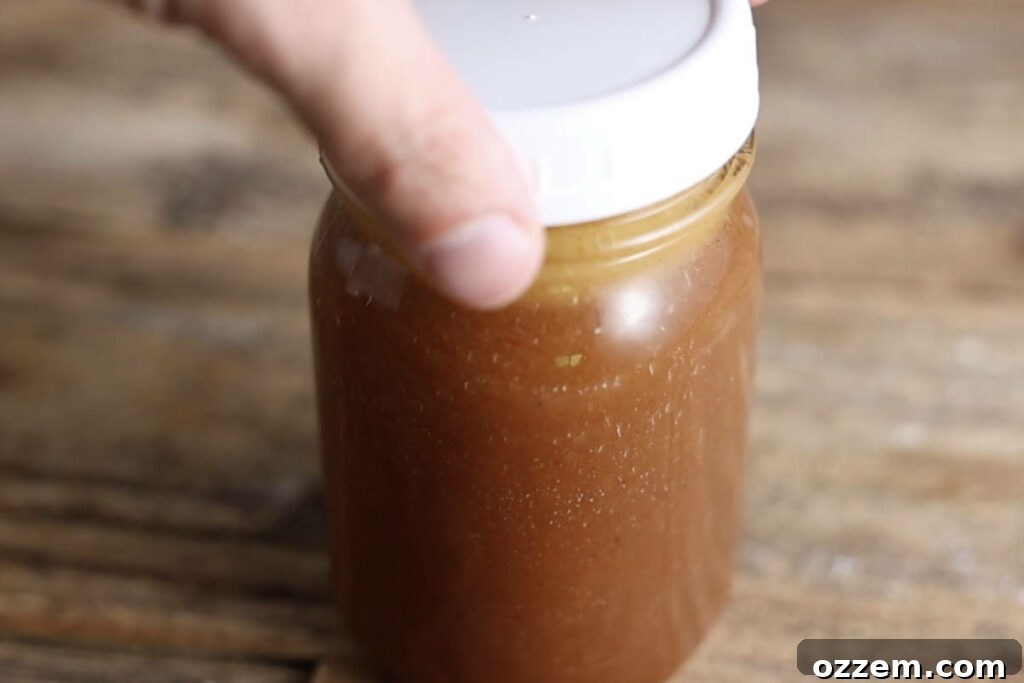
- In a medium bowl, combine all the ingredients for your injection marinade: apple juice, pork butt rub, water, apple cider vinegar, melted butter, and Worcestershire sauce. Whisk them together thoroughly until all ingredients are well incorporated and the rub is fully dissolved.
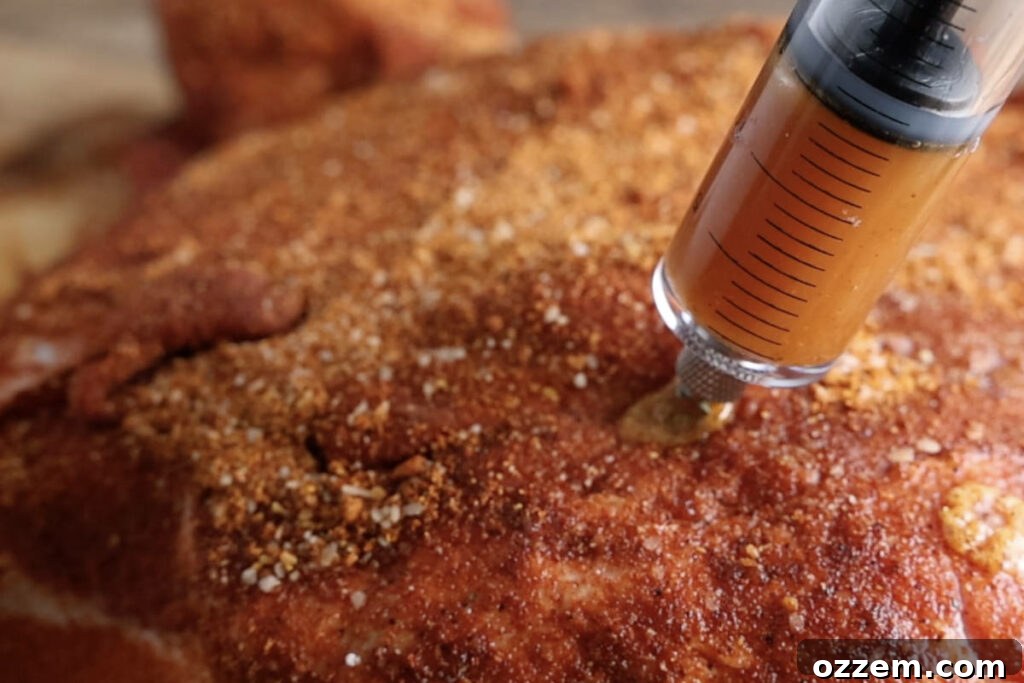
- Now for the injection: using a meat injector, systematically inject the marinade deep into the pork butt. Work in a grid-like pattern across the entire surface of the meat, injecting until you see a slight oozing or swelling. This indicates that the marinade has successfully permeated the muscle fibers, guaranteeing moisture and flavor from the inside out.
Smoke The Pork Butt: Low and Slow for Perfection
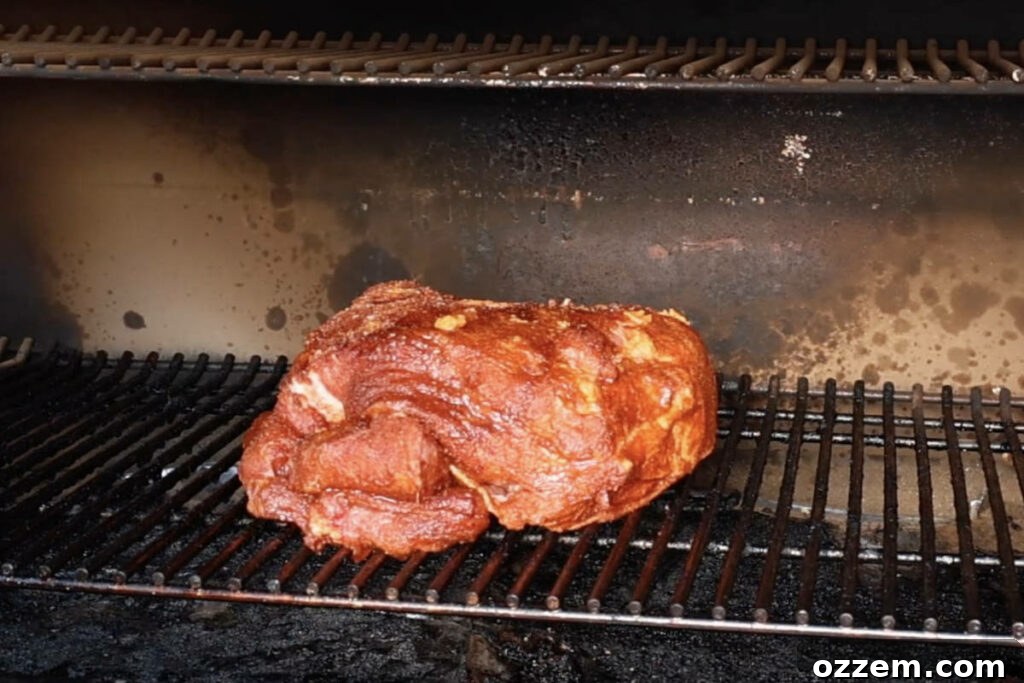
- Carefully place your prepared pork butt directly onto the grates of your preheated smoker. Position it in the center to ensure even heat distribution. Close the lid firmly, sealing in the smoke and heat, and allow it to begin its slow transformation.
- Throughout the entire cooking process, it is paramount to monitor the internal temperature of your smoked pork butt using a reliable meat thermometer. Resist the urge to frequently open the lid, as “if you’re lookin’, you’re not cookin'”. The general rule of thumb for smoking pork butt is approximately 1.5 to 2 hours per pound of meat, but remember that temperature, not time, is your ultimate guide. The pork is ready when it reaches an internal temperature of 200°F (93°C) to 205°F (96°C).
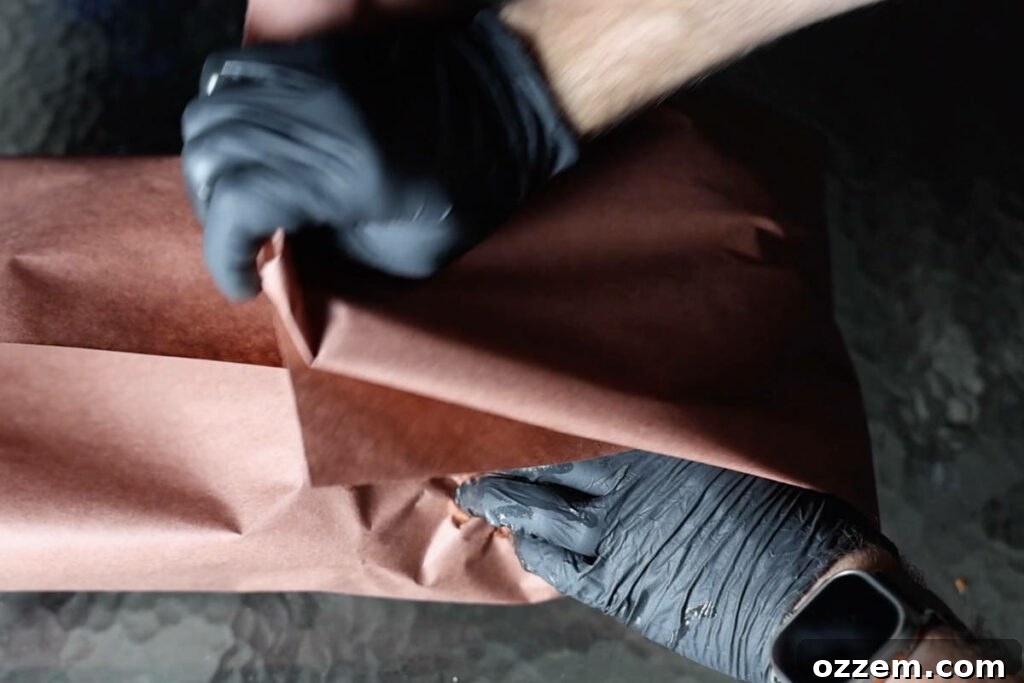
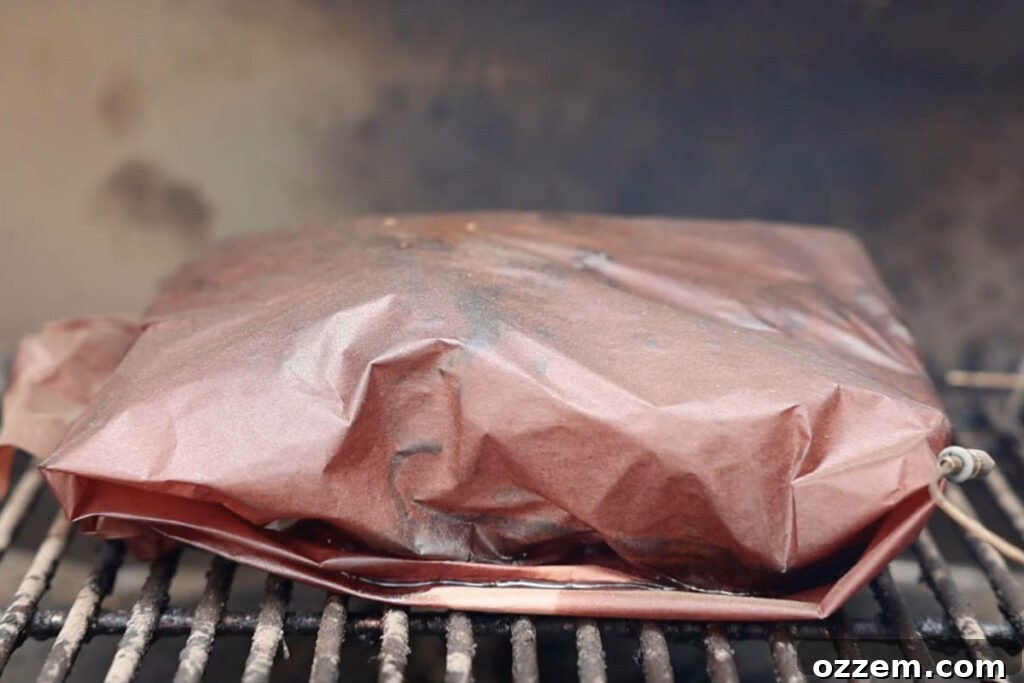
- Optional: Embrace the Texas Crutch. Once your pork butt reaches an internal temperature of around 160°F (71°C), you may notice the temperature plateaus – this is known as “the stall.” To power through the stall and lock in moisture, carefully remove the pork from the smoker and wrap it tightly in either pink butcher paper or heavy-duty aluminum foil. Return the wrapped pork butt to the smoker and continue cooking until it reaches your target internal temperature of 200°F (93°C) to 205°F (96°C). This method can significantly reduce cooking time and keep the meat incredibly moist.
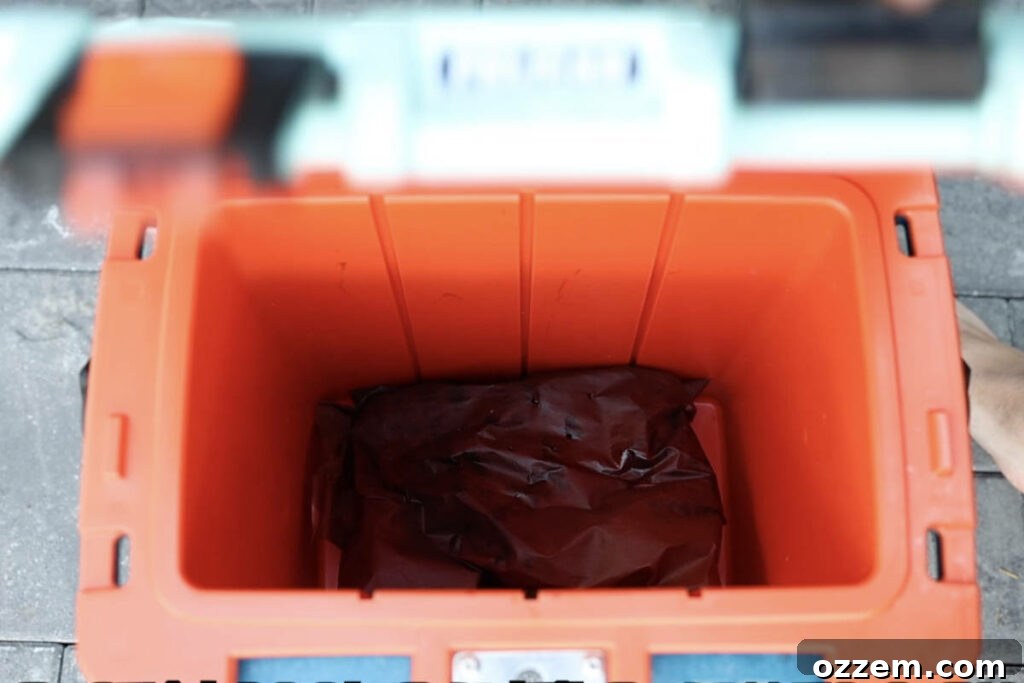
- Once the pork butt reaches the desired internal temperature, carefully remove it from the smoker. It is absolutely crucial to let it rest. If you used the Texas Crutch, keep it wrapped. For an even better rest, wrap the entire package in a towel and place it into an empty cooler. This allows the internal temperature to equalize, and the muscle fibers to relax, reabsorbing all those precious juices, resulting in an exceptionally tender and moist pulled pork. Rest it for at least an hour, or even up to four hours with the cooler method, maintaining a safe temperature.
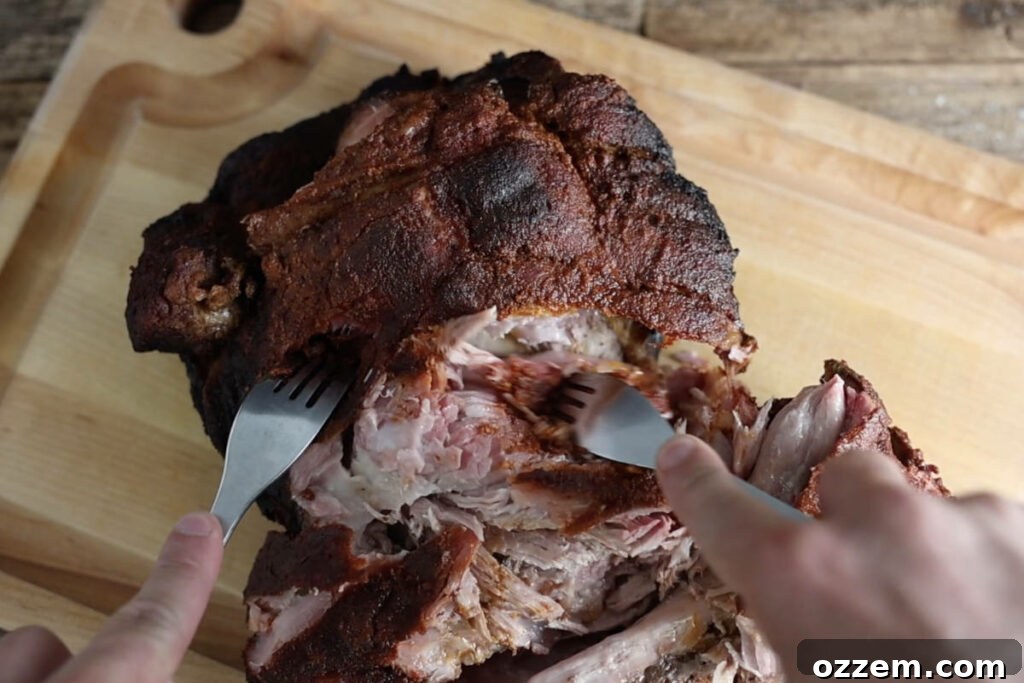
- After resting, unwrap the smoked pork butt. The bone should pull out effortlessly. Using bear claws or two forks, begin to shred the succulent meat. Toss the shredded pork with some of its rendered juices, and for an extra burst of flavor, sprinkle with additional pork butt rub and drizzle with your favorite Kansas City-style BBQ sauce, or any sauce you prefer. Serve it proudly as the centerpiece of your BBQ feast!
😉 Pro Tips for a Truly Successful Smoked Pork Butt
- Always prioritize internal temperatures over estimated cooking times! Smoking pork butt is a marathon, not a sprint, and relying solely on a clock can lead to disappointment. The temperature inside your smoker can fluctuate due to external weather, wind, or even opening the lid. For the absolute best, melt-in-your-mouth smoked pulled pork, it is indispensable to use a high-quality meat thermometer. Smoke the pork until it consistently registers around 203°F (95°C) in the thickest part of the meat. This ensures that all the tough connective tissues have broken down into gelatin, resulting in that legendary tenderness. Remember, low and slow is the golden rule here!
- Seriously consider deploying the “Texas Crutch” method. While 100% optional, I’ve found that wrapping the pork butt in butcher paper or foil once it hits the 160°F (71°C) mark can significantly enhance the outcome. The Texas Crutch helps to trap moisture, preventing the surface from drying out, and crucially, it helps to “skate past the stall.” The stall is that frustrating period when the internal temperature of the meat plateaus due to evaporative cooling. By wrapping, you reduce this cooling effect, cutting the stall period in half and getting your incredibly tender smoked pork shoulder on the table much sooner!
- Do not be afraid to generously over-season the meat. This might sound counterintuitive, but a pork butt is a substantial cut of meat, and it can handle a lot of flavor. While the injection infuses a tremendous amount of moisture and taste deep into the butt, the pork butt rub on the exterior is vital for building that incredible bark. Once you pull the pork butt apart, that heavily seasoned exterior will mix and mingle with the less seasoned interior. Often, you’ll find that you still need to add additional pork butt rub seasoning to the pulled pork itself to ensure every strand passes the ultimate flavor “vibe check.” Layering flavor is key!
- If you’re using a drip pan underneath your smoked pork shoulder to catch the succulent drippings, be sure to reserve these glorious juices. They are liquid gold! These flavorful drippings can be later used to moisten your pulled pork, adding another layer of richness, or even better, they form the perfect base for making an unforgettable, savory gravy to accompany your meal. Waste not, want not!
- While the Texas Crutch offers benefits like speeding up the cook and ensuring moisture, there’s a trade-off: you will typically achieve a thicker, more pronounced, and arguably superior bark on the exterior if you opt not to wrap the pork butt at all. If bark is your absolute priority, consider skipping the wrap and embracing the longer cooking time that comes with it.
🐷 Pork Butt or Pork Shoulder… OR? Demystifying the Cuts
Is “pork butt” truly the same as “pork shoulder”? It’s a common point of confusion in the barbecue world, and the answer is: kind of, but with important nuances. You’ll frequently encounter these two terms used interchangeably by butchers and home cooks alike. Generally speaking, if you walk into a grocery store or butcher shop and ask for “pork shoulder,” you’ll often be directed to a pork butt, and for the purpose of making exceptional pulled pork, this is perfectly acceptable and usually what you want!
To truly grasp the distinction, we need a brief primer on the concept of primal cuts in butchery – the large, foundational sections into which an animal carcass is first divided.
What are the Primal Cuts of Pork?
For pigs, the main primal cuts typically include:
- Ham: This comes from the rear leg of the pig.
- Loin: Extending from the shoulder to the hip, this cut is known for its lean, tender meat (think pork chops, tenderloin).
- Pork Shoulder (also known as the ‘Boston Butt’ primal): This is the front shoulder of the pig, and it’s where our beloved pork butt originates.
- Belly with Spare Ribs: This section gives us bacon and various rib cuts.
While most people broadly consider the “pork shoulder” a single primal cut, it’s actually further divided into two distinct sub-primal cuts: the pork butt (or Boston butt) and the picnic shoulder (or picnic ham). These are the two cuts of meat that are harvested from the larger pork shoulder region.
The entire pork shoulder encompasses the front leg of the pig, stretching from the shoulder blade down towards the hocks. The pork butt comes from the upper, thicker section of this pork shoulder primal cut, specifically the area higher up towards the pig’s shoulder blade. This cut is characterized by its rectangular shape, rich marbling of fat, and abundant connective tissue, making it absolutely perfect for slow cooking methods like smoking to achieve that desirable fall-apart tenderness. The picnic shoulder, conversely, comes from the lower section of the pork shoulder, just below the pork butt. It’s typically leaner, has a less consistent shape, and often retains the lower leg bone.
It’s worth noting that “pork butt” is also widely referred to as “Boston butt.” You might even see some butchers or grocery stores label their pork butt as “Boston Style” or “Boston Pork Butt,” particularly in certain regions of the United States. Rest assured, these terms all refer to the same ideal cut for pulled pork! Now you are armed with the precise information you need to confidently select the very best cut of meat for your next glorious smoked pork shoulder project.
🐖 Pig Out on These Mouthwatering Pork Recipes
Traeger
Smoked Pork Loin
Air Fryer
Chipotle Air Fryer Pork Chops
Traeger
Traeger Smoked Stuffed Pork Tenderloin
Main Dish
Traeger Bacon-Wrapped Pork Tenderloin
🤔 Creative Substitutions and Flavorful Variations
- If you’re aiming to introduce a subtle, tangy bite and ensure an even better rub adhesion, consider using mustard as a binder. After thoroughly patting the pork butt dry, liberally squirt yellow mustard (or even Dijon for a sharper flavor) all over the meat and rub it in thoroughly. The mustard will form a thin, flavorful layer that helps the dry rub stick like glue, and the tangy notes will beautifully complement the richness of the pork during the long smoke. Then proceed to season the meat as normal with your pork butt rub.
- For an extra layer of complexity and a sophisticated punch of deliciousness, elevate your injection marinade with a touch of bourbon! Add about a ¼ cup of your favorite bourbon to the marinade mixture. Don’t worry about the alcohol content; the liquor will cook out completely during the long smoking process, leaving behind its wonderfully sweet, smoky, and distinct vanilla notes. These flavors will beautifully infuse the meat, adding a depth that truly sets your pulled pork apart.
- The choice of wood pellets significantly influences the final smoky flavor. Tailor the smoke profile to your preference! Fruit woods like Apple and Cherry are perennial favorites for pork, imparting a milder, sweeter smoke that pairs exquisitely. For a more robust flavor, I often recommend mixing in a hardwood pellet like Hickory or Maple. My personal go-to for Traeger pulled pork is a blend of apple and hickory, often combined with competition blend pellets, which offer a balanced and universally appealing smoke flavor.
- If the idea of injecting seems daunting or you simply don’t feel like injecting, you can achieve similar flavor penetration by marinating the pork butt. Simply prepare the injection marinade exactly as specified in the recipe. Instead of injecting, place the pork butt in a large, non-reactive bowl or a sturdy brining bag. Pour the marinade over the butt, ensuring it’s fully submerged or regularly turned. Allow it to marinate overnight, or for an even deeper flavor, let it soak for about 24 hours in the refrigerator. After marinating, remove the pork, pat it thoroughly dry, and then proceed with the rub and smoking steps as normal.
🥫 How to Sauce Your Perfect Pulled Pork
The art of saucing pulled pork is a deeply personal one, varying greatly by regional preference and individual taste. The crucial step is to always wait until you have successfully smoked your pork butt, allowed it to rest sufficiently, and then pulled it apart into tender strands. Only once you have that beautiful, heaping pile of smoky pulled pork should you consider how you’d like to sauce it.
When I’m preparing for a large gathering or a hungry crew, I typically opt for a simple yet effective approach. I’ll transfer the shredded pulled pork into a large mixing bowl and toss it with a generous amount of my favorite Kansas City-style BBQ sauce. This style, known for its sweet, tangy, and sometimes spicy profile, is a crowd-pleaser. The key here is to add enough sauce to coat the pork and enhance its flavor without drenching it. Too much sauce can quickly turn your perfectly smoked pulled pork into a soggy mess, obscuring its natural smoky flavor and delicate texture. It’s truly a matter of personal preference, so gauge the amount as you go, tasting and adjusting until you find that ideal balance. Alternatively, you can serve the sauce on the side, allowing each person to customize their pulled pork experience to their liking. This is especially useful if you have guests with varying spice preferences or who enjoy different regional BBQ sauce styles (like a Carolina vinegar-based sauce or a mustard-based sauce).
⏱️ Store and Reheat Your Smoked Pulled Pork Like a Pro
One of the many benefits of making this incredible smoked pork butt is the delicious bounty of leftovers! Properly stored, this tender meat can be enjoyed for days or even months to come, making meal prep a breeze.
For short-term storage, simply place the shredded smoked pork butt in an airtight container and refrigerate it. It will maintain its delicious flavor and quality for up to 4 days. This is perfect for quick weeknight meals or lunch sandwiches.
If you wish to preserve your culinary masterpiece for a longer period, freezing is an excellent option. For optimal freshness and to prevent freezer burn, divide the pulled pork into meal-sized portions and place them in vacuum-sealed bags. Once sealed, these portions can be stored in the freezer for up to 6 months. When you’re ready to enjoy it again, remember to thaw the frozen pulled pork in the refrigerator overnight to ensure even defrosting.
Reheating pulled pork correctly is key to maintaining its moisture and tenderness. Here are a few reliable methods:
- Microwave: For a quick reheat, place a portion of pulled pork in a microwave-safe dish. Add a tablespoon or two of water, broth, or BBQ sauce to prevent drying. Microwave on high in 30-second bursts, stirring in between, until it is heated through to your desired temperature.
- Slow Cooker: This method is fantastic for reheating larger batches and ensuring the pork remains incredibly moist. Place the pulled pork in your slow cooker. To keep it from drying out, add some liquid – chicken broth, apple juice, or our delicious Kansas City-style BBQ sauce work perfectly. Reheat on the “low” setting for 2-4 hours, or until thoroughly warmed, stirring occasionally.
- Oven: Preheat your oven to 250-275°F (120-135°C). Place the pulled pork in an oven-safe dish with a splash of liquid and cover it tightly with foil. Reheat for 20-30 minutes, or until warmed through. The low temperature and tight cover help retain moisture.
- Sous Vide: If you froze your pork butt in vacuum-sealed bags, reheating with a sous vide machine is arguably the best way to restore it to its original glory. Set your water bath to 165°F (74°C). Place the frozen or thawed vacuum-sealed bag directly into the water bath. Heat for 1-3 hours (depending on thickness and whether it was frozen) until it is warmed through. This method gently reheats the pork without drying it out, resulting in incredibly juicy results.
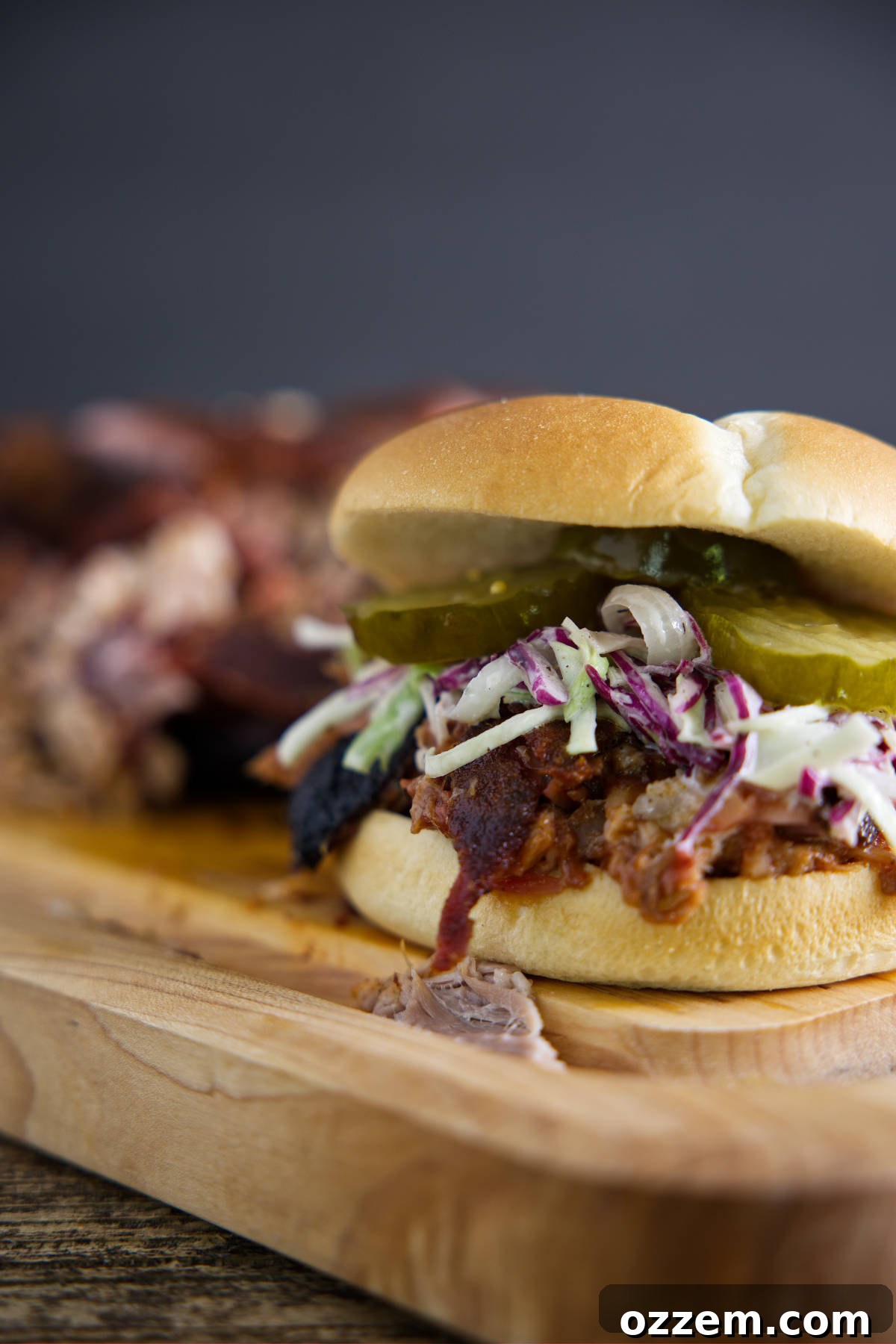
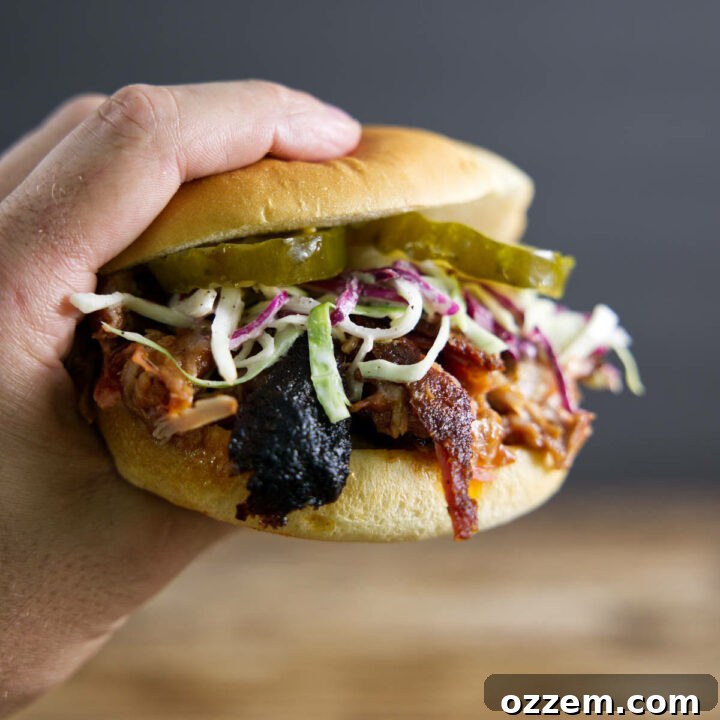
This smoked pork butt is truly glorious, whether served with classic BBQ dinner sides like coleslaw and cornbread, piled high on fluffy buns for killer sandwiches, or creatively used in leftovers like a hearty chili, flavorful tacos, or topping a creamy mac and cheese. The possibilities are endless!
🛠 Essential Tools and Equipment for Smoked Perfection
Having the right tools makes all the difference when tackling a large cut like a pork butt for smoking. These are my recommended items to ensure a smooth and successful cook:
- Traeger Timberline: A top-tier pellet grill that provides consistent temperatures and excellent smoke flavor, making the low-and-slow process effortless.
- Masterbuilt Gravity Series: Another fantastic smoker option known for its ability to reach high temperatures quickly and hold consistent low temperatures, offering versatility for various smoking needs.
- ThermoWorks Thermapen and ThermoWorks Signals: Accurate temperature monitoring is non-negotiable. The Thermapen offers instant-read precision, while Signals provides remote, continuous monitoring – essential for long cooks.
- John Boos Butcher Block: A sturdy, large surface for prep work, trimming, and carving your magnificent smoked pork.
- Pepper Cannon: For freshly ground pepper that truly elevates the flavor of your rubs and the finished pork.
- Competition Pellets: A blend of hardwoods designed for a balanced, consistent smoke flavor that complements a wide range of meats, including pork.
- OXO Meat Injector: An easy-to-use and reliable tool for infusing your pork butt with that essential flavorful marinade.
🤤 What to Serve with Your Unforgettable Smoked Pulled Pork
Side Dishes
Smoked Baked Beans
Traeger
Smoked Cauliflower
Traeger
Smoked Brussels Sprouts
Traeger
3-2-1 Ribs
Sauces
Kansas City-Style BBQ Sauce
Side Dishes
Traeger Au Gratin Potatoes
❓ Frequently Asked Questions About Smoked Pork Butt
Despite its rather misleading name, pork butt is a highly prized cut of meat that originates from the shoulder of the pig, specifically the upper portion, near the shoulder blade. It’s distinct from the actual “butt” or ham of the animal. This cut is celebrated for its rich marbling of intramuscular fat and abundant connective tissue, which, when cooked low and slow, renders down into succulent gelatin, resulting in incredibly tender meat. While it’s famously used for pulled pork, its versatility also shines when roasted, braised, or stewed! Pork butt is also widely known as Boston butt, a regional term that became common due to how butchers in colonial New England packed and sold this cut. In many instances, if you ask for “pork shoulder,” you will indeed receive a pork butt. For a deeper dive into the subtle differences between pork butt and pork shoulder, be sure to read our dedicated section above.
If you find yourself with overly chewy or tough pulled pork, the most common culprit is that it simply wasn’t smoked for a sufficient duration, or it didn’t reach the optimal internal temperature. The primary goal when smoking a pork butt for pulled pork is to allow enough time for the fat to render completely and, more importantly, for the tough connective tissues (collagen) within the meat to break down and transform into gelatin. This breakdown is what delivers that desirable, fall-off-the-bone, melt-in-your-mouth texture. Achieving this legendary tenderness is always going to be a labor of love and patience! If you pulled the meat from the Traeger (or any smoker) too early and realize it’s still tough and resisting being pulled apart, don’t despair—it’s usually salvageable! As long as you catch it quickly, you can typically place it back on the smoker to continue cooking until it reaches the correct internal temperature and tenderness. Trust the thermometer, not just the clock!
When smoking a pork butt at a consistent temperature of around 225°F (107°C), you should anticipate a lengthy cooking process. For an average 8 to 10-pound pork butt, the cooking time can range anywhere from 12 to 16 hours to cook completely. However, it’s crucial to understand that this is merely an estimate. The actual duration will vary significantly based on several factors: the exact size and thickness of your specific cut, the amount of fat marbling, the stability of your smoker’s temperature (which can be affected by ambient weather conditions), and how frequently you open the lid. A general guideline is to budget about 1.5 to 2 hours per pound of pork butt. Always remember, the meat tells you when it’s done, not the clock! Rely on your meat thermometer for accuracy.
For the truly perfect, shreddable pulled pork, I strongly recommend not pulling your pork butt until it reaches an internal temperature of at least 200°F (93°C). The sweet spot for exceptional tenderness and ease of pulling is usually between 203°F (95°C) and 205°F (96°C). At this temperature range, the tough collagen and connective tissues have fully broken down into luscious gelatin, resulting in that desirable, melt-in-your-mouth texture. Anything below 200°F will likely still be too tough and resistant to pulling, while going slightly over 205°F won’t significantly harm the texture, though it might become slightly mushier.
Absolutely not! While a dedicated pellet grill or traditional smoker is ideal for achieving maximum smoke flavor and consistent low temperatures, you can certainly make delicious pulled pork using other equipment. The key is to maintain a consistent temperature around 225°F (107°C) and ensure indirect heat. Here are some alternatives:
- Pellet Grill: Perfect for “set it and forget it” smoking, offering great smoke flavor.
- Gas Grill: Set up for indirect heat by lighting only one side and placing the pork on the unlit side. You can use a smoker box with wood chips for smoke.
- Charcoal Grill: Requires more attention to maintain temperature. Use a two-zone setup with coals on one side and the pork on the other. Add more charcoal as needed throughout the cook to keep temps stable. Again, use wood chunks or chips for smoke.
- Oven: While you won’t get a smoky flavor, you can achieve incredibly tender pulled pork. Cook at 275-300°F (135-150°C) in a covered roasting pan with some liquid. You can add liquid smoke for a hint of flavor.
No matter the method, always ensure your meat thermometer reads between 203°F (95°C) and 205°F (96°C) for perfect shreddable pork.
🎁 The Ultimate Smoked Pork Butt: A BBQ Masterpiece
Incredibly tender, profoundly juicy, and wonderfully versatile, this smoked pork butt recipe is more than worth every minute of that long, patient cooking time. This smoked pork shoulder transcends a simple meal; it’s a culinary event, perfect for everything from lively backyard parties and casual family dinners to epic Superbowl gatherings and holiday feasts. Master this recipe, and you’re not just cooking; you’re creating memories and becoming the undisputed champion of the grill. It’s guaranteed to make you incredibly popular among friends and family, and without a doubt, it will earn its rightful place in your BBQ rotation year-round, delivering consistent, mouthwatering results every single time!
💬 Tell Me What You Think!
Have you embarked on the journey of crafting this incredible smoked pork butt recipe? We’d absolutely love to hear about your experience! Please take a moment to leave a comment below and share your thoughts. How did it turn out? What were your favorite aspects? Don’t forget to snap a picture of your smoky masterpiece and post it to your favorite social platform. Be sure to tag me at @alicensetogrill and let me know how much you enjoyed it! Your feedback fuels our passion for barbecue!
CONNECT WITH A LICENSE TO GRILL!
Stay in the loop with all our latest grilling adventures, tips, and recipes by following us on our social media accounts!
Did you make this recipe? Tell us about it in the comments below!
Smoked Pork Butt – The Ultimate Easy Pulled Pork Recipe
Approximately 20 servings
10 minutes
14-18 hours
16 to 20 hours (includes rest)
This smoked pork butt recipe is a true game-changer, guaranteed to become a beloved staple in your BBQ rotation, especially when you need to feed a hungry crowd at parties, family gatherings, or holiday celebrations. Prepare for compliments!
The secret to its success lies in the meticulous injection of a deeply flavorful marinade. This injection works wonders, infusing tons of delicious savory and sweet flavors directly into the meat’s core, while simultaneously ensuring it remains incredibly juicy and moist throughout the long, slow smoking process on your Traeger or preferred smoker. Complementing this, our signature pork butt rub creates a spectacular bark on the exterior, adding sweet heat and a textural contrast that makes those pulled pork sandwiches absolutely irresistible and pure perfection!
So, roll up your sleeves, grab your chosen pork butt, give it a generous rub, and confidently place it on the smoker. As it transforms, prepare all your favorite pulled pork sandwich fixings – creamy coleslaw, tangy pickles, and a rich BBQ sauce. Then, get ready to feast on the best pulled pork you’ve ever made! You might even want to have a cold craft beer or two lined up to fully enjoy the experience.
Ingredients for Smoked Pulled Pork
- 1 bone-in or boneless pork butt, 8-10 pounds
- 1 cup of your preferred pork butt rub
For the Flavorful Injection Marinade:
- 1 cup apple juice (or apple cider for a more robust flavor)
- 1 tablespoon of the same pork butt rub
- ¼ cup water
- ¼ cup apple cider vinegar
- ¼ cup unsalted butter, thoroughly melted
- 2 tablespoons Worcestershire sauce
Step-by-Step Instructions
- Prepare Your Smoker: Begin by preheating your smoker to a consistent temperature of 225°F (107°C). Allow it to stabilize before placing the meat inside.
- Pork Butt Prep: Remove the pork butt from its packaging. Using paper towels, pat the entire surface of the pork butt thoroughly dry. Carefully inspect for and wipe away any small bone fragments or excess moisture.
- Trim Excess Fat: Trim any overly thick or hard fat caps (aim for about 1/4 inch thickness). While fat adds flavor and moisture, excessive hard fat can prevent smoke and rub penetration. Avoid removing all the fat, as some will render to keep the meat juicy.
Rub and Inject for Maximum Flavor:
- Season with Rub: Liberally sprinkle your pork butt rub over all sides of the meat. Vigorously rub the seasoning into every surface and crevice, ensuring a generous and even coating. This will form your flavorful bark.
- Prepare Injection: In a medium-sized bowl, combine the apple juice (or cider), the 1 tablespoon of pork butt rub, water, apple cider vinegar, melted butter, and Worcestershire sauce. Whisk all ingredients thoroughly until the rub is fully dissolved and the mixture is well integrated.
- Inject the Pork Butt: Using a marinade injector, systematically inject the prepared marinade deep into the pork butt. Work in a grid pattern across the entire cut, injecting until you observe the marinade slightly oozing out, indicating complete saturation.
Smoke Your Pork Butt to Perfection:
- Begin Smoking: Carefully place the injected and seasoned pork butt directly onto the middle of your smoker’s grates. Insert a reliable probe thermometer into the thickest part of the meat, avoiding the bone. Close the lid to allow the smoking process to begin.
- Monitor and Cook: Smoke the pork butt, maintaining your smoker’s temperature at 225°F (107°C), until the internal temperature of the pork consistently registers between 200°F (93°C) and 205°F (96°C). This typically takes 14-18 hours, depending on the size and characteristics of your pork butt.
- Optional: The Texas Crutch: For accelerated cooking and enhanced moisture retention, consider the Texas Crutch. Once the pork butt reaches an internal temperature of 160°F (71°C), carefully remove it from the smoker. Wrap it tightly in either pink butcher paper or heavy-duty aluminum foil. Return the wrapped pork butt to the smoker and continue cooking until it reaches the target internal temperature of 200°F (93°C) to 205°F (96°C).
- Rest the Pork Butt: Once the target temperature is achieved, remove the smoked pork butt from the smoker. If wrapped, keep it wrapped. For an optimal rest, immediately place the wrapped pork butt directly into an empty cooler. Allow it to rest for at least an hour, or ideally 2-4 hours. This crucial step allows the meat to reabsorb juices, resulting in ultimate tenderness and moisture.
- Shred and Serve: After resting, carefully unwrap the pork butt. The bone should easily slide right out. Using bear claws or two forks, begin to shred the tender meat. Toss the shredded pork with some of its reserved pan drippings (if collected), and optionally add more pork butt rub seasoning and a drizzle of BBQ sauce. Serve immediately on sandwiches, over mac and cheese, or as a main dish with your favorite sides!
Expert Notes & Tips for Pulled Pork Success
- Focus on Internal Temperature, Not Time: This cannot be stressed enough. Smoking a pork butt is an art, not a science of precise timing. Your smoker’s temperature can fluctuate, and every cut of meat is unique. Always use a reliable leave-in thermometer to monitor the internal temperature of the pork butt. The ideal range for fall-apart tender pulled pork is between 203°F (95°C) and 205°F (96°C). “Low and slow” means patience is your best friend.
- The Texas Crutch is Your Secret Weapon (Optional but Recommended): While entirely optional, I almost always employ the Texas Crutch for my longer smoking sessions. Wrapping the pork butt in butcher paper or foil after it hits the 160°F (71°C) internal temperature serves two main purposes: it helps to trap precious moisture, preventing the meat from drying out, and it significantly accelerates the cooking process by pushing through “the stall.” The stall is when the internal temperature of the meat plateaus for several hours due to evaporative cooling. The Texas Crutch will cut this frustrating period in half, helping you get that delicious smoked pork shoulder on the table much sooner without sacrificing tenderness.
- Don’t Be Shy with the Rub – Layer Your Flavors: You might think you’ve added too much rub, but remember, a pork butt is a very large cut of meat! The injection penetrates deep, but the rub forms that essential, flavorful bark. Once you pull the pork apart, the seasoned exterior mixes with the less seasoned interior. Don’t hesitate to add an additional sprinkle of your pork butt rub seasoning to the shredded pulled pork after it’s pulled to ensure every bite is bursting with flavor. Layering flavors is key to a truly unforgettable pulled pork.
- Customize Your Injection Marinade: Feel free to get creative with your injection! If you decide to add fresh herbs like rosemary or thyme, ensure you use a blender to thoroughly pulverize them into a fine liquid. This prevents clogging the needle of your meat injector. For those who love a kick, add a pinch of cayenne powder or a touch of habanero powder to infuse some spicy heat directly into the core of the meat.
- “Hot and Fast” Smoking for When Time is Short: If you’re on a tighter schedule and can’t commit to an overnight or full-day smoke, you can opt for a “hot and fast” method. Instead of smoking at 225°F, increase your smoker’s temperature to around 300°F (150°C). This higher temperature can reduce the total cooking time for a pork butt to approximately 5-8 hours (depending on size). You can still use the Texas Crutch once the meat reaches an internal temperature of 160°F (71°C), although with higher ambient temperatures, you may find the “stall” less pronounced or even absent. While this method yields excellent results, keep in mind that the bark might be slightly less developed, and the smoke flavor a bit less intense compared to a true low-and-slow cook.
Recommended Products for Success
As an Amazon Associate and member of other affiliate programs, I earn from qualifying purchases.
- Traeger Timberline 1300 Pellet Grill
- Thermoworks Thermapen ONE Instant Read Thermometer
- Thermoworks Signals Multi-Channel BBQ Alarm Thermometer
- John Boos Maple Butcher Block Cutting Board
- OXO Good Grips Flavor Injector for Meat & Poultry
- MANNKITCHEN Pepper Cannon Grinder
Nutrition Information:
Yield: 20
Serving Size: 1
Amount Per Serving:
Calories: 638Total Fat: 45gSaturated Fat: 17gTrans Fat: 0gUnsaturated Fat: 23gCholesterol: 201mgSodium: 188mgCarbohydrates: 2gFiber: 0gSugar: 1gProtein: 52g
Nutrition information is a guideline only, is calculated automatically by third party software, and absolute accuracy is not guaranteed.
Did you make this recipe?
Please leave a comment on the blog or share a photo on Instagram