
Have you ever found yourself with more culinary creations than your appetite could handle, leading to the familiar question, “Can You Freeze Cooked Pork Loin?” This scenario is common after preparing a magnificent meal, like a Traeger smoked pork loin, leaving you with delicious leftovers that seem destined for waste. However, freezing emerges as a brilliant and practical solution, transforming potential waste into future convenience. It’s not just about rescuing those succulent cuts; it’s about embracing smart meal prep, ensuring you have ready-to-enjoy, flavorful meals at your fingertips for future busy days. But the critical concern often remains: can you truly freeze leftover cooked pork loin without sacrificing its much-loved juiciness and rich flavor profile? Absolutely! With the right techniques, you can preserve its quality beautifully. Dive into this comprehensive guide for essential tips and expert pointers on how to perfectly freeze and reheat your cooked pork loin, making it as delightful as the day it was first cooked.
🥶 Why Freeze Cooked Pork Loin? Unlocking Convenience and Flavor
The decision to freeze cooked pork loin isn’t merely about preventing waste; it’s a strategic move towards smarter meal management and culinary flexibility. There are countless reasons why this practice is a game-changer for home cooks and busy individuals alike. Often, our enthusiasm in the kitchen leads us to prepare more food than can be consumed in one sitting. Or, perhaps, it’s simply more efficient to cook a larger batch once and enjoy its benefits over several meals. Freezing offers unparalleled convenience, providing readily available meal options while significantly minimizing food waste.
- Extends Shelf Life Significantly: While cooked pork loin can last a few days in the refrigerator, freezing halts bacterial growth, keeping your delicious leftovers safe and fresh for a much longer period. This means you can enjoy that perfectly cooked pork weeks, or even months, down the line.
- Saves Time on Busy Days: Imagine coming home after a long day and having a gourmet meal component ready to be quickly thawed and reheated. Freezing pre-cooked pork loin eliminates the need for extensive cooking on hectic evenings, providing a hassle-free, ready-to-eat option. It’s an invaluable tool for effective meal prepping.
- Reduces Food Waste and Saves Money: Tossing perfectly good food in the bin is disheartening and costly. By freezing your cooked pork loin, you ensure every last morsel is utilized, reducing food waste and making your grocery budget stretch further. It’s an environmentally conscious and financially savvy choice.
- Unlocks Culinary Versatility: Frozen pork loin is a versatile ingredient that can be reimagined into a myriad of new dishes. Transform that succulent smoked pork loin roast into something exciting, like savory leftover pork tacos, hearty sandwiches, flavorful stir-fries, or even a comforting pasta dish. Freezing allows you to diversify your menu effortlessly.
- Preserves Peak Flavor and Texture: When done correctly, freezing can remarkably preserve the original flavor and tender texture of your cooked pork loin. This means every bite, even weeks later, can evoke the freshness of a newly prepared meal.
👨🍳 How To Freeze Cooked Pork Loin: A Step-by-Step Guide
Proper preparation is key to successfully freezing cooked pork loin and ensuring it retains its quality, flavor, and texture upon thawing. The goal is to minimize moisture loss and prevent freezer burn. Follow these steps for optimal results, guaranteeing your pork loin is as delightful when reheated as it was fresh off the grill or out of the oven.
- Cool Completely and Promptly: The very first and most crucial step is to allow the cooked pork loin to cool down to room temperature. This must be done relatively quickly—ideally within two hours of cooking—to prevent the growth of harmful bacteria. Never place hot or warm food directly into the freezer, as it can raise the internal temperature of the freezer, potentially thawing other frozen items and affecting their safety and quality.
- Slice or Portion as Desired: Once thoroughly cooled, decide how you wish to portion your pork loin. You have a few options:
- Slicing: Cut the pork loin into individual serving slices. This method is excellent for quick thawing and reheating of single portions.
- Dicing: For future recipes like tacos, stir-fries, or soups, dicing the pork into bite-sized pieces can be incredibly convenient.
- Leaving Whole or in Chunks: While you can freeze larger sections or even the entire loin, be aware that these will take significantly longer to thaw and reheat, which might impact even heating and overall texture. For maximum convenience and quality, portioning is generally recommended.
- Choose Your Freezer-Safe Packaging: Selecting the right packaging is paramount for preventing freezer burn and maintaining the pork loin’s quality. The aim is to create an airtight seal:
- Freezer-Safe Bags: Heavy-duty freezer bags are a popular choice. Place the pork loin portions inside, ensuring you squeeze out as much air as possible before sealing. Double-bagging can provide an extra layer of protection against freezer burn.
- Airtight Containers: Rigid, freezer-safe plastic or glass containers work well. Ensure there’s minimal headspace (the space between the food and the lid) to reduce air exposure.
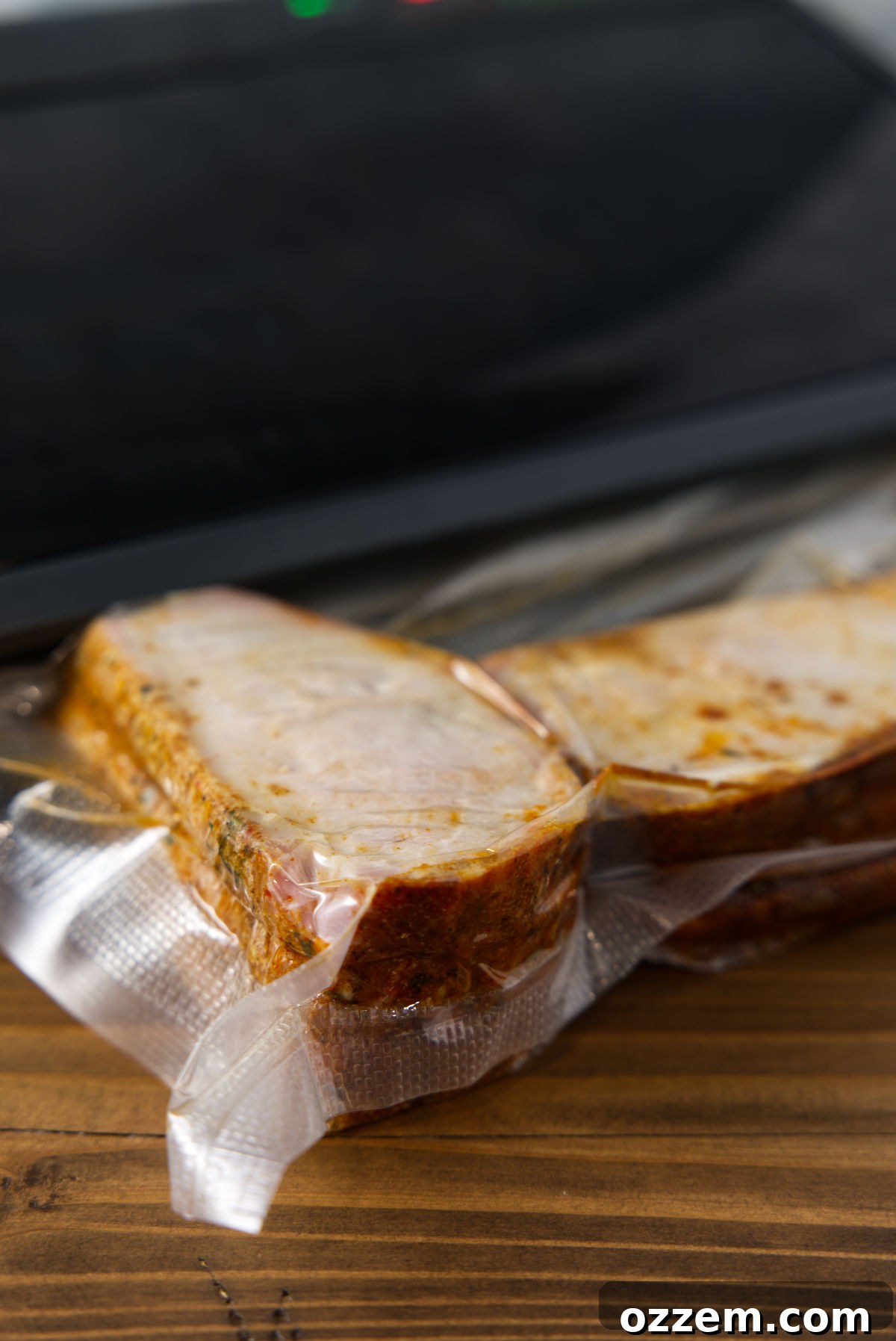
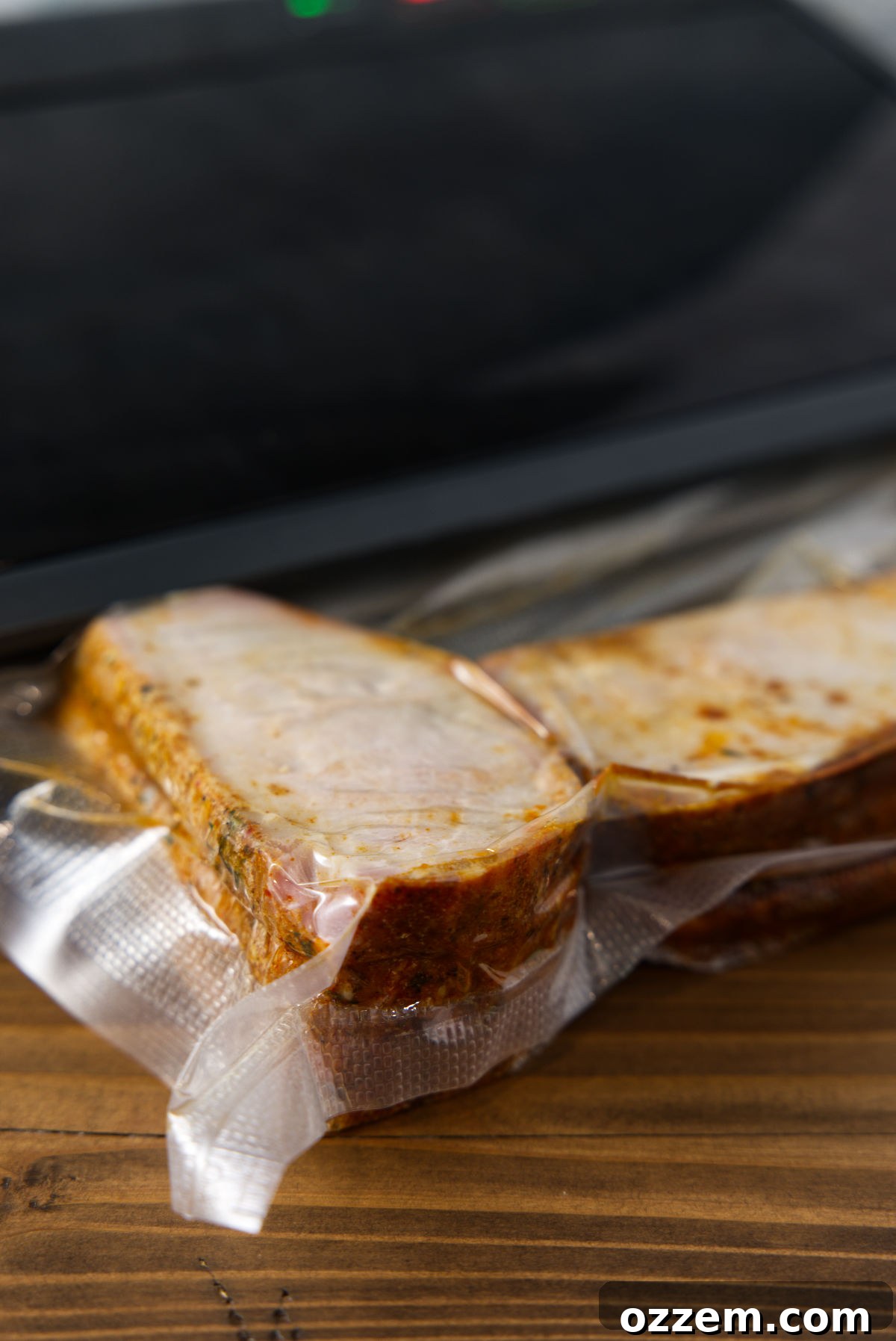
- Vacuum Seal Bags: For the absolute best protection against freezer burn and to extend shelf life even further, a vacuum sealer is highly recommended. This method removes nearly all air, creating an impenetrable barrier.
- Foil/Plastic Wrap Combination: For an added layer of protection, especially if not using a vacuum sealer, wrap individual portions tightly in plastic wrap first, then in aluminum foil, before placing them in a freezer bag or container.
- Label and Date for Organization: Before placing your packaged pork loin into the freezer, always label the bag or container with the contents (e.g., “Cooked Pork Loin”) and the date it was frozen. This practice is crucial for tracking freshness and ensuring you consume it within the optimal timeframe.
- Freeze for Optimal Quality: Place the packaged and labeled pork loin in the coldest part of your freezer. Spread individual packages out if freezing multiple batches to allow them to freeze quickly and evenly. For optimal quality, aim to use your frozen cooked pork loin within 3 months.
⏳ How Long Can You Freeze Cooked Pork Loin? Understanding Shelf Life
When it comes to freezing cooked pork loin, understanding its safe storage duration is essential for both food safety and maintaining quality. Generally, cooked pork loin can be frozen safely for up to 3 months for optimal taste and texture. This timeframe allows you to enjoy your leftovers with confidence, knowing they will still be delicious.
While the pork loin remains safe to eat beyond this 3-month mark, its quality may begin to decline. Over time, even meticulously packaged pork loin can gradually succumb to freezer burn and noticeable texture degradation. Freezer burn occurs when food is exposed to air, leading to dehydration and oxidation, which manifests as dry, discolored spots and a tougher, less palatable texture.
For the best culinary experience – ensuring your pork loin retains its succulent juiciness and rich flavor – it’s advisable to aim to use your frozen cooked pork loin within the ideal 3-month window. However, rest assured that if stored properly in a consistently cold freezer (0°F / -18°C or colder), it will remain safe for consumption well beyond this time frame, albeit with a potential compromise in its peak quality.
❄️ How to Thaw Frozen Cooked Pork Loin Safely
Before you even think about reheating your frozen cooked pork loin, proper thawing is a critical step that impacts both food safety and the final quality of your meal. Thawing correctly ensures even heating and helps prevent your pork from drying out. For an exhaustive overview of reheating, you can refer to our post about how to reheat a pork loin. Additionally, a deeper dive into safe thawing practices can be found in our guide on how to thaw pork loin. Here are the safest and most effective methods:
Refrigerator Thawing (Recommended)
This is by far the safest and most recommended method for thawing cooked pork loin. It allows for a gradual and even thaw, which helps maintain the meat’s texture and juiciness. Simply transfer the frozen pork loin (still in its airtight packaging) from the freezer to the refrigerator. Allow approximately 12-24 hours per pound (450g) for the pork loin to thaw completely. Smaller portions will thaw faster. Once thawed, the pork loin should be reheated and consumed within 3-4 days.
Cold Water Thawing (Faster Option)
If you’re pressed for time, cold water thawing is a quicker alternative. Ensure the pork loin is in a leak-proof bag. Submerge the sealed bag in a bowl of cold tap water. Change the water every 30 minutes to ensure it remains cold and continues to thaw the meat effectively. A small pork loin portion might thaw in 1-2 hours, while larger cuts could take 2-3 hours. Once thawed using this method, the pork loin should be reheated immediately.
Microwave Thawing (Quickest, Use with Caution)
The microwave is the fastest thawing method, but it comes with caveats. It can sometimes begin to cook the edges of the pork loin before the center is fully thawed, potentially leading to an uneven texture. Use the defrost setting on your microwave and rotate the pork loin frequently. Once thawed in the microwave, it is crucial to reheat the pork loin immediately to a safe internal temperature to prevent bacterial growth.
🤔 How to Reheat Frozen Cooked Pork Loin: Restoring its Glory
Once your frozen cooked pork loin is safely thawed, the next step is to reheat it without drying it out or compromising its flavor. There are several effective methods to transform your thawed leftovers into a delicious, satisfying meal, each with its own advantages. The key is to reheat gently and to an internal temperature of 165°F (74°C) to ensure safety, while maintaining moisture.
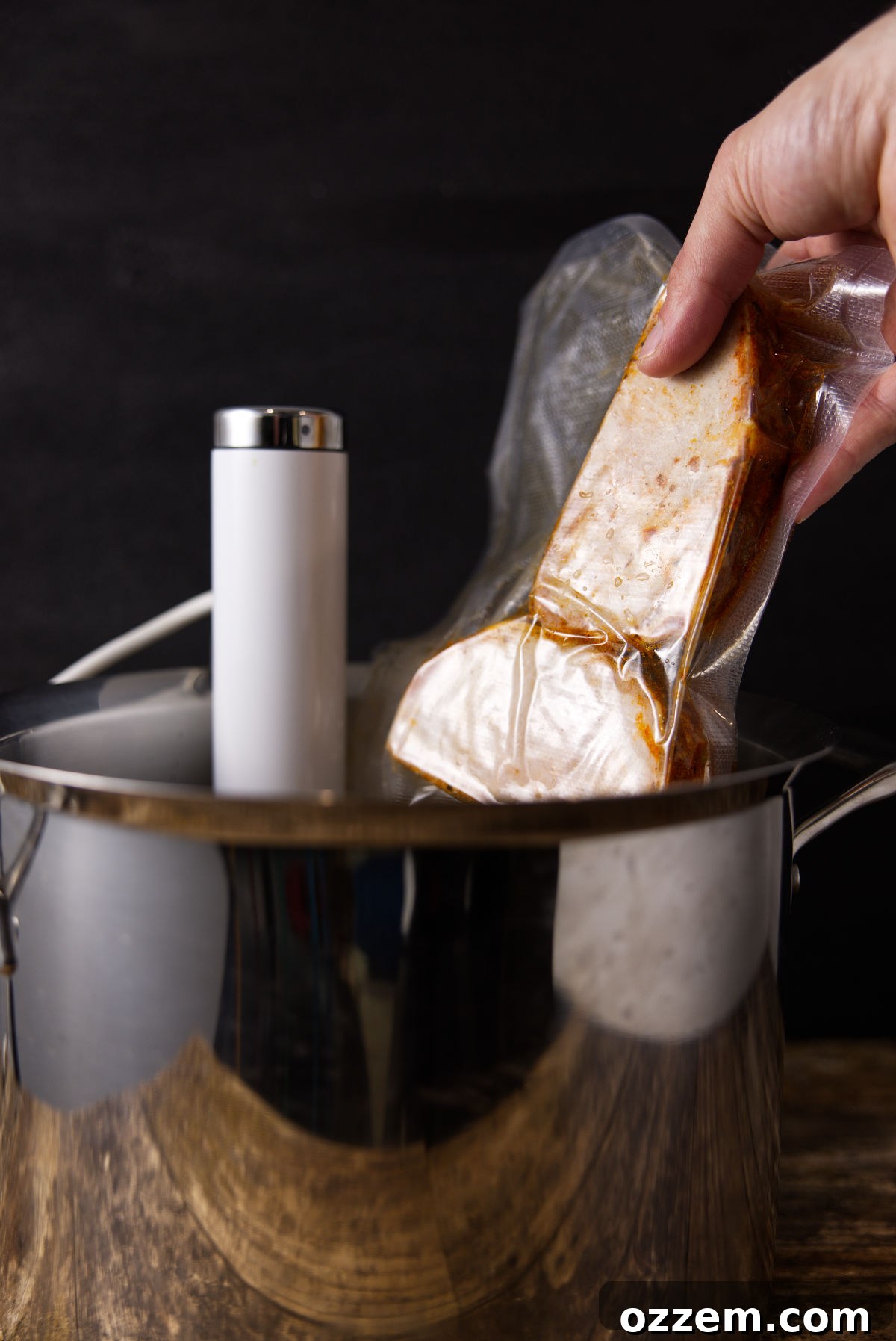
- Sous Vide (The Easiest & Juiciest Method): This method is hands-down the best for preserving the juiciness and tenderness of your pork loin. Once thawed, place the pork loin (preferably already vacuum-sealed or in a freezer-safe bag) into a temperature-controlled water bath set to around 140-145°F (60-63°C). Leave it for 1-2 hours, depending on thickness, until heated through. The gentle, consistent heat ensures perfect warming without overcooking. You’ll return to a perfectly warmed, incredibly juicy pork loin, tasting as fresh as the day it was made.
- Grill or Oven (Excellent for Flavor and Texture): This is another fantastic option that is relatively simple but requires a bit more active monitoring.
- Oven: Preheat your oven to a moderate temperature, around 250-300°F (120-150°C). Wrap the thawed pork loin tightly in aluminum foil or butcher paper. This is crucial for retaining its precious juices. For added moisture and flavor, you can even add a splash of chicken broth, apple cider, or water inside the foil packet before sealing. Reheat for 20-30 minutes, or until the internal temperature reaches 165°F (74°C).
- Grill: If using a grill, use indirect heat. Wrap the pork loin as you would for the oven, placing it on the cooler side of the grill. Monitor closely to prevent drying.
The lower temperature and wrapping method ensure the pork heats through gently without losing moisture, resulting in a tender and flavorful outcome.
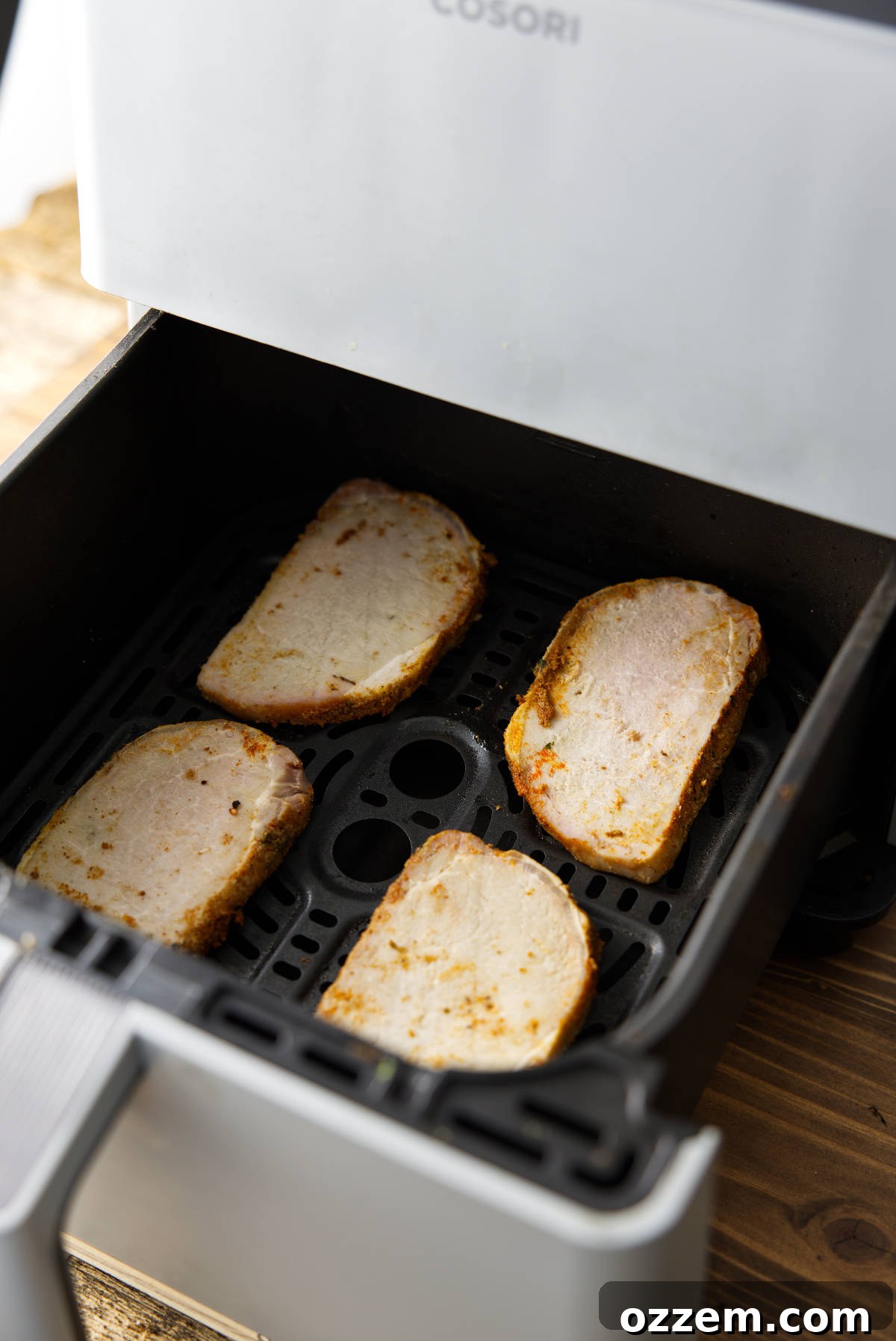
- Air Fryer (Quick and Convenient, but Needs Care): An air fryer can quickly reheat pork loin, but it’s very easy to dry it out due to the circulating hot air. To combat this, brush the thawed pork loin generously with a little oil, butter, or a flavorful sauce (like BBQ sauce or a pan jus) before heating. To maintain moisture, you can add a tablespoon or two of broth or water to the air fryer basket below the rack. Heat at a lower temperature, around 300°F (150°C), checking the pork often in 5-minute increments until it reaches 165°F (74°C). This method is best for slices or smaller portions.
- Microwave (For Those in a Rush, but Less Ideal): For situations where time is of the essence, the microwave is an option, though typically my least favorite for quality. It can be challenging to achieve even heating and retain moisture. To minimize drying, place the thawed pork loin in a microwave-safe dish and cover it with a lid or microwave-safe plastic wrap, leaving a small vent. Heat in short bursts, typically 30-second intervals, flipping or stirring the pork between bursts. This gradual approach helps prevent the edges from overcooking while the center heats. Stop heating once it reaches 165°F (74°C).

Extra Tips for Freezing and Reheating Pork Loin
Can You Refreeze Cooked Pork Loin?
While technically possible, it is generally not recommended to refreeze cooked pork loin once it has been thawed. Each thawing and refreezing cycle can degrade the quality of the meat, leading to a drier texture and less appealing flavor. For optimal results and food safety, it’s best to thaw only the amount you intend to consume and reheat it fully. If you absolutely must refreeze, ensure it was thawed safely in the refrigerator and has not been left at room temperature for an extended period.
Enhancing Reheated Pork Loin
To elevate your reheated pork loin, consider adding a fresh sauce or glaze. A simple pan sauce made from chicken broth, a touch of cream, and herbs can work wonders. Alternatively, a fruit chutney, apple sauce, or a savory gravy can complement the pork beautifully. Adding fresh herbs like rosemary or thyme during reheating (especially in the oven or grill) can also infuse new life into the dish.
Creative Ways to Use Frozen Pork Loin
Don’t just think of reheating your pork loin as is. Frozen portions are perfect for quick meal transformations:
- Pork Tacos or Burritos: Shred or dice thawed pork loin, warm it with your favorite taco seasoning, and serve in tortillas with fresh toppings.
- Pork Sandwiches: Slice thinly and serve on crusty bread with your preferred condiments for a satisfying sandwich.
- Stir-fries: Add diced pork loin to a vibrant vegetable stir-fry for a protein boost.
- Salads: Cube and toss cold, reheated pork loin into a fresh salad for a quick and healthy meal.
- Soups or Stews: Use leftover pork loin in a hearty soup or stew for added depth of flavor.
Ultimately, freezing cooked pork loin is a simple yet incredibly effective way to manage your kitchen more efficiently, reduce food waste, and ensure you always have a delicious, high-quality protein source ready for any meal. By following these comprehensive steps for freezing, thawing, and reheating, you can confidently preserve the flavor and tenderness of your culinary efforts, making every leftover meal a delight.
CONNECT WITH A LICENSE TO GRILL!
Be sure to follow us on our social media accounts for more grilling tips, recipes, and inspiration.
Did you make this recipe or try these tips? Tell us about your experience in the comments below!