
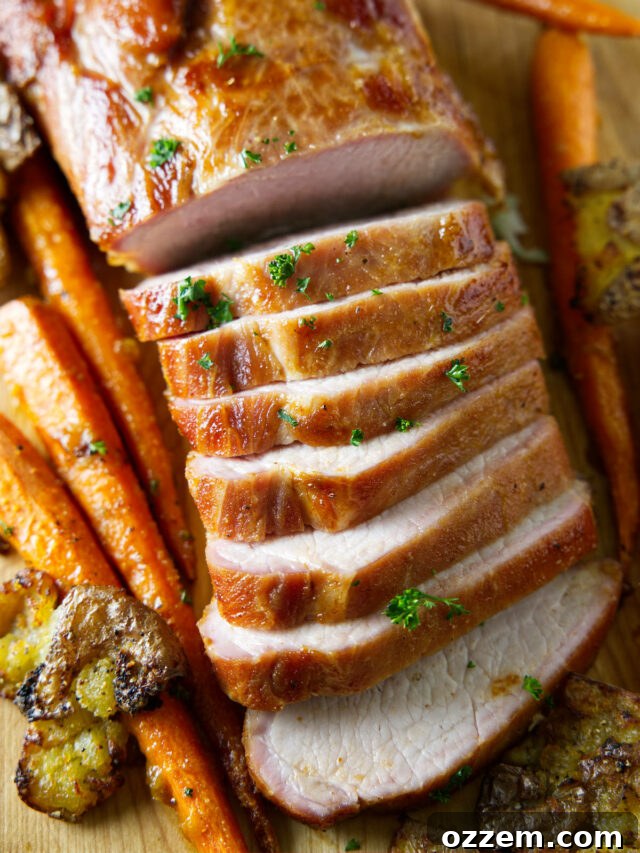
Are you wondering How Long to Smoke Pork Loin per Pound to achieve that perfect, mouth-watering result? Unlocking the secret to a perfectly moist, tender, and flavorful smoked pork loin is easier than you think when you dial in the right process. Elevate your next backyard barbecue or family meal with a show-stopping smoked pork loin recipe that will impress everyone. The journey to culinary excellence requires preparation and a touch of patience, but the ultimate key lies in mastering the cooking time and temperature. Cook it too long, and you risk a dry, unappetizing outcome. Cut the cooking short, and your pork loin might be too rare for enjoyment. This comprehensive guide is designed to transform you into a smoking expert, ensuring every bite is a testament to your newfound skill.
The quest for the ideal smoking time often begins with a fundamental question: how much time does each pound of pork loin require? Generally, at a consistent smoker temperature of 225°F, you should anticipate smoking your pork loin for approximately 35 to 40 minutes per pound. However, this is just the starting point. Our detailed guide will walk you through every critical step, from essential prep work that infuses maximum flavor to the final, triumphant slice. We’ve packed this resource with expert tips, valuable insights, and a handy cooking time chart, all designed to ensure your smoked pork loin is consistently juicy, incredibly tender, and bursting with rich, smoky flavor. Forget dry pork forever – it’s time to fire up your smoker and embark on a delicious adventure!
⏱️ Mastering Smoking Time for Pork Loin per Pound
Achieving the perfect smoked pork loin is an art, and precision in timing is one of its most critical strokes. Our comprehensive smoking time chart is meticulously crafted to be your ultimate guide, helping you navigate the variables of weight and temperature. Whether you’re working with a full-size pork loin, which can weigh up to 10 pounds, or opt to cut it in half for manageability, this chart provides reliable benchmarks to ensure optimal doneness and flavor.
Smoking pork loin isn’t a one-size-fits-all endeavor. Factors such as the initial temperature of the meat, external weather conditions, the efficiency and type of your smoker, and even the specific density of the pork loin can influence cooking times. Our chart offers a range of times per pound across various temperatures, allowing you to choose an approach that best suits your equipment and schedule:
| Temperature (°F) | 3-5 Pounds (Minutes per Pound) | 7-10 Pounds (Minutes per Pound) |
|---|---|---|
| 225 | 35 – 40 | 40 – 45 |
| 250 | 30 – 35 | 35 – 40 |
| 275 | 25 – 30 | 30 – 35 |
| 300 | 23 – 28 | 28 – 33 |
| 350 | 20 – 25 | 25 – 30 |
| 400 | 17 – 22 | 22 – 27 |
| 450 | 15 – 20 | 20 – 25 |
Whether your preference leans towards a classic low and slow smoking method to maximize smoke penetration and tenderness, or a slightly hotter and faster approach when time is of the essence, this chart has got you covered. It’s crucial to remember that these times are established as informed guidelines. The actual cooking duration may exhibit slight variations based on specific factors unique to your cooking environment, such as the precise dimensions of your pork loin, the type of smoker you’re utilizing (pellet, offset, electric), and even ambient air temperature.
To consistently achieve a delicious, safe-to-eat, and perfectly cooked result, the most reliable tool in your arsenal is a high-quality meat thermometer. Always use a meat thermometer to monitor the internal temperature of your pork loin; this is the definitive indicator of doneness, far more accurate than relying solely on estimated cooking times.
🔥 Temperature vs. Time: The Ultimate Indicator of Doneness
While smoking times per pound provide an excellent initial roadmap, the real secret to achieving perfection in any smoked meat, especially pork loin, lies not just in the clock but in the thermometer. Cooking times, even those from the most meticulously crafted charts, are merely guides. The true, undeniable secret to mastering doneness and ensuring both safety and succulence is the vigilant use of a reliable meat thermometer. It provides real-time, objective data about the internal state of your pork loin, removing all guesswork.
The United States Department of Agriculture (USDA) officially recommends cooking pork to an internal temperature of 145°F (63°C). Following this, a crucial 3-minute rest time is advised. This resting period allows the meat’s juices to redistribute, ensuring every slice is incredibly moist and flavorful. Adhering to this guideline ensures not only food safety but also results in the tender, juicy pork loin that backyard BBQ enthusiasts dream of.
🌡️ What is the Best Internal Temperature for Pork Loin?
While the USDA sets a safe benchmark of 145°F, many pitmasters and home cooks, myself included, employ a strategic technique to ensure maximum juiciness: the art of carryover cooking. I personally prefer to pull my pork loin off the smoker when its internal temperature reaches between 140°F – 142°F (60°C – 61°C). This slight under-temperature pull is intentional.
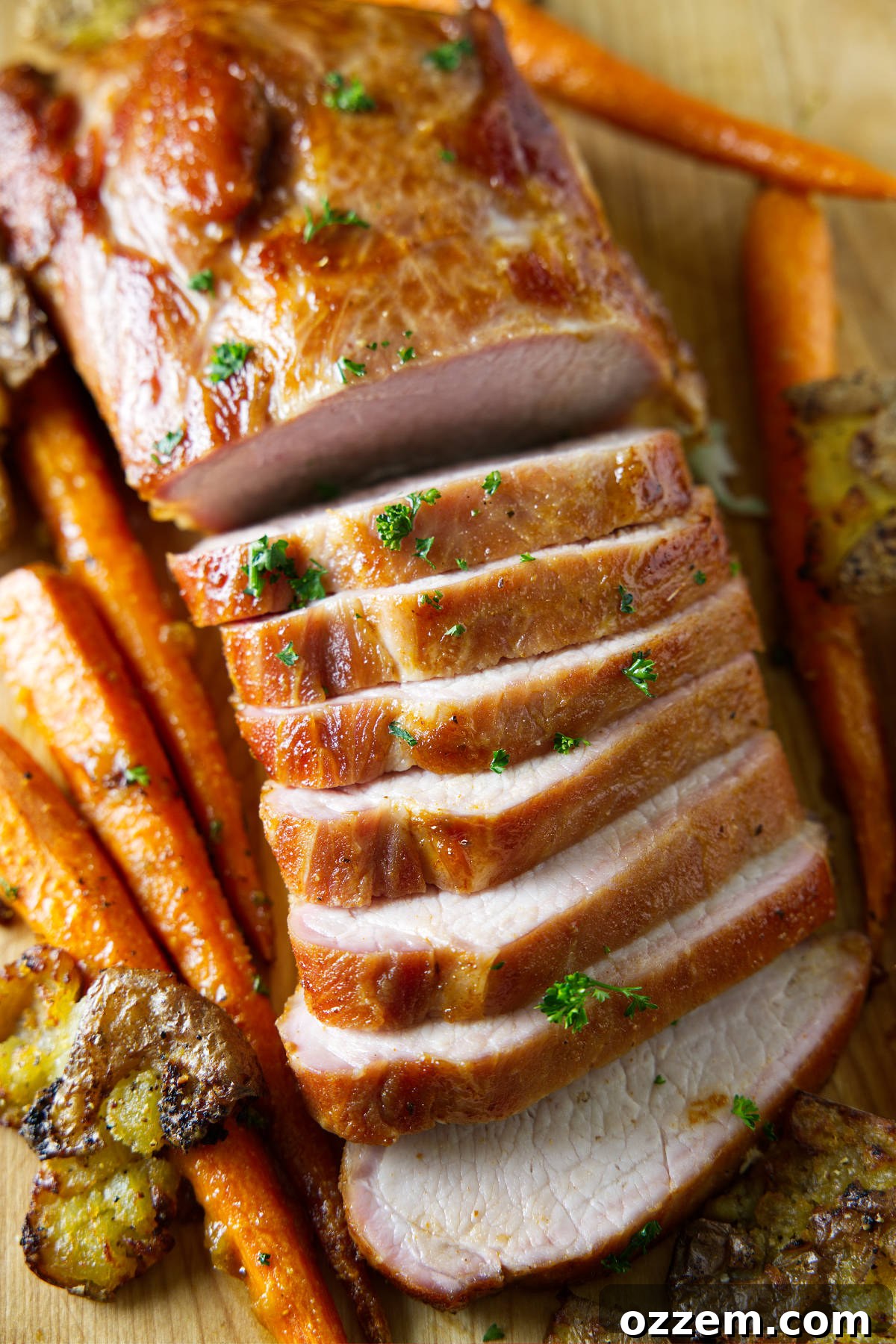
The phenomenon of “carryover cooking” means that once removed from the heat source, the internal temperature of the meat will continue to rise for several minutes as the residual heat permeates the cut. This natural process allows the pork loin to gently ascend to that ideal 145°F while resting, without exceeding it. If the pork loin remains on the smoker until it hits 145°F, by the time it finishes resting, its temperature could easily climb to 150°F or higher. This seemingly small overshoot can lead to a noticeably drier, less juicy result, as the muscle fibers contract and squeeze out moisture. A perfectly cooked smoked pork loin should exhibit a beautiful, slight pink blush in its center, indicating optimal tenderness and juiciness.
🌳 Choosing the Right Wood for Smoking Pork Loin
The type of wood you choose for your smoker plays an indispensable role in defining the final flavor profile of your smoked pork loin. Different woods impart distinct aromas and tastes, allowing you to customize your culinary creation. Here are some popular options and their characteristics:
- Apple Wood: A classic choice for pork, apple wood offers a mild, sweet, and fruity smoke that complements the natural flavors of pork loin without overpowering it.
- Cherry Wood: Similar to apple, cherry wood provides a delicate, sweet, and fruity flavor. It also imparts a beautiful rich, mahogany color to the meat, enhancing its visual appeal.
- Hickory Wood: For those who prefer a more robust smoky flavor, hickory is an excellent option. It offers a strong, savory, and bacon-like aroma that pairs wonderfully with pork. Use it sparingly if you prefer milder notes.
- Pecan Wood: Pecan wood offers a rich, nutty flavor that is milder than hickory but more assertive than fruitwoods. It’s a great versatile choice for pork.
- Oak Wood: A medium-strength wood, oak provides a classic barbecue flavor that is not too strong and not too mild. It’s a fantastic all-rounder and burns consistently.
Experiment with different wood types or even blend them to discover your personal favorite. The goal is to enhance the pork loin’s natural taste with a complementary smoky essence, not to mask it.
👨🍳 Expert Guide: How to Prepare Pork Loin for Smoking
Before your pork loin even touches the smoker, meticulous preparation is paramount. These critical preliminary steps are essential for maximizing flavor, ensuring an incredibly tender texture, and achieving that sought-after juicy interior. Here’s a simple yet highly effective preparation process that will elevate your smoked pork loin from good to unforgettable:
- Bring to Room Temperature: For even cooking, remove the pork loin from the refrigerator about 30-60 minutes before you plan to put it on the smoker. This allows the meat to relax and cook more uniformly.
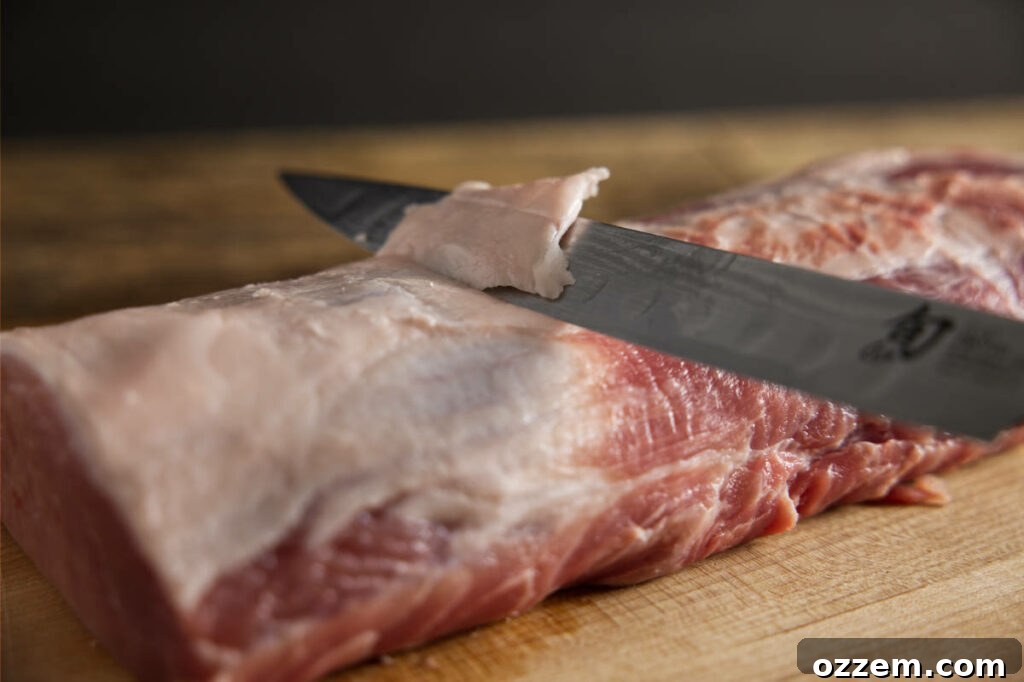
- Trimming and Scoring the Fat Cap: Pork loin typically comes with a layer of fat on one side, known as the fat cap. While some fat is beneficial for moisture and flavor, too much can prevent your rub from penetrating and may become rubbery. Trim off any excessively thick or hard pieces of fat, aiming to leave a thin, even layer (about ¼ inch) across the top. Next, using a sharp knife, make shallow, crosshatch cuts (scoring) into this remaining fat cap. Be careful not to cut into the meat itself. This scoring technique helps render the fat more evenly during smoking, allowing it to baste the meat naturally, while also creating more surface area for your dry rub to adhere and flavors to penetrate deeper into the pork.
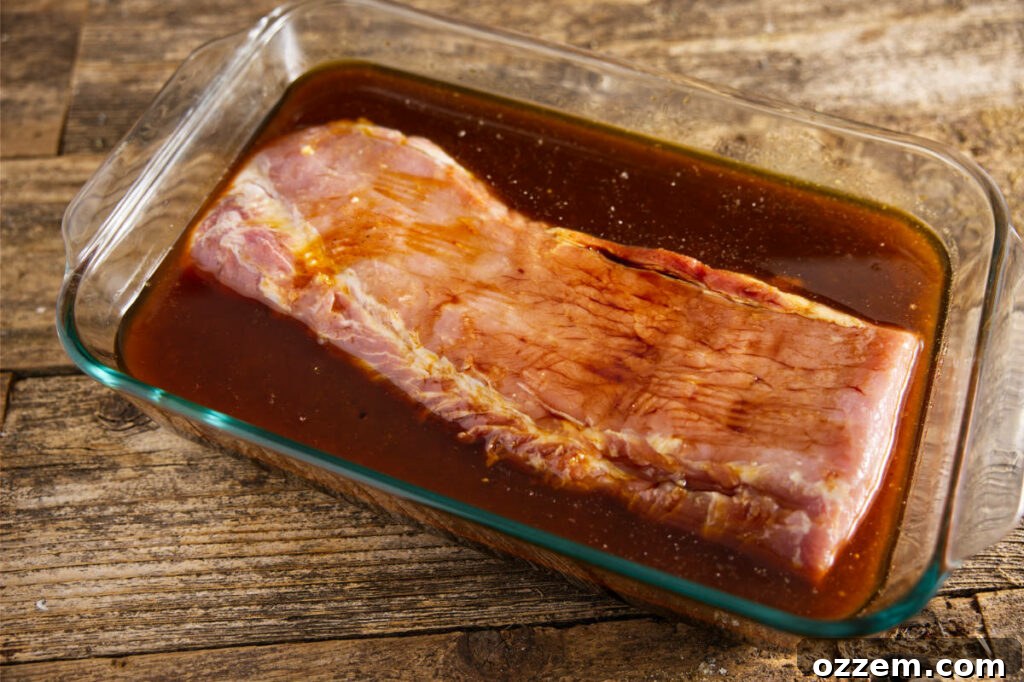
- Brine or Marinade for Ultimate Juiciness: This step is a game-changer for moisture and tenderness. A brine (a saltwater solution, often with sugar, herbs, and spices) infuses the meat with moisture and flavor at a cellular level, preventing it from drying out during the long smoking process. Alternatively, a marinade (an acidic liquid with oil and seasonings) works to tenderize the meat and impart rich flavors. Submerge your pork loin in your chosen brine or marinade solution, typically for 4-12 hours in the refrigerator, depending on the recipe and desired intensity. This pre-treatment ensures your pork loin remains incredibly juicy and flavorful.
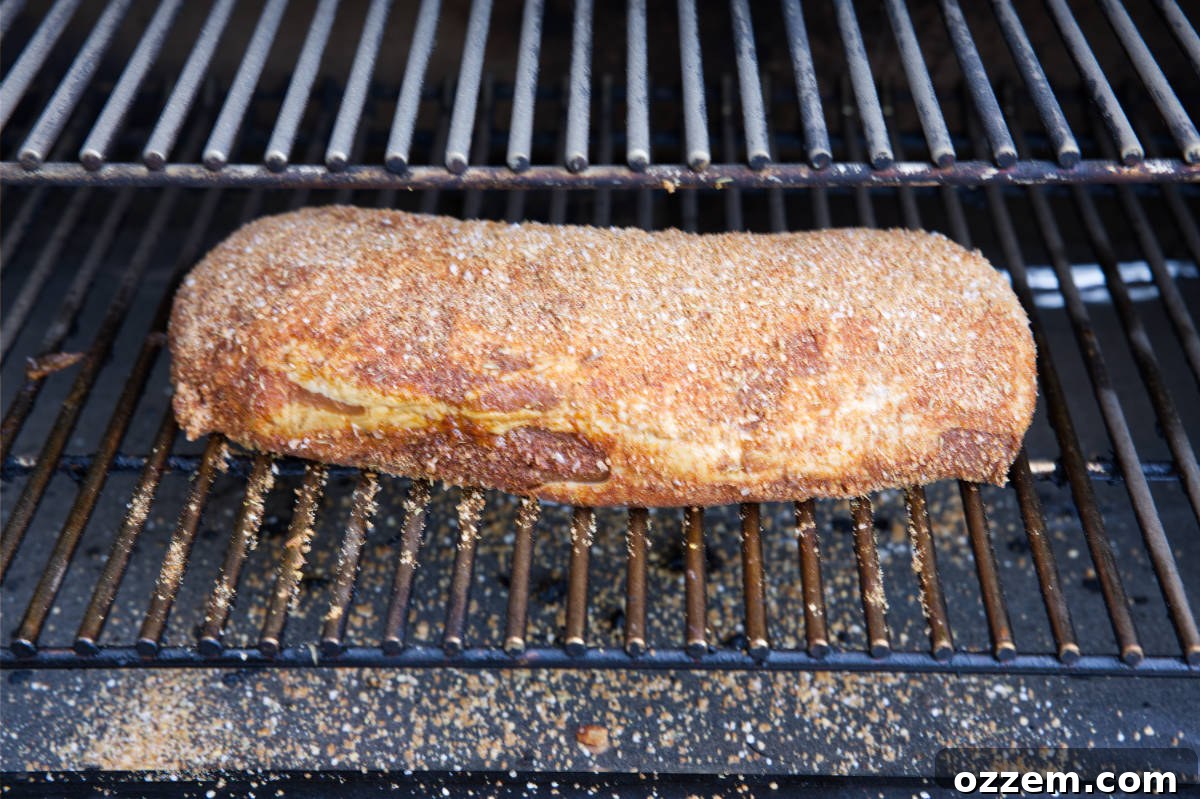
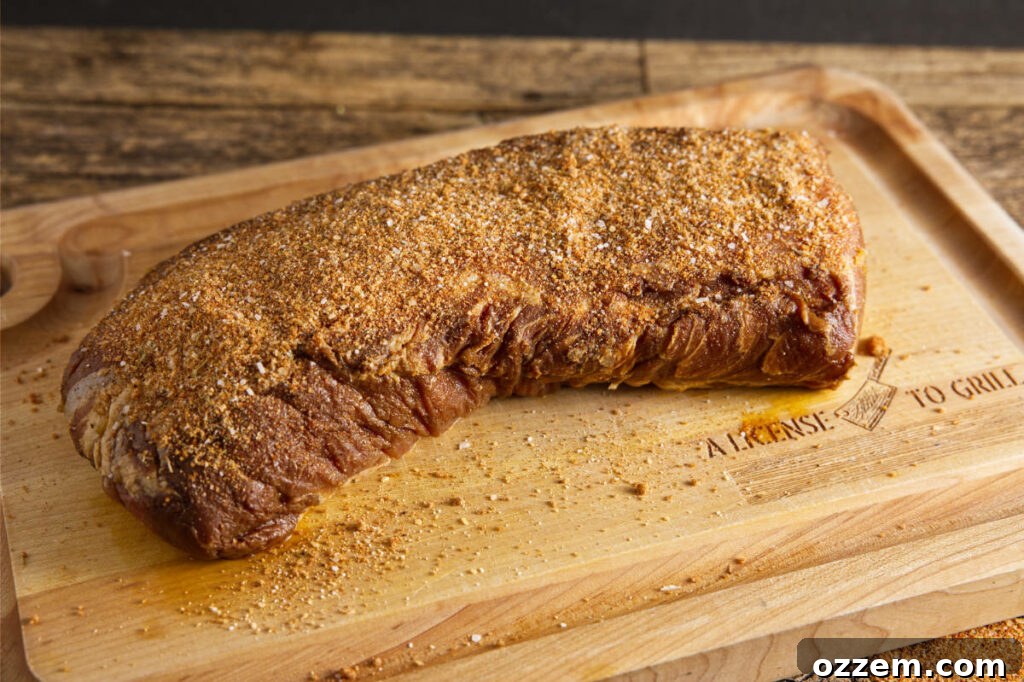
- Apply a Flavorful Dry Rub: Once brined or marinated and patted dry, it’s time for the dry rub. A good quality dry rub creates a flavorful crust, known as a “bark,” and adds another layer of complexity to your smoked pork loin. Generously coat all surfaces of the pork loin with your preferred dry rub. Don’t be shy; pat it firmly into the meat to ensure it adheres well. Allow the rub to sit on the meat for at least 30 minutes (or up to a few hours in the refrigerator) before smoking, giving the flavors time to meld and penetrate.
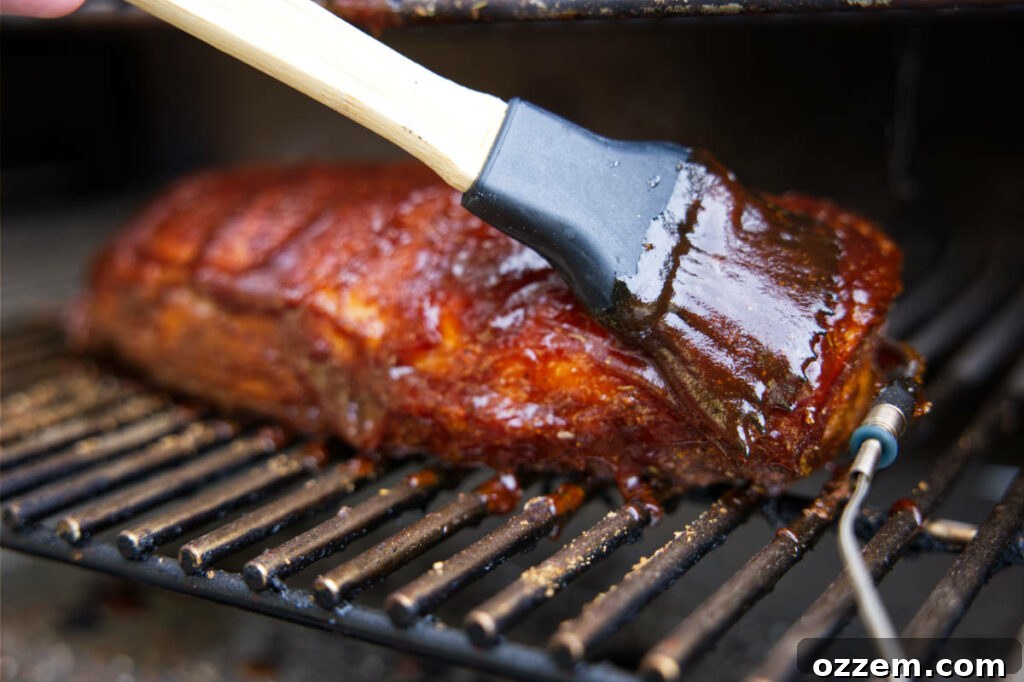
- Prepare Your Sauce (Optional): If you desire a sweet, tangy, or spicy glaze on your pork loin, have your favorite BBQ sauce ready. Most pitmasters recommend brushing the sauce on during the last 30-60 minutes of smoking. This timing is crucial; applying sauce too early can cause it to burn due to the sugars, while applying it too late might not allow it enough time to caramelize and set.
- Resting After Smoking: Once your pork loin reaches its target internal temperature, remove it from the smoker and allow it to rest, loosely tented with foil, for at least 15-20 minutes. This resting period is vital, allowing the juices to redistribute throughout the meat, ensuring every slice is incredibly moist. Skipping this step can lead to a less juicy result.
🐖 Pork Loin and Pork Tenderloin: Understanding the Differences
While often confused, pork loin and pork tenderloin are distinct cuts of meat that require different approaches to cooking, especially when it comes to smoking. Understanding their differences is key to selecting the right cut for your culinary goals.
Pork Loin, a significantly larger and typically fattier cut, is harvested from the back of the pig, running along its spine. It’s often sold as a boneless roast, sometimes with a thin fat cap still attached. Its substantial size and beneficial fat content make it an ideal candidate for smoking. The fat renders slowly, basting the meat from within and contributing immensely to its inherent juiciness and rich flavor profile during long, slow cooking. When smoked properly, pork loin delivers a robust, satisfying flavor and a wonderfully tender texture, making it perfect for slicing and serving as a centerpiece.
In contrast, Pork Tenderloin is a much smaller, leaner, and more delicate cut. It comes from the muscle that runs along the backbone, parallel to the loin. This cut is characterized by its long, thin, and cylindrical shape, with virtually no fat content. Due to its inherent tenderness and low fat, pork tenderloin is typically best suited for quick-cooking methods such as grilling, searing, roasting, or pan-frying, which help prevent it from drying out. While it *can* be smoked, it requires very careful monitoring to avoid overcooking and may not achieve the same depth of smoky flavor and internal juiciness as a fattier pork loin without significant brining or marinating. Its lower fat content means it has less internal moisture to rely on during extended cooking.
For those luscious, deep, and satisfying slow-smoked flavors and a truly juicy outcome, pork loin is undeniably your go-to choice. Its structure and fat content are perfectly adapted to absorb smoke and remain moist over several hours of low and slow cooking, making it the superior option for a classic smoked pork dish.
🛠️ Essential Tools for Smoking Pork Loin
Having the right tools can make all the difference between a good smoked pork loin and an extraordinary one. Here’s a list of essential equipment that will set you up for success:
- Smoker: Whether you prefer a pellet smoker (set-and-forget convenience), an offset smoker (traditional, hands-on experience), or an electric smoker (easy temperature control), ensure it’s clean and in good working order.
- Meat Thermometer: This is arguably the most crucial tool. Invest in a reliable dual-probe thermometer (one for ambient smoker temperature, one for meat internal temperature) and an instant-read thermometer for quick spot checks.
- Wood Chips or Chunks: Based on your flavor preference (apple, cherry, hickory, pecan, oak), ensure you have enough quality wood for the duration of your smoke.
- Brining Container: A large, food-grade container or a brining bag that can accommodate your pork loin fully submerged in brine.
- Sharp Carving Knife and Cutting Board: For easy trimming and slicing of your perfectly cooked pork loin.
- Aluminum Foil: For resting the pork loin after smoking, which helps retain moisture and allows for carryover cooking.
- Spray Bottle (Optional): For spritzing the pork loin with apple cider vinegar or water during the smoke, which can help keep the surface moist and promote bark formation.
🍽️ Serving Suggestions & Flavor Pairings for Smoked Pork Loin
A perfectly smoked pork loin is a star on its own, but pairing it with the right accompaniments can elevate the entire meal. Here are some delicious serving suggestions and flavor pairings:
- Classic Sides: Creamy mashed potatoes, roasted vegetables (like asparagus, carrots, or Brussels sprouts), a fresh green salad, or mac and cheese are always winners.
- Southern Comfort: Pair with collard greens, cornbread, and sweet potato casserole for a true Southern BBQ experience.
- Tangy & Sweet: Serve with apple sauce, caramelized apples, or a cranberry relish to complement the rich pork flavor.
- Glazes & Sauces: While optional during cooking, a finishing sauce can add another dimension. Consider a homemade BBQ sauce, a tangy mustard-based sauce, or a fruit-based glaze (like apricot or peach).
- Bread: Fresh dinner rolls or crusty bread are perfect for soaking up any delicious juices.
🐷 Beyond Pork Loin: Exploring Other Pork Delights
While smoked pork loin is undoubtedly a culinary triumph, the world of delicious pork dishes extends far beyond. Once you’ve mastered the loin, you might find yourself eager to explore other incredible cuts and smoking techniques. One of my all-time favorites, perfect for feeding a crowd, is this incredibly flavorful smoked pulled pork recipe, which transforms a humble pork shoulder or butt into tender, melt-in-your-mouth perfection.
As you continue your BBQ journey and plan your next impressive gathering, remember that the versatility of pork offers endless possibilities. To help you navigate the various cuts and optimize your smoking game, we offer a treasure trove of resources. Whether you need to understand the fundamental differences between pork loin vs. pork chop, which are often confused for their cooking applications, or you’re curious about the distinct characteristics of pork loin vs. pork shoulder, we’ve got you covered. These insightful guides, along with many more, are designed to enhance your knowledge and confidence, ensuring every pork dish you create is a resounding success!
🎬 Final Thoughts: Your Path to Smoked Pork Loin Perfection
As you embark on your next smoking adventure, armed with the knowledge from this guide, remember that patience, attention to detail, and a reliable meat thermometer are your most powerful allies. The journey to a perfectly smoked pork loin is incredibly rewarding, culminating in a dish that is not only delicious but also a testament to your growing culinary skill.
Use this comprehensive guide as your roadmap to smoking perfection. Don’t be afraid to experiment with different wood types, dry rubs, and glazes to discover your signature flavor. Most importantly, remember to savor the process—from the careful preparation to the tantalizing aromas filling your backyard. And, of course, enjoy the mouth-watering results of your efforts. Happy smoking!
CONNECT WITH A LICENSE TO GRILL!
Be sure to follow us on our social media accounts for more smoking tips, delicious recipes, and BBQ inspiration!
Did you make this recipe? Tell us about it in the comments below! We love hearing from you.