
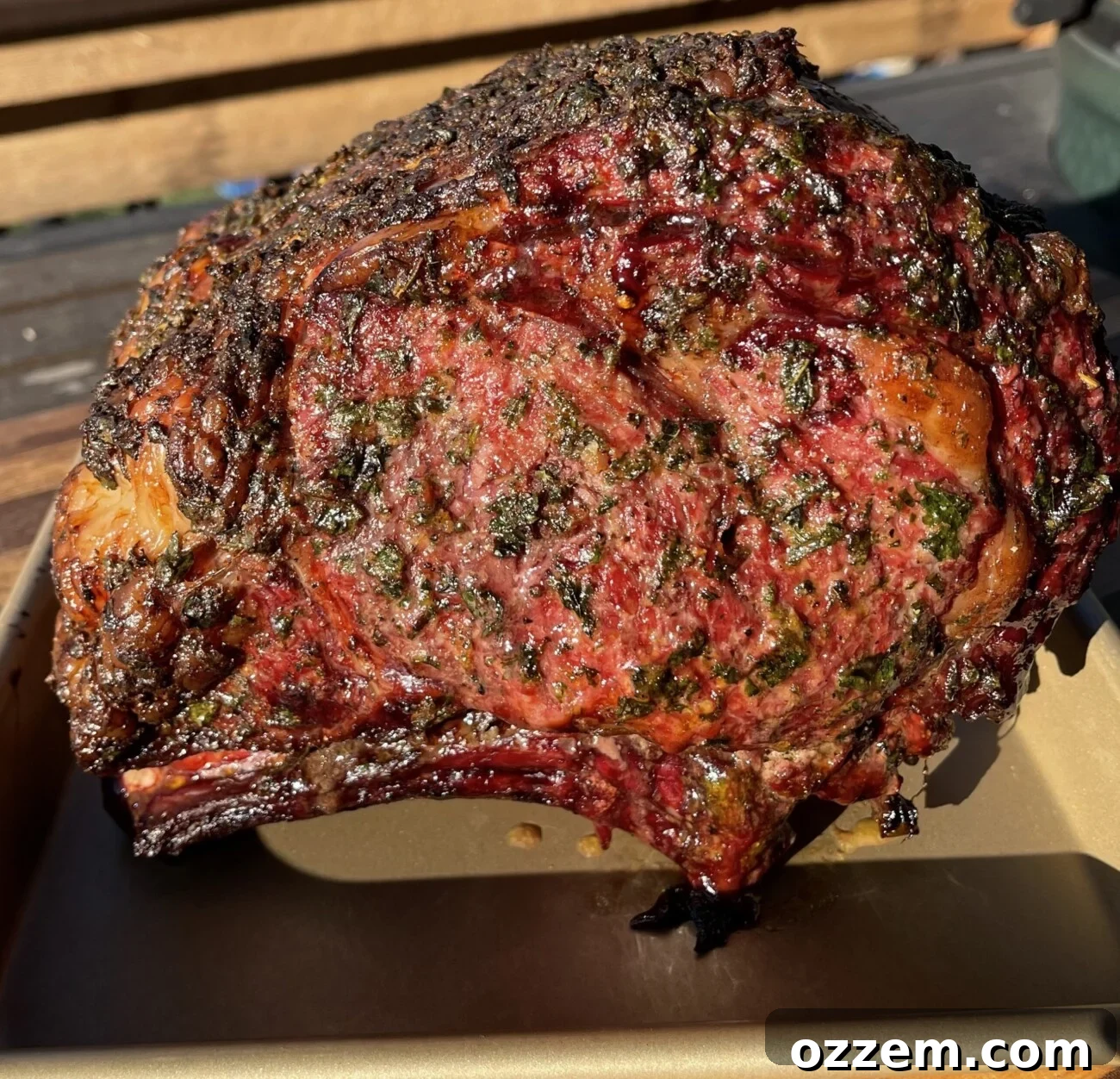
Garlic and Herb Prime Rib: The Ultimate Holiday Centerpiece
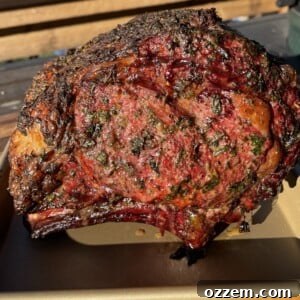
This Garlic and Herb Prime Rib isn’t just a meal; it’s a culinary masterpiece, the *perfect showstopper* for your holiday celebrations. Imagine a roast so tender it practically melts in your mouth, infused with incredible aromatic flavors, and cooked to an impeccable medium-rare. This year, transcend expectations and impress your family and friends with a magnificent centerpiece that will be the talk of the season. I’m here to guide you through crafting the perfect grilled prime rib with an easy-to-follow, detailed recipe that guarantees success.
If you’re looking for more holiday inspiration to complement your prime rib or explore other festive main courses, be sure to check out my Holiday Rotisserie Prime Rib recipe for a different grilling approach, or consider my perfectly smoked holiday pork roast. For those aiming for an exceptionally beautiful and elegant presentation, my Holiday Crown Roast offers another stunning centerpiece option.
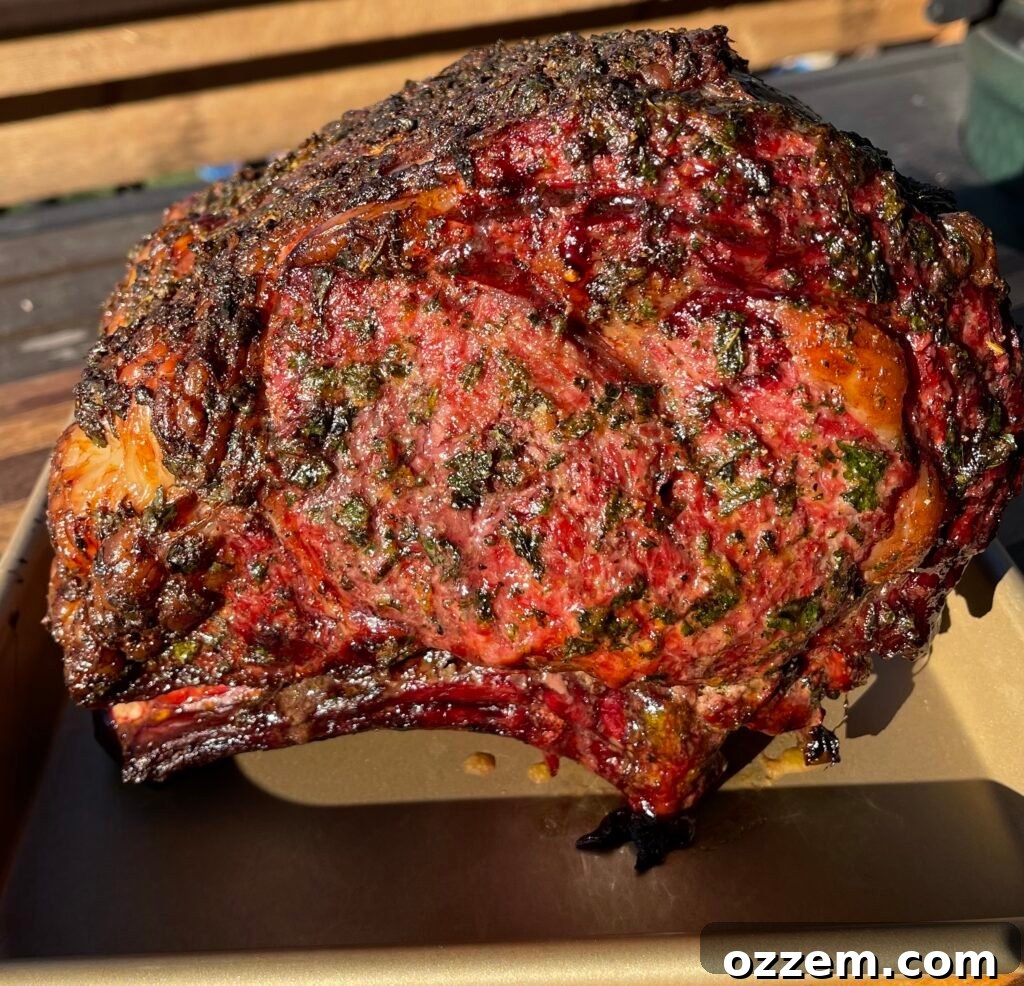
Table of Contents
- What is Prime Rib? The Ultimate Holiday Roast
- Ingredient List for Garlic and Herb Prime Rib
- Essential Tools for Grilling Prime Rib
- Step 1: Crafting the Aromatic Garlic and Herb Butter
- Step 2: Preparing Your Prime Rib Roast for Grilling
- Step 3: How to Grill the Perfect Garlic and Herb Prime Rib
- Resting and Carving for Maximum Juiciness
- Frequently Asked Questions About Prime Rib
- Crowd-Pleasing Holiday Meal Ideas
- Garlic and Herb Prime Rib Recipe Card
What is Prime Rib? The Ultimate Holiday Roast
Before we dive into the cooking process, let’s clarify what a prime rib truly is. At its core, a prime rib is essentially a large, bone-in ribeye steak roast. The term “prime rib” refers specifically to the cut of beef, originating from the primal rib section of the cow, typically comprising ribs six through twelve. It’s crucial to understand that the name “PRIME RIB” denotes the *cut*, not necessarily the USDA grade of the meat. You can find a *Choice* grade “Prime Rib” or a *Prime* grade “Prime Rib.” While “Prime” grade meat signifies superior marbling and tenderness, even a “Choice” grade prime rib, when cooked correctly, can be incredibly delicious.
These majestic roasts are especially sought after around the holidays because a single prime rib roast can generously feed an entire dinner table, making it an ideal choice for family gatherings and festive celebrations. When approaching its preparation, think of it as cooking a magnificent, oversized steak. The goal is often a beautiful medium-rare finish, which highlights its inherent tenderness and rich flavor, but you should always feel free to adjust the doneness to your personal preference.
For those who traditionally celebrate with other holiday proteins, I also have excellent recipes to inspire you. A classic butter and herb grilled turkey recipe is a fantastic alternative, or perhaps my delicious Cajun honey ham will be the perfect addition to your holiday spread.
Ingredient List for Garlic and Herb Prime Rib
Crafting the perfect garlic and herb prime rib requires a few key ingredients, each playing a vital role in achieving that incredible flavor and texture:
- Prime Rib: While boneless options exist, a bone-in prime rib roast is highly recommended. The bones not only help to retain moisture during the long cooking process, preventing the meat from drying out, but they also impart a deeper, more robust flavor to the roast. Aim for a high-quality cut, as the marbling (intramuscular fat) will contribute significantly to tenderness and juiciness. A 4-pound roast is perfect for serving approximately 6 people.
- Unsalted Butter: Softened, room temperature unsalted butter is crucial. It acts as the perfect vehicle for our garlic and herb mixture, allowing it to be easily applied directly onto the trimmed prime rib. As it cooks, the butter creates a rich, flavorful “bark” on the meat’s surface, contributing to a beautiful golden crust and locking in moisture. Using unsalted butter gives you precise control over the overall seasoning of the roast. Consider making your own compound garlic and herb butter in advance; it can be stored and used whenever needed, adding an extra layer of convenience and flavor.
- Fresh Herbs: Rosemary, garlic, thyme, and parsley are the quintessential companions to a savory prime rib. These fresh herbs add an aromatic complexity and vibrant flavor profile that dried herbs simply cannot achieve in the same amounts. Freshly minced garlic provides a pungent, savory backbone, while rosemary offers a fragrant, piney note, thyme a subtle earthiness, and parsley a fresh, herbaceous brightness.
- Salt & Black Pepper: Essential for seasoning the meat. Coarse kosher salt or sea salt is preferred for an even crust. Freshly cracked black pepper adds a delightful piquancy.
Essential Tools for Grilling Prime Rib
Having the right equipment ensures a smooth and successful grilling experience for your prime rib:
- Reliable Grill: Whether it’s a gas grill, charcoal grill, or smoker, ensure it can maintain a consistent low temperature for indirect cooking.
- Meat Thermometer: An accurate leave-in probe thermometer is non-negotiable for prime rib. It allows you to monitor the internal temperature without constantly opening the grill, which helps maintain a steady cooking environment.
- Butcher’s Twine: Used to tie the roast, ensuring it holds its shape and cooks evenly.
- Mixing Bowls and Spatula/Fork: For preparing your compound butter.
- Cutting Board and Sharp Carving Knife: Essential for carving your beautifully cooked roast.
- Aluminum Foil: For tenting the prime rib during resting.
Step 1: Crafting the Aromatic Garlic and Herb Butter
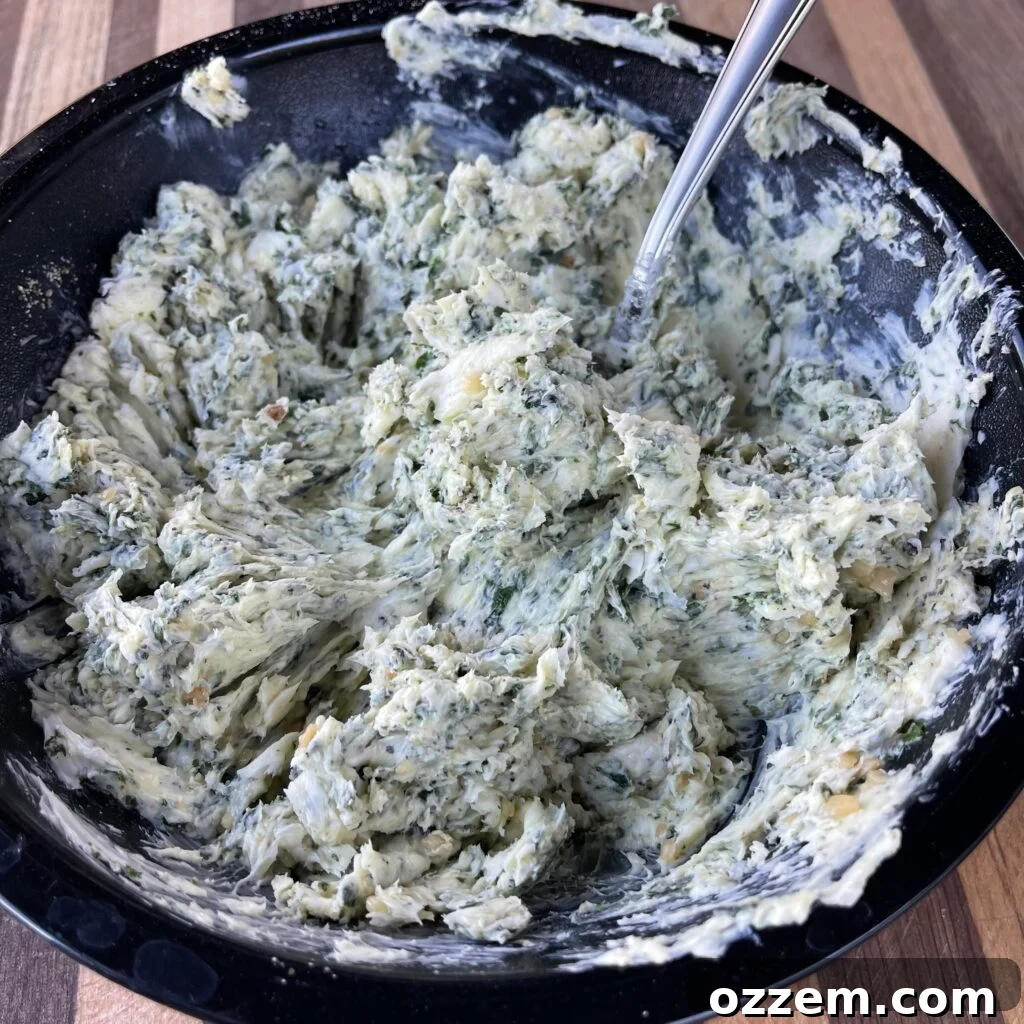
The secret weapon for this incredible dish is the rich, aromatic butter glaze. This compound butter will not only envelop the entire exterior of the roast, creating that desirable flavorful bark, but a portion will also be spread on the inside, between the ribs and meat, to provide an extra burst of flavor and moisture from within.
To prepare this flavor-packed butter, start with two to three sticks of soft, room temperature unsalted butter. In a medium mixing bowl, combine the softened butter with freshly chopped parsley, thyme, and rosemary. Add a generous amount of minced garlic and a pinch of salt to taste. Using a sturdy fork or a rubber spatula, thoroughly blend all the ingredients until they are uniformly incorporated. The butter should be smooth and spreadable, with vibrant flecks of green herbs and pungent garlic throughout. Once mixed, set this aromatic butter aside; it’s now ready to transform your prime rib.
Dad’s Signature Seasonings
Elevate your grilling game with our must-have seasonings!
Step 2: Preparing Your Prime Rib Roast for Grilling
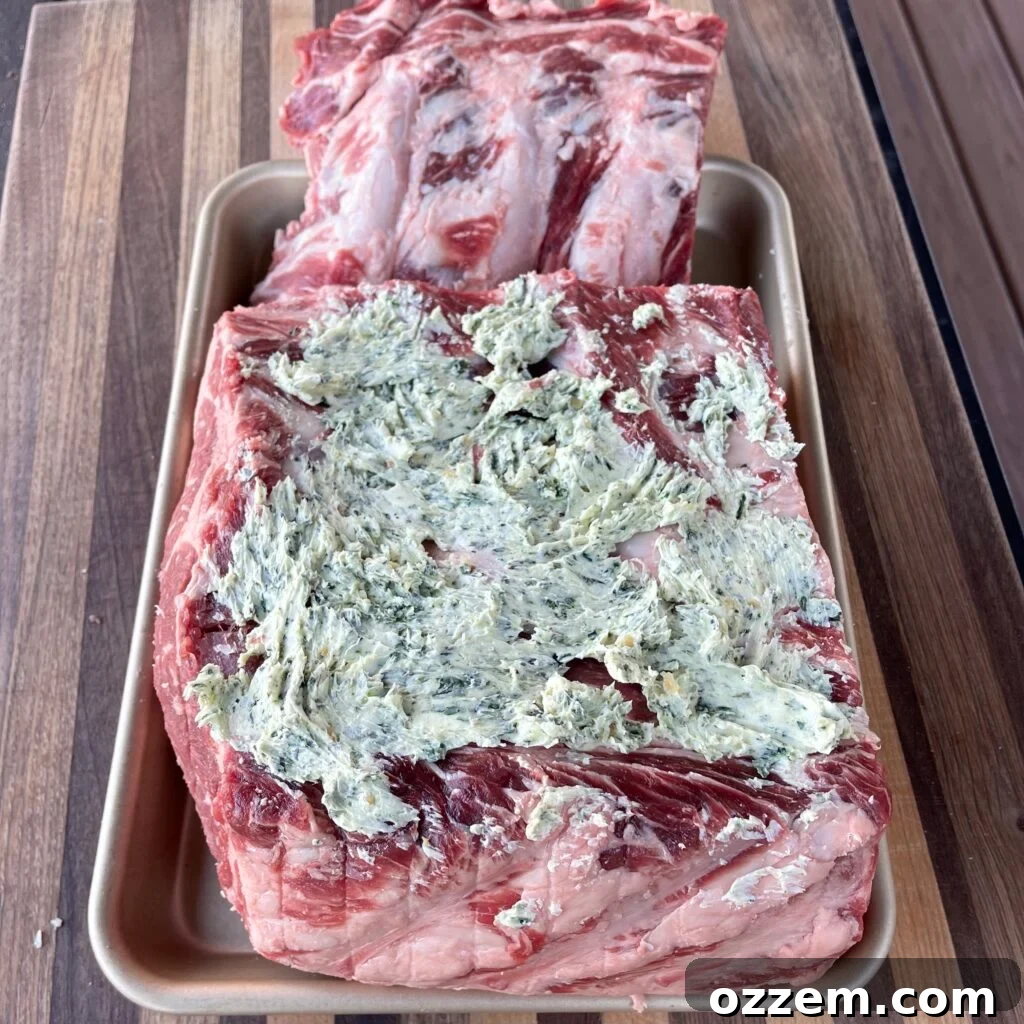
For this recipe, I opted for a bone-in prime rib roast, specifically a 4-pound cut. The bones are a game-changer, adding an incredible depth of flavor and helping to insulate the meat, ensuring it cooks more evenly and stays juicy. My Swift Meats prime rib came conveniently held together by a net. I decided to remove this netting to allow direct access to the meat. This is a crucial step that allows you to apply a generous layer of our homemade garlic and herb butter spread directly between the ribs and the meat itself. This ensures every bite is permeated with flavor.
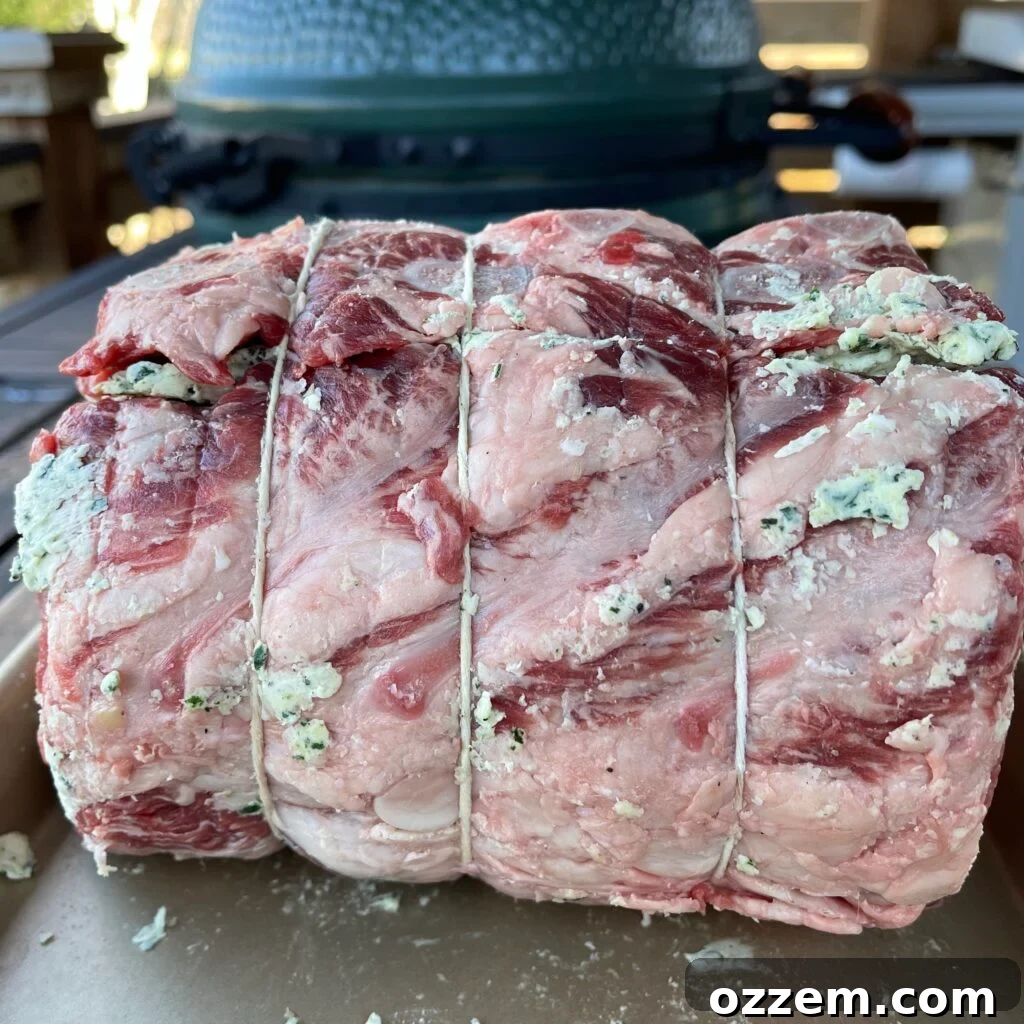
Once the butter is meticulously spread, it’s time to secure the roast. I carefully tied the entire piece together with butcher’s twine. This not only helps maintain the roast’s impressive shape throughout the long grilling process but also promotes even cooking. After tying, take a moment to ensure all surfaces of the meat are evenly seasoned with our butter.
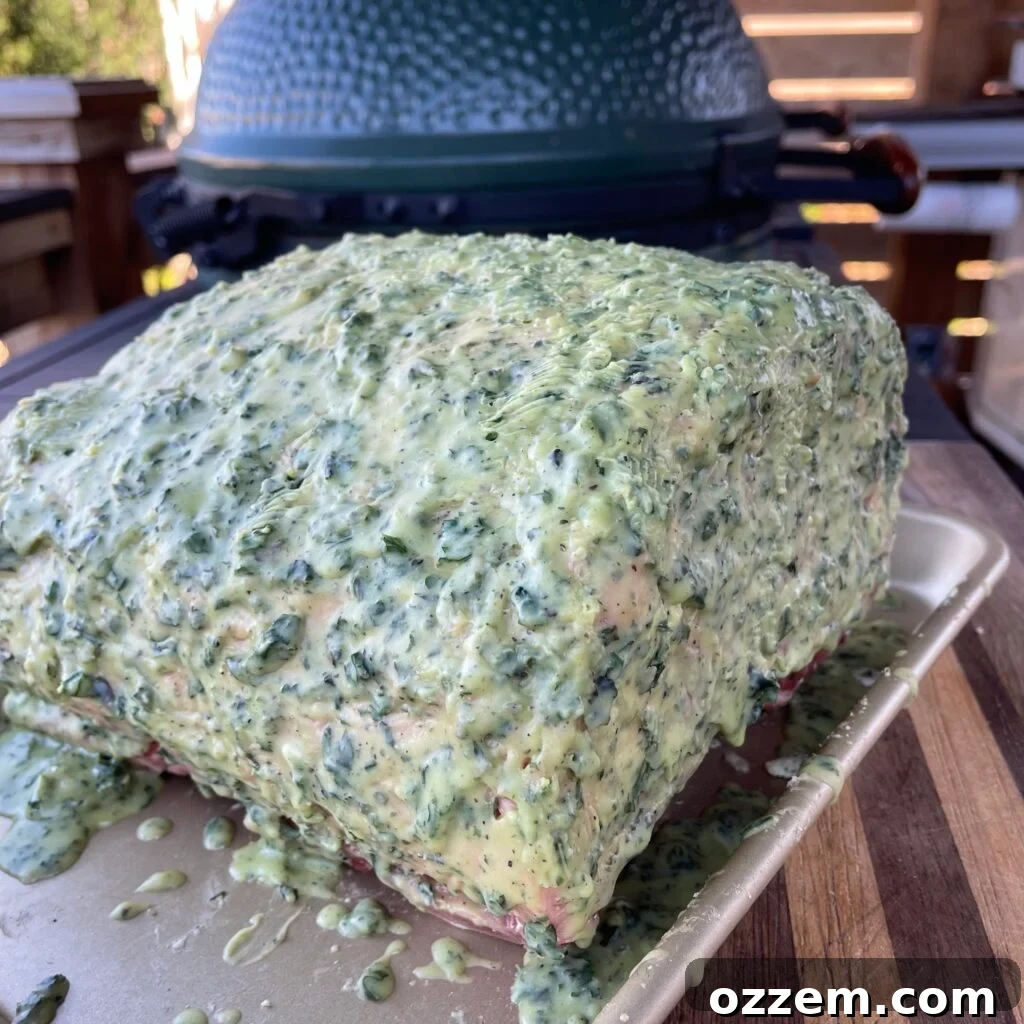
For the final touch before grilling, I melted the remaining garlic and herb butter spread until it reached a thick liquid consistency. This made it incredibly easy to generously brush and coat the entire outer surface of the prime rib. This external layer is vital for creating that irresistible, golden-brown crust. Once coated, place the prime rib in the refrigerator for at least 30 minutes, or even outside if the weather is cold enough (as I did). This chilling period allows the garlic and herb butter to firm up and solidify, forming a beautiful, flavorful crust around the roast that will render beautifully on the grill, locking in juices and flavor.
Step 3: How to Grill the Perfect Garlic and Herb Prime Rib
Grilling a prime rib to perfection requires patience and precision, but the results are undeniably worth it. Here’s how to achieve that flawless, tender, and juicy roast:
Set Up Your Grill for Indirect Heat
First, preheat your grill to a consistent 275 degrees Fahrenheit (135°C). The key here is to set up your grill for indirect heat. This means having a heat source on one side of the grill and placing the prime rib on the opposite side, away from direct flame. For a charcoal grill, pile coals to one side. For a gas grill, ignite burners on one side and leave the other burners off. This setup allows the prime rib to cook slowly and evenly, preventing the exterior from charring before the interior reaches the desired doneness.
Slow Roasting and Temperature Monitoring
Carefully place your butter-coated prime rib on the indirect heat side of the grill, bone-side down. Close the lid and let the magic happen. The total grilling process will vary depending on the size and thickness of your roast, but typically, a 4-pound prime rib will take approximately 2-3 hours to cook. This slow-roasting method is crucial for developing flavor and tenderness.
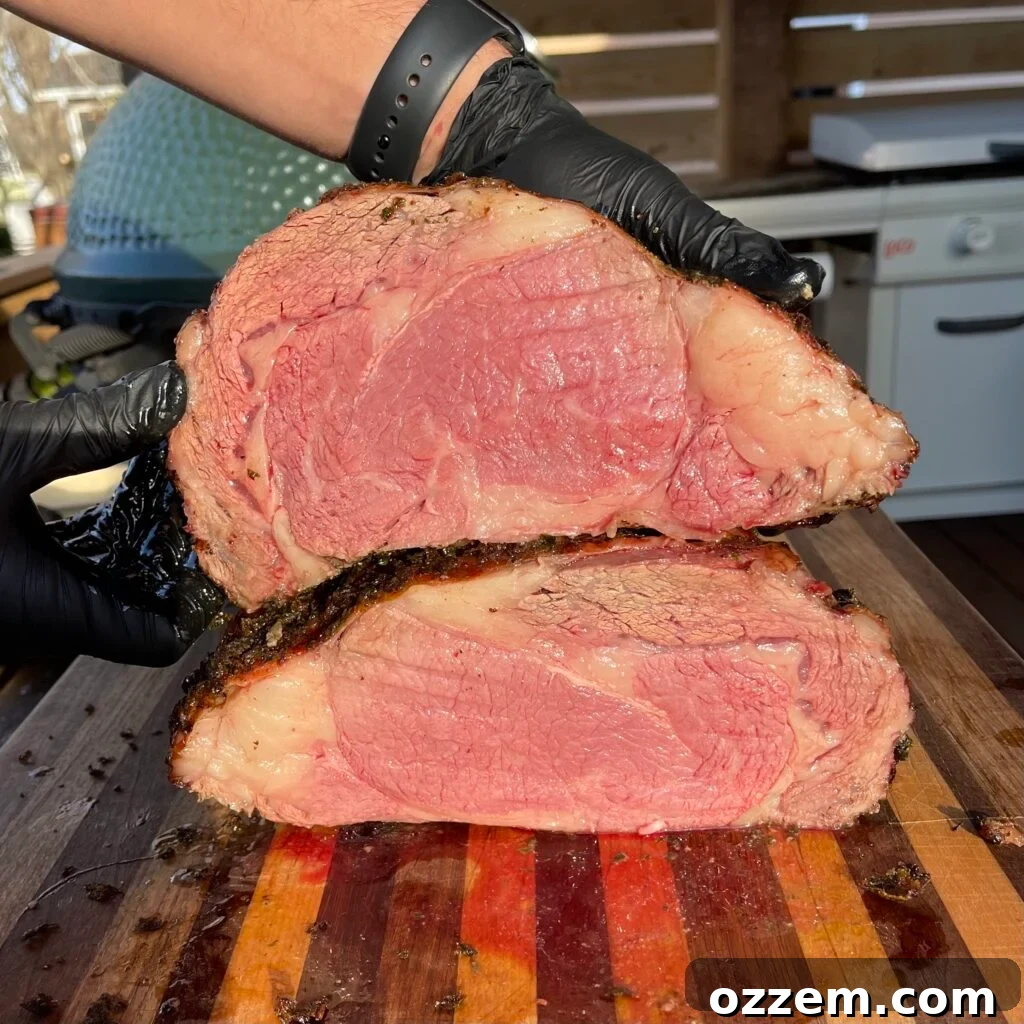
The most important tool during this phase is an accurate leave-in meat thermometer. Insert the probe into the thickest part of the roast, ensuring it’s not touching any bone. Monitor the internal temperature closely. For a perfect medium-rare, which is widely considered ideal for prime rib, you’ll want to remove the roast from the grill once its internal temperature reaches 120-125 degrees Fahrenheit (49-52°C). Trust me on this temperature; the meat will continue to cook as it rests (this is called carryover cooking), and the temperature will rise an additional 5-10 degrees, bringing it to a succulent medium-rare finish. If you cook it any longer on the grill, especially past 130°F, the meat can become tough and chewy, losing its signature tenderness. A medium-rare prime rib will boast a beautifully succulent red center, gradually transitioning to slightly more done outer parts, catering to a range of preferences at your table.
Resting and Carving for Maximum Juiciness
Once your prime rib reaches the target internal temperature, remove it from the grill and transfer it to a clean cutting board. Immediately tent it loosely with aluminum foil. This resting period is absolutely critical and non-negotiable for a truly juicy roast. Allow the prime rib to rest for a minimum of 15-20 minutes. During this time, the muscle fibers, which tightened during cooking, relax, and the internal juices redistribute evenly throughout the entire roast. Cutting into the meat too soon will cause these precious juices to escape onto the cutting board, resulting in a drier, less flavorful roast.
After a proper rest, it’s time for the grand finale: carving. For a bone-in roast, carefully slice along the bones to remove the main slab of meat. Then, against the grain, carve the prime rib into thick, impressive slices, approximately 1/2 to 3/4 inch thick. This presentation not only looks magnificent but also ensures each serving is incredibly tender. Serve immediately and savor the rich flavors of your perfectly grilled garlic and herb prime rib. Enjoy the applause!
Frequently Asked Questions About Prime Rib
Absolutely! While this recipe focuses on grilling, all my recipes can be successfully replicated in the oven. You don’t need a fancy Big Green Egg or a Weber grill to achieve incredible results. For oven cooking, follow similar temperature guidelines (275°F/135°C) and aim for indirect heat by placing the roast on a rack in a roasting pan. The key principles of seasoning, internal temperature monitoring, and resting remain the same regardless of your cooking appliance.
There are a few critical steps that guarantee a perfectly cooked prime rib. Firstly, always cook to a medium-rare doneness. Remove the meat from the heat when its internal temperature reaches 120-125 degrees Fahrenheit (49-52°C); it will continue to rise to a perfect 125-130°F after resting. This ensures the meat remains incredibly tender and juicy. Secondly, using a bone-in prime rib is highly recommended for the additional flavor imparted by the bones and the superior moisture retention they provide. Lastly, a generous resting period post-cooking is non-negotiable for even juice distribution.
A fantastic binder for prime rib is a rich garlic and herb compound butter, just like we used in this recipe. It adds immense richness and fattiness to the meat, which not only amplifies flavor but also aids in creating a beautiful, crispy brown crust (or bark) on the exterior. The fat helps transfer heat and protect the meat. As a great alternative, a simple coating of olive oil can also work effectively. Simply brush the prime rib with olive oil before generously sprinkling on your dried herb seasoning and salt and pepper. The oil helps the seasonings adhere to the meat, creating a delicious crust.
Store leftover prime rib in an airtight container in the refrigerator for up to 3-4 days. To reheat, slice the prime rib into individual portions. Place them in a baking dish with a splash of beef broth, cover with foil, and warm gently in an oven preheated to 250°F (120°C) until just warmed through, about 15-20 minutes. Be careful not to overcook, as this can dry out the meat. You can also quickly sear slices in a hot skillet for a minute per side if you prefer a bit of crust.
Yes, dry brining your prime rib is an excellent technique to enhance flavor and tenderness. To dry brine, generously rub the roast with coarse salt (about 1/2 teaspoon per pound) 24 to 48 hours before cooking. Place it uncovered on a rack in the refrigerator. The salt draws out moisture, then reabsorbs, seasoning the meat deeply and helping to break down muscle fibers for a more tender result. Ensure you pat it very dry before applying your compound butter or other seasonings.
Crowd-Pleasing Holiday Meal Ideas:
Pork
Cajun Honey Ham
Beef
Garlic and Herb Prime Rib
Pork
Maple Bourbon Ham
Pork
Orange Marmalade Ham
If you tried this Garlic and Herb Prime Rib or any other recipe on my blog, please leave a 🌟 star rating and let me know how it went in the📝 comments. I love hearing from you!
Print Recipe
Garlic and Herb Prime Rib
By: Maciek Zurawski
This garlic and herb prime rib is the perfect showstopper for the holidays. It’s tender, full of amazing flavors and cooked to just the right temperature.
15 minutes
3 hours
6 People
Ingredients
- 4 lbs Bone-in Ribeye
- 3 sticks Unsalted butter (room temperature)
- 1 tbsp Freshly chopped parsley
- 1 tbsp Freshly chopped thyme
- 1 tbsp Freshly chopped rosemary
- 1 tbsp Minced garlic
- 1 tbsp Salt
- Freshly cracked black pepper (to taste)
Instructions
Butter Spread Instructions
- In a mixing bowl, combine 3 sticks of soft room temperature unsalted butter, freshly chopped parsley, thyme, rosemary, minced garlic, and salt.
- Blend the ingredients thoroughly using a fork or spatula until well combined. Set aside.
Prime Rib Preparation & Grilling Instructions
- Carefully remove any netting from the bone-in prime rib. Apply a generous layer of the homemade butter spread between the ribs and the meat itself.
- Secure the roast by tying it together with butcher’s twine to help it hold its shape and cook evenly during the grilling process.
- Melt any remaining butter spread to a thick liquid consistency. Brush this melted butter evenly over the entire outer surface of the prime rib.
- Place the coated prime rib in the refrigerator for at least 30 minutes (or longer if convenient) to allow the butter to harden and create a thick, flavorful bark.
- Preheat your grill to 275 degrees Fahrenheit (135°C) and set it for indirect heat.
- Place the prime rib on the indirect heat side of the grill. Depending on the size of your roast, the total grilling process will take approximately 2-3 hours for a 4-pound roast.
- Monitor the internal temperature using a meat thermometer. Remove the prime rib from the grill once the internal temperature reaches 120-125 degrees Fahrenheit (49-52°C) for a perfect medium-rare.
- Transfer the prime rib to a cutting board and tent loosely with aluminum foil. Let it rest for 15-20 minutes before carving.
- Slice against the grain and serve immediately. Enjoy your perfectly grilled Garlic and Herb Prime Rib!
Notes
- Opt for a bone-in prime rib and consider trimming it yourself. It’s often more economical, allows you to control the fat level, and “frenched” bones make for an exceptionally pretty presentation.
- Preparing the compound garlic and herb butter in advance is a great time-saver. This butter adds a crucial layer of fattiness and richness, which aids in browning and deeply flavoring the crust.
- If you don’t have Dad’s specific steak seasoning, a good alternative is any herby and peppery steak seasoning, or even an Italian herb blend. Always remember to add additional salt and freshly cracked black pepper to taste.
- For prime rib, a doneness of 120-125°F when removed from heat, which will rise to 125-130°F after resting, is considered best for tender, juicy medium-rare results.
Nutrition
Calories: 1043 kcal
Carbohydrates: 0.5 g
Protein: 63 g
Fat: 89 g
Saturated Fat: 48 g
Polyunsaturated Fat: 4 g
Monounsaturated Fat: 32 g
Trans Fat: 2 g
Cholesterol: 310 mg
Sodium: 337 mg
Potassium: 865 mg
Fiber: 0.03 g
Sugar: 0.05 g
Vitamin A: 1461 IU
Vitamin C: 1 mg
Calcium: 41 mg
Iron: 5 mg
Like this recipe? Rate and comment below!
Don’t forget to check out the Recipes Page for a treasure trove of other tasty ideas that are perfect for any occasion!