
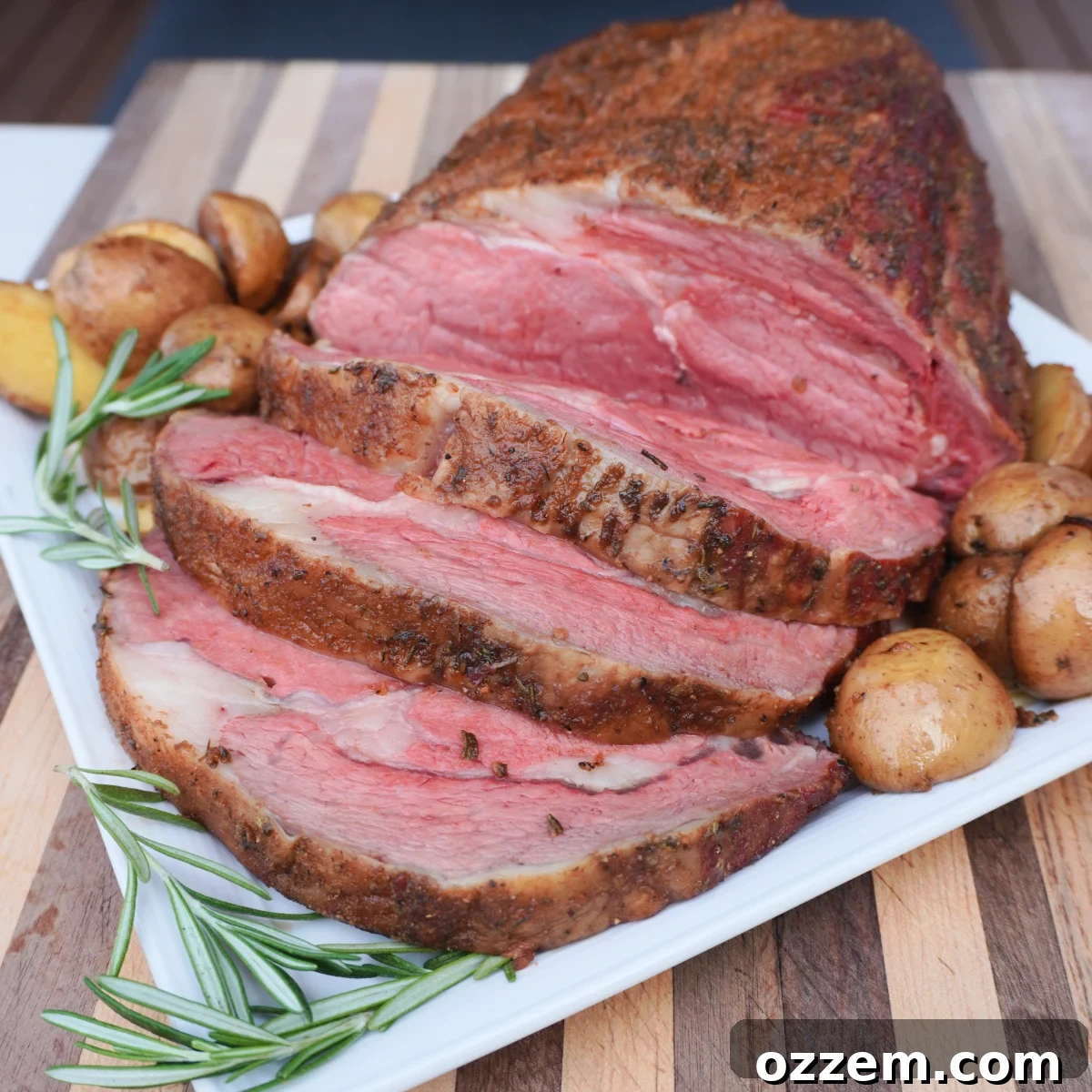
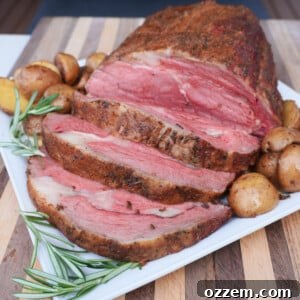
Prepare for the ultimate culinary experience with this **Rotisserie Prime Rib** – undeniably the finest roast you’ll ever savor. It’s incredibly tender, bursting with flavor, and cooked precisely to your desired doneness. To elevate this masterpiece, we’ve included a recipe for a homemade creamy horseradish sauce, adding a vibrant kick of freshness and spiciness that transforms this dish into an unforgettable feast. Follow this easy-to-understand guide to grill a perfect garlic and herb rotisserie prime rib that will impress every guest at your table.
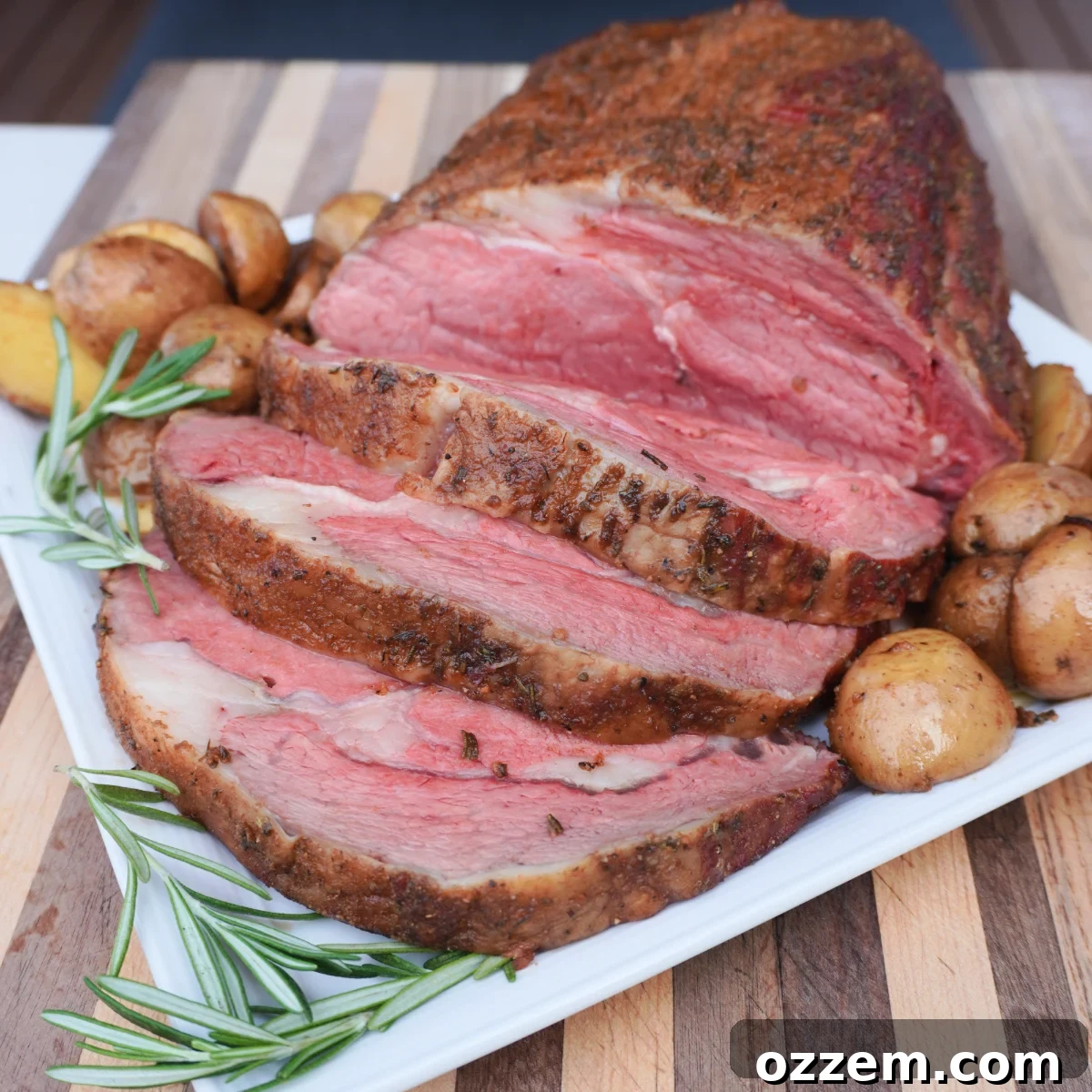
If you’re looking for more prime rib inspiration, explore our Reverse Seared Smoked Prime Rib recipe. It’s an excellent alternative for holiday gatherings, especially if you don’t have a rotisserie attachment.
Table of Contents
- Understanding Prime Rib: The King of Roasts
- Essential Equipment for Rotisserie Prime Rib
- Ingredients List for the Rotisserie Prime Rib
- Step 1: Preparing Your Prime Rib – Trimming and Tying
- Step 2: Crafting the Garlic and Herb Compound Butter
- Step 3: The Rotisserie Mastery – Grilling for Perfection
- Step 4: The Perfect Accompaniment – Creamy Horseradish Sauce
- Serving and Enjoying Your Masterpiece
- Troubleshooting and Pro Tips for Prime Rib
- Frequently Asked Questions
- Other Holiday Recipes to Consider
Understanding Prime Rib: The King of Roasts
Often hailed as the “King of Roasts,” prime rib is essentially a large, impressive ribeye steak roast. The term “PRIME RIB” refers to the cut of meat itself, specifically from the primal rib section of the cow, and not necessarily its USDA grade. You can find a *Choice “Prime Rib”* or a more premium *Prime “Prime Rib”*, with the latter indicating a higher marbling content and tenderness. These magnificent roasts are particularly popular during the holidays, capable of feeding a large gathering and making a truly spectacular centerpiece.
When it comes to cooking prime rib, think of it as a grand steak. The ideal doneness is typically medium-rare, showcasing a succulent, pink interior and a beautiful, flavorful crust. However, always feel free to adjust the cooking to your personal preference. For those without a rotisserie, grilling a classic Garlic and Herb Prime Rib is an excellent static alternative. And if your household leans towards poultry during festivities, our Classic Butter and Herb Grilled Turkey recipe is a perennial favorite.
Essential Equipment for Rotisserie Prime Rib
- **Rotisserie Grill:** A grill or smoker equipped with a rotisserie attachment is key. This allows for even cooking and self-basting.
- **Sharp Knife:** Essential for trimming the fat cap and cleaning the bones.
- **Butcher’s Twine:** (Optional, but recommended) For trussing the prime rib, ensuring a compact shape for uniform cooking.
- **Large Sheet Pan:** For trimming the meat and catching any drippings.
- **Mixing Bowl:** For preparing the compound butter and horseradish sauce.
- **Meat Thermometer:** A high-quality instant-read thermometer is absolutely critical for achieving perfect doneness.
- **Basting Brush:** For applying the compound butter.
- **Aluminum Foil:** For resting the prime rib after cooking.
- **Drip Pan:** To collect flavorful drippings, especially if cooking vegetables below.
Ingredients List for the Rotisserie Prime Rib
Selecting quality ingredients is the first step towards an extraordinary rotisserie prime rib. Here’s what you’ll need:
- Prime Rib: An 8-pound bone-in prime rib is highly recommended. The bones not only enhance the visual appeal (especially when frenched) but also act as natural insulators, helping to retain moisture and infuse deeper flavor into the meat during the long cooking process.
- Unsalted Butter (Room Temperature): This is the base for our flavorful compound butter. Using unsalted butter allows you to control the overall saltiness of the dish. Room temperature butter ensures easy mixing and smooth application onto the roast, creating a crucial barrier that locks in juices and contributes to a beautiful, savory bark. Consider making your own compound garlic and herb butter in advance for convenience.
- Fresh Herbs: Rosemary and garlic are classic companions to beef, offering a powerful aromatic complexity that dried herbs simply cannot match in the same quantities. Their pungent, earthy notes beautifully complement the richness of the prime rib.
- Dad’s Steak Seasoning: (Or a high-quality alternative) A well-balanced steak seasoning adds an essential layer of buttery, herby, and savory notes, perfectly curated to enhance the beef’s natural flavor without overpowering it.
For the Creamy Horseradish Sauce:
- **Sour Cream & Mayonnaise:** These form the creamy, tangy base of the sauce, balancing the horseradish’s heat.
- **Freshly Ground Horseradish:** The star ingredient, providing that signature spicy kick and pungent aroma.
- **Apple Cider Vinegar:** A touch of acidity brightens the flavors and adds a subtle tang.
- **Chopped Chives:** For a delicate oniony flavor and a touch of fresh color.
Step 1: Preparing Your Prime Rib – Trimming and Tying
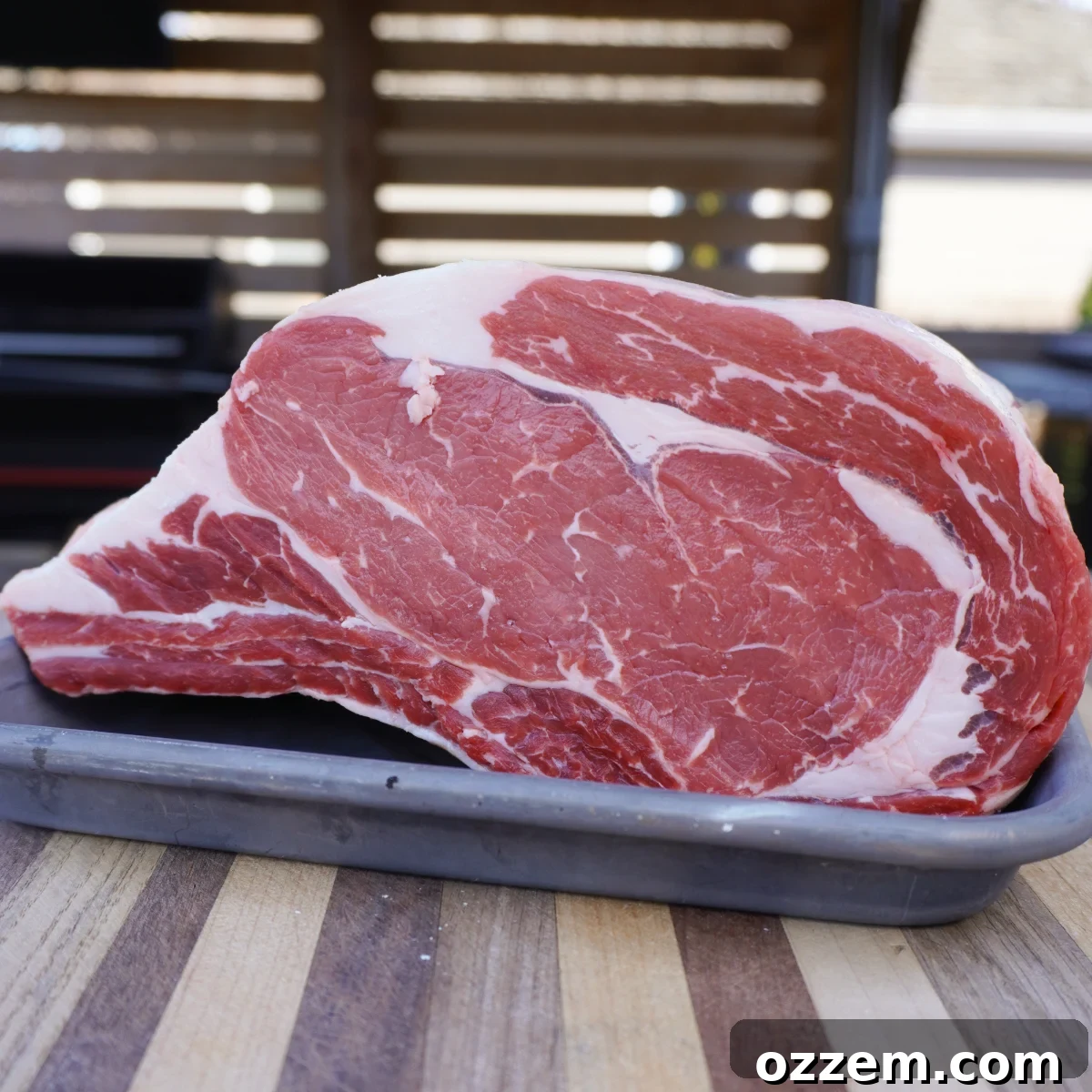
For this recipe, we’re using a generous 3-bone prime rib, though the technique applies to any size. While boneless options exist, the bone-in cut offers superior flavor and a more impressive final presentation. The initial step is to trim and “french” the bones for that classic, elegant look. Begin by removing the thick fat cap that sits directly above the rib bones. This substantial layer of fat is typically not palatable, so you’re not wasting anything by removing it. Use a sharp knife to carefully separate it from the meat.
Next, meticulously remove any remaining fat and silverskin from between each bone, scraping them clean. This detailed process takes time but is crucial for achieving a visually stunning presentation where the bones are perfectly exposed. If you’re unsure about this step, consult the full recipe video (if available in a real scenario) for visual guidance. Precision here pays off beautifully.
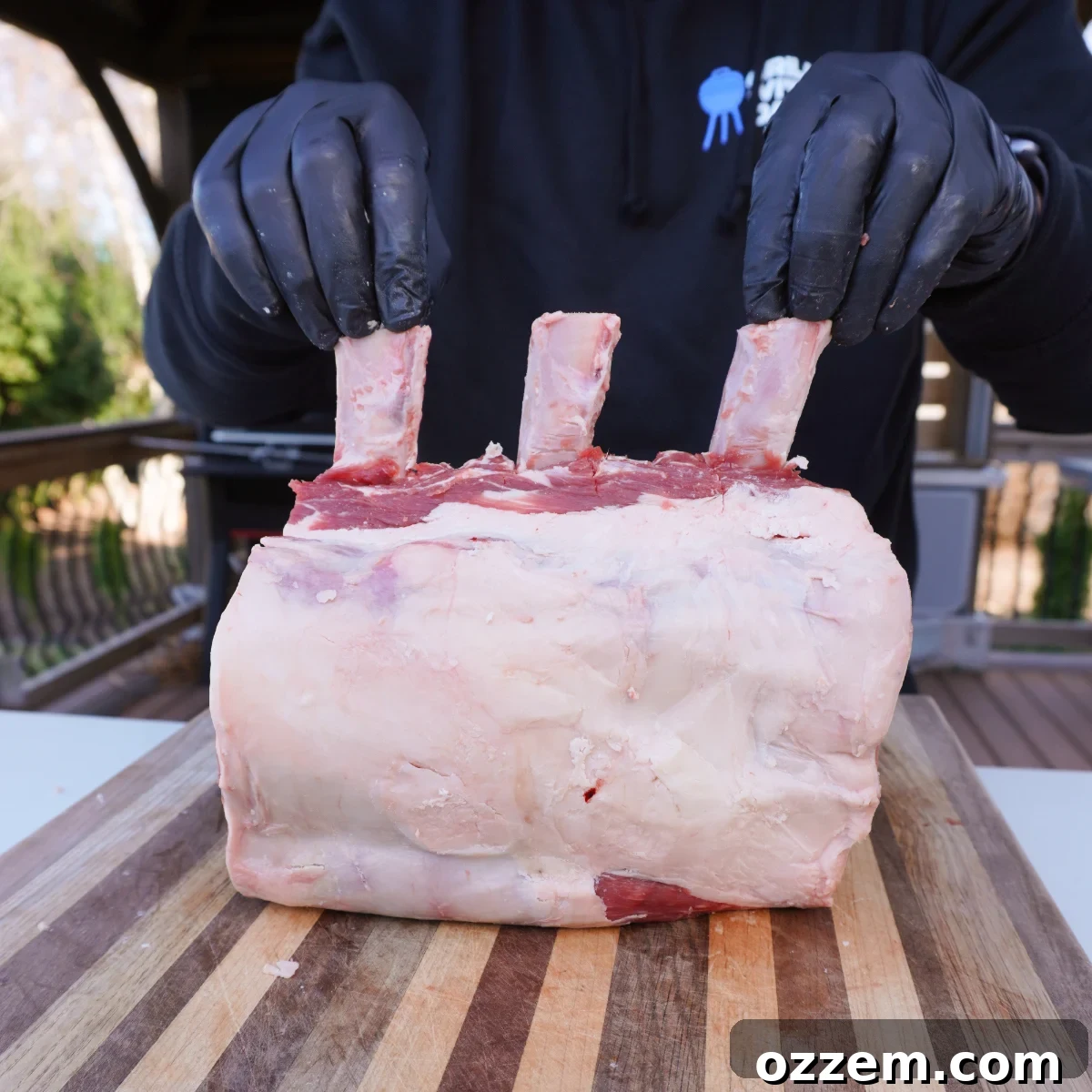
Once trimmed, securely attach the prime rib onto your rotisserie skewers. Ensure it’s centered and tightly fastened to prevent any wobbling during rotation. For this particular cut, I chose not to truss my prime rib as the skewers held it firmly in place. However, if your prime rib feels loose on the skewer or isn’t held securely, I strongly recommend trussing the entire roast with butcher’s twine. This technique helps maintain its shape, promotes even cooking, and ensures the roast remains compact throughout the grilling process.
Step 2: Crafting the Garlic and Herb Compound Butter
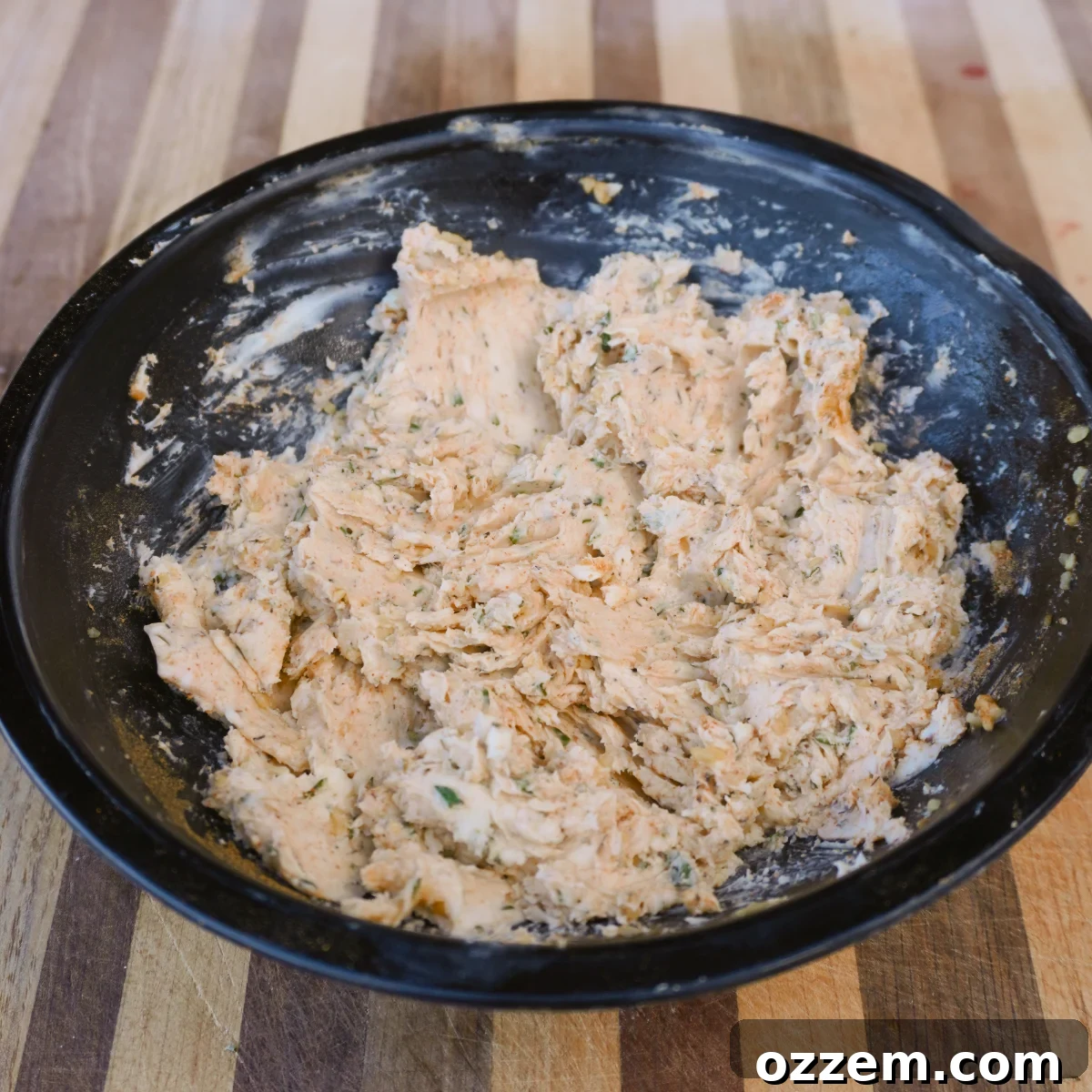
The secret weapon for this incredible prime rib is the rich, aromatic compound butter spread. This mixture will generously coat the entire exterior of the roast, forming a delectable and flavorful bark that’s crucial for both taste and texture.
In a medium mixing bowl, combine two sticks of softened, room-temperature unsalted butter with finely minced fresh rosemary, minced garlic, and Dad’s Steak Seasoning. Our seasoning blend is specifically formulated with perfect proportions of buttery, herby, and savory notes, designed to complement beef beautifully. Using a fork, thoroughly mix all the ingredients until they are well combined and uniform. Set this aside, or if it has firmed up too much, a quick 10-second zap in the microwave will bring it back to a spreadable consistency.
Recipe Tip: Seasoning Alternatives
If you don’t have Dad’s Steak Seasoning on hand, a great alternative is any other high-quality steak seasoning that boasts a robust herby and peppery profile. Alternatively, a good Italian Herb seasoning blend can work wonderfully. Just remember to add a generous amount of salt and freshly ground black pepper to taste, as these blends might be less seasoned than a dedicated steak rub.
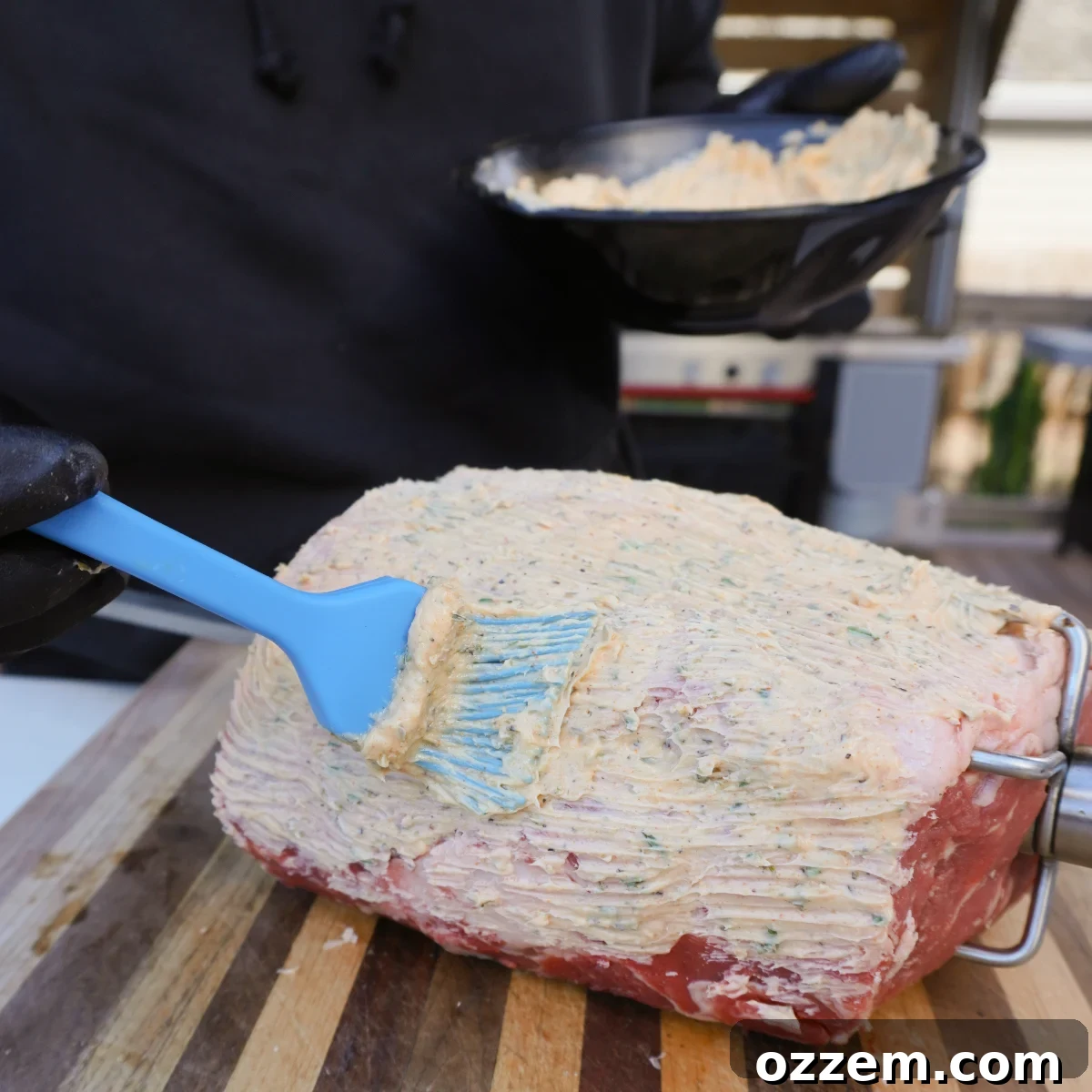
Once your compound butter is ready, generously brush the entire exterior of the prime rib with the soft mixture. Ensure every side is thoroughly coated, paying special attention to getting the butter into the crevices and between the exposed bones. This layer of butter not only adds immense flavor but also helps to create that desired crispy, savory crust as it slowly melts and bastes the meat during the rotisserie process.
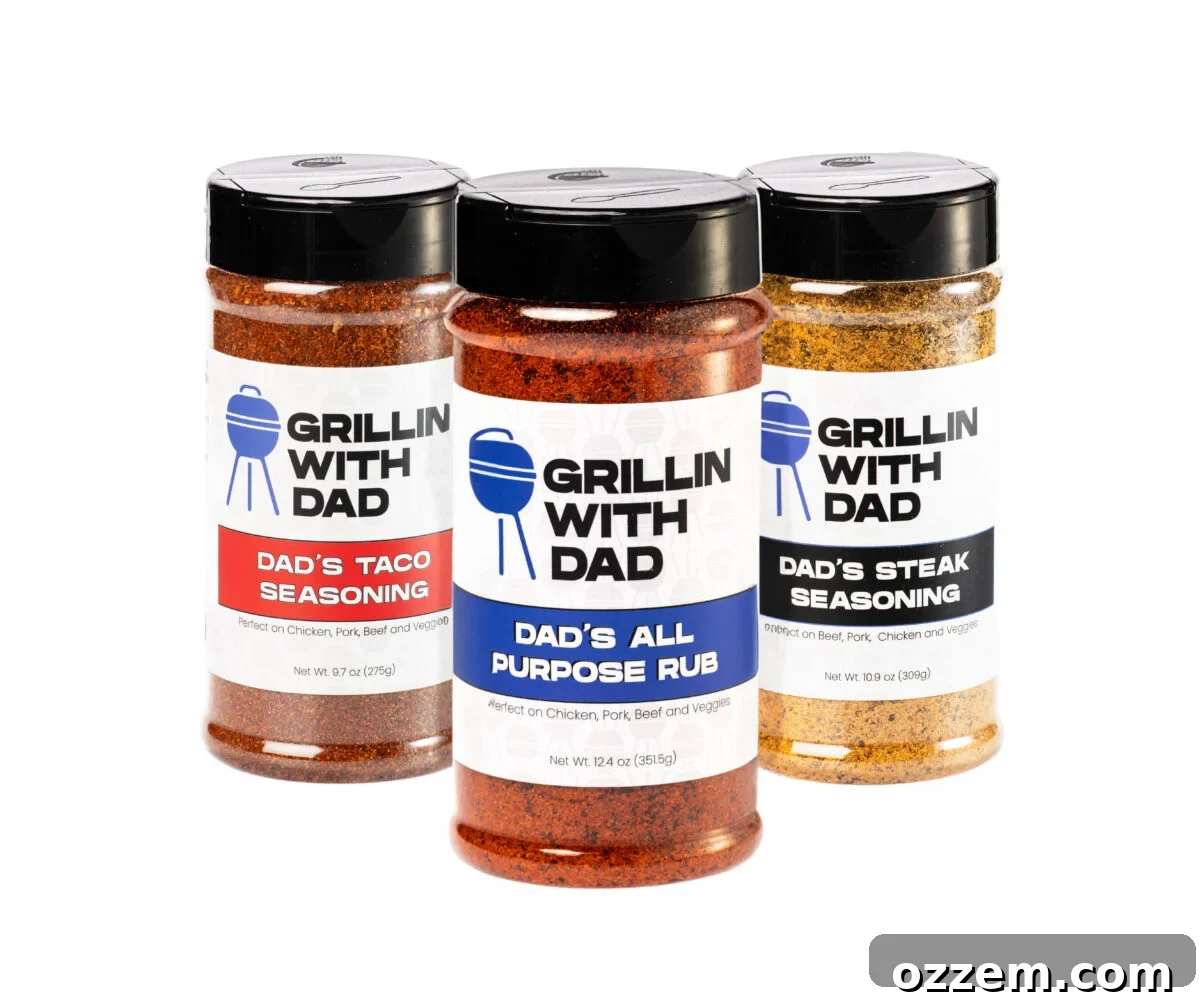
Dad’s Seasonings
Your grillin’ arsenal isn’t complete without these! Elevate every dish with our signature blends.
Step 3: The Rotisserie Mastery – Grilling for Perfection
Preheat your grill or pellet smoker to 250 degrees Fahrenheit, setting it up for indirect heat. This low-and-slow approach is crucial for achieving a tender interior and allowing the fats to render beautifully. The total grilling time will vary based on the size of your prime rib, typically ranging from 2 to 3 hours. I personally utilize my pellet smoker with a rotisserie adapter for consistent heat and smoky flavor, but this recipe is highly adaptable. You can easily replicate these results on any gas or charcoal grill with a rotisserie, or even in a conventional oven. If using an oven, simply place the prime rib on a sturdy sheet pan (without the rotisserie) and bake at 250°F.
To create a truly integrated meal, I recommend placing a pan of sliced potatoes directly beneath the spinning prime rib. As the compound butter melts and the flavorful fat renders out of the meat, it will drip down onto the potatoes, infusing them with an incredible richness and savory depth. Arrange your seasoned potatoes in a pan, place it on the grill grates, then position the skewered prime rib directly above. Activate the rotisserie mechanism and let the magic unfold as your roast slowly spins to perfection!
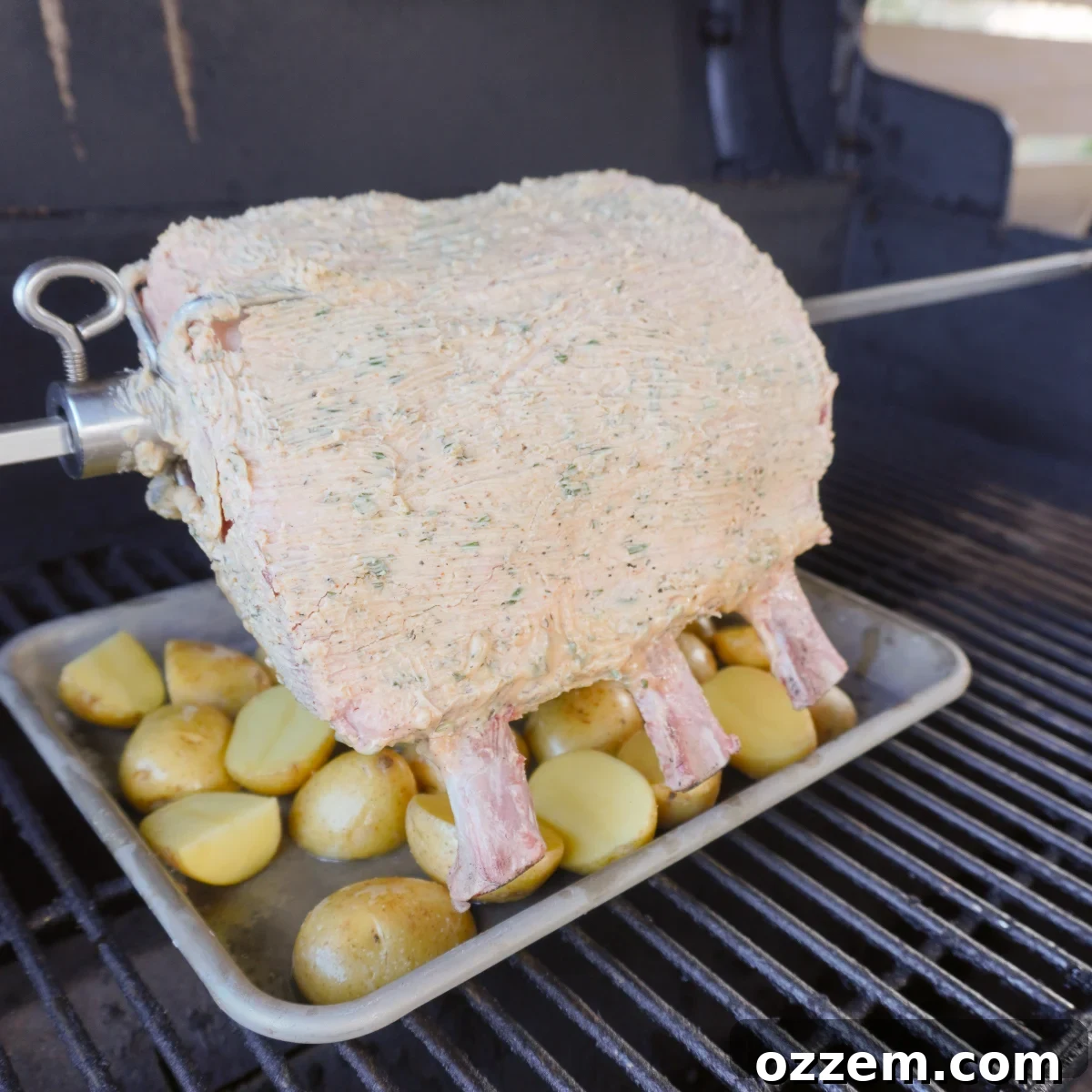
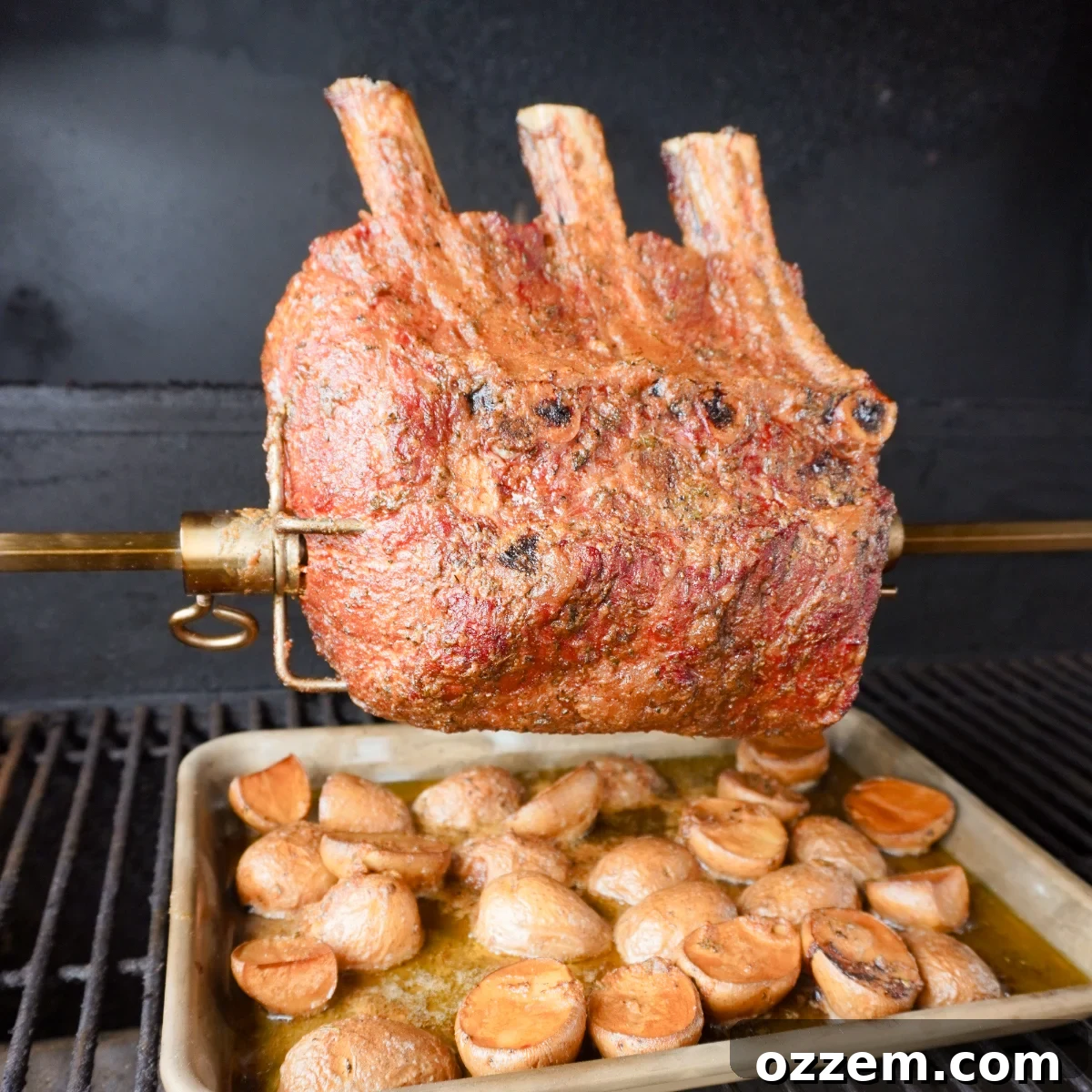
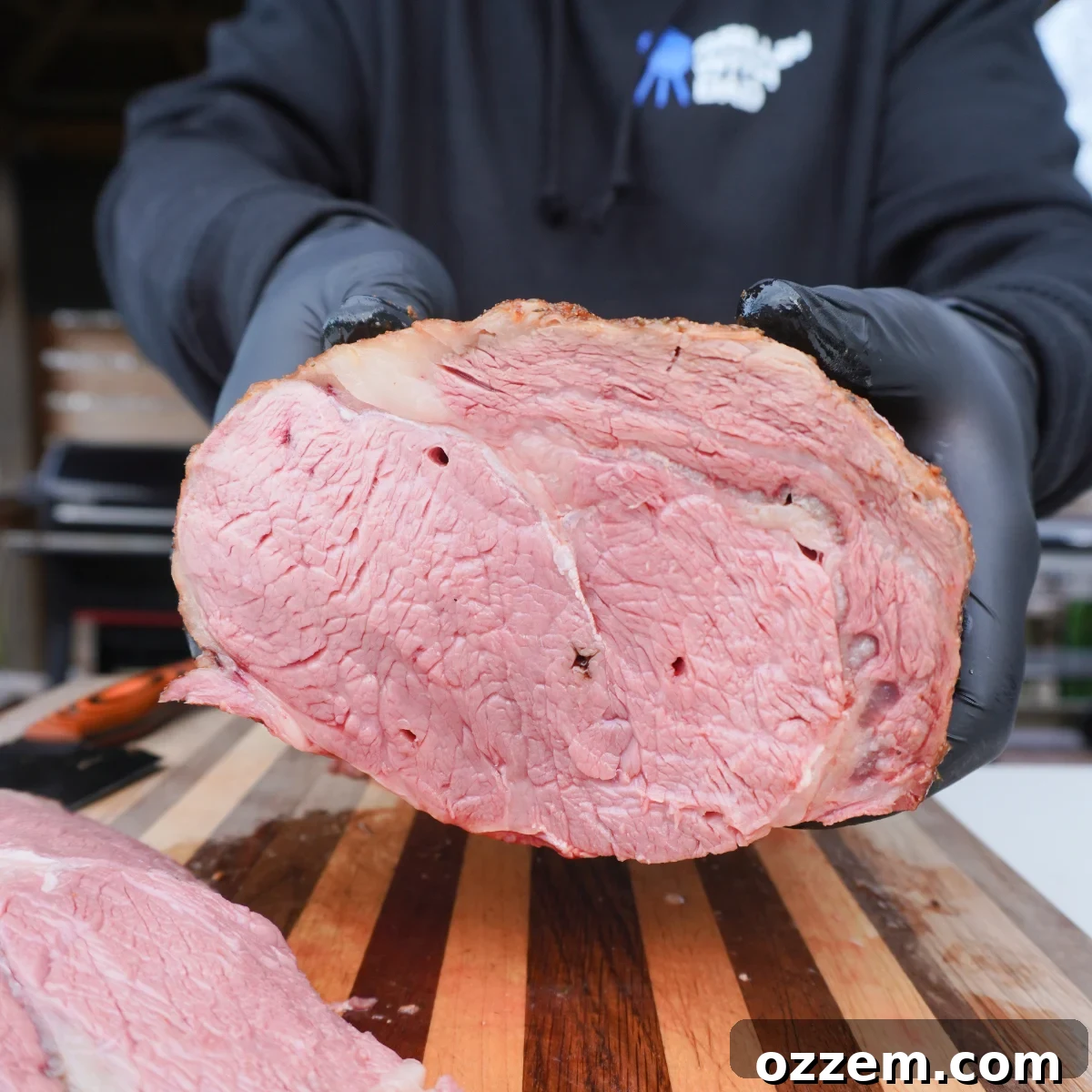
Monitor the internal temperature closely using a reliable meat thermometer. Once the internal temperature of the rotisserie prime rib reaches **110 degrees Fahrenheit**, it’s time to remove it from the grill. This temperature is absolutely crucial for achieving a perfect medium-rare doneness after resting, which is widely considered ideal for prime rib. At this stage, the center will be wonderfully red and juicy. The outer edges will naturally cook slightly more, reaching closer to medium, catering to those who prefer a bit more doneness. Trust the thermometer, and trust the process!
After removing the prime rib from the heat, immediately tent it loosely with aluminum foil and let it rest for a full 20-25 minutes. This resting period is non-negotiable; it allows the muscle fibers to relax and the internal juices to redistribute evenly throughout the roast. Skipping this step can result in a dry, less flavorful prime rib. During this rest, the internal temperature will continue to rise slightly, a phenomenon known as “carry-over cooking,” bringing it to that glorious 125-130°F medium-rare.
Step 4: The Perfect Accompaniment – Creamy Horseradish Sauce
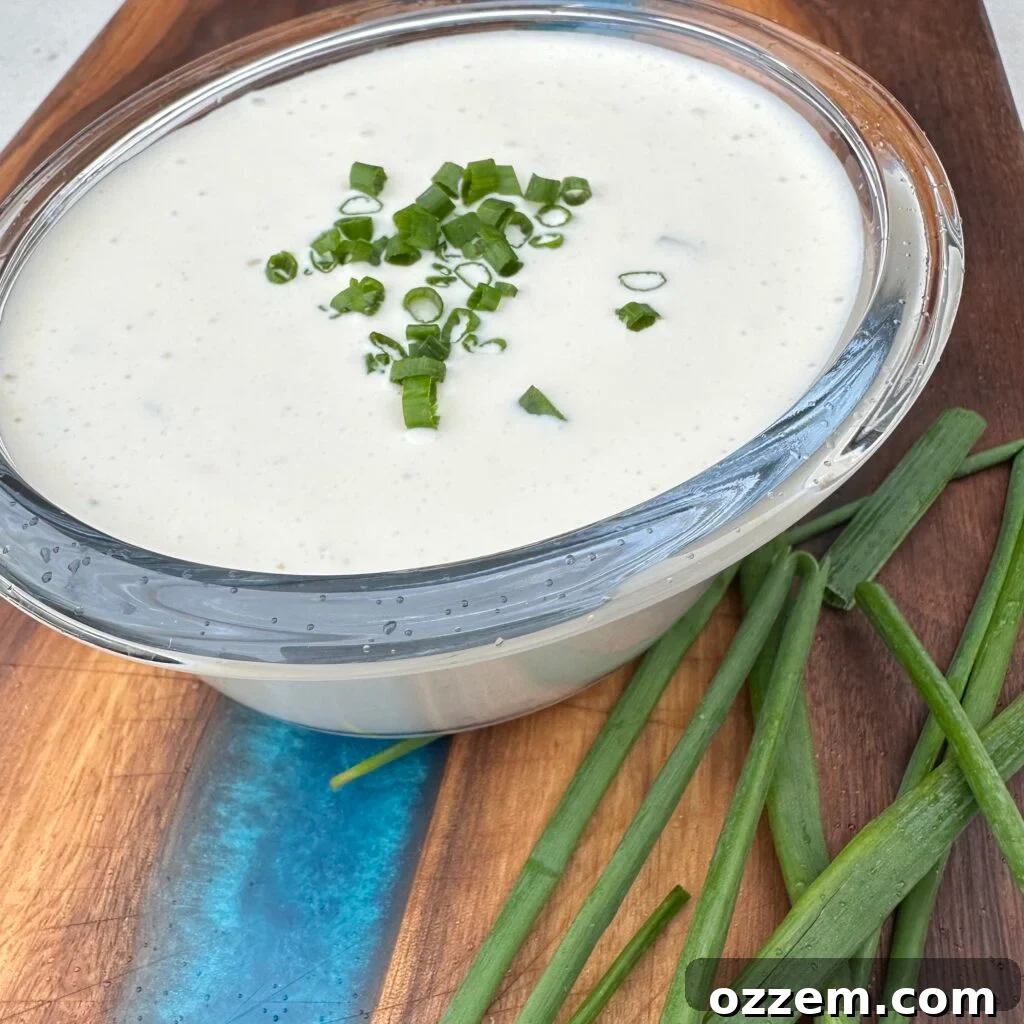
While optional, a creamy horseradish sauce is a classic and highly recommended accompaniment for prime rib, offering a delightful contrast to the rich meat. This sauce is savory, refreshingly zesty, and carries a pleasant spicy kick from the horseradish. It’s truly the perfect complement to a tender slice of prime rib or even a grilled porterhouse steak.
To prepare, combine freshly ground horseradish (or a good quality prepared horseradish), sour cream, mayonnaise, a splash of apple cider vinegar, and freshly chopped chives in a mixing bowl. Whisk all ingredients together until the sauce is smooth and well combined. Adjust seasoning with salt and pepper to taste. Once mixed, cover the bowl and chill it in the refrigerator while your prime rib finishes resting. This allows the flavors to meld and intensify, resulting in a more robust and satisfying sauce.
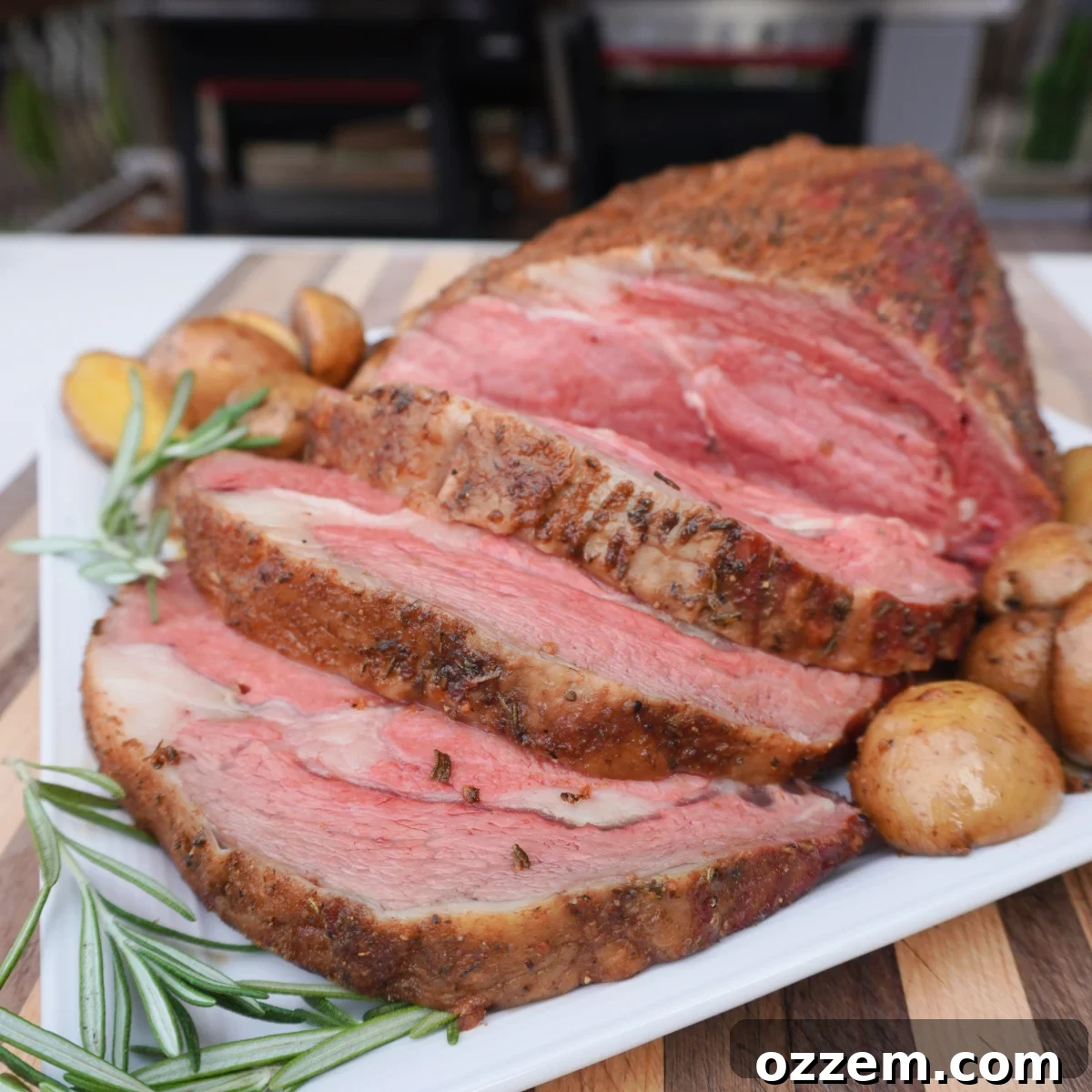
Once rested, carve into that incredibly flavorful and tender rotisserie prime rib. Serve thick slices alongside your savory roasted potatoes and a generous dollop of the creamy horseradish sauce. Prepare for a truly memorable meal!
Serving and Enjoying Your Masterpiece
After your prime rib has rested and you’ve carved it into impressive slices, it’s time to complete the meal. Arrange the tender slices of prime rib on a large platter, surrounded by the delicious, fat-infused roasted potatoes that cooked below. Offer the creamy horseradish sauce on the side, allowing each diner to add their preferred amount of tangy spice. For additional sides, consider steamed green beans with toasted almonds, a crisp Caesar salad, or even a simple crusty bread to soak up any remaining juices. This meal is a celebration in itself!
Storage and Reheating Leftovers:
Should you be lucky enough to have leftovers, store prime rib slices and potatoes in airtight containers in the refrigerator for up to 3-4 days. To reheat prime rib without drying it out, gently warm slices in a preheated oven at 250°F (120°C) with a splash of beef broth or water until just warmed through. Avoid high heat or microwave reheating if you want to maintain its tender texture.
Troubleshooting and Pro Tips for Prime Rib
- **Uneven Cooking:** If your prime rib is cooking unevenly, ensure it’s tightly secured and centered on the rotisserie spit. Trussing with butcher’s twine can also help maintain a uniform shape.
- **Dry Exterior:** The compound butter is key to a moist exterior. If you notice it drying out, you can gently baste it with more melted butter or pan drippings during the cook.
- **Overcooked:** The biggest mistake with prime rib is overcooking. Always rely on an accurate meat thermometer. Remember, it will continue to cook during the rest.
- **Under-Seasoned Potatoes:** If the potatoes don’t absorb enough drippings, toss them with a little extra salt, pepper, and fresh herbs before serving.
- **Making Ahead:** The compound butter and horseradish sauce can both be made a day or two in advance, saving valuable time on cooking day.
- **Beef Stock for Au Jus:** While not explicitly in this recipe, collecting the drippings and deglazing the pan with beef stock can make a fantastic au jus to serve alongside the prime rib.
Watch the video for a step-by-step visual guide on preparing this incredible rotisserie prime rib!
Products Featured in the Video
Click the image below to view the products that will help you achieve grilling perfection! ⬇️
Frequently Asked Questions:
Cooking time for rotisserie prime rib varies depending on its size and your desired doneness. Generally, a good rule of thumb is 15-25 minutes per pound at 250 degrees Fahrenheit. For an ideal medium-rare finish, remove the prime rib from the grill when its internal temperature reaches 110-115 degrees Fahrenheit. Remember that carry-over cooking during the resting period will bring it up to 125-130 degrees Fahrenheit.
The best binder for prime rib is often a rich garlic and herb compound butter. This butter adds a tremendous amount of flavor, moisture, and richness to the meat while also helping to achieve a beautiful brown crust. It acts as a protective barrier and an incredible flavor delivery system. As an excellent alternative, you can use olive oil to help your dry rub adhere to the meat, then sprinkle on your preferred dried herb seasoning for a similar effect.
There are several critical steps to ensure a perfectly cooked prime rib. Firstly, **cook it to a medium-rare doneness**; an internal temperature of 110-115 degrees Fahrenheit (before resting) is key for a tender and juicy result. Secondly, **always use bone-in prime rib**; the bones contribute significant flavor and help retain moisture, preventing the meat from drying out. Thirdly, **don’t skimp on the resting period** (20-25 minutes) after cooking, as this allows the juices to redistribute, leading to a more succulent roast. Finally, a flavorful crust, achieved through a compound butter or robust seasoning, seals in the goodness.
Absolutely! While rotisserie cooking offers unique benefits like even cooking and self-basting, you can achieve fantastic results using other methods. The reverse sear method (low heat in an oven or indirect grill, then a high-heat sear) or simply roasting in an oven at a consistent low temperature are great alternatives. Adjust cooking times and monitor internal temperature carefully.
Other Holiday Recipes to Consider:
Pork
Cajun Honey Ham
Beef
Garlic and Herb Prime Rib
Pork
Maple Bourbon Ham
Beef
Rotisserie Prime Rib
If you tried this Rotisserie Prime Rib or any other recipe on my blog, please leave a 🌟 star rating and let me know how it went in the📝 comments below. Your feedback means a lot!
Pin Recipe
Print Recipe
Rotisserie Prime Rib Recipe
Ingredients
- 8 lbs Bone-in prime rib
Garlic and Herb Butter Ingredients
- 2 sticks Unsalted butter (room temperature)
- 2 tbsp Minced garlic
- 1 tbsp Freshly chopped rosemary
- 1 tbsp Dad’s Steak Seasoning
Horseradish Sauce Ingredients
- 1/4 cup Sour cream
- 1/4 cup Mayo
- 2 tbsp Freshly ground horseradish
- 1 tbsp Apple cider vinegar
- 1 tbsp Chopped chives
Instructions
- Remove the prime rib from its packaging and pat it thoroughly dry with paper towels. Carefully cut away the thick fat cap directly above the bones to expose them, leaving a thin layer if desired for extra flavor.
- With a sharp knife, meticulously remove any excess fat or sinew from between the bones and scrape them clean (frenching). This enhances presentation.
- Securely skewer the prime rib onto the rotisserie spit, ensuring it is balanced and firmly held in place. If needed, truss the roast with butcher’s twine for added stability and even cooking.
- In a small bowl, combine the softened room-temperature butter, minced rosemary, minced garlic, and Dad’s Steak Seasoning. Briefly microwave for 10 seconds if needed to achieve a smooth, spreadable consistency.
- Generously brush the butter mixture over the entire surface of the prime rib, making sure to coat all sides and between the bones for maximum flavor and bark development.
- Preheat your grill or smoker to 250 degrees Fahrenheit, setting it for indirect heat.
- Place a small pan of seasoned, sliced potatoes on the grill grates directly below where the prime rib will spin. Mount the skewered prime rib on the rotisserie and activate the rotation.
- Cook for approximately 2-3 hours, or until the internal temperature of the prime rib reaches 110-115 degrees Fahrenheit for a perfect medium-rare. Use a reliable instant-read thermometer inserted into the thickest part of the meat, avoiding bone.
- Remove the prime rib from the grill, tent it loosely with aluminum foil, and let it rest for 20-25 minutes before carving. This is essential for juicy results.
Homemade Horseradish Sauce Instructions
- In a mixing bowl, combine freshly ground horseradish (or prepared horseradish), sour cream, mayonnaise, a splash of apple cider vinegar, and chopped chives. Mix well until smooth. Chill in the fridge until ready to serve.
Notes
**Compound Butter Prep:** Prepare your garlic and herb compound butter in advance. This savory spread acts as a fantastic binder, adds layers of fattiness and richness, and promotes a deep, flavorful browning of the crust.
**Seasoning Flexibility:** If Dad’s Steak Seasoning isn’t available, choose an alternative steak seasoning that emphasizes herby and peppery notes, or use a good Italian herb blend. Remember to adjust salt and pepper according to your taste.
**Medium-Rare is Key:** Prime rib achieves its optimal tenderness and juiciness when cooked to medium-rare. Aim for an internal temperature of 110-115 degrees Fahrenheit when you remove it from the heat, regardless of cooking method (grilled, oven-roasted, or rotisserie).
Nutrition
Carbohydrates: 3g |
Protein: 83g |
Fat: 200g |
Saturated Fat: 89g |
Polyunsaturated Fat: 11g |
Monounsaturated Fat: 80g |
Trans Fat: 1g |
Cholesterol: 456mg |
Sodium: 358mg |
Potassium: 1397mg |
Fiber: 1g |
Sugar: 1g |
Vitamin A: 1031IU |
Vitamin C: 2mg |
Calcium: 87mg |
Iron: 9mg
Enjoyed this recipe? Please leave a rating and comment below!
Check out the Recipes Page for other tasty ideas!