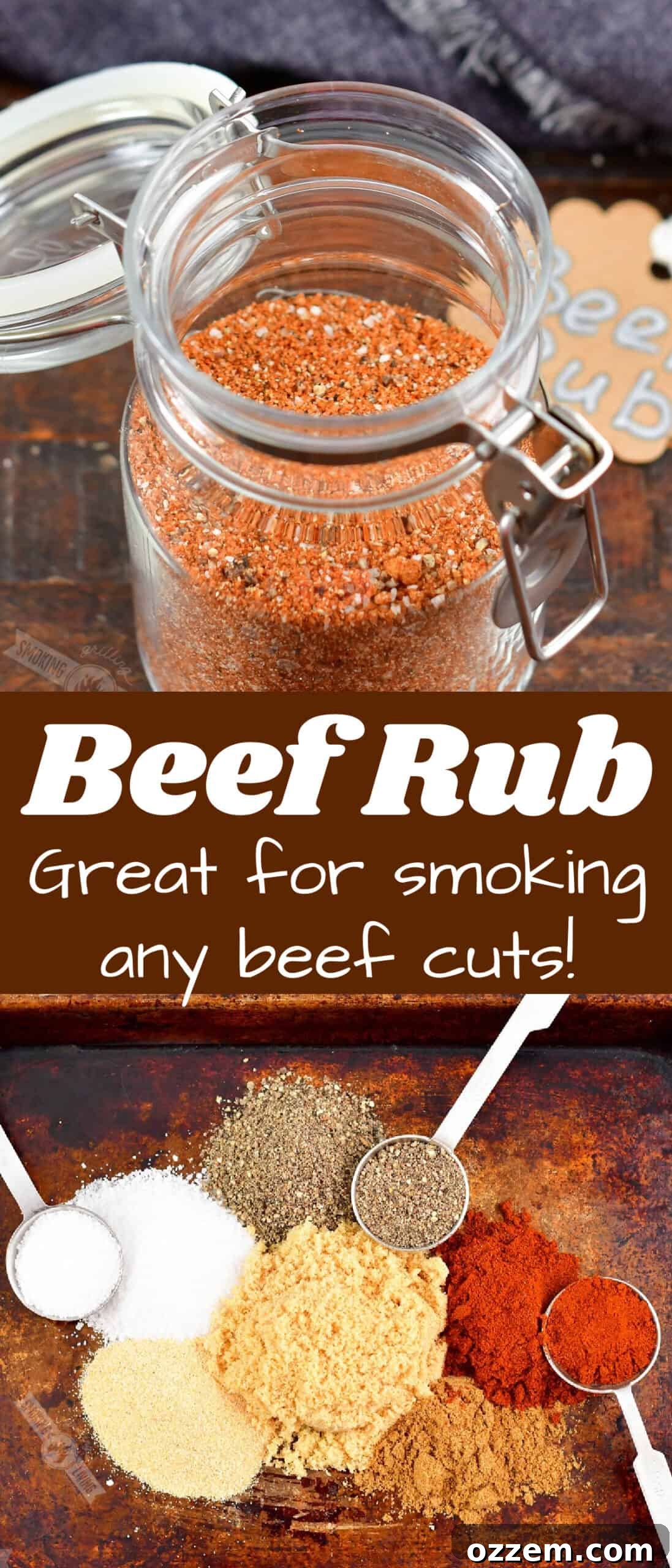
Transform your beef dishes from ordinary to extraordinary with this incredibly simple yet profoundly flavorful homemade beef rub! Perfect for smoking ribs, brisket, or any cut of beef, this recipe takes mere minutes to prepare and can be stored for months, ensuring you’re always ready to infuse your meat with sensational taste.
Unlocking Unforgettable Flavor: The Ultimate Homemade Beef Rub Recipe
A expertly crafted dry rub is a game-changer for any cut of meat, offering a deep, complex flavor profile and a beautiful crust. While I adore my Ultimate Dry Rub for pork and chicken, beef demands a unique approach. Its inherent richness means a beef rub should enhance, not mask, its natural taste. This specially formulated beef rub focuses on savory notes with a judicious amount of sugar, creating a perfect balance that complements beef’s robust character.
This versatile blend is ideal for nearly any beef cut destined for the smoker. Whether you’re preparing a succulent brisket, fall-off-the-bone beef ribs, tender short ribs (bone-in or boneless), a flavorful tri-tip, a hearty chuck roast, or a lean rump or round cut, applying this rub before smoking will elevate your culinary creation. The slow cooking process allows the spices to meld deeply with the meat, resulting in a profoundly satisfying experience.
However, when it comes to individual, high-quality portion steaks, I firmly stand by the “just salt and pepper” philosophy. A prime steak, with its exquisite marbling and delicate texture, speaks for itself. Overpowering it with a complex rub can detract from its natural beauty and the investment you’ve made. For tougher, heartier cuts that benefit from a prolonged cooking time and a flavorful crust, however, a robust seasoning mix like this beef rub is absolutely essential. Bring on the flavor!
When to Use This Dry Rub: Smoking vs. Grilling
Understanding when and how to use a dry rub is crucial for achieving optimal results. This particular beef rub, like many dry rubs containing sugar, is primarily designed for smoking, roasting, baking, or sautéing – cooking methods that involve indirect or moderate heat. The sugar content in the rub is a fantastic ingredient for caramelization and building that desirable “bark” on smoked meats, contributing to both flavor and texture.
Conversely, applying a sugar-laden dry rub directly over high, direct heat, such as on a traditional grill, is generally not recommended. Sugar, along with many delicate spices and herbs, burns quickly when exposed to intense direct flame. This rapid charring will result in an unpleasant, bitter, and acrid taste on the exterior of your meat, spoiling the overall flavor profile. If you insist on grilling with a sweet rub, ensure you’re using an indirect heat zone, allowing the meat to cook slowly without direct exposure to the highest temperatures. For direct grilling, simple salt and pepper, or a sugar-free seasoning blend, is often your best bet.

Crafting Your Signature Beef Rub: A Simple Guide
Creating your own homemade beef rub is remarkably straightforward and incredibly rewarding. In just about five minutes, you can assemble a custom spice blend that far surpasses store-bought alternatives in freshness and flavor. Most of that time will be spent simply gathering your spices from the pantry! The magic lies in combining the right ingredients in the perfect proportions, and this recipe delivers exactly that.
Essential Ingredients for a Perfect Beef Rub
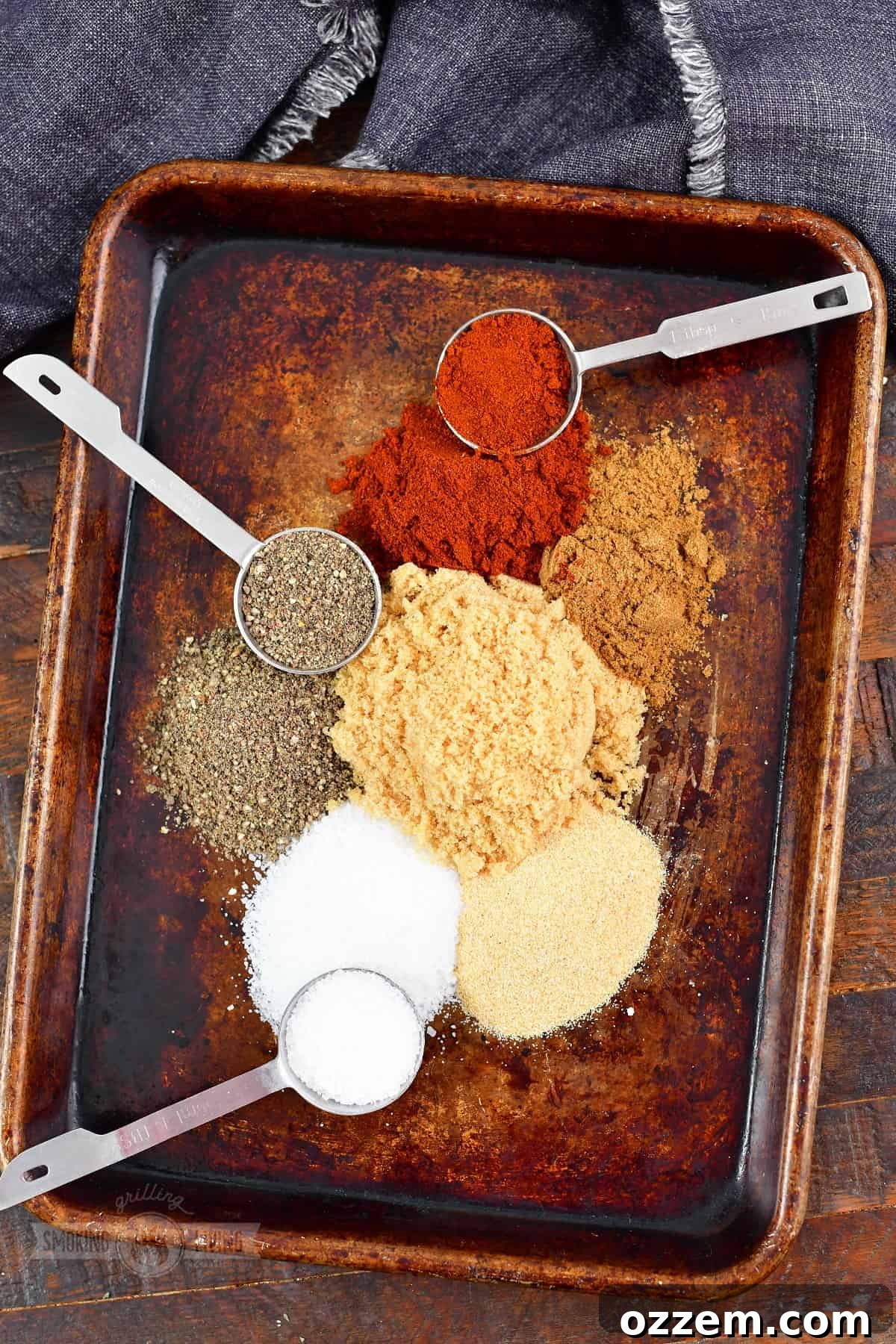
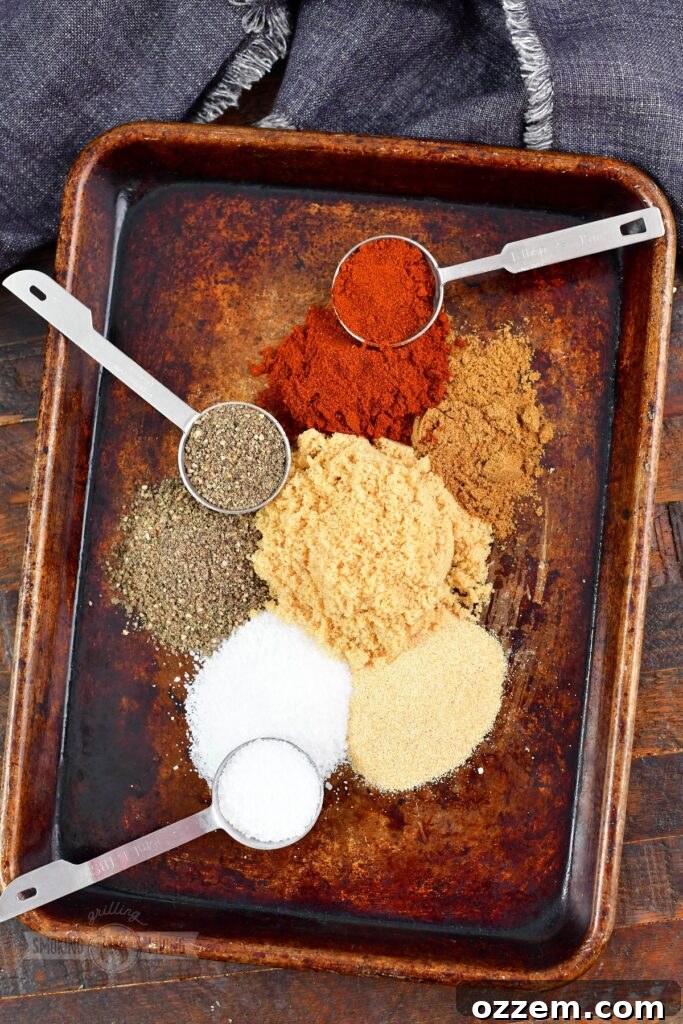
Each component of this beef rub plays a vital role in creating a balanced and robust flavor profile designed specifically for beef. Here’s what you’ll need:
- Coarse Salt: Opt for coarse kosher salt or sea salt. The larger crystals adhere better to the meat, dissolve slowly during cooking, and provide a more even seasoning than fine table salt, which can quickly over-salt the surface. Salt is fundamental for enhancing the meat’s natural flavor and assisting in moisture retention.
- Freshly Cracked Black Pepper: The difference between pre-ground pepper and freshly ground pepper is immense. Whole peppercorns, freshly ground, release a more potent aroma and a sharper, more complex peppery bite. For this rub, a coarse grind is preferred, adding texture and visual appeal.
- Ancho Chili Powder: This isn’t your average chili powder. Ancho chili powder is made from 100% dried poblano peppers, offering a milder heat and a distinctive earthy, fruity, and slightly smoky flavor. It brings a deep red color and a savory depth that complements beef beautifully without being overwhelmingly spicy. Standard chili powder is often a blend of various chilis and other spices, so ancho chili powder provides a more nuanced and specific flavor.
- Brown Sugar: Whether you choose light or dark brown sugar, its role is crucial for developing a rich, caramelized crust (the “bark”) during smoking. Dark brown sugar has a higher molasses content, contributing a slightly deeper, more robust sweetness and moisture, while light brown sugar offers a lighter caramel note. The sugar balances the savory and spicy elements of the rub.
- Garlic Powder: A cornerstone of savory rubs, garlic powder provides a foundational umami flavor. Be sure to use pure garlic powder, not garlic salt, as we’ve already accounted for the salt content separately. Garlic powder distributes evenly and provides a consistent garlic essence throughout the meat.
- Ground Cumin: Cumin offers a warm, earthy, and slightly pungent flavor that is highly aromatic and pairs exceptionally well with beef. It adds an authentic, savory depth that is characteristic of many great BBQ rubs.
Simple Steps to Prepare Your Homemade Beef Rub
Important Tip: Ensure your mixing bowl and whisk are completely dry before you begin to prevent clumping and preserve the rub’s shelf life!
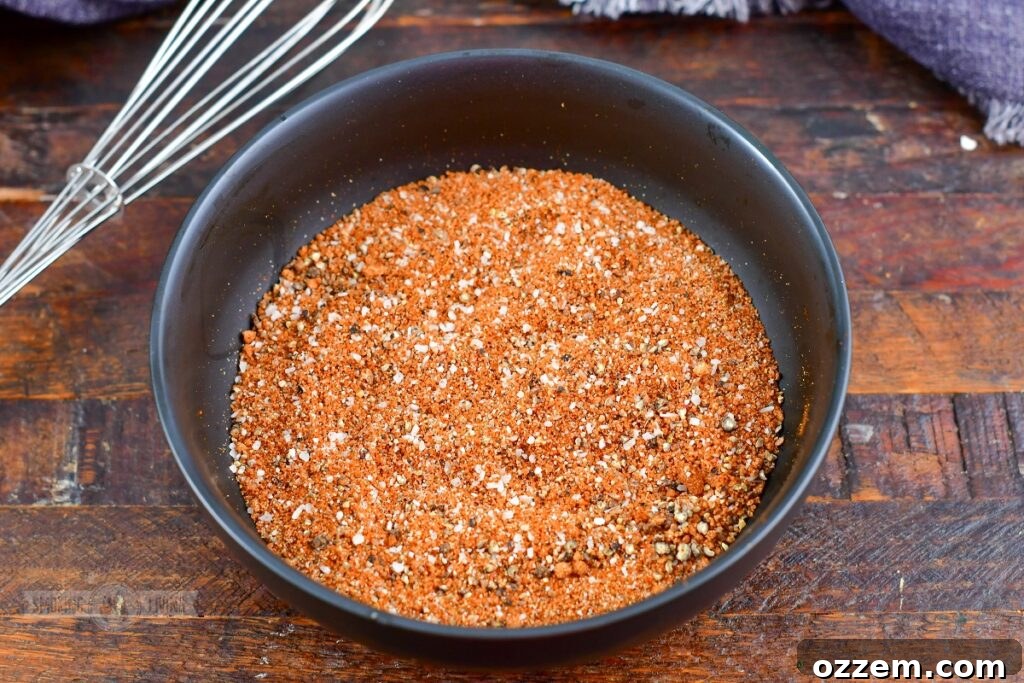
- Carefully measure all the specified spices into a small mixing bowl. Precision in measuring helps maintain the intended flavor balance.
- Whisk the ingredients together thoroughly until they are completely incorporated and evenly distributed. You want every pinch of this rub to contain all the delightful flavors. Alternatively, if using a jar, simply close the lid tightly and shake vigorously until well mixed.
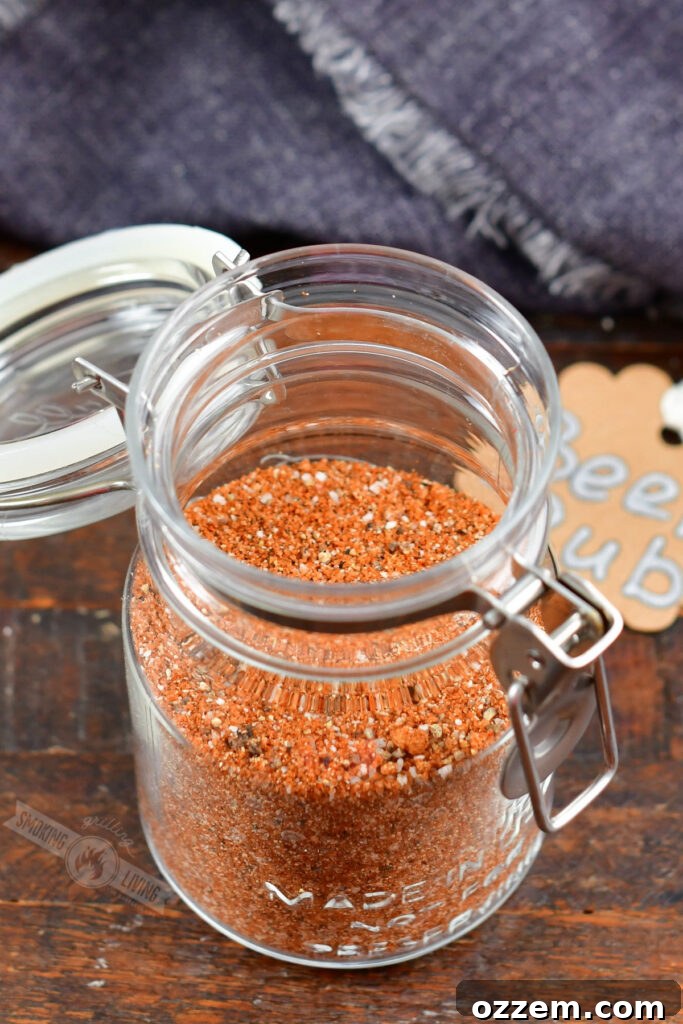
- Transfer your freshly made beef rub into an airtight glass storage jar. This helps keep it fresh and prevents moisture from compromising its quality.

Frequently Asked Questions About Beef Rubs
Dry Rub vs. Wet Rub: Understanding the Difference
The fundamental distinction between a dry rub and a wet rub (or marinade) lies in the presence of liquid. Wet rubs and marinades incorporate liquids such as oils, fruit juices, broths, and acidic components like citrus juices or vinegar. The acids in these mixtures are often used to tenderize meat, making them particularly useful for tougher cuts that might be grilled quickly.
Dry rubs, on the other hand, are blends exclusively of dried seasonings and herbs. Their primary function is to develop incredible flavor and a desirable textured crust on the exterior of the meat. Dry rubs excel at creating that coveted “bark” on smoked meats without adding extra moisture, which can inhibit caramelization and crispiness. Since smoking and slow roasting inherently tenderize meat through prolonged cooking, the additional tenderizing action of a wet rub is often unnecessary, allowing the dry rub to truly shine in flavor development.
How to Properly Apply Your Dry Rub
Despite the name “rub,” you generally shouldn’t aggressively rub the seasoning mixture into the meat. Instead, the best technique involves patting it on or pressing it gently. For larger cuts of beef, such as brisket or a large roast, generously sprinkle the rub over all surfaces of the meat. Then, gently pat the rub into the surface to ensure it adheres well. Turn the meat and repeat this process until all sides are evenly coated.
For smaller pieces of meat, like individual short ribs or steak tips (if not opting for just salt and pepper), you can spread a layer of the seasoning mix on a dish or baking sheet. Then, simply press each side of the meat firmly into the rub, ensuring a good, even coating. The goal is even coverage, not vigorous scrubbing.
Can You Apply the Rub to Meat Ahead of Time?
Absolutely! In fact, I highly recommend applying the dry rub in advance whenever possible, especially for larger cuts like brisket or full beef roasts. If you can remember, applying it the night before cooking allows the salt in the rub more time to penetrate the meat deeply. While most spice particles don’t penetrate much deeper than about half an inch, the salt acts through osmosis, drawing moisture to the surface, dissolving, and then being reabsorbed, carrying flavor deeper into the muscle fibers. This process, often called “dry brining,” results in a more uniformly seasoned and juicy final product.
However, if you forget to apply it ahead of time, don’t fret! Applying the rub right before smoking will still yield an incredibly delicious outcome. The immediate application will still contribute significantly to the exterior flavor and bark formation.
Optimal Storage for Homemade Dry Rub
Proper storage is key to maintaining the potency and freshness of your homemade dry rub. The spices will degrade over time, losing their aroma and flavor if not stored correctly.
- Freezing for Longevity: For the longest shelf life, the freezer is your best friend. Transfer the mixed dry rub into a high-quality zip-top freezer bag. Expel as much air as possible before sealing. Label the bag with the date and contents, and store it in the freezer for up to 8 months. You can even divide larger batches into smaller portions in separate bags for convenience.
- Airtight Container Storage: For more immediate use, store your dry rub in an airtight glass jar in a cool, dark place, such as a pantry cupboard, or in the refrigerator. Away from direct sunlight, heat, and moisture, it will remain fresh for up to 6 months. Fluctuating temperatures and humidity can cause the rub to clump or lose flavor more quickly.
Always remember to date and label your containers to keep track of freshness.
Explore More Culinary Adventures!
If you’ve enjoyed mastering this beef rub, why not broaden your grilling and smoking repertoire? For your next steak night, try our simple yet effective Steak Seasoning, designed to perfectly enhance the natural flavors of beef. And for something truly unique and delicious on your smoker, don’t miss our recipes for Smoked Meatloaf and Smoked Meatballs – they’re sure to impress!
PIN THIS BEEF RUB RECIPE FOR LATER

Beef Rub
Print Recipe
Pin Recipe
Ingredients
- 1/4 cup light brown sugar
- 3 tbsp coarse or sea salt
- 3 tbsp fresh ground black pepper coarse ground
- 2 tbsp ancho chili powder
- 2 tbsp garlic powder
- 1 tbsp ground cumin
Instructions
-
Combine all spices in a bowl and mix very well. (You can also combine it in a jar with a lid, close the lid and shake well to mix.)
Storing:
-
Keep the dry rub in an air-tight glass jar. Make sure to keep it in a cool, dark, place away from direct sun, direct heat, and moisture. Stored properly, dry rubs should be good for up to 6 months.
To Freeze:
-
For the best way to keep dry rubs fresh, store it in the freezer. Use a zip-top freezer bag, get as much air out as you can, seal, and label the bag. Store it for up to 8 months in the freezer.
Nutrition