
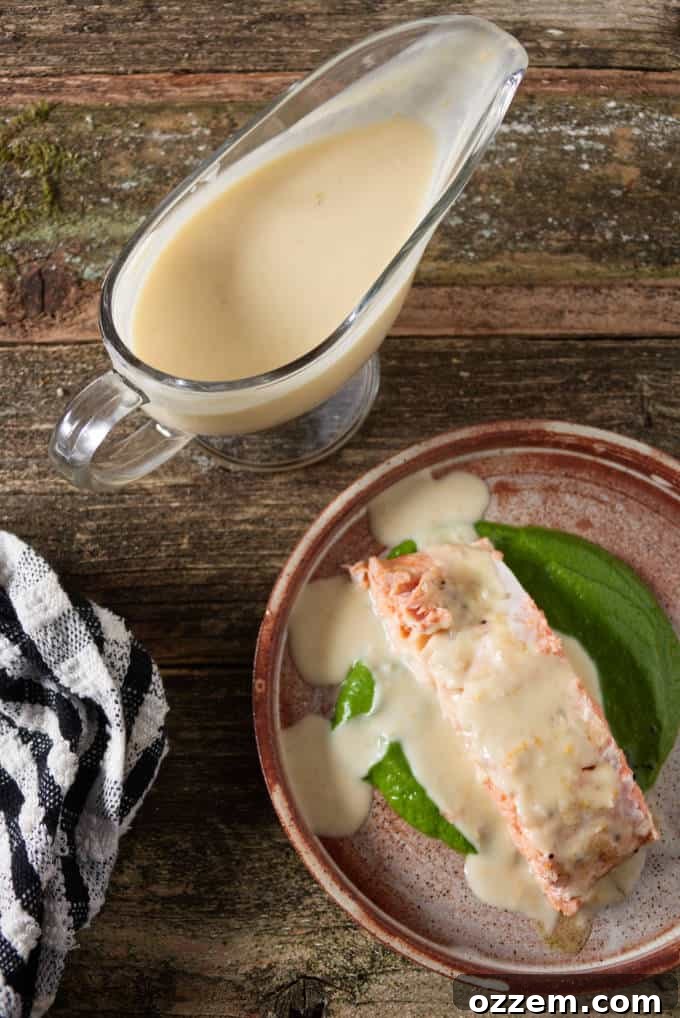
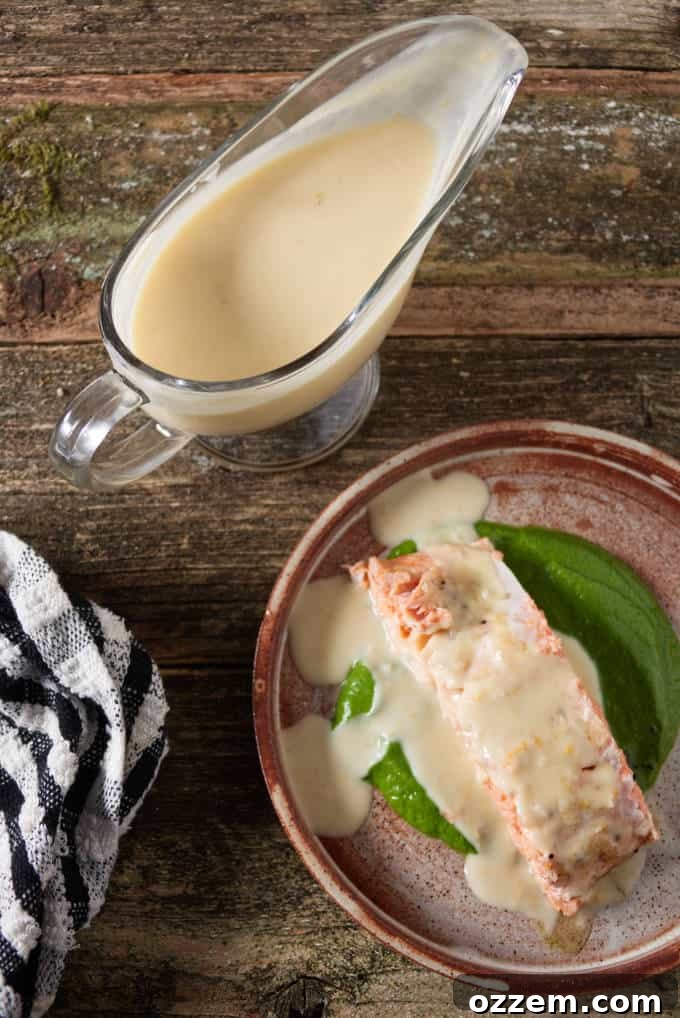
Welcome to the ultimate guide for creating an exquisite **Orange Lemon Butter Sauce**, famously known as Beurre Blanc. This classic French sauce, whose name literally translates to “white butter,” is a testament to the fact that simplicity can lead to extraordinary flavor. Forget complicated culinary techniques; with just a few core ingredients and precise execution, you can whip up this luxurious, vibrant sauce in mere minutes, transforming any meal into a gourmet experience.
Our rendition of this timeless sauce elevates it with a bright, zesty citrus twist. Imagine the delicate dance of fresh orange and lemon juice, perfectly balanced with the savory depth of reduced shallots and dry white wine. The inclusion of citrus zest adds an aromatic complexity that truly sets this Beurre Blanc apart, infusing it with an irresistible fragrance and a subtle sweetness that complements its rich, buttery base. This sauce isn’t just an accompaniment; it’s a culinary highlight designed to impress with its silky texture and sensational taste.
The versatility of this citrus-infused Beurre Blanc knows no bounds. Its bright acidity and rich flavor profile make it an ideal partner for a wide array of dishes. Picture it drizzled generously over flaky air fryer tilapia, enhancing its delicate taste with a burst of citrus. Or perhaps imagine it adorning succulent grilled scallops, where its creaminess provides a beautiful contrast to the caramelized crust. It’s also magnificent with tender poultry like a smoked wild turkey breast, adding a gourmet touch that elevates the dish. Even simple air fryer asparagus becomes an elevated side when bathed in this golden elixir, showcasing its incredible power to enhance fresh vegetables. Prepare to fall in love with a sauce that is both sophisticated and incredibly simple to master.
This post may contain affiliate links. Please read our disclosure policy.
Essential Ingredients for Your Exquisite Orange Lemon Beurre Blanc
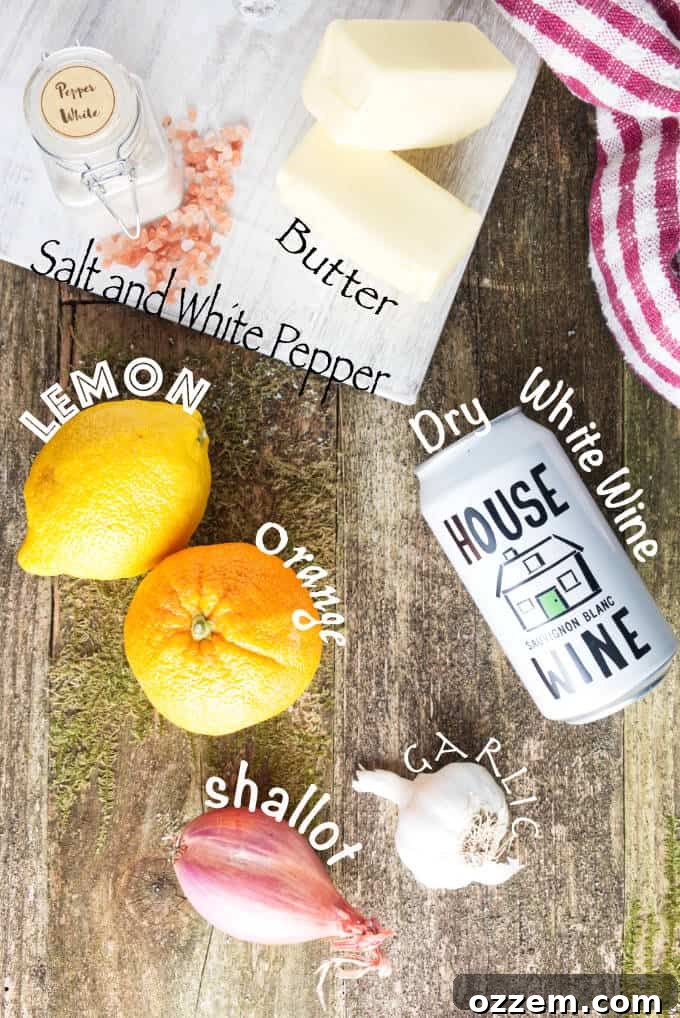
Crafting a truly exceptional Beurre Blanc hinges on starting with a handful of quality ingredients and understanding their individual roles. The beauty of this sauce lies in its minimalism, allowing each component to shine. While the technique is key, selecting the right items ensures the most creamy, flavorful, and perfectly emulsified result. Let’s explore the simple yet powerful elements that come together to create this culinary masterpiece.
- Unsalted Butter: This is the heart of your Beurre Blanc. Using unsalted butter gives you complete control over the final seasoning. Opt for a high-quality butter with good fat content for the richest flavor and best emulsification. Ensure it’s very cold and cut into cubes; this is crucial for a stable emulsion.
- Dry White Wine: A crisp, dry white wine like Sauvignon Blanc, Pinot Grigio, or even an unoaked Chardonnay forms the acidic base of the sauce, providing depth and a delightful tang. Avoid sweet wines, as they will throw off the flavor balance. The wine is reduced to concentrate its essence, building a robust foundation.
- Lemon: Fresh lemon juice contributes essential acidity and bright, zesty notes that cut through the richness of the butter. The zest adds an incredible aromatic boost, enhancing the overall citrus profile without adding liquid.
- Orange: Similar to lemon, fresh orange juice introduces a subtle sweetness and another layer of vibrant citrus flavor. Its zest complements the lemon zest, creating a complex and inviting aroma that is signature to this particular Beurre Blanc.
- Shallot: Finely chopped shallots are the aromatic backbone of the sauce. They provide a delicate, sweet, and mild onion flavor that is far less pungent than regular onions, making them ideal for a refined sauce like Beurre Blanc. When reduced, they create a savory, fragrant base.
- Garlic: Just a couple of minced cloves of garlic are added towards the end of the reduction process to infuse the sauce with a subtle, fragrant warmth without overpowering the delicate citrus and butter notes.
- Salt: Essential for seasoning and balancing all the flavors. Start with a small amount and adjust to taste at the end, as the reduction process can concentrate the saltiness.
- Pepper: While black pepper is common, **white pepper** is highly recommended for Beurre Blanc. It provides a clean, peppery heat without the dark flecks that would compromise the “white butter” aesthetic, ensuring a visually pristine sauce.
Understanding Emulsification: The Magic Behind Your Creamy Beurre Blanc
At the heart of every perfectly smooth and creamy Beurre Blanc is the culinary science of emulsification. Simply put, an emulsion is a stable mixture of two liquids that would ordinarily not mix, such as oil and water. Think of vinaigrette, where oil and vinegar, through vigorous whisking, temporarily combine into a cloudy, uniform dressing. Our orange lemon butter sauce operates on the same principle.
Butter, primarily fat, and the liquid base of wine and citrus juice are naturally immiscible. If you were to simply melt butter into the reduced liquid, they would quickly separate into distinct layers. The trick to achieving that luxurious, velvety texture lies in breaking down the butter fat into microscopic droplets and dispersing them evenly throughout the acidic liquid. This is achieved by gradually incorporating small pieces of cold butter into the warm (but not hot!) reduction while whisking continuously and vigorously.
The consistent agitation from whisking helps to create and maintain these tiny fat droplets, preventing them from coalescing back together. Simultaneously, the proteins and phospholipids naturally present in butter act as emulsifiers, coating these fat droplets and preventing them from separating. Controlling the temperature is absolutely critical; if the sauce gets too hot, the fat will “break” or separate from the liquid, resulting in a greasy, unusable sauce. By adding cold butter off the heat and whisking with dedication, you create a stable, homogeneous, and utterly delicious Beurre Blanc that will hold its creamy consistency.
Storing Beurre Blanc: Refrigeration and Freezing Tips
One of the beauties of this orange lemon butter sauce is its make-ahead potential. Once properly emulsified, Beurre Blanc can be stored, though reheating requires a gentle touch. Knowing how to properly store it means you can enjoy this gourmet sauce whenever the craving strikes or streamline your meal prep for special occasions.
After preparing your Beurre Blanc, allow it to cool completely before transferring it to an airtight container. When stored in the **refrigerator**, it will maintain its quality and emulsified state for approximately **3-5 days**. You’ll notice it solidifies into a firm, butter-like consistency, which is perfectly normal. For longer storage, this sauce is also freezer-friendly. You can freeze it in an airtight container or even in individual portions using an ice cube tray. In the **freezer**, it will keep well for **1-2 months**. When ready to use from the freezer, simply transfer it to the refrigerator to thaw overnight.
Reheating Orange Lemon Beurre Blanc: Tips for Success (and Alternatives)
Reheating Beurre Blanc can be a delicate process, as the goal is to bring it back to a pourable consistency without “breaking” the emulsion. The biggest challenge lies in managing the temperature. If the sauce gets too hot too quickly, the fat and liquid components will separate, resulting in a greasy, oily mess rather than a smooth sauce.
If you absolutely need to reheat, do so very gently over a bain-marie (a water bath) or in a double boiler over low heat. Whisk continuously and gently as it warms, adding a tiny splash of cold water or white wine if it seems too thick, to help coax it back into its creamy state. Avoid direct high heat at all costs. Some chefs even prefer to re-emulsify it by vigorously whisking a small amount of fresh, cold butter into the gently warmed, broken sauce. Patience and a watchful eye are key.
However, when your orange lemon butter sauce has been stored in the fridge and solidified, I find it’s often more practical and delicious to treat it as a flavorful **compound butter**. Instead of attempting a full re-emulsification, simply scoop a portion of the chilled, firm sauce and let its flavors melt directly onto your hot food. This solid “compound butter” will soften and release its incredible flavors, enriching your dish beautifully. It’s fantastic on grilled fish, seared chicken, roasted vegetables, or even spread on a warm slice of freshly baked sourdough bread. This method avoids the risk of breaking the emulsion and provides a wonderfully flavorful topping.
The Case for White Pepper in Beurre Blanc
When crafting a delicate sauce like Beurre Blanc, every detail counts, including the choice of pepper. While black pepper is a ubiquitous spice rack staple, there’s a compelling reason to reach for white pepper in this particular recipe: aesthetics and a slightly different flavor profile. Using white pepper ensures your “white butter” sauce truly lives up to its name, maintaining its pristine, pale color without any distracting black flecks.
The difference between black and white pepper lies in their processing. Both originate from the same plant, *Piper nigrum*. Black peppercorns are typically picked when nearly ripe and then dried, during which their outer skin shrivels and turns black, contributing to their robust, pungent flavor. White pepper, however, undergoes a soaking process after being picked. This fermentation and subsequent washing remove the outer dark layer of the peppercorn, revealing the pale inner core. Once dried, it results in the smooth, off-white spice we know as white pepper.
Beyond the visual appeal, white pepper offers a subtly different flavor. It tends to be less sharp and pungent than black pepper, with a slightly earthier, more delicate heat. This milder characteristic allows the nuanced flavors of the citrus, wine, and shallots in the Beurre Blanc to truly shine, without being overshadowed by the bolder notes of black pepper. So, for a sauce that is both visually stunning and harmoniously flavored, white pepper is undoubtedly the superior choice.
Three Simple Steps to Craft This Divine Orange Lemon Butter Sauce!
Creating this elegant orange lemon Beurre Blanc is surprisingly straightforward, breaking down into three manageable steps. Follow these instructions carefully, paying attention to heat control and whisking technique, and you’ll achieve a perfect, restaurant-quality sauce every time.
Step 1: Create Your Flavorful Reduction Base
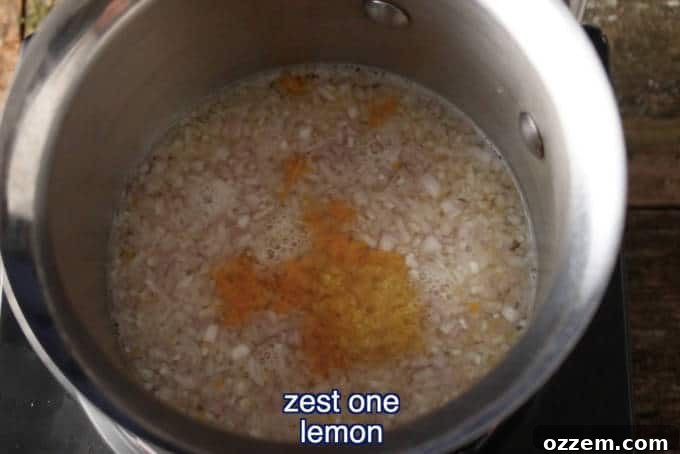
Begin by finely chopping one shallot. The finer the chop, the more flavor it will release and the more smoothly it will integrate into your sauce. In a medium saucepan, combine the finely chopped shallot with the freshly squeezed juice and zest of one orange and one lemon. The zest is crucial here, as it releases potent aromatic oils that infuse the reduction with intense citrus brightness. Pour in your 1/2 cup of dry white wine. Place the saucepan over medium-low heat. It is absolutely vital not to let the mixture come to a rolling boil; you want a gentle simmer. High heat can cause the sugars in the citrus juice to burn and caramelize too quickly, resulting in a bitter flavor and a reduction that’s too thick. Allow this mixture to gently simmer and reduce until the liquid becomes syrupy and the shallots are translucent and tender. This process typically takes about 8-10 minutes, as the alcohol evaporates and the flavors concentrate into a rich, aromatic base. Once the liquid is syrupy, add two cloves of minced garlic. Cook for another 1-2 minutes, stirring constantly, until the garlic becomes fragrant but not browned. This step builds the foundation of your sauce, intensifying the sweet, savory, and tangy notes.
Step 2: Whisk Away for Perfect Emulsification
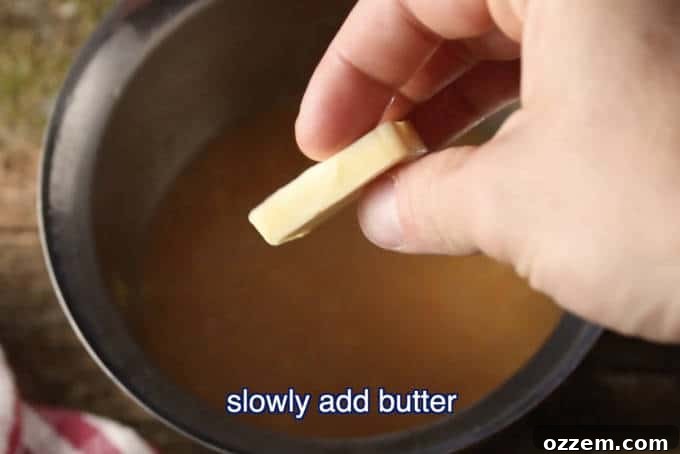
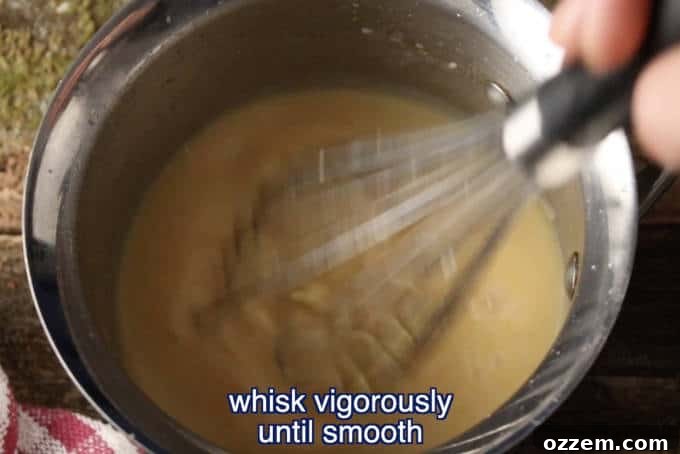
This is the most critical step for achieving a smooth, creamy, and stable Beurre Blanc. Immediately remove the saucepan containing your aromatic reduction from the heat. It’s essential that the reduction is warm, but no longer actively cooking or boiling, as excessive heat is the enemy of emulsification. Have your 1 cup (two sticks) of very cold, unsalted butter ready, cut into small cubes. Slowly, begin adding the cold butter, one tablespoon at a time, into the warm reduction. After each addition of butter, whisk vigorously and continuously. The cold butter helps to cool down the mixture slightly, making it easier for the fats to disperse and create a stable emulsion rather than melting into an oily separation. This gradual incorporation and energetic whisking are what transform the individual components into a cohesive, velvety sauce.
Patience is key during this stage. Do not rush the process by adding too much butter at once, and ensure you whisk thoroughly after each addition until the butter is fully incorporated and the sauce begins to thicken and turn opaque. If at any point the sauce seems to get too cool and the butter isn’t melting, you can briefly place the saucepan back on the lowest possible heat for just a few seconds, whisking constantly, then immediately remove it. The goal is a creamy, luxurious consistency that coats the back of a spoon. Once all the butter is incorporated and the sauce is perfectly smooth and creamy, season it with salt and white pepper to taste. Be sure to taste and adjust the seasoning as needed, as the flavors can be quite concentrated. The result should be a beautifully balanced sauce with vibrant citrus, savory depth, and irresistible richness.
Step 3: Serve and Drizzle Your Orange Lemon Butter Sauce!
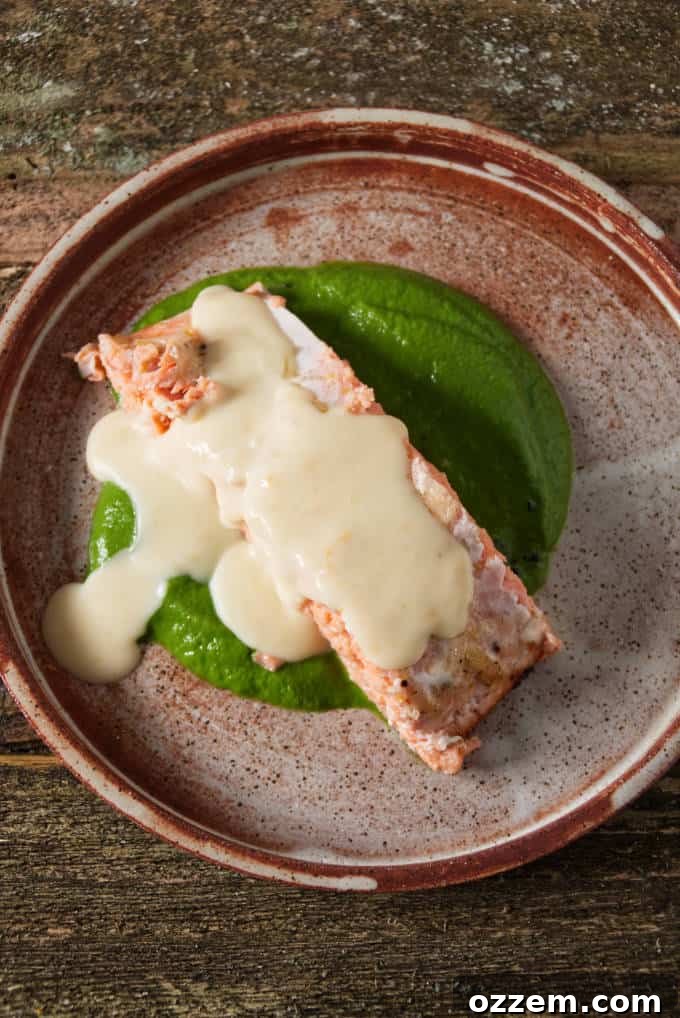
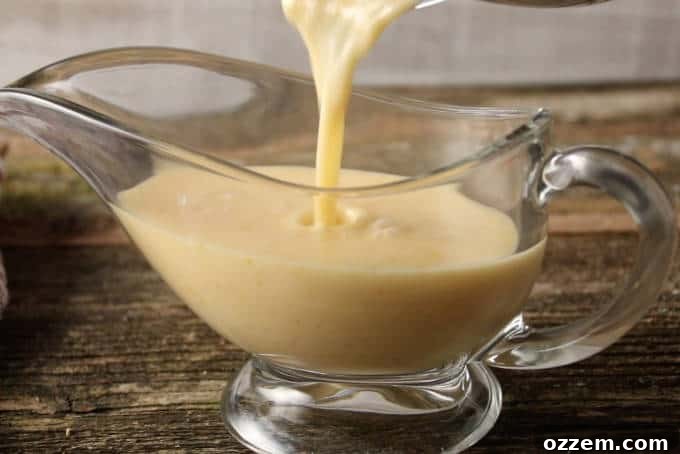
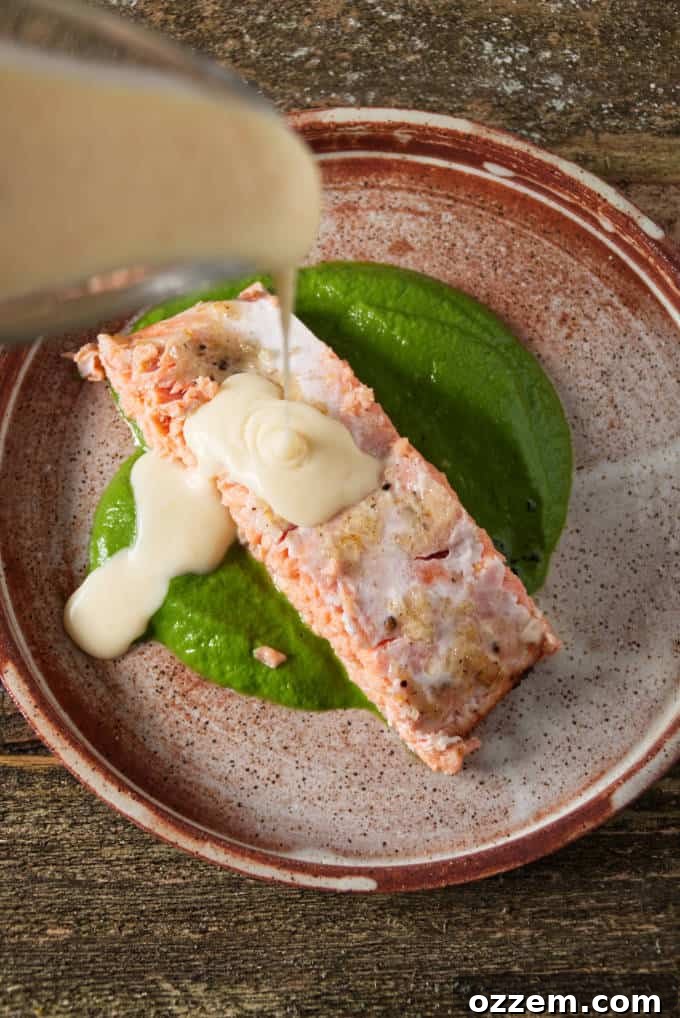
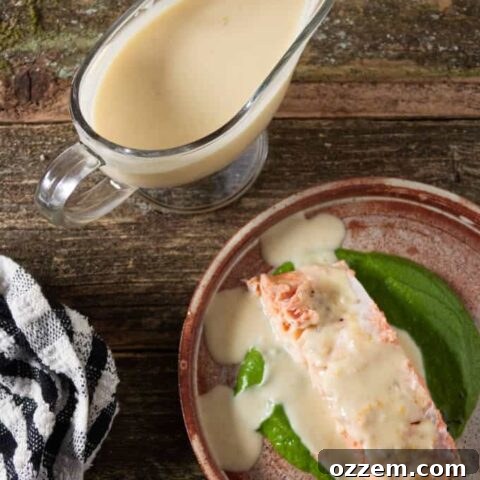
Once your orange lemon butter sauce has achieved that perfect, luxurious texture and you’re delighted with its taste, it’s ready to be served! Transfer the hot, creamy Beurre Blanc into an elegant gravy boat or a small sauce bowl for tableside presentation. Alternatively, you can directly drizzle this golden liquid gold straight onto your culinary creations. Its vibrant flavor and silken consistency make it an ideal finishing touch for pan-seared fish, grilled chicken, steamed vegetables, or even a delightful accompaniment for roasted potatoes. Garnish with a sprinkle of fresh chopped chives or parsley for an extra touch of color and herbaceous freshness, elevating both the visual appeal and the flavor profile.
If you find yourself with any glorious leftovers (though it’s rare!), simply store them in an airtight container in the fridge. As mentioned earlier, the sauce will solidify, transforming into a fantastic compound butter alternative. This makes for a convenient and incredibly flavorful addition to future meals—just scoop a dollop onto hot food and let its deliciousness melt in.
Tip: For an exceptionally smooth Beurre Blanc, free from any shallot pieces or zest, you can easily strain the sauce through a fine-mesh sieve after emulsification. These mesh strainers work wonderfully. To serve with style, this elegant gravy boat is the perfect size for this recipe, ensuring your sauce is presented beautifully.
What Else is Cooking? Perfect Pairings and More Delicious Recipes!
Now that you’ve mastered this incredible Orange Lemon Butter Sauce, you’re probably looking for more ways to enhance your culinary repertoire. Here are some fantastic recipes from A License to Grill that pair perfectly with your Beurre Blanc or simply offer another layer of deliciousness to your menu:
For an effortlessly healthy and quick side dish that beautifully complements virtually any main course, especially fish or chicken, try our recipe for air fryer broccoli with parmesan and lemon. This recipe delivers perfectly tender-crisp broccoli with minimal effort. Take it a step further and drizzle some of your freshly made orange lemon butter sauce over the finished broccoli for an absolutely divine vegetable experience – it’s a game-changer!
And for those colder evenings or when you’re simply craving something hearty and comforting, nothing beats a robust chili. Our smoked brisket chili isn’t just any chili; it’s my absolute favorite way to utilize leftover smoked brisket, often inspiring me to smoke a brisket specifically for this recipe! It’s packed with deep, smoky flavors and a satisfying richness that will warm you from the inside out. Dive into the recipe to uncover the secret ingredient that truly makes this chili a phenomenal hit!
CONNECT WITH A LICENSE TO GRILL!
Be sure to follow us on our social media accounts for more delicious recipes, grilling tips, and culinary inspiration!
Did you make this recipe? Tell us about it in the comments below!
Orange Lemon Butter Sauce (Beurre Blanc)
1 cup
5 minutes
15 minutes
20 minutes
A smooth and creamy orange lemon butter sauce that goes perfectly with seafood and poultry. Like in a typical beurre blanc, a crisp, dry white wine is used as the base of the sauce along with some orange and lemon juice to bring a bright citrus flavor.
Ingredients
- 1 orange
- 1 lemon
- 1/2 cup dry white wine
- 1 shallot (finely chopped, about 1/2 cup)
- 2 cloves of garlic (minced)
- 1 cup cold butter (cubed)
- Salt to taste (about 1/2 tsp)
- White pepper to taste (a pinch)
Instructions
- In a medium saucepan over medium-low heat, add the zest and juice of one lemon and orange, wine, and finely chopped shallots. Do not let the sauce boil, this could cause the sugars to burn. Cook until the liquid reduces and the shallots become translucent, or about 10 minutes.
- Add the minced garlic and cook for another 1-2 minutes, or until fragrant.
- Take the saucepan off the heat and slowly add the butter one cube at a time. Whisk vigorously as the butter melts.
- Add salt and white pepper to taste.
- Optional: strain the sauce. Transfer to a gravy boat or a sauce bowl.
Notes
- Remove the sauce from the heat while adding the butter. If it gets too hot, the sauce will not emulsify properly and it will likely separate.
- Be patient and add the butter slowly while whisking vigorously. This will help to make the emulsification and keep butter from separating in the sauce.
- Optional: strain the sauce to remove the small pieces of zest and shallots which did not reduce completely.
Nutrition Information:
Yield: 10
Serving Size: 1
Amount Per Serving:
Calories: 187Total Fat: 19gSaturated Fat: 12gTrans Fat: 1gUnsaturated Fat: 6gCholesterol: 49mgSodium: 207mgCarbohydrates: 4gFiber: 1gSugar: 2gProtein: 1g
Nutrition information is a guideline only, is calculated automatically by third party software, and absolute accuracy is not guaranteed.
Did you make this recipe?
Please leave a comment on the blog or share a photo on Instagram