
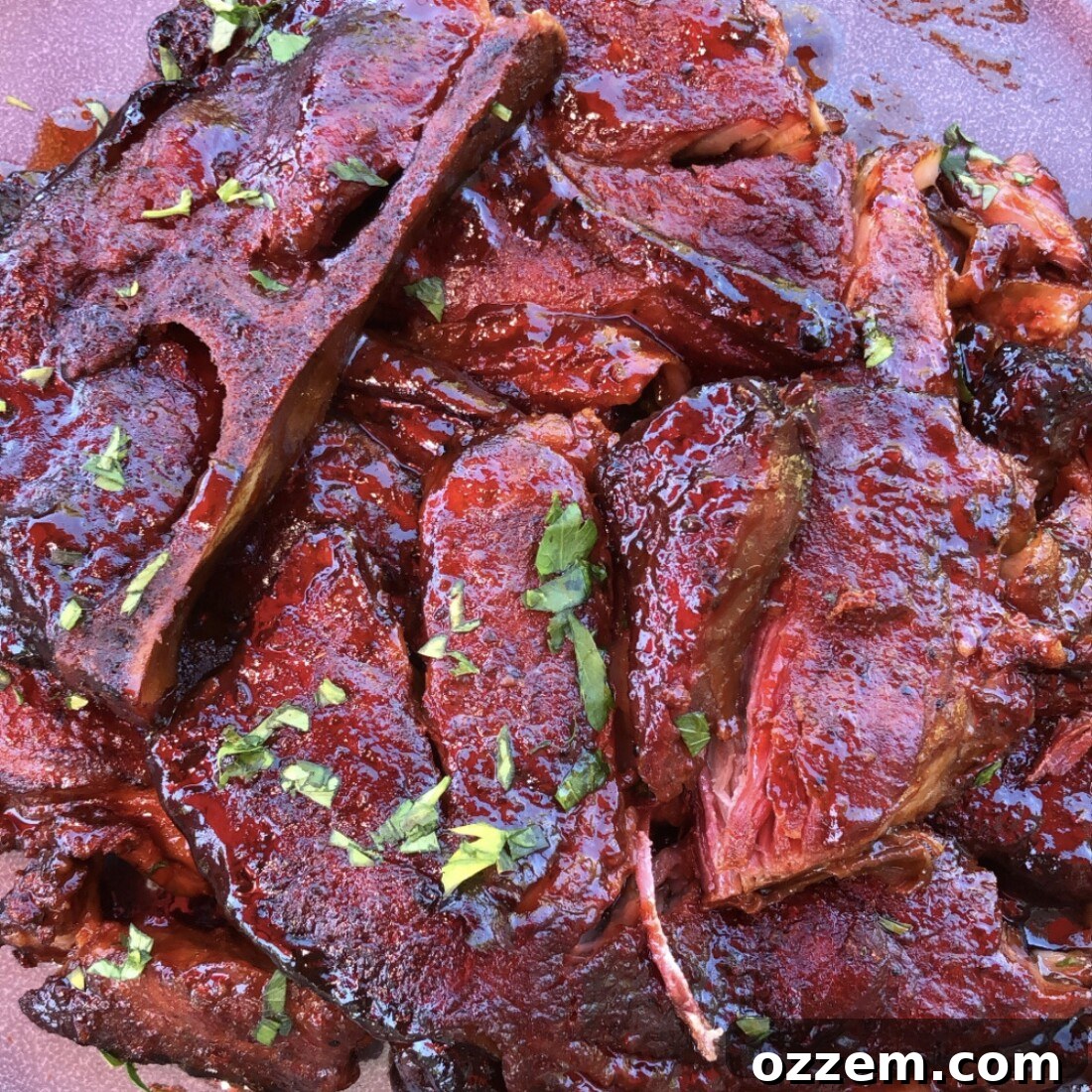
Mastering Slow Smoked Pork Steaks: A BBQ Revelation
Prepare to uncover one of BBQ’s best-kept secrets: the slow smoked pork steak. Often overlooked in favor of ribs or pulled pork, these succulent cuts offer an unparalleled experience. Imagine a perfectly tender, individual-sized portion of smoky pork, infused with a rich BBQ sauce, falling apart with the slightest touch of your fork. That’s the magic of a slow smoked pork steak – a culinary treasure that’s surprisingly easy to achieve in your backyard. Forget complicated techniques; this guide will walk you through creating pork steaks so tender and flavorful, they’ll become a new staple in your smoking repertoire.
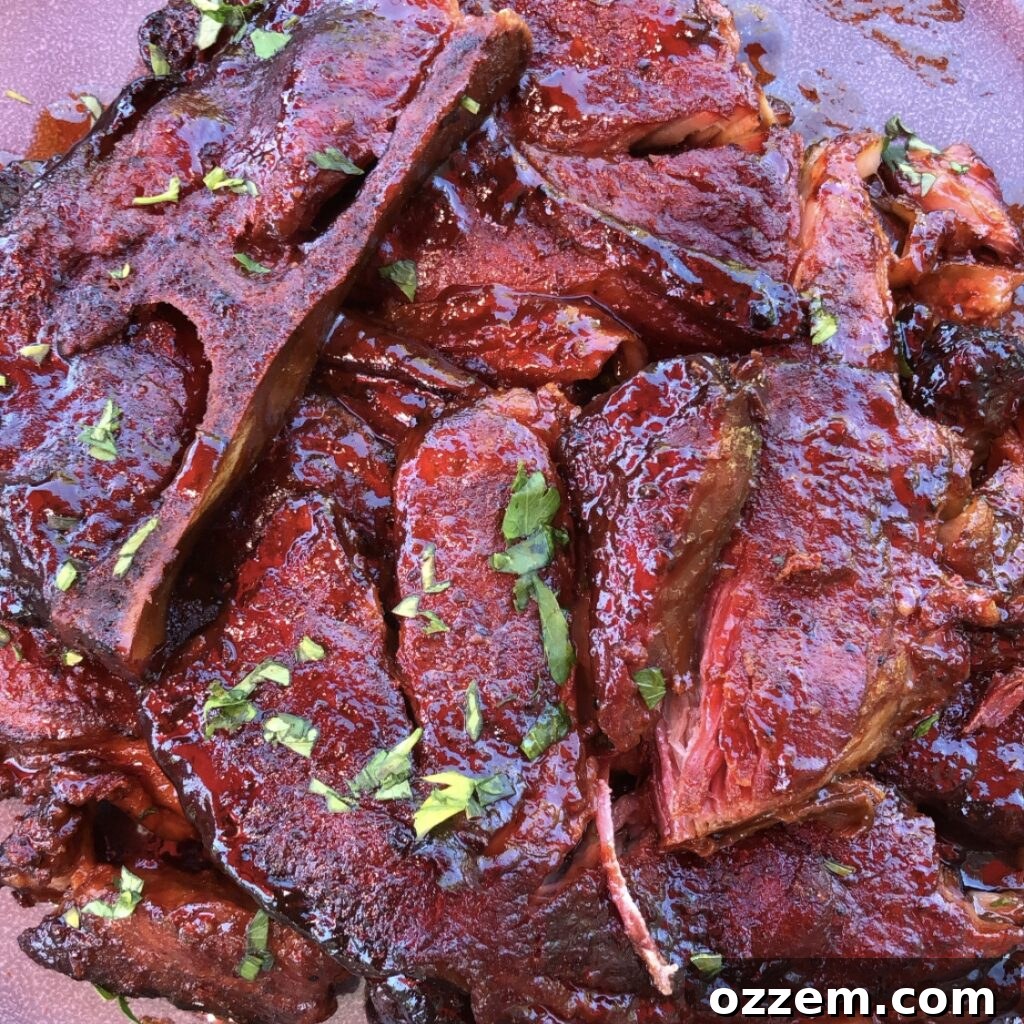
What Exactly Are Pork Steaks? The Cut That Keeps on Giving
At its core, a pork steak is simply a slice of bone-in pork shoulder, often referred to as a Boston butt or picnic shoulder. Unlike a whole pork butt destined for pulled pork, these are custom-cut into individual steak-like portions, typically around 1.5 inches thick. The pork shoulder is a hardworking muscle, rich in intramuscular fat and connective tissue. While this might sound daunting, it’s precisely what makes pork steaks ideal for low-and-slow cooking methods. The long cooking time allows that tough connective tissue to break down into luscious gelatin, transforming what would otherwise be a chewy cut into something incredibly moist and tender. Think of it as a personal, more manageable version of pulled pork, but with the added benefit of a beautiful smoky crust and a delectable sauce finish.
Why Slow Smoking is the Secret to Unforgettable Pork Steaks
The beauty of slow smoking pork steaks lies in the dual-stage cooking process that maximizes both flavor and tenderness. The initial smoke bath infuses the meat with a profound, aromatic smoky flavor, creating a delicious “bark” on the exterior. This first stage develops that signature BBQ taste and visual appeal. The second stage, a tenderizing braise in a foil pan with a sweet and savory liquid, is where the magic truly happens. This moist environment ensures the pork becomes unbelievably tender, essentially melting off the bone, while simultaneously soaking up all the rich flavors of the braising liquid. The combination of smoke and braise results in a pork steak that is incredibly juicy, deeply flavorful, and fall-apart tender – a true testament to the art of low-and-slow BBQ.
Step 1: Preparing Your Pork Steaks for Smoking Perfection
The journey to perfect pork steaks begins with the right cut and simple, yet effective, preparation. The ingredients are minimal, focusing on enhancing the natural flavors of the pork.
Choosing and Cutting Your Pork Steaks
For the best results, start with a high-quality, bone-in pork shoulder. Head to your local butcher and ask them to slice it into steaks approximately 1.5 inches thick. A good butcher will be able to run the bone-in shoulder through a band saw, making quick work of the bone and ensuring uniform slices. This consistent thickness is crucial for even cooking. If a bone-in shoulder is unavailable, you can use a boneless pork shoulder and slice it yourself, though the bone adds extra flavor and moisture during cooking.
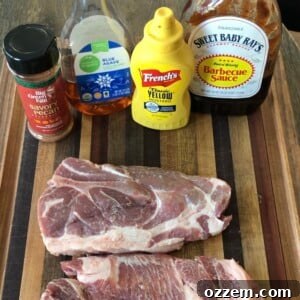
The Essential Binder: Yellow Mustard
Once you have your beautifully cut pork steaks, it’s time to prepare them for seasoning. A thin coating of yellow mustard serves as an excellent binder. Don’t worry about the taste; the mustard flavor completely dissipates during the long cooking process. Its primary role is to create a moist surface for your dry rub to adhere to, ensuring every inch of the steak is coated evenly. Apply a light, even layer to all sides of each pork steak.
Flavor Boost: Your Favorite BBQ Rub
After the mustard, generously apply your favorite BBQ rub to both sides of the pork steaks. This is where you can truly customize the flavor profile. Whether you prefer a sweet and smoky rub, a savory and herbaceous blend, or something with a spicy kick, ensure the steaks are thoroughly coated. Gently pat the rub into the meat to help it stick. Once seasoned, allow the pork steaks to sit at room temperature for about 30-60 minutes while you get your smoker or grill ready. This brief rest helps the rub “set” and allows the meat to start cooking more evenly.
Step 2: The Art of Slow Smoking Your Pork Steaks
The cooking process for slow smoked pork steaks involves two distinct phases: an initial smoke to build flavor and bark, followed by a moist braise to achieve ultimate tenderness. Proper temperature control and understanding of indirect heat are key.
Setting Up Your Smoker or Grill
While I often use my Big Green Egg, these delicious pork steaks can be made on any smoker, charcoal grill, gas grill, or even in an oven (though you’ll miss out on the smoky flavor without a smoker). The crucial element is maintaining a consistent low temperature and utilizing indirect heat. Set your smoker or grill to a target temperature of 250°F (approximately 120°C). If using a charcoal or gas grill, set it up for indirect cooking by placing coals or burners on one side and the meat on the other, or by using a deflector plate.
Phase 1: The Smoke Bath (Building Bark and Flavor)
Once your smoker or grill has reached the desired temperature and is stable, carefully place the seasoned pork steaks on the grates, ensuring they are over indirect heat. Close the lid and let them smoke undisturbed for 2 to 3 hours. During this initial phase, the pork will absorb the rich smoky flavors from your chosen wood (hickory, apple, cherry, or pecan are all excellent choices for pork) and begin to develop a beautiful, dark mahogany-colored bark. Resist the urge to constantly open the lid, as this will cause temperature fluctuations and extend your cooking time. After 2-3 hours, the steaks should have a deep, inviting color, but they won’t be tender yet.
Phase 2: The Braising Breakthrough (Achieving Fork-Tender Perfection)
This is the stage where the pork steaks transform from flavorful cuts into unbelievably tender morsels. Carefully remove the partially smoked pork steaks from the grill and transfer them to a sturdy aluminum foil pan.
Crafting the Braising Liquid:
In the foil pan with the steaks, add the following ingredients. The original prompt mentioned chicken stock in one place and not in the recipe card, but it’s essential for a good braise, so we’ll ensure it’s included:
- 3 tbsp unsalted butter
- 3 tbsp honey or agave syrup
- 3 tbsp brown sugar or sugar in the raw
- 1/2 cup your favorite BBQ sauce
- Approximately 1/2 cup chicken stock (enough to partially submerge the steaks – adjust as needed)
Gently mix these ingredients around the pork steaks in the pan, ensuring they are well coated and nestled in the flavorful liquid. This combination of sweet, savory, and tangy will penetrate the meat, adding incredible depth of flavor.
Tight Seal and Return to Heat:
Cover the foil pan tightly with heavy-duty aluminum foil. The goal is to create a steamy, braising environment that will break down the connective tissues and tenderize the pork. Place the covered pan back on the smoker or grill, maintaining the same indirect heat and a temperature range of 250-275°F (120-135°C). Continue cooking for an additional 2 to 3 hours.
Checking for Doneness: The “Fork Tender” Test
The ultimate sign of a perfectly cooked slow smoked pork steak is its tenderness. After the second cooking phase, begin checking for doneness. Insert a fork into the thickest part of a pork steak and gently twist. If the meat offers no resistance and practically falls apart, it’s done. If you feel any significant resistance, cover the pan tightly and continue cooking for another 30 minutes to an hour, checking periodically. While a meat thermometer can tell you the internal temperature (aim for 200-205°F or 93-96°C for maximum tenderness when connective tissue breaks down), the “fork tender” test is the most reliable indicator for this specific cut and cooking method.
Finishing Touches and Serving Suggestions
Once your pork steaks are gloriously fork-tender, carefully remove the foil pan from the grill. Let the steaks rest in the covered pan for about 10-15 minutes. This allows the juices to redistribute, ensuring maximum moisture. Remove the steaks from the pan and spoon the rich, flavorful juices and sauce that have collected at the bottom over them. This creates an incredible glaze and adds another layer of deliciousness.
These slow smoked pork steaks are a complete meal in themselves, but they pair wonderfully with classic BBQ sides. Think creamy coleslaw, tangy potato salad, grilled corn on the cob, or a comforting bowl of mac and cheese. Their rich flavor and melt-in-your-mouth texture are sure to impress everyone at your table.
Troubleshooting & Tips for Success
- Pork not tender enough? Don’t despair! Tenderness is key. If your pork steaks aren’t falling apart, they simply need more time in the braising liquid. Cover them back up and continue cooking, checking every 30 minutes until they reach desired tenderness.
- Bark getting too dark during phase 1? If you notice the bark is getting too dark before the 2-hour mark, you can slightly reduce the temperature or move the steaks to a cooler part of the indirect cooking zone. Alternatively, you can proceed to the foil pan stage a little earlier.
- Can I use boneless pork shoulder? Yes, you can. Slice it to the same 1.5-inch thickness. The cooking times might be slightly shorter in the second phase, so start checking for tenderness a bit earlier. The bone adds flavor, so bone-in is preferred if available.
- Experiment with rubs and sauces: Don’t be afraid to try different BBQ rubs and sauces to find your favorite combination. This recipe is a fantastic canvas for various flavor profiles.
Embrace the journey of slow smoking these incredible pork steaks. With a little patience and these straightforward steps, you’ll be rewarded with a BBQ dish that’s truly special, deeply satisfying, and will have everyone asking for your secret.
Slow Smoked Pork Steaks
Super simple, fall-apart tender, delicious pork steaks – a true BBQ hidden gem!
Ingredients
- 3 (1.5″ thick) bone-in pork steaks, cut from a pork shoulder
- 3 tbsp Yellow Mustard
- 1/4 cup BBQ Rub (your favorite blend)
- 3 tbsp Unsalted butter
- 3 tbsp Brown sugar OR Sugar in the raw
- 1/2 cup BBQ Sauce (your preferred style)
- 3 tbsp Honey or Agave Syrup
- 1/2 cup Chicken Stock (or more, as needed to partially submerge steaks in foil pan)
Instructions
- Apply a thin, even coat of yellow mustard to all sides of each pork steak.
- Generously season both sides of the pork steaks with your chosen BBQ rub, gently patting it into the meat. Allow to sit at room temperature for 30-60 minutes while preparing the smoker.
- Preheat your smoker or grill to a stable 250°F (120°C), ensuring it is set up for indirect heat. If using wood, add your preferred smoking wood (e.g., hickory, apple, cherry).
- Place the seasoned pork steaks on the grates over indirect heat and smoke for 2 to 3 hours, or until a desirable bark has formed and the color is deep mahogany.
- Carefully remove the partially cooked pork steaks from the smoker and transfer them to a sturdy aluminum foil pan.
- To the foil pan, add the unsalted butter, honey or agave syrup, brown sugar, BBQ sauce, and chicken stock. Mix gently with the pork steaks, ensuring they are coated and partially submerged in the liquid.
- Tightly cover the foil pan with heavy-duty aluminum foil to create a sealed braising environment.
- Return the covered foil pan to the smoker or grill, maintaining the same indirect heat and a temperature range of 250-275°F (120-135°C). Cook for an additional 2 to 3 hours.
- Check for doneness by inserting a fork into a pork steak. It should twist and pull away from the bone with no resistance, indicating it is “fork tender.” If not, continue cooking, checking every 30 minutes.
- Once tender, remove the pan from the grill. Let the steaks rest in the covered pan for 10-15 minutes.
- Remove the pork steaks from the pan, spoon the rich pan juices and sauce over them, and serve immediately. Enjoy your unbelievably tender and flavorful slow smoked pork steaks!
This recipe is proudly brought to you by The National Pork Board, celebrating the versatility and deliciousness of pork.
For more mouth-watering culinary adventures and delicious ideas, be sure to explore our full Recipes page!