
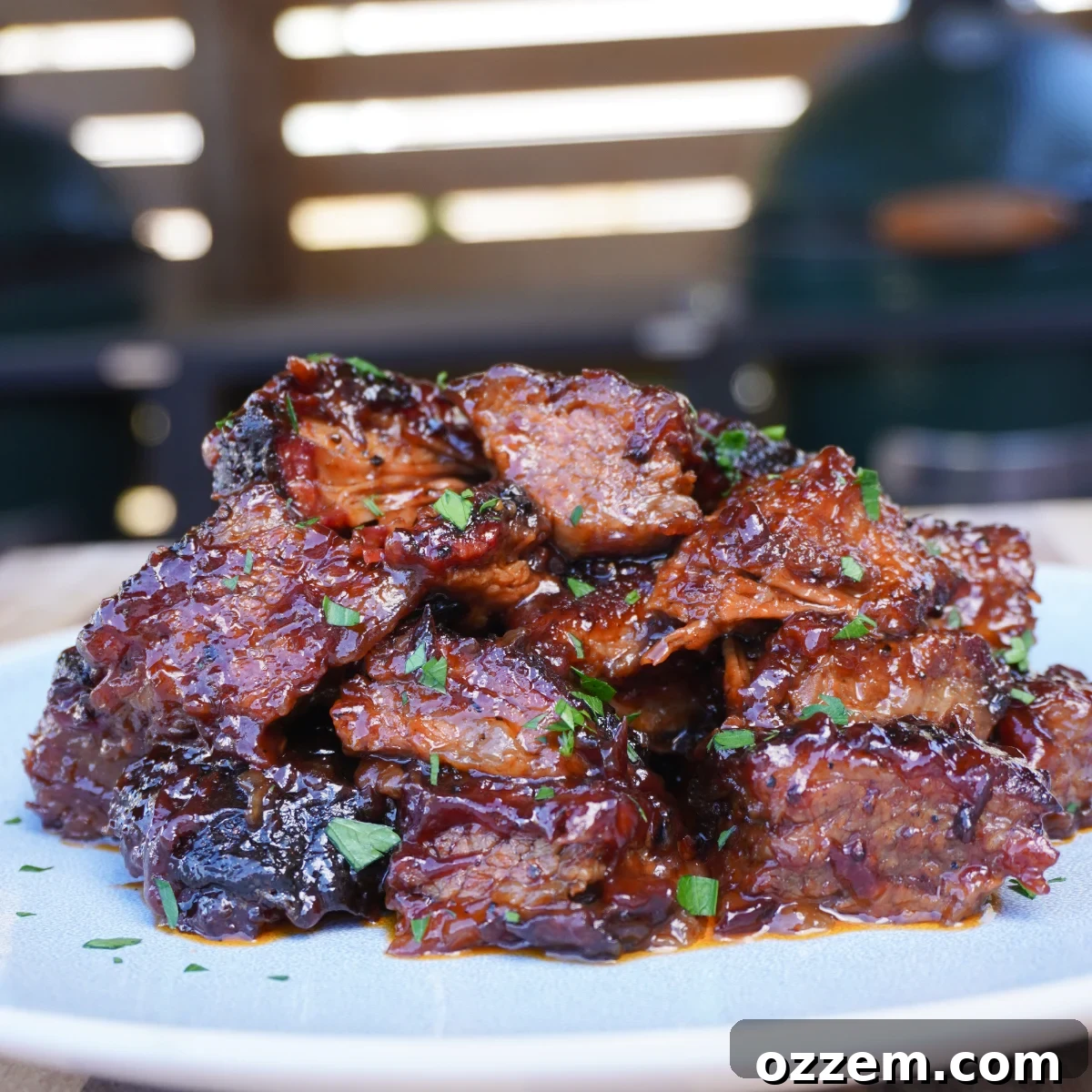
One of the true joys of smoking a large brisket is the abundance of flavorful leftovers. Far from being a mere afterthought, leftover brisket presents a canvas for culinary creativity, allowing you to repurpose this perfectly smoked meat into a myriad of delicious dishes. From hearty stews and robust chilies to comforting soups and mouth-watering sandwiches, the possibilities are endless for enjoying your brisket throughout the week. For this particular recipe, we’re diving into the legendary world of Brisket Burnt Ends – a BBQ delicacy renowned for its irresistible combination of saucy sweetness, melt-in-your-mouth tenderness, and a deeply caramelized crust. These bite-sized cubes of smoky goodness are not only incredibly delicious but also remarkably fast and easy to prepare, making them an outstanding option for any gathering or a special weeknight treat.
Before you can craft these delectable burnt ends, you’ll need a perfectly smoked brisket. If you haven’t mastered the art of brisket smoking yet, or simply want a reliable method, here is my tried-and-true way of smoking a brisket that delivers consistent, succulent results every time. A well-smoked brisket is the foundation for truly exceptional burnt ends, providing that deep, smoky base layer of flavor.
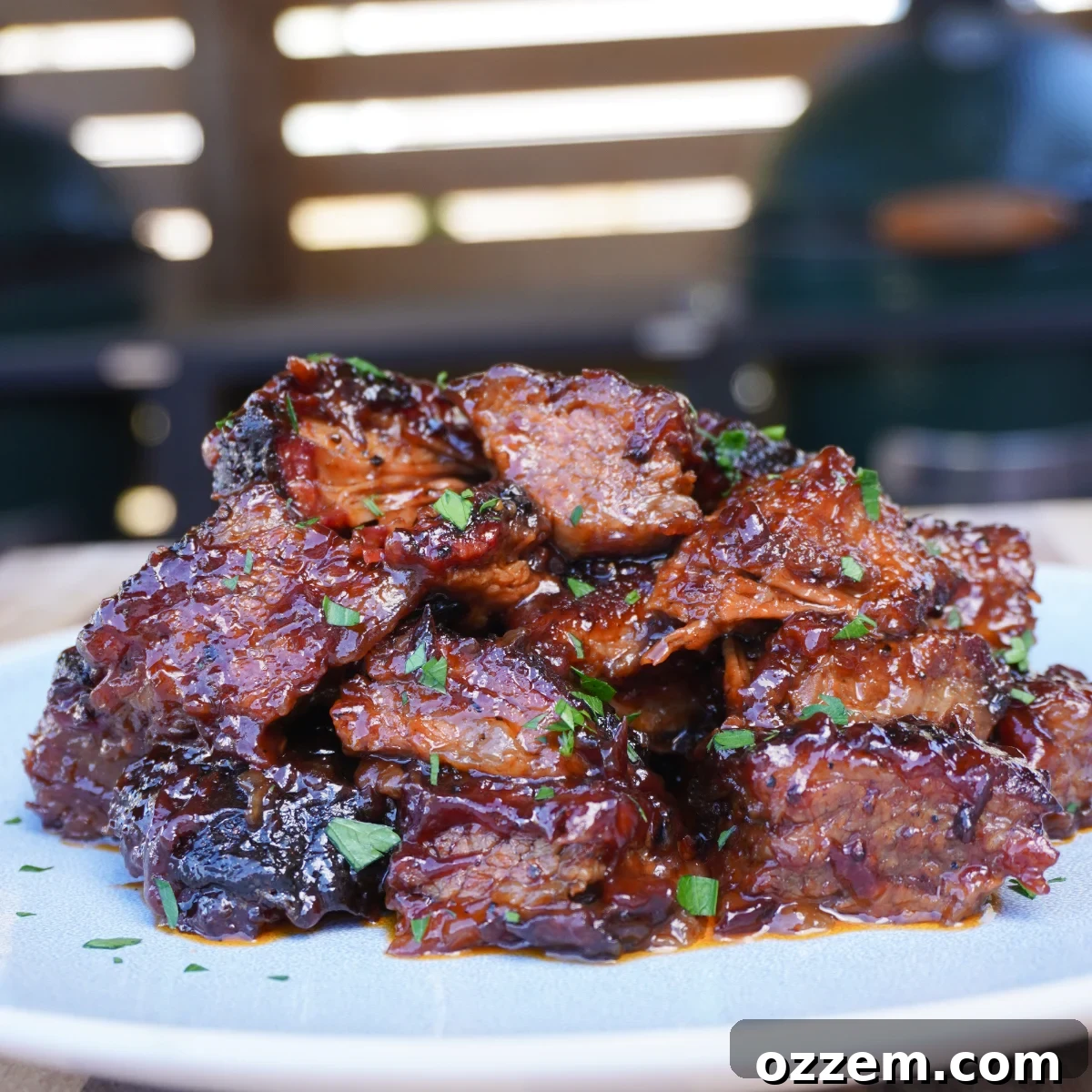
Table of Contents
- What are Brisket Burnt Ends? A BBQ Delicacy Explained
- The Magic of Leftover Brisket for Burnt Ends
- Step 1: Preparing Your Brisket Point for Burnt Ends
- Step 2: Smoking and Caramelizing Your Burnt Ends to Perfection
- Serving Suggestions for Brisket Burnt Ends
- Tips for Perfect Brisket Burnt Ends Every Time
- Frequently Asked Questions: Your Burnt Ends Queries Answered
- More Smoked Beef Recipes You’ll Love
- Brisket Burnt Ends Recipe
What are Brisket Burnt Ends? A BBQ Delicacy Explained
Often hailed as “meat candy” by BBQ aficionados, burnt ends are a highly sought-after delicacy in the world of barbecue. At their core, burnt ends are essentially small, bite-sized cubes of intensely flavored, smoked meat, typically coated in a sticky, sweet, and savory BBQ sauce, then smoked further until they develop a beautiful caramelized crust. While they can be made from various cuts like pork belly or chuck roast, the most traditional and revered burnt ends originate from the humble brisket, specifically the “point” end.
The history of burnt ends is deeply rooted in Kansas City barbecue tradition. Pitmasters would originally trim off the irregular, crispy, and fattier edges of the smoked brisket to square up the main cuts for slicing. These trimmings, initially considered byproducts, were often given away for free to customers or sold at a low price. However, their incredible flavor and texture soon elevated them to superstar status, transforming them from mere trimmings into a celebrated dish in their own right. The low and slow smoking process, followed by a second round of cooking in sauce, works magic, rendering the fat and converting tough collagen into luscious gelatin. This results in an exceptionally rich, tender, and melt-in-your-mouth experience that is truly unforgettable. They are the epitome of indulgent BBQ entertaining food – rich, savory, and perfectly portioned for sharing or enjoying solo.
The Magic of Leftover Brisket for Burnt Ends
While some purists make burnt ends as part of the initial brisket cook, utilizing leftover, already smoked brisket is a fantastic and efficient way to create this dish. The primary advantage is unparalleled convenience; your brisket is already cooked to perfection, saving you many hours of initial smoking time. This makes preparing burnt ends a quick and accessible option, even on a weeknight.
Moreover, using leftover brisket allows for an intense double-smoke flavor. The meat has already absorbed a significant amount of smoky essence during its first long cook, and the subsequent smoking with the sauce further infuses it with smoky, sweet, and savory notes, building layers of complexity. This method also ensures that your brisket point has had ample time to render down and become incredibly tender. When reheating and re-smoking with the sauce, the cubes will soak up all the delicious flavors and the fat will render even more, resulting in a more robust, incredibly tender, and satisfying burnt end. It’s truly a testament to the versatility and enduring appeal of a well-smoked brisket, transforming yesterday’s feast into today’s gourmet delight.
Step 1: Preparing Your Brisket Point for Burnt Ends
To embark on your journey to creating these irresistible brisket burnt ends, you first need a fully cooked and properly rested brisket. My detailed recipe for smoking a whole brisket provides a foolproof method that I’ve refined over many cooks; it consistently yields a tender and juicy result, which is the perfect starting point for magnificent burnt ends. Trust me, after trying numerous techniques, this one has proven to be a winner every single time, setting the stage for phenomenal burnt ends.
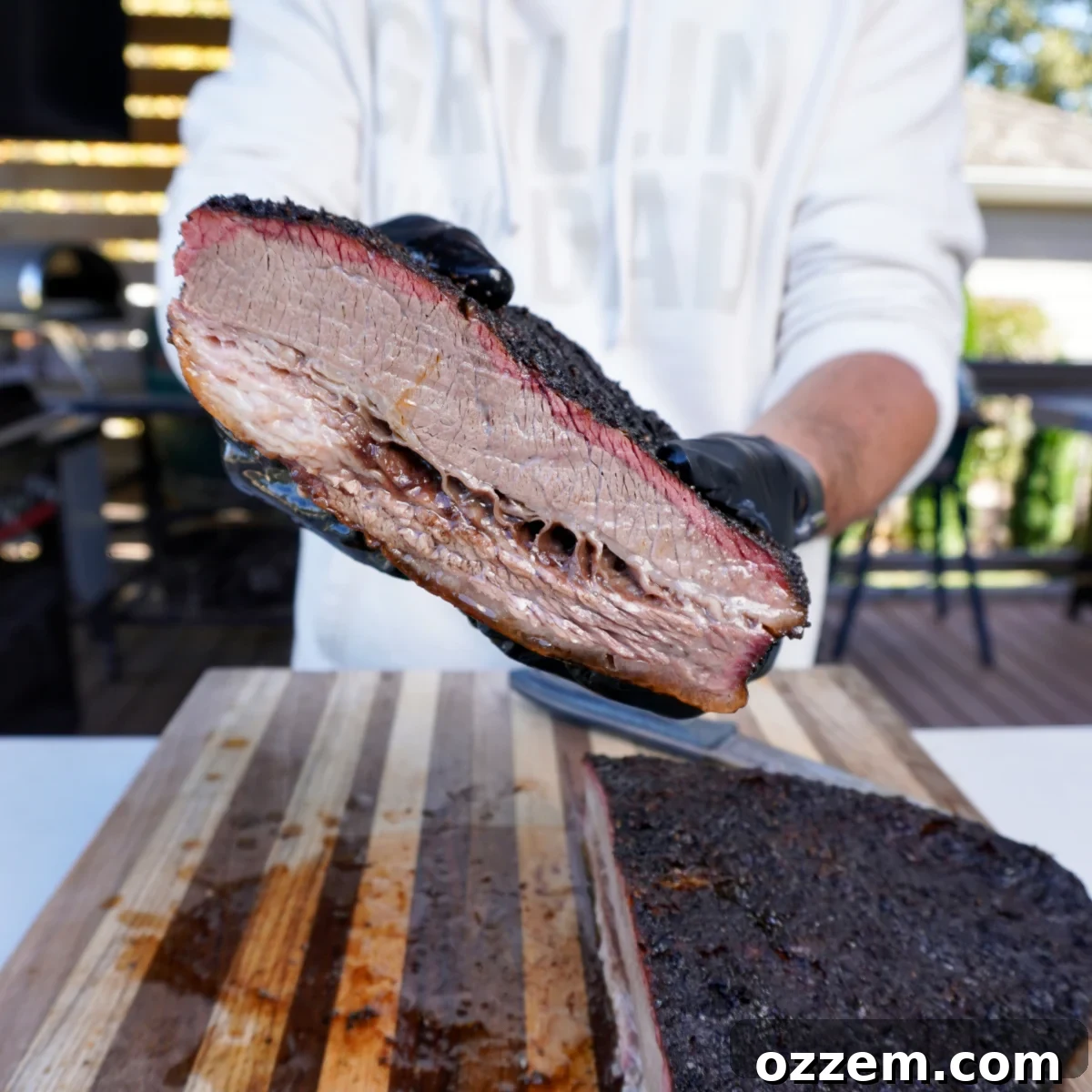
Traditional burnt ends are specifically crafted from the fattier, more marbled section of the brisket, known as the “point.” This cut is ideal because its higher fat content and abundant collagen break down wonderfully during the extended cooking process. The initial low-and-slow smoking method for the entire brisket is crucial here, as it gradually converts that tough collagen and fat into rich, luscious gelatin, imbuing the meat with incredible tenderness and a melt-in-your-mouth quality that defines great barbecue. This rendering process is what gives burnt ends their signature succulence.
Separating the Point from the Flat
Start by carefully separating the point from the flat. The brisket flat is typically leaner and more uniform, often used for sliced brisket sandwiches. In contrast, the point is thicker and has a distinct, often irregular, fat cap and more intramuscular fat marbling. You’ll find a clear layer of fat, often referred to as the “fat seam,” that divides these two sections. Using a sharp, flexible knife, gently follow this fat layer to cleanly separate the point from the flat. Don’t worry if it’s not absolutely perfect; the goal is simply to get the point section isolated from the leaner flat. Precision isn’t as critical as ensuring you get all that rich, fatty point meat.
Trimming and Cubing the Brisket Point
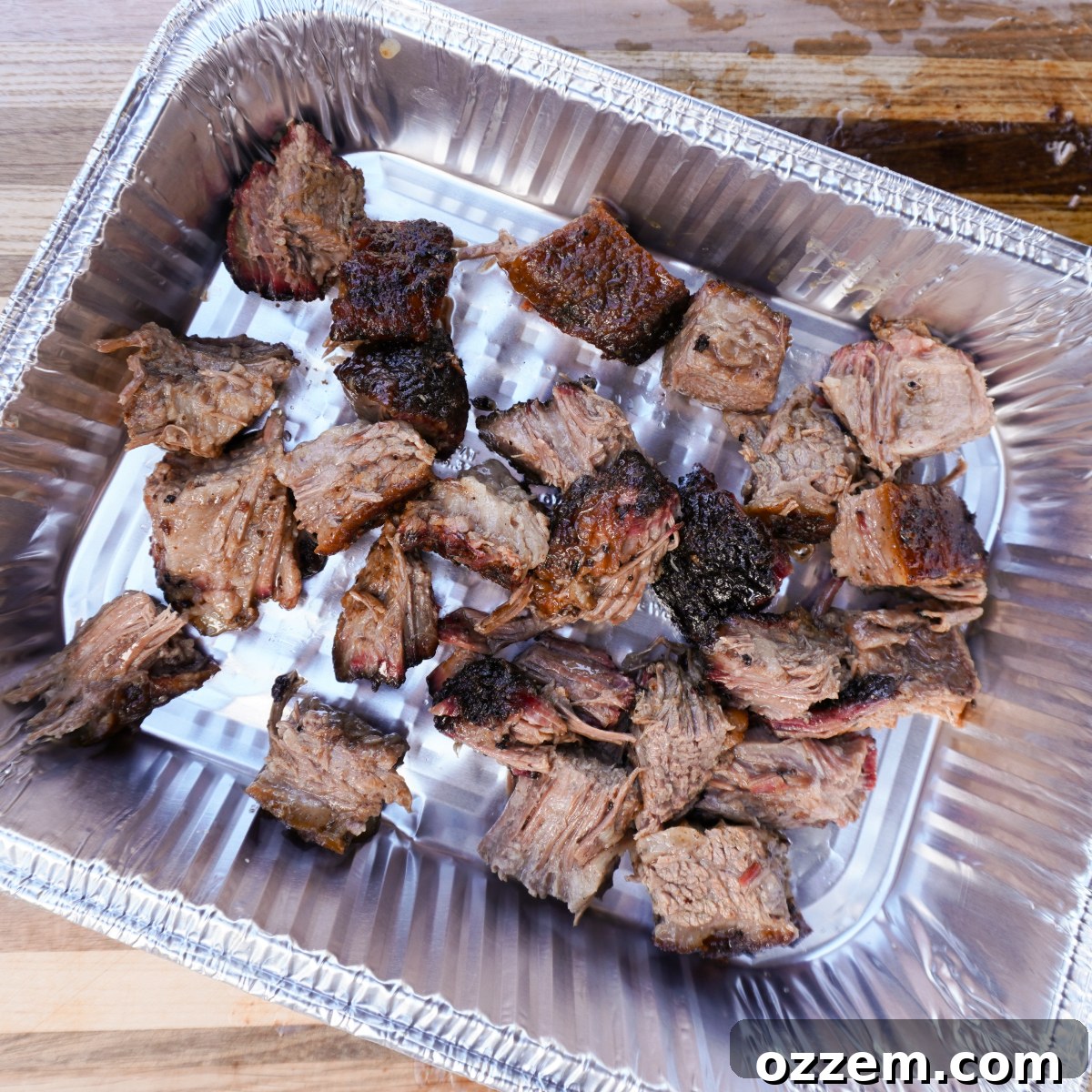
Once you have the brisket point separated, take a moment to trim off any excessively thick or hard pieces of fat that haven’t rendered down properly during the initial smoke. While fat is crucial for moisture and flavor in burnt ends, you want a balanced bite, not overwhelmingly fatty pieces. Aim to leave a thin, even layer of rendered fat where appropriate, as this will continue to contribute to the texture and richness. Next, cube the meat into uniform, bite-sized pieces, roughly 1 to 1.5 inches square. Consistency in size is key for even caramelization and tenderness during the second cook, ensuring every burnt end is equally delicious.
Saucing and Seasoning the Cubes
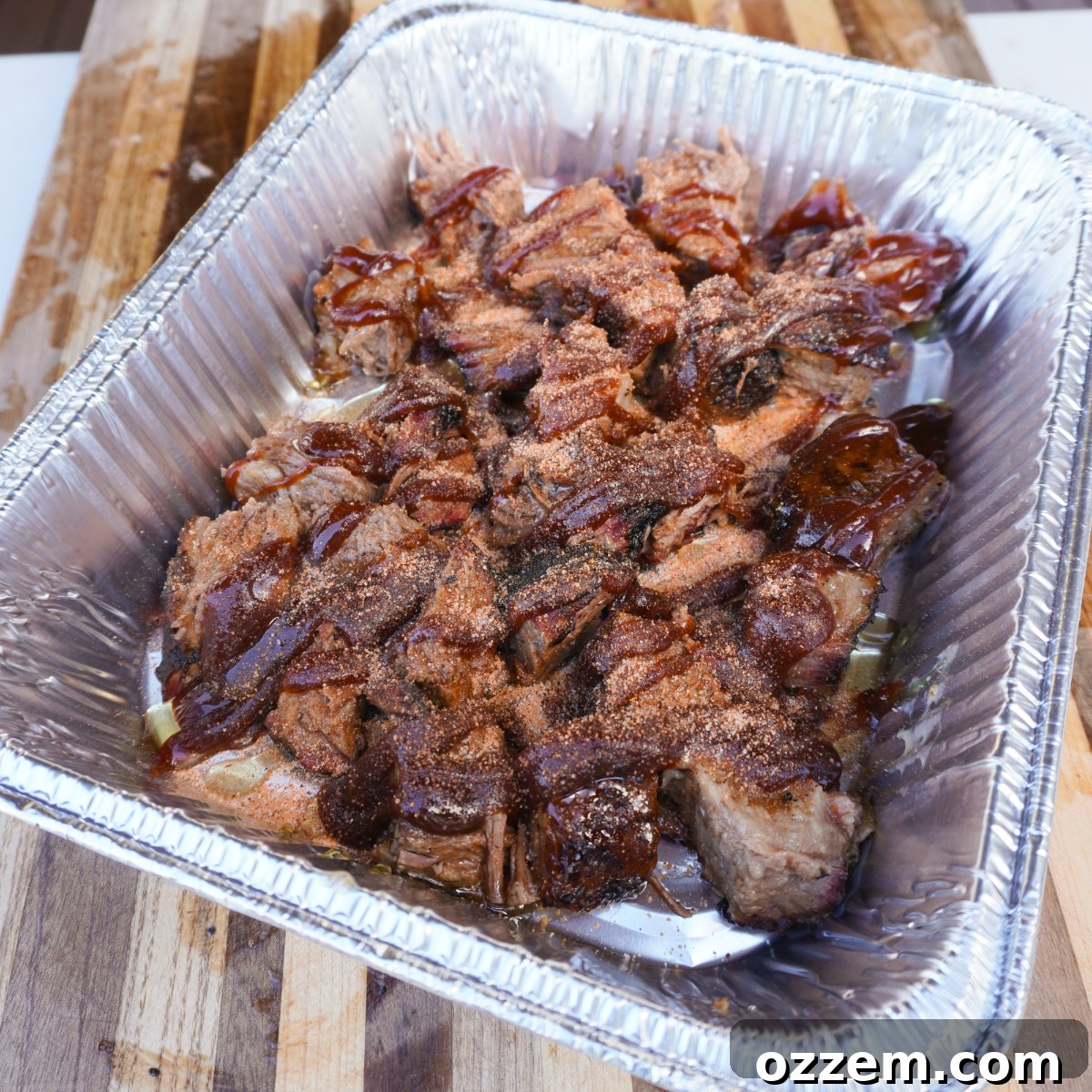
Transfer the cubed brisket pieces into a sturdy foil pan. This pan will be your vessel for the final transformation, allowing the burnt ends to braise in their own juices and sauce. Now comes the flavor infusion! Generously coat the brisket cubes with your choice of BBQ sauce. A classic sweet and smoky sauce works exceptionally well here, but feel free to experiment with tangy, spicy, or mustard-based options to suit your preference. Alongside the BBQ sauce, drizzle in some honey for extra sweetness and that desirable sticky glaze. Finally, sprinkle in a generous amount of your favorite BBQ rub, like Dad’s Sweet BBQ rub, which adds a fantastic layer of savory and aromatic spices. Gently mix all the sauce ingredients with the brisket cubes, ensuring every piece is thoroughly coated. The goal is a rich, even coating that will caramelize beautifully and penetrate the meat, creating an explosion of flavor in every bite.
Step 2: Smoking and Caramelizing Your Burnt Ends to Perfection
With your brisket cubes sauced and seasoned, it’s time for the final stage of their transformation into irresistible burnt ends. This step focuses on developing that signature sticky, sweet, and caramelized exterior while further tenderizing the meat and allowing it to absorb all the wonderful flavors of the sauce.
Setting Up Your Smoker or Grill for Indirect Heat
Preheat your grill or smoker to a low and steady temperature of 275 degrees Fahrenheit (approximately 135 degrees Celsius). It is crucial to set up for indirect heat. This means your heat source should not be directly under the foil pan. If you’re using a dedicated smoker, simply maintain this temperature. If you’re using a charcoal grill, arrange your coals to one side and place the foil pan on the opposite side. For a gas grill, turn on burners on one side to achieve 275°F and place the pan on the unlit side. This indirect heat setup ensures the burnt ends cook gently, allowing the sauce to caramelize slowly without burning the meat, and preventing any flare-ups from dripping fat.
The Second Smoke: Uncovered for Optimal Caramelization
Carefully place the brisket-filled foil pan on the grill grates over indirect heat. This second cook, often referred to as the “burnt end bath,” will typically take between 1 to 1.5 hours. A key aspect of this stage is to leave the pan uncovered. This allows the liquid from the sauce and any rendering fat to evaporate slowly, concentrating the flavors and thickening the sauce. As the moisture evaporates, the natural sugars in the BBQ sauce and honey will begin to caramelize, creating that iconic sticky, slightly chewy, and wonderfully crusted exterior that burnt ends are famous for. This process also allows the smoky flavor to penetrate the sauced cubes. Keep a close eye on them, especially towards the end of the cooking time, to ensure they don’t burn – you’re looking for caramelization, not charring.
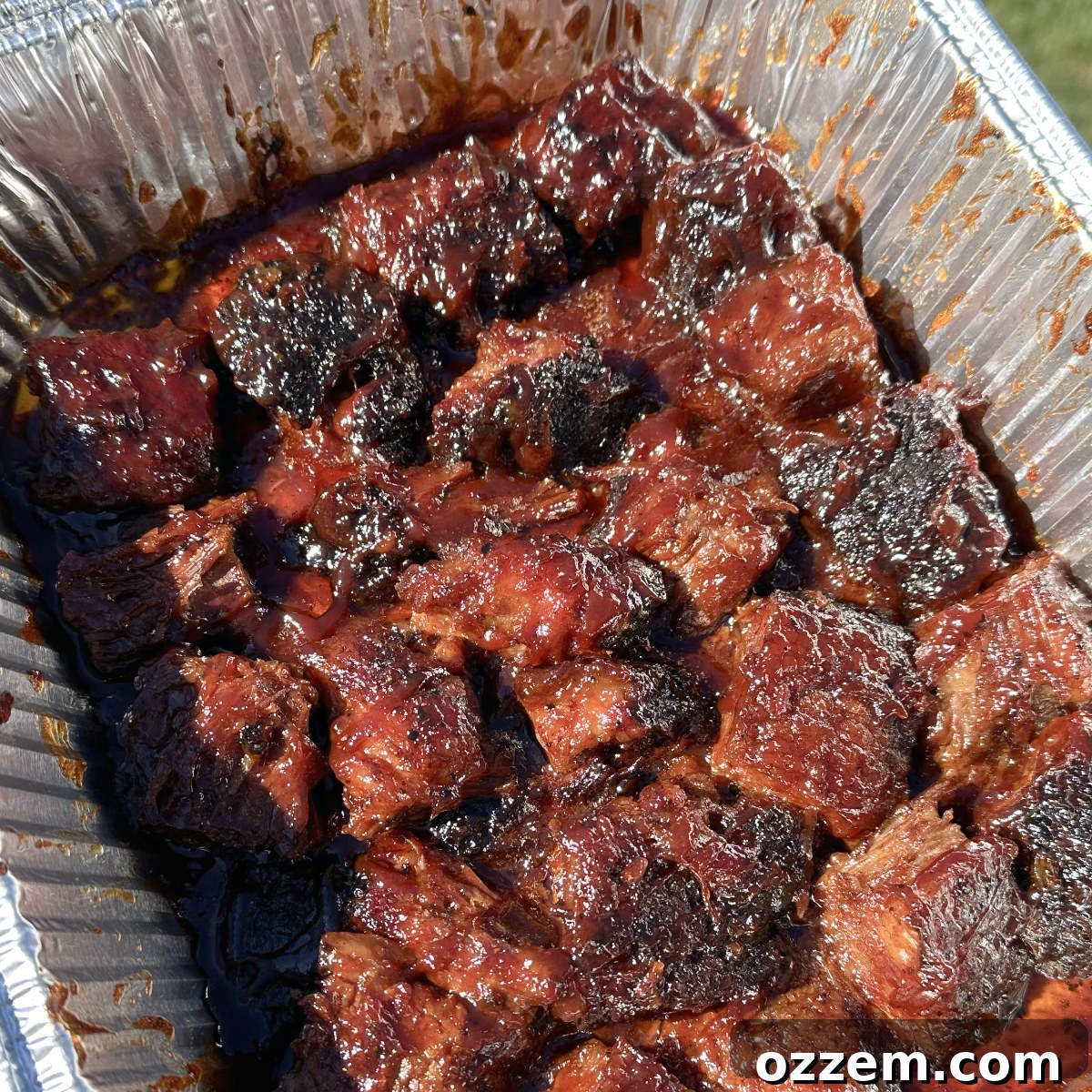
You’ll know they are done when the burnt ends are incredibly soft and tender when gently squeezed with tongs, indicating that the fat has fully rendered and the collagen has broken down. The sauce should have transformed into a thick, glossy, and caramelized glaze that clings beautifully to each cube. The aroma emanating from your smoker or grill will be simply intoxicating, signaling that perfection has been achieved. Each bite should be a harmonious blend of smoky, sweet, and savory, with a texture that truly melts in your mouth.
Resting and Serving Your Masterpiece
Once they’ve achieved that perfect sticky, tender, and caramelized state, carefully remove the foil pan from the grill or smoker. While it’s incredibly tempting to dig in immediately, allowing the brisket burnt ends to rest for a few minutes will help them cool slightly and allow the sauce to set even further, making them easier and more enjoyable to handle. This brief resting period also helps the flavors meld and settle. After a brief rest, these brisket burnt ends will be soft, sticky, and absolute melt-in-your-mouth perfection. Get ready to enjoy one of the best BBQ experiences you can create right in your backyard!
Sign up for our newsletter to get new recipes delivered directly to your inbox every week and easily save your favorites! We promise delicious content, not spam.
Subscribe to our Newsletter
Serving Suggestions for Brisket Burnt Ends
Brisket burnt ends are incredibly versatile and can be enjoyed in a multitude of ways, whether as a standalone appetizer, a hearty main course, or a flavorful addition to other dishes. Here are some popular serving suggestions to make your BBQ experience even more delightful:
- Straight Up: Often, the best way to enjoy burnt ends is right off the smoker, allowing their rich, smoky, and sweet flavor to shine on its own. They’re perfect as an appetizer for a crowd or a satisfying main course for a smaller gathering.
- On a Bun: Pile them high on a soft brioche bun, perhaps with a dollop of creamy coleslaw or some crisp pickle slices, for an incredible, indulgent sandwich experience. The sweetness of the bun complements the savory meat beautifully.
- As a Side Dish: Serve them alongside classic BBQ sides like creamy mac and cheese, savory baked beans, a fresh potato salad, or fluffy cornbread. They elevate any BBQ platter.
- In Tacos or Sliders: Their bite-sized nature makes them ideal for filling street-style tacos with fresh toppings like cilantro, onion, and a squeeze of lime, or for creating savory sliders perfect for a party spread.
- Loaded Fries or Nachos: Elevate your game day snacks by scattering burnt ends over a bed of crispy seasoned fries or crunchy nachos, topped with melted cheese, spicy jalapeños, and a drizzle of cool sour cream.
- Stuffed Baked Potatoes: Spoon them generously into a fluffy baked potato with butter, shredded cheese, and chopped chives for a hearty, comforting, and complete meal.
- Breakfast Hash: Believe it or not, leftover burnt ends can be chopped and added to a breakfast hash with potatoes and eggs for an amazing savory start to your day!
Tips for Perfect Brisket Burnt Ends Every Time
Achieving consistently amazing brisket burnt ends is simple once you know a few key tricks. Here are some essential tips to ensure your burnt ends are always a hit:
- Start with a Great Brisket: This cannot be stressed enough. The quality and tenderness of your burnt ends directly correlates with the quality of your initial smoked brisket. Ensure it’s tender, juicy, and flavorful from the very start.
- Don’t Over-Trim the Fat: While you want to remove any excessive, hard, unrendered fat, leaving some rendered fat on the point is crucial for moisture, flavor, and that rich, unctuous texture that defines burnt ends.
- Uniform Cubes: Cutting the brisket point into roughly equal-sized cubes (1 to 1.5 inches) ensures they cook and caramelize evenly during the second smoke. Irregular sizes can lead to some pieces drying out while others are still developing their crust.
- Don’t Skimp on Sauce and Rub: Be generous with your BBQ sauce and rub. They are essential for building layers of flavor, creating that desirable sticky crust, and keeping the meat moist. The more surface area coated, the better the caramelization.
- Monitor Temperature Strictly: Maintain a consistent 275°F (135°C) for the second smoke. Too high, and the sauce might burn before the meat can fully tenderize and caramelize. Too low, and you won’t get enough evaporation and caramelization, resulting in less sticky burnt ends.
- Leave the Pan Uncovered: This is a critical step. It’s imperative to leave the foil pan uncovered during the second smoke to allow moisture to evaporate and the sugars in the sauce to thicken and caramelize properly. Covering it would steam the meat and prevent the desired crust from forming.
- Taste and Adjust: Don’t be afraid to taste a small piece of your sauced brisket before it goes back on the smoker. Feel free to adjust the amount of honey for sweetness or add a splash of apple cider vinegar if you want to balance the sweetness with a bit of tang.
- Consider Wood Choice: If using a smoker, the type of wood you choose for your initial brisket smoke will carry through to the burnt ends. Oak, hickory, and pecan are classic choices that pair wonderfully with beef.
Frequently Asked Questions: Your Brisket Burnt Ends Queries Answered
Absolutely! While smoking adds an undeniable depth of flavor, you can certainly replicate this recipe in your oven. For the oven method, simply preheat your oven to 275°F (135°C) and follow the same steps, placing the uncovered foil pan directly on the oven rack. You might want to add a small amount of liquid smoke to your BBQ sauce or rub for a hint of smoky flavor if desired, but this is optional. The key is to use low, indirect heat to allow the sauce to caramelize slowly without burning, mimicking the smoker environment.
While traditional burnt ends are made from the fattier brisket point due to its superior marbling and collagen content, you can use brisket flat. However, since the flat is leaner, your burnt ends might be less moist and tender. To compensate, ensure your flat is already very tender from its initial smoke, and consider adding a little extra butter or beef broth to the foil pan during the second cook to keep it from drying out. You might also want to cube the flat pieces slightly larger to retain more moisture.
Leftover brisket burnt ends can be stored in an airtight container in the refrigerator for 3-4 days. They also freeze exceptionally well, retaining much of their flavor and texture. To freeze, spread them in a single layer on a baking sheet to flash freeze for an hour or two (this prevents them from sticking together), then transfer to a freezer-safe bag or container. They can be frozen for up to 3 months. Thaw in the refrigerator overnight before reheating for best results.
To reheat, place them in a foil pan or oven-safe dish, adding a splash of beef broth or a bit more BBQ sauce to prevent drying and refresh the glaze. Cover the pan tightly with foil and reheat in an oven preheated to 275-300°F (135-150°C) until warmed through, usually 20-30 minutes. You can also briefly warm them on a grill or in a skillet over low heat, stirring occasionally, but be careful not to dry them out.
Absolutely! Making your own rub and sauce allows for ultimate customization and can be a very rewarding experience. A basic BBQ rub typically includes salt, freshly ground black pepper, paprika (smoked paprika for extra flavor), garlic powder, onion powder, and a touch of brown sugar. For sauce, a simple base often includes ketchup, apple cider vinegar, brown sugar, Worcestershire sauce, and various spices like chili powder, mustard powder, and a dash of hot sauce. Experiment with different ratios and ingredients to find your perfect flavor profile!
More Smoked Beef Recipes You’ll Love
If you’re a fan of succulent smoked beef, explore some of our other top-rated recipes designed to elevate your BBQ game. From hearty casseroles to tender ribs, there’s something here for every beef enthusiast looking to master their smoker or grill.
Beef
Smoked Chili Hot Dog
Beef
Cornbread Cowboy Casserole
Beef
Chuck Roast Burnt Ends
Beef
Smoked Short Ribs
If you tried these Brisket Burnt Ends or any other recipe on my blog, please leave a 🌟 star rating and let me know how it went in the📝 comments. I love hearing from you and seeing your creations!
Pin
Brisket Burnt Ends
Maciek Zurawski
15 minutes
1 hour
4
People
Ingredients
-
3 lbs Cooked Brisket point -
1/2 cup BBQ sauce (your favorite sweet & smoky) -
1/4 cup Honey -
2 tbsp Dad’s Sweet BBQ Rub (or your preferred beef rub for a smoky-sweet flavor)
Instructions
-
Ensure your brisket is fully cooked and rested. Carefully separate the point from the flat by cutting along the natural fat layer that divides the two sections.
-
Trim off any excessive, unrendered fat from the brisket point. Cut the point into uniform bite-sized cubes, approximately 1 to 1.5 inches in size.
-
Place the cubed brisket into a sturdy foil pan. Add the BBQ sauce, honey, and Dad’s Sweet BBQ Rub. Gently toss and mix all the ingredients until every brisket cube is thoroughly coated.
-
Preheat your grill or smoker to a consistent low temperature of 275°F (135°C). Set up for indirect heat, ensuring the foil pan will not be directly over the heat source.
-
Place the uncovered foil pan with the brisket cubes on the grill grates over indirect heat. Smoke for 1 to 1.5 hours. It is crucial NOT to cover the pan during this stage, as this allows the liquid to reduce and the sauce to thicken and caramelize, forming a delicious sticky crust.
-
The burnt ends are ready when the sauce has caramelized into a thick, glossy glaze, and the meat is incredibly tender to the touch. Remove the foil pan from the grill or smoker, let them cool slightly for a few minutes, and then serve immediately. Enjoy your perfectly sticky, sweet, and smoky Brisket Burnt Ends!
Nutrition
Carbohydrates: 32g |
Protein: 71g |
Fat: 25g |
Saturated Fat: 9g |
Polyunsaturated Fat: 1g |
Monounsaturated Fat: 12g |
Cholesterol: 211mg |
Sodium: 638mg |
Potassium: 1217mg |
Fiber: 0.4g |
Sugar: 29g |
Vitamin A: 80IU |
Vitamin C: 0.3mg |
Calcium: 30mg |
Iron: 7mg
Like this recipe? Rate and comment below!