
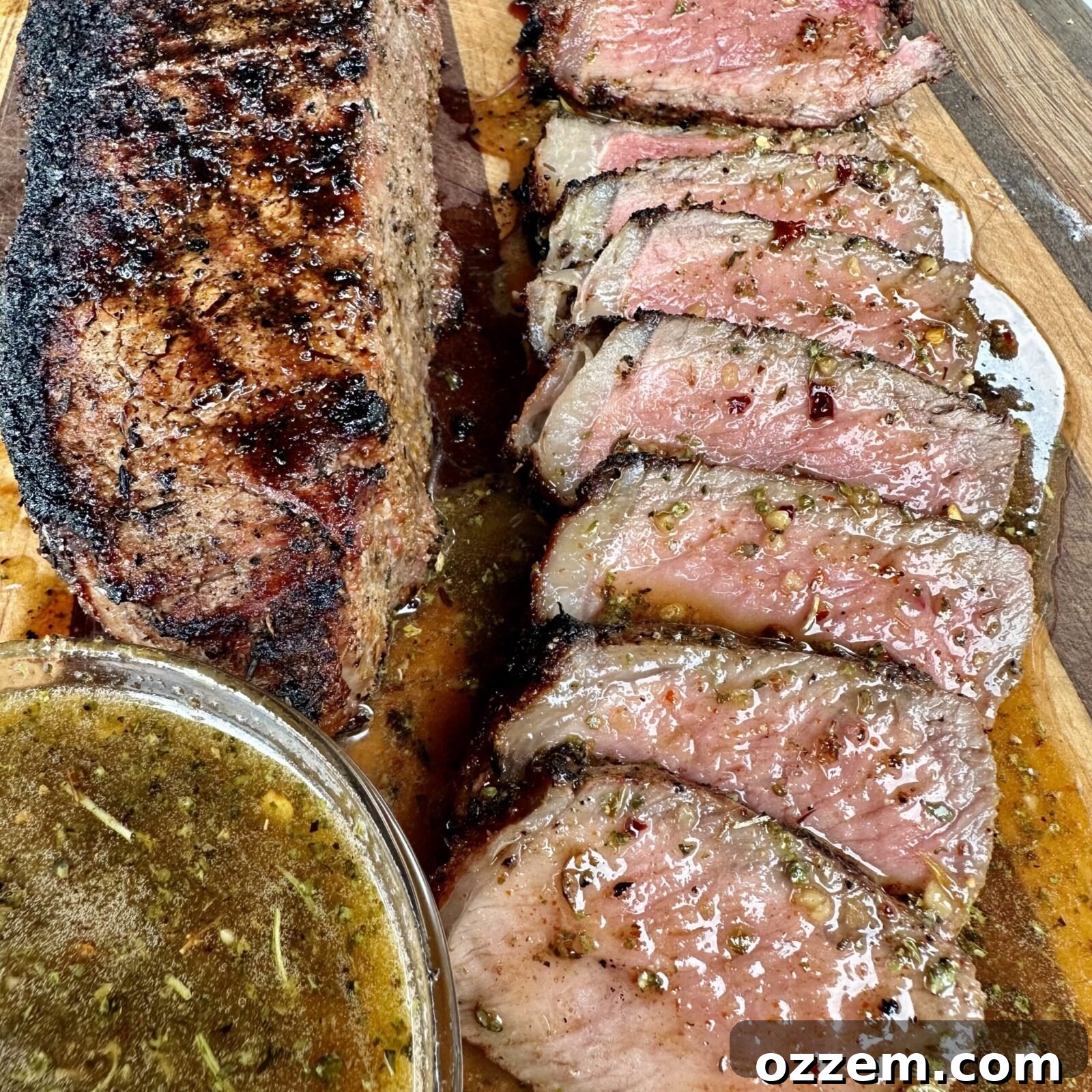
Prepare to transform your steak experience with a sauce that is nothing short of legendary. This Cajun Honey Butter Steak recipe delivers an unparalleled blend of rich, savory flavors, infused with a just-right amount of heat that tantalizes your taste buds without overpowering the magnificent beefy essence. Forget bland steaks; this recipe guarantees a succulent, flavorful masterpiece every time, making it a staple for any grilling enthusiast.
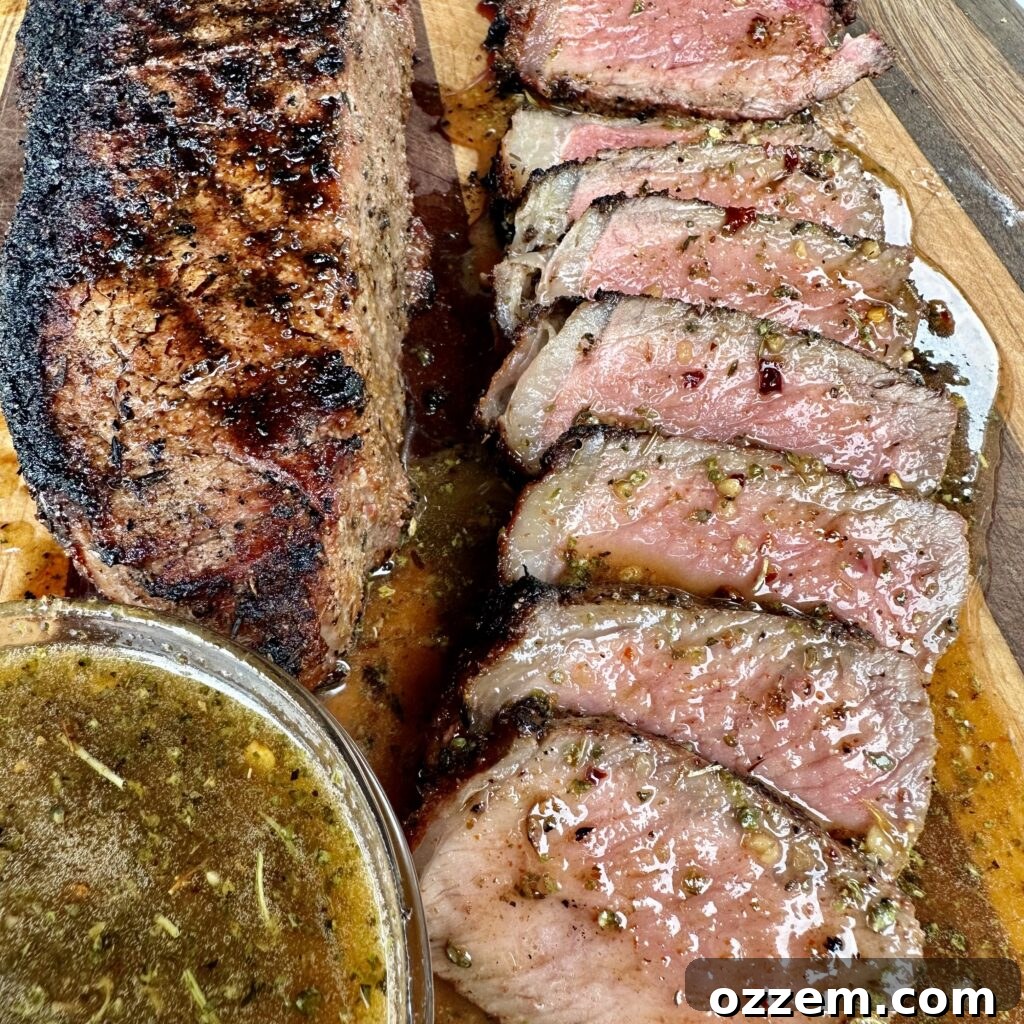
Table of Contents
- The Secret to Extraordinary Steak: Cajun Honey Butter
- Step 1: Selecting and Preparing Your Steak
- Step 2: Mastering the Grill: Hot and Fast Perfection
- Pro Grilling Tips for a Flawless Steak
- Step 3: The Crucial Rest
- Step 4: Crafting the Irresistible Cajun Honey Butter Sauce
- Frequently Asked Questions
- Similar Steak Recipe Inspirations
- Cajun Honey Butter Steak: Full Recipe
The Secret to Extraordinary Steak: Cajun Honey Butter
Steak is more than just a meal; it’s an experience. And with the right techniques and an exceptional sauce, you can elevate that experience to gourmet levels right in your backyard. This guide focuses on achieving steak perfection, not just through expert grilling, but by introducing a game-changing Cajun Honey Butter sauce. This unique sauce strikes an exquisite balance between the sweetness of honey and the robust, fiery kick of Cajun spices, all mellowed by rich, savory butter. It caramelizes beautifully on the hot steak, creating a sticky, glaze-like texture that locks in moisture and amplifies every bite. Whether you’re a seasoned pitmaster or a weekend warrior, this recipe will equip you with the knowledge to grill a steak that consistently impresses.
We’ll walk you through everything from selecting the best cuts to mastering the grill and, of course, whipping up that show-stopping sauce. Get ready to discover your new favorite steak recipe!
Step 1: Selecting and Preparing Your Steak
The journey to a perfect steak begins long before it hits the grill. It starts at the butcher shop or grocery store. Making informed choices here will significantly impact the final tenderness, juiciness, and flavor of your meal.
Choosing the Right Cut
When selecting steaks for grilling, especially with the “hot and fast” method we’ll employ, **thicker cuts** are always preferable. A steak that is at least 1 to 1.5 inches thick is more forgiving, allowing for a beautiful sear on the outside without overcooking the interior. Thinner steaks cook too quickly, making it difficult to achieve a proper crust and a desirable doneness.
For this recipe, popular choices like a **New York Strip** (as used here), Ribeye, or Sirloin are excellent. Each offers a unique profile:
- New York Strip: Known for its fine texture, distinct beefy flavor, and a satisfying fat cap along one edge.
- Ribeye: Famous for its generous marbling throughout, which renders down during cooking, imparting incredible juiciness and rich flavor. It’s often considered the most flavorful cut.
- Sirloin: A leaner option, still flavorful and tender, especially the top sirloin. Great for those who prefer less fat.
- Filet Mignon: The most tender cut, though typically leaner and with a milder flavor.
Regardless of the cut, always look for **nice marbling**. Marbling refers to the fine streaks of fat interspersed within the muscle tissue. This intramuscular fat is key to a tender, juicy, and flavorful steak. As the steak cooks, the marbling melts, basting the meat from within and contributing to that melt-in-your-mouth texture.
Bringing to Room Temperature and Seasoning
Once you’ve chosen your magnificent cut, the next critical step is to bring the steak to **room temperature** before grilling. This is not just a suggestion; it’s a fundamental principle for even cooking. A cold steak hitting a hot grill will cook unevenly, resulting in a well-done exterior and a cold, undercooked center. Depending on the thickness, allow your steak to sit out of the refrigerator for 30 minutes to an hour.
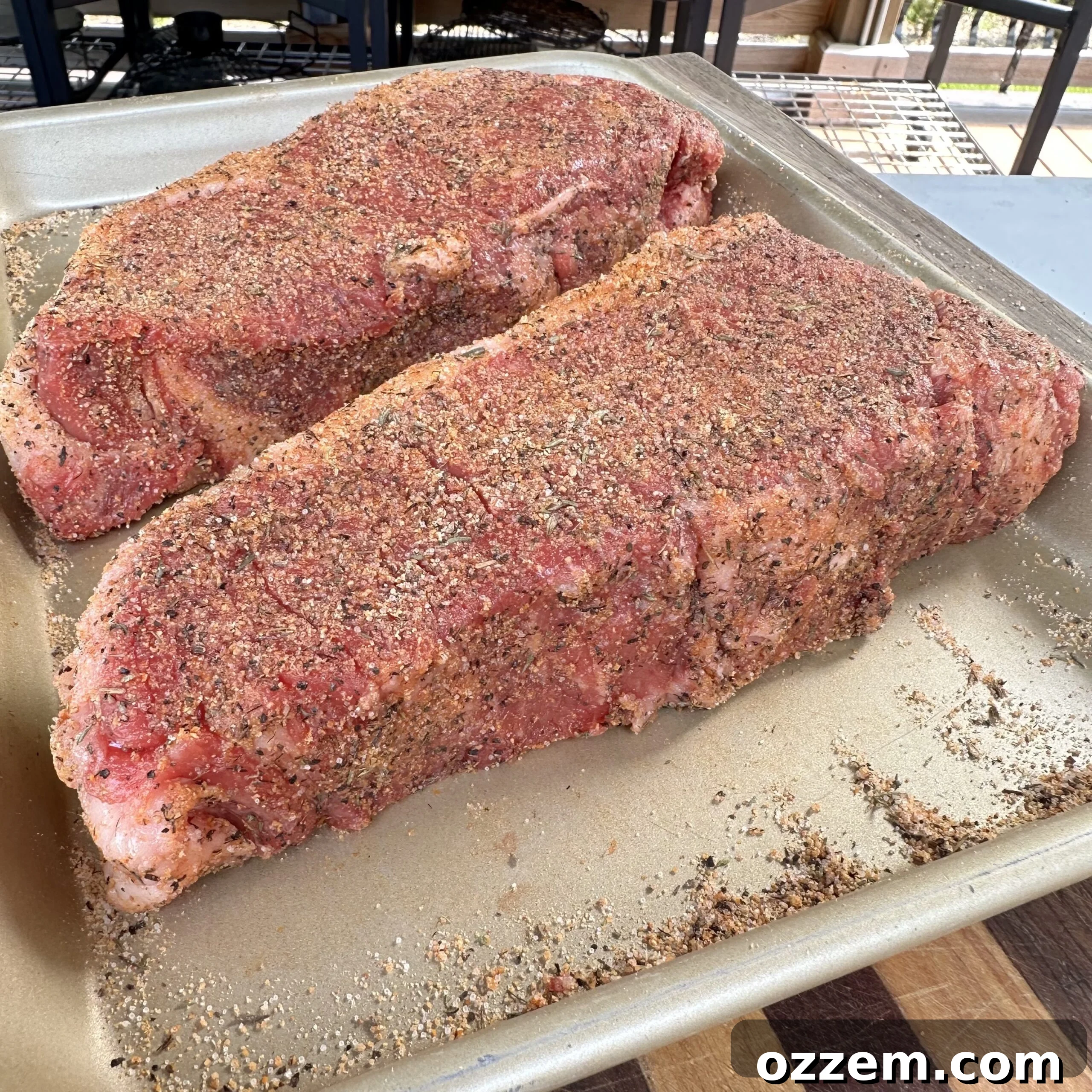
While the steak is coming to temperature, it’s time for **generous seasoning**. Don’t be shy! For maximum flavor penetration and crust development, season all sides liberally. A basic seasoning of coarse salt and freshly ground black pepper is always a fantastic starting point. The salt will begin a process called osmosis, drawing moisture to the surface of the meat. After about 15-20 minutes, this moisture will reabsorb, carrying the salt deeper into the steak, resulting in a more flavorful and tender bite. This “sweating” process is essential for a truly savory steak.
For this recipe, incorporating a well-balanced steak seasoning adds another layer of complexity. I highly recommend using Dad’s Steak Seasoning. It features a perfect blend of salt, pepper, and garlic, along with subtle buttery and rosemary notes that mimic a beautifully basted steak. If you opt for a different seasoning, ensure it complements the robust flavors of the Cajun Honey Butter sauce.
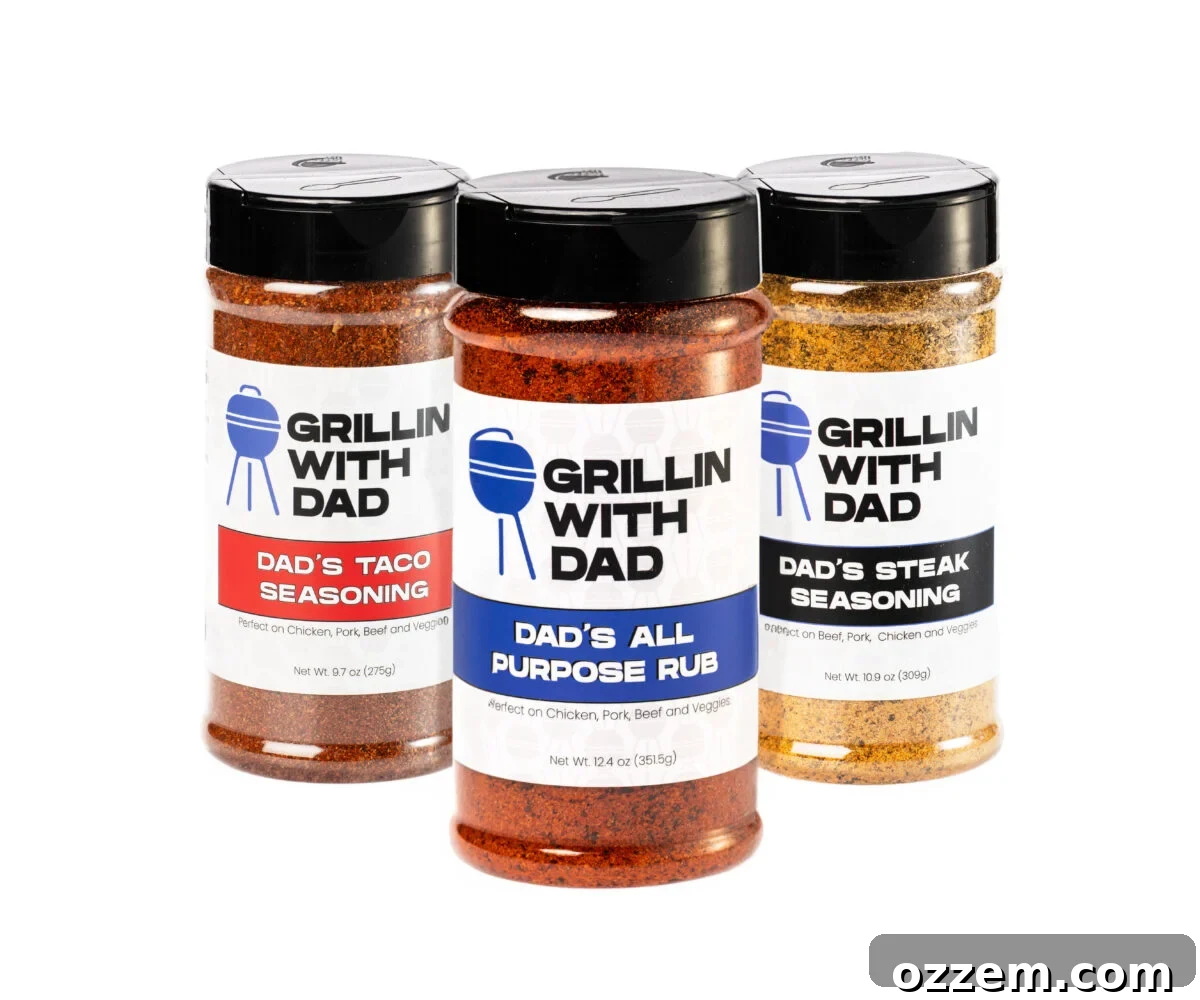
Elevate Your Grill Game with Dad’s Seasonings
Discover the secret to unforgettable flavor. Our seasonings are a must-have for any grilling enthusiast!
Step 2: Mastering the Grill: Hot and Fast Perfection
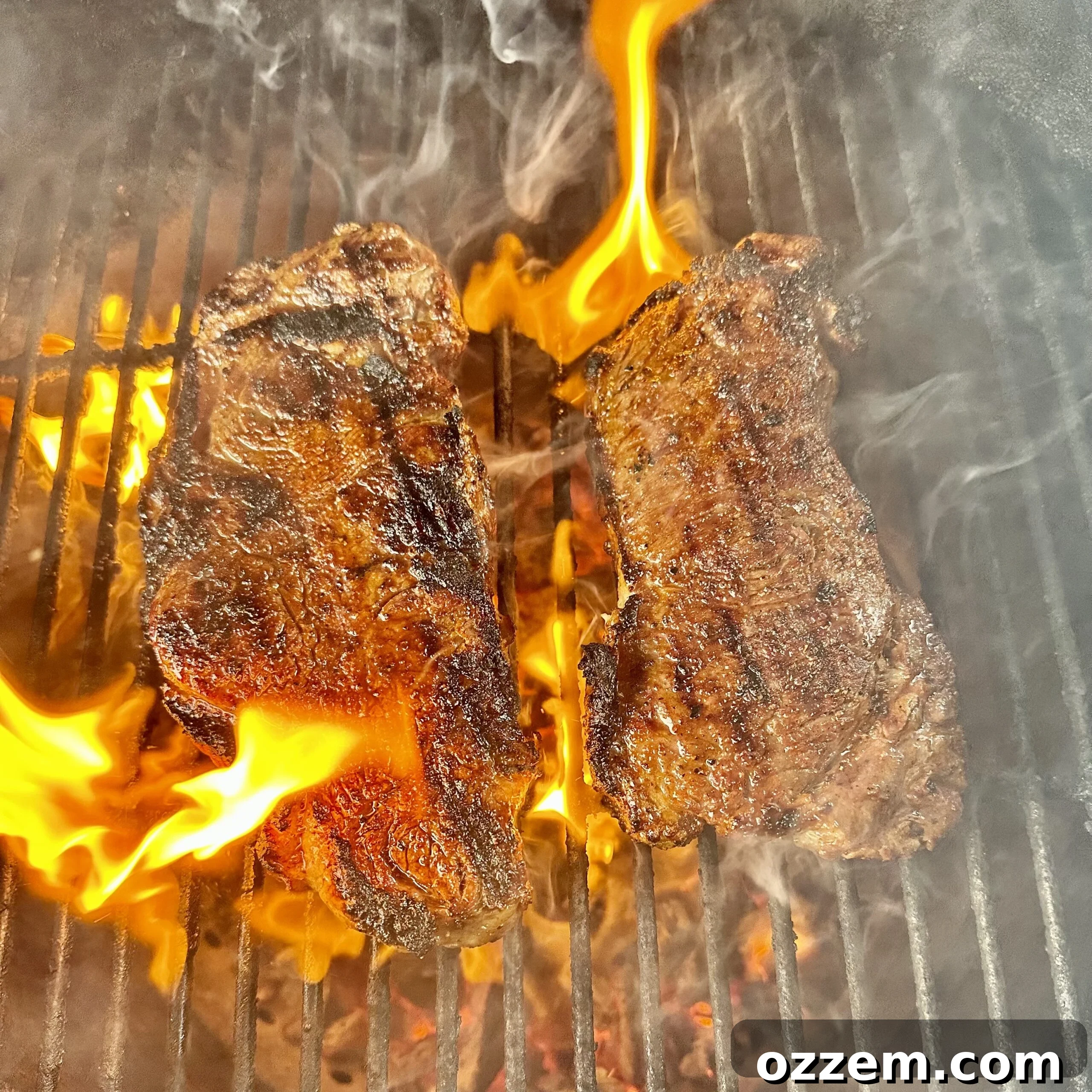
Achieving that perfect crust and a juicy, tender interior is the hallmark of a master griller. The most effective technique for cooking a steak is the **hot and fast method**. This approach ensures a beautiful Maillard reaction (the browning that creates rich, complex flavors) on the exterior while cooking the inside quickly and evenly.
Grill Setup and Preheating
Before placing your steak on the grates, it is absolutely crucial to preheat your grill to a scorching **500 degrees Fahrenheit**. This high heat is essential for creating an immediate sear, preventing the steak from sticking, and developing that coveted crust. Set your grill for **direct heat**, meaning the flame or coals are directly beneath the cooking surface. If using a gas grill, turn all burners to high. For charcoal, pile your coals on one side for a direct zone.
Allow the grill to reach and maintain this temperature for at least 10-15 minutes. A preheated grill is not just hot; it also helps to burn off any residue from previous cooks, ensuring a clean cooking surface.
The Searing Technique
Once your grill is screaming hot, place your seasoned steak directly over the heat. The key to an even sear and a consistent cook throughout is **frequent flipping**. Instead of flipping once or twice, sear the steak for a total of approximately 5 minutes, flipping it every **30-40 seconds**. This constant movement ensures that heat is distributed evenly across both sides of the steak, building a beautiful crust from edge to edge and preventing any single side from burning or becoming overly dry. This technique also helps to mitigate the gray band often seen in less perfectly cooked steaks.
Achieving Perfect Doneness
The best way to guarantee your preferred doneness is by using a reliable **meat thermometer**. Eyeballing it can be tricky, especially with thicker cuts. Remove the steak from the grill when it reaches the following internal temperatures, keeping in mind that the steak will continue to cook a few degrees (known as carryover cooking) while resting:
- Rare: 120-125°F (49-52°C) – Cool red center.
- Medium-Rare: 125-130°F (52-54°C) – Warm red center. This is often considered the ideal doneness for many cuts.
- Medium: 130-135°F (54-57°C) – Warm pink center.
- Medium-Well: 135-140°F (57-60°C) – Slightly pink center.
- Well-Done: 140-145°F (60-63°C) and above – Little to no pink.
For a perfect medium-rare, aim to remove the steak from the grill when its internal temperature reaches **120-125 degrees Fahrenheit**. It’s perfectly fine – and recommended – to check the temperature multiple times during the grilling process. I personally rely on a meat thermometer from Thermoworks, known for its accuracy and durability, which makes checking temps quick and effortless.
Remember, continuous flipping every 30 seconds helps distribute the heat and cook the steak evenly, regardless of your desired doneness.
Pro Grilling Tips for a Flawless Steak
- Acclimatize Your Steak: Always bring your steak to room temperature before grilling. This step, allowing 30-60 minutes out of the fridge, is crucial for promoting even cooking from edge to center and preventing a tough, unevenly cooked result.
- Flip Frequently for the Best Crust: Resist the urge to let your steak sit on one side for too long. Frequent flipping (every 30-40 seconds) allows for a beautiful, uniform crust to develop on both sides and ensures a more even cook throughout the interior.
- Avoid Overcooking: To guarantee a tender and juicy steak, it’s generally best not to grill past medium doneness, or an internal temperature of 135 degrees Fahrenheit when removed from the grill. Higher temperatures tend to dry out the meat and make it tougher.
- Clean Grates: Always start with clean grill grates. Use a wire brush to remove any residue from previous cooks, then lightly oil the grates with a high smoke point oil (like grapeseed or canola) to prevent sticking.
- Pat Dry: Before seasoning, pat your steak thoroughly dry with paper towels. Excess moisture on the surface will steam the meat instead of searing it, hindering the formation of that delicious crust.
Step 3: The Crucial Rest
After investing time and effort into grilling your steak to perfection, there’s one more indispensable step: **resting the meat**. This often-overlooked phase is critical for ensuring maximum juiciness and tenderness. As meat cooks, its muscle fibers contract, pushing the internal juices towards the center. If you slice into the steak immediately after it comes off the grill, these juices will rush out onto your cutting board, leaving you with a dry, less flavorful piece of meat.
Allow your steak to rest for at least **10 minutes** after removing it from the grill. You can place it on a cutting board, ideally with a small groove to catch any minor drips, and loosely tent it with aluminum foil. Tenting helps to keep the steak warm without trapping too much steam, which can soften the crust you worked so hard to achieve.
During this resting period, the muscle fibers relax, allowing the juices to redistribute evenly throughout the entire steak. This results in a wonderfully tender, succulent, and uniformly juicy slice of meat every time. Patience truly is a virtue when it comes to steak, and this resting period is where the magic happens, ensuring every bite is as flavorful as it should be.
Step 4: Crafting the Irresistible Cajun Honey Butter Sauce
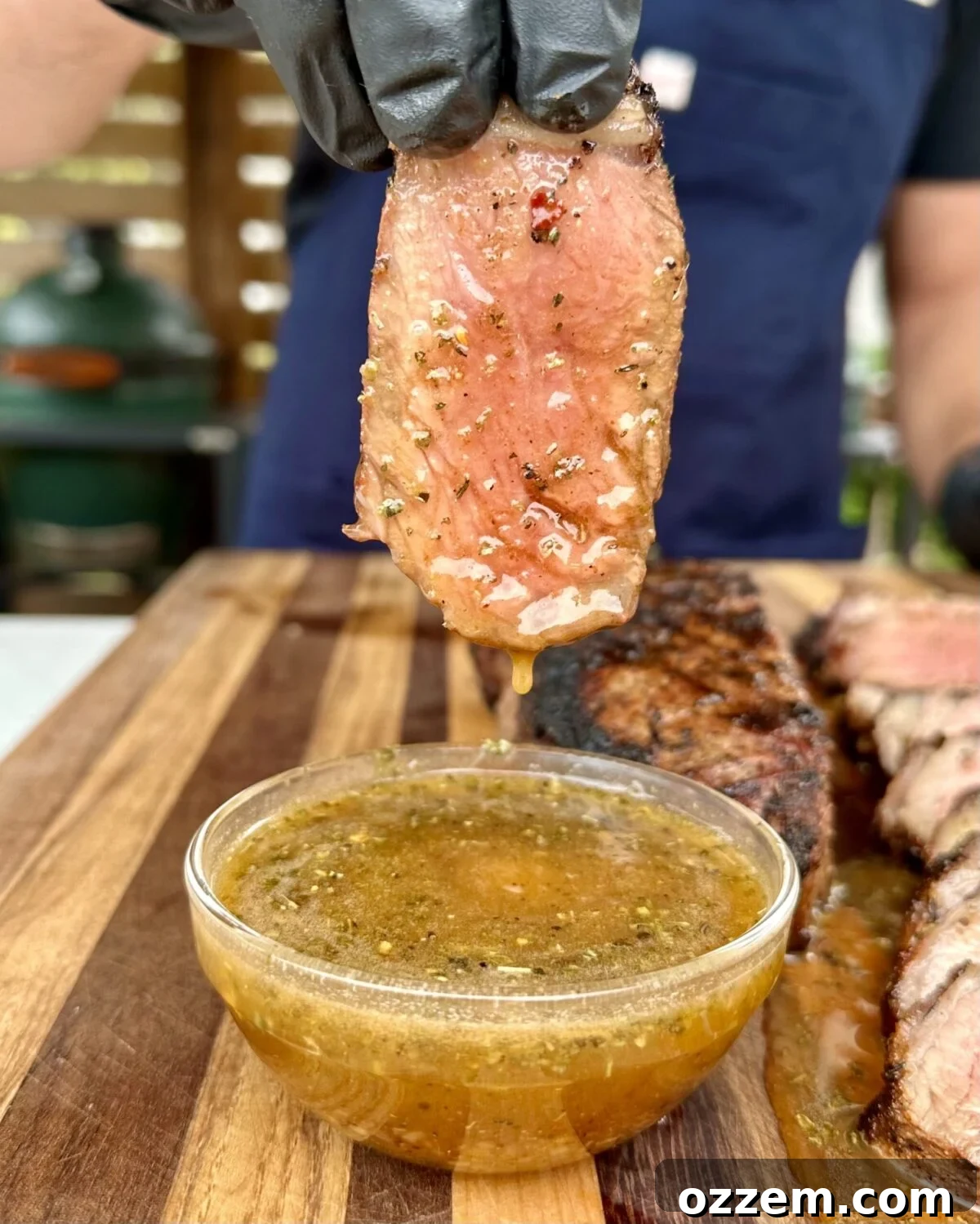
While a perfectly grilled steak is a triumph on its own, this sweet and spicy Cajun Honey Butter sauce elevates it into an unforgettable culinary experience. This sauce is truly what makes this dish exceptional, offering a delightful interplay of sugar and heat, encapsulated in a rich, caramelized, and slightly sticky glaze that clings beautifully to every slice of steak.
Sauce Ingredients and Flavor Profile
The beauty of this sauce lies in its simplicity and the balance of its components:
- Unsalted Butter: Provides a rich, creamy base that carries the other flavors beautifully. Unsalted butter allows you to control the overall saltiness of the sauce.
- Honey: Adds natural sweetness and helps create that desirable sticky glaze. It balances the heat and enhances the savory notes of the steak.
- Minced Garlic: Essential for a pungent, aromatic depth that complements the beef.
- Crushed Red Pepper Flakes & Cayenne Pepper: These are your heat bringers. Crushed red pepper flakes offer a visible texture and a sharp, initial warmth, while cayenne pepper provides a more uniform and potent heat throughout the sauce.
- Italian Seasoning / Dad’s Steak Seasoning: While Italian seasoning can add a nice herbaceous background, consider using a touch of Dad’s Steak Seasoning in your sauce as well. This will create a cohesive flavor profile that ties the sauce directly to the steak, enhancing the overall taste with its savory and aromatic notes.
The Sauce-Making Process
Making this luscious sauce is straightforward:
- Melt the Butter: In a small saucepan, melt a full stick of unsalted butter over low to medium heat. The goal is to melt it gently without browning too quickly.
- Combine Ingredients: Once the butter is melted, add the honey, minced garlic, crushed red pepper flakes, cayenne pepper, and your chosen seasoning (Italian seasoning or Dad’s Steak Seasoning).
- Simmer and Whisk: Bring the mixture to a gentle simmer over low to medium heat. It’s crucial to **continuously whisk** the sauce as it heats. This prevents the honey from sticking and ensures all the ingredients are well combined and the sauce emulsifies properly. The sauce will gradually thicken as it simmers. You’re looking for a slightly viscous consistency that can coat the back of a spoon. If it becomes too thick, a tiny splash of water or broth can help loosen it, but generally, it should be a flowing glaze.
- Adjust Heat to Taste: This is your chance to customize! If you prefer a milder sauce, start with half the amount of red pepper flakes and cayenne, then taste and add more gradually. For a spicier kick, feel free to increase the quantities of both peppers.
Once your perfectly rested Cajun Honey Butter Steak is ready, slice it against the grain into beautiful, thick pieces. Then, generously pour the warm, glistening honey butter sauce all over the sliced steak. The warm sauce will mingle with the steak’s natural juices, creating an explosion of flavor that is truly irresistible. Serve immediately and prepare for an exceptional meal!
Want to save this recipe?
Just enter your email below to get this incredible recipe sent straight to your inbox! Plus, you’ll receive new recipes from us every week, ensuring your grilling adventures never run out of inspiration.
Frequently Asked Questions:
The best cut of steak depends on your preferred grilling method and desired flavor profile. For hot and fast grilling, like in this recipe, look for well-marbled cuts that are at least 1 to 1.5 inches thick. Excellent choices include Ribeye, New York Strip, and Top Sirloin. Ribeyes are prized for their rich fat content and intense flavor, while New York Strips offer a robust beefy taste with a satisfying chew. For slow cooking methods like roasts or stews, cheaper, meatier cuts such as Chuck Roast or Brisket are more suitable as they break down beautifully over time.
The internal temperature for removing your steak depends entirely on your desired doneness, keeping in mind carryover cooking (the temperature rise after removal). For a **medium-rare steak**, remove it when the internal temperature reaches between 120-125 degrees Fahrenheit. If you prefer a **medium cooked steak**, aim for anywhere between 130-135 degrees Fahrenheit. Anything over 140 degrees Fahrenheit will lean towards well-done. Always use a reliable meat thermometer for accuracy. It is crucial to remember to rest the meat for 10 minutes after grilling; this allows the juices to redistribute, ensuring a tender and juicy steak.
Absolutely! A cast iron skillet is an excellent alternative for cooking steak indoors, especially for achieving a superb sear. Follow the same principles: bring the steak to room temperature, season generously, and preheat your cast iron skillet until it’s smoking hot (use a high smoke point oil like avocado or grapeseed). Sear for 2-3 minutes per side, then reduce heat and finish cooking to your desired internal temperature, possibly basting with butter, garlic, and herbs during the last few minutes. Remember to rest the steak for 10 minutes afterward.
This flavorful steak pairs wonderfully with a variety of sides that can complement its sweet and spicy profile. Classic choices include creamy mashed potatoes or a baked potato, which offer a comforting contrast. Roasted asparagus, grilled corn on the cob, or a simple garden salad with a light vinaigrette would provide fresh, vibrant notes. For something heartier, consider mac and cheese, dirty rice, or even grilled sweet potatoes to enhance the sweet element of the sauce.
Similar Steak Recipe Inspirations:
Beef
Steak Pinwheel
Beef
Grilled Tomahawk Steak
Beef
Steak and Shrimp Dinner
Beef
Beef Tataki
Printer friendly recipe below:
Cajun Honey Butter Steak
Maciek Zurawski
10 minutes
5 minutes
2 people
Ingredients
Steak Ingredients
- 2 NY strip steaks (1 to 1.5 inches thick)
- 2 tbsp Dad’s steak seasoning (or your preferred steak seasoning)
- 1 tbsp Olive oil (for grill grates, optional)
Cajun Honey Butter Sauce Ingredients
- 1 stick Unsalted butter (1/2 cup)
- 2 tbsp Honey
- 1 tbsp Minced Garlic
- 1 tbsp Crushed red pepper flakes (adjust to taste)
- 1 tbsp Cayenne pepper (adjust to taste for more heat)
- 1 tbsp Dad’s Steak seasoning (or Italian seasoning)
Instructions
How to Grill the Perfect Steak
-
Bring the steaks to room temperature by letting them sit out for 30-60 minutes. Pat dry with paper towels. Season all sides generously with Dad’s steak seasoning and allow the meat to “sweat” for 15-20 minutes.
-
Preheat your grill to 500 degrees Fahrenheit, setting it for direct heat. Ensure the grates are clean and hot before proceeding.
-
Place the steak on the hot grill. Sear the steak, flipping it every 30-40 seconds to achieve an even crust and consistent cook throughout. For a perfect medium-rare, remove the steak when its internal temperature reaches 120-125 degrees Fahrenheit.
-
Remove the steak off the grill and let it rest on a cutting board, loosely tented with foil, for 10 minutes. This allows the juices to redistribute for maximum tenderness.
How to Make Cajun Honey Butter Sauce
-
For the sauce: In a small saucepan, melt one stick of unsalted butter over low-medium heat. Add the honey, minced garlic, crushed red pepper flakes, cayenne pepper, and Dad’s Steak seasoning (or Italian seasoning). Simmer gently, making sure to continuously whisk as the sauce thickens and caramelizes slightly. Adjust the level of heat to your preference with the pepper flakes and cayenne.
-
Once the steak has rested, slice it against the grain. Pour the warm Cajun honey butter sauce generously over the sliced steak and serve immediately. Enjoy!
Video
Nutrition Facts (per serving)
Carbohydrates: 40g |
Protein: 95g |
Fat: 175g |
Saturated Fat: 88g |
Polyunsaturated Fat: 8g |
Monounsaturated Fat: 63g |
Trans Fat: 4g |
Cholesterol: 605mg |
Sodium: 252mg |
Potassium: 1597mg |
Fiber: 2g |
Sugar: 35g |
Vitamin A: 4905IU |
Vitamin C: 7mg |
Calcium: 156mg |
Iron: 7mg
Enjoyed this recipe? Share your thoughts below!
Check out the Recipes Page for other tasty ideas!