
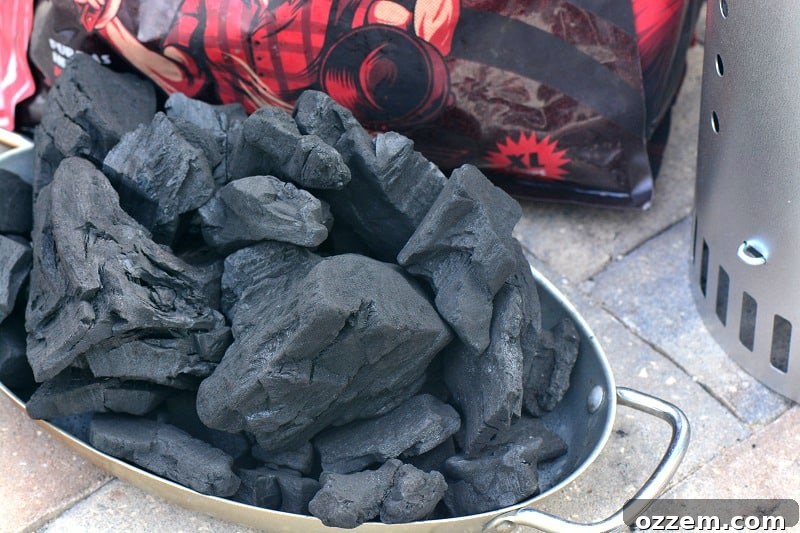
Embarking on a grilling adventure often begins with a fundamental question: “What type of charcoal should I use?” If you’ve ever found yourself pondering this in the grilling aisle, you’ve landed in the perfect spot. Understanding the nuances between different charcoal types is the first step toward mastering the grill and achieving consistently delicious results. Forget the fancy, specialty charcoals for now; we’ll focus on the two most common and versatile options that form the backbone of backyard barbecues: lump charcoal and charcoal briquettes.
Choosing Your Fuel: An Essential Guide to Grilling Charcoal
The weekend arrives, and anticipation builds for that perfect grilled meal. But before the sizzle and savory aromas fill the air, there’s a crucial stop: the store’s grilling aisle. Faced with an overwhelming array of charcoal bags, it’s easy to feel lost. “Which charcoal will deliver the best flavor and heat for my culinary vision?” This guide will demystify your options, helping you select the ideal fuel for any grilling occasion.
Steer Clear of Chemical-Laden Coals
First and foremost, let’s address what to avoid. Immediately step away from “match-light” or “instant-light” charcoals. While they promise convenience, these products are infused with paraffin, petroleum products, or other accelerants that can impart an undesirable chemical taste to your food. Even after the coals appear fully lit, residues can transfer to your delicate ingredients, compromising the natural flavors you’re working so hard to achieve. The goal is pure, unadulterated grilled taste, and that starts with natural fuel.
Similarly, be wary of charcoals advertising artificial “flavors” or other “bling” additives. The best way to infuse smoky flavors is through natural wood chips or chunks, which you can add separately to your grill. Always opt for charcoal that is as natural as possible, with the fewest additives. Your palate will thank you.
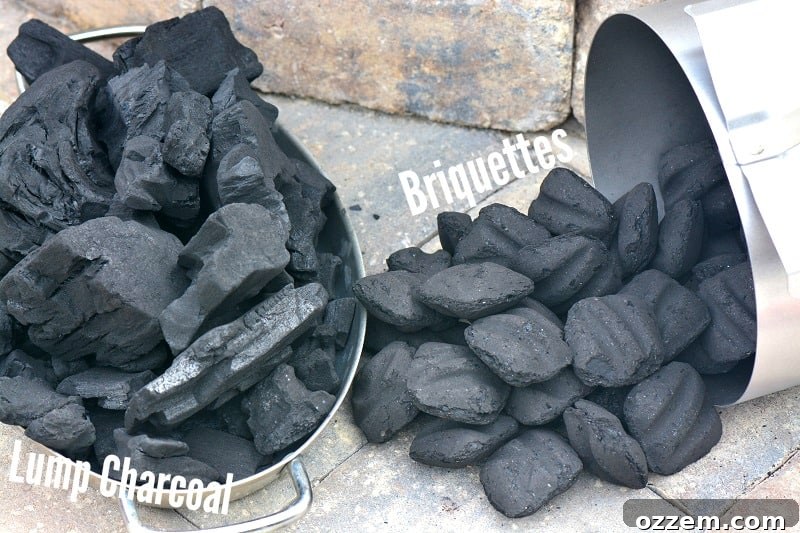
When it comes to selecting your charcoal, two primary types stand out for their widespread use and distinct characteristics: lump charcoal and charcoal briquettes. Each offers unique advantages depending on your grilling needs and desired outcome.
Lump Charcoal: The Purist’s Choice
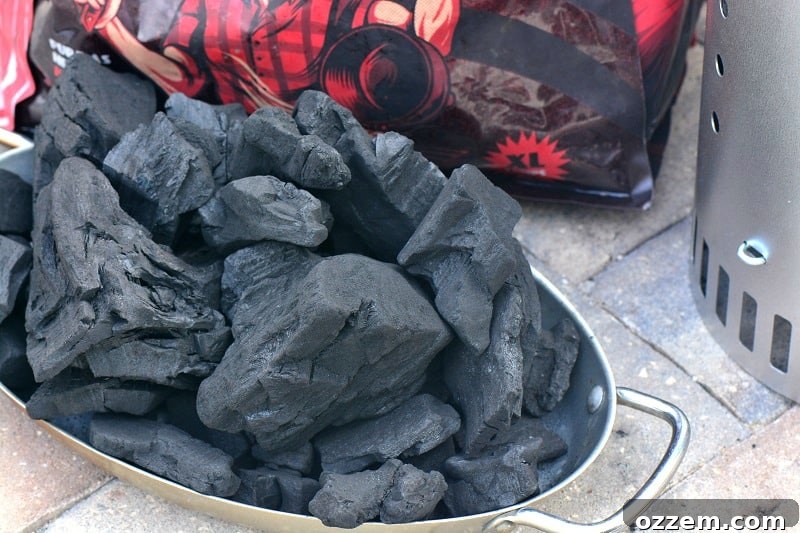
Lump charcoal is the most natural form of charcoal available. It’s essentially wood that has been burned in an oxygen-deprived environment (a kiln), resulting in pure carbon. This process, known as pyrolysis, removes moisture and volatile compounds from the wood, leaving behind a highly efficient fuel source. Because it’s made directly from whole pieces of wood, lump charcoal contains no chemicals, fillers, or artificial binders – just the essence of burnt wood.
Advantages of Lump Charcoal:
- High Heat and Quick Ignition: Lump charcoal ignites rapidly and burns significantly hotter than briquettes, making it ideal for searing steaks, burgers, and other foods that benefit from high-heat cooking.
- Natural Flavor: Since it’s pure wood, lump charcoal imparts a clean, natural, smoky flavor to your food without any chemical undertones. The specific type of wood used (e.g., oak, hickory, mesquite) can even influence the subtle flavor profile.
- Responsive to Airflow: Its irregular shapes create natural air pockets, allowing for excellent airflow. This responsiveness means you can easily adjust the grill’s temperature by manipulating the air vents.
- Minimal Ash: Lump charcoal produces considerably less ash compared to briquettes, making cleanup easier and ensuring less ash interferes with cooking.
- Quick Refueling: If you need to extend a cook, adding more lump charcoal to already lit coals won’t produce the thick, acrid smoke associated with freshly lit briquettes. The new coals will ignite quickly and integrate seamlessly.
Disadvantages of Lump Charcoal:
- Inconsistent Burn: Due to its natural, irregular shapes and sizes, lump charcoal can burn unevenly. Smaller pieces burn out faster, while larger chunks can last longer, making consistent temperature maintenance a bit more challenging for beginners.
- Faster Burn Time: It generally burns faster than briquettes, which means you might need to refuel more frequently, especially during longer cooking sessions.
- Higher Cost: Typically, lump charcoal is more expensive per pound than briquettes.
- Spark Potential: Due to its natural origin, lump charcoal can sometimes produce more sparks and popping, so exercise caution.
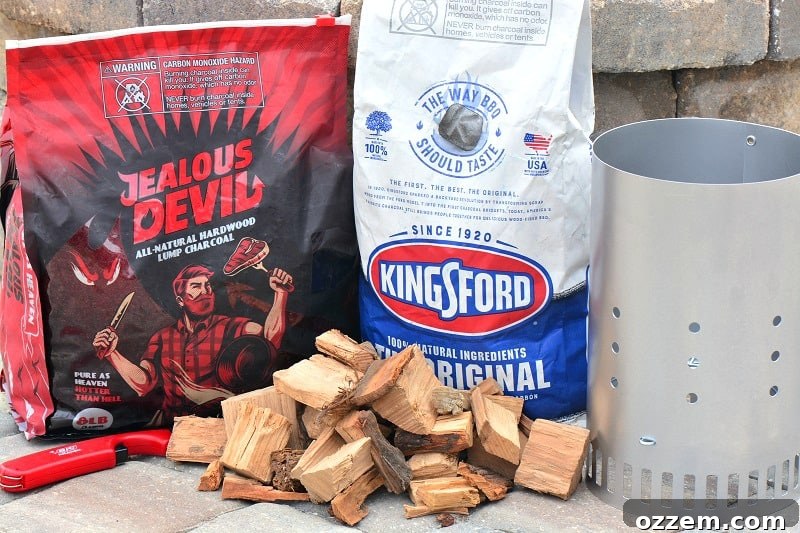
Lump charcoal excels for fast and hot grilling applications, such as searing steaks, quick-cooking seafood, grilling vegetables, or preparing burgers and hot dogs that require less than 30 minutes of cook time. If you appreciate a purer flavor and responsive temperature control, lump charcoal is an excellent choice. Look for reputable brands like Jealous Devil, FOGO, and Royal Oak, which are known for their quality lump charcoal.
Charcoal Briquettes: The Consistent Performer
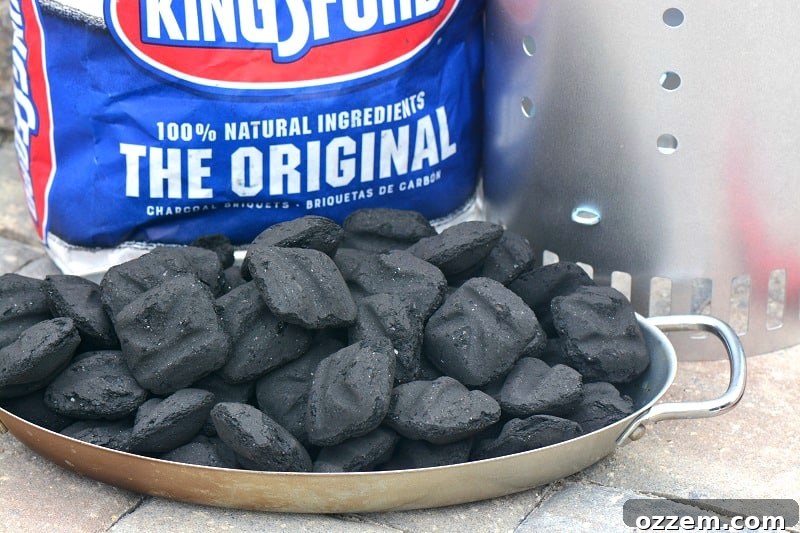
Charcoal briquettes are a manufactured product, meticulously engineered for efficient and consistent grilling. While they are still primarily made from wood, their composition includes wood scraps, sawdust, coal dust, and a starch-based binder (like cornstarch) to hold them together. This uniform composition gives briquettes distinct characteristics that appeal to many grillers.
Advantages of Charcoal Briquettes:
- Consistent and Predictable Burn: The uniform size and density of briquettes ensure a more even and predictable burn, making temperature management easier, especially for longer cooks.
- Longer Burn Time: Briquettes burn longer and maintain a consistent temperature for extended periods, making them ideal for low-and-slow cooking, smoking, and larger cuts of meat.
- Readily Available and Affordable: They are widely available in most stores and generally more economical than lump charcoal.
- Easier Stacking: Their uniform shape allows for easy stacking and arrangement, which is beneficial for creating specific heat zones.
Disadvantages of Charcoal Briquettes:
- Additives and Fillers: While many briquettes are made with natural binders, some brands include chemical additives, petroleum products, or igniting agents (like those in “instant-light” varieties). Always choose briquettes with the fewest additives to avoid off-flavors.
- Slower to Light: Briquettes generally take longer to fully ignite and achieve their optimal burning temperature, often requiring more time in a chimney starter.
- Initial Chemical Odor/Taste: If not fully lit and grey-ashed before food is placed on the grill, briquettes with additives can impart an unpleasant chemical smell and taste to your food.
- More Ash Production: Due to their composition, briquettes produce more ash than lump charcoal, which can sometimes interfere with airflow if not managed.
When selecting charcoal briquettes, prioritize brands that emphasize natural ingredients and avoid any that contain lighter fluid or artificial flavorings. A chimney starter makes lighting briquettes incredibly easy and negates the need for any chemical accelerants. Royal Oak and Weber produce excellent natural charcoal briquettes, while Kingsford offers a nice, more affordable option for natural briquettes.
In summary: lump charcoal burns hotter, cleaner, and faster, offering a pure, natural flavor but with less consistent temperatures and a higher cost. Charcoal briquettes provide a longer, more even burn, are more affordable, and are excellent for sustained heat, but require careful selection to avoid undesirable additives.
Mastering Grill Temperatures: How Much Charcoal to Use
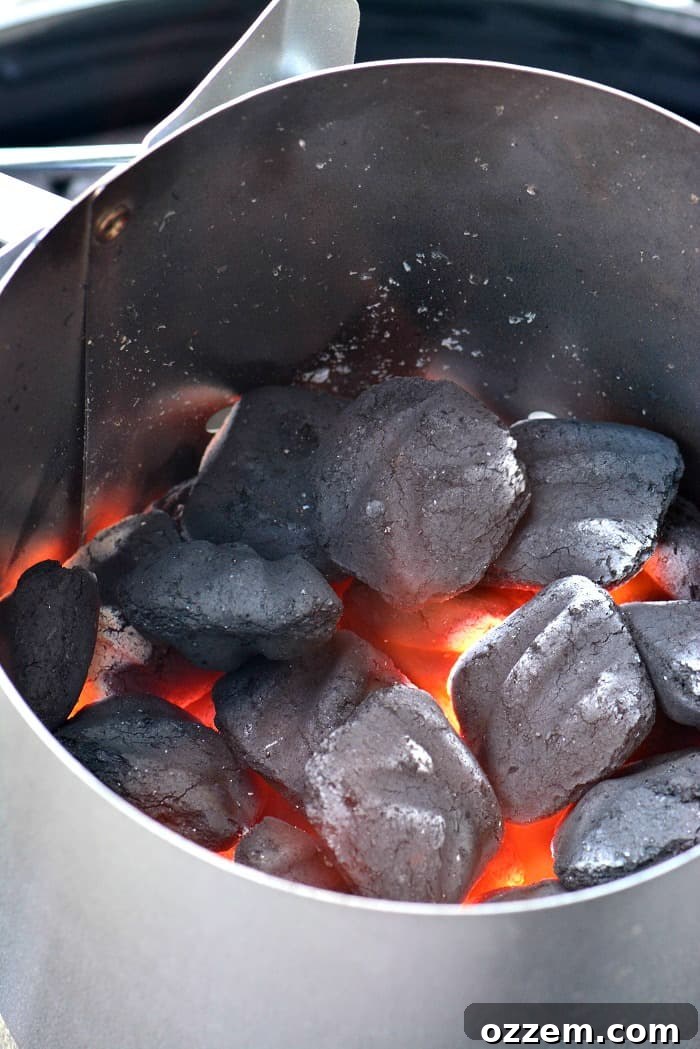
Understanding how much charcoal to use is crucial for controlling your grill’s temperature, which in turn dictates the success of your cooking. A fundamental principle to remember is: more charcoal equals hotter temperatures. The easiest and most reliable way to measure your charcoal is by using a chimney starter, which typically holds about 100 standard briquettes when full.
Temperature Zones and Charcoal Quantities:
- Low Grill Temperature (250°-300°F / 120°-150°C): For this range, fill your chimney starter approximately ¼ to ⅓ of the way. This temperature is ideal for slower cooking methods, perfect for large cuts like pork ribs, whole chickens, and beef roasts. Keep in mind that for very long, slow cooks (over 4 hours), this initial amount is a reference for lighting, and you will need to add more coals periodically to maintain temperature.
- Medium Grilling Temperature (350°-450°F / 175°-230°C): Achieve medium heat by filling your chimney starter about ½ to ⅔ of the way. This is the most versatile and commonly used temperature for grilling, suitable for thoroughly cooking chicken pieces, pork chops, sausages, seafood, and a wide variety of vegetables.
- High Grilling Temperature (450°-550°F / 230°-290°C): For intense, searing heat, fill your chimney ¾ to completely full. High temperatures are perfect for grilling steaks, thin cuts of meat, burgers, and hot dogs, creating that desirable crust and juicy interior. Expect your grill to reach these temperatures within approximately 10-15 minutes after placing the fully lit coals.
- Smoking and Low & Slow Cooking (200°-225°F / 95°-107°C): Achieving true smoking temperatures requires precise control and often involves a ‘snake method’ or similar arrangement of briquettes for extended, very low heat, along with careful vent management. While a ¼ chimney may get you started, sustaining these low temperatures for many hours requires a more advanced charcoal setup and constant monitoring.
Key Considerations for Temperature Control:
- Coal Spreading: How you arrange the coals significantly impacts temperature and burn time. A thin, wide layer of coals in a larger grill will result in a lower temperature and shorter burn. Conversely, coals clustered closer together in a smaller grill will produce hotter temperatures and a longer burn. This principle is fundamental to creating two-zone grilling setups.
- Two-Zone Grilling: This essential technique involves arranging coals on one side of the grill, creating a direct heat zone for searing, and leaving the other side empty for an indirect heat zone. This allows you to sear food directly over the coals and then move it to the cooler side to finish cooking gently, preventing burning and ensuring even doneness.
- Proximity to Grate: On grills with adjustable charcoal baskets, moving the coals closer to the cooking grate will increase the temperature near the food for hotter searing. For lower temperatures or slower cooking, move the coal basket further away from the grate.
- Grill Size and Food Volume: If you’re cooking a large amount of food on a spacious barrel grill, you might need to light a full chimney of charcoal and spread it more thinly across the entire cooking surface to provide adequate heat distribution.
- Vent Management: Remember that the top and bottom vents of your grill control airflow, which in turn controls the heat. More open vents mean more oxygen, leading to hotter temperatures. Partially closed vents restrict oxygen, lowering the temperature.
- Monitoring: While lid thermometers provide a general idea, investing in a reliable probe thermometer for both ambient grill temperature and internal food temperature will significantly improve your grilling accuracy.
- Refueling for Long Cooks: For extended grilling or smoking, you’ll need to refuel. With briquettes, aim to add new unlit briquettes to your existing, lit bed, ensuring they ignite and ash over before food is placed directly above them. For lump charcoal, you can add more to already lit coals, but expect a quick temperature spike.
Further Enhance Your Charcoal Grilling Skills
Mastering charcoal grilling is an ongoing journey of learning and experimentation. To further hone your techniques and expand your knowledge, explore these valuable resources:
Types of Charcoal Grills: Discover the different styles and their unique benefits.
How to Start Coals in a Chimney Starter: Learn the most efficient and chemical-free way to ignite your charcoal.
Must-Have Tools For Grilling: Equip yourself with the essential gear for a seamless grilling experience.