
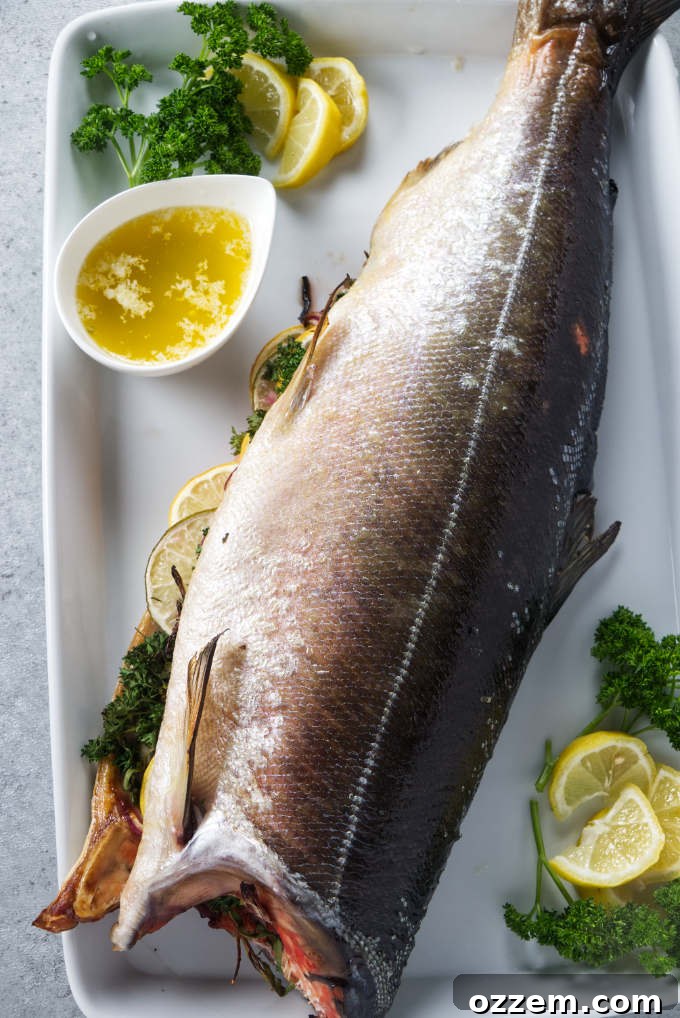
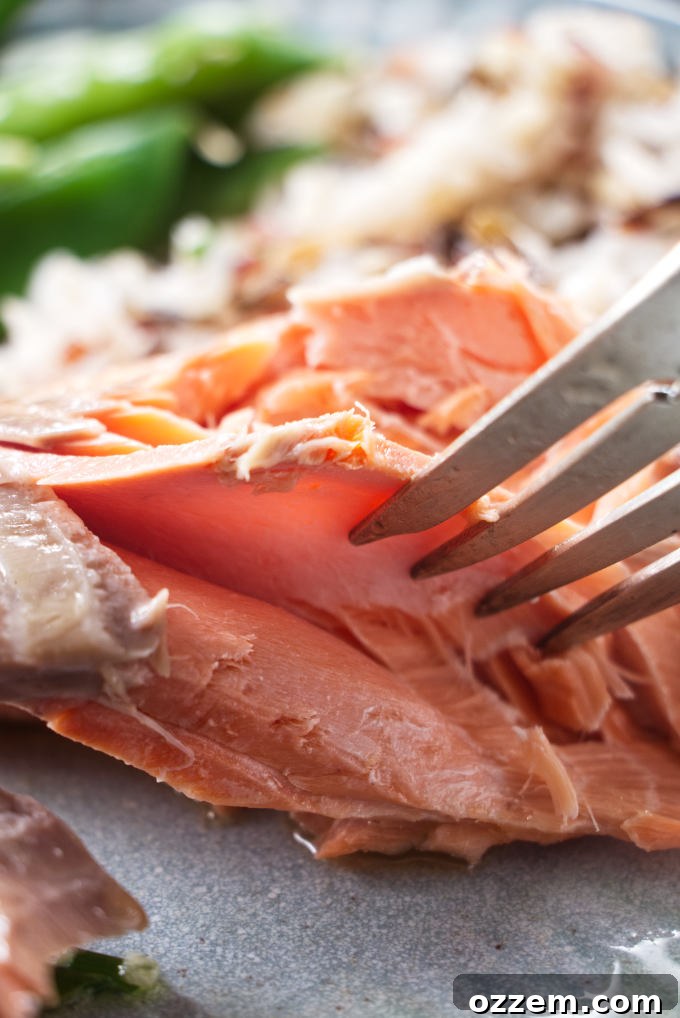
There’s nothing quite like the aroma of sizzling food on the grill, especially as the long days of summer invite us outdoors. When it comes to impressive yet surprisingly simple main courses, grilling a whole salmon stands out as an absolute winner. This comprehensive guide will teach you how to achieve perfectly cooked, incredibly juicy, tender, and flaky salmon every single time, whether you’re using a gas grill, a classic charcoal grill, or a modern pellet grill like a Traeger.
While I’ll share an optional brining technique that significantly enhances moisture and flavor, rest assured that you can still achieve fantastic results without it if you’re short on time. We’ll cover everything from selecting the best salmon to expert grilling tips and a mouth-watering lemon chive butter sauce. Say goodbye to dry, overcooked fish; follow this guide, and you’ll consistently serve up a show-stopping dish that will impress family and friends alike.
Grilling a whole salmon might seem intimidating at first glance, but it’s remarkably easy and often the most economical way to purchase and prepare this healthy fish. Even if you’re not feeding a large crowd, making a whole salmon is a smart choice because the leftovers are incredibly versatile. Transform them into delicious salmon patties, vibrant salads, satisfying sandwiches, savory wraps, or a comforting salmon pasta. This is truly one of those recipes that keeps on giving, offering countless opportunities to reinvent your meals with minimal effort.
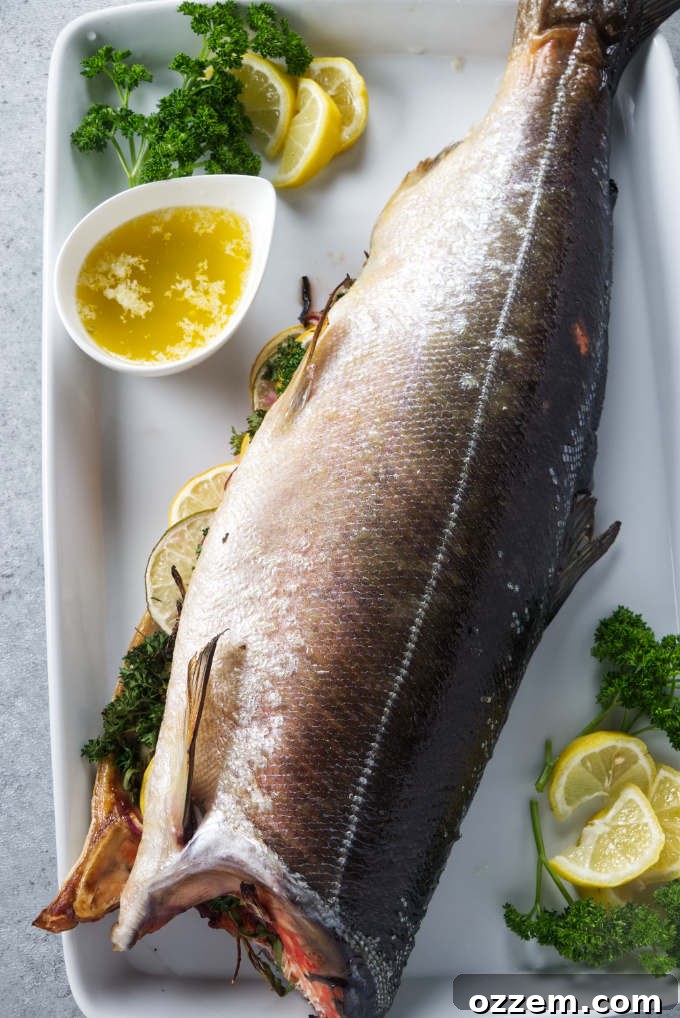
Why This Whole Grilled Salmon Recipe Is a Must-Try
This recipe isn’t just about cooking; it’s about creating an experience. The salmon, beautifully stuffed with fresh herbs, vibrant citrus slices, and aromatic spices, becomes a stunning centerpiece that elevates any BBQ gathering. If you’ve never ventured into grilling a whole salmon before, now is the time to embrace this culinary adventure. Here’s why this recipe deserves a permanent spot in your outdoor cooking repertoire:
- Effortless Preparation: Unlike filleting, preparing a whole salmon is surprisingly straightforward. Minimal handling means less fuss and more flavor.
- Flavor Infusion: The interior stuffing of lemons, limes, onions, and herbs deeply infuses the salmon flesh, creating an unparalleled taste experience.
- Visual Masterpiece: A whole salmon, brimming with colorful aromatics, transforms into an artistic statement on your grill, promising a feast for the eyes as well as the palate.
- Feeds a Crowd & Offers Versatility: Perfect for large gatherings, this recipe also generously provides delicious leftovers that can be repurposed into numerous future meals.
- Easy Deboning: After grilling, the bones become remarkably easy to remove, allowing for clean, hassle-free serving.
- Unrivaled Moisture and Flavor: This method locks in moisture, ensuring every bite is succulent, tender, and bursting with rich salmon flavor.
- Grill-Friendly: Whether you prefer the smoky char of a charcoal grill, the convenience of a gas grill, or the consistent heat and smoky essence of a pellet grill like a Traeger, this recipe adapts beautifully to all.
- Highly Adaptable: Feel free to experiment with your favorite herbs and aromatics. This recipe is designed for personalization.
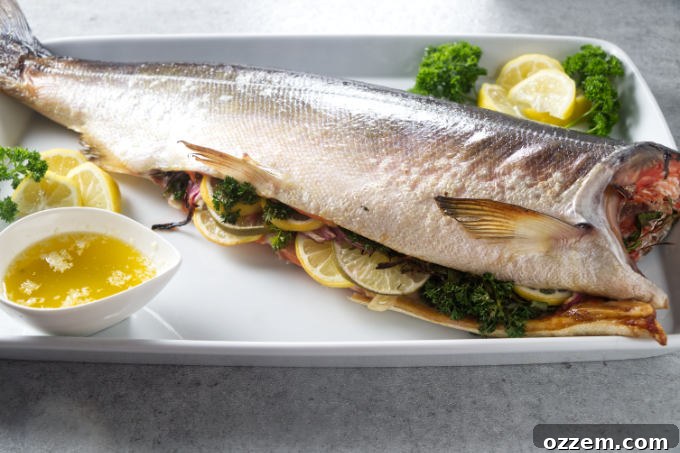
Choosing Your Perfect Whole Salmon
The foundation of a magnificent grilled salmon dish begins with selecting a quality fish. When purchasing a whole salmon, look for certain indicators of freshness:
- Eyes: Should be clear, bright, and bulging slightly, not sunken or cloudy.
- Gills: Bright red or pink, not brown or slimy.
- Skin: Shiny, moist, and firm with vibrant, metallic scales. Avoid any dull or discolored patches.
- Smell: Fresh salmon should smell like the ocean – clean and briny, never “fishy.”
- Flesh: When pressed gently, the flesh should spring back.
- Size: A 3 to 5-pound salmon is ideal for grilling, providing ample servings without being overly cumbersome to handle. Consider the size of your grill before buying a larger fish.
Pacific salmon varieties like Sockeye, Coho, or Chinook (King) are excellent choices for their rich flavor and firm texture. Atlantic salmon, often farmed, is also a popular option, known for its buttery taste and higher fat content, which keeps it moist on the grill. Your local fishmonger can often provide valuable advice on what’s freshest and best suited for grilling.
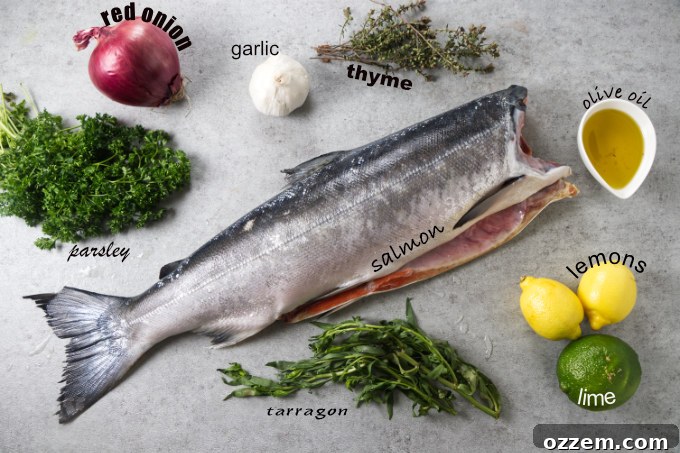
Essential Ingredients for an Unforgettable Meal
What truly sets this whole grilled salmon apart is the incredible depth of flavor packed into every bite, from the aromatic stuffing to the bright lemon chive butter sauce. While I’ve listed my preferred combination of herbs, feel free to adapt them based on what you have available or your personal preferences. The beauty of this recipe lies in its flexibility. For an even more succulent and moist salmon, I highly recommend the optional overnight brine.
For the Optional Brine (The Secret to Extra Moisture)
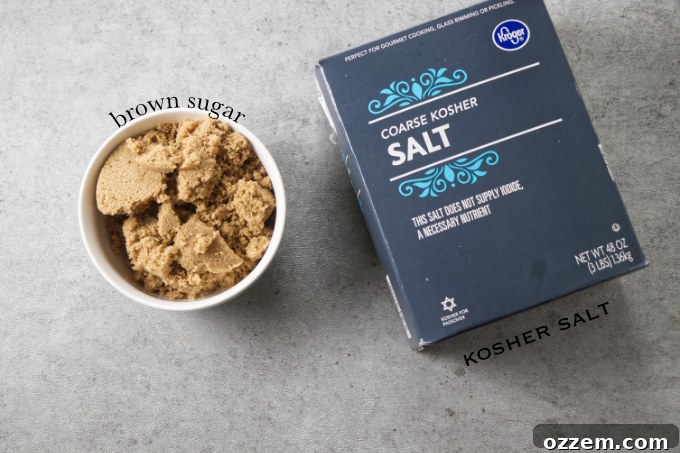
- Kosher salt (essential for proper brining)
- Brown sugar (adds a subtle sweetness and helps with browning)
- Cold water (the base of your brining solution)
For the Whole Salmon & Aromatic Stuffing
- Whole salmon (cleaned, head and tail on or off as preferred)
- Olive Oil (for coating and preventing sticking)
- Lemons (thinly sliced, for bright citrus notes)
- Lime (thinly sliced, for an added tangy zest)
- Red onion (thinly sliced, for a mild, savory flavor)
- Garlic (cloves, thinly sliced or smashed, for robust aroma)
- Fresh Thyme (fragrant and earthy)
- Fresh Parsley (bright and herbaceous)
- Fresh Tarragon (anise-like, sophisticated flavor)
- Salt and freshly ground black pepper (for seasoning)
For the Zesty Lemon Chive Butter Sauce
- Unsalted butter (the rich base of your sauce)
- Fresh Chives (finely chopped, for a delicate oniony flavor)
- Lemon (juice and zest, for vibrant acidity)
- Garlic (minced, for aromatic depth)
- Salt (to taste)
- Freshly ground black pepper (to taste)
-

Simple yet powerful ingredients for the optional salmon brine. -
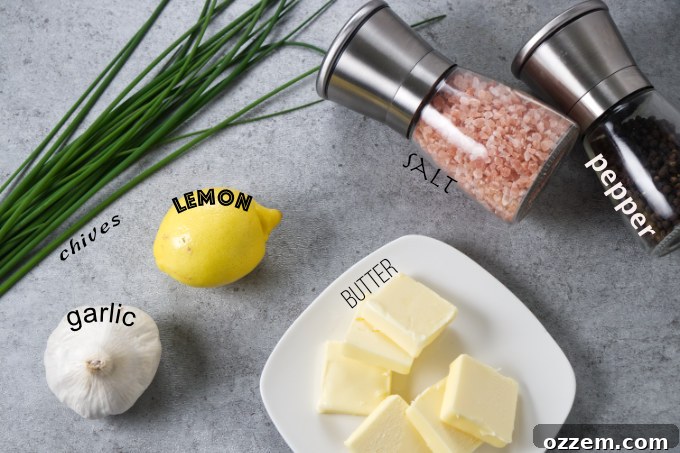
Fresh chives, lemon, garlic, and butter create an irresistible sauce.
Mastering the Grill: Step-by-Step Whole Salmon Recipe
Step 1: Prepare the Optional Brine (Highly Recommended)
In a medium saucepan, combine the brown sugar, kosher salt, and about 3 cups of water. Bring this mixture to a gentle simmer over medium heat, stirring constantly until both the salt and sugar are completely dissolved. This creates a concentrated flavor base. Remove the solution from the heat and immediately add a generous amount of ice to quickly cool it down. It’s crucial that the brine is cold before the salmon is added.
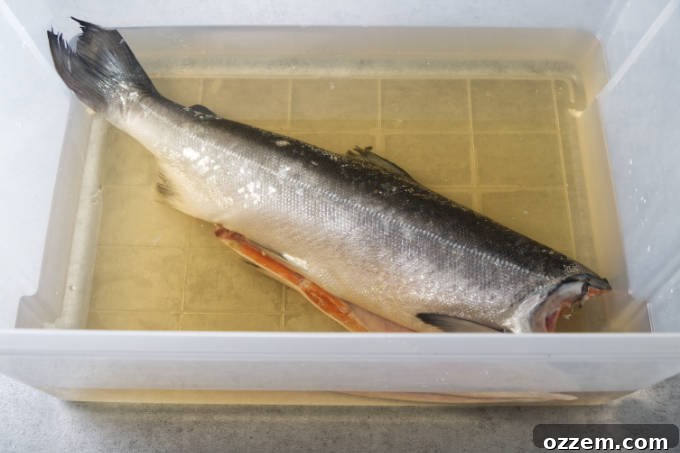
Once cooled, pour the brine solution into a container large enough to fully submerge your whole salmon. A clean plastic produce drawer from your refrigerator can work perfectly, or you might opt for a large food-grade storage container. If the salmon isn’t completely covered, simply mix a small additional batch of brine (1 tablespoon salt, 1 teaspoon brown sugar per cup of water) and add it until the fish is fully submerged. Cover the container securely and place it in the refrigerator overnight, or for a minimum of one hour. Brining enhances moisture retention, seasons the fish deeply, and helps prevent the unsightly white albumin from leaching out during cooking.
Step 2: Prepare Your Salmon and Preheat the Grill
Begin by preheating your grill to a consistent 400°F (200°C). If you’re using a Traeger or another pellet grill, select your favorite wood pellets. Sweeter woods like cherry, maple, apple, or pecan impart a delightful subtle smokiness that complements salmon beautifully without overpowering its delicate flavor. For gas or charcoal grills, ensure you establish a consistent medium-high heat.
Carefully pat the entire salmon dry, both on the exterior and inside the cavity, using paper towels. This step is vital for achieving a crispier skin and better searing. Next, generously coat the exterior and internal cavity of the salmon with olive oil. Season the fish all over, inside and out, with salt and freshly ground black pepper. Don’t be shy; the whole salmon can handle a good amount of seasoning.
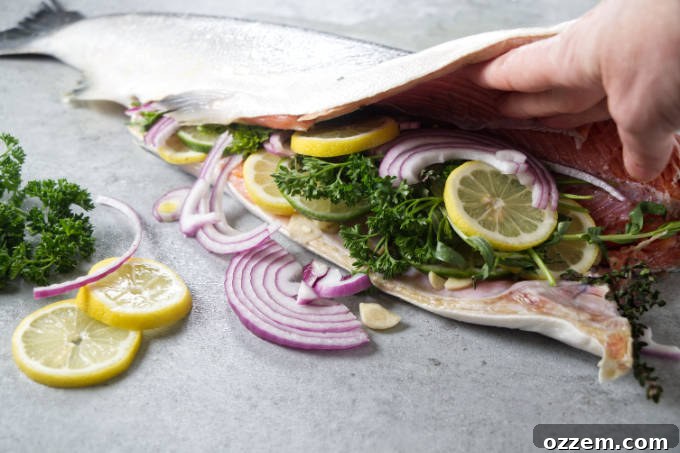
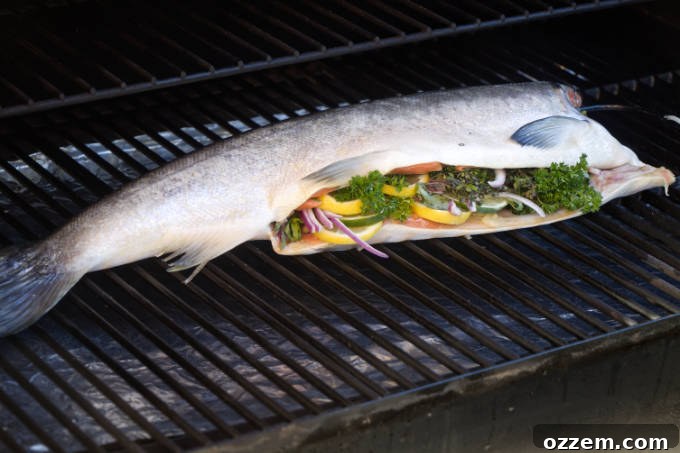
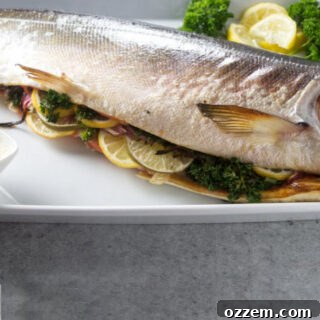
Now comes the fun part: stuffing the cavity! Pack it full with thinly sliced red onion, lemon, and lime, along with generous sprigs of fresh thyme, tarragon, and parsley. You can really get creative here – the more aromatics, the more flavor will infuse into the fish as it cooks. Don’t worry if it looks like it’s overflowing a bit; these ingredients contribute significantly to the overall taste and moistness.
-
The optional, but highly recommended, overnight brining process. -
Generously stuff the salmon cavity with fresh herbs and vibrant vegetables. -
Place the seasoned and stuffed whole salmon directly onto the hot grill grates. -
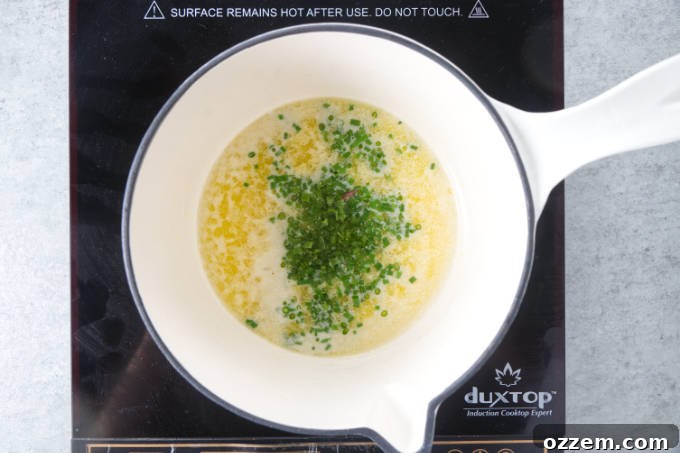
Prepare the flavorful lemon chive butter sauce while the salmon cooks.
Step 3: Grilling the Whole Salmon to Perfection
Carefully transfer the prepared salmon to the hot grill grates. If your grill has multiple zones, aim for indirect heat for most of the cooking to prevent burning, especially on the thinner parts of the fish. Close the lid to allow the heat to circulate evenly and smoke (if using a pellet or charcoal grill) to penetrate the fish.
Grill the whole salmon for approximately 20 to 30 minutes. The cooking time will vary depending on the thickness of your salmon and the consistency of your grill’s temperature. The most accurate way to ensure perfect doneness is to use a reliable meat thermometer. Insert the probe into the thickest part of the fish, avoiding the bone.
I wholeheartedly recommend trusting a high-quality thermometer like the ThermoWorks Signals WiFi thermometer. With its four probes, you can monitor the temperature of multiple items simultaneously, all from the convenience of your phone via the ThermoWorks App. For quick spot checks, the ThermoWorks ONE Thermapen provides an accurate reading in just one second, ensuring you hit that perfect doneness every single time!
For a beautifully rare salmon, aim to remove it from the grill when it reaches an internal temperature of 122°F (50°C). My personal preference for a moist, tender, and flaky salmon is to pull it off the Traeger (or other grill) when it hits 130°F (54°C). While the FDA recommends cooking salmon to 145°F (63°C), I find that this often results in a drier texture. Use your own judgment to determine your preferred level of doneness, prioritizing safety and enjoyment.
Step 4: Craft the Luscious Lemon Chive Butter Sauce
While your magnificent whole salmon is cooking on the grill, prepare the accompanying lemon chive butter sauce. In a medium-sized saucepan, melt the butter over medium heat. Once the butter is fully melted and slightly shimmering, add the minced garlic, the zest and juice of one lemon, finely chopped fresh chives, a pinch of salt, and a grind of fresh black pepper. Allow the sauce to simmer gently for about 5 minutes, stirring occasionally. This simmering period is crucial for allowing the flavors to meld and infuse deeply into the butter, creating a wonderfully aromatic and zesty topping for your salmon.
Step 5: Serve the Salmon: Carving and Deboning with Ease
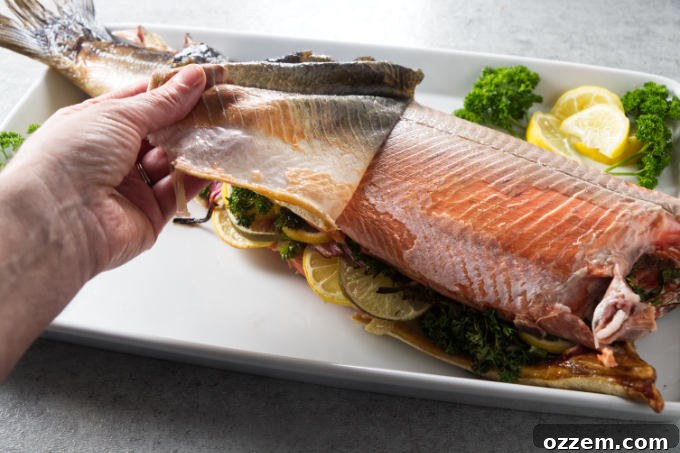
Once the salmon is perfectly grilled, carefully transfer it from the grates to a large cutting board or serving platter. For many, removing the skin is the first step. To do this, simply begin by peeling the skin away from the flesh, starting from the head or tail end. It should lift off in large, relatively easy sections, especially if the fish is cooked well.
Next, to debone, locate the spine. Starting near the head, slide a sturdy fish spatula or a solid metal spatula underneath the spine. Gently lift upwards with the spatula to separate the top fillet from the bottom fillet. The entire top fillet, along with the main spine and most of the smaller bones, should lift away quite cleanly. Flip the top fillet over and place it alongside the bottom fillet. Now, you can easily peel the exposed spine away from the top fillet and remove it completely from the fish. Use your spatula to support the delicate flesh of the fish during these maneuvers to prevent it from breaking apart.
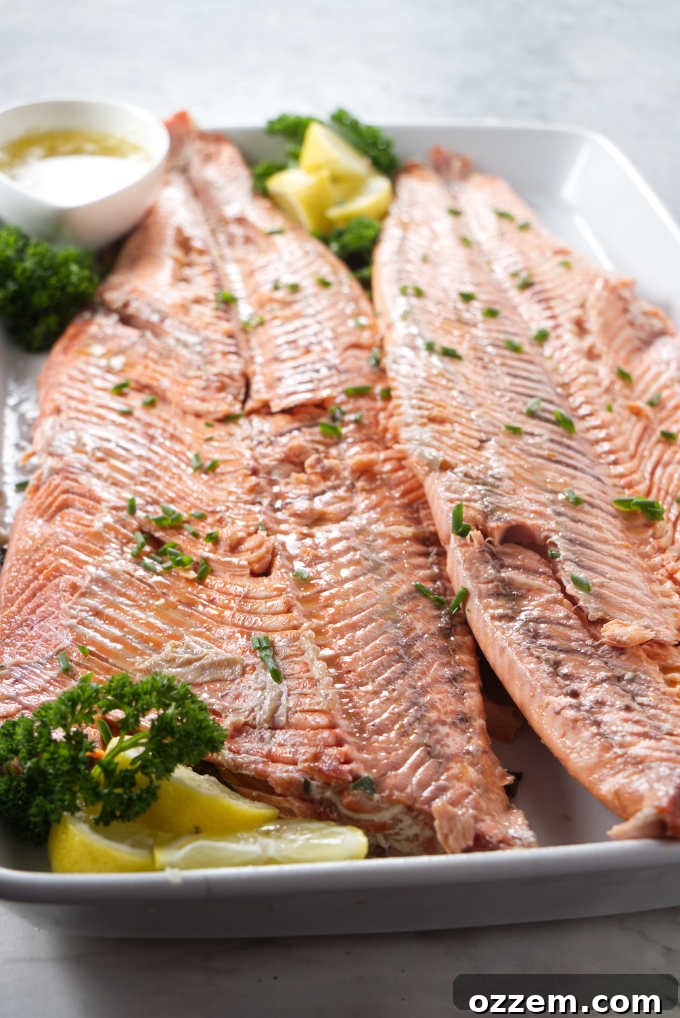
Once deboned, season the salmon lightly with a final sprinkle of salt and pepper to enhance its natural flavors. Serve generous portions alongside the warm, zesty lemon chive butter sauce. Its bright, rich notes perfectly complement the tender, flaky salmon.
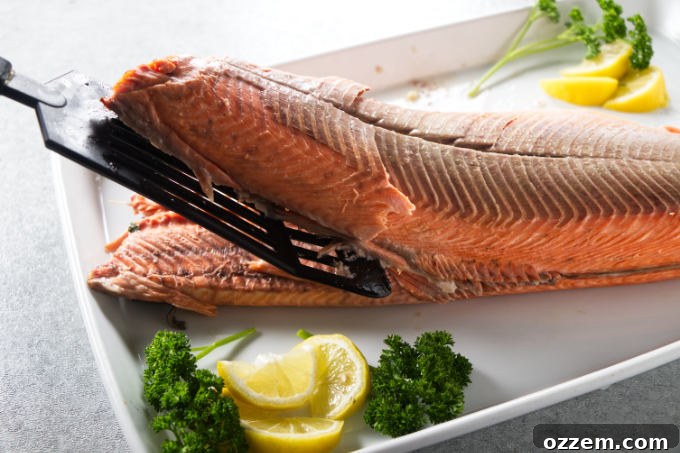
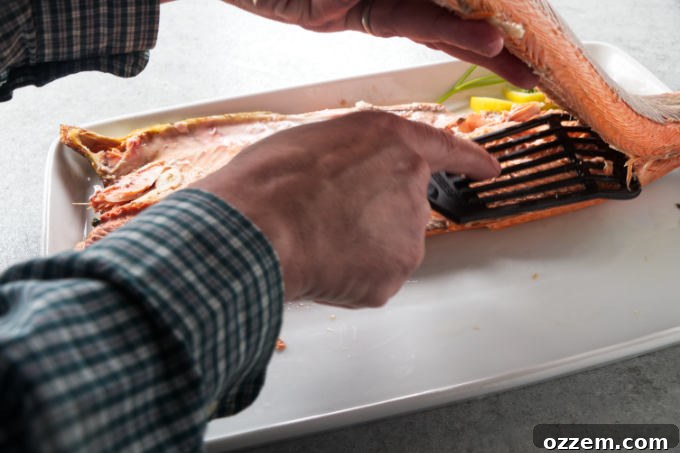
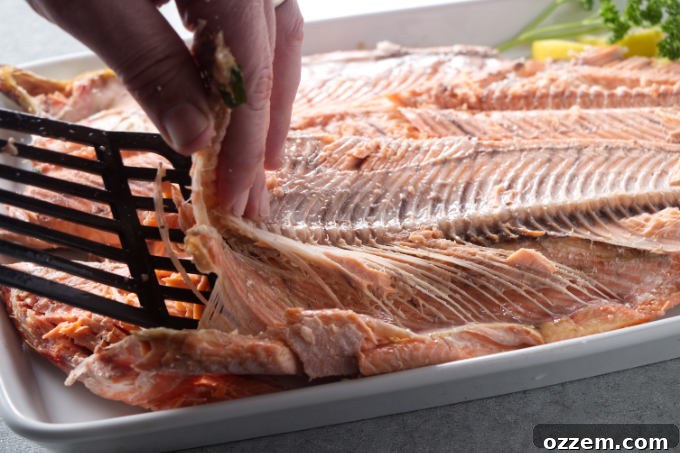
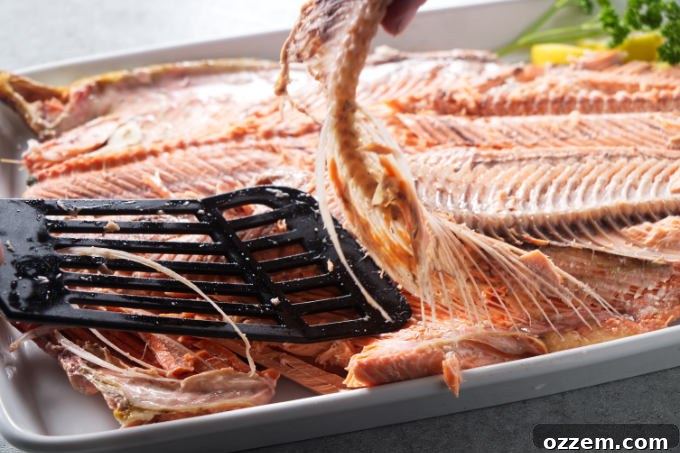
Pro Tip: A hefty, wide fish spatula is your best friend when handling and deboning a whole grilled salmon. A flimsy spatula can make the process messy, potentially breaking the delicate fillet. Invest in a good one for seamless serving!
Creative & Delicious Ways to Enjoy Leftover Salmon
One of the fantastic benefits of grilling a whole salmon is the likelihood of having delicious leftovers. Don’t let them go to waste! Cooked salmon is incredibly versatile and can be transformed into a variety of exciting new dishes. Here are some of my favorite creative and tasty ways to repurpose your salmon leftovers:
- Salmon Fish Tacos: Easily replace the tilapia in these air fryer fish taco recipe with your flaky grilled salmon. The jalapeño lime-cilantro slaw adds a perfect tangy crunch, making for an unforgettable Taco Tuesday.
- Savory Salmon Cakes: Flake the leftover salmon and mix it with breadcrumbs, an egg, fresh herbs (like dill or parsley), a squeeze of lemon, and a touch of Dijon mustard. Form into patties and pan-fry until golden brown. Serve with a creamy aioli.
- Elegant Salmon Quiche: Crumble salmon into a savory quiche with spinach, cheese, and a creamy egg custard. This smoked salmon quiche recipe can easily be adapted with your grilled salmon.
- Hearty Salmon Chowder: Add flaked salmon to a rich and creamy chowder with potatoes, corn, and other vegetables. This wild Alaskan smoked salmon chowder can be your inspiration.
- Fresh Salmon Salad: Mix flaked salmon with mayonnaise, celery, red onion, and fresh dill for a quick and easy salmon salad. Serve it on crackers, in lettuce wraps, or as a sandwich filling.
- Impressive Salmon and Crab Wellington: For a truly gourmet leftover dish, try creating a Salmon and Crab Wellington. While this salmon and crab Wellington recipe uses fresh, you can layer flaked salmon and crab meat with a creamy sauce in puff pastry for a show-stopping meal.
- Quick Salmon Pasta: Toss flaked salmon with your favorite pasta, a light cream sauce or olive oil, garlic, cherry tomatoes, and fresh basil for a speedy weeknight dinner.
Frequently Asked Questions About Grilling Whole Salmon
Do you really need to brine the salmon?
While not strictly mandatory, brining your salmon is a step I highly recommend if you have the time. Even a quick one-hour brine significantly boosts the moisture content of your salmon, providing an extra layer of insurance against drying out on the grill, especially on a pellet grill like a Traeger. Beyond moisture, the brine deeply seasons the fish from within, infusing it with flavor. You can keep it simple with just salt and a touch of sugar, or enhance it with your favorite herbs and citrus. The brine truly is your ticket to achieving award-winning, consistently moist salmon at your next cookout. Additionally, brining helps minimize the release of white albumin while the fish cooks, resulting in a much prettier, more appealing presentation. This white substance, though perfectly safe to eat, can sometimes look less appealing to diners.
Should I rinse the salmon after brining?
There’s no need to rinse the salmon after brining! I never rinse salmon (or any other brined meat), and I’ve found it’s never too salty. As long as you don’t over-brine the salmon for more than 24 hours, a simple pat dry with paper towels is all that’s required before you season it and place it on your Traeger or other grill. Rinsing can actually remove some of the beneficial surface seasoning and moisture you worked to achieve.
How do you prevent salmon from sticking to the grill grates?
Preventing your whole salmon from sticking to the grill is key to a beautiful presentation. Grilling the salmon with the skin on is the primary defense, as the skin acts as a protective barrier. To further ensure a non-stick experience, liberally coat the skin of the salmon with olive or vegetable oil before placing it on the grill. Additionally, make sure your grill grates are clean and well-oiled. I always use an oil-soaked rag (held with tongs) to thoroughly coat the hot grill grates of my Traeger before adding the fish. A hot, clean, and oiled grate is your best friend in preventing sticking.
Can I cook whole salmon with the head and tail off?
Absolutely! Many fishmongers will sell whole salmon with the head and tail removed upon request. While keeping them on can make for a more dramatic presentation, removing them makes the fish easier to handle on smaller grills and for storage. The cooking process and internal temperature guidelines remain the same.
What are good side dishes to serve with grilled whole salmon?
Grilled whole salmon pairs wonderfully with a variety of fresh and light side dishes. Consider grilled asparagus, roasted new potatoes, a vibrant quinoa salad, lemon-herb couscous, or a simple green salad with a vinaigrette dressing. Corn on the cob, either grilled or boiled, is also a fantastic summer accompaniment. The bright flavors of the salmon work well with equally fresh and zesty sides.
Explore More Grilling & Air Fryer Delights!
If you’re looking for more mouth-watering recipes to add to your repertoire, you absolutely have to try this easy recipe for barbecue air fryer chicken legs. They’re so good, you’ll be licking your fingers clean of the sweet, savory, and perfectly caramelized barbecue sauce. Just be sure to have extra napkins and wet wipes on hand – they’re deliciously messy!
And for those snack cravings, I’m a huge fan of pizza rolls, especially these homemade air fryer pizza rolls. The crust is wonderfully tender and flaky, and these pinwheels are bursting with all your favorite pizza toppings. You can easily make a batch ahead of time and freeze them, so whenever a craving hits, you can have hot, fresh pizza rolls ready in just a few minutes.
CONNECT WITH A LICENSE TO GRILL!
Be sure to follow us on our social media accounts for more grilling inspiration, tips, and delicious recipes.
Did you make this incredible whole grilled salmon recipe? We’d love to hear about it in the comments below!
💬 Tell Us What You Think!
Have you tried your hand at this whole grilled salmon recipe? Please share your experience and thoughts in the comments section below – we love hearing from you! Don’t forget to snap a picture of your culinary masterpiece and share it on your favorite social media platform. Be sure to tag us at @alicensetogrill and let us know how much you enjoyed it!
How to Grill a Whole Salmon
12 to 16 servings
15 minutes
30 minutes
45 minutes
Cooking a whole salmon is the most affordable way to get salmon on the table, and it is a lot easier than it looks. The optional overnight brine provides extra insurance for a moist, tender fish, thoroughly seasons it, and helps prevent the release of white albumin during cooking.
Ingredients
For the Optional Brine
- 3 quarts cold water (see notes)
- 3/4 cups Kosher salt
- 1/4 cup brown sugar
For the Grilled Salmon
- 1 whole, cleaned salmon (3 to 5 pounds)
- 3 to 4 tablespoons olive oil
- Salt and pepper, to taste
- 1 large red onion, thinly sliced
- 8 to 10 garlic cloves, thinly sliced
- 2 lemons, thinly sliced
- 1 lime, thinly sliced
- Several sprigs of fresh parsley, tarragon, and thyme
For the Lemon, Garlic, Chive Butter
- 6 ounces unsalted butter, softened
- 2 garlic cloves, minced
- 3 to 4 tablespoons chopped fresh chives (see notes)
- Zest of one small lemon
- 1 tablespoon fresh lemon juice
- 1/4 teaspoon each of salt and pepper
Instructions
To Brine the Salmon (Optional)
- Combine the sugar, salt, and 3 cups of water in a saucepan. Bring to a simmer and stir until the salt is dissolved. Remove from the heat and add a few cups of ice to cool the solution down. Transfer to a container large enough to hold the salmon and pour in the rest of the water.
- Place the salmon in the brine, cover it, and place it in the fridge overnight. (Ensure the brine covers the salmon. If it doesn’t, make some additional brine solution using 1 tablespoon salt and 1 teaspoon sugar per cup of water).
For the Grilled Salmon
- Preheat your grill to 400°F (200°C).
- Pat the salmon dry with paper towels. Coat the cavity and outside of the salmon with olive oil, then sprinkle all over with salt and pepper (make sure to season inside the cavity too). Coating the outside of the salmon will help prevent it from sticking to the grill.
- Stuff the cavity with slices of onion, garlic, lemon, lime, and sprigs of the fresh herbs.
- Transfer the salmon directly to the hot grill grates and close the lid.
- Cook for 20 to 30 minutes, or until a meat thermometer registers 130°F (54°C) (or 122°F for rare salmon, see notes).
- Make the lemon chive butter while the salmon cooks.
Lemon Chive Butter Sauce
- Melt the butter in a saucepan over medium heat. Add the minced garlic, lemon zest and juice, chopped fresh chives, salt, and pepper. Simmer for 5 minutes for flavors to infuse.
Serve the Salmon
- Place the cooked salmon on a wide platter or cutting board. Gently pull back the skin on top of the fish; it should peel right off once you get it started.
- Starting at the head end, carefully lift the spine using a wide spatula to support the flesh on either side of the top fillet. The top fillet and the spine will peel right off of the lower fillet. (Refer to the photos above for guidance). Next, flip the top fillet over so the spine is on top.
- Pull the spine up and away from the top fillet. Use the spatula to hold the flesh down under the spine as you remove it.
- Season the deboned salmon with a final touch of salt and pepper and serve immediately with the fragrant lemon chive butter.
Notes
- If you opt to brine the salmon, ensure you use enough water to fully cover the salmon. The exact amount may vary based on your salmon’s size and container. If more water is needed, add 1 tablespoon of salt and 1 teaspoon of brown sugar for each additional cup of water.
- You can substitute the fresh herbs with any you have on hand. Great alternatives that pair well with salmon and herb butter include dill, savory, rosemary, sage, and basil.
- The FDA recommends cooking finfish like salmon to 145°F (63°C). However, salmon can become quite dry at this temperature. I prefer cooking salmon to an internal temperature between 122°F (50°C) and 130°F (54°C) for a perfectly tender, moist, and flaky texture. Use your judgment regarding your preferred doneness.
- Brining the salmon is an optional but highly recommended step, as it significantly improves flavor and texture. It seasons the meat more thoroughly, helps retain moisture and juiciness, and minimizes the leaching of white albumin during cooking, leading to a more appealing presentation.
- When separating the salmon fillets and removing the spine, the process will be much easier if the salmon is cooked to a medium-well or well-done stage. For rare salmon, you might need to gently pry with a thin spatula between the fillet and the spine.
- Grill cooking times can fluctuate due to varying heat consistency. Always rely on a reliable meat thermometer to accurately determine when your salmon is perfectly cooked.
Recommended Grilling Products
As an Amazon Associate and member of other affiliate programs, I earn from qualifying purchases.
- Traeger Pro 780 WiFi Pellet Grill
- Thermoworks Thermapen ONE
- Hefty Metal Spatula
- Rubbermaid Brine Container
Nutrition Information:
Yield: 16
Serving Size: 1
Amount Per Serving:
Calories: 160
Total Fat: 14g
Saturated Fat: 6g
Trans Fat: 0g
Unsaturated Fat: 7g
Cholesterol: 32mg
Sodium: 5428mg
Carbohydrates: 7g
Fiber: 1g
Sugar: 4g
Protein: 4g
Nutrition information is a guideline only, is calculated automatically by third party software, and absolute accuracy is not guaranteed.
Did you make this recipe?
Please leave a comment on the blog or share a photo on Instagram