
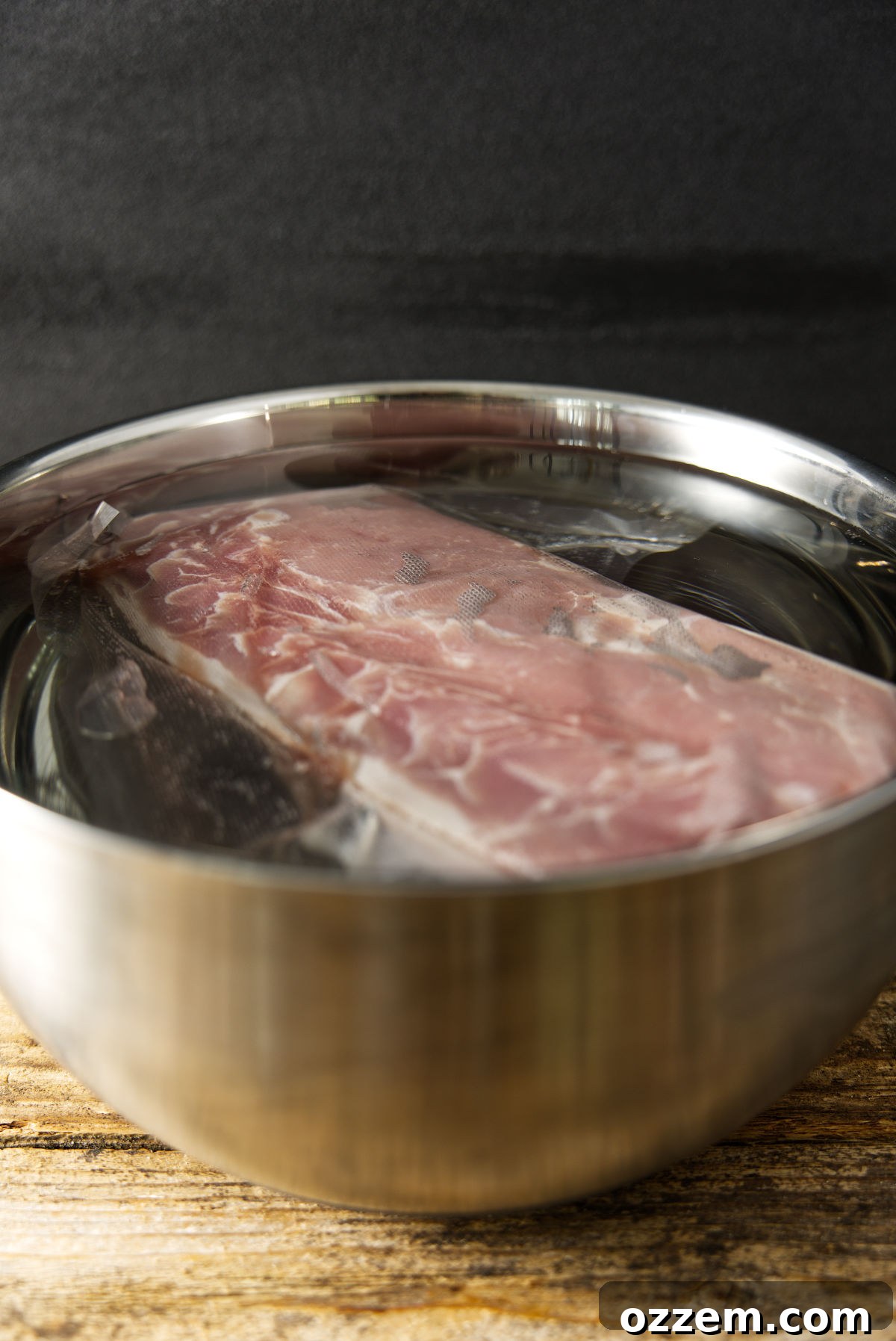
Mastering the art of how to thaw pork loin, whether it’s raw and destined for a gourmet meal or pre-cooked and ready for a quick reheat, is an essential skill for any home cook. The thawing process is often overlooked but plays a critical role in ensuring both food safety and the ultimate deliciousness of your pork. This comprehensive guide will walk you through the safest, most efficient, and quality-preserving methods to transform your frozen pork loin into a culinary delight, ready for the grill, oven, or smoker without unnecessary delays.
Understanding the nuances of different thawing techniques means you can confidently plan your meals, whether you’re preparing a sophisticated dinner party or a laid-back outdoor BBQ. By following these expert tips, you’ll ensure your pork loin remains succulent, flavorful, and perfectly textured every time. Let’s explore the best ways to thaw your pork loin so you can serve up a delicious pellet grill smoked pork loin or any other mouth-watering pork dish.
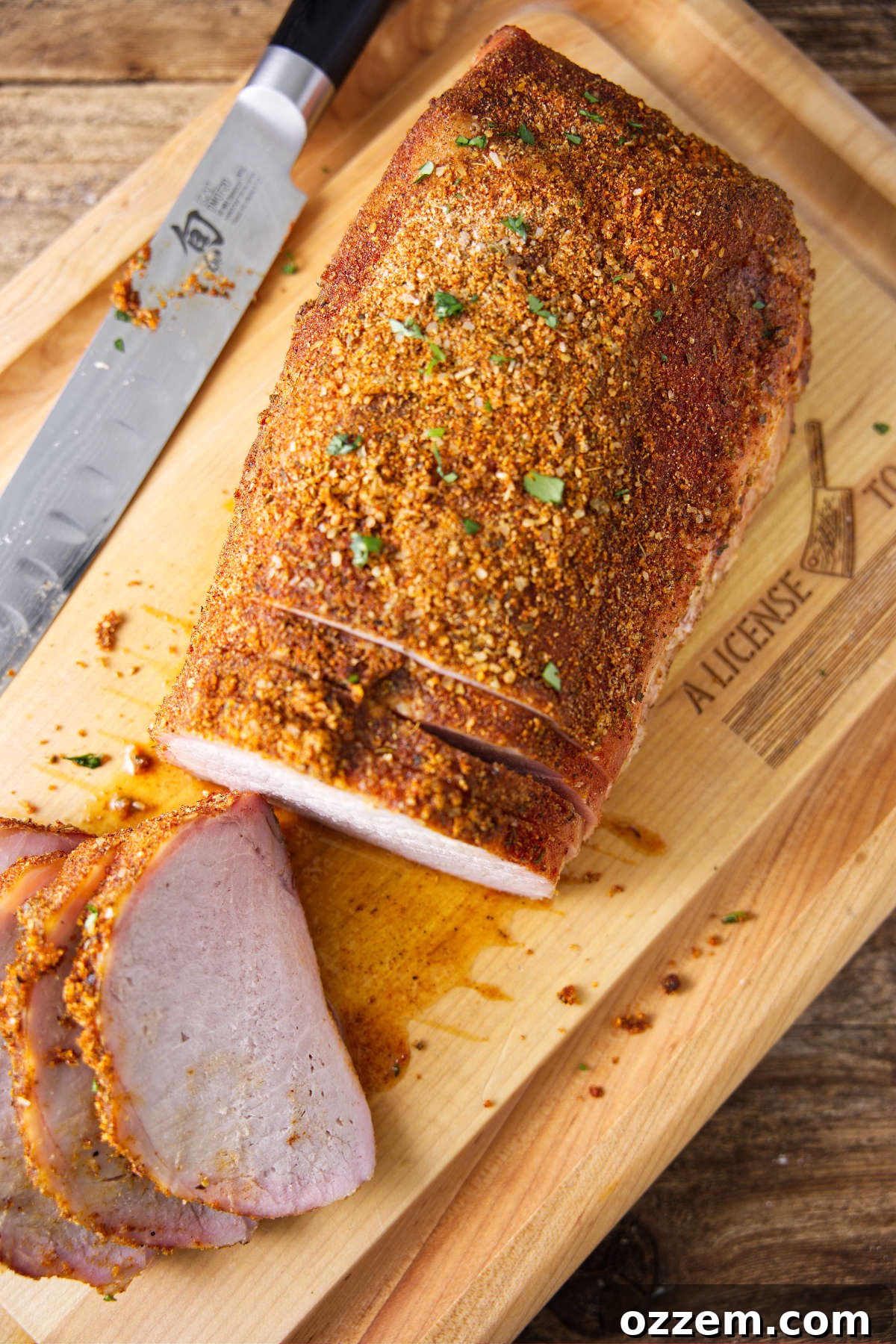
❄️ The Critical Importance of a Proper Thaw for Pork Loin
Thawing pork loin correctly is far more than just a preliminary step; it’s fundamental for both food safety and maintaining the highest quality of your meat. Improper thawing can lead to bacterial growth, uneven cooking, and a compromised texture that can ruin your meal. This section will delve into why a proper thawing technique is non-negotiable, offering insights to minimize freezer burn, expedite the thawing process safely, and consistently achieve outstanding results, whether you’re dealing with a raw cut or reheating a pre-cooked masterpiece.
- Prevents Harmful Bacterial Growth: One of the most critical reasons for proper thawing is to prevent the proliferation of harmful bacteria. Bacteria thrive in what’s known as the “danger zone,” which ranges from 40°F (4°C) to 140°F (60°C). By thawing pork loin safely, you keep it out of this temperature range, significantly reducing the risk of foodborne illness.
- Ensures Uniform Cooking and Reheating: A fully and evenly thawed pork loin cooks or reheats much more uniformly. When parts of the meat are still frozen, you risk having sections that are overcooked and dry, while others remain undercooked or even raw. Proper thawing eliminates these inconsistencies, ensuring every bite is cooked to perfection.
- Preserves Optimal Meat Quality: Slow and controlled thawing methods are key to preserving the pork loin’s natural texture and moisture. Rapid or improper thawing can cause ice crystals within the meat to damage muscle fibers, leading to a dry, tough, or mushy texture. This is crucial for both raw pork loin, where moisture retention is vital for tenderness, and for reheating cooked leftovers without drying them out.
- Enhances Flavor Absorption: A properly thawed pork loin is more receptive to marinades, rubs, and seasonings. The meat fibers are relaxed and ready to absorb flavors, resulting in a more deeply seasoned and delicious final product. This is particularly important for recipes that rely heavily on marination to impart complex tastes.
- Minimizes the Risk of Cross-Contamination: Safe thawing techniques also play a vital role in preventing cross-contamination. By containing juices and handling the pork carefully, you reduce the chance of spreading bacteria to other foods, kitchen surfaces, or utensils, upholding overall kitchen hygiene.
🥩 How to Safely Thaw Raw Pork Loin
When preparing raw pork loin for cooking, the method you select for thawing can profoundly affect its safety, texture, and overall culinary outcome. There are three primary techniques available: refrigerator thawing, cold water thawing, and microwave thawing. Each method offers distinct advantages and considerations, primarily influenced by your available time and specific cooking needs. Understanding these differences will help you choose the best approach for your kitchen.
Refrigerator thawing stands out as the safest and most hands-off method, though it requires significant planning due to its slow pace. Cold water thawing offers a much quicker alternative, but it demands more active monitoring to maintain food safety standards. Microwave thawing provides the fastest solution for those truly pressed for time, but it often comes with potential compromises in meat quality, making it generally a less preferred option.
From a culinary perspective, I generally advise reserving the microwave method for emergency situations only. Even with a dedicated defrost setting, microwaves can inadvertently begin to cook the exterior of the meat while the interior remains frozen. This partial cooking can lead to an undesirable rubbery texture and dryness, detracting from the pork loin’s inherent tenderness and juiciness. For optimal results and flavor, consider the microwave a last resort. Once your raw pork loin is perfectly thawed, you might want to learn how to smoke a pork loin on a charcoal grill for an incredible meal.
Method 1: Refrigerator Thawing (The Safest and Most Recommended)
Refrigerator thawing is universally considered the safest and most reliable method for thawing raw pork loin, as it keeps the meat at a consistently cold temperature (below 40°F/4°C) throughout the entire process. This slow, controlled thaw minimizes bacterial growth and ensures the meat retains its quality and juices. To implement this method, simply place your frozen pork loin, still in its original packaging or a sealed bag, onto a plate, tray, or shallow dish. This container is crucial for catching any condensation or meat juices that may leak, preventing cross-contamination with other items in your refrigerator.
Planning is key with this method, as it is the slowest. As a general rule, allow approximately 24 hours of thawing time for every 5 pounds of pork loin. For instance, a 10-pound pork loin will typically require a full 48 hours to thaw completely in the refrigerator. Smaller cuts, like a 2-3 pound loin, might thaw in about 12-24 hours. Always ensure the pork loin is completely thawed before proceeding with cooking. Once thawed, raw pork loin can safely remain in the refrigerator for an additional 1-2 days before cooking.
- Time Commitment: This is the slowest but most gentle method, typically requiring about 24 hours for every 5 pounds of meat. For larger cuts, plan for 2-3 days in advance.
- Food Safety Profile: It is unequivocally the safest thawing method because the pork loin remains at a consistently cold and safe temperature (below 40°F/4°C) throughout the entire process, preventing bacterial proliferation.
- Effort and Convenience: Requires minimal effort. Simply place the frozen pork loin in a leak-proof container on the lowest shelf of your refrigerator. Once placed, it requires no further attention until it’s fully thawed.
- Quality Preservation: This slow and steady approach is best for preserving the meat’s texture, moisture, and overall quality, resulting in a more tender and juicy cooked product.
Method 2: Cold Water Thawing (Faster, But Requires Attention)
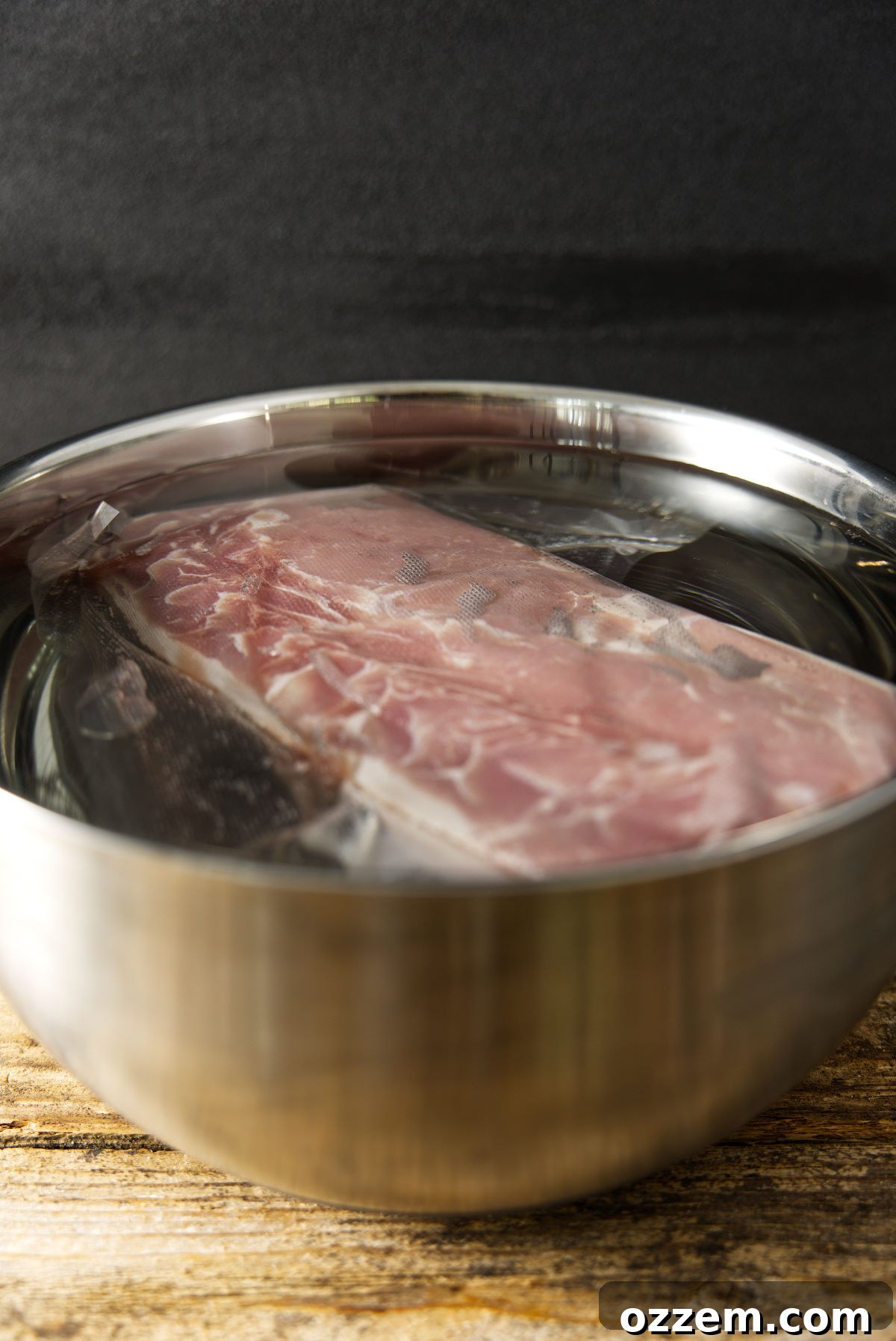
Cold water thawing is an excellent compromise when you need to thaw pork loin more quickly than refrigerator thawing allows but still want to maintain good meat quality. This method relies on the continuous circulation of cold water to gently thaw the meat without allowing its temperature to rise into the danger zone. The most crucial step is to ensure your pork loin is in a completely watertight bag. This could be its original vacuum-sealed packaging, a heavy-duty freezer bag, or a specialized sous vide bag. Any tears or leaks will allow water to seep into the meat, compromising its texture, flavor, and safety.
Once secured in a watertight bag, place the frozen pork loin in a large bowl, basin, or clean sink. Fill the container with cold tap water, ensuring the pork loin is fully submerged. The key to safety and efficiency with this method is to change the water frequently – every 30 minutes, without fail. This constant refreshing of the water keeps it cold (below 40°F/4°C), preventing the surface of the meat from warming up too much. The thawing time is significantly faster than refrigerator thawing, typically requiring about 30 minutes per pound of pork loin. A 3-4 pound loin might be ready in 1.5 to 2 hours. Once thawed, the pork loin should be cooked immediately.
- Time Commitment: Significantly faster than refrigerator thawing, generally taking approximately 30 minutes per pound of meat. A standard 3-pound loin could thaw in about 1.5 hours.
- Food Safety Profile: Safe if stringent adherence to changing the cold water every 30 minutes is maintained, ensuring the meat’s temperature remains below 40°F (4°C).
- Effort and Convenience: More labor-intensive compared to refrigeration, as it requires active monitoring and regular water changes. However, it’s a good option when time is a factor.
- Watertight Packaging: Absolutely essential. Use a reliable, sealed bag to prevent water from entering the meat, which can affect its texture and flavor.
Method 3: Microwave Thawing (For Emergency Use Only)
Microwave thawing is the quickest option available when you find yourself in a bind and need to defrost pork loin almost instantly. However, it comes with notable drawbacks regarding meat quality, making it a method to be used only as a last resort. The primary issue with microwave thawing is its tendency to cook the outer edges of the meat while the interior remains frozen, leading to an unevenly thawed product and a compromised texture. The partially cooked areas can become tough and rubbery, affecting the overall tenderness of your pork loin.
To use this method, first remove the pork loin from its original packaging and place it in a microwave-safe dish or plate to catch any juices. Utilize your microwave’s specific defrost setting, if available. This setting typically cycles power on and off to allow the heat to distribute more evenly and minimize cooking. If your microwave lacks a defrost setting, set it to 30% power (or the lowest setting possible). You’ll need to defrost the pork loin for approximately 6-8 minutes per pound of meat. It’s crucial to monitor the meat continuously, pausing frequently to check for any signs of cooking on the edges.
Flip the pork loin halfway through the defrosting time to promote more even thawing. Break apart any pieces that have thawed to speed up the process for the remaining frozen parts. Once the pork loin is thawed using the microwave, it must be cooked immediately. Do not refreeze microwaved meat. Because portions of the meat may have entered the danger zone, prompt cooking is essential to destroy any bacteria that may have started to grow.
- Time Commitment: This is by far the quickest option, ideal for last-minute thawing situations when other methods are not feasible.
- Food Safety Profile: Requires extreme vigilance to prevent partial cooking of the meat. Since parts of the meat can quickly warm into the danger zone, immediate cooking after thawing is imperative to prevent bacterial growth.
- Ease/Effort: High ease of use in terms of pressing buttons, but it demands constant monitoring and immediate action post-thaw.
- Quality Compromise: While expedient, microwave thawing is generally considered the least desirable method due to its potential for uneven thawing, which can lead to areas becoming tough, dry, or rubbery, thereby impacting the meat’s texture and overall quality.
🐖 Safely Thawing Cooked Pork Loin
Thawing previously cooked pork loin correctly is equally important as thawing raw meat, especially when the goal is to revive its tender texture and juicy flavor. The objective here is to gently bring the meat back to a safe temperature without overcooking or drying it out. While methods like sous vide are exceptional for this purpose, several other effective options are available, offering flexibility based on your kitchen equipment and time constraints. I intentionally omit microwave thawing as a primary recommendation for cooked pork loin, as reheating in a microwave is highly prone to drying out the meat and making it tough, negating all efforts to preserve its quality during cooking.
Method 1: Sous Vide Thawing (Optimal for Quality and Moisture)
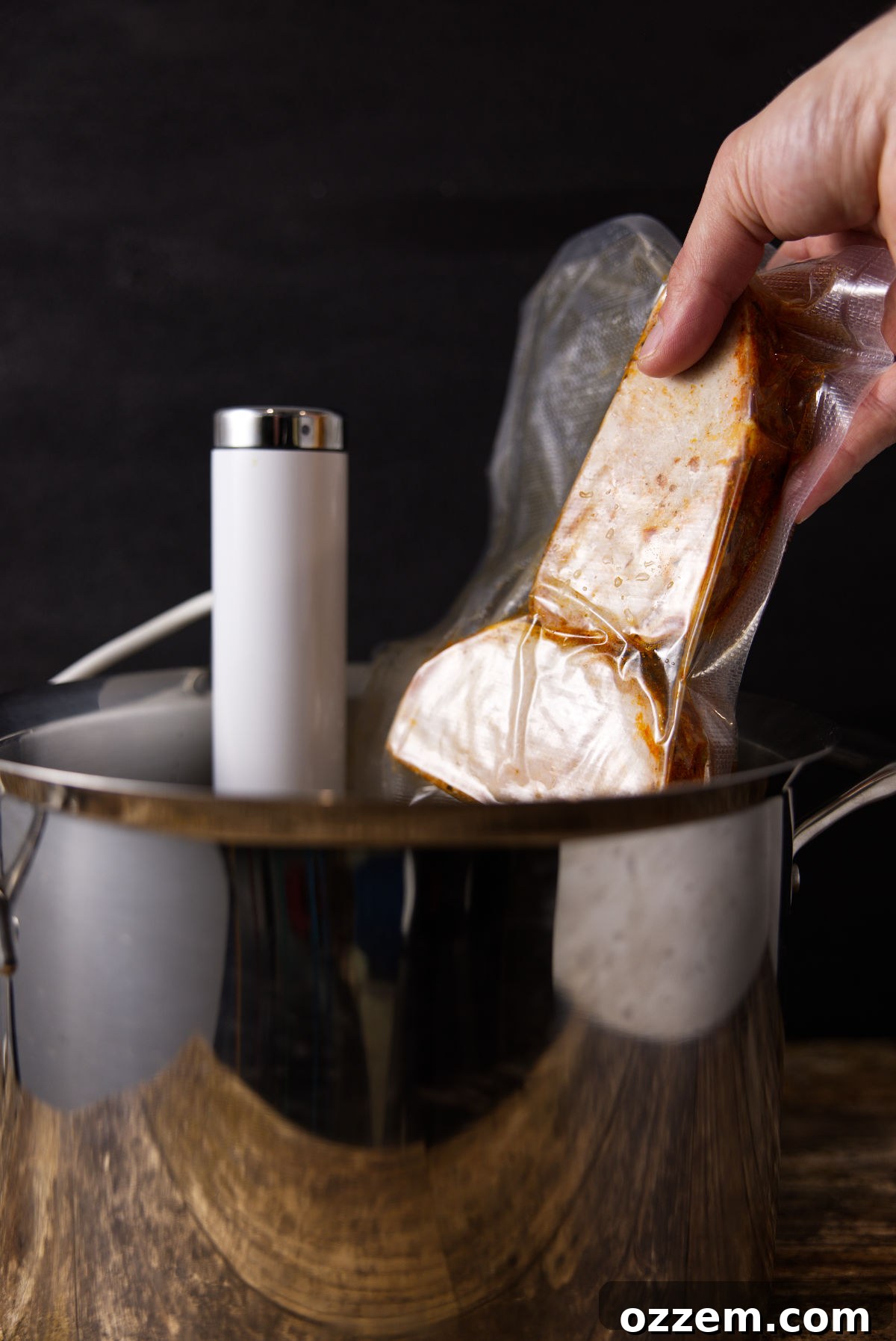
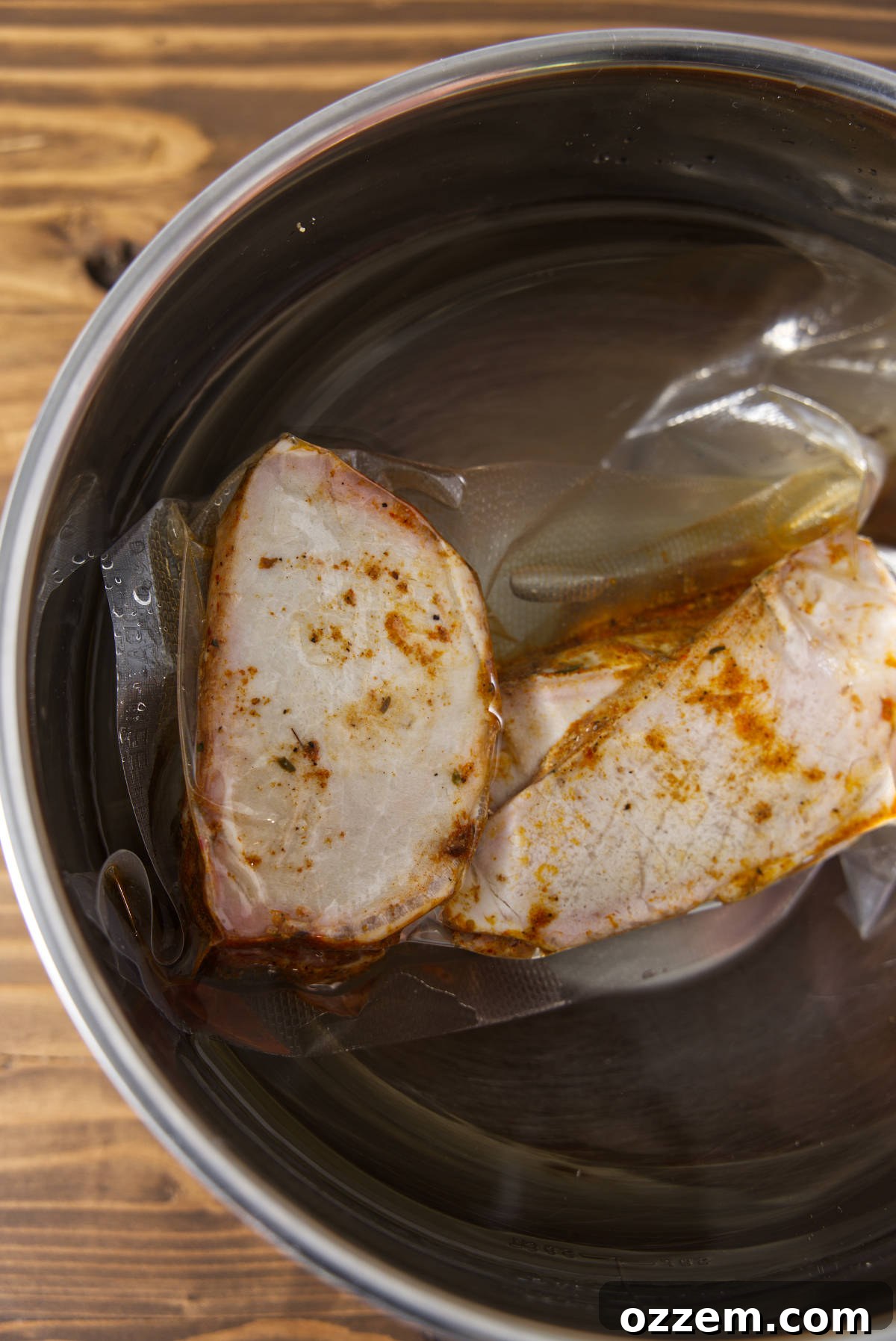
Sous vide is an unparalleled method for thawing and gently reheating cooked pork loin, as it guarantees a consistent temperature and exceptional moisture retention. This technique bathes the meat in a precisely controlled water bath, bringing it to serving temperature without any risk of overcooking or drying. To begin, set up your sous vide immersion circulator in a large pot or a dedicated sous vide container filled with water. Ensure the cooked pork loin is sealed in a vacuum-sealed bag or a high-quality, watertight sous vide bag.
Set the sous vide machine to your desired serving temperature, typically around 140°F to 145°F (60°C to 63°C) for a tender, moist pork loin. Submerge the bagged pork loin into the water bath. Allow it to thaw and gently reheat for at least 2.5 hours, and up to 4 hours, depending on the thickness of the loin. The extended time in the warm water allows the internal temperature to equalize throughout the meat without any damage. Once done, remove the pork loin from the sous vide bath, take it out of the bag (saving any accumulated juices for a sauce!), slice, and serve immediately. You’ll be amazed at how fresh and tender it tastes.
- Thaw and Heat Simultaneously: Sous vide offers the unique advantage of thawing frozen cooked meat while simultaneously heating it to the perfect, consistent internal temperature, ready for serving.
- Unmatched Moisture Retention: As the pork loin thaws and reheats within its sealed bag, all natural juices and moisture are retained, ensuring the meat remains incredibly moist, tender, and succulent.
- Flawless Results Every Time: There is virtually no risk of overheating or drying out the pork loin with sous vide. Simply set the precise temperature, and the machine maintains it, allowing you to “set it and forget it” until you’re ready to plate your dinner.
Method 2: Refrigerator Thawing (Effortless and Safe for Cooked Loin)
Just as with raw pork loin, refrigerator thawing is a safe and incredibly easy method for thawing cooked pork loin. It requires minimal active involvement and ensures the meat remains at a consistently safe temperature (below 40°F/4°C) throughout the process. To thaw cooked pork loin in the fridge, simply place the frozen, cooked loin (still in its original sealed packaging or a new freezer-safe bag) onto a plate or in a shallow dish to catch any potential drips or condensation. This prevents any cross-contamination within your refrigerator.
The thawing time for cooked pork loin in the refrigerator will depend significantly on its size and thickness. For a whole cooked pork loin, plan for 1-2 days of thawing. However, if your pork loin was sliced into individual portions before being frozen, it will thaw much more quickly, often within 12-24 hours. The main advantage here is convenience; you can place it in the fridge the night before or even two nights before, and it will be safely thawed and ready for reheating when you are. Once thawed, cooked pork loin can be safely stored in the refrigerator for an additional 3-4 days before reheating and serving.
- Effortless Planning: While a slow method, it’s exceptionally convenient. You can simply place your frozen cooked pork loin in the refrigerator the night before, or even two nights prior, and it will be safely thawed and ready for its final reheating step.
- Pre-Sliced Advantage: If the cooked pork loin was sliced into smaller, individual portions before freezing, the thawing time will be considerably reduced, making it a faster option for smaller meal preps.
- Easy Reheating Prep: Once fully thawed, the cooked pork loin is ready for your preferred reheating method. You can simply slice it (if not already sliced) and warm it up in an air fryer, oven, skillet, or even a microwave (though use with caution to avoid drying).
Method 3: Cold Water Thawing (Faster for Cooked Loin)
Cold water thawing is a faster alternative for cooked pork loin when refrigerator thawing is too slow, but you still want to maintain good quality without resorting to the microwave. This method is effective for gently bringing the cooked meat to a thawed state without compromising its texture or allowing bacterial growth. As with raw pork loin, the absolute priority is to ensure the cooked pork loin is sealed in a completely watertight bag. Use a durable freezer bag, a vacuum-sealed bag, or its original packaging if it’s intact and leak-proof. Any breach will allow water to enter the bag, potentially affecting the meat’s texture and hygiene.
Place the bagged, frozen cooked pork loin into a large bowl or a clean sink and fill it with cold tap water, ensuring the meat is fully submerged. The critical step for safety is to change the water every 30 minutes. This regular replacement keeps the water temperature consistently cold (below 40°F/4°C), preventing the meat from entering the “danger zone.” The thawing time will typically be around 20-30 minutes per pound, depending on the thickness of the loin. Once the cooked pork loin is thawed, it should be reheated and consumed promptly. For reheating, I personally love to slice the thawed cooked loin, brush it lightly with olive oil, and then air fry it at 400°F (200°C) for just 2-3 minutes until heated through and slightly crisped on the edges. This method keeps it incredibly juicy and flavorful.
- Relatively Quick: This method is notably faster than refrigerator thawing, making it a practical choice when you have a few hours but not a full day or two to spare.
- Maintain Cold Water: It is imperative to change the cold water every 30 minutes to ensure the water temperature remains consistently low (below 40°F/4°C), thus preventing any potential bacterial growth.
- Prepare for Reheating: Once thawed, the cooked pork loin will need to be reheated to a safe internal temperature (165°F/74°C) before serving. This method prepares it for a quick and final heating step.
👨🍳 Expert Tips for Freezing and Thawing Pork Loin
- Vacuum Seal for Unmatched Freshness: Whenever possible, invest in a vacuum sealer to package your pork loin before freezing. Vacuum sealing removes air, which is the primary culprit behind freezer burn. This significantly minimizes air exposure, prevents ice crystal formation, and retains the meat’s quality, flavor, and texture for extended periods in the freezer.
- Always Label and Date Clearly: Before placing any pork loin in the freezer, always label the package with the freezing date and the type of meat. This simple step is vital for effective inventory management, helping you keep track of how long it’s been stored and ensuring you use it within its optimal quality period, typically 6-12 months for best taste and texture.
- Freeze in Practical Portions: If you purchase a large pork loin, consider dividing it into smaller, meal-sized portions before freezing. This strategic step allows you to thaw only the amount you need for a specific meal, minimizing waste and simplifying your meal prep.
- Direct Sous Vide Cooking from Frozen: An incredible advantage of sous vide cooking is its ability to handle meat directly from the freezer. You can place a frozen, vacuum-sealed pork loin directly into the sous vide bath. If desired, add seasonings and marinade ingredients to the bag before freezing, allowing them to infuse during the thaw-and-cook process. Just add an additional 1-2 hours to your normal sous vide cooking time to account for the initial thawing, then finish with a quick sear in a hot cast-iron pan for a beautiful crust.
- Strictly Avoid Refreezing Thawed Raw Pork: Once raw pork loin has been thawed, it should not be refrozen, as this can severely compromise its quality, texture, and taste. The only exception is if it was thawed in the refrigerator and remains at a safe temperature (below 40°F/4°C) and hasn’t been out at room temperature for more than two hours. Cooked pork loin can be refrozen if it was thawed safely in the refrigerator.
- Thaw Strategically During Other Prep Work: Plan your thawing well in advance. Begin by transferring your pork loin to the refrigerator a full day or two before you intend to cook it. Alternatively, if time is tighter, place it in a sealed, watertight bag in a bowl of cold water several hours before your meal prep. This allows the pork to thaw concurrently while you’re preparing other components of your meal, making your cooking process more efficient.
- Consider Marinating While Thawing (Refrigerator Method): For raw pork loin, if thawing in the refrigerator, you can place it directly into a marinade within a sealed bag or container. This allows the meat to thaw and marinate simultaneously, infusing deep flavor and reducing overall preparation time.
- Always Use a Meat Thermometer: Regardless of your thawing method, always use a reliable meat thermometer to ensure your pork loin reaches a safe internal temperature during cooking (145°F/63°C for raw pork loin, followed by a 3-minute rest) or reheating (165°F/74°C for cooked pork).
🍽️ From Frozen to Feast: Your Guide to Perfect Pork Loin
Successfully transforming a frozen block of pork loin into a tender, juicy, and flavorful feast is a skill every home cook can master with the right knowledge. By meticulously choosing and executing the appropriate thawing method—be it the patient refrigerator thaw, the more expedient cold water bath, the emergency microwave defrost, or the quality-preserving sous vide—you ensure not only the safety of your meal but also the preservation of its inherent quality and the unlocking of its full, rich flavor potential.
These techniques are more than just steps in a recipe; they are your secret weapons for culinary success, enabling you to confidently tackle everything from quick weekday dinners to elaborate weekend BBQs. With these expert tips in hand, you are now equipped to handle any frozen pork loin, guaranteeing a delicious outcome that will impress your family and friends every single time. Enjoy the journey from frozen to a truly unforgettable feast!
CONNECT WITH A LICENSE TO GRILL!
Be sure to follow us on our social media accounts for more grilling tips, recipes, and inspiration!
Did you make this recipe or use these tips? We’d love to hear about your experience! Share your thoughts in the comments section below.