
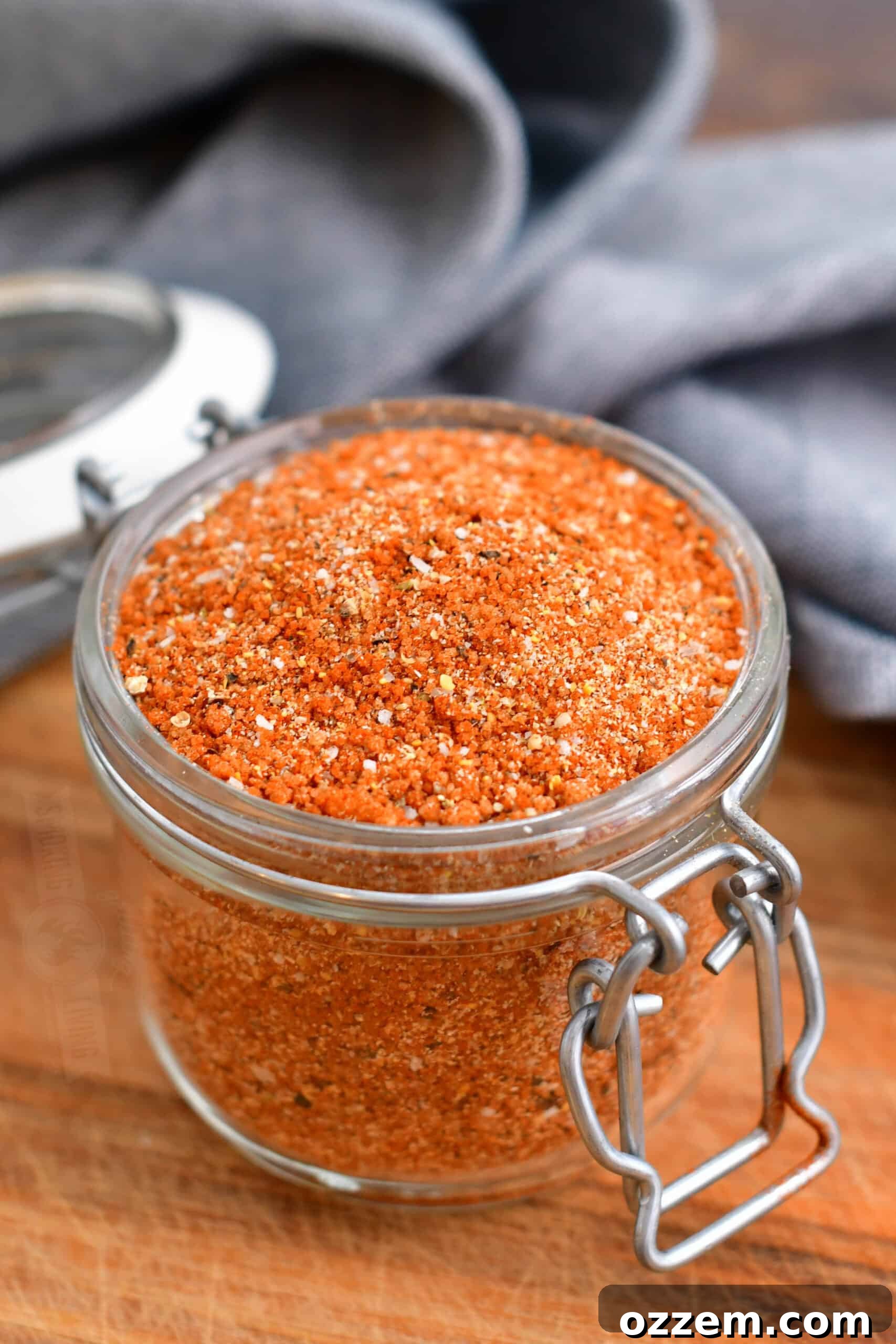
Transform your ribs into a culinary masterpiece with the best possible dry rub! The perfect blend balances sweet, spicy, and salty flavors, complemented by aromatic spices that bring it all together for an unforgettable taste experience.
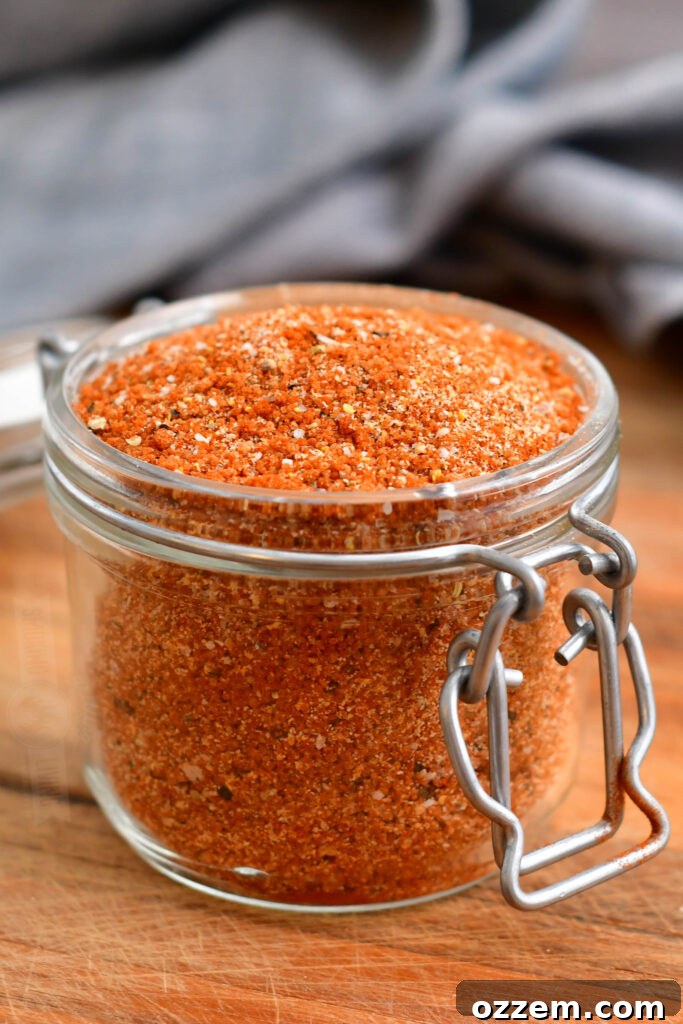
Whether you’re a purist who prefers the unadulterated flavor of a perfectly caramelized dry rub or someone who loves to finish their ribs with a sticky, sweet BBQ sauce, one thing is universally true: the foundation of truly exceptional ribs lies in an outstanding dry rub. This critical seasoning blend isn’t just about adding flavor; it creates that coveted “bark” – a delectable, sweet, and spicy crust that forms during the cooking process, enhancing every juicy, tender, smoky bite. It’s truly half the appeal of any great rib dish.
But don’t limit this incredible rub to just ribs! While it’s absolutely phenomenal on smoked ribs, its versatility knows no bounds. Feel free to generously coat your ribs with it whether you’re slow-cooking them in the oven, preparing them on the grill, or firing up your smoker. This dry rub also works wonders on other cuts of meat, like smoked pork shoulder, pulled pork, pork chops, and even brisket. Don’t hesitate to experiment; it’s designed to elevate all your favorite pork dishes and beyond!
Why Choose a Homemade Rib Rub?
In a world overflowing with store-bought options, you might wonder why bother making your own dry rub. The answer is simple: control and freshness. When you craft your own rub, you dictate the quality and quantity of each ingredient, avoiding artificial additives, excessive sodium, or hidden sugars often found in commercial blends. This allows for unparalleled freshness, as spices begin to lose their potency over time. Furthermore, a homemade rub gives you the freedom to customize the flavor profile to your exact preferences – more heat, less sugar, a different aromatic twist – making every batch uniquely yours. It’s a small effort that yields monumental flavor differences and often proves to be more cost-effective in the long run.
The Anatomy of a Perfect Rib Rub: Sweet, Spicy & Savory Balance
Creating an exceptional dry rub is much like composing a symphony of flavors. You’re aiming for a harmonious blend where no single note overwhelms the others, but each contributes to a complex and utterly delicious experience. The secret lies in balancing the fundamental flavor categories: sweet, spicy, savory, and aromatic. For most pork and beef applications, especially ribs, this foundational approach ensures a robust flavor that penetrates the meat and develops a beautiful bark.
Essential Flavor Components of Your Rib Rub
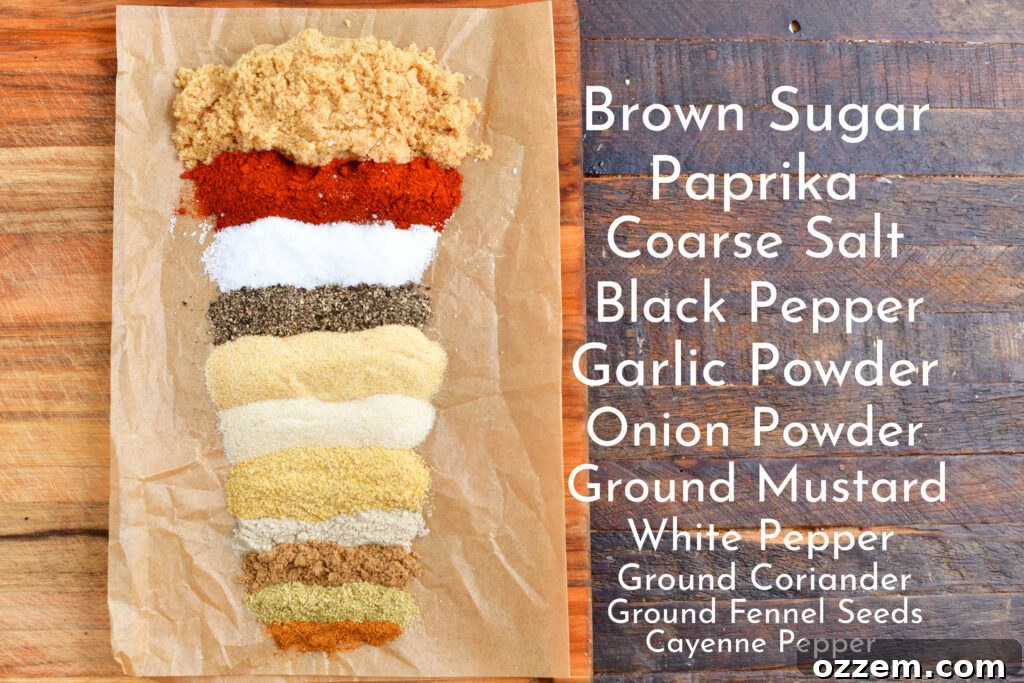
When building a spice blend, I always start with the core components and then layer additional flavors based on the meat and the desired balance. For succulent ribs, the prime starting point includes sugar, salt, pepper, and paprika. This quartet forms the backbone of the rub, offering a rich base upon which to build.
- Sweetness (The Caramelization Factor): For the sweet element, brown sugar is the undisputed champion. I highly recommend using dark brown sugar over light brown sugar. Its higher molasses content not only imparts a deeper, richer flavor but also contributes significantly to the desirable dark, caramelized “bark” that forms on slow-cooked or smoked meats. This sweetness balances the other strong flavors and tenderizes the meat subtly.
- Saltiness (The Flavor Enhancer): For salt, always opt for coarse kosher salt. Its larger granules allow for better distribution and control compared to fine table salt, which can easily over-salt your meat. If kosher salt isn’t available, coarse sea salt or coarse Himalayan pink salt are excellent alternatives. Avoid table salt, as its fine texture and anti-caking agents can result in a different taste and texture profile. Salt is crucial for enhancing all other flavors and helping the meat retain moisture.
- Heat & Depth (The Spice Kick): To introduce a delightful warmth and complexity, I turn to a combination of peppers. Cracked peppercorns (black pepper), white pepper, and cayenne pepper each offer distinct nuances. Black pepper provides a pungent, woody aroma, while white pepper adds a more subtle, earthy heat. Cayenne pepper delivers that unmistakable fiery kick, which you can adjust to your personal preference. For an extra gourmet touch, consider a multi-colored peppercorn blend that includes pink and green peppercorns for a broader spectrum of peppery notes.
- Color & Earthiness (The Paprika Punch): Paprika is more than just a vibrant red color; it contributes a mild, sweet, and sometimes smoky flavor. You have choices here: regular paprika for a classic flavor, or smoked paprika for an additional layer of smoky depth that complements smoked meats beautifully. While sweet paprika can be used, I generally avoid it in favor of the more robust flavors of regular or smoked varieties for ribs.
- Aromatics & Savory Base (The Unsung Heroes): No rib rub is complete without foundational aromatic spices. Garlic powder and onion powder are non-negotiable, providing a savory depth that forms the bedrock of countless delicious dishes. They offer a concentrated flavor that disperses evenly throughout the rub.
- Unique Flavors (The Secret Ingredients): For an added layer of intriguing flavor, ground mustard is a fantastic inclusion. Pork and mustard are a classic pairing, and the mustard powder helps to create a tangy, slightly pungent note that cuts through the richness of the meat. Additionally, ground coriander and ground fennel seeds add distinct aromatic and earthy undertones. Coriander offers a warm, citrusy note, while fennel seeds bring a subtle anise-like sweetness, elevating the rub beyond the ordinary.
Crafting Your Homemade Dry Rub
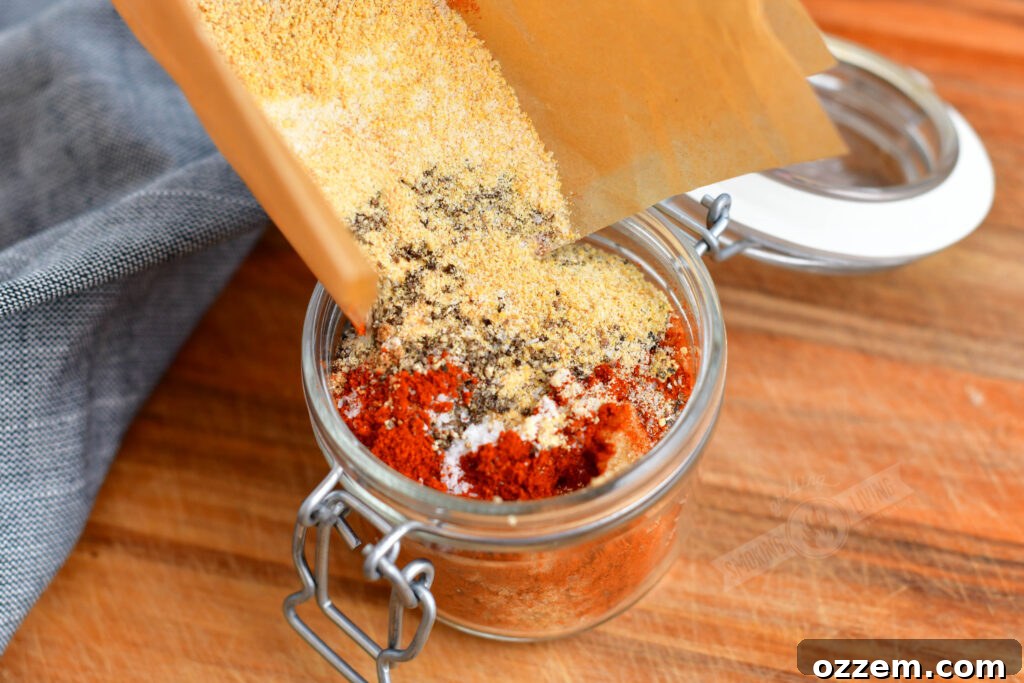
Making your own dry rub is surprisingly simple, requiring minimal effort for maximum reward. The primary goal is to ensure all ingredients are thoroughly combined and free of clumps, allowing for even distribution on your meat.
Step-by-Step Preparation:
- Gather Your Tools: You’ll need a mixing bowl and a whisk, or a clean, dry jar with a tight-fitting lid. It’s crucial that all your equipment is completely dry to prevent moisture from clumping the spices, especially brown sugar.
- Combine Ingredients: Pour all the measured spices into your chosen vessel. If using a bowl, whisk vigorously until the mixture is uniform in color and texture. If using a jar, seal it tightly and shake it vigorously for a minute or two.
- Break Up Clumps: Brown sugar, particularly dark brown sugar, tends to clump. If mixing in a jar, you might need to open it and use a fork to break apart any stubborn lumps, then shake again. For bowl mixing, simply use your whisk or fingers to break them up.
- Achieve Consistency: Continue mixing or shaking until you are confident that the sweet, spicy, and savory elements are evenly distributed throughout the blend. This ensures every part of your meat receives the full spectrum of flavor.
Mastering the Application: Patting for Perfection
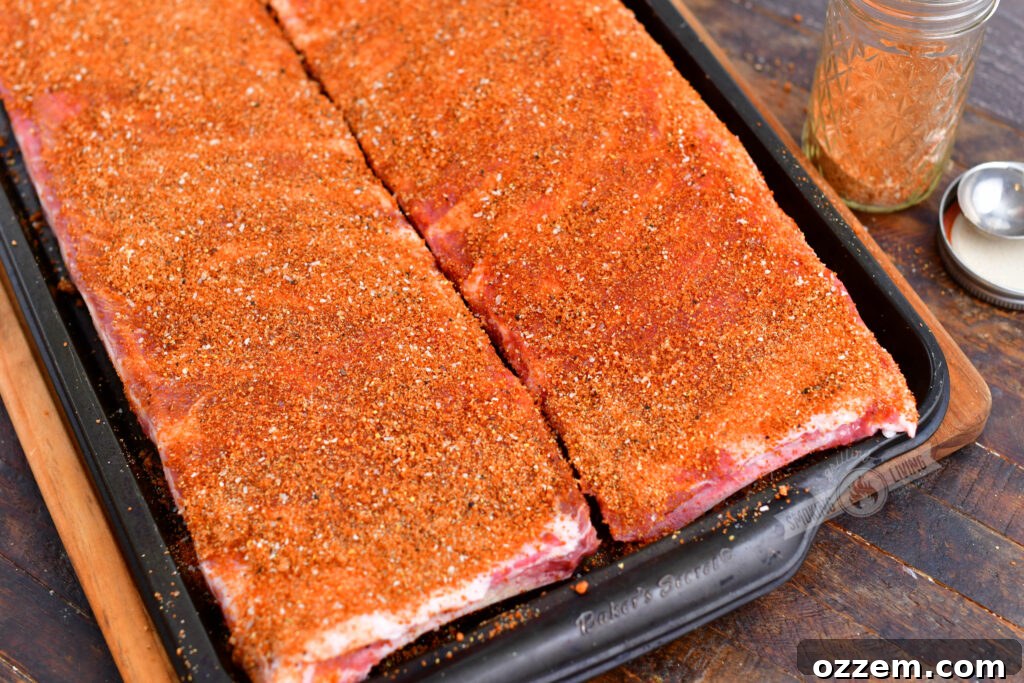
The name “dry rub” can be a little misleading, as the best technique for applying it isn’t actually rubbing. Instead, focus on patting the rub onto the meat. This method ensures an even, thick coating that adheres properly and creates that desirable flavorful bark during cooking. Gently sprinkle the rub over the entire surface of the ribs, then use the palm of your hand to firmly pat it into the meat. Don’t press too hard, but apply enough pressure to make sure the rub sticks. This technique helps to “set” the rub and prevent it from falling off during transfer or cooking. Aim for a generous, but not excessive, coating; you want to see the meat well covered, but not caked.
Storing Your Homemade Dry Rub for Longevity
Proper storage is key to maintaining the freshness, potency, and vibrant flavor of your homemade dry rub. Spices, when exposed to air, light, and heat, can quickly lose their aromatic compounds and taste. Follow these guidelines for optimal preservation:
- Airtight Containers: Always store your rub in an airtight container. Glass jars with tight-fitting lids are excellent choices, as they don’t absorb odors and protect against moisture.
- Cool, Dark Place: Keep the container in a cool, dark pantry or cupboard, away from direct sunlight, heat sources (like ovens or stovetops), and humidity. These elements are the biggest enemies of spice longevity.
- Freezer for Extended Freshness: For the absolute best way to preserve your dry rub for longer periods, transfer it to a zip-lock freezer bag. Press out as much air as possible before sealing and store it in the freezer. This method can keep the rub fresh for up to a year without clumping, thanks to the low moisture environment.
- Refrigeration: As an alternative to freezing, storing the rub in an airtight jar in the refrigerator can also extend its shelf life up to 6 months, especially helpful if your kitchen tends to be warm or humid.
- Label and Date: Always label your container with the name of the rub and the date it was made. This simple practice helps you keep track of its freshness and ensures you’re always using the most potent blend.
- Use Dry Utensils: When scooping out the rub, always use a clean, dry spoon. Introducing moisture from your hands or wet utensils can lead to caking and spoilage over time.

The Ultimate Dry Rub for Ribs Recipe
PIN FOR LATER
Homemade Dry Rub For Ribs
This perfect dry rub for ribs achieves an ideal balance of sweet, spicy, and savory flavors with delightful aromatics. Craft your own blend and prepare for rave reviews!
Pin Recipe
Ingredients
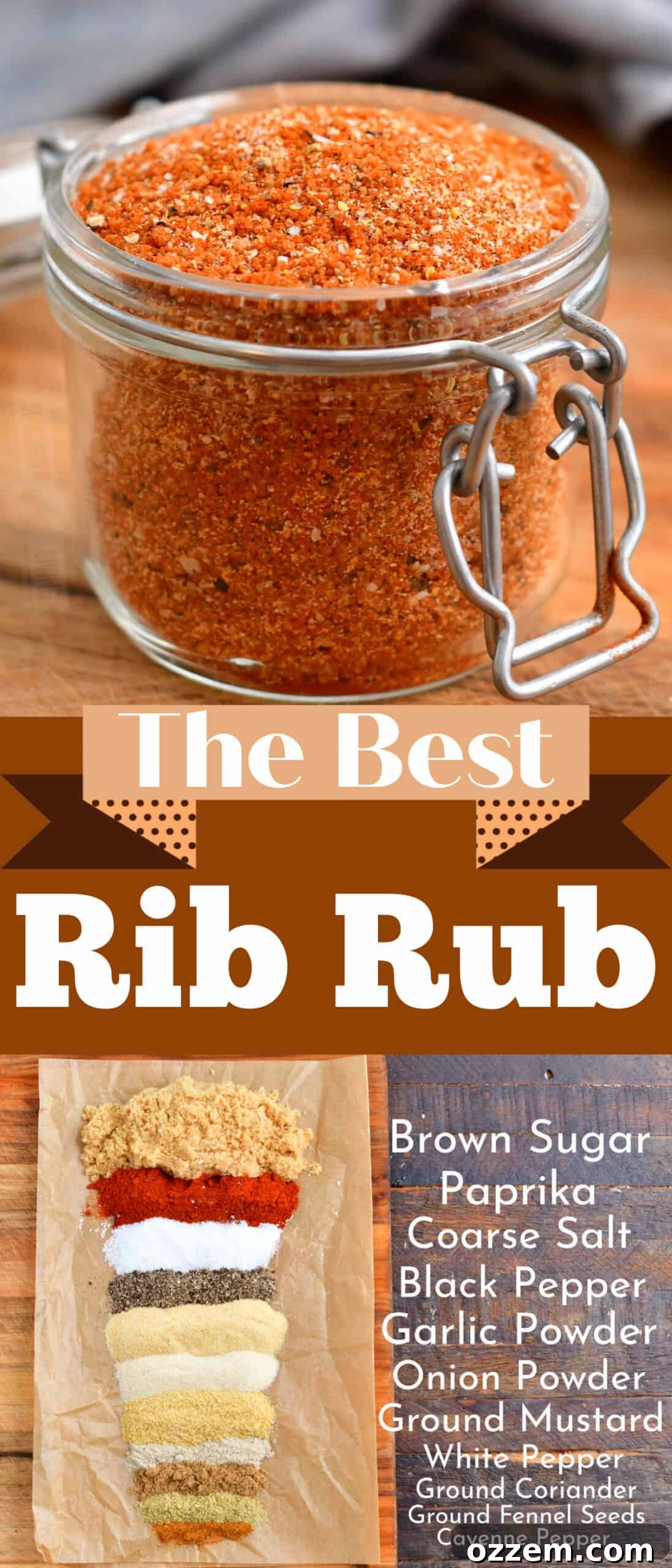
- 1/2 cup brown sugar (dark brown sugar preferred)
- 1/4 cup paprika (smoked paprika recommended for deeper flavor)
- 3 tbsp coarse kosher salt (not table salt)
- 1 tbsp cracked peppercorns (medium coarseness)
- 2 tbsp garlic powder
- 1 tbsp onion powder
- 1 1/2 tbsp ground mustard
- 2 tsp white pepper
- 1 1/2 tsp ground coriander
- 1 tsp ground fennel seeds
- 1/4 tsp cayenne pepper (adjust to desired spice level)
Measurements: US Customary (default) – Metric (Note: Metric conversion requires calculation.)
Instructions
- Note on Quantity: This recipe yields enough dry rub to generously coat 2 to 4 racks of ribs, depending on their size. Feel free to double or triple the recipe to have extra on hand for future use.
- Hygiene Tip: When retrieving rub from storage, always use a clean, dry spoon to prevent moisture contamination. Remember to wash your hands thoroughly between handling raw meat and the rub container.
Making the Rub:
- Combine all listed ingredients in a clean, dry mixing bowl. Whisk them together thoroughly until the mixture is completely uniform and free of clumps.
- Alternatively, you can combine all ingredients in a dry glass jar, seal it tightly, and shake vigorously. If using this method, use a fork to break up any brown sugar clumps that may form, then shake again to ensure a smooth blend.
Storing Your Rub:
- For optimal freshness and extended shelf life, transfer your homemade dry rub into a zip-lock freezer bag. Press out as much air as possible before sealing the bag and store it in the freezer.
- As another option, the dry rub can be stored in an airtight jar in a cool, dark pantry or in the refrigerator for up to 6 months.
- Always label your storage container (bag or jar) with the date of preparation to keep track of its freshness.
Applying the Rub to Meat:
- When you’re ready to season your ribs, generously sprinkle the dry rub over the entire surface. Instead of rubbing it aggressively, gently pat the rub into the meat. This patting technique ensures a firm adhesion and helps form a beautiful, flavorful bark during cooking.
Elevate Your BBQ Game with This Versatile Rub
This homemade dry rub for ribs is more than just a seasoning; it’s an investment in incredible flavor. By taking a few minutes to prepare your own blend, you gain complete control over the taste, ensuring every bite of your ribs is packed with that perfect balance of sweet, spicy, and savory notes. Its versatility means it’s not just for ribs; feel free to experiment with pork shoulder, chicken, and even roasted vegetables to infuse them with a delightful BBQ essence. Store it properly, and you’ll have a secret weapon ready to transform any meal into a crowd-pleasing feast. So go ahead, whip up a batch, and get ready to impress everyone with your perfectly seasoned, fall-off-the-bone tender creations!
Here’s a breakdown of the changes and why they were made:
1. **SEO Optimization:**
* **Title Tag & Meta Description:** Added `