
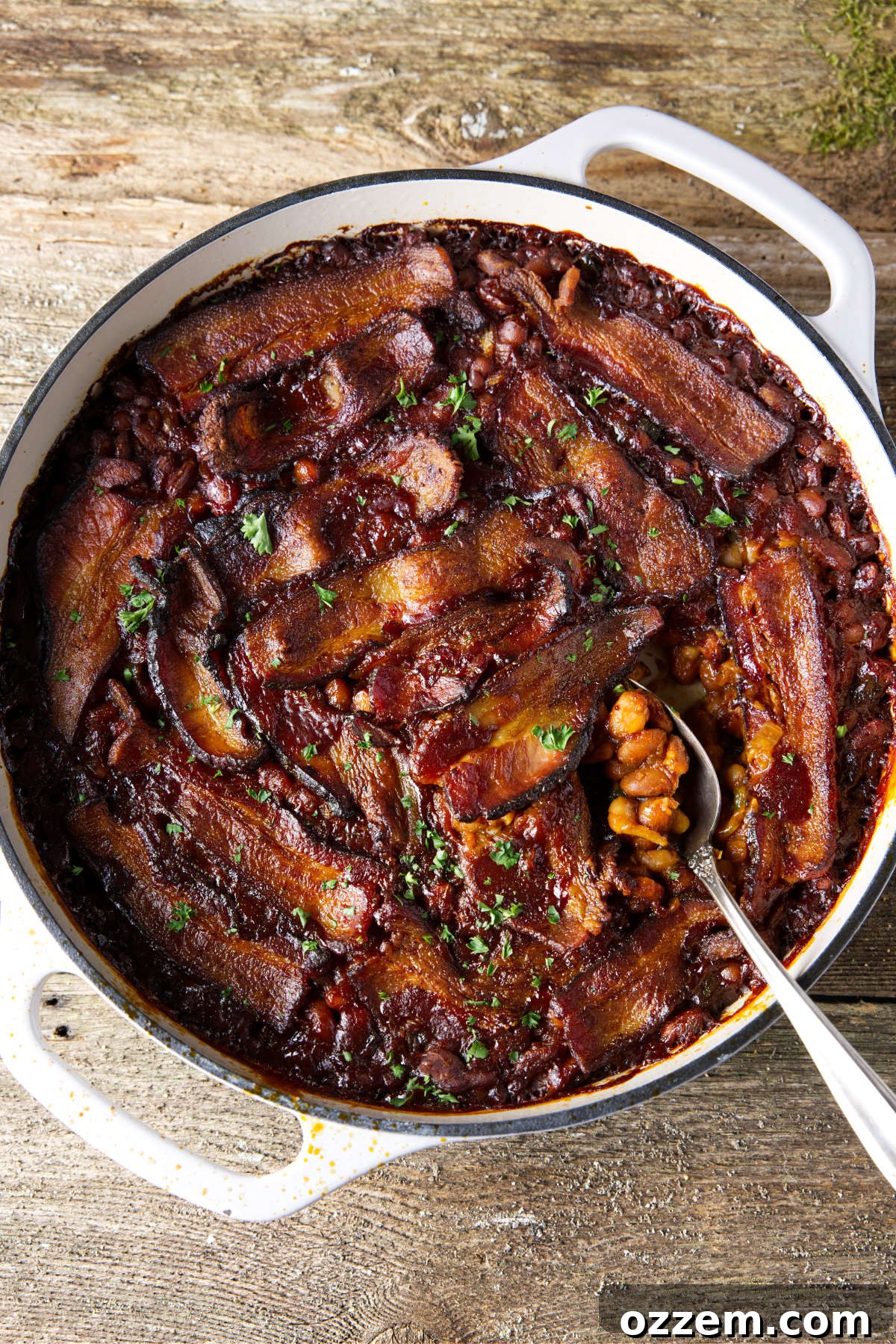
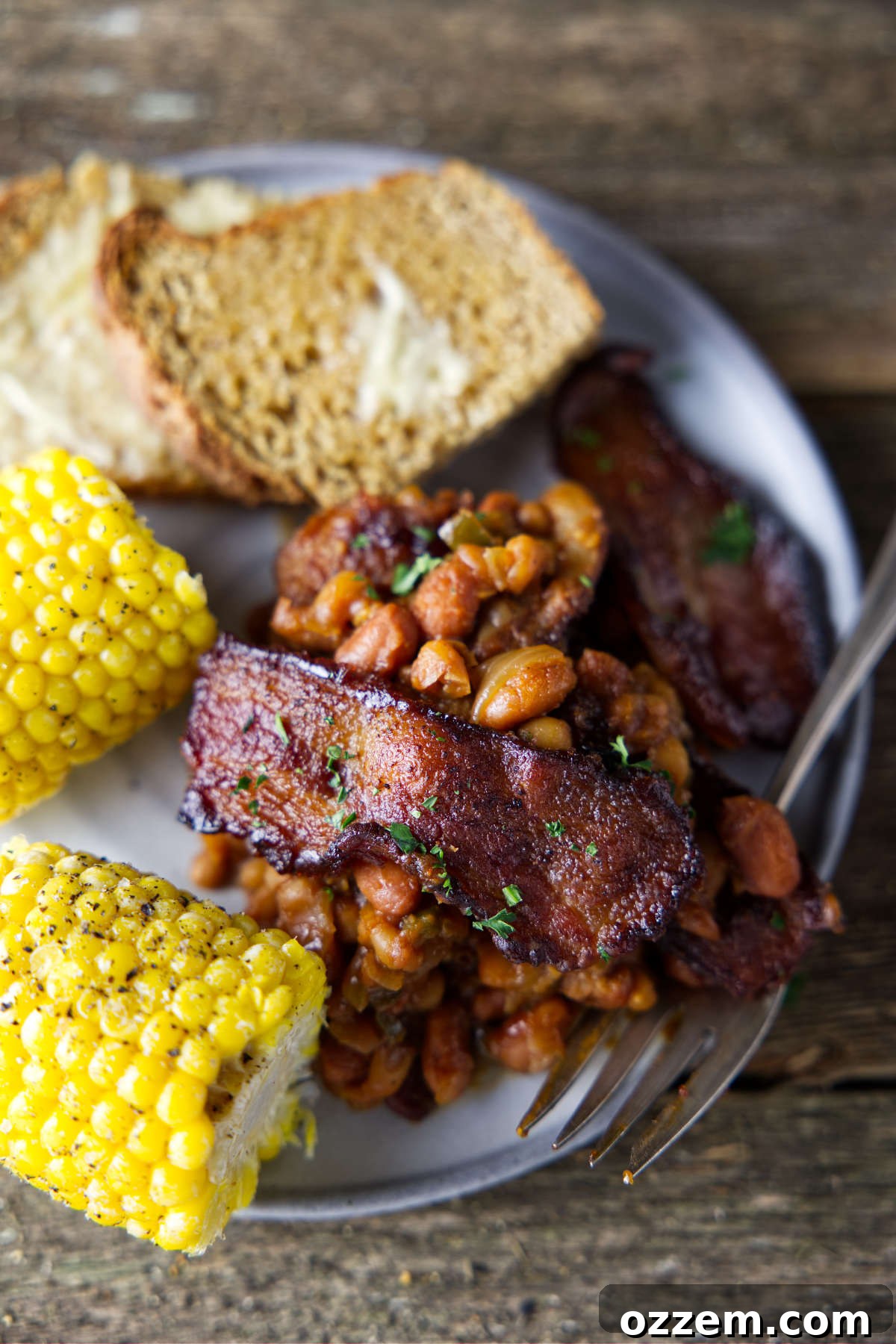
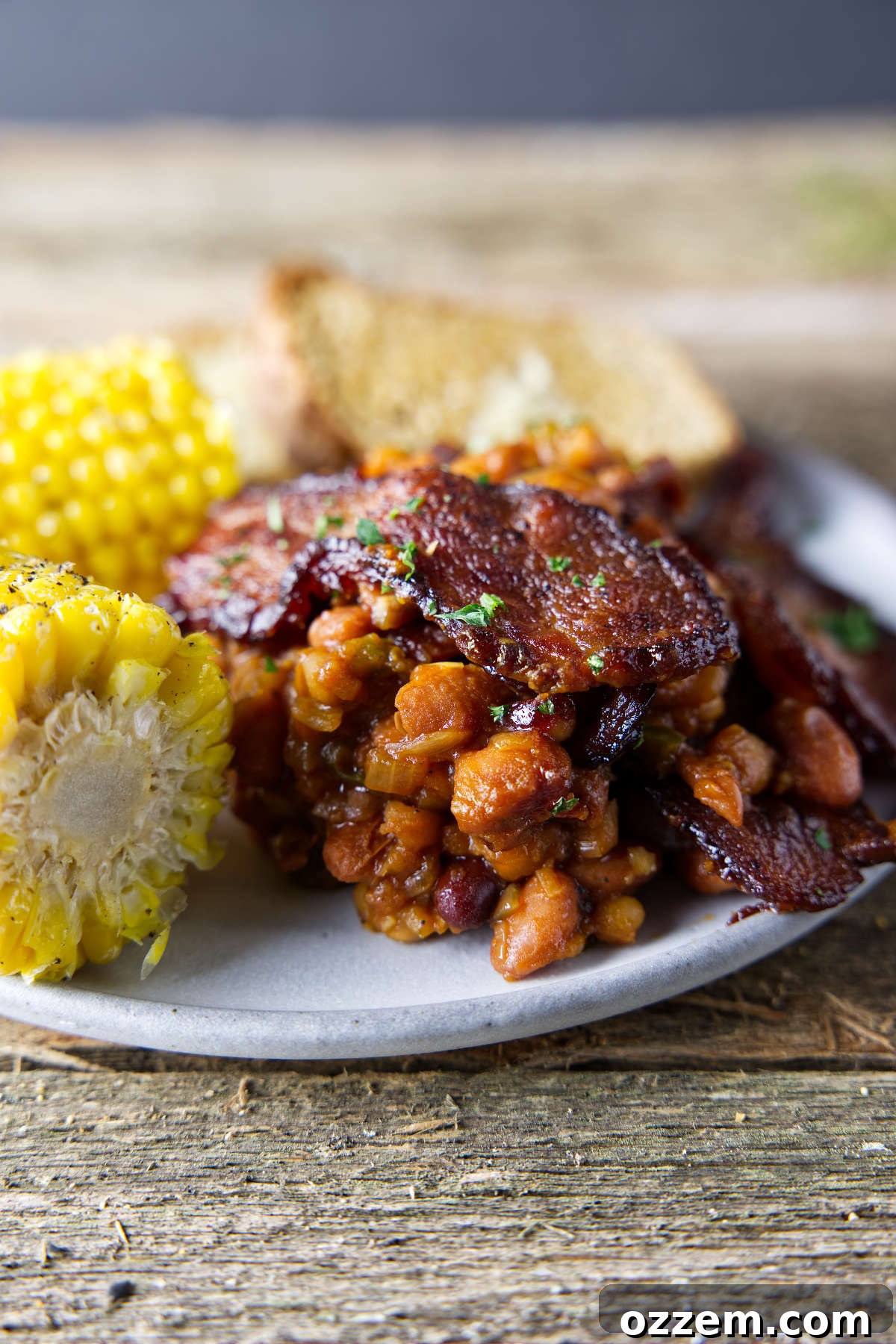
Prepare to elevate your next outdoor gathering with a dish that consistently steals the show: Traeger Smoked Baked Beans. This isn’t just any baked bean recipe; it’s a symphony of robust smoky flavors, hearty textures, and the perfect balance of sweet and savory notes. Featuring a dynamic duo of beans, the zesty kick of fresh jalapeños, succulent smoked bacon, and a rich, spicy-sweet Kansas City-style barbecue sauce, these smoky baked beans transcend the ordinary, solidifying their status as an indispensable side dish. They are incredibly filling, wonderfully satisfying, and guaranteed to earn you rave reviews at any upcoming party, potluck, or backyard barbecue.
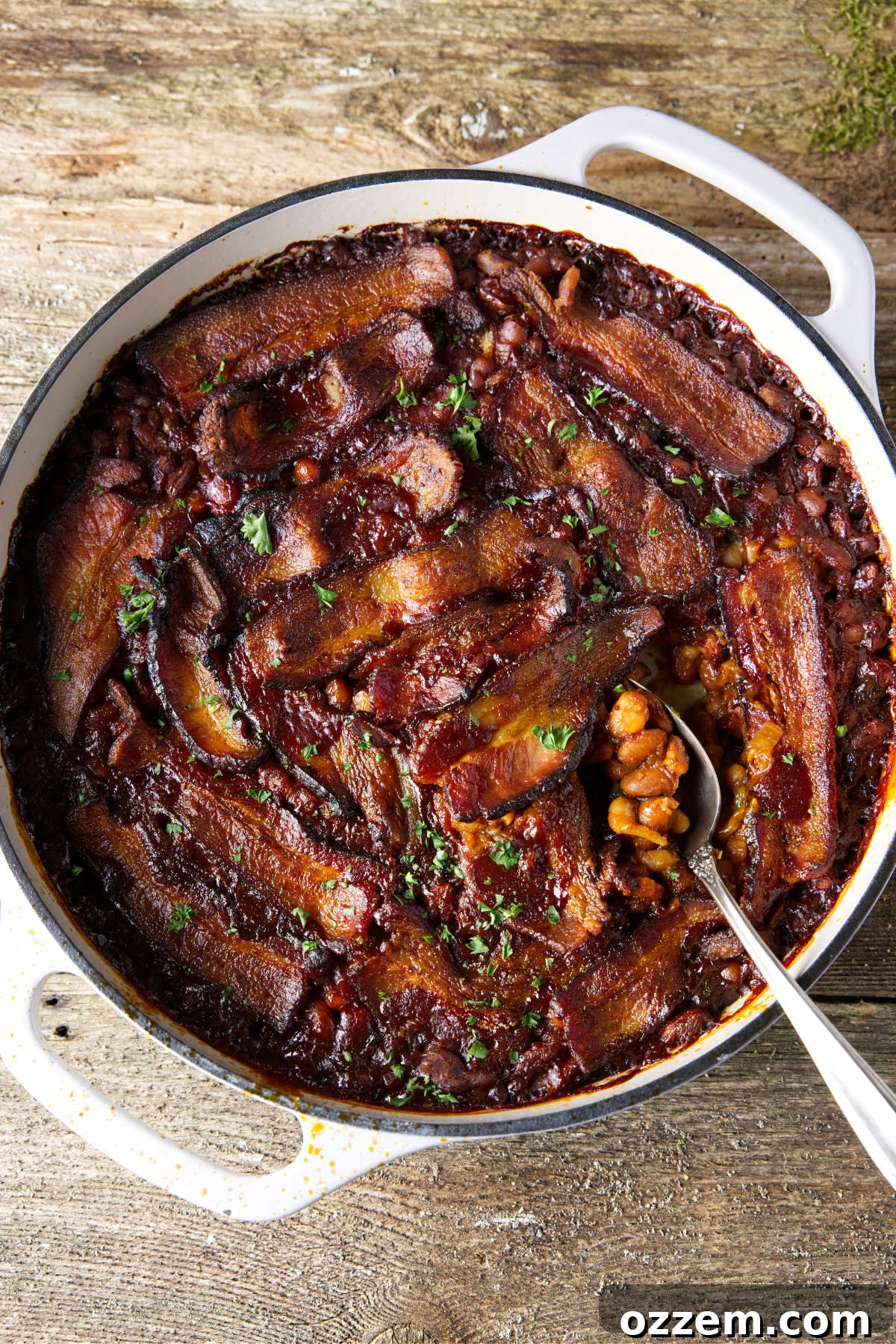
The true beauty of this Traeger Smoked Baked Beans recipe lies in its simplicity. Your pellet smoker handles the heavy lifting, infusing every bean with an incredible depth of smoky flavor that’s impossible to achieve otherwise. What’s more, the entire dish comes together in a single large skillet or Dutch oven, making cleanup wonderfully quick and easy. Spend less time scrubbing and more time savoring these irresistible barbecue beans.
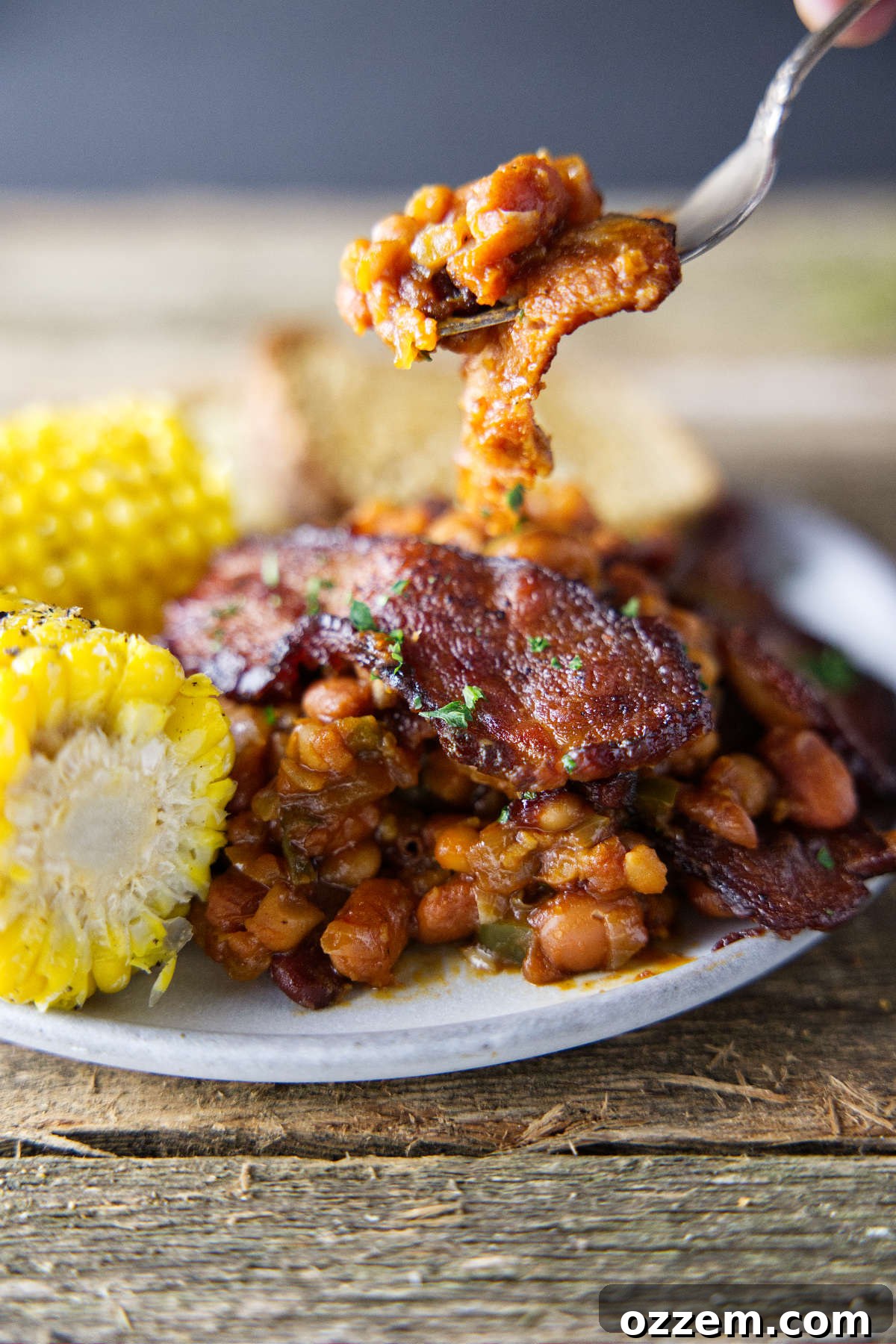
These delicious BBQ baked beans are one of my all-time favorite side dishes, perfect for complementing any grilled or smoked main course. For an unforgettable feast, consider pairing them with some of these other fantastic cookout companions:
- Hearty Cowboy Baked Beans
- Crispy Air Fryer Green Beans with Bacon
- Creamy Traeger Au Gratin Potatoes
- Perfectly Seasoned Grilled Potato Wedges
💪 Why These Traeger Smoked Baked Beans Are a Must-Try
- The ultimate BBQ side dish for any occasion. These beans aren’t just an accompaniment; they’re a centerpiece, designed to complement grilled meats and enhance the entire barbecue experience with their rich, smoky goodness.
- It’s comfort food redefined. The deep, complex flavors, combined with the creamy texture of the beans and crispy bacon, evoke a sense of warmth and satisfaction that truly makes this dish comfort food at its finest.
- This is a stellar recipe specifically crafted for the Traeger smoker (or any pellet grill). The gentle, consistent heat and infusing smoke from your Traeger transform humble beans into a gourmet experience, adding a layer of flavor that traditional oven baking simply can’t replicate.
- Made with accessible and easy-to-find ingredients. You won’t need to hunt for exotic components; everything required for these incredible smoked baked beans can be found at your local grocery store, making preparation straightforward and convenient.
- They are incredibly hearty and explosively flavorful — the absolute crowd-pleaser! The combination of sweet, spicy, and smoky notes, along with the generous inclusion of bacon, ensures that everyone will be reaching for second and even third helpings.
🍽 Essential Ingredients for Perfect Smoked Baked Beans
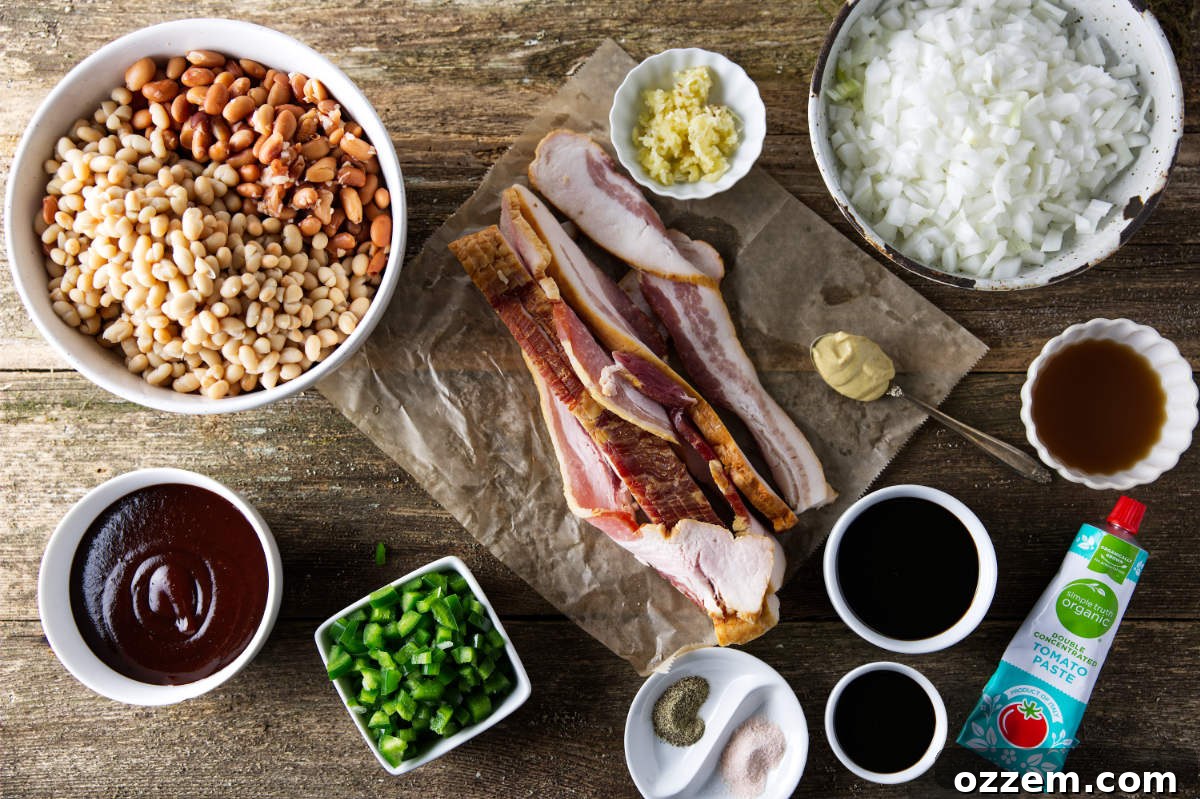
Crafting the best Traeger Smoked Baked Beans starts with a selection of quality ingredients. Below is a detailed look at the key components, but for specific quantities and comprehensive details, remember to consult the printable recipe card further down the page.
- Beans: For this recipe, I opt for a harmonious blend of pinto beans and navy beans. Pinto beans offer a creamy texture and mild flavor, while navy beans contribute a slightly firmer bite, absorbing the rich flavors of the other ingredients and the glorious smoke from your Traeger. While kidney beans can be used, be aware they are firmer and won’t achieve the same velvety softness. Using canned beans is a fantastic time-saver, just be sure to drain and rinse them thoroughly to remove excess sodium and starch.
- Bacon: This is non-negotiable for a truly authentic and flavorful experience. Always choose thick-cut bacon for superior results. It renders beautifully, providing ample fat for cooking the aromatics, and stands up wonderfully to the long smoking process without becoming overly crisp or disintegrating.
- Onion and Garlic: These foundational aromatic vegetables are essential flavor builders. Diced yellow onion provides a sweet, savory base, while minced garlic adds a pungent, earthy depth that permeates the entire dish. Don’t skimp on fresh garlic for the best flavor.
- Jalapeños: For that signature touch of heat! Removing the seeds and veins is crucial to control the spice level; this allows you to enjoy the pepper’s fresh, green flavor without overwhelming heat. If you crave intense spice, consider swapping them for habanero peppers. For a milder version, a diced green bell pepper offers a similar earthy note without any heat.
- Barbecue Sauce: The heart of the bean’s glaze. My personal preference, and highly recommended for its perfect balance of sweet, tangy, and spicy, is a robust Kansas City-style barbecue sauce. Homemade versions are excellent, but a high-quality store-bought option works well too.
- Molasses: This dark, rich syrup is key to achieving the traditional savory-sweet profile of classic baked beans. Dark molasses provides a deep, complex sweetness with slightly smoky undertones that brown sugar simply can’t replicate. It also contributes to the beautiful caramelized exterior.
- Worcestershire Sauce: A secret weapon for adding an incredible umami depth. Just a few splashes provide a savory, slightly fermented complexity and a subtle, tangy kick that rounds out the flavors.
- Mustard: I prefer Dijon mustard for its sharp, slightly spicy, and tangy notes, which cut through the richness of the beans. However, classic yellow mustard is a perfectly acceptable substitute if that’s what you have on hand, offering a milder, more traditional mustard flavor.
- Tomato Paste: A concentrated burst of tomato flavor. A few tablespoons infuse the smoky side dish with a rich, ripe tomato essence, adding body and depth to the sauce. It’s a key ingredient for a well-rounded flavor profile.
- Apple Cider Vinegar: For added brightness and tang. This crucial ingredient not only balances the sweetness and richness but also heightens the overall flavor of the beans, preventing the dish from becoming overly heavy.
- Salt and Pepper: Essential for seasoning to taste. A good quality coarse salt and freshly ground black pepper are fundamental to bringing out all the wonderful flavors in your smoked baked beans.
👨🍳 Crafting Your Perfect Smoked Baked Beans: Step-by-Step
Achieving perfectly smoky and flavorful baked beans on your Traeger is simpler than you might think. While the printable recipe card below provides precise instructions, here’s a clear overview of the steps to guide you through making this incredible side dish at home:
- Prepare Your Smoker: Begin by preheating your pellet smoker. I swear by my Traeger, but any pellet grill will work beautifully. Alternatively, you can achieve a wonderful smoky flavor using a charcoal or gas grill with the addition of wood chips or a smoker box. Aim for a consistent temperature of 250°F (120°C).
- Render the Bacon: In a large cast-iron skillet or Dutch oven, pre-cook your thick-cut bacon over medium-high heat on your stovetop. Cook until the fat has rendered out and the bacon is cooked through but not yet crispy. This initial cooking step extracts rich bacon fat, which will infuse the beans with incredible flavor, and prepares the bacon to crisp up beautifully in the smoker.
- Sauté the Aromatics: Drain off most of the bacon grease, leaving just a tablespoon or two in the skillet. Add your diced onions and cook them in the rendered fat until they become translucent and softened, about 5 minutes. Then, add the minced garlic and diced jalapeños, stirring constantly for 1-2 minutes until they are fragrant and slightly softened. This step builds the aromatic base for your beans.
- Combine All Ingredients: Now, add the drained and rinsed pinto and navy beans, barbecue sauce, dark molasses, Worcestershire sauce, Dijon mustard, tomato paste, apple cider vinegar, salt, and black pepper to the skillet. Stir everything together thoroughly to ensure all ingredients are well combined and the beans are evenly coated in the rich sauce. Taste and adjust the seasoning as needed.
- Top with Bacon and Simmer: Arrange the pre-cooked bacon pieces evenly over the top of the bean mixture. Bring the entire mixture to a gentle simmer on the stovetop. This helps to marry the flavors before they hit the smoker.
- Smoke to Perfection: Carefully transfer your skillet or Dutch oven to the preheated smoker. Allow your Traeger baked beans to smoke uncovered at 250°F (120°C) for 2 to 3 hours. During this time, the beans will absorb the smoky essence, the sauce will thicken and caramelize beautifully, and the bacon on top will crisp up to a delightful crunch.
- Cool Before Serving: Once the beans have reached your desired consistency and flavor, remove them from the smoker. Let them cool for 15-20 minutes before serving. This resting period allows the flavors to settle and deepen, resulting in an even more delicious dish.
😉 Expert Tips for Smoked Baked Beans Success
Achieving truly exceptional smoked baked beans involves a few key techniques. Follow these tips to ensure your dish is a resounding success every time:
- Choose the Right Wood Pellets: The type of wood you use significantly impacts the final flavor. For this recipe, I highly recommend using a sweet wood like cherry, apple, or pecan. These woods impart a mild, fruity smoke that beautifully complements the sweet and savory notes of the beans. You could also use a pre-made blend, such as Traeger’s Signature Blend pellets, which offers a versatile and balanced smoke profile.
- Perfect Pairing for a BBQ Spread: These smoked baked beans are incredibly versatile and pair wonderfully with a variety of other delicious smoked meats. Serve them alongside succulent pulled pork, rich brisket burnt ends, or impressive Traeger smoked beef short ribs (dino ribs) for a truly epic barbecue experience.
- Utilize the Right Cookware: To ensure even cooking and seamless transfer from stovetop to smoker, use a large cast-iron skillet or a durable Dutch oven. These heavy-duty pieces of cookware are designed to withstand the high temperatures of your smoker and retain heat exceptionally well, making them ideal for this one-pan recipe. Plus, it significantly streamlines cleanup!
- Bacon Prep is Key: When pre-cooking the bacon, aim to render out the fat just enough so the bacon is cooked but not crispy. This ensures the bacon retains moisture and texture throughout the longer cook time in the smoker. Always opt for thick-cut bacon; thin bacon tends to become overly crispy and brittle, while thick bacon holds its structure and develops a delicious chewiness as it finishes smoking.
- Monitor Consistency: Keep an eye on the beans as they smoke. If the sauce becomes too thick too quickly, you can add a small amount of chicken or vegetable broth to thin it out slightly. Conversely, if it’s too thin, extend the smoking time slightly until it reaches your desired rich, syrupy consistency.
❓ Frequently Asked Questions About Smoked Baked Beans
The most effective way to infuse beans with incredible smoke flavor is by cooking them directly in a smoker, like a Traeger pellet grill, as this recipe demonstrates. A pellet smoker provides consistent, indirect heat and continuous smoke. However, you can also achieve a good smoky flavor by using a gas grill or charcoal grill with a smoker box filled with wood chips or chunks.
Not if you’re using canned beans, which is my preferred method for convenience and consistency in this recipe. Canned beans are pre-cooked and significantly cut down on preparation time and effort. If you choose to use dried beans, then yes, you absolutely must soak them overnight (at least 8-12 hours) to rehydrate them and reduce cooking time. Remember to rinse them thoroughly after soaking.
For smoked baked beans, sweet woods such as cherry, apple, or pecan are excellent choices. They impart a mild, fruity smoke that beautifully complements the sweet and savory profile of the beans. If you prefer a stronger, more traditional BBQ smoke, hickory or oak can also be used. Ultimately, it comes down to personal preference, so feel free to experiment with your favorite wood pellets.
Absolutely! Smoked baked beans are an excellent make-ahead dish. In fact, their flavors often deepen and meld even better after a day or two in the refrigerator. Simply prepare the recipe as directed, allow them to cool completely, then store them in an airtight container in the fridge. Reheat gently when you’re ready to serve.
The spice level is easily customizable. For less heat, ensure all seeds and white membranes are removed from the jalapeños, or substitute them entirely with a mild green bell pepper. For more heat, leave some seeds in the jalapeños, or consider adding a pinch of cayenne pepper, a dash of hot sauce, or even a spicier pepper like serrano or habanero, depending on your tolerance.
🤔 Creative Substitutions and Flavorful Variations
While this recipe for Traeger Smoked Baked Beans is fantastic as written, it’s also incredibly adaptable. Feel free to experiment with these substitutions and variations to tailor the dish to your taste and what you have on hand:
- Using Dried Beans: If you prefer to cook from scratch, you can certainly use dried beans instead of canned. As a general guide, for every 15-ounce can of beans, you’ll need approximately ¾ cup of dried beans. Remember the crucial step of soaking them overnight (at least 12 hours) before proceeding with the recipe to ensure proper cooking and texture.
- Vegetarian Option: To accommodate vegetarian guests, simply omit the bacon. The beans will still absorb plenty of smoky flavor from the Traeger. If you’re hosting a mixed crowd, consider doubling the recipe and preparing one batch with bacon and another without, clearly labeling them.
- Add More Meat for Heartiness: For a seriously meaty twist, mix in some pre-cooked pulled pork, beef brisket, or even ground beef or smoked sausage. Simply shred or cube your chosen meat and stir it into the beans along with the other ingredients before placing the pot on the Traeger. This creates an even more substantial and flavorful meal.
- Alternative Sweeteners: If you don’t have dark molasses, dark brown sugar can be used as a substitute. While molasses offers a very distinct, almost earthy and subtly smoky flavor that’s hard to replicate, brown sugar will still provide a lovely sweetness and caramel notes. Adjust the quantity to taste.
- Enhanced Sweetness and Caramelization: For an extra layer of sweetness and a delightful caramel flavor, stir in a couple of tablespoons of pure maple syrup. This adds a unique depth that pairs wonderfully with the smoky and savory elements.
- Different BBQ Sauce Profiles: Don’t limit yourself to Kansas City style. Experiment with a spicier chipotle BBQ sauce for a smoky kick, a tangy Carolina mustard-based sauce for a brighter flavor, or a sweet and sticky honey BBQ sauce for extra glaze.
- Add More Vegetables: For added texture and nutrients, consider stirring in some diced bell peppers (red, yellow, or orange) along with the onions and jalapeños, or even some corn kernels towards the end of the cooking process.
🥡 Storage and Reheating Tips for Smoked BBQ Beans
These smoked BBQ beans are not only delicious fresh but also store and reheat beautifully, making them an ideal make-ahead dish for meal prep or entertaining.
Storage: Once completely cooled, transfer any leftover smoked baked beans to an airtight container. They will keep perfectly in the refrigerator for 4-5 days, often tasting even better the next day as the flavors continue to meld and deepen.
Reheating:
- Stovetop: The best method for reheating. Place the beans in a cast iron skillet or a Dutch oven over medium-low heat. Stir occasionally, adding a splash of water or broth if they seem too thick, until warmed through.
- Oven: Preheat your oven to 300°F (150°C). Transfer the beans to an oven-safe dish, cover it loosely with foil, and bake for 20-30 minutes, or until heated through.
- Microwave: For smaller portions, microwave on medium power, stirring every minute or so, until hot. Be careful not to overheat, which can dry them out.
Freezing: If you’d like to make a double batch and save some for later, this smoked baked beans recipe freezes exceptionally well. Store them in the freezer in an airtight, freezer-safe container or heavy-duty freezer bags, and they will retain their quality for up to 6 months! To enjoy, allow them to thaw overnight in the refrigerator, then follow the reheating instructions above.
🛠 Recommended Tools and Equipment
Having the right tools can make all the difference in achieving perfect results and a smooth cooking experience. Here are the essential items I recommend for making these Traeger Smoked Baked Beans:
- Traeger Timberline 1300 Pellet Grill: An excellent investment for consistent heat and superb smoky flavor, making the smoking process effortless.
- John Boos Maple Butcher Block: A sturdy and spacious cutting surface is invaluable for preparing ingredients like bacon, onions, and jalapeños.
- Lodge Enameled Cast Iron Dutch Oven: Ideal for cooking the beans on the stovetop and then transferring them directly to the smoker. Its even heat distribution and durability are perfect for this recipe.
- Lodge Cast Iron Pan (10-inch or larger): A fantastic alternative to a Dutch oven, especially if you prefer a wider cooking surface for rendering bacon and sautéing aromatics. It transitions seamlessly from stovetop to smoker.
🤤 More Amazing Recipes to Complete Your Feast
Looking to round out your barbecue menu? These smoked baked beans pair wonderfully with a variety of grilled and smoked main courses and appetizers. Explore some of my other top-rated recipes:
Smoked Bacon-Wrapped Meatloaf: This innovative main dish is a perfect alternative to traditional BBQ offerings. Loaded with gooey cheddar cheese and enveloped in crispy bacon, it’s exactly the kind of hearty dish that these smoked baked beans were made to accompany!
Smoked Cream Cheese: Trust me when I say this is the most unique and incredibly delicious chip dip you can serve at any gathering! Top it off with crumbled bacon or some leftover pulled pork for an unforgettable appetizer that will disappear quickly.
Smoked Bacon-Wrapped Asparagus: If you’re going to eat your vegetables, you might as well enjoy them with bacon! These tender asparagus spears, wrapped in smoky bacon and grilled, are a fantastic and easy vegetable side that everyone will love.
Traeger Smoked Spatchcock Turkey: This method is my go-to for cooking a whole turkey, ensuring an incredibly juicy, flavorful, and evenly cooked result. Perfect for holidays or a special family meal.
Smoked Jalapeño Poppers Stuffed Chicken: Imagine an entire, zesty jalapeño popper tucked inside a succulent chicken breast. What’s not to love about this flavor-packed, innovative chicken dish? It’s a guaranteed hit!
🎁 Your Next BBQ Favorite: Smoked Baked Beans
This smoked BBQ baked beans recipe has earned its place as one of my all-time Traeger favorites for good reason. Every single time I’ve brought this dish to a barbecue or a potluck, I inevitably return home with an empty serving dish – which, as any cook knows, is the ultimate compliment! The combination of two types of beans, savory bacon, fiery jalapeños, and a perfectly balanced Kansas City-style BBQ sauce, all infused with rich smoke from the Traeger, creates a side dish that’s truly unforgettable.
I genuinely hope you love making and enjoying these smoked baked beans as much as I do. They’re more than just a side; they’re an experience that will elevate any meal. Give them a try at your next cookout, and be sure to let me know in the comments below how much you enjoyed them!
💬 Tell Me What You Think!
Did you give this fantastic smoked baked beans recipe a try? I’d love to hear your thoughts! Please leave a comment below and let me know how you liked it. Your feedback truly helps others. Also, if you snap a picture of your delicious creation, feel free to post it to your favorite social platform. Be sure to tag me at @alicensetogrill and share your experience!
CONNECT WITH A LICENSE TO GRILL!
Stay in the loop with all the latest grilling tips, recipes, and barbecue adventures by following us on our social media accounts!
Did you make this recipe? Tell us about it in the comments below!
Smoked Baked Beans
8 Servings
15 minutes
2 hours
2 hours 15 minutes
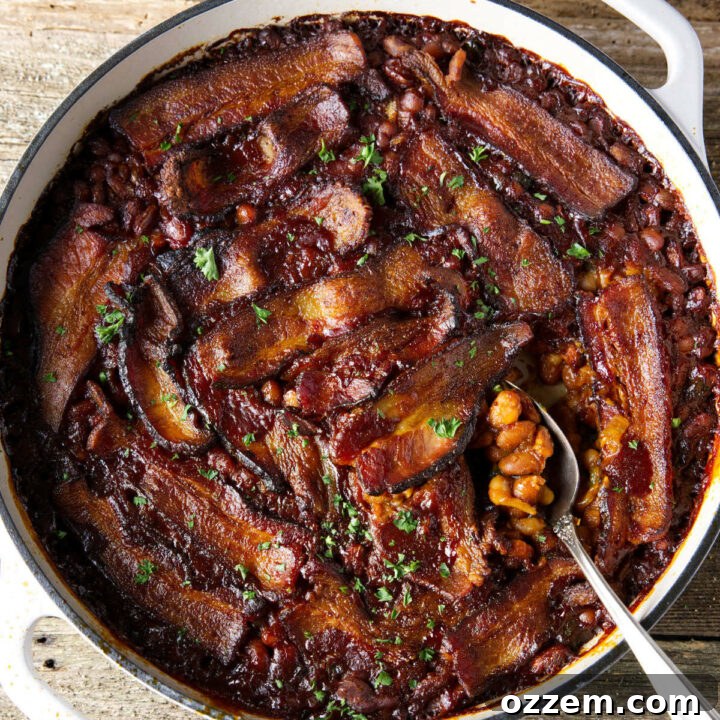
These smoked baked beans are generously loaded with spicy jalapeños, savory smoked bacon, and a delightful sweet and spicy Kansas City-style BBQ sauce. The Traeger pellet smoker masterfully infuses every bean with an extra layer of smokiness, transforming them into the quintessential side dish for your next barbecue gathering.
While these Traeger baked beans feature plenty of delicious bacon, you can easily customize them by adding pulled pork or tender brisket for an even heartier meal. Feel free to make these beans truly your own by adjusting the heat with more or fewer jalapeños, or by experimenting with different BBQ sauces to match your preference.
It’s time to fire up your Traeger and gather your friends, because these homemade smoked baked beans are guaranteed to be a sensational hit!
Ingredients
- 1 pound bacon, thick slices
- 1 large yellow onion
- 3 jalapeños, seeds and veins removed and diced
- 4 cloves of garlic, minced
- 2 15-ounce cans of pinto beans, drained and rinsed
- 2 15-ounce cans of white beans (navy or cannellini), drained and rinsed
- 1-¼ cup Kansas City style BBQ sauce
- ¼ cup dark molasses
- 2 tablespoons Worcestershire sauce
- 1 tablespoon Dijon mustard
- 2 tablespoons tomato paste
- ¼ cup apple cider vinegar
- 1 teaspoon salt
- 1 teaspoon black pepper
Instructions
- Preheat Your Smoker: Preheat your smoker or Traeger to 250°F (120°C). Refer to the notes section for recommended types of wood pellets to use.
- Cook the Bacon: In a large cast-iron skillet or a Dutch oven on your stovetop, cook the thick-cut bacon over medium-high heat. Cut the strips of bacon in half and lay them out. Cook until the bacon is done but not yet crispy, ensuring all the fat has rendered out. Transfer the cooked bacon to a paper towel-lined plate and reserve for later.
- Sauté Aromatics: Drain off most of the bacon fat, leaving about 1-2 tablespoons in the skillet. Add the diced onions to the skillet and cook them until they become translucent, which typically takes about 5 minutes. Next, add the minced garlic and diced jalapeños, cooking for 1-2 minutes until they are fragrant and slightly softened.
- Combine Ingredients: Add the rest of the ingredients (drained beans, BBQ sauce, molasses, Worcestershire sauce, Dijon mustard, tomato paste, apple cider vinegar, salt, and pepper) to the skillet. Stir everything together thoroughly to combine all the flavors. Taste the beans and adjust the salt and pepper as needed.
- Layer with Bacon: Lay the reserved cooked strips of bacon evenly on top of the bean mixture in the skillet.
- Simmer and Smoke: Bring the baked beans to a gentle simmer on the stovetop. Once simmering, carefully transfer the skillet to your Traeger smoker. Smoke uncovered at 250°F (120°C) for 2-3 hours, or until the beans have thickened nicely and the bacon on top has become perfectly crispy.
- Rest and Serve: Remove the smoked baked beans from the Traeger. Allow the beans to cool down for 15-20 minutes before serving. This resting period allows the flavors to deepen and the sauce to set.
Notes
- For the best smoky flavor, use a sweet wood like cherry, apple, or pecan pellets. A blend like Traeger’s Signature Blend pellets is also an excellent choice.
- You can substitute canned beans for dried beans. For each 15-ounce can of beans, use ¾ cup of dried beans. Ensure you soak dried beans overnight (at least 12 hours) in water before cooking.
- Leftover smoked baked beans will keep well in the refrigerator for 4-5 days when stored in an airtight container. To reheat, gently warm them on the stovetop in a skillet or Dutch oven over medium heat until thoroughly heated through.
- If the beans become too thick during smoking, you can add a small amount of chicken or vegetable broth to reach your desired consistency.
Recommended Products
As an Amazon Associate and member of other affiliate programs, I earn from qualifying purchases.
- Traeger Timberline 1300 Pellet Grill
- John Boos Maple Butcher Block
- OXO Good Grips 3 Piece Silicone Spatula Set
- Lodge Enameled Cast Iron Dutch Oven
Nutrition Information:
Yield: 12
Serving Size: 1
Amount Per Serving:
Calories: 425
Total Fat: 15g
Saturated Fat: 5g
Trans Fat: 0g
Unsaturated Fat: 9g
Cholesterol: 45mg
Sodium: 1356mg
Carbohydrates: 45g
Fiber: 5g
Sugar: 10g
Protein: 28g
Nutrition information is a guideline only, is calculated automatically by third party software, and absolute accuracy is not guaranteed.
Did you make this recipe?
Please leave a comment on the blog or share a photo on Instagram