
Welcome to the ultimate BBQ showdown: Pork Loin Back Ribs vs. St. Louis Ribs. These two legendary cuts are staples of the barbecue world, each offering a distinct experience that excites pitmasters and backyard grillers alike. While both promise succulent, flavorful results, they come from different parts of the hog and possess unique characteristics that set them apart. Pork loin back ribs, often known as baby back ribs, are prized for their tenderness and lean meat, nestled close to the spine. St. Louis-style ribs, on the other hand, are a trimmed version of spare ribs, boasting a meatier profile and richer flavor from the belly area.
Understanding the nuances between these two BBQ heavyweights is key to elevating your grilling game. From their distinctive shapes and bone structures to their fat content and ideal cooking methods, every detail plays a role in the final flavor and texture. In this comprehensive guide, we’ll dive deep into the world of ribs, uncovering the differences that define each cut, exploring their unique flavor profiles, and revealing the best cooking techniques to help you create truly unforgettable ribs for your next cookout. Whether you’re aiming for fall-off-the-bone tenderness or a satisfying chew, preparing for a competition, or just looking to impress your guests, mastering the art of cooking both baby back and St. Louis ribs is a journey every barbecue enthusiast should embark on.
🔑 Key Distinctions: Pork Loin Back Ribs (Baby Back) vs. St. Louis Style Ribs
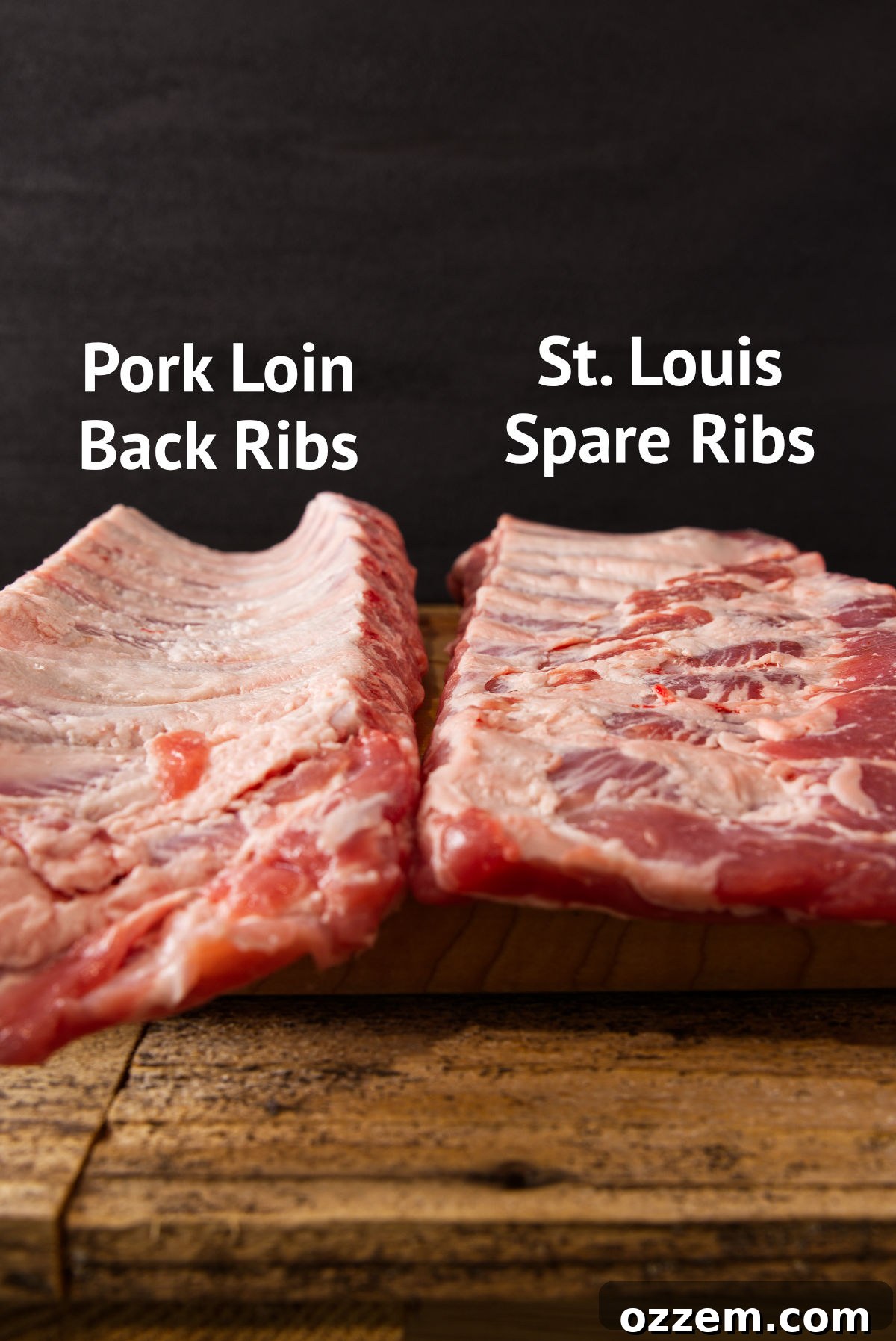
While both pork loin back ribs and St. Louis ribs are incredibly delicious and guaranteed to be a hit at any gathering, they offer distinct experiences. Many pitmasters recommend cooking both side-by-side to truly appreciate their differences and find your personal favorite. However, if you’re looking for a quick breakdown to help you choose, consider these key distinctions. For an even deeper dive into pork loin back ribs, be sure to check out our guide comparing pork loin back ribs vs. baby back ribs.
Cut and Shape
- Pork Loin Back Ribs (Baby Back Ribs): These ribs are cut from the upper portion of the pig’s rib cage, specifically from the area near the spine and loin muscle. Their origin gives them a distinctive, gentle curve. They are shorter in length compared to St. Louis ribs and have a higher meat-to-bone ratio, with most of the lean, tender meat situated on top of the bone rather than extensively between them. This curved shape is often a tell-tale sign when selecting them.
- St. Louis Style Ribs: These ribs are derived from the larger, more substantial spare ribs, which come from the belly section of the pig. The key characteristic of St. Louis ribs is their precise trimming: the tough sternum bone, cartilage, and the uneven rib tips are carefully removed. This results in a much flatter, more rectangular, and uniform slab, making them easier to brown evenly and ideal for competition-style presentation. Their consistent shape also makes them simple to handle and cut after cooking.
Meatiness and Texture
- Pork Loin Back Ribs: Renowned for their exceptional tenderness and succulence, baby back ribs are leaner with less intramuscular fat and connective tissue compared to their St. Louis counterparts. This lower fat content contributes to a slightly firmer, yet still incredibly tender, texture when cooked correctly. They cook relatively faster due to their leanness and smaller size, and they are less prone to becoming overly greasy, offering a clean, delicate bite. The meat often sits proudly atop the bone, detaching easily when properly prepared.
- St. Louis Style Ribs: Celebrated for their robust meatiness and rich, hearty flavor, St. Louis ribs boast a higher fat content and significant marbling throughout the muscle. This extra fat, especially between the bones, renders down beautifully during long, slow cooking, resulting in an exceptionally juicy, moist, and incredibly tender texture. The abundant connective tissue also breaks down into gelatin, contributing to that desired melt-in-your-mouth experience. They offer a more substantial bite and a deeply satisfying mouthfeel.
Fat Content and Flavor Profile
- Pork Loin Back Ribs: Characterized by their lower fat content and less marbling, pork loin back ribs offer a cleaner, lighter, and more delicate pork flavor. This makes them highly versatile, as their mild profile readily absorbs and showcases the nuances of rubs, marinades, and sauces without being overwhelmed. They provide a sweeter, more subtle pork essence that can be beautifully enhanced with various seasonings, making them a favorite for those who prefer a less rich, cleaner taste.
- St. Louis Style Ribs: With their significantly higher fat content and generous marbling, St. Louis ribs deliver a richer, more indulgent, and intensely porky flavor. The fat is key to their deep flavor and exceptional moisture, rendering slowly to baste the meat from within. This robust flavor stands up perfectly to bold spices, smoky notes, and rich barbecue sauces. The extra fat content ensures the meat remains incredibly moist and tender throughout extended cooking periods, creating a deeply satisfying and intensely flavorful eating experience.
Ideal Cooking Times and Methods
- Pork Loin Back Ribs: Due to their leaner profile and smaller size, baby back ribs generally cook faster than St. Louis ribs. They are excellent for grilling, baking, or smoking, and can achieve tenderness in 2-4 hours, depending on the method and temperature. Their delicate nature benefits from slightly lower temperatures to prevent drying out.
- St. Louis Style Ribs: These meatier ribs thrive on longer, slower cooking methods, making them perfect for smoking, slow grilling, or oven roasting. They typically require 4-6 hours or more to break down their fat and connective tissue, yielding that characteristic fall-off-the-bone tenderness. The “low and slow” approach is crucial for St. Louis ribs to achieve optimal juiciness and flavor.
🐖 What Are Pork Loin Back Ribs (Baby Back Ribs)?
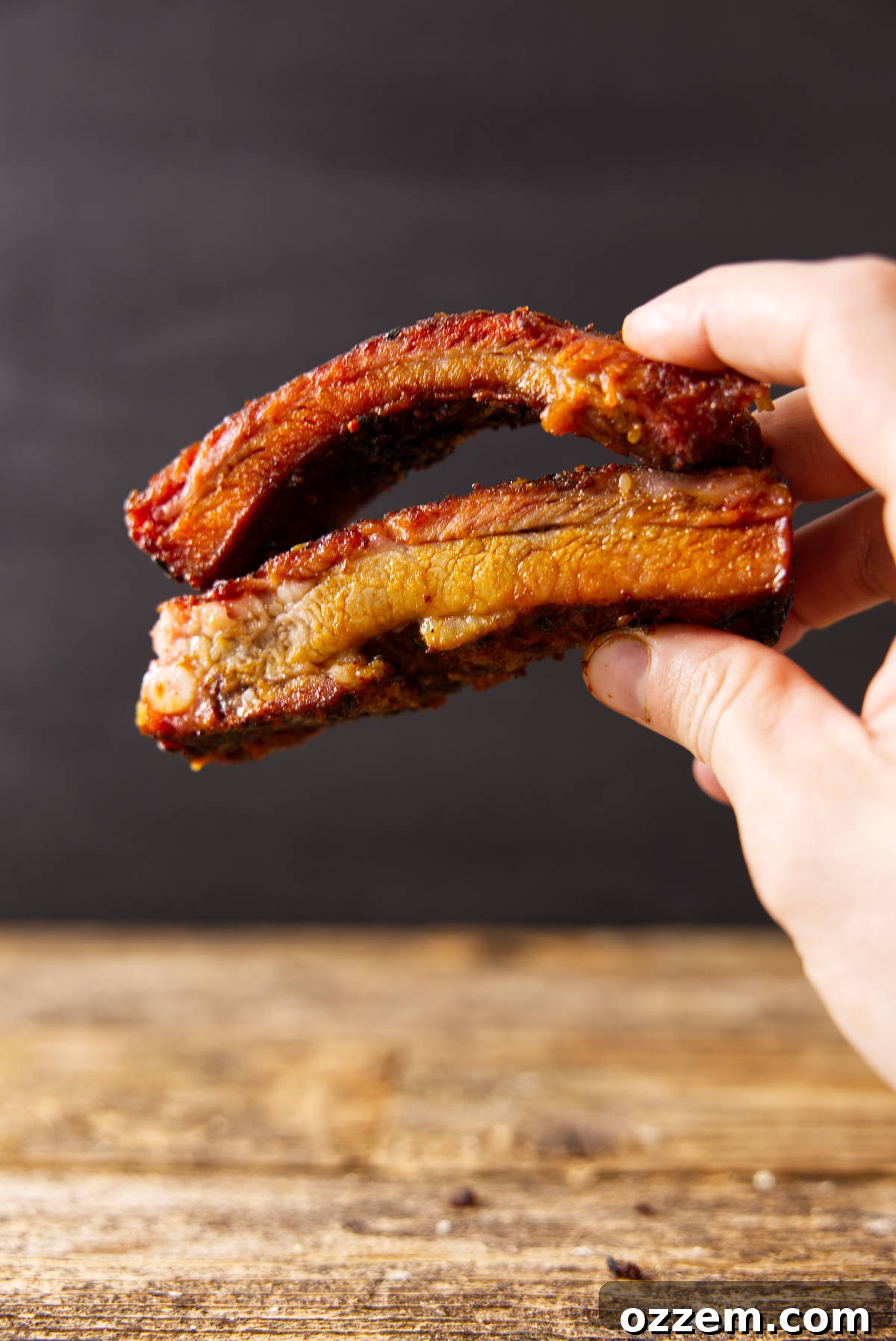
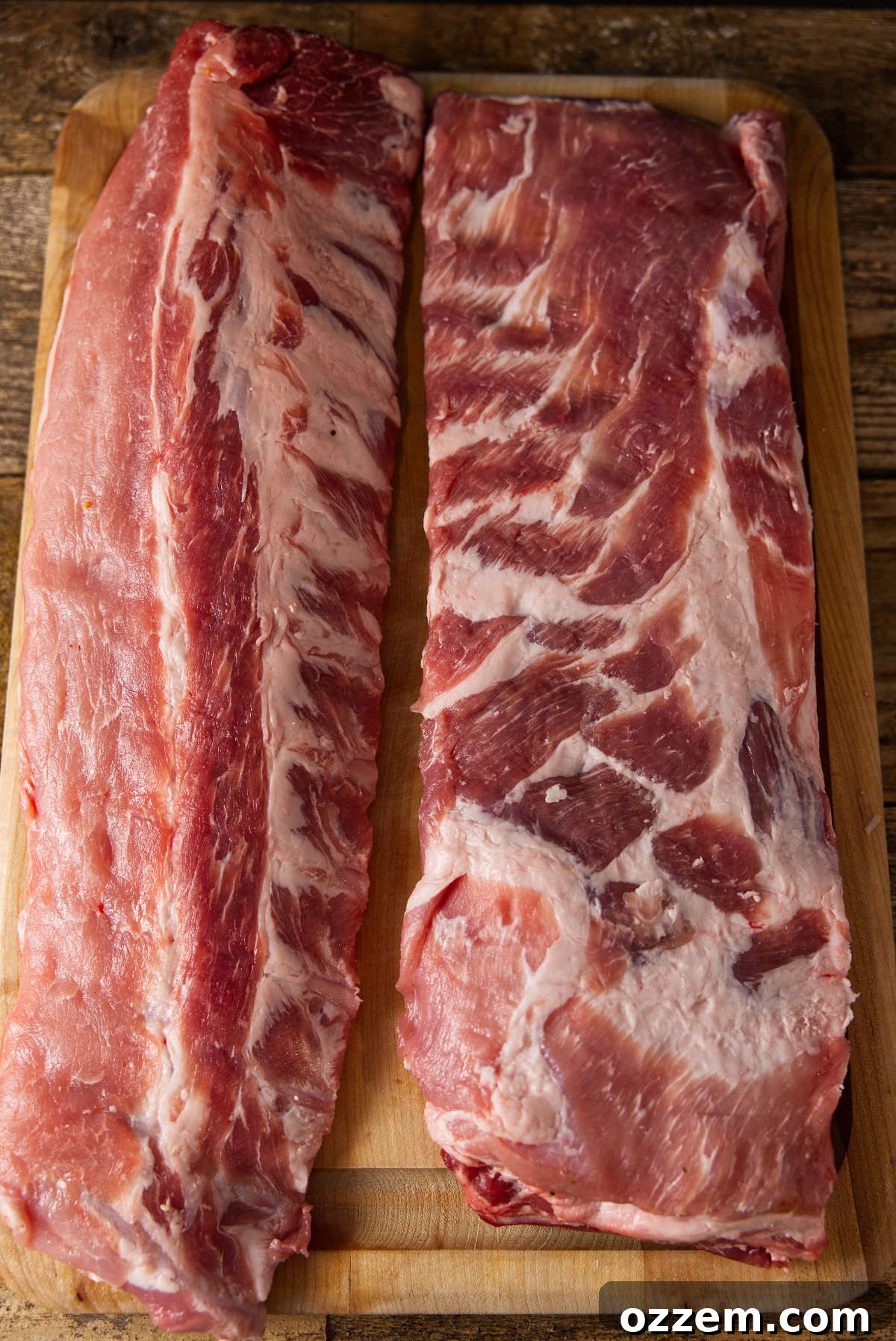
Pork loin back ribs, universally recognized as baby back ribs, are a premium cut that hails from the upper portion of the pig. Specifically, they are harvested from the area where the backbone meets the rib cage, nestled right against the loin muscle – hence their “loin back” designation. This proximity to the tender loin muscle accounts for their inherent tenderness and leaner characteristics. Speaking of pork loin, don’t miss our fantastic recipe for brined and smoked pork loin and learn the proper techniques for how to reheat a pork loin to perfection.
These ribs are typically shorter and more curved than St. Louis style ribs, often presenting in a semi-circular rack. Their defining features include a higher bone-to-meat ratio and the majority of their succulent meat residing on top of the bones, rather than between them. This lean, fine-grained meat is notably less fatty and has less connective tissue than spare ribs, contributing to their quick cooking time and delicate texture.
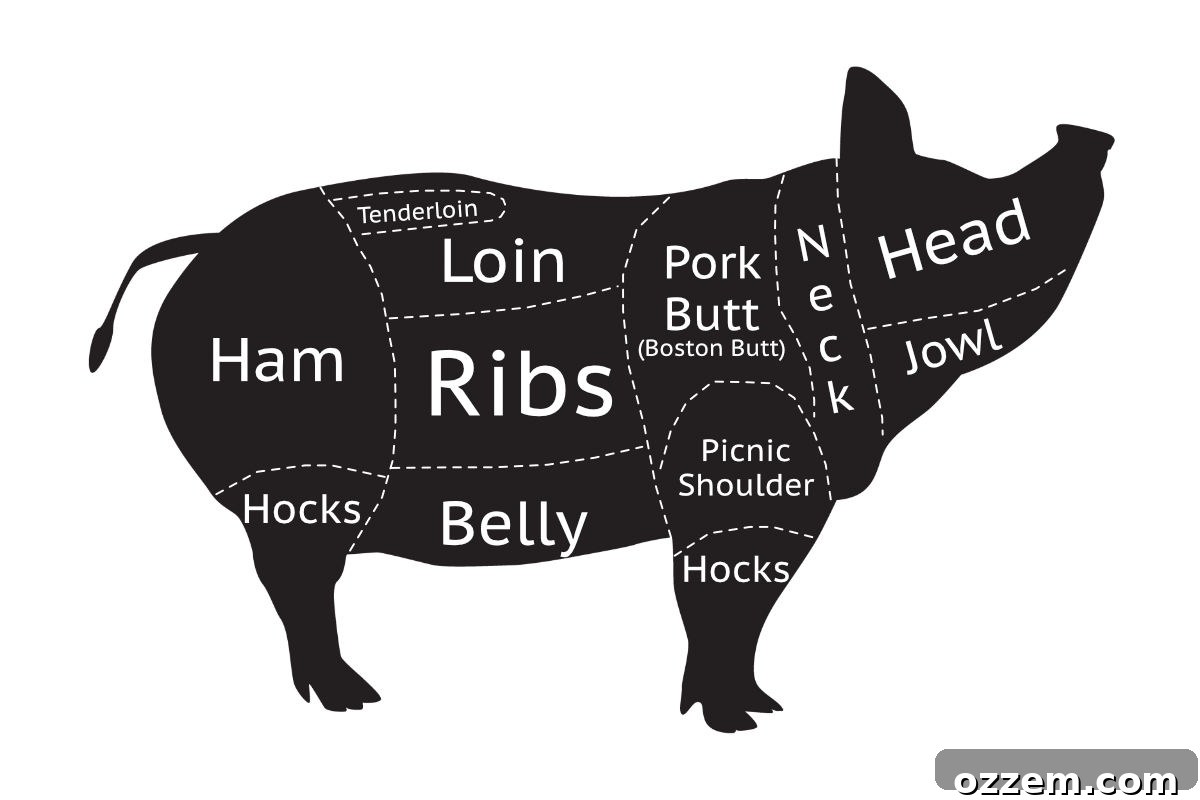
One of the most immediate identifiers of pork loin back ribs is their characteristic curved shape, which naturally follows the contour of the pig’s spine. This curvature, combined with their generally smaller size, instantly distinguishes them from the flatter, larger spare ribs. A full rack typically contains 10 to 13 bones and weighs between 1.5 to 2.5 pounds.
In terms of flavor, baby back ribs offer a wonderfully balanced profile, leaning towards sweet and savory notes. Their mild pork flavor is incredibly receptive to various seasonings, making them a fantastic canvas for your favorite dry rubs, marinades, or glazes. The leaner meat ensures that when cooked correctly, they remain exceptionally juicy, absorbing flavors beautifully without becoming overly rich or greasy. This delicate profile allows the subtle flavors of the pork to shine through, complemented by your chosen spices.
Cooking pork loin back ribs demands a methodical approach, with “low and slow” being the golden rule, whether you’re smoking, grilling over indirect heat, or oven-roasting. This technique is crucial for rendering the meat tender without drying it out. The beauty of baby back ribs lies in their versatility: you can fine-tune your cooking process to achieve ribs that literally fall off the bone, or, if you prefer a more traditional bite with some structural integrity, this is easily achievable by adjusting cooking times and temperatures. To maximize flavor, generously coat the ribs in a custom dry rub or marinate them overnight, allowing the spices to penetrate deeply. For a classic finish, slather them with your favorite BBQ sauce during the final stages of cooking, creating a delectable sweet and tangy crust. Or, get creative and combine a rub with a sauce for an explosion of flavors!
🐷 What Are St. Louis Style Ribs?
St. Louis-style ribs are a cornerstone of American barbecue, celebrated for their rich, robust pork flavor and remarkably meaty texture. Unlike baby back ribs, St. Louis ribs are not a distinct cut from the pig; rather, they are a specially trimmed version of spare ribs. Spare ribs originate from the belly section of the pig, specifically the lower and more fatty part of the rib cage, connecting to the breast bone. This area naturally contains a higher concentration of fat, connective tissue, and muscle, which all contribute to their signature taste and texture.
The transformation from a raw spare rib rack to the iconic St. Louis style involves careful and precise trimming. This process removes several less desirable components: the sternum bone, the tough cartilaginous rib tips, and often some excess fat or skirt meat from the interior side. The result is a beautifully uniform, rectangular slab of ribs, roughly 10-14 bones long, with a consistent thickness. This trimming not only makes them aesthetically pleasing, ideal for competition barbecue, but also ensures that the ribs cook more evenly, preventing thinner sections from drying out and thicker parts from remaining undercooked.
In terms of taste, St. Louis-style ribs boast a significantly more intense and savory pork flavor compared to the milder baby back ribs. Their higher fat content and ample marbling are key to this richness. As these ribs cook low and slow, the fat renders down, infusing the meat with moisture and a deep, luscious flavor that is both indulgent and incredibly satisfying. The breakdown of connective tissue further contributes to a succulent and juicy end product, making them a favorite for those who crave a substantial, full-bodied barbecue experience.
These robust ribs are perfectly suited for prolonged cooking methods, whether smoked over wood, slow-grilled over indirect heat, or patiently roasted in an oven. The “low and slow” mantra is especially crucial for St. Louis ribs, as it allows sufficient time for the fat and connective tissues to break down, transforming them into fork-tender, mouthwatering perfection. Their ability to stand up to bold flavors means they pair wonderfully with assertive dry rubs, smoky marinades, and thick, tangy barbecue sauces. When cooked with care, St. Louis ribs deliver a truly irresistible eating experience that delights even the most seasoned barbecue aficionados, promising tender, juicy meat that clings just right to the bone. So, fire up your smoker or grill and prepare to indulge in the unparalleled deliciousness of St. Louis-style ribs.
🤔 Choosing Your Ribs: Which Is Right for You?
Deciding between pork loin back ribs and St. Louis style ribs often comes down to personal preference, the occasion, and even the time you have available. Both are fantastic choices, but understanding their subtle differences can help you pick the perfect cut for your next barbecue.
Consider Your Preferences:
- For Leaner, Quicker Cook: If you prefer a leaner cut with a delicate pork flavor and a slightly faster cooking time, baby back ribs are an excellent choice. They offer a tender, meat-on-top-of-the-bone experience that’s often described as sweet and succulent.
- For Richer, Meatier Experience: If you crave a more robust, deeply savory pork flavor with abundant juiciness and a satisfyingly tender, pull-off-the-bone texture, St. Louis ribs are your go-to. Their higher fat content makes for a richer, more indulgent bite.
- For Presentation: St. Louis ribs, with their uniform, rectangular shape, often lend themselves better to impressive plating, especially in competitions. Baby backs, while delicious, have a more natural, curved appearance.
Consider Your Time:
- Baby Back Ribs: Generally, these will be ready in 2-4 hours, making them a good option when you have a bit less time to spare but still want exceptional ribs.
- St. Louis Style Ribs: These require a longer commitment, typically 4-6 hours or more of low and slow cooking, to achieve optimal tenderness and flavor breakdown. If you have a full afternoon for smoking or slow roasting, St. Louis ribs will reward your patience.
Ultimately, the best way to determine your favorite is to try both! Experiment with different rubs, sauces, and cooking methods for each. You might find you love baby backs for a weeknight grill and St. Louis ribs for a special weekend smoke.
😉 Mastering Ribs: Essential Tips for Awesome Results!
No matter which rib cut you choose, a few fundamental techniques will ensure your ribs are always a crowd-pleasing masterpiece. Follow these expert tips to elevate your barbecue game and achieve consistently tender, flavorful results.
- Preparation is Key: Remove the Membrane: This crucial first step is often overlooked but makes a significant difference. On the bone-side of the rack, there’s a thin, silverskin-like membrane that, if left on, can become tough and chewy, preventing your seasonings from fully penetrating the meat. To remove it, simply loosen a corner with a butter knife or spoon, then grip it with a paper towel for traction and pull it cleanly off the entire rack. Trim any excessive fat from the meat side, but leave some marbling for flavor.
- Embrace Low and Slow Cooking: The secret to truly tender ribs is patience. Cooking at a consistent low temperature, ideally around 225°F (107°C), allows the fat and connective tissues to slowly render and break down, resulting in incredibly juicy and tender meat. For many, the 3-2-1 rib method is a popular and straightforward approach for spare ribs (3 hours smoked, 2 hours wrapped, 1 hour unwrapped with sauce). For baby back ribs, a slightly shorter “2-2-1” method might be more appropriate due to their leaner profile and smaller size. If you prefer your ribs with a little more bite and structure (not quite fall-off-the-bone), you can adjust these timings, reducing the wrapped portion.
- Craft a Flavorful Rub: A great dry rub is the foundation of amazing ribs. Experiment with various spice blends to find your perfect combination of sweet, savory, and spicy notes. Apply the rub generously to all sides of the ribs, ensuring a thick, even coating. Let it rest for at least 30 minutes, or preferably several hours, for the flavors to meld and penetrate the meat.
- Marinade Overnight for Extra Juiciness: While rubs are fantastic, a good marinade can add another layer of flavor and moisture. Consider marinating your ribs overnight in a liquid blend (like apple cider vinegar, fruit juice, or even beer mixed with spices) to infuse them with additional flavor and help tenderize the meat, making them exceptionally juicy.
- Maintain Moisture with Spritzing or Wrapping: Keeping your ribs moist throughout the long cooking process is vital. One popular technique is to spritz the ribs every hour or so with a liquid like apple juice, apple cider vinegar, or even a mix of water and bourbon. Alternatively, halfway through cooking, wrap your ribs tightly in foil (or butcher paper for a breathable option) with a splash of liquid (apple juice, broth, or butter) to create a steamy environment that tenderizes the meat and locks in moisture. This “Texas crutch” method is a game-changer for achieving ultimate tenderness.
- Finish with Sauce (Optional, but Recommended): If you like saucy ribs, apply your favorite barbecue sauce during the last 30-60 minutes of cooking. This allows the sauce to caramelize and thicken without burning. Avoid applying sauce too early, as many BBQ sauces contain sugar that can burn at high temperatures, leaving a bitter taste.
CONNECT WITH A LICENSE TO GRILL!
We love sharing our passion for grilling and barbecue with you. Be sure to follow us on our social media accounts for more delicious recipes, grilling tips, and mouth-watering content!
Have you tried these rib showdown tips or made one of our recipes? We’d love to hear about your experience! Tell us all about it in the comments below!