
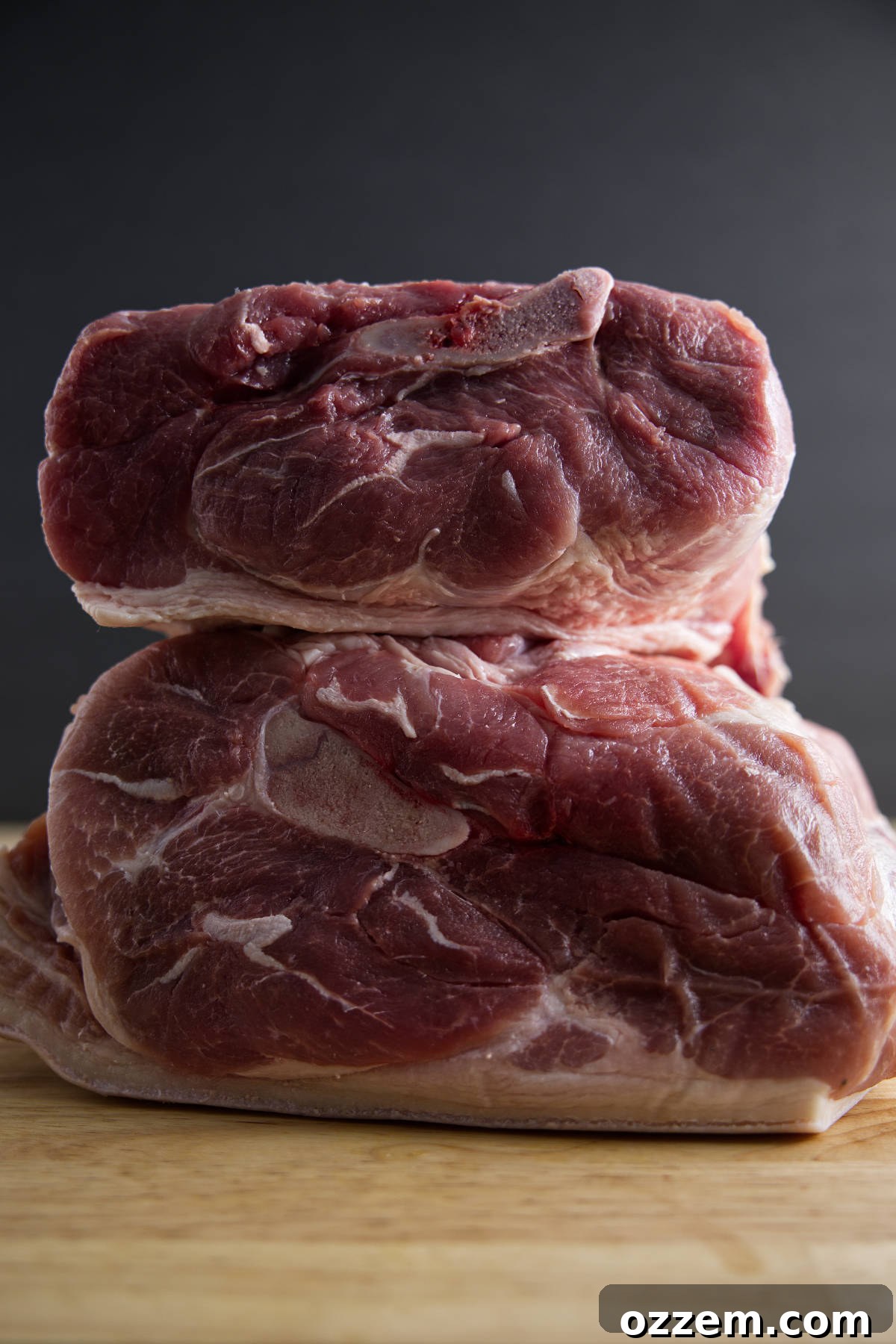
If you’ve ever found yourself puzzled by the terms pork shoulder vs. pork butt, you are certainly not alone. These two popular cuts of pork, despite their often-interchanged names and similar appearance, possess distinct characteristics that profoundly impact their flavor, texture, and ideal culinary applications. For home cooks and culinary enthusiasts alike, understanding these differences is key to unlocking a world of delicious pork dishes.
This comprehensive guide will demystify the nuances between pork butt and pork shoulder. We’ll delve into their precise anatomical origins on the pig, explore their unique fat content and muscle structures, and highlight the best cooking methods for each. By the end of this article, you’ll be able to confidently navigate the butcher’s counter, select the perfect cut for your next recipe, and impress your guests with perfectly prepared pork, whether it’s tender pulled pork, crispy roasted shoulder, or a hearty stew.
Is There a Difference Between Pork Butt and Pork Shoulder?
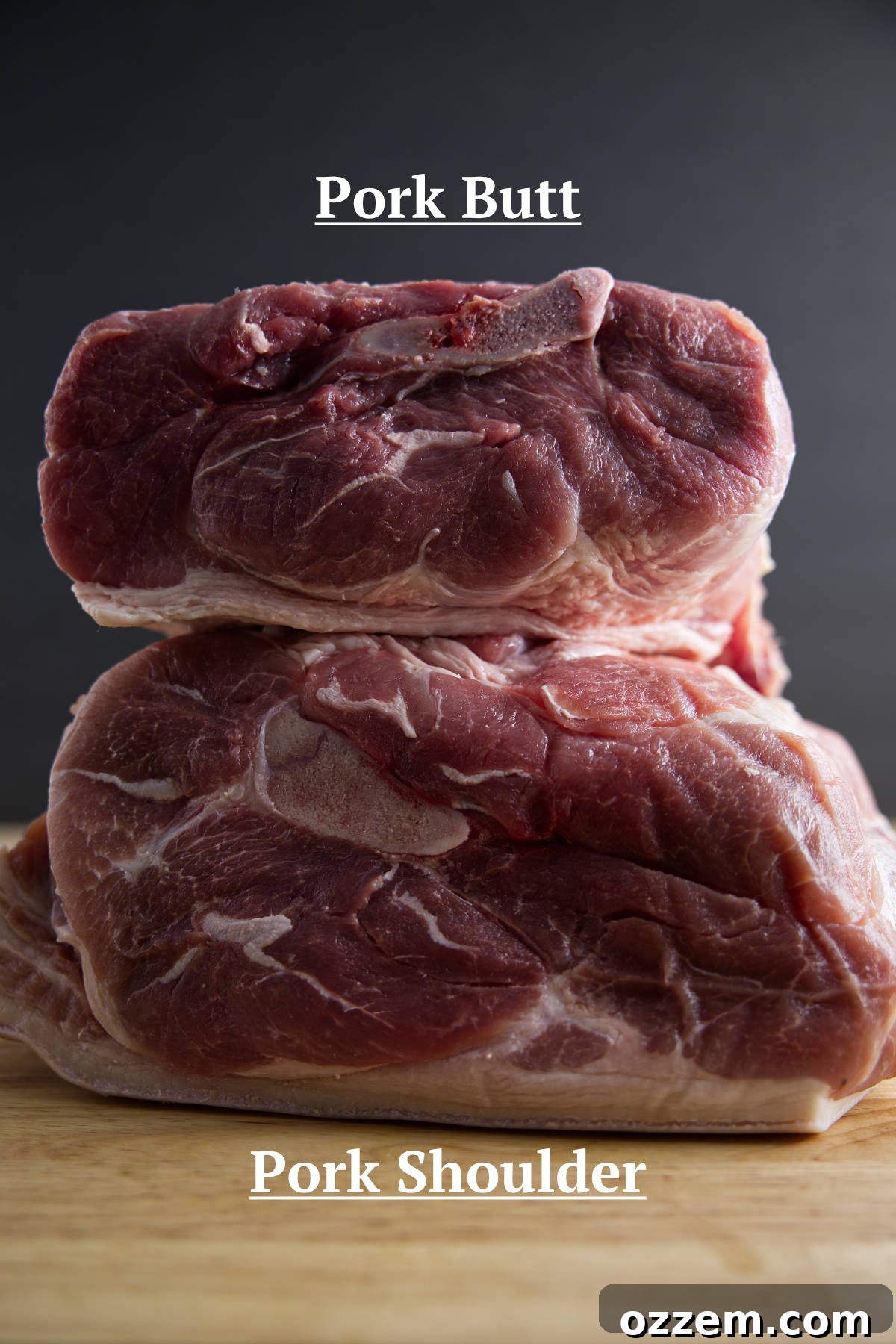
Yes, unequivocally, there is a significant difference between pork butt and pork shoulder, even though their names often cause confusion and are frequently used interchangeably. This misunderstanding stems largely from historical naming conventions and regional butchering practices, rather than actual anatomical similarity in terms of location on the animal’s rear. Both cuts originate from the front leg of the pig, specifically the shoulder area, but from distinct parts of that region.
When you visit a butcher and simply ask for “pork shoulder,” you might actually receive a pork butt, as it’s the more commonly requested and recognized cut for many slow-cooking applications. To ensure you get the specific cut you desire, it’s crucial to use precise terminology. If you’re looking for the lower, often leaner part of the shoulder, ideal for crispy skin roasts and certain stews, you should explicitly ask for a “picnic shoulder” or “picnic roast.” Understanding this distinction is the first step in mastering these versatile cuts.
What Is Pork Butt or Boston Butt?
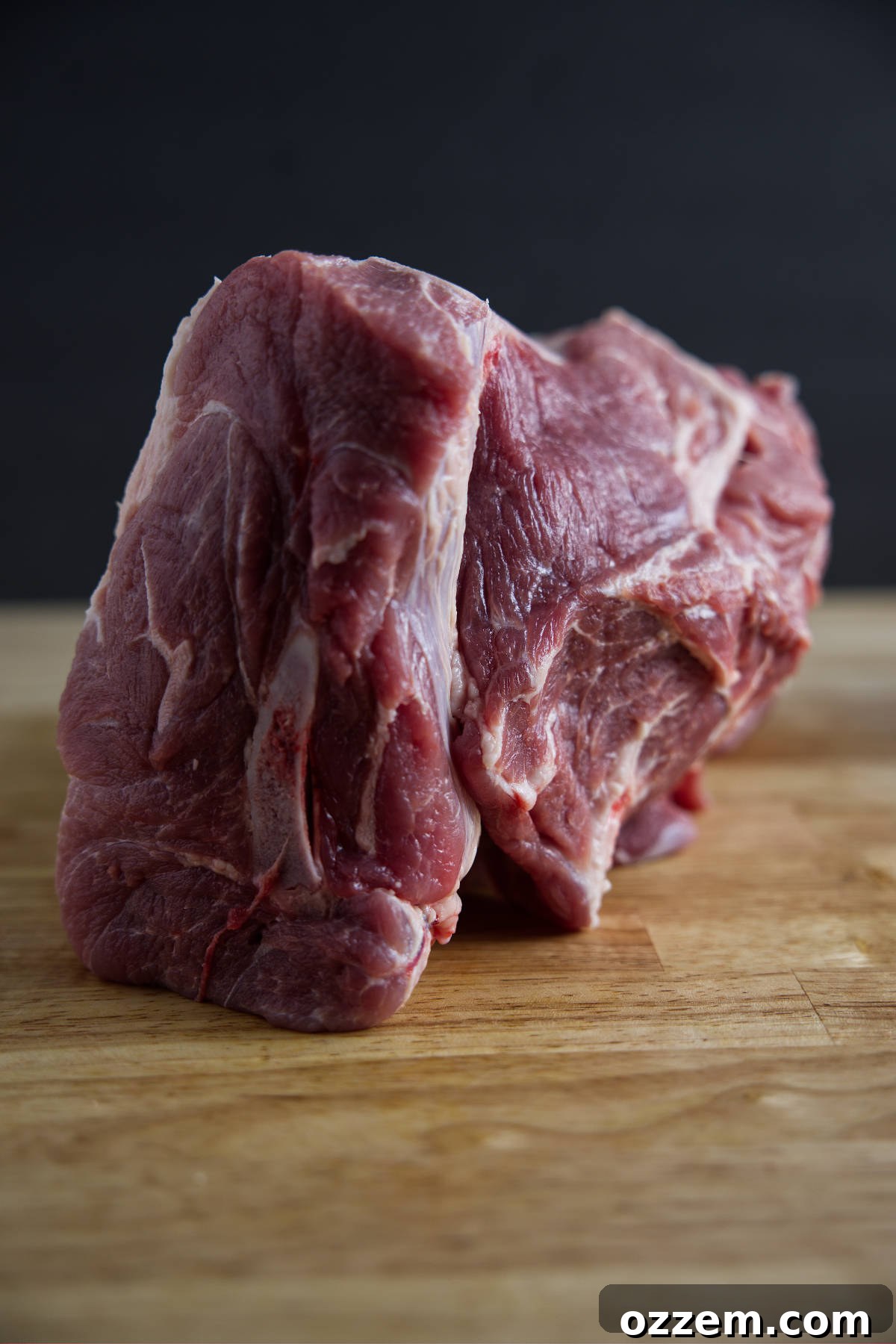
Despite its misleading name, the pork butt, also famously known as the Boston butt, does not come from the rear end of the pig. Instead, it is cut from the upper portion of the pig’s front shoulder, extending from the blade bone to the neck. This particular section of the shoulder is heavily worked, resulting in a rich network of muscle fibers and, crucially, a generous amount of intramuscular fat, also known as marbling, and abundant connective tissue.
The high fat content and intricate marbling are precisely what make pork butt an exceptional choice for slow-cooking methods. As it cooks at low temperatures over an extended period, the fat renders beautifully, basting the meat from within, while the tough connective tissues (like collagen) slowly break down into gelatin. This transformation yields incredibly tender, juicy, and flavorful meat that practically falls apart, making it the undisputed king for dishes like pulled pork, carnitas, and rich stews. It’s typically sold as a large, rectangular cut, often bone-in, which further enhances its flavor during cooking.
Why Is Pork Butt Sometimes Called Pork Shoulder?
The historical reason behind the confusing nomenclature of “pork butt” being referred to as a “pork shoulder” is a fascinating anecdote rooted in American butchery practices and regional terminology. The simple explanation is that it *does* come from the shoulder region of the pig, so calling it “pork shoulder” isn’t entirely inaccurate in a general sense, but it fails to distinguish it from the other part of the shoulder.
The specific name “Boston butt” originates from 18th-century New England, particularly Boston. Back then, butchers would take the less expensive, tougher cuts of pork from the upper shoulder region and pack them into wooden barrels for storage and transportation. These barrels were commonly referred to as “butts” – a term for a specific type of cask or barrel, not related to the animal’s anatomy. Over time, the name of the container became intrinsically linked to the cut of meat it held, leading to the designation “Boston butt.”
As this practice spread and the cut gained popularity, especially for its suitability for slow cooking, the term “pork butt” became firmly established. This historical quirk has persisted, leading to the ongoing confusion where “pork shoulder” has become synonymous with “pork butt” in many butcher shops and grocery stores. Despite the common usage, it’s vital to remember that pork butt and pork shoulder are distinct cuts, each with its own ideal culinary profile, originating from slightly different parts of the pig’s front leg.
What Is Pork Shoulder or Picnic Shoulder?
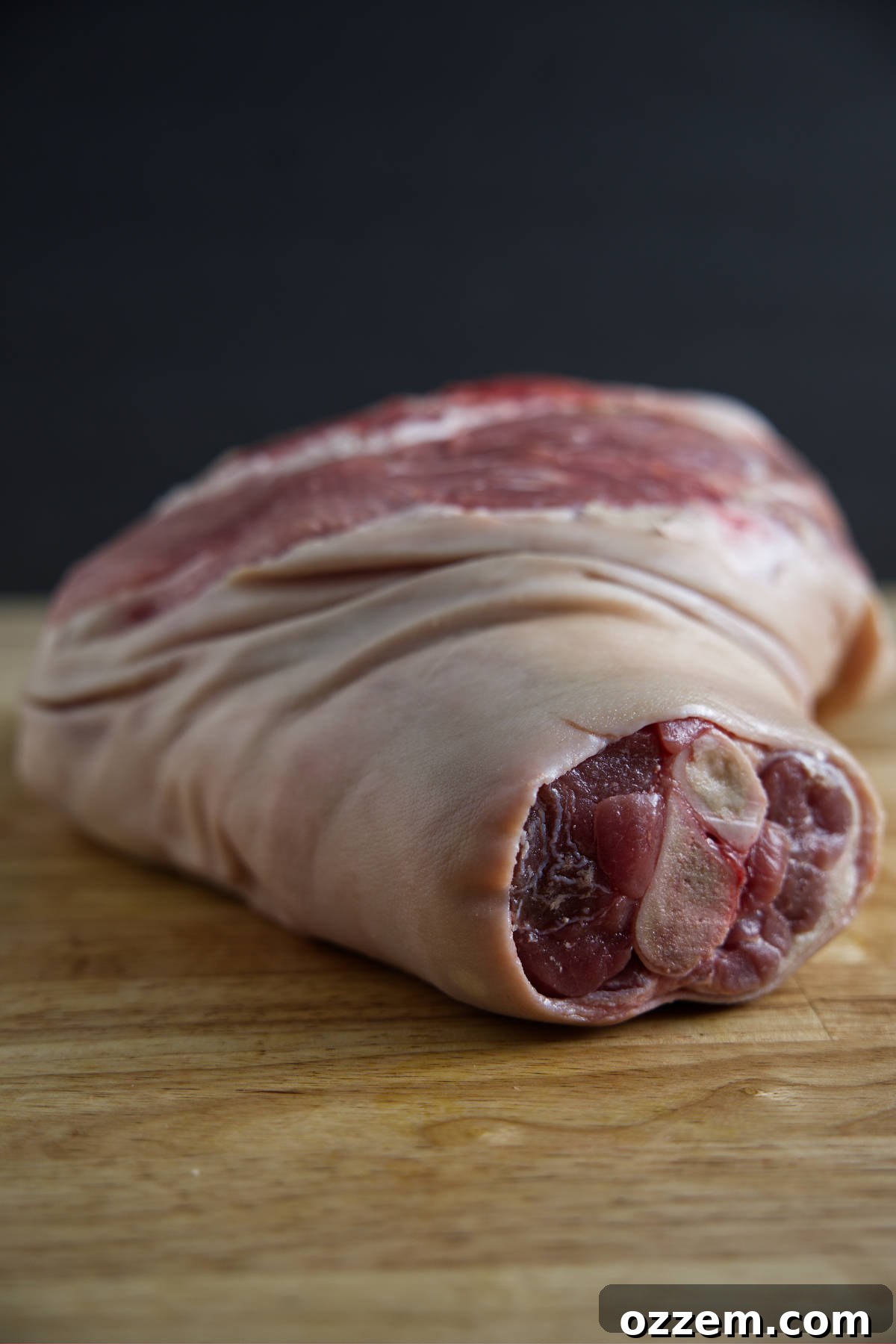
The cut properly known as pork shoulder, or often more specifically, the “picnic shoulder” or “picnic roast,” comes from the lower part of the pig’s front leg, just below the pork butt. It includes a portion of the leg and typically has more muscle definition than the fattier butt cut. It is generally a leaner cut compared to the pork butt, possessing less intramuscular fat and marbling. While it still contains connective tissue, its muscle structure is somewhat different, making it less prone to shredding into fine strands like the butt.
Pork shoulder is an excellent choice for various slow-cooking methods such as braising, stewing, or slow-roasting, as the prolonged cooking time is still essential for breaking down its connective tissues and rendering it tender and flavorful. However, because of its leaner nature, it may require a bit more attention to prevent drying out compared to a pork butt. It is commonly utilized in dishes requiring diced or sliced pork, such as hearty stews, traditional pot roasts, or certain types of carnitas where a firmer texture is desired after cooking.
One of the defining characteristics of a picnic shoulder, as often found in markets, is that it frequently comes with the skin on. This presents a fantastic opportunity for culinary creativity, as the skin, when prepared correctly through slow roasting at certain temperatures, can transform into a delectable, crispy crackling. This puffed pork skin adds a wonderful textural contrast and rich flavor to any dish, making the picnic shoulder a favorite for those who appreciate this crunchy delicacy.
Best Cut of Pork for Pulled Pork
When it comes to crafting truly authentic, melt-in-your-mouth pulled pork, the Boston butt, or simply pork butt, is overwhelmingly considered the superior choice. Its inherent characteristics make it uniquely suited for the low-and-slow cooking method that defines this classic dish. The high concentration of intramuscular fat and ample marbling within the pork butt are critical factors; as the meat cooks, this fat slowly renders, lubricating the muscle fibers and ensuring an incredibly moist and succulent result.
Furthermore, the significant amount of connective tissue in pork butt is transformed into gelatin during extended cooking times, contributing to that characteristic tender, fall-apart texture. This gelatinous quality helps bind the shredded meat while keeping it juicy and flavorful. While pork shoulder can certainly be used for pulled pork, and will yield an acceptable result, it typically won’t achieve the same level of moisture, tenderness, or rich flavor profile as a properly cooked pork butt due to its leaner nature. The texture of pulled pork from a picnic shoulder tends to be slightly drier and less forgiving if overcooked, making the pork butt the clear champion for this beloved barbecue staple.
When to Use Pork Butt
Pork butt excels in culinary applications that demand extended cooking times and low temperatures, allowing its rich marbling and connective tissues to transform into tender, flavorful perfection. It is the ultimate cut for:
- Pulled Pork: The most iconic use, whether smoked, roasted, or cooked in a slow cooker, resulting in incredibly juicy, shreddable meat for sandwiches, tacos, or bowls.
- Carnitas: A Mexican specialty where pork butt is slow-cooked in its own fat or lard until tender, then often fried or broiled to achieve crispy edges, perfect for tacos.
- Pork Chili and Stews: Its robust flavor and ability to withstand long simmering times make it ideal for hearty, meaty chilis and stews, adding depth and richness.
- Roasts for Shredding: Any recipe where you want to roast a large piece of pork that can then be easily shredded or pulled apart.
- Sausage Making: The balanced fat-to-meat ratio makes it a popular choice for homemade sausages, ensuring a moist and flavorful product.
This cut truly shines when patience is applied, delivering unparalleled tenderness and a deep, satisfying pork flavor.
When to Use Pork Shoulder
The pork shoulder, or picnic shoulder, with its slightly leaner profile and often skin-on presentation, offers a different range of culinary possibilities where its distinct texture and ability to develop crispy skin are highly valued. Consider using pork shoulder for:
- Crispy Skin Roasts: The skin-on nature of many picnic shoulders makes them perfect for creating exquisite crackling, like in traditional Cuban pork roast (Lechón Asado) or Filipino Lechon. The slow roasting process ensures tender meat while the skin crisps up beautifully.
- Cuban Sandwiches (Cubanos): Thin slices of slow-roasted pork shoulder are a key component, offering a firmer texture that holds up well in the pressed sandwich.
- Hearty Braises and Strews: While leaner than pork butt, it still has enough connective tissue to become tender and flavorful when braised in liquids. Its firmer texture allows it to hold its shape better if you prefer distinct chunks of meat in your stew rather than fully shredded pieces.
- Pork Steaks or Chops: When cut into thicker slices (often called “pork shoulder steaks”), it can be grilled or pan-fried, offering a more rustic, chewy texture than loin chops.
- Grinding: Its combination of lean muscle and some fat makes it suitable for grinding into ground pork for meatballs, patties, or other recipes where a specific texture is desired.
While pork shoulder can become tender enough to shred with extended low-and-slow cooking, pork butt remains the preferred choice for the most tender and moist pulled pork. However, for dishes celebrating crispy skin, firmer slices, or robust chunks, the picnic shoulder is undoubtedly the star.
Bottom Line: Pork Shoulder vs. Pork Butt
Ultimately, the choice between pork shoulder and pork butt boils down to the specific culinary outcome you desire. Both are fantastic, versatile cuts for slow-cooked meals, but their unique characteristics lend themselves to different applications.
If your goal is to achieve the ultimate, melt-in-your-mouth pulled pork – juicy, deeply flavorful, and effortlessly shreddable – the **pork butt (Boston butt)** is undeniably the superior choice. Its generous marbling and higher fat content ensure a succulent and tender result that stands unmatched. It’s also ideal for carnitas and any dish where the pork is intended to completely fall apart.
Conversely, the **pork shoulder (picnic shoulder)** is best utilized when you need a cut with a slightly firmer texture and a leaner fat profile, especially if you appreciate a delicious, crispy skin. It excels in recipes like authentic Cuban pork roasts (where the crackling is a highlight), various stews where you want distinct pieces of meat, or even rustic pork steaks. Delicious meals like robust chili, flavorful carnitas with crispier edges, and elegant roasts all benefit from the unique properties of the picnic shoulder.
No matter which cut you select, both pork shoulder and pork butt promise a delicious and rewarding meal when cooked with the appropriate techniques and a bit of patience. Understanding their differences empowers you to make informed decisions at the butcher and elevate your home cooking to new heights.

Irresistible Pork Butt Recipes
Discover the incredible versatility of pork butt with these mouthwatering recipes, perfect for showcasing its tender, juicy potential:
Smoked Pulled Pork
This classic recipe transforms a seasoned pork butt into incredibly tender, smoky perfection through slow cooking. Once shredded, it’s mixed with your favorite barbecue sauce, making it ideal for stuffing into sandwiches or serving alongside classic sides.
Pork Butt Chili
Leverage the rich, meaty flavor of pork butt in this hearty chili. Whether you’re using fresh or leftover smoked pork butt, simmering it with tomatoes, beans, and a carefully selected blend of spices creates a deeply satisfying and flavorful meal.
BBQ Pork Butt Pizza
For a creative twist on traditional pizza, top it with savory, slow-cooked shredded pork butt. The rich pork harmonizes beautifully with tangy barbecue sauce and a generous blend of cheeses for an unforgettable meal.
Pulled Pork Nachos
Elevate your snack or appetizer game with these irresistible nachos. Featuring tender, slow-cooked shredded pork butt, black beans, melted cheese, and your preferred toppings, they are perfect for sharing or as a hearty indulgence.
Smoked Pulled Pork Tacos
These flavorful tacos are crafted with tender smoked pulled pork butt, fresh chopped onion and cilantro, and your choice of vibrant toppings. Serve them with a side of creamy guacamole or zesty pico de gallo for a delicious lunch or dinner.
Delicious Pork Shoulder Recipes
Explore the unique characteristics of pork shoulder with these recipes that highlight its firmer texture and potential for crispy skin:
Smoked Cuban Pork Shoulder
In this authentic recipe, the pork shoulder is marinated in a vibrant mix of citrus juices and traditional Cuban spices before being smoked to perfection. The result is a succulent, juicy interior encased in a beautifully crispy skin, bursting with flavor.
Cuban Style Pork Sandwiches
Craft a classic Cuban sandwich using thin slices of perfectly roasted pork shoulder. Served on a crusty roll with tangy pickles and savory mustard, it’s a timeless and satisfying sandwich.
Smoked Pork Stew
This comforting stew features a delightful combination of tender pork shoulder, hearty potatoes, sweet carrots, and other seasonal vegetables. Cooked low and slow on the smoker, the meat becomes incredibly fork-tender and infuses the entire dish with rich, smoky flavor.
Quick Answers to FAQ’s
No, pork shoulder and pork butt are not the same cut of meat, though they both originate from the pig’s front leg. The pork butt (or Boston butt) comes from the upper part of the shoulder, closer to the neck, and is known for its higher fat content and marbling. The pork shoulder (or picnic shoulder) is from the lower part of the shoulder, closer to the elbow, and is generally leaner with a tougher skin.
Absolutely! Boston butt is widely considered the best cut of pork for pulled pork. Its high fat content and abundant connective tissue break down beautifully during long, slow cooking, resulting in incredibly tender, juicy, and flavorful meat that easily shreds.
Neither is inherently “better” – it completely depends on your intended dish. Pork butt is superior for pulled pork, carnitas, and any recipe requiring very tender, fall-apart shredded meat due to its higher fat. Pork shoulder, on the other hand, is excellent for roasts that benefit from crispy skin, or stews and braises where you might prefer slightly firmer, distinct chunks of meat.
A pork butt roast, also known as a Boston butt, is a large, rectangular cut of meat from the upper portion of the pig’s shoulder. It is characterized by significant marbling and connective tissue, making it a relatively tough cut raw. However, when slow-cooked or smoked over several hours, it transforms into incredibly tender, moist, and flavorful meat, making it perfect for pulled pork and other shreddable dishes.
Yes, pork butt and Boston butt are indeed the same cut of pork. “Boston butt” is simply a more specific, historical term for the pork butt, originating from how the cut was packed in barrels (butts) in New England. Both terms refer to the well-marbled upper shoulder cut that is ideal for slow cooking and smoking.
Our Favorite Pork Recipes!
Traeger
3-2-1 Ribs
Traeger
Smoked Pork Butt (Smoked Pork Shoulder)
Main Dish
Traeger Bacon-Wrapped Pork Tenderloin
Traeger
Traeger Smoked Stuffed Pork Tenderloin
CONNECT WITH A LICENSE TO GRILL!
Be sure to follow us on our social media accounts for more delicious recipes and grilling tips.
Did you make one of these recipes or have a tip for cooking pork butt or shoulder? Tell us about it in the comments below!