
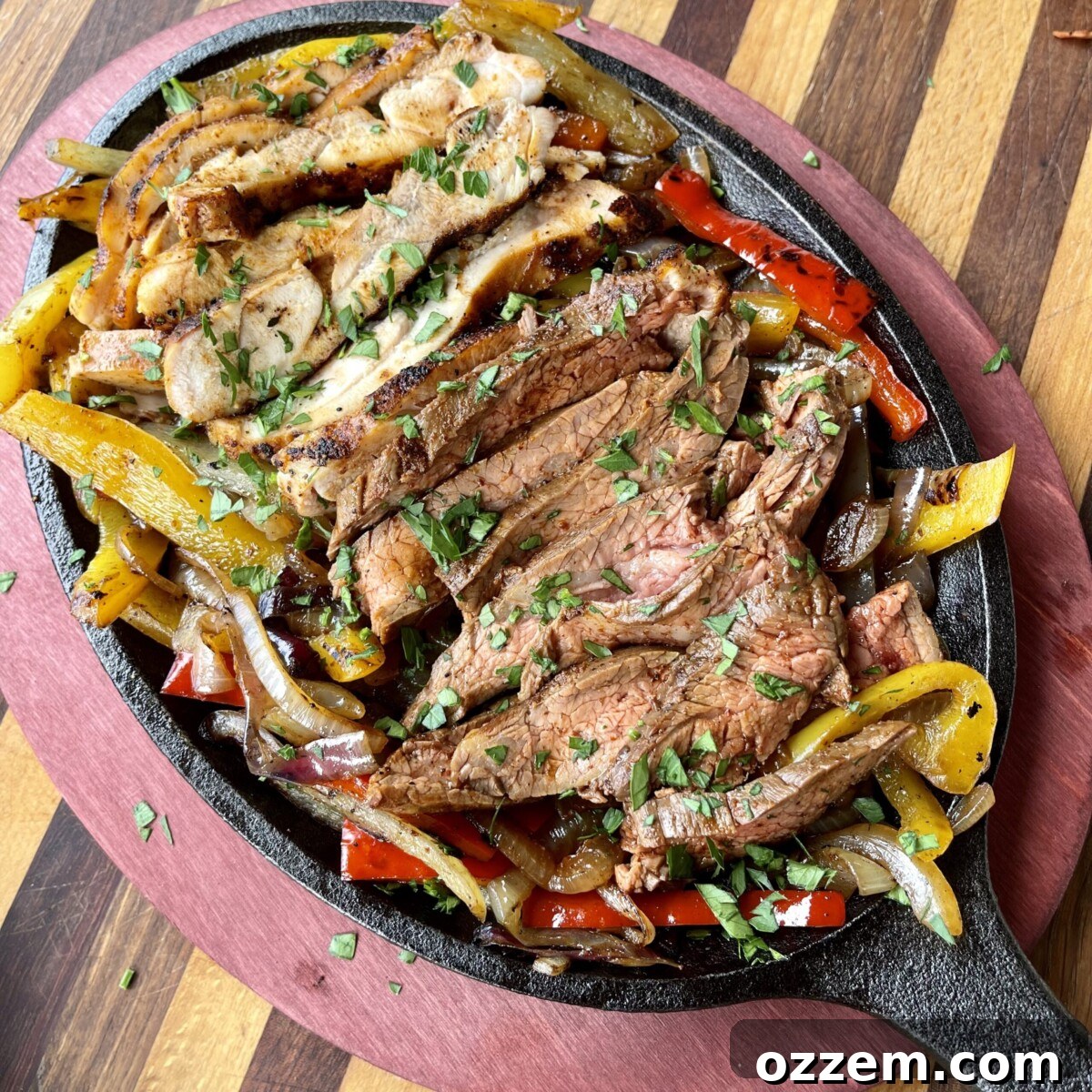
Fajitas stand out as one of the most wonderfully versatile and universally loved dishes, offering an exciting blend of flavors and textures that can adapt to any occasion. Whether you’re planning a speedy weeknight meal or a festive gathering, this recipe for Chicken and Steak Fajitas promises a culinary experience that’s both simple to prepare and incredibly satisfying. What makes fajitas truly exceptional is their inherent flexibility; easily customized for various preferences, even accommodating the most discerning palates. This dual-protein approach with both chicken and steak ensures there’s something to delight everyone at the table, making it a guaranteed crowd-pleaser.
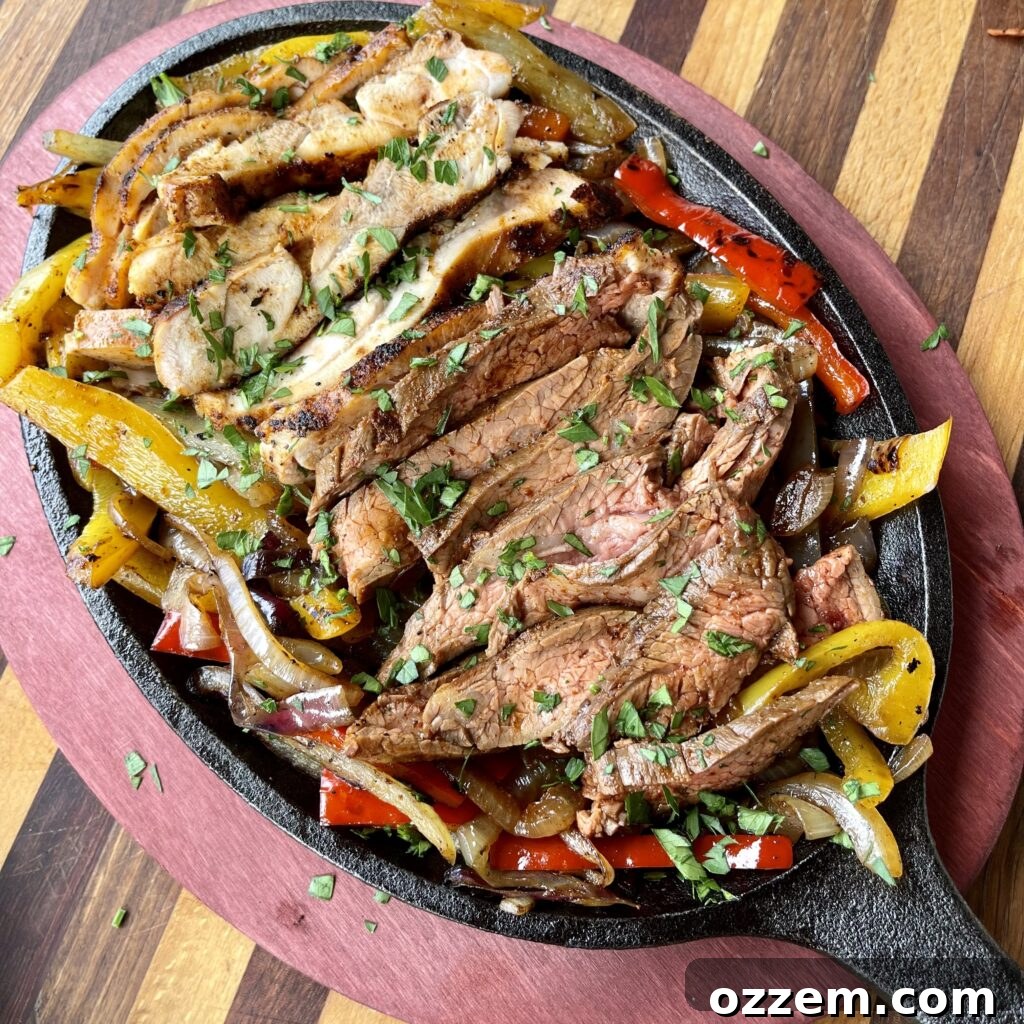
Table of Contents
- Mastering the Prep Work for Perfect Fajitas
- Grilling Your Perfect Chicken and Steak Fajitas: Tips and Techniques
- Frequently Asked Questions About Fajitas
- Similar Recipe Ideas:
- Chicken and Steak Fajitas Recipe
Mastering the Prep Work for Perfect Fajitas
The secret to truly outstanding fajitas begins long before the heat hits the pan: it’s all in the meticulous preparation of your ingredients. Taking the time to properly prep your chicken, steak, and vegetables not only saves time when cooking but also significantly enhances the final flavor and texture of your dish. This foundational step is where juicy tenderness meets bold seasoning, setting the stage for a memorable meal.
Selecting and Preparing Your Proteins: Chicken and Steak
For the beef component of our delicious fajitas, I highly recommend using a flank steak or a skirt steak. Both cuts are excellent choices due to their robust flavor and fibrous texture that, when sliced correctly against the grain, becomes incredibly tender after a quick sear. Flank steak tends to be a bit leaner and wider, while skirt steak is known for its intense beefy flavor and excellent marbling. Whichever you choose, the preparation is straightforward yet crucial.
Begin by patting your steak dry with paper towels; this helps create a better sear. Next, lightly coat both sides of the beef with a quality olive oil. This acts as a binder for your seasoning and helps conduct heat evenly, promoting a beautiful crust. Now, for the seasoning: generously apply your favorite taco or fajita blend. My personal go-to is Hardcore Carnivore TexMex. This blend delivers a fantastic depth of flavor with just the right amount of kick – vibrant and zesty without being overly spicy, making it perfect for all ages and palates, including younger diners. Ensure the seasoning adheres well to all surfaces of the steak for maximum flavor infusion.
Moving on to the chicken, I opt for boneless, skinless chicken thighs over breasts. Chicken thighs are inherently more flavorful, remain incredibly tender and juicy during high-heat cooking, and are far more forgiving than breasts, which can dry out quickly. The higher fat content of the thighs ensures a succulent result that perfectly complements the steak. Similar to the beef, coat the chicken thighs with olive oil and season them generously with the same taco or fajita blend. This consistent seasoning across both proteins creates a harmonious flavor profile that ties the entire dish together.
Preparing Your Vibrant Fajita Vegetables
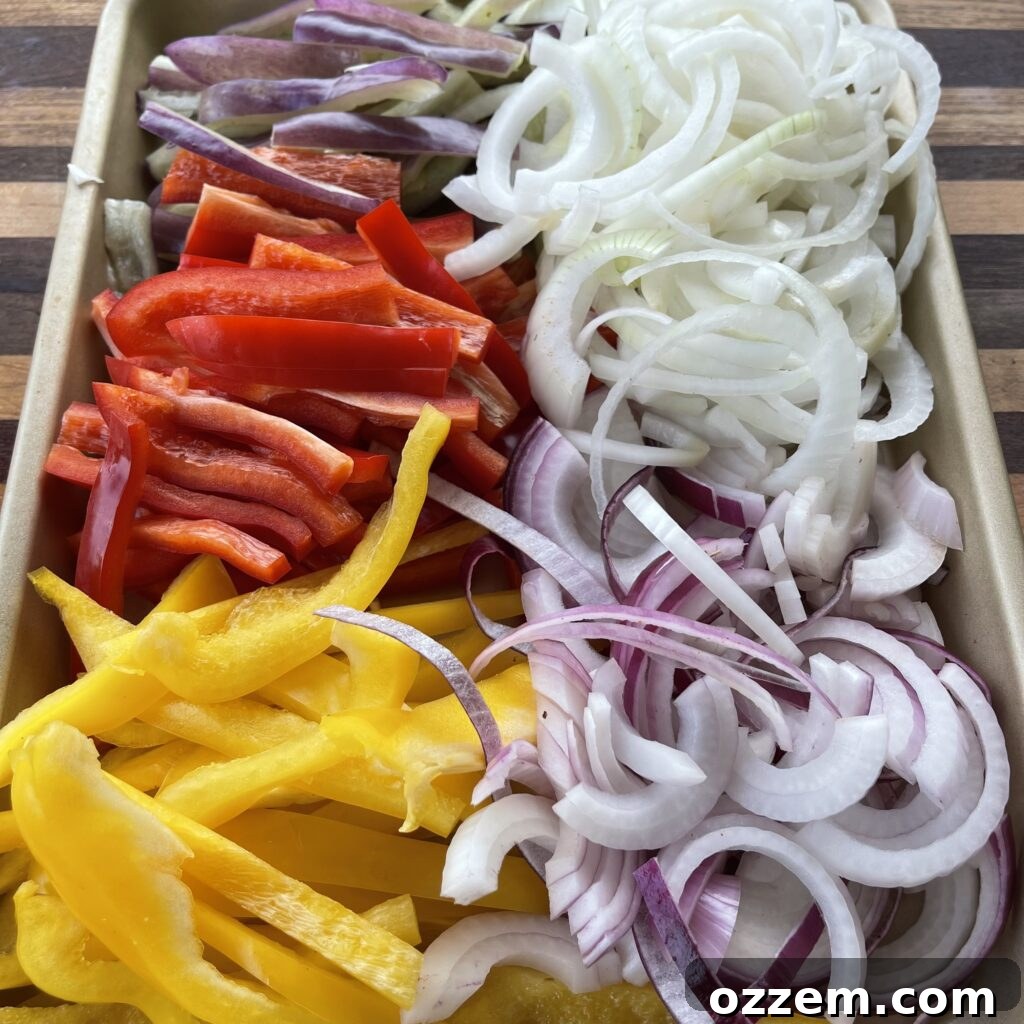
One of the many beauties of fajitas lies in their reliance on simple, fresh ingredients, especially when it comes to the vegetables. For a truly authentic fajita experience, bell peppers and onions are indispensable. Their natural sweetness and slight char contribute significantly to the dish’s overall appeal. I love to use a variety of bell peppers – red, yellow, and even a unique purple pepper I discovered at a local farmers market. This purple variety offers a fascinating flavor profile, bridging the gap between the sharpness of a green pepper and the sweetness of a red one, adding both visual appeal and nuanced taste. Using a mix of colors like red, yellow, and orange bell peppers also makes the final presentation incredibly appetizing.
To prepare your bell peppers, remove the core and seeds, then slice them into uniform 1-inch thick strips. Consistency in thickness is key here, as it ensures all your peppers cook evenly at the same rate, achieving that perfect tender-crisp texture without some becoming mushy while others remain too firm. For the onion, a red onion is preferred for its milder flavor and beautiful color once cooked. First, cut the whole onion in half lengthwise, then slice each half into 1-inch thick half-moons. These larger pieces hold up well to the high heat of grilling and develop a wonderful sweetness as they caramelize, providing a delicious counterpoint to the seasoned meats.
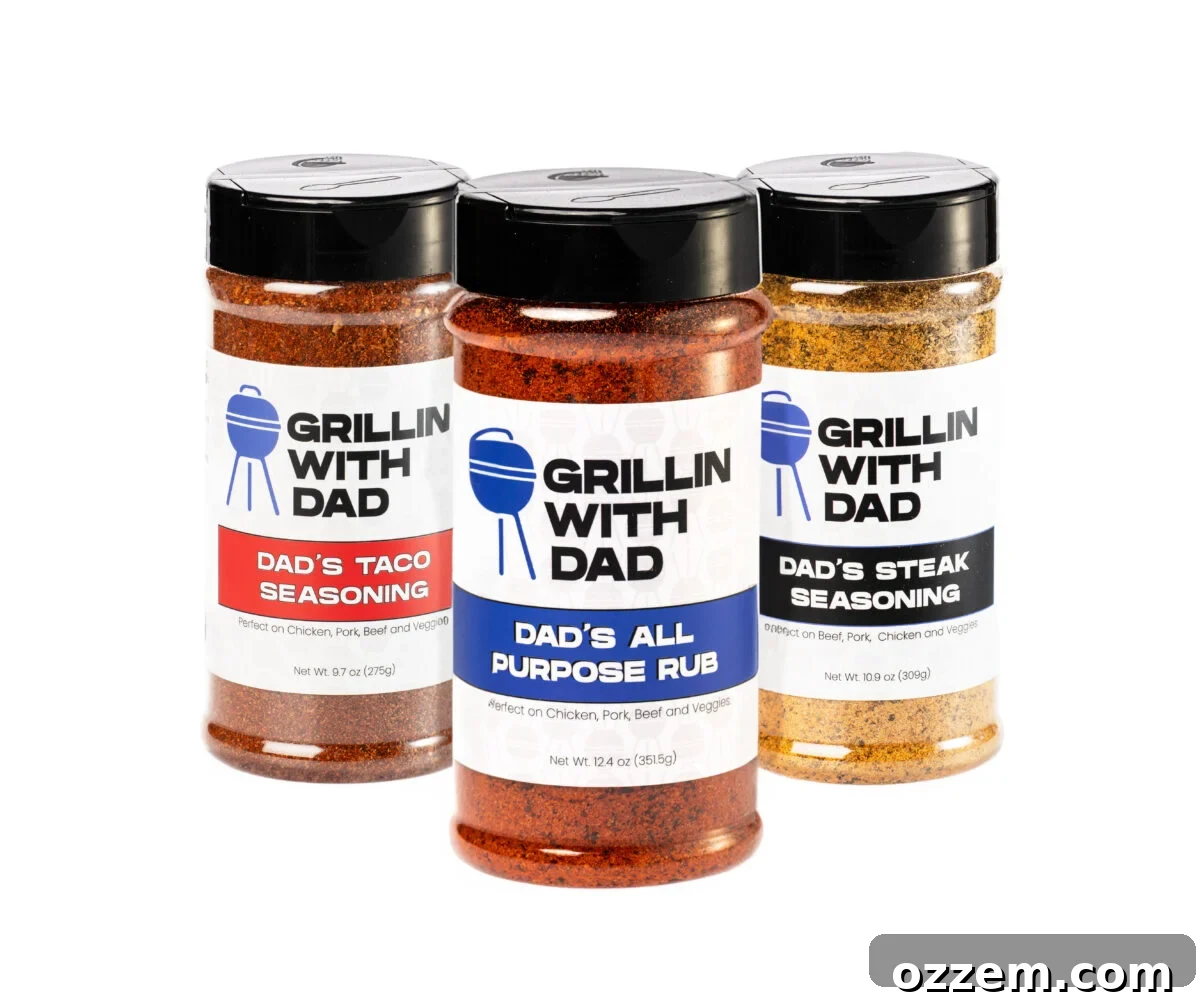
Dad’s Seasonings
Must-have grillin’ seasonings!
Grilling Your Perfect Chicken and Steak Fajitas: Tips and Techniques
With all your ingredients beautifully prepped and seasoned, the most exciting part begins: bringing those vibrant flavors to life on the grill. The key to truly sizzling fajitas lies in high, direct heat, which creates that irresistible char and locks in the juices. Whether you’re using a dedicated griddle, a traditional charcoal grill, or a gas grill, mastering the cooking method will elevate your fajita experience.
Mastering the Heat: Griddle vs. Traditional Grill
For this recipe, a flat-top griddle is an excellent choice. Its large, even cooking surface allows you to cook all your proteins and vegetables simultaneously, ensuring consistent heat distribution and achieving that perfect sear across everything. If you’re using a griddle, set it to a high “sear mode.” This means getting the surface smoking hot, typically around 400-450°F (200-230°C). The high temperature is essential for developing a flavorful crust on the meat and quickly tenderizing the vegetables while retaining a slight crispness.
If you’re using a traditional charcoal or gas grill, set it up for high direct heat. For charcoal, pile your briquettes or lump charcoal directly under the grates and let them ash over until glowing red. For a gas grill, turn all burners to high and close the lid for 10-15 minutes until the internal temperature is very hot. While a smoker isn’t ideal for the rapid, high-heat cooking required for classic fajitas, a grill can certainly achieve the desired results. The goal is to create an intense heat zone that will rapidly cook and caramelize your ingredients.
The Sizzling Cook: Proteins and Vegetables
Once your cooking surface is screaming hot, drizzle a tablespoon or two of olive oil over the griddle or grill grates. The oil should shimmer, indicating it’s ready. Carefully begin placing your seasoned chicken thighs and flank steak onto the hottest parts of the cooking surface. Immediately after, add your sliced bell peppers and onions. Spread them out in a single layer to ensure even cooking and maximum contact with the hot surface. Do not overcrowd the griddle or grill, as this can lower the temperature and steam the ingredients instead of searing them. Cook in batches if necessary.
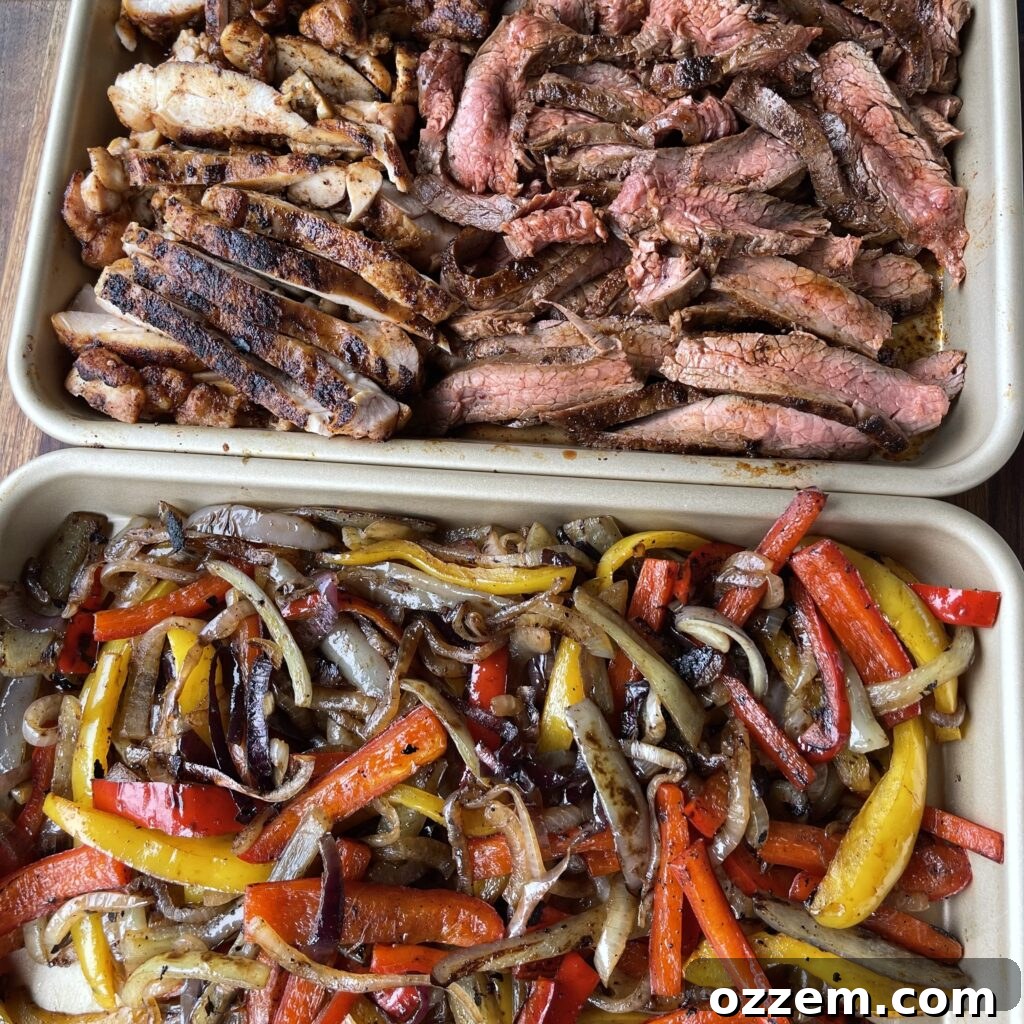
As the vegetables begin to soften and take on color, sprinkle them with a pinch of salt to enhance their natural sweetness. Allow the chicken and steak to sear undisturbed for about 5-7 minutes on one side, depending on thickness and desired doneness. You’re looking for a rich, golden-brown crust to form. Use tongs to flip the chicken and steak, and continue cooking for another 5-7 minutes on the second side. Keep an eye on the vegetables, flipping them occasionally to ensure they cook evenly and develop a beautiful char without burning. They should become tender-crisp with some slight caramelization.
Achieving Perfect Doneness and Essential Resting
Internal temperature is your best friend when cooking meats, especially for fajitas where overcooking can lead to dryness. For the chicken thighs, remove them from the heat once they reach an internal temperature of 170°F (77°C). While the safe internal temperature for chicken is 165°F (74°C), thighs benefit from a slightly higher temperature to break down connective tissue and become incredibly tender. For the steak, I recommend removing it at 130°F (54°C) for a perfect medium-rare, or 135-140°F (57-60°C) for medium. Remember that the meat will continue to cook a few degrees after being removed from the heat (this is called “carry-over cooking”).
Once removed, place both the chicken and steak on a cutting board, tent them loosely with foil, and allow them to rest for at least 5-10 minutes. This resting period is critical; it allows the juices within the meat to redistribute, resulting in a significantly more tender and flavorful product. Skipping this step often leads to dry meat. While your proteins are resting, keep the vegetables on the griddle or grill. Continue to flip and sauté them until they achieve a desired tender-crisp consistency – slightly softened but still with a pleasant bite, and wonderfully caramelized edges.
Serving Up Sizzling Fajitas
Now that all components are perfectly cooked and rested, it’s time to assemble and enjoy these juicy, flavorful, and utterly delicious chicken and steak fajitas! Warm tortillas are essential for any great fajita experience. Lightly toast a few flour tortillas directly on the griddle for about 30 seconds per side, just until they are soft and pliable with a hint of warmth. While they warm, thinly slice the rested grilled chicken thighs and flank steak against the grain into long, even strips. Slicing against the grain is vital for maximizing tenderness, making each bite melt in your mouth. You’ll immediately notice the incredible tenderness and juiciness that has been locked into both the chicken and the beef.
For an authentic presentation, consider serving your fajitas on a sizzling cast iron skillet. First, create a generous bed of your sautéed bell peppers and onions. Then, artfully arrange the sliced chicken and steak over the vegetables. Serve immediately with a stack of warm tortillas and an array of your favorite toppings such as fresh salsa, creamy guacamole, tangy sour cream, shredded cheese, chopped cilantro, and a squeeze of fresh lime juice. The vibrant colors, intoxicating aromas, and irresistible flavors make this dish a truly celebratory meal that’s perfect for sharing. Dig in and savor every mouth-watering bite!
Frequently Asked Questions About Fajitas:
For classic fajitas, flank steak and skirt steak are the top recommendations. Both are thin, flavorful cuts that become incredibly tender when marinated and quickly seared at high heat, then sliced against the grain. Skirt steak is often considered the traditional choice due to its intense beefy flavor and looser grain, which absorbs marinade beautifully. Flank steak is a slightly leaner, wider cut that also works wonderfully. While cuts like ribeye or New York strip are fantastic for hot and fast grilling for a steak dinner, their texture and fat content are different and might not provide the authentic fajita experience. For fajitas, stick to cuts that benefit from thin slicing and a quick, high-heat cook.
The internal temperature for removing your steak depends entirely on your preferred level of doneness. Remember that steak continues to cook a few degrees after being removed from the heat (this is known as carry-over cooking). Always use a reliable meat thermometer for accuracy:
- Rare: Remove at 120-125°F (49-52°C).
- Medium-Rare: Remove at 125-130°F (52-54°C). This is often considered ideal for fajitas, ensuring tenderness and juiciness.
- Medium: Remove at 135-140°F (57-60°C).
- Medium-Well: Remove at 145-150°F (63-66°C).
- Well-Done: Remove at 155°F (68°C) or higher. Be cautious, as cooking much beyond this can make flank or skirt steak tough for fajitas.
Always allow the steak to rest for 5-10 minutes after removing it from the heat before slicing. This allows the juices to redistribute, ensuring a tender and moist result.
Absolutely! While grilling or using a griddle provides that signature char and smoky flavor, you can easily adapt this recipe for an oven or stovetop.
- Oven Method: Preheat your oven to a high temperature, around 400-425°F (200-220°C). Toss the seasoned meats and vegetables with a little extra olive oil. Spread them in a single layer on a large baking sheet (or two, to avoid overcrowding). Roast for 20-30 minutes, flipping halfway, until the chicken is cooked through (170°F internal temp), the steak reaches desired doneness, and the vegetables are tender-crisp with some browned edges.
- Stovetop Method: Use a large cast-iron skillet or heavy-bottomed pan. Heat a tablespoon of olive oil over medium-high heat until shimmering. Sear the steak in batches for 3-4 minutes per side, then remove and rest. Next, cook the chicken in batches until cooked through. Finally, add the sliced bell peppers and onions to the hot pan and sauté until tender-crisp and slightly caramelized, typically 5-10 minutes. Combine all ingredients before serving.
The key is still to use high heat to get a good sear and cook quickly, regardless of the equipment.
Adjusting the spice level is simple! The primary source of heat in most fajita recipes comes from the seasoning blend. If you prefer a milder flavor, choose a taco or fajita seasoning specifically labeled “mild” or “no heat.” You can also reduce the amount of seasoning you apply to the meat and vegetables. For those who love extra heat, you can add a pinch of cayenne pepper to your seasoning blend, or include sliced jalapeños or serrano peppers when sautéing your vegetables. Serving hot sauce or sliced fresh chilies on the side allows everyone to customize their own spice level at the table.
You can certainly do some prep work in advance to make cooking day easier. The meat can be seasoned and marinated up to 24 hours ahead of time; simply store it in an airtight container in the refrigerator. The bell peppers and onions can be sliced and stored in separate containers in the refrigerator for up to 2-3 days. This pre-preparation dramatically cuts down on active cooking time, allowing you to enjoy fresh, sizzling fajitas with minimal fuss.
Similar Recipe Ideas:
Chicken & Turkey
Grilled Chicken Enchiladas
Beef
Shredded Beef Tacos
Recipes
Chicken Quesadilla
Chicken & Turkey
Chicken Empanadas
Print Recipe
Chicken and Steak Fajitas
Maciek Zurawski
20
20
4
People
Ingredients
- 1 lbs Boneless chicken thighs
- 1 lbs Flank steak
- 1/4 cup Taco seasoning (or your favorite fajita seasoning)
- 1 tbsp Salt (for vegetables)
- 1 Large red bell pepper
- 1 Large yellow bell pepper
- 1 Large orange bell pepper (or purple bell pepper)
- 1 Red onion
- 1 tbsp Olive oil (plus more for cooking)
- Flour tortillas, for serving
- Optional toppings: salsa, guacamole, sour cream, cheese, cilantro, lime wedges
Instructions
-
Coat the flank steak with olive oil and season generously with your favorite taco or fajita seasoning, ensuring both sides are covered.
-
Repeat the process for the boneless chicken thighs, coating with olive oil and seasoning them thoroughly.
-
Slice all bell peppers into uniform 1-inch thick strips, removing the core and seeds.
-
For the red onion, first slice it in half lengthwise, then cut each half into 1-inch thick half-moons.
-
Set up your griddle or grill for high direct heat, aiming for a surface temperature of 400-450°F (200-230°C) for optimal searing.
-
Drizzle a little olive oil onto the hot cooking surface. Carefully place the seasoned chicken and flank steak onto the griddle, followed by the sliced bell peppers and onions, ensuring not to overcrowd the surface. Cook in batches if necessary.
-
Sprinkle the bell peppers and onions with the salt. Sear the chicken and flank steaks for approximately 5-7 minutes per side, or until a deep golden-brown crust forms. Flip the proteins and continue cooking.
-
Remove chicken thighs when they reach an internal temperature of 170°F (77°C) and the steak at 130-135°F (54-57°C) for medium-rare. Transfer them to a cutting board, tent with foil, and let rest for 5-10 minutes.
-
While the meat rests, continue to cook the vegetables on the griddle, continuously flipping them until they are tender-crisp and nicely caramelized.
-
Thinly slice the rested grilled chicken and flank steak against the grain into strips. Warm the flour tortillas on the griddle for a few seconds per side.
-
Serve the sliced chicken and steak over the sautéed vegetables, accompanied by warm flour tortillas and your favorite fajita toppings. Enjoy immediately!
Nutrition
Calories:
508
kcal
|
Carbohydrates:
17
g
|
Protein:
46
g
|
Fat:
28
g
|
Saturated Fat:
8
g
|
Polyunsaturated Fat:
5
g
|
Monounsaturated Fat:
13
g
|
Trans Fat:
0.1
g
|
Cholesterol:
185
mg
|
Sodium:
1604
mg
|
Potassium:
902
mg
|
Fiber:
5
g
|
Sugar:
6
g
|
Vitamin A:
3404
IU
|
Vitamin C:
140
mg
|
Calcium:
53
mg
|
Iron:
4
mg
Like this recipe? Tell us what you think in the comments below!
Be sure to visit the Recipes page for other tasty ideas.