
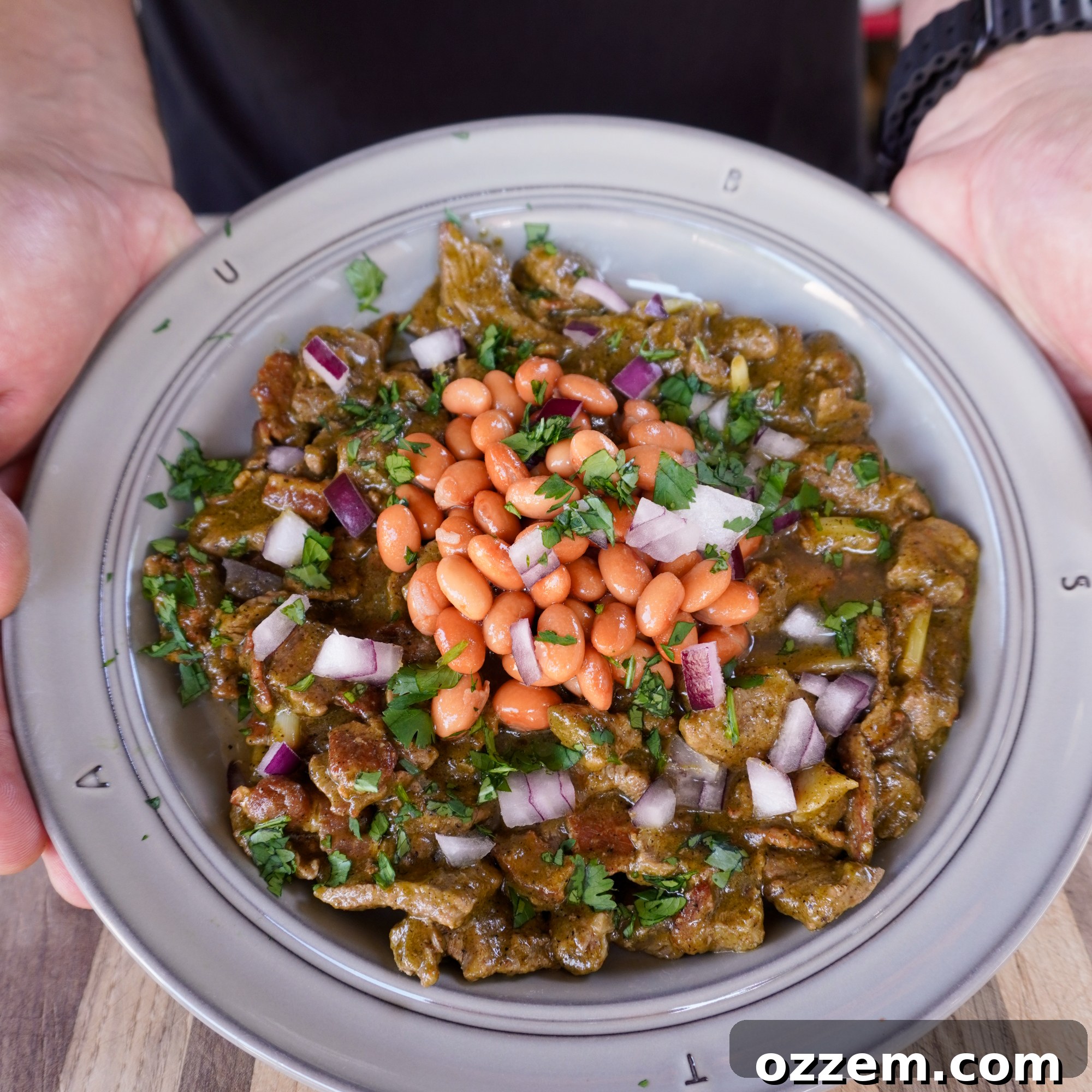
When it comes to authentic Mexican comfort food, few dishes capture the heart and soul of tradition quite like Grilled Carne en su Jugo. Translated simply as “meat in its own juice,” this rich and intensely flavorful beef soup originates from the vibrant state of Jalisco, Mexico. It has earned its place as a beloved staple, offering a culinary experience that feels like a warm hug in a bowl, thanks to its savory beef, smoky bacon, and bright salsa verde. This dish is perfect for chilly evenings, festive family gatherings, or any time you crave something truly hearty yet surprisingly fresh.
If you’re as passionate about Mexican cuisine as we are, then exploring dishes beyond the usual tacos and enchiladas is a must. Enhance your Carne en su Jugo experience or simply expand your Mexican cooking repertoire with these fantastic related recipes:
- For perfectly tender beef, try our Marinated Skirt Steak, featuring simple ingredients, a delicious marinade, and flawless grilling techniques.
- To complement any Mexican meal, our Best Homemade Salsa is a vibrant choice—simple, easy to make, and bursting with spicy, fresh flavors.
What is Carne en su Jugo?
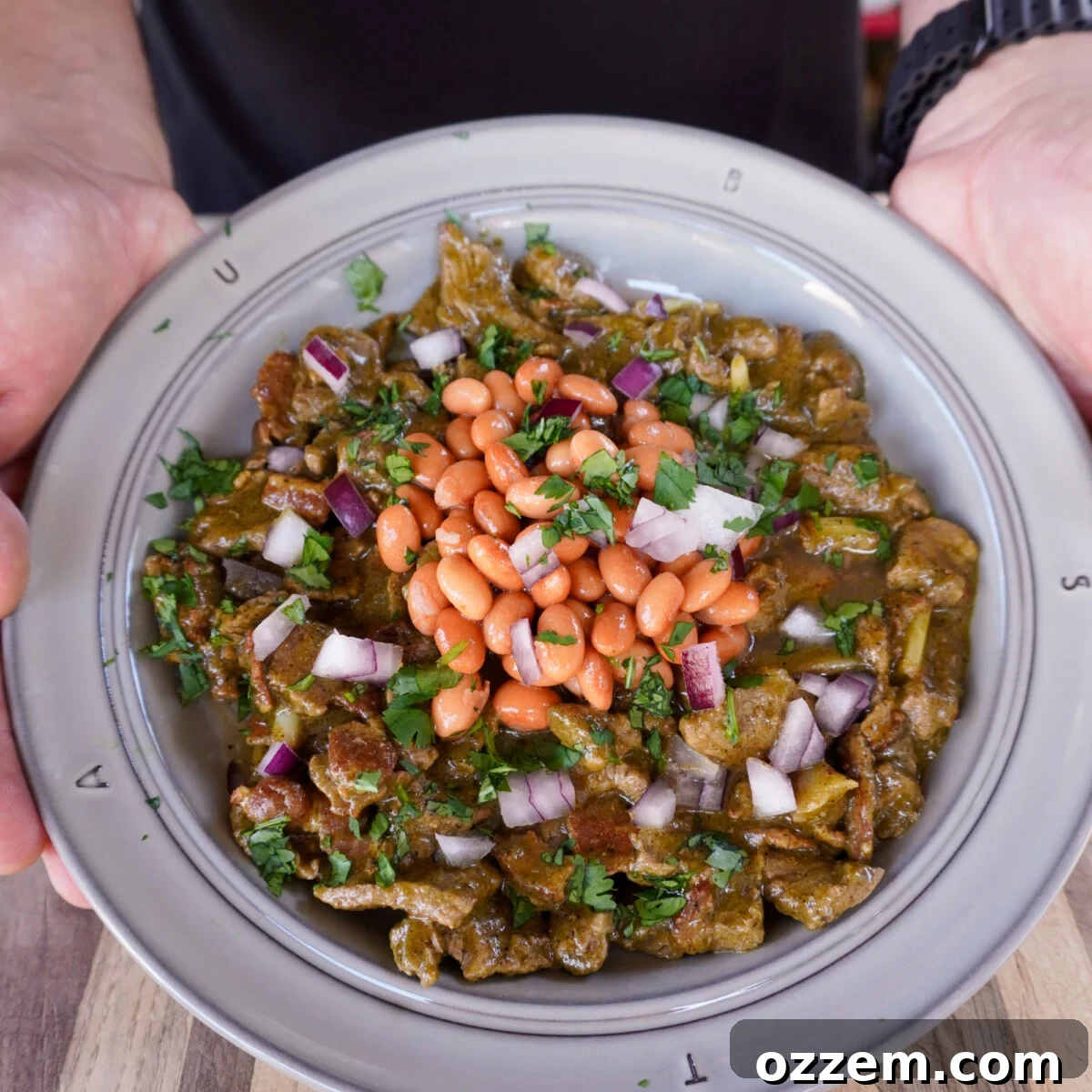
For those unacquainted with this culinary masterpiece, Carne en su Jugo, or “meat in its own juice,” can be best described as a vibrant and light version of a classic beef stew. It features tender, bite-sized cuts of beef, traditionally skirt or flank steak, slow-simmered in an aromatic broth. The magic truly happens with the addition of tangy tomatillos, which form the base of the zesty salsa verde, and crispy bacon, providing a crucial smoky depth of flavor. Each bowl is then magnificently finished with a medley of fresh, bright toppings like thinly sliced radishes, fragrant cilantro, finely diced onions, and a squeeze of fresh lime.
The result is a dish that effortlessly balances several profiles: it’s deeply savory and robust from the beef and bacon, yet invigoratingly zesty and refreshing thanks to the tomatillos and garnishes. It’s hearty enough to satisfy the most robust appetite but light enough to avoid feeling heavy, making it a truly versatile and delightful meal for any season.
A Taste of Jalisco: History and Heritage
Carne en su Jugo proudly hails from Guadalajara, the capital city of Jalisco, a state renowned for its rich culinary traditions, mariachi music, and tequila. In Jalisco, this dish is more than just a meal; it’s a cultural cornerstone, frequently enjoyed as a heartwarming, family-style centerpiece or a festive dish during celebrations. Historically, it was often served in rustic clay bowls, allowing its layered aromas to waft enticingly and inviting diners to gather and share. The essence of the dish lies in its name: the beef is cooked gently in its own natural juices, concentrating its flavors and infusing the broth with an unparalleled richness. This foundational beefiness is then expertly layered with smoky nuances from the bacon, a gentle heat from the chilies, and the unmistakable tang of tomatillos, all brought to life by earthy spices.
What truly sets Carne en su Jugo apart from other Mexican soups and stews is its exquisite balance. It’s a harmonious symphony of savory beef and smoky bacon, complemented by the piquant brightness of the salsa verde and the essential fresh garnishes. These toppings are not merely decorative; they are integral to the dish, cutting through the richness and brightening every single bite. It’s a celebration of contrasts—warm and cool, rich and fresh, savory and zesty—all working in perfect harmony to create a truly unforgettable culinary experience.
Mastering the Ingredients for Authentic Grilled Carne en su Jugo
Creating an exceptional Carne en su Jugo begins with selecting and understanding the role of each key ingredient. Here’s a detailed look at what you’ll need to assemble this flavorful dish, especially when preparing it with a grilling twist.
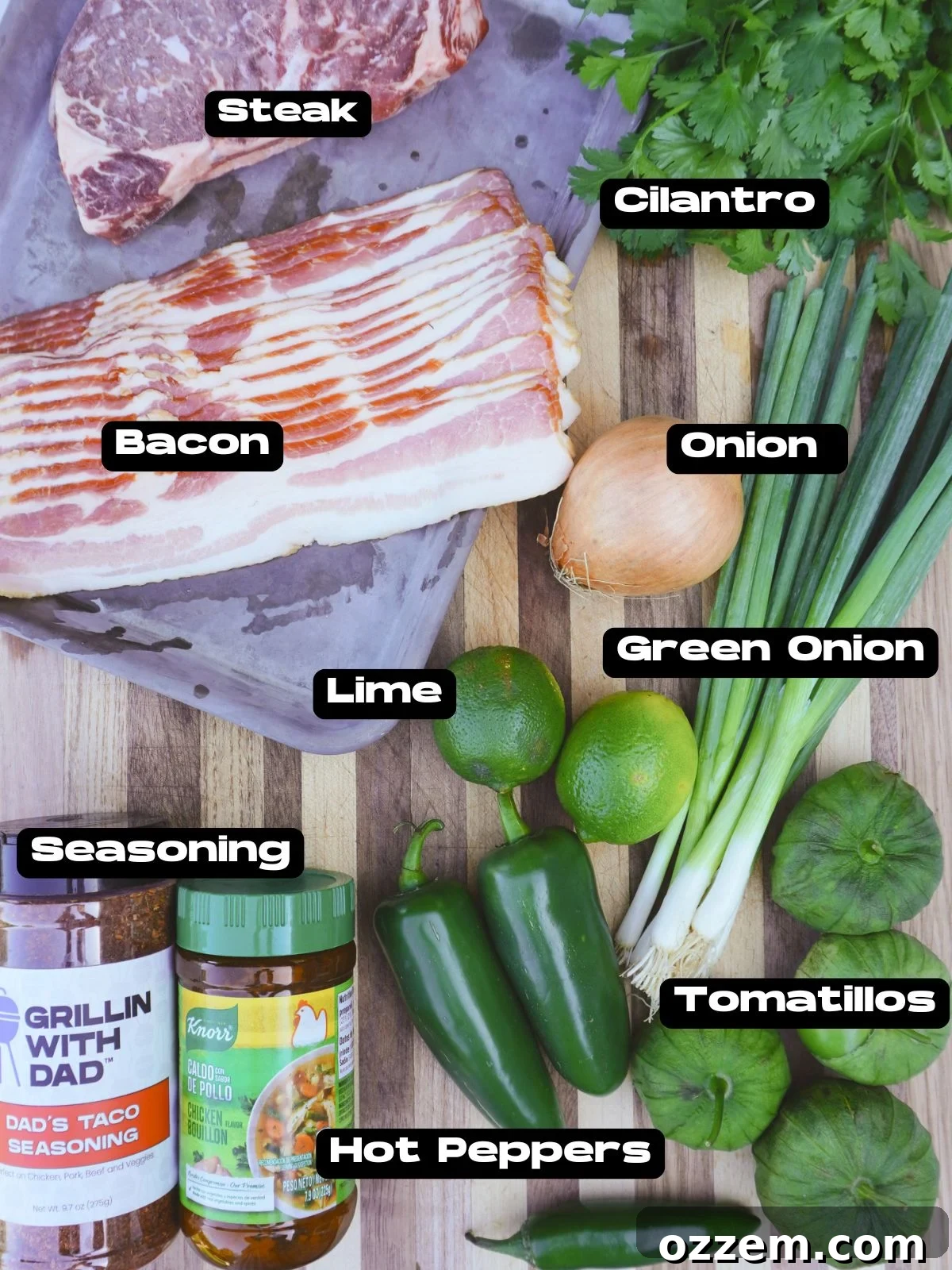
- Beef: Traditionally, skirt steak or flank steak are preferred due to their robust flavor and ability to become wonderfully tender when cut into small pieces and cooked quickly. For this recipe, we opted for succulent ribeye steaks, which add an extra layer of richness, though any quality cut of beef will yield delicious results. Cutting the beef into small, bite-sized pieces ensures it cooks evenly and remains incredibly tender.
- Bacon: This is a non-negotiable ingredient, providing a crucial depth, irresistible smokiness, and essential richness to the broth. The rendered bacon fat forms the flavorful base in which the rest of our ingredients will cook, infusing the entire dish with its distinctive savory character.
- Tomatillos: These vibrant little green gems are the secret behind the broth’s signature tangy, slightly citrusy, and bright flavor. They are fundamental to creating the authentic salsa verde that defines Carne en su Jugo.
- Peppers: A dynamic duo of charred jalapeños and serrano peppers is used to introduce a balanced level of heat and a beautiful smoky complexity to the salsa. You can adjust the quantity and type of peppers to suit your preferred spice level.
- Seasoning: Chicken bouillon powder is an excellent choice to enrich the broth with a profound, savory depth. Complemented by a good quality taco seasoning, which typically includes cumin, chili powder, and other zesty spices, these seasonings provide the dish with its characteristic earthy and vibrant Mexican flavors.
- Beans: While traditionally cooked directly into the soup in some variations, we’ll use them as a hearty topping. Drained pinto beans add a satisfying creaminess and textural contrast, making the dish even more fulfilling.
- Fresh Toppings: A colorful and aromatic array of fresh cilantro, diced red onion, thinly sliced radishes, and fresh lime wedges are indispensable. These bright additions provide crucial freshness, a delightful crunch, and a zesty finish that elevates every spoonful of the rich soup.
The Heart of the Flavor: Crafting the Charred Salsa Verde
At its essence, Carne en su Jugo is a dish that rewards patience and attention to flavor development. While traditional recipes often involve simmering vegetables, our grilled rendition offers a shortcut to profound flavor. By charring the vegetables over a hot grill, we infuse the salsa with an incredible smokiness and depth that makes this version faster, simpler, and just as delicious, if not more so, than its stovetop counterparts. This technique transforms the vibrant freshness of the ingredients into a rich, chili-like sauce.
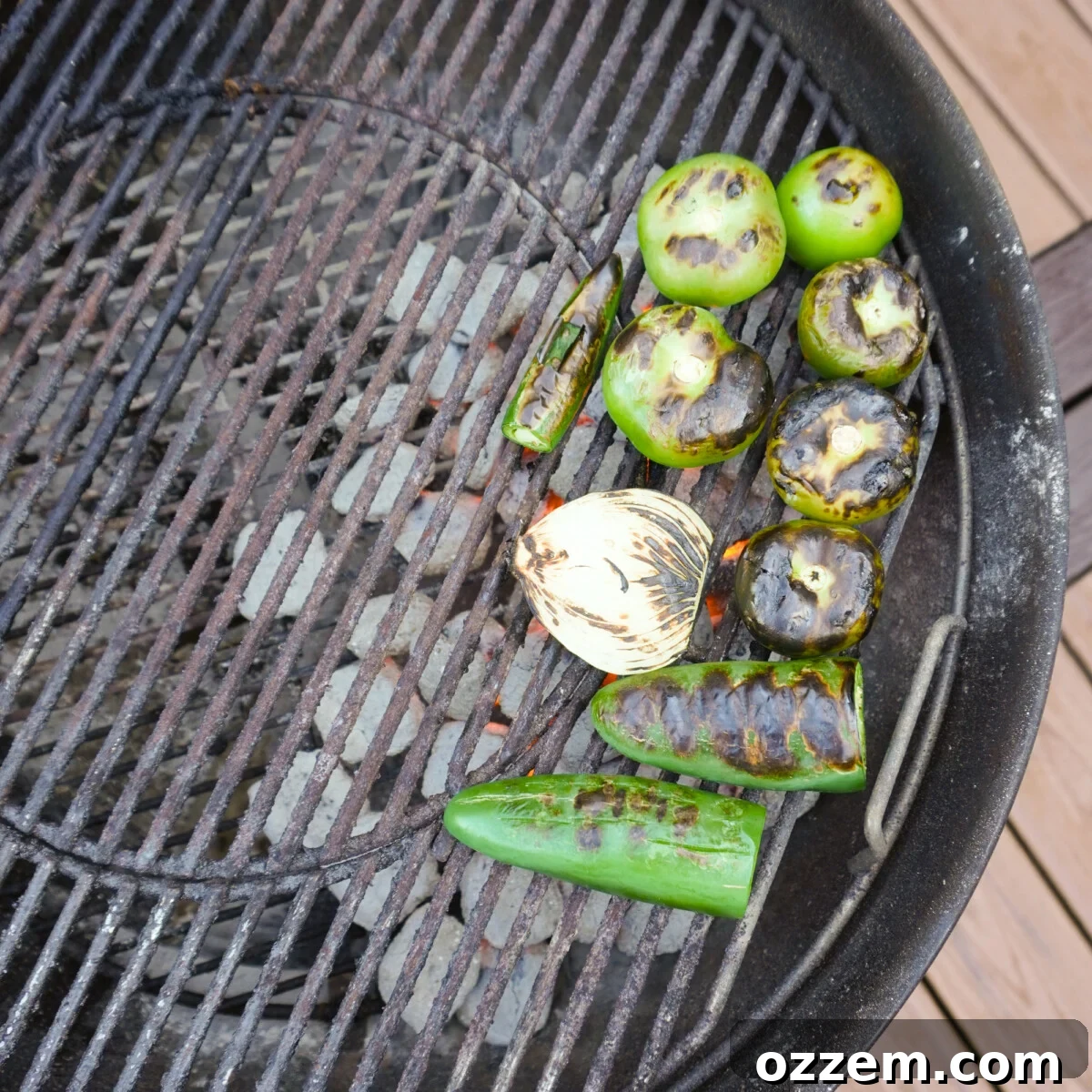
To begin, preheat your grill to a medium-high heat, aiming for approximately 375 degrees Fahrenheit. It’s crucial to set up your grill for dual-zone cooking. This allows for both direct heat to char the vegetables efficiently and indirect heat for the final simmering stage of the dish.
Understanding Dual Heat Zones on Your Grill:
- Gas Grill: Achieve dual zones by turning on the burners on one half of the grill to your desired heat (medium-high), leaving the burners on the other half off. Food for indirect cooking will be placed on the unlit side.
- Charcoal Grill: Arrange your heated charcoal briquettes to one side of the grill bowl, creating a hot zone. The opposite side will serve as your indirect heat zone.
- Kamado-style Grill: Utilize a plate setter or heat deflector positioned beneath your cooking grates. This setup diverts direct heat away from the food, creating an indirect cooking environment above the deflector.
Once your grill is properly preheated and configured, place the tomatillos, jalapeños, serrano pepper, and half of the yellow onion directly over the flames on the grates. Allow them to char for 1-2 minutes per side, turning them until they develop a beautiful, dark crust all around. This charring process is key to unlocking their smoky flavor.
Carefully remove the charred vegetables from the grill and transfer them into a blender. This forms the foundational component of your exquisite salsa verde.
Recipe Tip: Controlling the Heat
For those who prefer a milder salsa, a simple trick is to remove the seeds and membranes from the jalapeños and serrano peppers before adding them to the blender. This significantly reduces the heat level without sacrificing flavor.
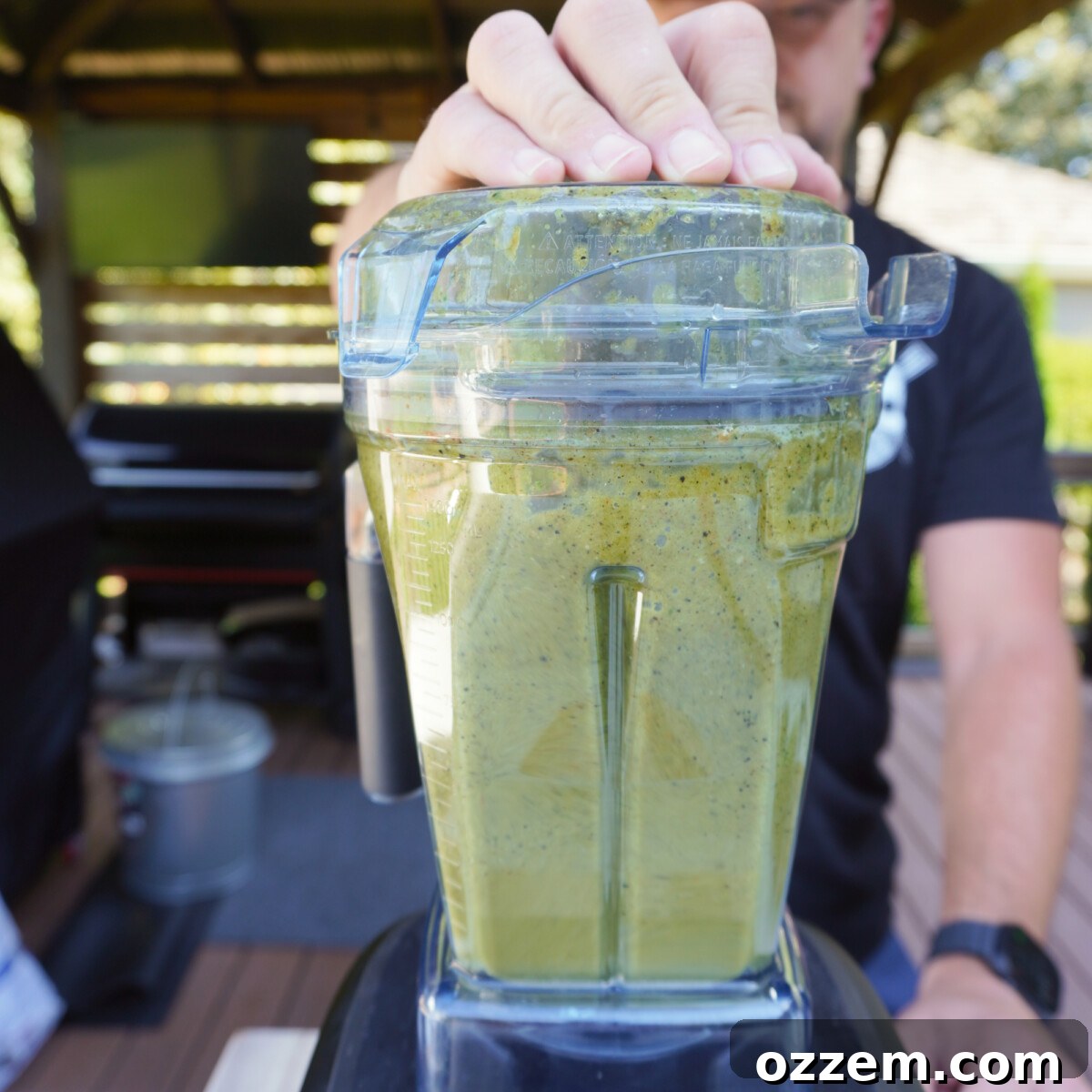
To the blender, add a generous amount of fresh cilantro, a cup of water, freshly squeezed lime juice for brightness, chicken bouillon powder for savory depth, and a tablespoon of Dad’s Taco seasoning for that essential spice blend. Blend all these ingredients until they are thoroughly combined and smooth. If you find the salsa to be too thick, gradually add more water, blending again until it reaches your desired consistency. Set this flavorful salsa verde aside while you prepare the beef.
Grilling the Star: Perfecting the Beef and Bacon Base
This stage of preparing Grilled Carne en su Jugo is often considered the most enjoyable, second only to the delightful experience of actually eating the finished dish. It involves building a rich and robust flavor foundation that will permeate the entire soup.
Begin by dicing a whole package of bacon (approximately 1 lb) into small, manageable pieces. Place these diced bacon pieces into a cold cast iron skillet. Placing the bacon in a cold pan allows it to render its fat slowly and evenly as the pan heats, resulting in perfectly crisp bacon and maximum flavor extraction. Transfer the skillet to your grill, positioning it over medium heat on the direct heat zone.
While the bacon is rendering and crisping, prepare your beef. Take your chosen steak—we used succulent ribeye for this recipe, but skirt steak, flank steak, or even sirloin are excellent alternatives—and carefully cut it into small, uniform, bite-sized pieces. Consistency in size ensures even cooking.
Next, prepare the green onions. You’ll want to separate the white ends from the green tops. The white portion of the green onion offers a more intense, pungent, and distinctly onion-like flavor, which contrasts beautifully with the milder, grassy, and slightly peppery notes of the green tops, which will be used as a fresh garnish.
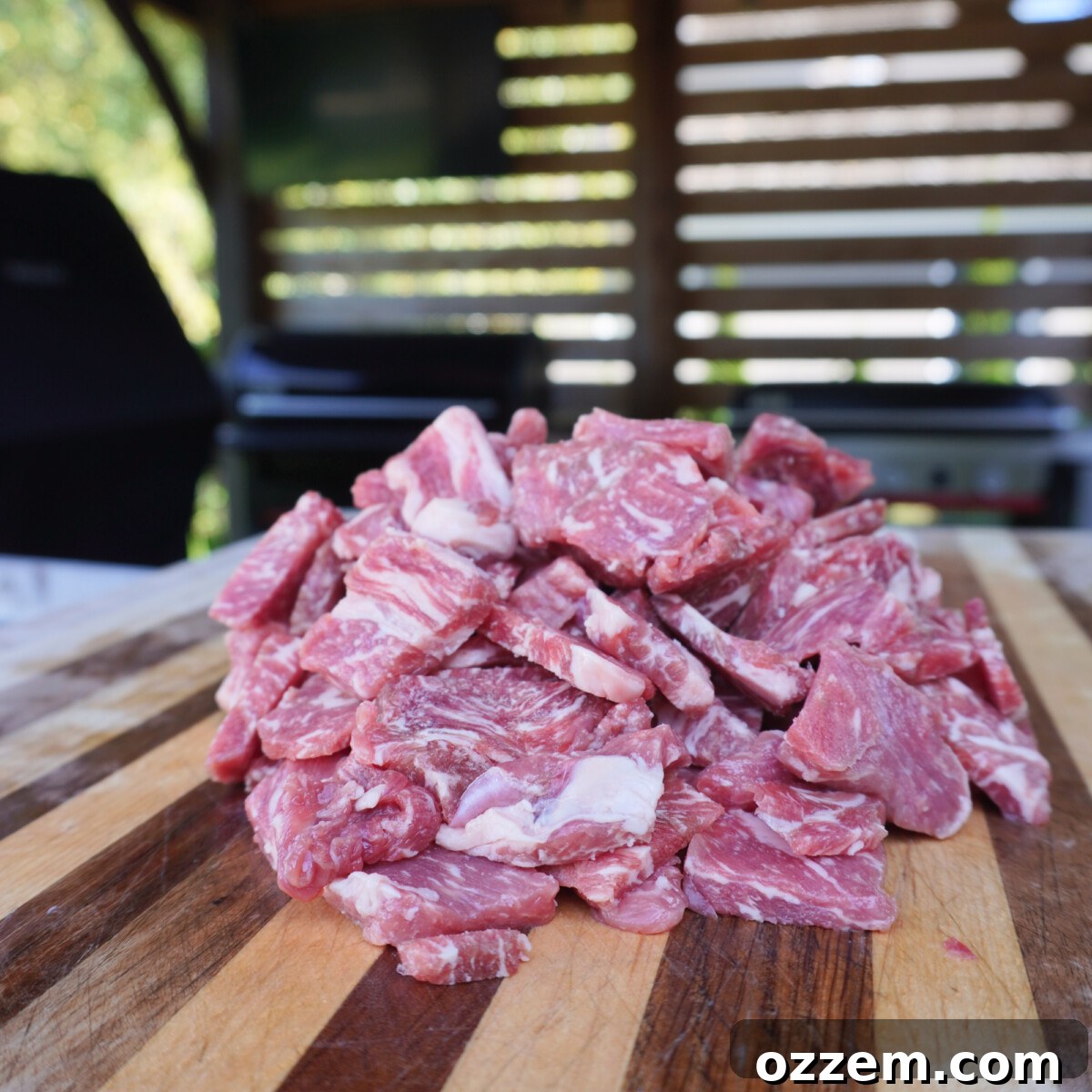
Recipe Tips for Bacon and Beef:
- Bacon Rendering: Always start bacon in a cold cast iron skillet. As the pan gradually heats, the bacon fat renders slowly, preventing premature burning and allowing all that precious “liquid gold” fat to be released, which is crucial for flavor.
- Slicing Raw Steak: To achieve perfectly uniform and easy-to-manage slices of raw steak, place it in the freezer for about 15-20 minutes before cutting. This firms up the meat, making it much easier to slice cleanly and precisely.
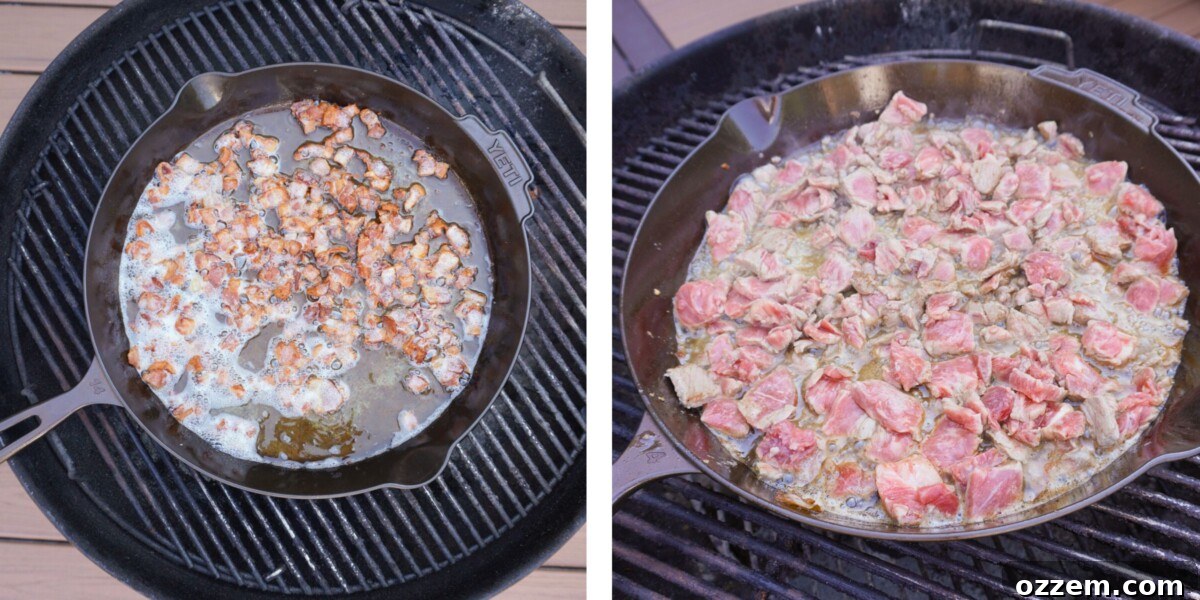
Continue cooking the bacon in the skillet until it reaches your desired level of crispiness and is swimming in its own beautifully rendered fat. Once cooked, carefully remove only the crispy bacon bits from the pan and set them aside. Crucially, leave that rich, flavorful liquid gold—the bacon fat—in the skillet. This rendered fat is the key to imparting an incredible depth of flavor to the beef and the overall broth.
Next, add the diced white ends of the green onions and the crushed garlic cloves to the hot bacon fat in the skillet. Sauté them for about 1-2 minutes until they become fragrant and lightly crisped, then remove them and set aside with the bacon. This quick sauté imparts their aromatic essence into the fat without overcooking them.
Finally, it’s time for the steak. Drop the bite-sized beef pieces directly into the sizzling bacon fat. Allow the beef to sear and cook, absorbing the rich fattiness and savory flavor of the pork. This step is pivotal, ensuring the beef is incredibly tender and packed with flavor, contributing to a truly hearty and satisfying meal.
Bringing It All Together: Simmering on the Grill
Once your beef is beautifully seared and cooked to your liking, it’s time to marry all the incredible flavors you’ve built. Pour the previously prepared, vibrant salsa verde directly into the skillet with the cooked beef. Add the crispy bacon bits, the sautéed white ends of the green onions, and the fragrant garlic back into the pan. Stir everything together thoroughly, ensuring the beef and bacon are generously coated in the rich, tangy salsa.
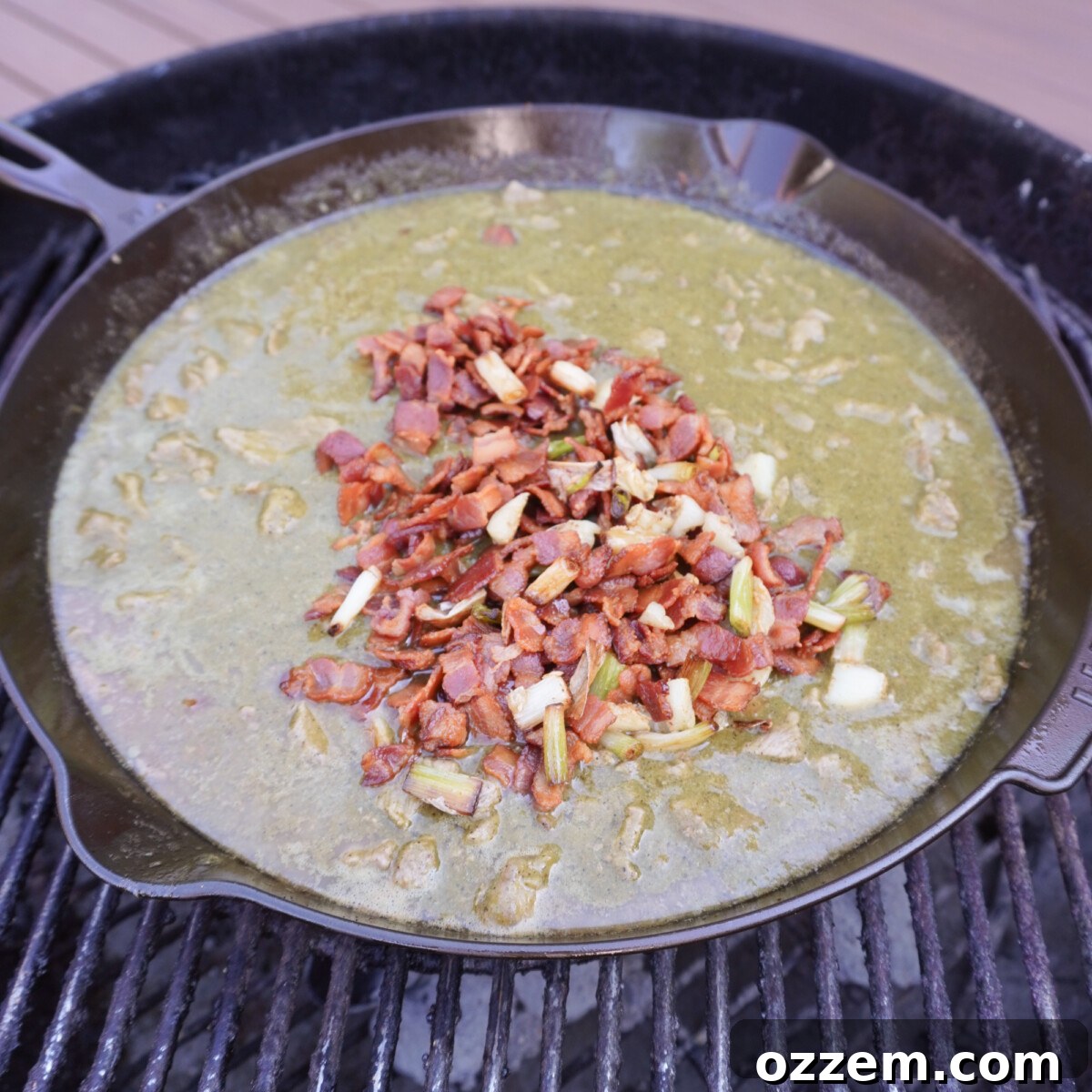
Now, carefully move the cast iron skillet to the indirect heat side of your grill. This is where the magic of simmering happens, allowing all the ingredients to meld and deepen their flavors without direct exposure to high heat. Cover the grill and let the Carne en su Jugo gently simmer for 15-20 minutes over low to medium indirect heat. This simmering period is crucial for the beef to absorb the complex flavors of the salsa and for the broth to thicken slightly into its comforting, juice-like consistency.
Serving Your Carne en su Jugo: Garnish and Accompaniments
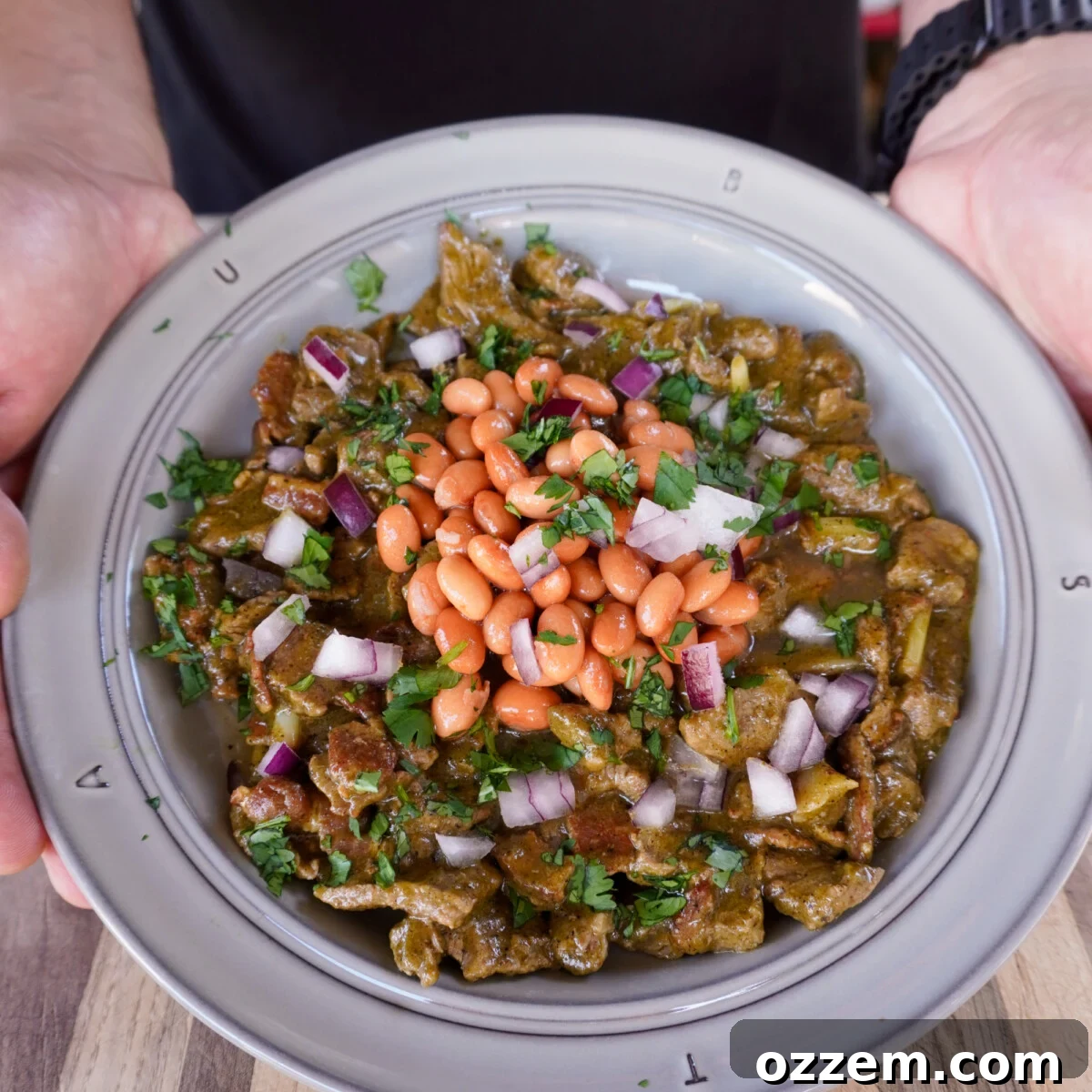
The final presentation of Carne en su Jugo is just as important as its preparation, as the fresh toppings add essential texture, color, and brightness to this rich dish. For our toppings, we chose pinto beans, which were simply drained and placed on top of the soup in each serving bowl. This deviates slightly from some traditional recipes where beans are cooked directly within the soup, but serving them on top provides a delightful textural contrast and a creamy element that complements the savory broth.
Next, for an invigorating bite of freshness and a pleasant crunch, we generously sprinkled finely diced red onion and fresh cilantro over each bowl. The vibrant colors of these garnishes not only make the dish visually appealing but also contribute significantly to its overall flavor profile, cutting through the richness with their sharp, herbaceous notes.
Traditionally, Carne en su Jugo is served with a stack of warm corn tortillas on the side. These are perfect for tearing, scooping up the tender beef and beans, or simply dunking into the flavorful broth. While a side of fluffy white rice also pairs beautifully, adding another layer of heartiness and soaking up the juices, this dish is so robust and complete that it can truly stand on its own as a fulfilling meal.
Why This Grilled Carne en su Jugo Will Become Your New Favorite
Carne en su Jugo is far more than just another beef soup; it’s a complete sensory experience that engages sight, smell, and taste. The marriage of smoky bacon and tender beef creates a deeply satisfying, rich foundation. The bright and tangy tomatillos, enhanced by the grill’s char, introduce a refreshing counterpoint, while the crisp fresh toppings deliver essential freshness and a delightful crunch. It’s a dish that manages to be hearty enough to provide profound satisfaction, yet surprisingly light, making it suitable for enjoyment year-round.
Furthermore, it serves as a fantastic introduction for friends and family to the rich and diverse world of authentic Mexican home cooking, moving beyond the familiar territory of typical tacos and enchiladas. Its unique flavor profile and comforting nature are sure to impress and broaden culinary horizons.
One of the most appealing aspects of Carne en su Jugo is its remarkable adaptability. Crave a spicier kick? Simply increase the number of jalapeños or serrano peppers, or leave their seeds intact. Prefer a leaner meal? Opt for a leaner cut of beef, though the bacon fat is integral to the authentic flavor. Need to prepare it in advance? This dish truly shines with time; the flavors actually deepen and meld beautifully as the soup rests, making it an ideal candidate for meal prepping and enjoying leftovers throughout the week. Its versatility ensures that it can be tailored to almost any preference or occasion, solidifying its place as a beloved recipe in any kitchen.
Final Thoughts on Grilled Carne en su Jugo
Grilled Carne en su Jugo is truly one of those exceptional recipes that deserves a permanent spot in your cooking rotation. It’s not just about its utterly delicious taste, but also about the way it lovingly connects you to the heart and soul of Mexican culinary traditions. It’s a dish that speaks of heritage, comfort, and soulful satisfaction, all while offering endless possibilities for customization to suit your personal palate.
Once you experience the depth of flavor, the tender beef, the smoky bacon, and the vibrant freshness of the salsa verde and toppings, you’ll instinctively understand why families in Jalisco have cherished this recipe for generations. It embodies warmth, flavor, and a sense of gathering.
So, the next time you find yourself yearning for a bowl of comfort that’s rich in both history and unforgettable flavor, bypass the ordinary beef stew. Instead, embark on the delightful journey of making Grilled Carne en su Jugo. Your taste buds—and your appreciative family—will undoubtedly thank you for introducing them to this authentic Mexican treasure.
Frequently Asked Questions:
Aside from crispy bacon, which is a crucial ingredient for its smoky depth, beef is equally important in Carne en su Jugo. Any quality cut of beef can be used successfully. Popular choices include more economical cuts like skirt steak or flank steak, known for absorbing flavors well, or richer cuts such as ribeye or strip steak, which add an extra layer of tenderness and beefy flavor. The key is to cut the meat into small, bite-sized pieces for quick cooking and a tender result.
While Carne en su Jugo shares some similarities with chili, such as being a meaty, hearty comfort food with beef, beans, and vegetables, it is distinctively different. Chili typically features a thick, often tomato-based sauce with prominent chili powder notes. Carne en su Jugo, on the other hand, is characterized by its thinner, tangy salsa verde broth, primarily made from tomatillos, and often has a fresher, zestier profile. Its unique combination of flavors and broth consistency sets it apart from traditional chili, making it a category all its own within Mexican cuisine.
If you tried this Grilled Carne en su Jugo or any other recipe on my blog, please leave a 🌟 star rating and let me know how it went in the 📝 comments. I love hearing from you!
Grilled Carne en su Jugo Recipe
By: Maciek Zurawski
Carne en su Jugo, translated as “meat in its own juice,” feels like a warm hug in a bowl. It’s savory, rich, beefy, refreshing and zesty, offering an authentic taste of Jalisco.
- Prep Time: 15 minutes
- Cook Time: 45 minutes
- Servings: 4 People
Ingredients
Main Ingredients
- 2 lbs Ribeye steak (or skirt/flank steak), cut into bite-sized pieces
- 1 pkg (1 lb) Bacon, diced
- 8 Green onions – white ends only, finely chopped
- 3 Garlic cloves, crushed
Salsa Verde Ingredients
- 1 cup Water
- 1/2 cup Fresh cilantro, roughly chopped
- 8 Green onions – green part only, thinly sliced
- 6 Tomatillos, husked and rinsed
- 2 Jalapeños
- 1 Serrano pepper
- 1/2 Yellow onion
- 1 tbsp Chicken bouillon powder
- 1 tbsp Taco seasoning (like Dad’s Taco seasoning)
- 2 Limes, juiced
Topping Ingredients
- 1/2 cup Red onion, finely diced
- 1/2 cup Fresh cilantro, chopped
- 1 can (15 oz) Pinto beans, drained and rinsed
Instructions
- Start by preheating the grill to a medium-high heat (around 375°F) and set it for dual-zone cooking (direct and indirect heat).
- Place the tomatillos, jalapeños, serrano pepper, and yellow onion directly over the direct heat on the grates. Char the vegetables for 1-2 minutes per side until they develop a nice dark crust all around.
- Place the charred veggies in a blender with the remaining salsa ingredients (1 cup water, 1/2 cup cilantro, green parts of green onions, chicken bouillon powder, taco seasoning, and lime juice). Blend until smooth. Set aside.
- Dice the whole package of bacon and place it in a cold cast iron skillet.
- Place the skillet on the grill over direct medium heat and cook until the bacon is nice and crispy. Remove the crispy bacon from the skillet and set aside, leaving the rendered bacon fat in the pan.
- Next, add the chopped white ends of the green onions and crushed garlic cloves to the bacon fat in the skillet. Cook for 1-2 minutes until fragrant and lightly crisped, then remove and set aside.
- Dice the steak into bite-sized pieces. Drop the steak pieces into the bacon grease in the skillet and cook until browned and cooked through.
- Once the beef is cooked, pour in the prepared salsa verde. Add the crispy bacon, sautéed green onions (white ends), and garlic back into the skillet. Mix everything well.
- Move the skillet to the indirect heat side of the grill and let it simmer for 15-20 minutes, allowing the flavors to meld and deepen.
- For serving, ladle the Carne en su Jugo into bowls. Top with drained pinto beans, finely diced red onion, and fresh cilantro. Enjoy with warm corn tortillas or rice!
Notes
- To avoid the salsa from being too spicy, remove the seeds and membranes from the hot peppers before tossing them into the blender.
- To help slice raw steak easily and uniformly, place it in the freezer for 15-20 minutes to firm up. This makes the meat firmer and easier to cut.
- Serve the Carne en su Jugo over a bed of fluffy rice for an even heartier meal, or with warm corn tortillas for dipping.
Nutrition (per serving, approximate)
- Calories: 286 kcal
- Carbohydrates: 11 g
- Protein: 25 g
- Fat: 17 g
- Saturated Fat: 7 g
- Polyunsaturated Fat: 1 g
- Monounsaturated Fat: 8 g
- Cholesterol: 69 mg
- Sodium: 126 mg
- Potassium: 642 mg
- Fiber: 3 g
- Sugar: 5 g
- Vitamin A: 1138 IU
- Vitamin C: 30 mg
- Calcium: 68 mg
- Iron: 3 mg