
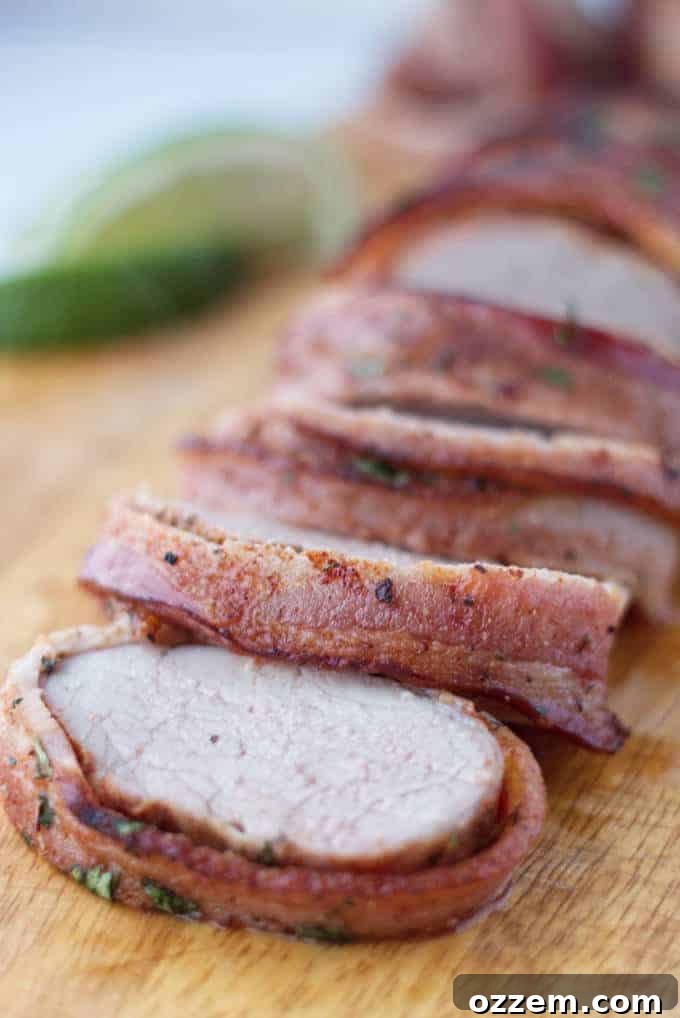
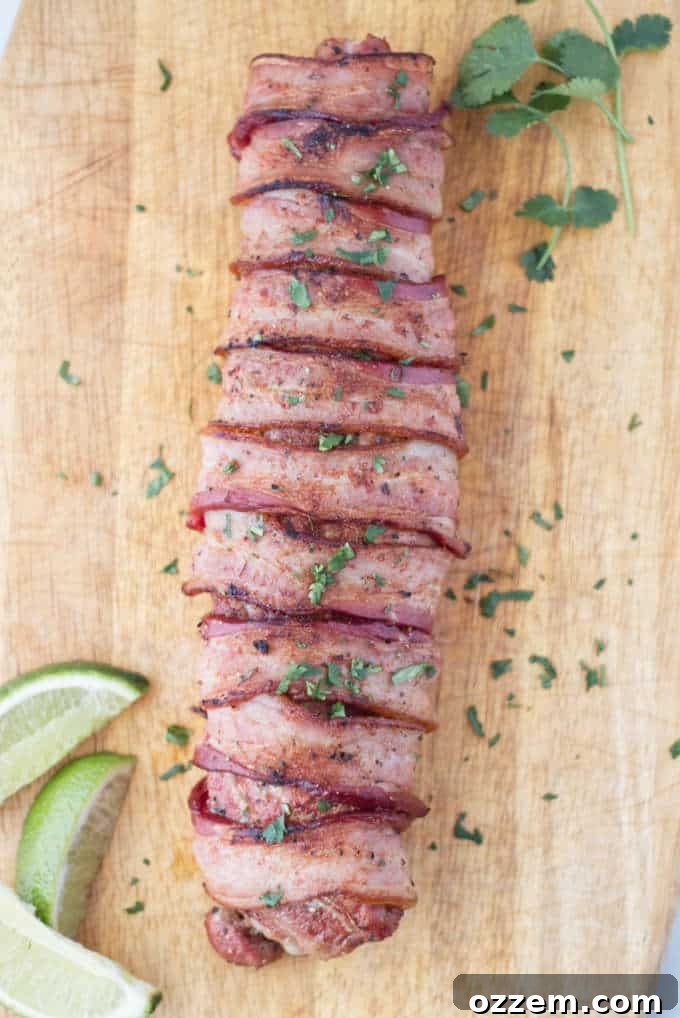
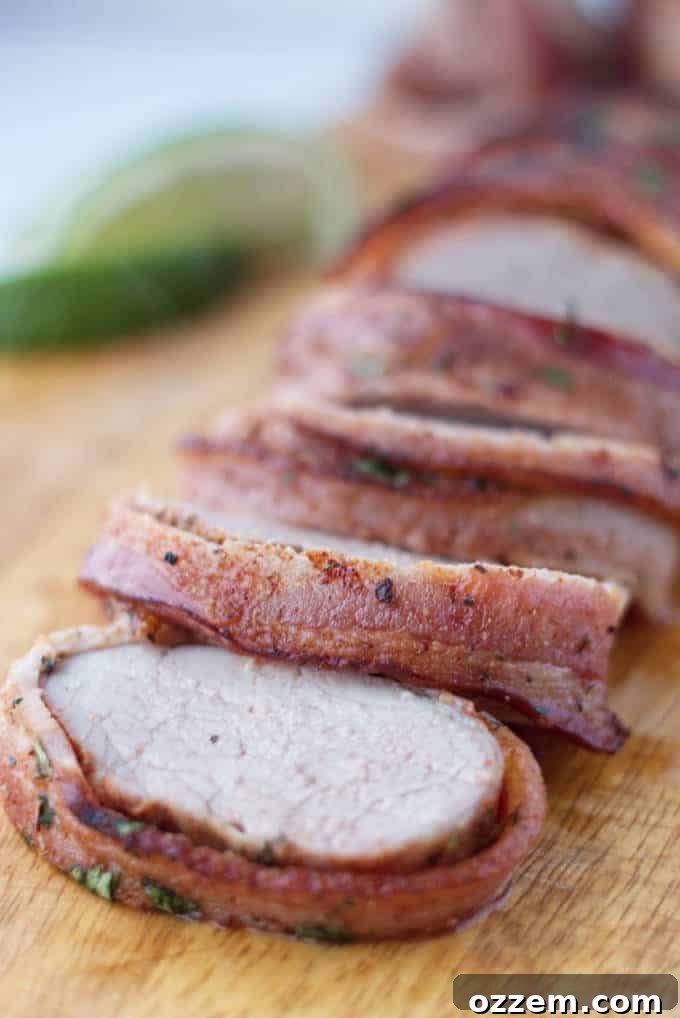
Ever found yourself with a surplus of bacon, wondering how to make the most of that irresistible savory goodness? The answer, for many culinary enthusiasts, is simple: wrap it around everything! This spectacular **Traeger Bacon Wrapped Pork Tenderloin** recipe is a testament to that philosophy. Smoked to perfection on a Traeger grill for approximately an hour, this dish promises an unparalleled level of juiciness and flavor. The strategic bacon crust acts as a natural barrier, locking in moisture and ensuring that with every slice, succulent juices will effortlessly spill out, tantalizing your taste buds. This recipe isn’t just delicious; it’s remarkably straightforward, requiring only a fresh pork tenderloin, plenty of high-quality bacon, and your favorite Cajun spice dry rub to create an unforgettable meal that’s both impressive and easy to execute. Get ready to elevate your grilling game and impress your family and friends with this smoky, savory masterpiece.
Mastering the Art of Cooking Pork Tenderloin for Maximum Tenderness
Pork tenderloin is celebrated for being an incredibly lean and delicate cut of meat, which makes it both highly desirable and somewhat challenging to cook perfectly. Its low-fat content means it can unforgivingly dry out if even slightly overcooked. Due to its relatively small and thin stature, pork tenderloin cooks rapidly, necessitating vigilant monitoring of its internal temperature. Achieving that ideal balance of tenderness and juiciness is paramount, and a reliable meat thermometer is your best friend in this endeavor. For optimal results, I consistently recommend removing pork tenderloin from the grill or smoker when its internal temperature reaches 140°F (60°C). After removal, it’s crucial to allow the meat to rest properly, ideally under a loose tent of aluminum foil. This resting period is not merely a pause; it’s a critical step where the magic of carryover cooking takes place, allowing the temperature to climb to its target while redistributing the precious internal juices throughout the meat, ensuring every bite is moist and flavorful.
Understanding Carryover Cooking and The Indispensable Rest Period
One of the most common mistakes novice and even experienced grillers make is waiting until the meat reaches its final desired internal temperature before pulling it off the heat. This oversight often leads to an overcooked, dry result, especially with lean cuts like pork tenderloin. The phenomenon known as carryover cooking is the secret culprit – or ally, if you understand it. Even after being removed from a hot grill or smoker, meat continues to cook, and its internal temperature will rise several degrees. This occurs because the exterior of the meat remains significantly hotter than the interior, and this residual heat continues to transfer inwards. If you pull your meat off too late, carryover cooking will push it past its peak doneness, leaving you with dry, tough meat. To counteract this and maintain maximum moisture, I always construct a loose tent of aluminum foil over the meat during its rest. This tent helps trap steam and juices that would otherwise evaporate, allowing them to reabsorb into the muscle fibers, resulting in a significantly more tender and juicy product.
The U.S. Department of Agriculture (USDA) officially recommends cooking pork to an internal temperature of 145°F (63°C) and then allowing it to rest for at least 3 minutes. While these guidelines ensure food safety, many chefs and home cooks, including myself, prefer to pull pork off the heat slightly earlier, typically at 140°F (60°C), to account for carryover cooking and achieve a more succulent finish. I then extend the resting period beyond the minimum 3 minutes, often to 10-15 minutes, allowing for a more thorough redistribution of juices. It’s imperative to keep your thermometer probe in the thickest part of the meat during this rest to accurately monitor the temperature rise and ensure it safely reaches the 145°F target. This precise approach guarantees not only a safe meal but also one that is exceptionally juicy and tender, avoiding any dryness.
For unparalleled accuracy and ease, I unequivocally trust my ThermoWorks Signals WiFi thermometer to guide me through the cooking process. Equipped with four probes, this sophisticated device allows you to monitor multiple food items simultaneously, all from the convenience of your couch via the intuitive ThermoWorks App on your smartphone. For those moments when you need an immediate, spot-check temperature reading, the ThermoWorks ONE Thermapen is an absolute game-changer, providing an accurate reading in a mere second! With tools like these, there’s truly no excuse left for not achieving culinary perfection every single time.
The extent of carryover cooking your meat will undergo is influenced by several factors, including the size and thickness of the cut, as well as the initial cooking temperature. Larger cuts of meat and those cooked at higher temperatures typically experience a more significant temperature rise during the rest period. For smaller cuts like pork tenderloins, you might find that you need to pull them off the heat when their internal temperature is between 140°F (60°C) and 143°F (62°C) to ensure they reach the target internal temperature of 145°F (63°C) after resting. Always prioritize your thermometer and the resting phase for the best, juiciest results. This careful approach is what differentiates a good cook from a great one, transforming a simple piece of meat into a succulent, memorable dish.
Pork Tenderloin vs. Pork Loin: Understanding the Key Differences
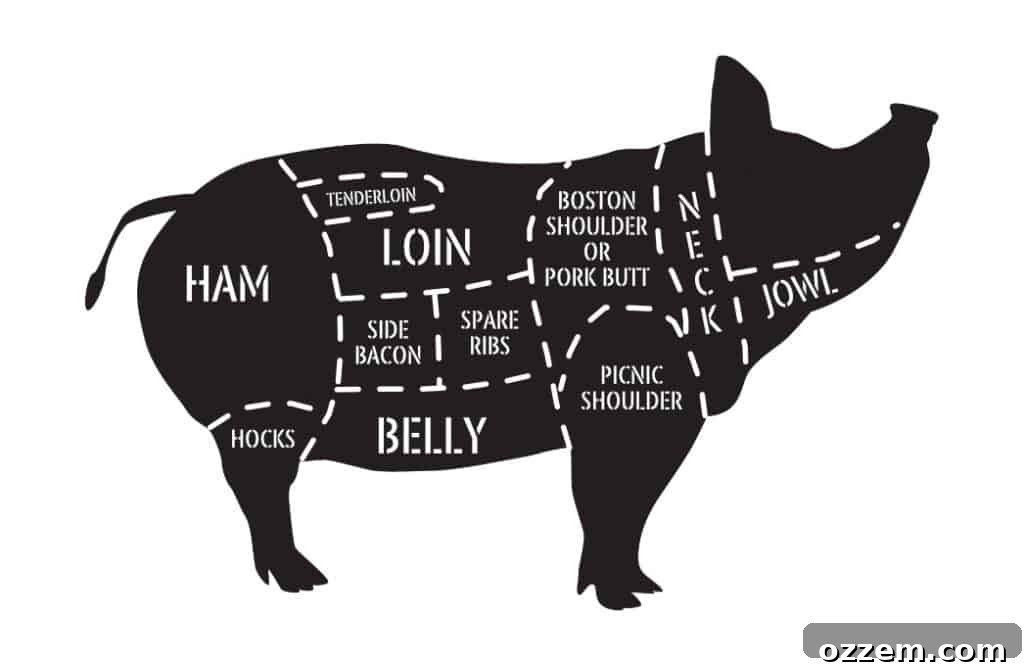
While often confused, pork tenderloin and pork loin are distinct cuts, each with its own ideal cooking methods and culinary applications. Both cuts originate from the loin area of the pig, which is located just beneath the backbone in the animal’s midsection. However, their specific locations and muscle usage lead to significant differences in texture, size, and fat content.
The pork tenderloin, as its name suggests, is an exceptionally tender cut. It comes from the back end of the loin and is a non-weight-bearing muscle. Because this muscle is rarely used by the pig during its lifetime, it remains incredibly supple and fine-textured. It’s long, thin, and typically weighs around 1 to 1.5 pounds. Its tenderness makes it suitable for quick cooking methods at higher temperatures, such as grilling, pan-searing, or, as in this recipe, a relatively short smoke.
Can You Substitute Pork Loin for Tenderloin? A Word of Caution
Given the significant differences in size and muscle structure, pork loin cannot simply be substituted for pork tenderloin in recipes without drastic adjustments to cooking times and temperatures. Pork loin, also known as pork loin roast or center cut pork roast, is a much larger, wider, and thicker cut. It often comes with a fat cap on one side, which contributes to moisture and flavor. Due to its size and slightly tougher muscle fibers compared to the tenderloin, pork loin benefits greatly from slower cooking methods at lower temperatures, often for a longer duration, which allows connective tissues to break down and results in a more tender piece of meat. Think roasting, slow smoking, or even braising for a pork loin.
Conversely, pork tenderloin’s inherent tenderness and smaller size mean it cooks much faster and is best suited for higher heat, shorter duration cooking. If you were to attempt to cook a pork loin using a tenderloin recipe, it would likely be undercooked in the center and dry on the exterior. Conversely, cooking a tenderloin like a loin would result in an extremely dry, overcooked piece of meat. Therefore, to avoid disappointment and achieve the best culinary results, it is strongly advised to use the specific cut of pork recommended in a recipe and understand its unique cooking requirements. Each cut offers a unique experience, and appreciating their differences is key to successful cooking.
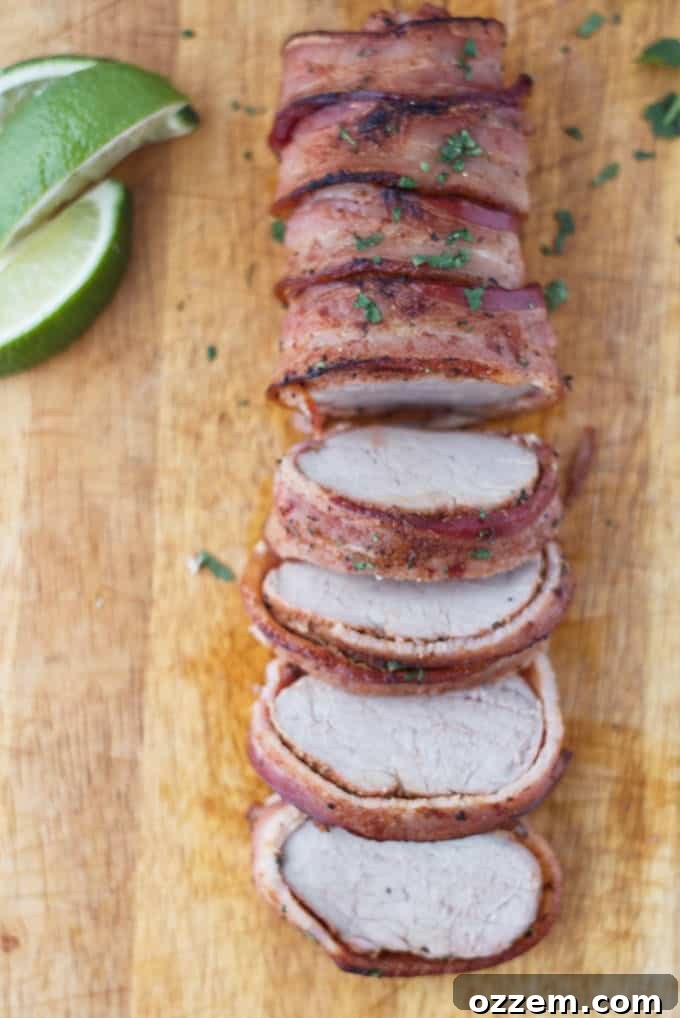
Smoking Pork Tenderloin to Perfection on Your Traeger
Smoking pork tenderloin is a fantastic way to infuse this lean cut with incredible depth of flavor and maintain its succulent texture. While tenderloin can be cooked relatively quickly, the beauty of smoking lies in the aromatic wood smoke that permeates the meat, transforming it into something truly special. For this recipe, we’ll smoke the tenderloin for approximately 1 hour at a consistent temperature of 250°F (121°C). While you could certainly increase the temperature to expedite the cooking process if you’re pressed for time, remember that a shorter smoke duration will inevitably yield a less intense smoky flavor. Part of the allure of using a smoker is to achieve that distinctive, deep wood smoke essence, so allowing it sufficient time in the smoke is always recommended for the most flavorful outcome. Consider experimenting with different wood pellets, such as apple, cherry, or hickory, to discover your preferred smoke profile for pork.
I personally find my Traeger Pro 780 to be the ideal companion for this recipe. Its generous cooking surface provides ample space, allowing me to easily accommodate the pork tenderloin while simultaneously preparing complementary side dishes, making meal prep efficient and enjoyable. The consistent temperature control and ability to infuse rich smoky flavor make it a go-to choice for any outdoor cooking enthusiast.
Here’s a detailed step-by-step guide to smoking your bacon-wrapped pork tenderloin on a Traeger:
- Preheat Your Smoker: Begin by preheating your Traeger grill or any other smoker to a stable temperature of 250°F (121°C). Allow it to reach and hold this temperature for at least 15-20 minutes to ensure a consistent cooking environment and good smoke production.
- Prepare the Pork Tenderloin: Carefully trim off any excess fat, silver skin, or membrane from the pork tenderloin using a sharp knife. Silver skin, a thin, silvery connective tissue, can become tough and chewy when cooked, so removing it ensures a more tender bite. Pat the tenderloin thoroughly dry with paper towels to help the rub adhere better and promote a crisper bacon crust.
- Apply the Flavorful Rub: Generously apply your chosen seasoning. For this recipe, a vibrant Cajun Spice Dry Rub works wonders, offering a delightful balance of sweet, spicy, and smoky notes that perfectly complement the pork and bacon. Ensure the rub covers the entire surface of the tenderloin evenly. For deeper flavor, you can let it sit for 15-30 minutes before wrapping.
- Wrap with Bacon: Lay your bacon slices side-by-side on a clean surface, slightly overlapping them to create a “sheet.” Place the seasoned pork tenderloin at one end of the bacon sheet and carefully roll it up, ensuring the bacon completely encases the pork. This not only adds incredible flavor but also helps to keep the tenderloin moist during smoking.
- Smoke to Perfection: Place the bacon-wrapped pork tenderloin directly on the grates of your preheated smoker. Close the lid and smoke for approximately 1 to 2 hours, or until the internal temperature of the pork, measured in the thickest part, reaches 140°F (60°C). Remember to monitor the temperature closely with a reliable thermometer.
- Optional Saucng: If you desire to add a glaze or barbecue sauce, apply it around the 130°F (54°C) mark during the last 15-20 minutes of cooking. This allows the sauce to caramelize without burning. For this specific bacon-wrapped recipe, saucing is entirely optional, as the bacon and rub provide ample flavor.
- Rest and Savor: Once the tenderloin reaches 140°F (60°C), remove it from the smoker and immediately transfer it to a cutting board. Tent it loosely with aluminum foil and let it rest for a minimum of 10 minutes. This critical resting period allows the internal temperature to rise to the safe 145°F (63°C) mark due to carryover cooking, and, more importantly, it permits the muscle fibers to relax and reabsorb all those delicious juices, resulting in an exceptionally tender and moist final product. After resting, slice against the grain and enjoy!
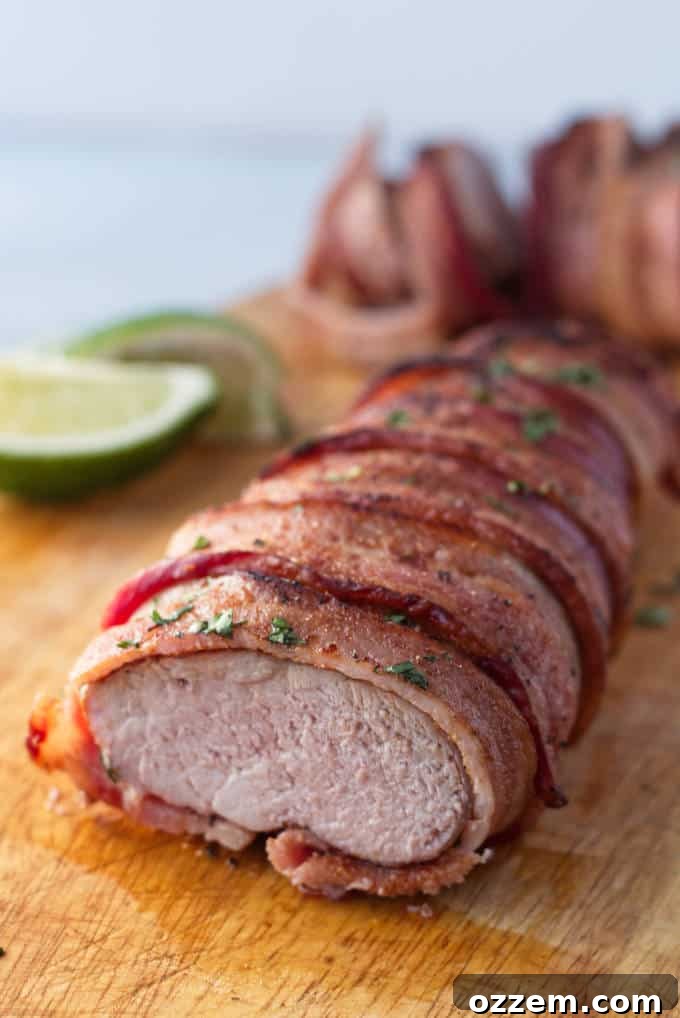
Perfect Pairings: What to Serve with Your Smoked Pork Tenderloin
A beautifully smoked, bacon-wrapped pork tenderloin deserves equally delightful accompaniments. The rich, smoky, and savory flavors of the pork and bacon pair wonderfully with a variety of sides, offering endless possibilities to complete your meal. Here are some fantastic suggestions that will complement your tenderloin and elevate your dining experience:
- Crispy Air Fryer Brussels Sprouts with Bacon: These air fryer Brussels sprouts with bacon are not only incredibly easy and fast to prepare but also deliver a fantastic texture contrast. The air fryer crisps them up beautifully, ensuring no one ever has to suffer through soggy Brussels sprouts again. The added bacon in the sprouts ties in perfectly with the bacon-wrapped tenderloin, creating a harmonious flavor profile.
- Fluffy Air Fryer Baked Potato: Nothing quite complements a savory pork dish like a classic baked potato. This air fryer baked potato offers a perfectly fluffy interior and a delightfully crispy skin, all without heating up your kitchen. Serve it with your favorite toppings – butter, sour cream, chives, or even some extra crispy bacon bits – for a comforting and satisfying side.
- Creamy Mashed Potatoes: For a more traditional and comforting option, a generous serving of creamy garlic mashed potatoes or even a cheesy potato gratin would be absolutely divine. Their smooth texture and rich flavor provide a wonderful counterpoint to the tenderloin.
- Seasonal Roasted Vegetables: Think vibrant roasted asparagus, sweet potato wedges, or a medley of bell peppers and onions. Roasting brings out the natural sweetness of vegetables, making them a healthy and delicious complement. A drizzle of olive oil, salt, and pepper is often all they need.
- Fresh Green Salad: A light, crisp green salad with a tangy vinaigrette can cut through the richness of the pork and bacon, offering a refreshing element to the meal. Consider adding some toasted nuts or a sprinkle of goat cheese for extra flavor and texture.
- Warm Cornbread or Dinner Rolls: To soak up any remaining delicious juices, a side of warm cornbread or crusty dinner rolls is always a welcome addition.
Choosing the right sides can transform your meal from good to truly exceptional, creating a balanced and memorable feast for everyone at the table.
CONNECT WITH A LICENSE TO GRILL!
Be sure to follow us on our social media accounts for more delicious recipes, grilling tips, and behind-the-scenes content!
Did you make this recipe? We’d love to hear about your experience! Share your thoughts and photos in the comments section below!
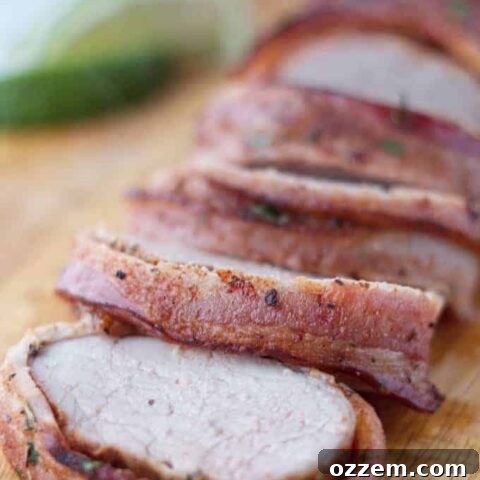
Traeger Bacon Wrapped Pork Tenderloin
6 servings
10 minutes
1 hour
10 minutes
1 hour 20 minutes
Prepare a pork tenderloin so incredibly juicy and delicious, you’ll be tempted to devour the entire thing! The bacon not only infuses immense flavor but also forms a delightful, crispy crust around the tender pork. The blend of spices in the Cajun dry rub—sweet, spicy, and smoky—harmonizes beautifully with the signature smokiness imparted by the Traeger grill.
Rating: 4.7 stars based on 66 reviews.
Ingredients
- 4 tablespoons Cajun seasoning
- 1 pound pork tenderloin
- 12 slices of bacon
Instructions
- Preheat your Traeger or grill to 250°F (121°C).
- Trim the membrane and silver skin off the pork tenderloin.
- Pat the tenderloin dry with a paper towel.
- Rub the Cajun seasoning generously on the tenderloin.
- Lay the bacon slices side by side on the counter, slightly overlapping.
- Roll the pork tenderloin so that the bacon wraps and covers the pork entirely.
- Cook on the grill for 1-2 hours or until the pork reaches an internal temperature of 140°F (60°C).
- Remove the meat from the grill and cover it loosely with foil while it rests for 10 minutes.
Notes
- Always use a trustworthy meat thermometer to monitor the cooking process and ensure the best, safest results. I highly recommend using the ThermoWorks Signals as a leave-in thermometer or an instant-read like the ThermoWorks ONE for quick checks.
- This recipe for Cajun Spice Dry Rub yields approximately one cup of seasoning, which is perfect for this recipe and leaves you with extra for other culinary adventures!
- During the crucial rest period, the tenderloin’s internal temperature will continue to rise due to carryover cooking, ensuring it reaches the USDA recommended internal temperature of 145°F (63°C) for safe consumption, all while becoming exceptionally juicy.
Recommended Products
As an Amazon Associate and member of other affiliate programs, I earn from qualifying purchases.
- Pit Boss Competition Blend – 2 Bags
Nutrition Information:
Yield: 6
Serving Size: 1
Amount Per Serving:
Calories: 226
Total Fat: 11g
Saturated Fat: 4g
Trans Fat: 0g
Unsaturated Fat: 7g
Cholesterol: 78mg
Sodium: 2597mg
Carbohydrates: 2g
Fiber: 1g
Sugar: 0g
Protein: 28g
Nutrition information is a guideline only, is calculated automatically by third party software, and absolute accuracy is not guaranteed.
Did you make this recipe?
Please leave a comment on the blog or share a photo on Instagram