
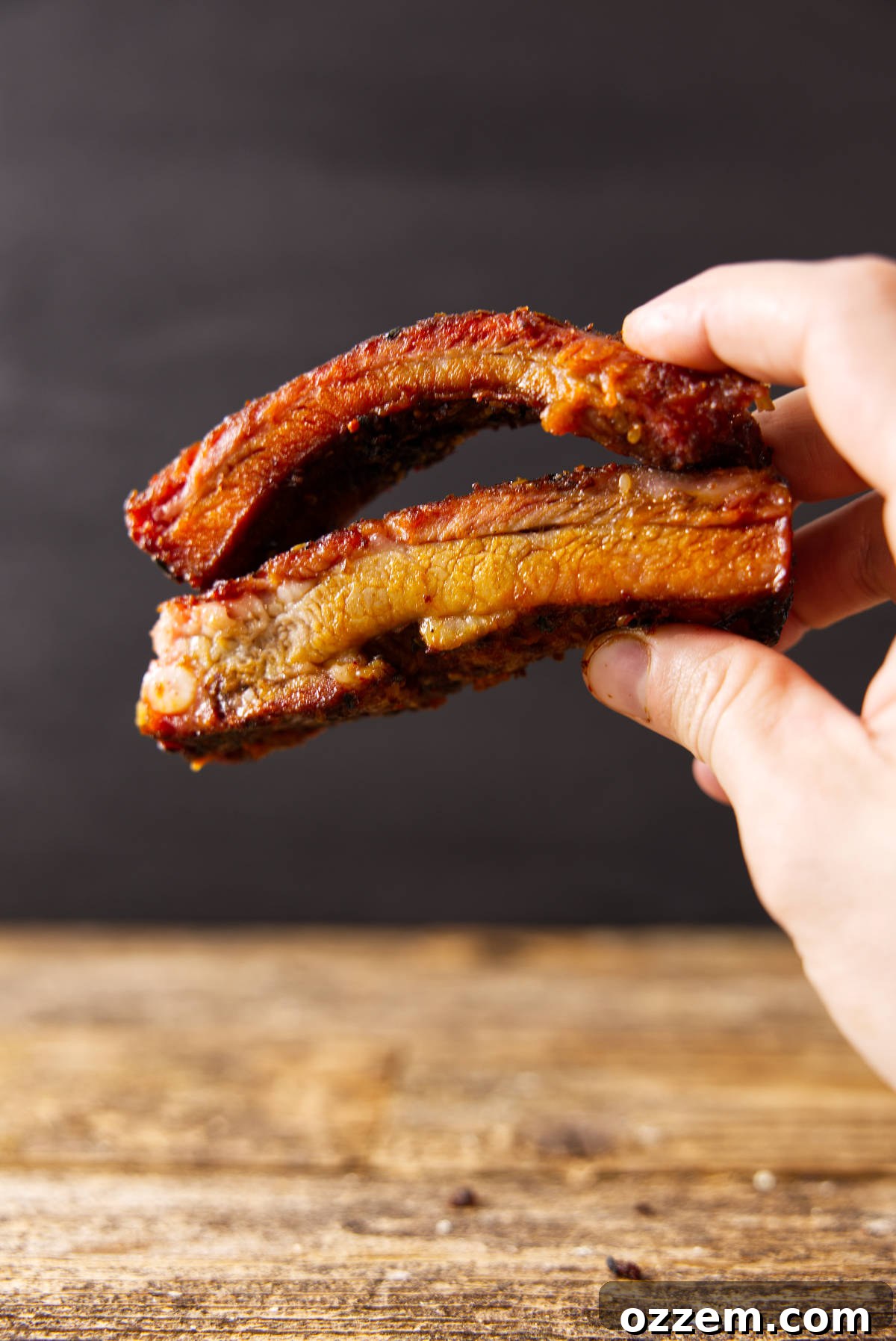
Pork Loin Back Ribs vs. Spare Ribs: Your Ultimate Guide to BBQ Perfection
Embarking on a backyard barbecue adventure often begins with a fundamental choice: pork loin back ribs vs. spare ribs. While both promise succulent, smoky goodness, they offer distinct experiences in terms of tenderness, meatiness, and flavor. Understanding these nuances is essential for any grilling enthusiast looking to master their craft and deliver an unforgettable meal. Whether you’re a seasoned pitmaster or a weekend warrior, this comprehensive guide will help you navigate the delicious world of pork ribs, ensuring your next cookout is a resounding success.
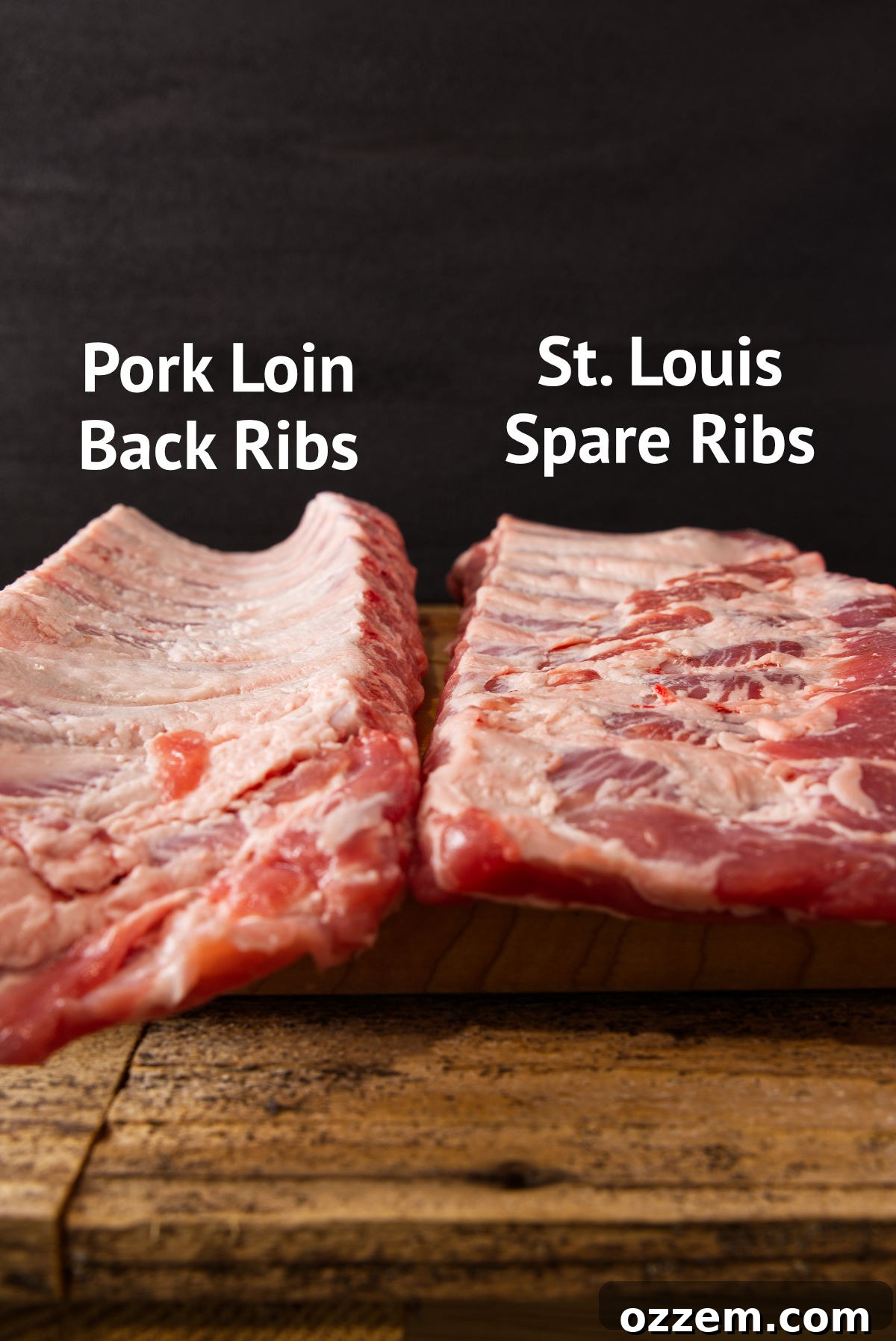
Pork loin back ribs, often affectionately known as baby back ribs due to their shorter, curved bones and smaller size, are celebrated for their lean, tender meat and delicate flavor. They cook relatively quickly and typically offer a cleaner bite. In stark contrast, spare ribs, sometimes called side ribs, are renowned for their robust, meaty texture, higher fat content, and deep, porky flavor. They require a longer, slower cook but reward patience with incredibly juicy results that truly embody the essence of barbecue. Both cuts, when prepared with care and expertise, can be the star of any outdoor gathering, prompting smiles and satisfied groans from your guests.
🐷 Understanding Pork Loin Back Ribs (Baby Back Ribs)
Pork loin back ribs, universally recognized as baby back ribs, are a premium and highly sought-after cut of pork. These delectable ribs originate from the upper section of the hog’s rib cage, precisely where the ribs meet the spine, directly beneath the loin muscle. Their close proximity to the tender pork loin is the secret behind their inherent tenderness and leaner profile. Unlike their larger counterparts, baby back ribs feature shorter, more curved bones, typically measuring between 3 and 6 inches in length, and boast a satisfying amount of lean, flavorful meat draped over and between each bone.
The defining characteristic of baby back ribs is their tenderness and subtle, delicate pork flavor. This milder taste makes them incredibly versatile, acting as a perfect canvas for a wide array of rubs, sauces, and smoke flavors. Their lower fat content, a direct result of their origin near the lean loin, means they cook faster and yield a less greasy, yet still incredibly succulent, eating experience. While they might not possess the intense richness of spare ribs, their succulence and the way the meat gently pulls away from the bone make them a perennial favorite for those who appreciate a finer texture. For a deeper dive into the cuts from this region, explore our post on pork loin vs pork chop.
Don’t let the “baby” in baby back ribs mislead you; while smaller in size compared to spare ribs, a full rack still offers a substantial meal, typically weighing between 1.5 to 2.5 pounds. Their manageable size also makes them easier to handle on most grills and smokers. Their distinct shape and excellent meat-to-bone ratio contribute to their premium status and popularity among barbecue enthusiasts. They absorb smoke beautifully, and when cooked to perfection, offer that coveted “fall-off-the-bone” tenderness that defines great barbecue.
🐖 Decoding Spare Ribs: The Hearty BBQ Choice
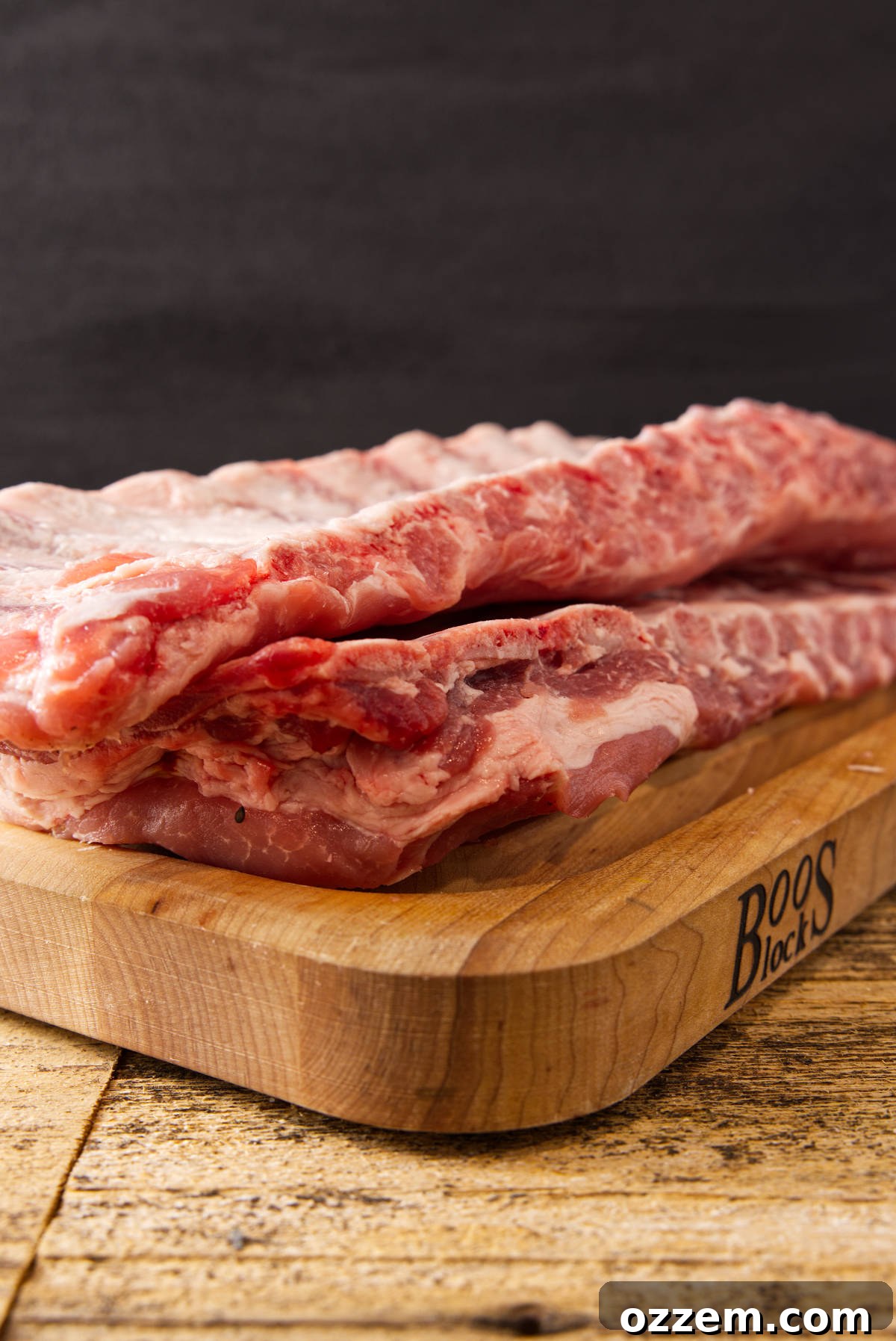
Spare ribs are a true cornerstone of classic American barbecue, celebrated for their rich, intense flavor and generous meatiness. This robust cut hails from the belly side of the hog, extending from the spine down towards the breastbone. Unlike the leaner baby back ribs, spare ribs are characterized by their larger size, flatter shape, and a significantly higher fat content and marbling. This abundant marbling and fat layer are precisely what imbue spare ribs with their deep, satisfying pork flavor and incredible juiciness, making them a favorite for slow smoking and low-temperature cooking.
A full rack of spare ribs is considerably larger than baby back ribs, often weighing between 3 to 5 pounds, and features longer, straighter bones. This substantial size provides ample surface area for generously applying your favorite BBQ rubs and sauces, allowing for a magnificent bark to develop during the cooking process. The meat on spare ribs tends to be tougher and more fibrous than baby backs initially, which is why the “low and slow” cooking method is so crucial. This extended cooking time at lower temperatures slowly renders the fat and breaks down connective tissues, transforming the tough muscle into incredibly tender, succulent meat that still maintains a delightful chew.
When you’re shopping for spare ribs, you’ll most frequently encounter them in the St. Louis-style cut. This popular preparation involves trimming a full rack of spare ribs into a neat, rectangular shape. The key elements removed during this process are the chewy cartilage-laden rib tips (located at the sternum end) and the irregular flap of meat known as the skirt, which runs along the bone side. These trimmings, while delicious in their own right for other culinary applications, are removed from the main rack because they tend to cook unevenly compared to the rest of the rib slab. The resulting St. Louis-style rack ensures uniform cooking and a more aesthetically pleasing presentation, making it the preferred choice for competition barbecue and serious backyard pitmasters alike. This standardized cut highlights the meaty, flavorful central portion of the spare ribs, ensuring every bite is a tender, juicy delight.
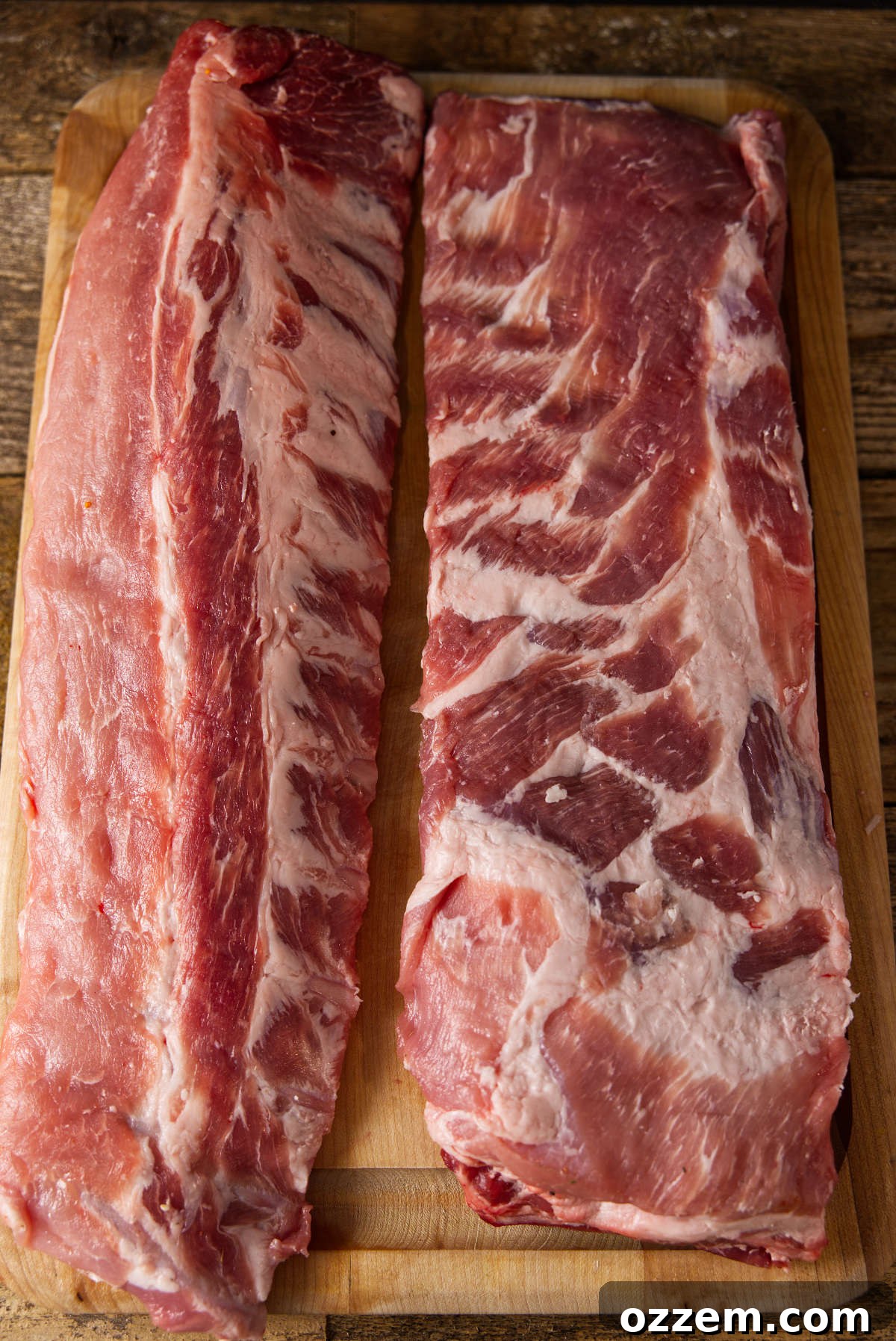
Side-by-Side Comparison: Pork Loin Back Ribs vs. Spare Ribs
To help you make an informed decision for your next barbecue, let’s break down the key differences between pork loin back ribs and spare ribs:
- Location on the Hog:
- Pork Loin Back Ribs: From the upper rib cage, near the spine, below the loin muscle.
- Spare Ribs: From the belly side of the rib cage, extending to the breastbone.
- Size and Shape:
- Pork Loin Back Ribs: Shorter (3-6 inches), more curved bones. Racks typically 1.5-2.5 lbs.
- Spare Ribs: Longer, flatter bones. Racks typically 3-5 lbs (St. Louis style).
- Meatiness and Fat Content:
- Pork Loin Back Ribs: Leaner, tender meat, less fat and marbling. Meat is often found more on top of the bone.
- Spare Ribs: More robust meatiness, higher fat content, and significant marbling. Meat is typically found between and around the bones.
- Flavor Profile:
- Pork Loin Back Ribs: Milder, more delicate pork flavor. Easily takes on smoke and rub flavors.
- Spare Ribs: Richer, more intense, “porkier” flavor due to higher fat content.
- Tenderness and Texture:
- Pork Loin Back Ribs: Inherently more tender, often achieves “fall-off-the-bone” texture with less effort.
- Spare Ribs: Initially tougher, but become incredibly tender and juicy with slow cooking, maintaining a satisfying chew.
- Cooking Time:
- Pork Loin Back Ribs: Generally cook faster (e.g., 4-6 hours for smoking).
- Spare Ribs: Require longer cooking times (e.g., 5-8 hours for smoking) to break down connective tissues.
- Cost:
- Pork Loin Back Ribs: Typically more expensive per pound due to being a premium, leaner cut.
- Spare Ribs: Generally more economical per pound, offering more bang for your buck.
👨🍳 Mastering the Ribs: Pro Tips for Both Cuts
No matter which rib cut you choose, a few fundamental techniques can elevate your barbecue game. The path to truly legendary ribs, whether baby back or spare, hinges on meticulous preparation, precise cooking, and a touch of patience. Here are the pro tips to ensure your ribs are always tender, flavorful, and unforgettable:
Preparation is Key for Perfect Ribs
- Remove the Membrane: This crucial step prevents a tough, papery layer on the bone side of the ribs. To do it, use a butter knife or the blunt end of a spoon to gently lift a corner of the membrane on the back of the rack. Once you have enough to grip, use a paper towel for a firm hold and peel it away. This allows your rub and smoke to penetrate the meat more effectively, resulting in a significantly more tender end product.
- Trim Excess Fat and Loose Meat: Carefully inspect your ribs. Remove any large, hard chunks of fat that won’t render down during cooking, as well as any thin, loose flaps of meat (like the skirt on spare ribs if not pre-trimmed St. Louis style). These can burn easily and negatively impact the texture and flavor. Trimming ensures even cooking and a cleaner presentation.
- Season Generously: Apply your chosen dry rub liberally to all surfaces of the ribs. Don’t be shy! For optimal flavor absorption, allow the seasoned ribs to rest in the refrigerator for at least one hour, or ideally, overnight. This gives the salt and spices time to penetrate the meat, enhancing its natural flavors and creating a delicious bark during cooking.
Achieving BBQ Nirvana: Smoking and Cooking Techniques
- Low and Slow is the Way to Go: The golden rule for tender ribs is slow cooking at a low temperature, typically around 225-275°F (107-135°C). This gentle heat gradually renders the fat and breaks down the tough collagen in connective tissues, transforming them into gelatin. This process is what yields that coveted “fall-off-the-bone” or perfectly tender bite.
- Master the 3-2-1 Method (for Spare Ribs) or 2-2-1 Method (for Baby Backs): This popular technique involves three stages: 3 hours of smoking unwrapped, 2 hours wrapped in foil or butcher paper with a splash of liquid (like apple juice or cider vinegar) to steam, and 1 hour unwrapped again for saucing and setting the bark. For baby back ribs, due to their smaller size, a 2-2-1 method (or even 2-1-1) is often more appropriate. Adjust these timings based on your desired tenderness and the specific characteristics of your smoker.
- Maintain Moisture: To prevent ribs from drying out during long cooks, consider spritzing them every hour or so with a mixture of apple cider vinegar, apple juice, or water. This adds moisture and helps to keep the surface cool, allowing more smoke to adhere.
- Know When They’re Done: Ribs are ready when they are tender, but not completely falling apart. A good test is the “bend test”: pick up a rack with tongs in the middle; if it sags significantly and the bark begins to crack, they’re likely done. The meat should pull away from the bone easily with a slight twist.
The Grand Finale: Saucing and Resting Your Ribs
- Perfect Your Sauce Application: If you prefer sauced ribs, apply your favorite BBQ sauce during the last 30-60 minutes of cooking. This allows the sauce to caramelize and set without burning, creating a sticky, flavorful glaze. Apply in thin layers, allowing each layer to set before adding another.
- The Power of Resting: This often-overlooked step is critical for juicy ribs. After cooking, let your ribs rest, loosely tented with foil, for at least 10-15 minutes before slicing. Resting allows the internal juices to redistribute throughout the meat, resulting in a more flavorful and succulent bite. Skipping this step can lead to dry ribs as the juices will simply run out when cut.
Frequently Asked Questions About Pork Ribs
Here are some common questions to further aid your journey into the world of pork ribs:
Q: Can I cook baby back ribs and spare ribs the same way?
A: While many core principles apply (low and slow, proper seasoning), spare ribs typically require a longer cooking time due to their larger size and higher fat content. You’ll need to adjust your smoking or oven times accordingly. For example, if using the 3-2-1 method for spare ribs, baby back ribs might only need a 2-2-1 or even 2-1-1 approach.
Q: Which ribs are more expensive?
A: Generally, baby back ribs are more expensive per pound than spare ribs. This is because they are considered a leaner, more premium cut from the loin area and are often in higher demand for their tenderness and quicker cooking time.
Q: What is the best way to tell if ribs are done?
A: The most reliable indicators are tenderness and appearance. The meat should have pulled back from the ends of the bones, and when you pick up a rack with tongs in the middle, it should bend significantly and show cracks in the surface, but not completely fall apart. An internal temperature between 195-203°F (90-95°C) also indicates optimal collagen breakdown for tender ribs.
Q: What should I do with the “skirt” meat or rib tips removed from spare ribs?
A: Don’t discard them! The skirt meat and rib tips are incredibly flavorful. You can season them and smoke them alongside your main ribs, chop them up for chili, use them in baked beans, or even make delicious rib tip sandwiches. They offer a fantastic opportunity for another tasty snack.
Q: Is there a difference between “baby back ribs” and “loin back ribs”?
A: No, these terms refer to the exact same cut of pork. “Baby back ribs” is simply a more common and catchy marketing term for pork loin back ribs.
🔥 Ready to Grill? Your Rib Adventure Awaits!
The choice between pork loin back ribs and spare ribs ultimately boils down to personal preference for flavor intensity, texture, and how much time you have for your barbecue. If you crave a leaner, more tender bite with a milder pork flavor and a slightly quicker cook, baby back ribs are your champion. If you’re after that rich, deeply satisfying, meaty chew with robust flavor that epitomizes classic barbecue, then spare ribs, particularly the St. Louis-style, are undoubtedly the way to go.
We highly recommend trying both! Experience the delightful differences for yourself. To kickstart your rib-smoking journey, dive into our detailed recipe for 3-2-1 ribs. This time-tested method, involving specific stages of smoking, wrapping, and saucing, is perfect for achieving wonderfully tender and juicy results with spare ribs, and can be easily adapted for baby back ribs. Whichever you choose, remember that patience and attention to detail are your best allies in creating barbecue masterpieces. Fire up your smoker, experiment with flavors, and enjoy the incredible rewards of perfectly cooked pork ribs!
CONNECT WITH A LICENSE TO GRILL!
Be sure to follow us on our social media accounts for more grilling tips, recipes, and barbecue inspiration.
Did you make this recipe or try these tips? Tell us about your rib success in the comments below!