
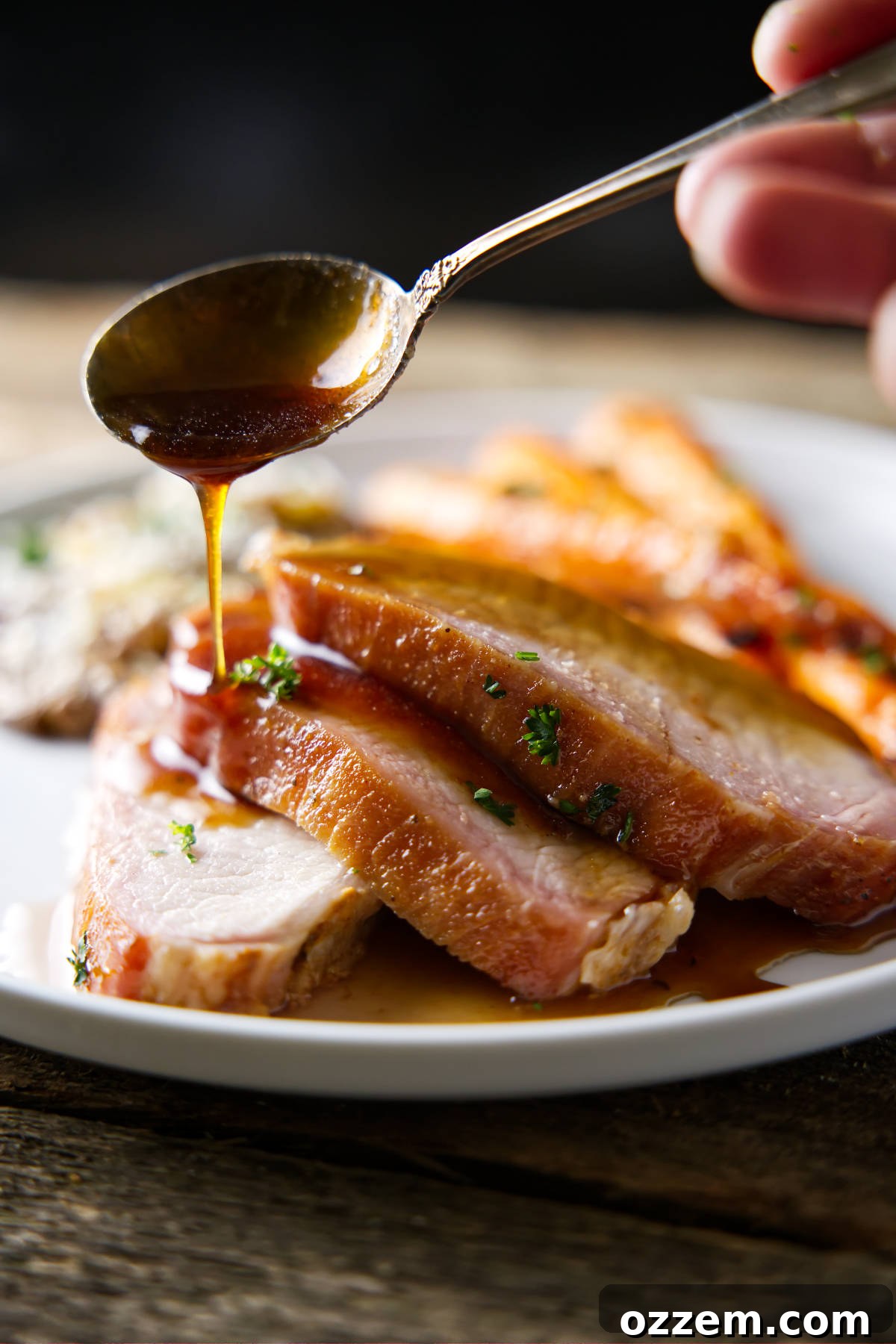
In the culinary world, few debates are as common yet nuanced as the showdown between Pork Loin vs. Pork Chop. While both originate from the same prime section of the pig, they present vastly different characteristics in terms of size, cooking methodology, and the dining experience they offer. Understanding these distinctions is crucial for home cooks and seasoned chefs alike to achieve optimal results and unlock the full potential of each delicious cut. This comprehensive guide will delve into what makes a pork loin an ideal choice for grand, slow-cooked feasts and why pork chops are your ultimate solution for a quick, flavor-packed weeknight meal. Prepare to master the art of selecting and preparing these popular pork cuts, ensuring a juicy, tender, and memorable dish every time.
For those eager to dive deeper into specific cooking techniques, be sure to explore our dedicated resources on crafting a succulent smoked pork loin roast or whipping up quick and easy air fryer pork chops. These guides provide tailored tips and recipes to elevate your pork cooking prowess.

🐖 What Is a Pork Loin? Unveiling the Roast Master
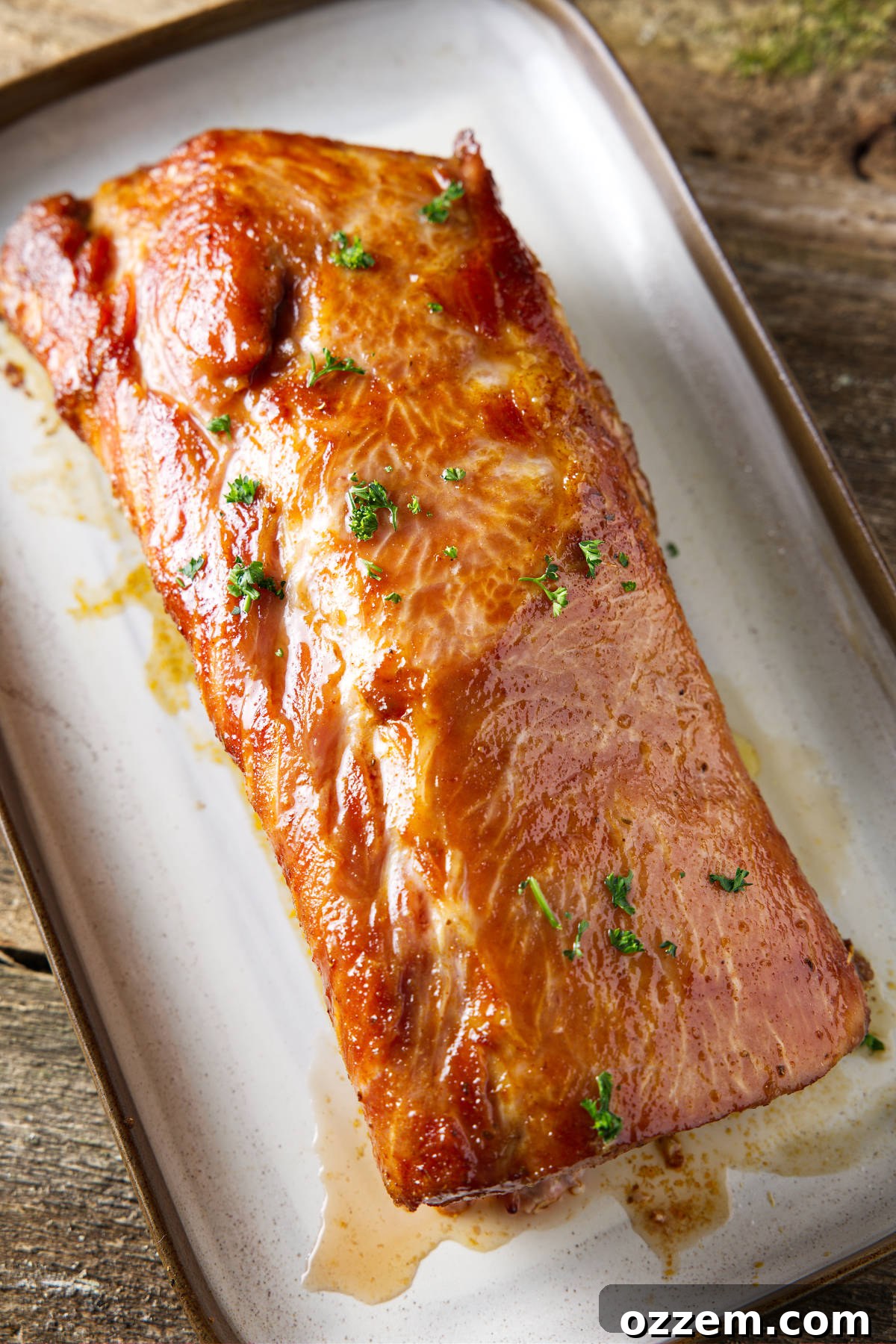
The pork loin, often considered a crown jewel among pork cuts, is a substantial and versatile piece of meat sourced from the pig’s back. This impressive cut extends from the shoulder to the hip and is distinguished by its considerable size, lean muscle structure, and delicately mild flavor. Typically sold as a large, thick roast, a pork loin can be found both bone-in and boneless. A defining characteristic is the often-present layer of fat on its top surface, aptly named the “fat cap.” This cap is not merely decorative; it plays a vital role in infusing the meat with moisture and rich flavor as it renders during cooking, contributing significantly to a juicy final product.
Its generous size makes the pork loin perfectly suited for feeding a crowd, making it a stellar centerpiece for holiday gatherings or large family dinners. It also excels in meal preparation, as leftovers can be repurposed into various dishes throughout the week. The loin’s lean profile and mild taste act as a blank canvas, readily absorbing the flavors of marinades, brines, and dry rubs, making it incredibly adaptable to a wide array of culinary traditions and seasoning preferences. From slow roasting in an oven to smoking over wood chips, the pork loin promises a tender, flavorful experience. For those interested in perfecting the art of smoking, our detailed guide on how long to smoke pork loin per pound offers invaluable insights.
The Anatomy of a Pork Loin
Understanding where the pork loin comes from helps appreciate its characteristics. It primarily consists of the longissimus dorsi muscle, which runs along the pig’s spine. This muscle is not heavily used, resulting in its renowned tenderness. While the pork loin is adjacent to the ribs, it’s essential not to confuse it with cuts like pork loin back ribs or baby back ribs. These are distinct cuts with different cooking requirements. To clarify these differences, our guide on pork loin back ribs vs. spare ribs provides further detailed information about these equally delicious, but separate, pork cuts.
Benefits of Choosing Pork Loin
- Impressive Presentation: A whole roasted or smoked pork loin makes for a visually stunning centerpiece at any dining event.
- Moisture & Flavor Retention: The fat cap, when properly cooked, self-bastes the meat, preventing it from drying out and enhancing its overall flavor.
- Versatility: It can be cooked whole, sliced into thick chops, or even butterflied and stuffed, offering numerous culinary possibilities.
- Cost-Effective for Crowds: Often more economical per pound than individual chops, especially when feeding a large number of people.
- Leftover Potential: Its substantial size ensures ample leftovers, perfect for sandwiches, salads, or quick reheat meals.
🔪 What Is a Pork Chop? The Quick-Cook Champion
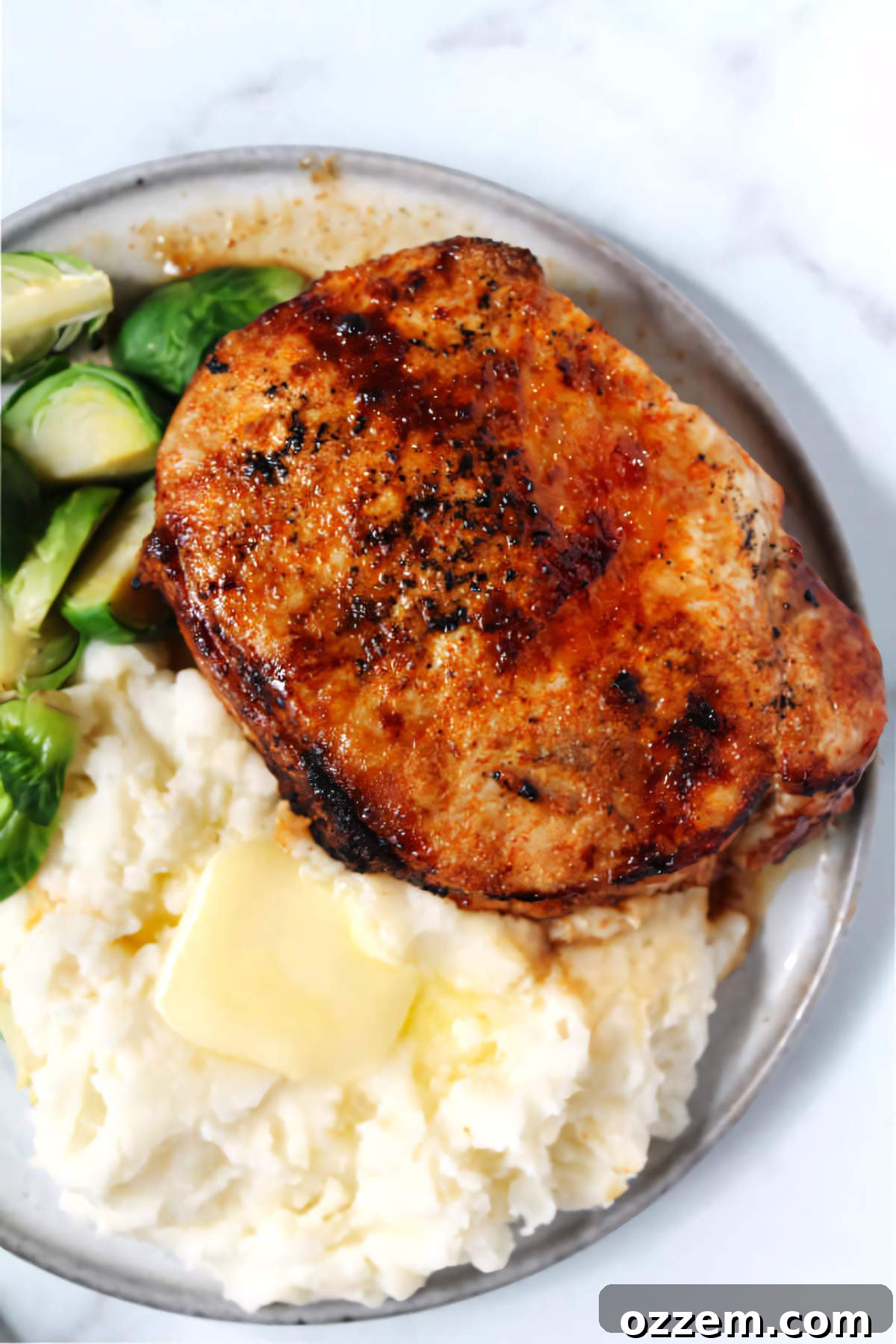
A pork chop is essentially an individual slice expertly cut from the pig’s loin. These popular cuts are made by slicing the larger pork loin perpendicular to the spine, resulting in portion-sized pieces perfect for single servings. Just like their larger counterpart, pork chops are incredibly versatile, but their smaller size dictates different cooking applications and results in a distinctly different dining experience.
The characteristics of a pork chop—its texture, flavor, and optimal cooking method—can vary significantly depending on precisely where along the loin it was cut. Common types include:
- Rib Chop: Typically bone-in, taken from the rib section of the loin. It offers good marbling and a rich flavor, often considered one of the most tender.
- Loin Chop (T-Bone Chop): Features a T-shaped bone with loin muscle on one side and tenderloin muscle on the other. It’s a flavorful cut but can cook unevenly due to the two different muscle types.
- Sirloin Chop: Taken from the hip end of the loin, these chops are larger and can be tougher, often benefiting from marinades or braising.
- Boneless Center-Cut Chop: These are very lean, quick-cooking, and derived from the center of the loin with the bone and tenderloin removed. While convenient, they are prone to drying out if overcooked.
Regardless of the type, pork chops are celebrated for their significantly quicker cooking times compared to a whole loin. This makes them an outstanding choice for bustling weeknights or any occasion when a delicious meal needs to be on the table in a flash. Ideal for grilling, pan-frying, air-frying, or baking, pork chops offer a delightful balance of lean meat and a small amount of fat, which contributes to their inherent juiciness and distinct, savory taste.
Benefits of Choosing Pork Chops
- Rapid Cooking: Their smaller size allows for incredibly quick preparation, making them a go-to for busy schedules.
- Individual Portions: Perfectly sized for single servings, eliminating the need for carving and simplifying meal distribution.
- Versatile Methods: Excel in high-heat, fast-cooking techniques like grilling, pan-searing, and air frying, producing a delicious crust.
- Easy Seasoning: Their surface area is ideal for absorbing rubs and marinades quickly, delivering intense flavor.
- Everyday Meal Staple: A reliable and satisfying choice for a balanced and flavorful everyday dinner.
🔑 Key Differences: Pork Loin vs. Pork Chop – A Side-by-Side Comparison
The fundamental distinctions between pork loin and pork chops primarily revolve around their size, the cooking methods they best accommodate, and their typical culinary applications. While they share the same origin, their journey from butcher to plate takes distinctly different paths.
Pork Loin, as a larger, thicker cut, is inherently designed for more extended, gentler cooking processes such as slow roasting, smoking, or braising. Its substantial mass allows it to withstand longer cooking times without drying out, especially when protected by its natural fat cap. This fat cap is a significant advantage, as it slowly renders during cooking, basting the meat from within and imparting a depth of flavor and unparalleled juiciness. A whole pork loin can comfortably feed a large family or a gathering of friends, and its versatile nature means it can be served as a grand centerpiece or easily sliced into smaller, portion-controlled servings after cooking. In fact, one of the most economical ways to enjoy pork chops is to purchase a whole pork loin and slice it yourself, typically into uniform pieces about 1 to 1½ inches thick. This not only saves money but also gives you complete control over the thickness and consistency of your chops.
In stark contrast, Pork Chops are tailored for speed and convenience. Their smaller, individual portions make them perfect for rapid cooking methods that involve direct, high heat, such as grilling, pan-frying, or air-frying. Unlike the loin, chops benefit from quick searing to develop a flavorful crust while keeping the interior tender and moist. Because of their leaner nature and smaller size, pork chops require more careful attention to avoid overcooking, which can quickly lead to a dry, tough result. While pork loin offers a mild, delicate flavor that readily absorbs complex marinades and rubs over hours, pork chops thrive with quicker marinades or bold dry seasonings applied just before cooking, delivering an intense burst of flavor in a fraction of the time. They are the ideal choice for those seeking a delicious, satisfying meal without the extensive preparation or cooking time associated with larger roasts.
| Comparison Factor | Pork Loin | Pork Chops |
|---|---|---|
| Typical Size | Large, thick roast (up to 10 lbs or more) | Smaller, individual slices (typically 1-2 inches thick) |
| Bone Presence | Can be found bone-in or boneless | Can be bone-in (rib, loin, sirloin) or boneless (center-cut) |
| Best Cooking Methods | Roasting (oven), Smoking, Slow Cooking (braising, slow cooker) | Grilling, Pan-frying, Air-frying, Broiling, Baking |
| Preparation Style | Benefits from long marinades, brining, complex dry rubs, stuffing | Quick marinades, aggressive seasoning, quick searing for crust |
| Flavor & Texture | Mild, lean, very tender when cooked properly, often with a moisture-retaining fat cap | Slightly more intense flavor due to direct seasoning and searing; texture varies by cut type (e.g., bone-in vs. boneless) |
| Ideal Use Cases | Feeding a crowd, large holiday meals, impressive centerpieces, meal prepping for a week | Quick family meals, individual servings, weeknight dinners, BBQ fast grilling |
| Cooking Time | Longer (1-3+ hours depending on size and method) | Shorter (10-25 minutes depending on thickness and method) |
💰 Money-Saving Tip – Master the Art of Slicing Your Own Chops
Savvy shoppers often discover that a whole pork loin is considerably more economical per pound than pre-cut pork chops, sometimes costing a third to half the price. This presents a fantastic opportunity to save money without compromising on quality or flavor.
By purchasing a large pork loin, you gain control over the thickness of your chops. Simply slice the pork loin into your desired thickness, typically ranging from 1 to 1½ inches. Use what you need for an immediate dinner, and then efficiently store the remaining chops. Flash freeze them on a baking sheet to prevent sticking, then transfer them to freezer-safe bags or vacuum-seal them. This method not only locks in freshness but also ensures you have a supply of perfectly portioned pork chops ready for a quick and delicious meal at any given moment, significantly streamlining your meal prep and budgeting.
🤔 How to Decide: Pork Loin or Pork Chop for Your Next Meal?
When it comes time to decide between pork loin and pork chops, several factors should guide your choice, including your available time, the number of people you’re feeding, your preferred cooking method, and your budget. Both cuts offer delicious results, but their strengths lie in different culinary scenarios.
If you’re planning a meal for a larger group, envisioning impressive leftovers, or have the luxury of time for a leisurely cooking process, the pork loin is undoubtedly your best bet. Its substantial size makes it an ideal candidate for slow roasting, smoking, or even brining, allowing for a deep penetration of flavors and a remarkably tender outcome. A whole loin creates a spectacular presentation and its versatility means it can be carved into elegant slices for serving, or you can even custom-cut it into smaller chops or portions as needed. This flexibility, coupled with its cost-effectiveness for bulk cooking, makes it a perfect choice for special occasions or weekly meal prep.
Conversely, if your goal is a quick, flavorful, and satisfying meal – perhaps for a busy weeknight dinner, a casual small gathering, or when time is of the essence – then pork chops are the clear winner. Their individual size allows them to cook rapidly, making them perfect for high-heat methods like grilling, pan-frying, or air-frying. These methods create a desirable sear and lock in juices quickly, ensuring a delicious result in minutes. Pork chops also offer immense versatility with seasoning; you can go from a simple salt and pepper rub to complex spice blends or sweet glazes. They are perfectly portioned for individual servings, simplifying plating and making dinner a breeze. Ultimately, the choice comes down to aligning your culinary intentions with the unique attributes of each cut, ensuring a delightful and perfectly cooked pork dish every time.
CONNECT WITH A LICENSE TO GRILL!
We love sharing our passion for grilling and delicious food. Be sure to follow us on our social media accounts for more recipes, tips, and culinary inspiration!
Have you tried cooking both pork loin and pork chops? Share your favorite recipes, cooking methods, or any tips you have in the comments below! We’d love to hear from you!