
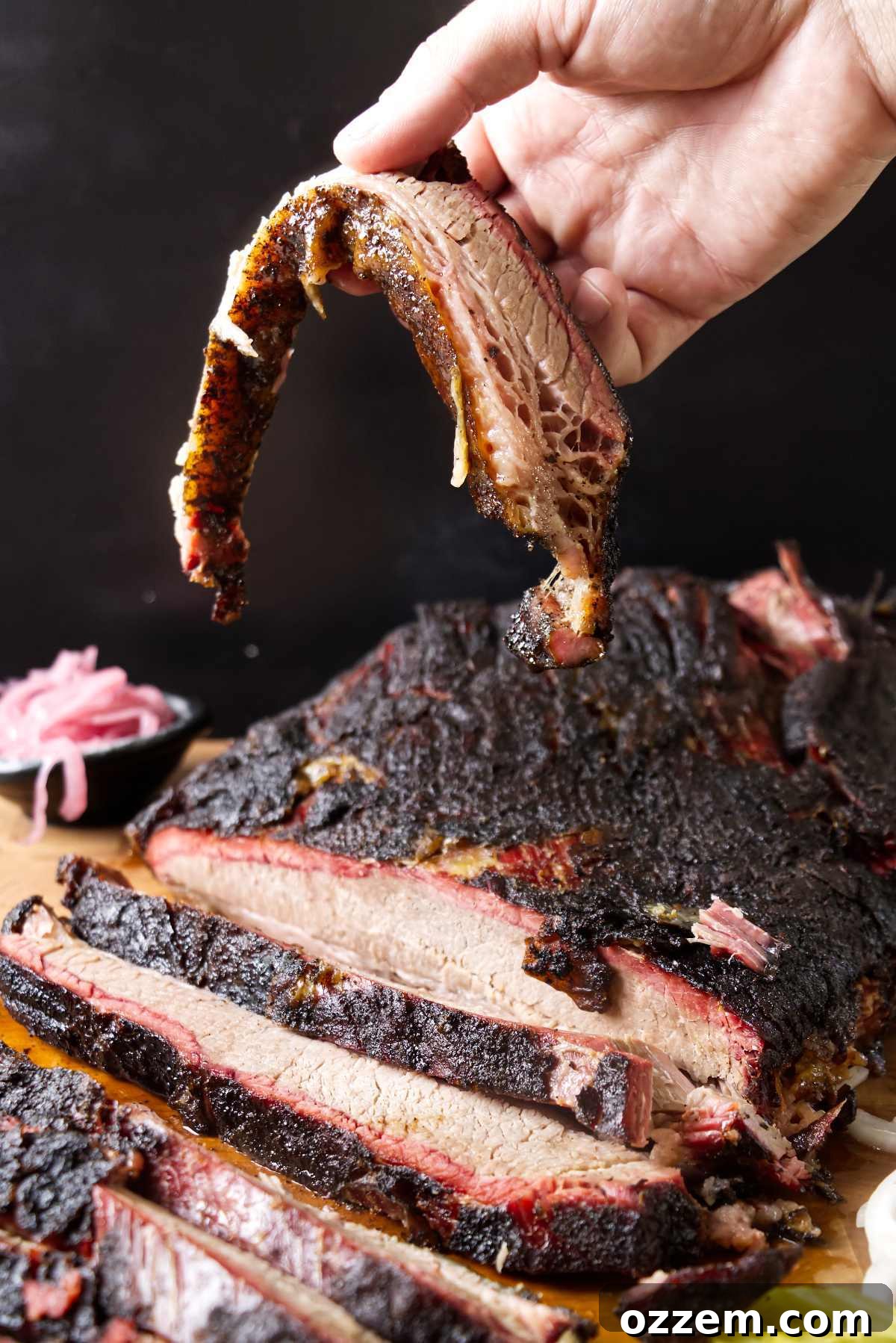
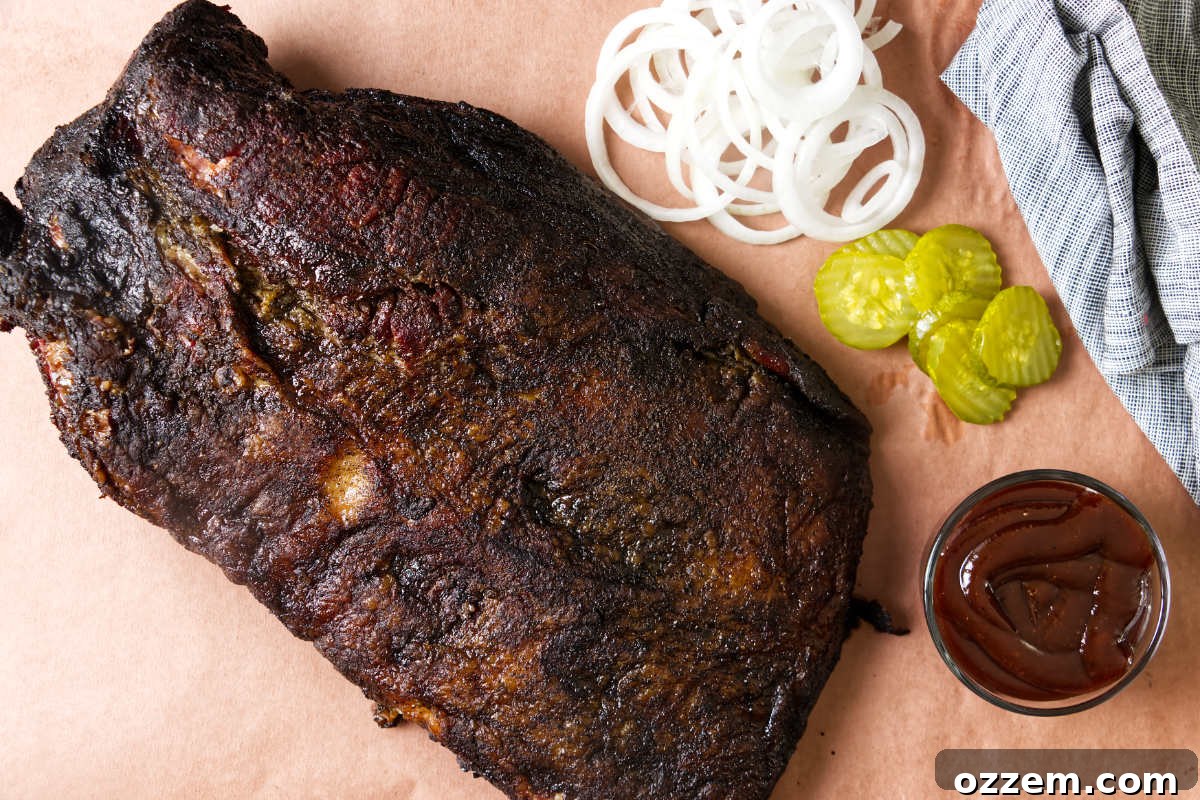
This Pellet Grill Smoked Brisket is a classic backyard cook: a whole packer brisket, a simple salt-and-pepper seasoning, steady wood smoke, a wrap once the bark is ready, and a long rest before slicing to achieve tender, bendy slices. The method is straightforward, but attention to detail makes the difference when family and friends are waiting for great barbecue.
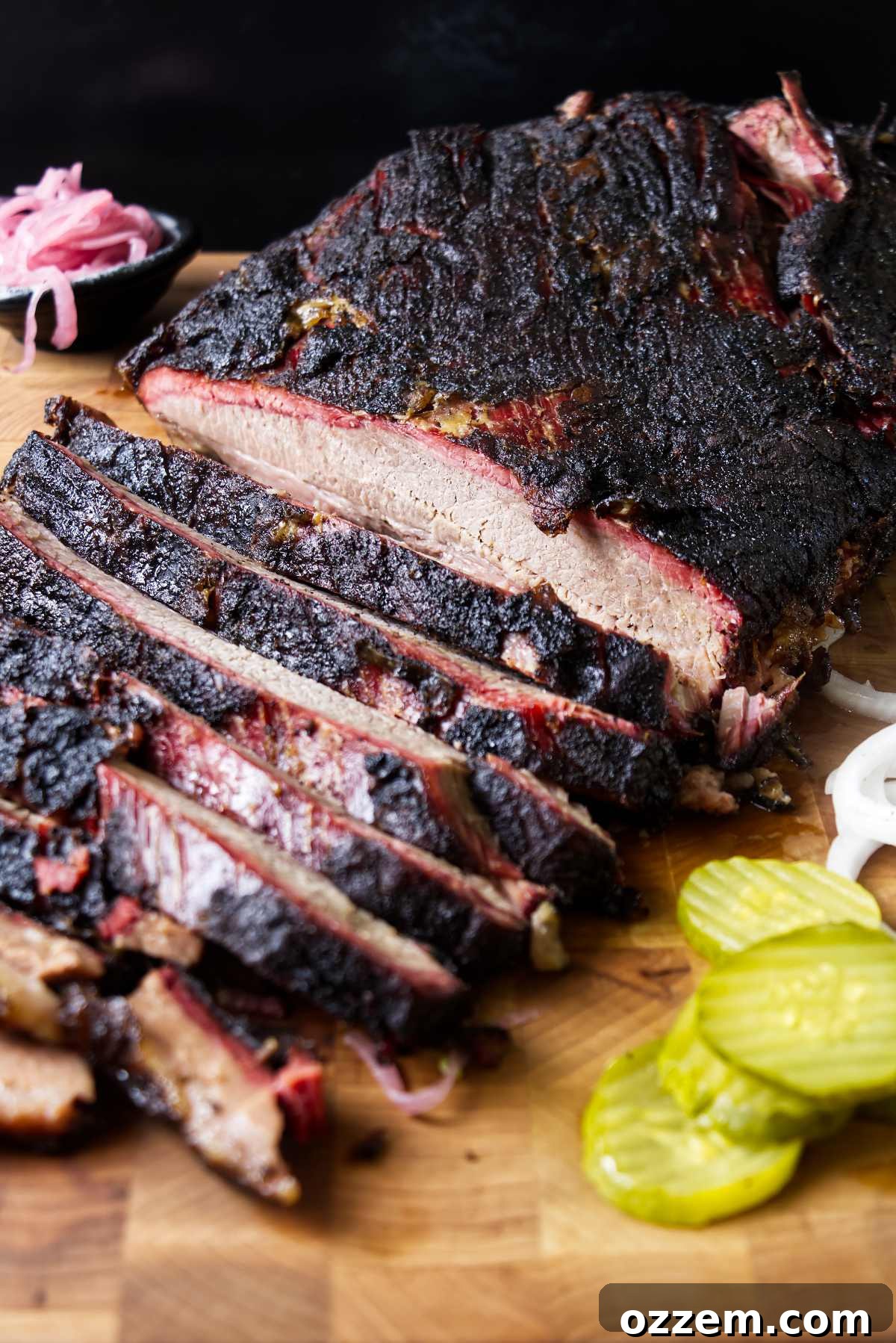
This recipe keeps the seasoning traditional—kosher salt and coarse black pepper only. The aim is not to mask the beef, but to develop a deep, flavorful bark, render the fat, keep the flat juicy, and slice both point and flat so every bite is tender.
Why This Pellet Grill Brisket Works
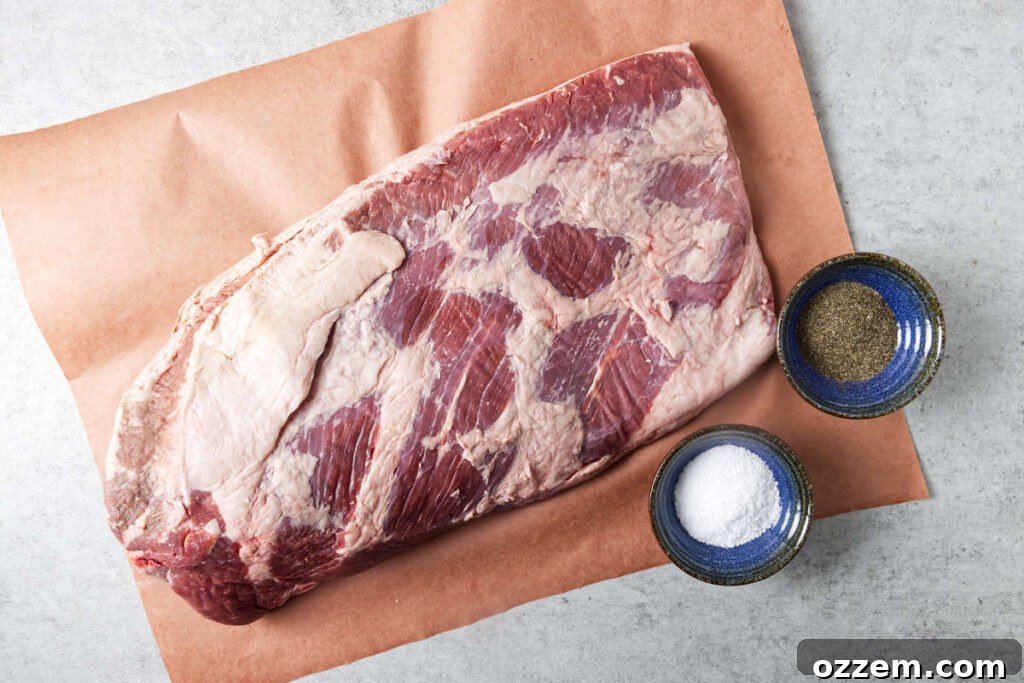
Using a whole packer brisket preserves both muscles: the leaner flat and the fattier point. Leaving them attached during the cook helps the brisket act like a single roast, with the point protecting and enriching the flat as it slowly tenderizes. A minimal salt-and-pepper rub highlights the beef and allows smoke to shine through, producing a clear, classic flavor on a pellet grill.
Pro Tips for the Best Pellet Grill Brisket
- Trim the brisket when it is cold and leave about 1/4 inch of fat on the cap. Remove large, hard fat and any loose pieces that won’t render.
- Cook with the fat cap facing the heat source—on most pellet grills the heat rises from below, so fat side down is usually best. Position the point toward any hotter zone on your grill.
- Begin checking for tenderness once the internal temperature approaches 195°F, but use probe feel rather than temperature alone. The thickest part of the flat should accept a probe with very little resistance, often around 200°F–203°F.
Should You Separate the Point from the Flat?
Keep the point and flat attached for the cook. The point has more fat and connective tissue, which helps protect the flat during the long, low-temperature smoke. If you prefer separate handling, remove the point after the brisket has rested—this makes slicing and creating burnt ends easier.
Brisket Burnt Ends
To make burnt ends, let the brisket rest for 20–30 minutes, remove the point, cube it into bite-size pieces, and return those cubes to the smoker in a pan with sauce, butter, and a touch of sugar until glazed and tender. Keep the flat wrapped and resting while you finish the point.
When to Wrap Brisket
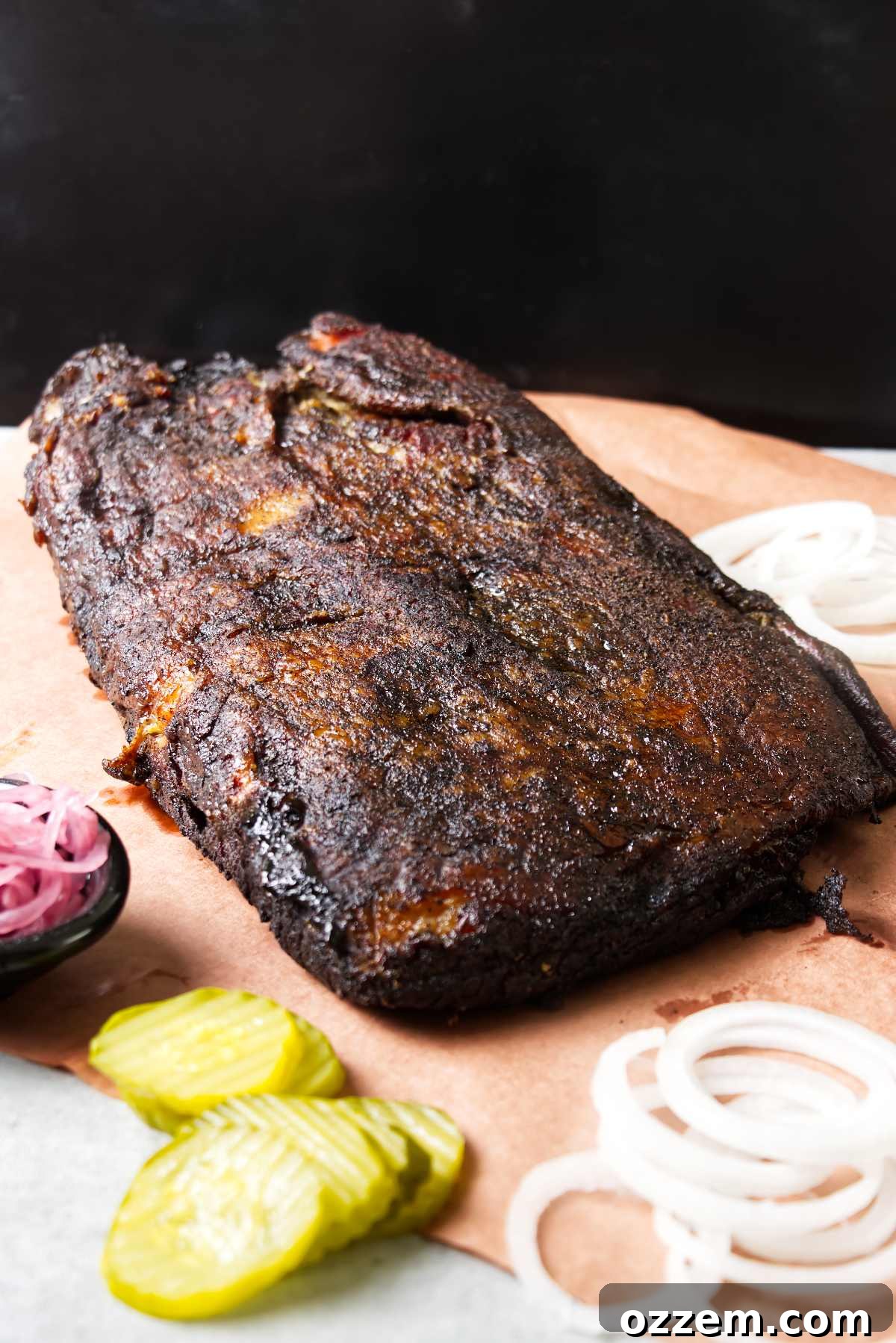
Wrap when the bark is set and feels firm, not solely when the thermometer reaches a specific number. For many briskets this occurs around 165°F–170°F, during the stall. Peach butcher paper (or similar uncoated butcher paper) is a preferred wrap because it allows the brisket to continue cooking while preserving bark texture. Foil speeds the cook but traps steam and softens the bark more.
Timing and the Meat Smoking Calculator
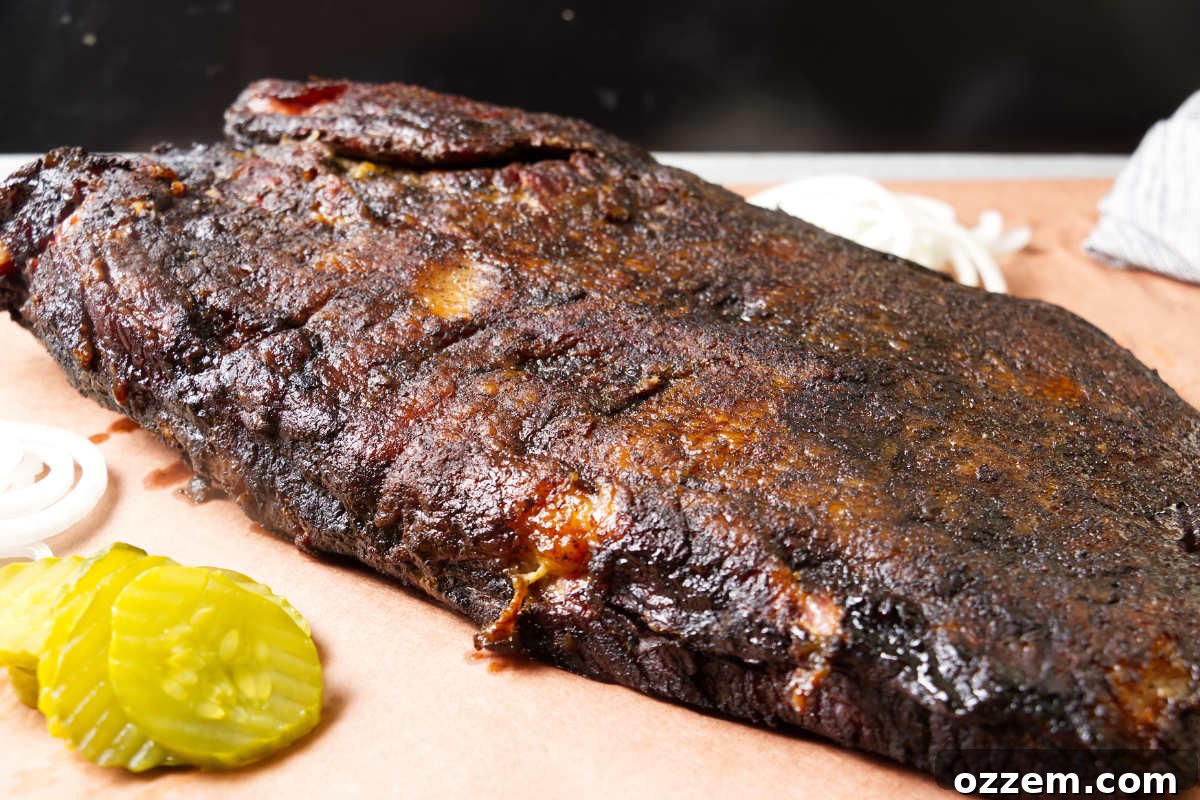
At 225°F–250°F, brisket often cooks at roughly 1 to 1.5 hours per pound, with final tenderness typically reached between 195°F and 203°F and judged by probe feel. A 12–14 pound whole packer brisket commonly requires about 16–20 hours of active cook time, depending on trim, grade, pellet type, grill behavior, weather, and stall duration. Plan for an overnight cook and a 2-hour rest if possible, but always rely on probe tenderness before removing the brisket.
Slicing and Serving
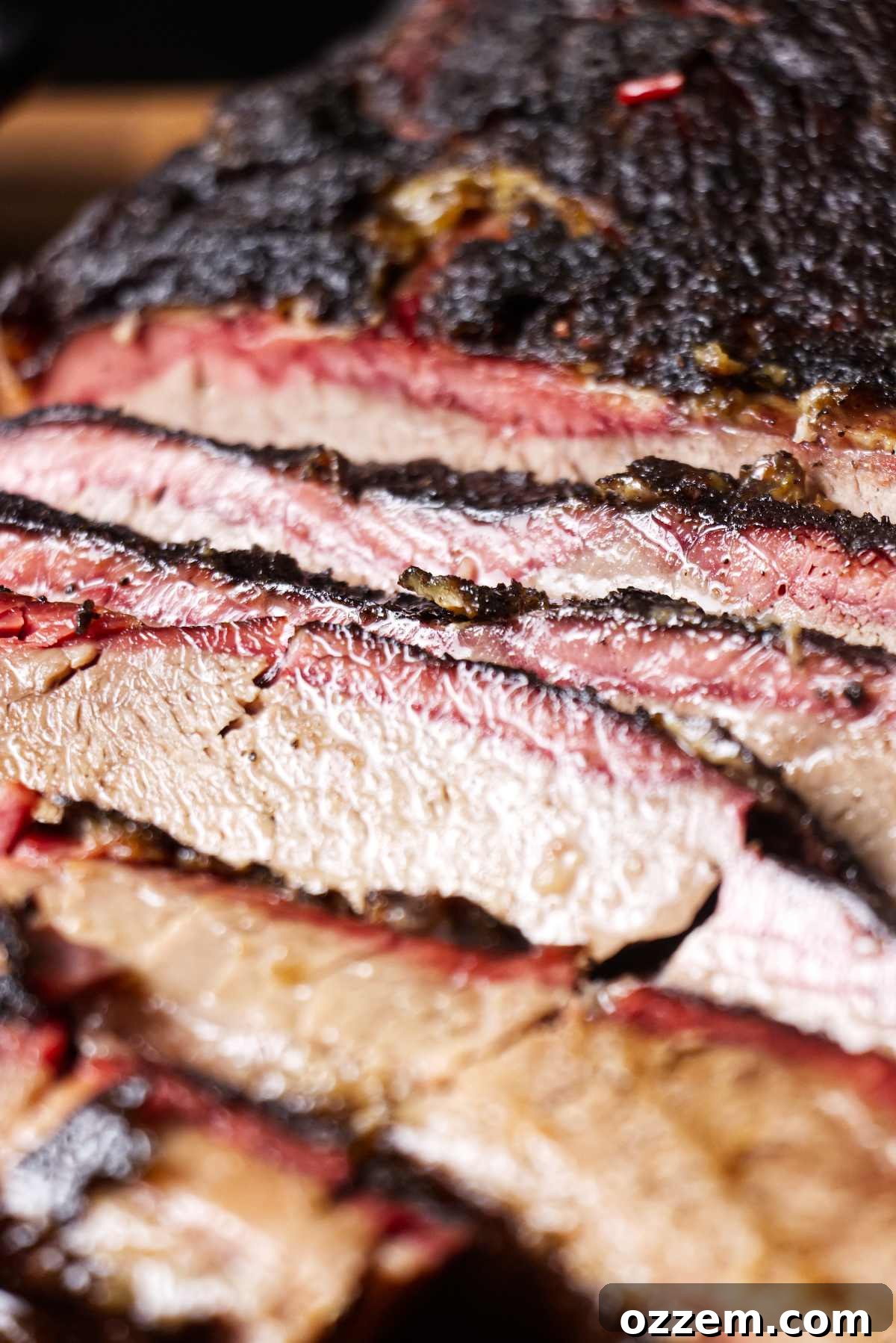
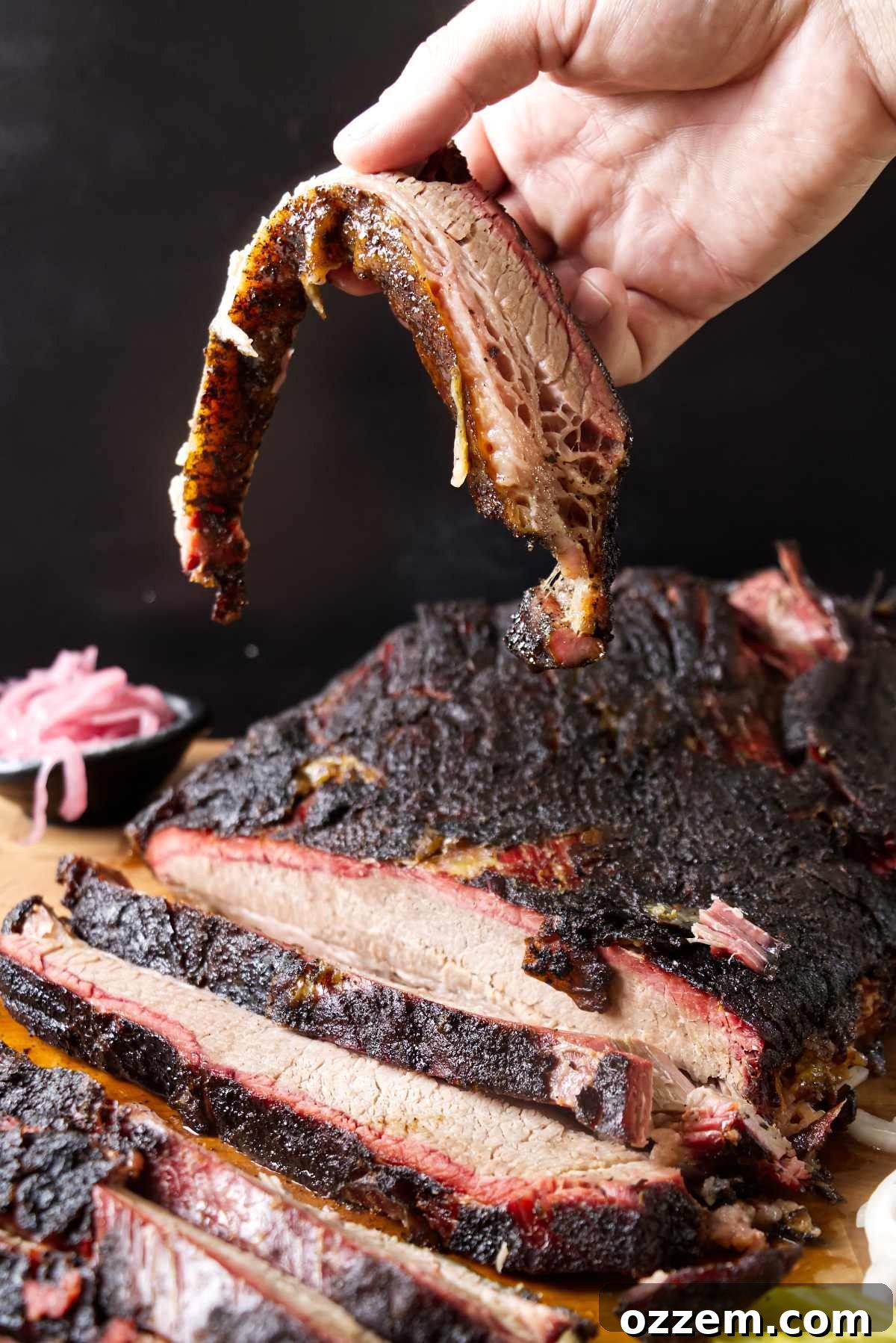
Resting is essential. Wrap the brisket and let it rest for at least 2 hours so the juices redistribute. If it finishes early, keep it wrapped in a dry cooler or in a warm oven above 140°F until serving. Slice the flat across the grain in pencil-thick slices. When you reach the point, rotate the brisket or separate the point and continue slicing against the grain. Serve with pickles, raw onions, white bread, and sauce on the side, along with your favorite smoked sides.
Storage and Reheating
Cool leftovers and refrigerate within two hours of serving. Store sliced brisket with a little reserved juice or rendered fat to help retain moisture. Refrigerate in an airtight container and eat within 3–4 days. For longer storage, vacuum-seal or wrap tightly and freeze.
To reheat, do so gently. Microwave in short bursts with a splash of broth or reserved juices, or reheat in a low oven with a covered pan or wrapped in foil to keep slices moist.
Other Smoked Brisket Related Recipes
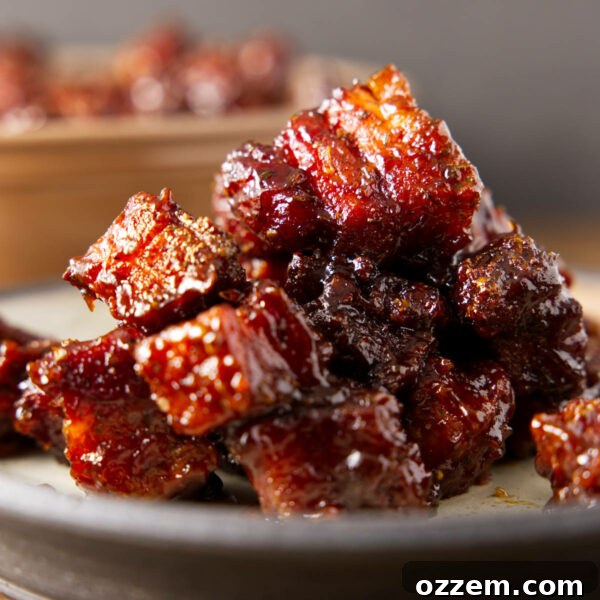
Traeger
Pork Belly Burnt Ends
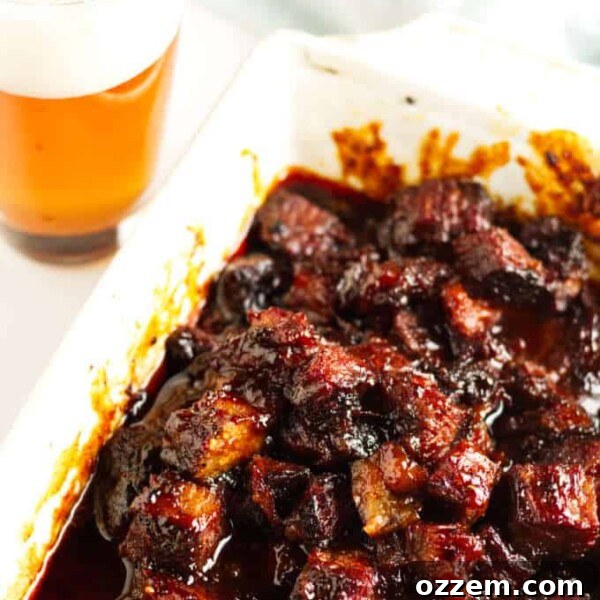
Main Dish
Smoked Brisket Burnt Ends
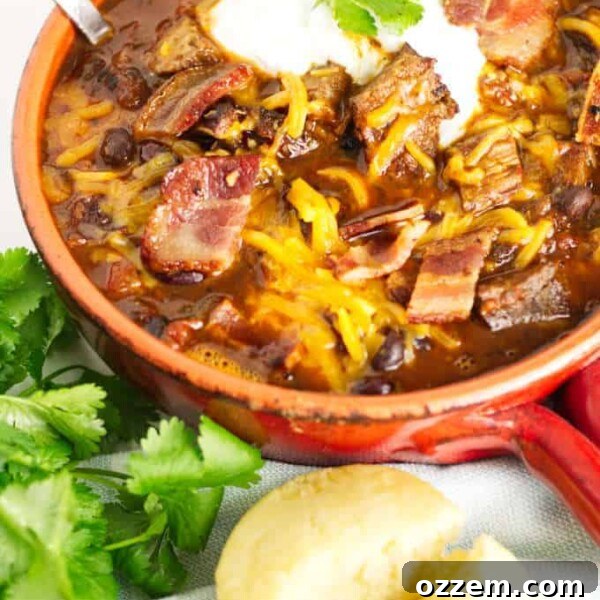
Main Dish
Smoked Brisket Chili
Frequently Asked Questions
Salt and pepper is the classic Texas approach and works well when you want the beef, bark, and smoke to be the stars. You can add garlic powder for an SPG-style rub, but this recipe is intentionally simple.
Wrap when the bark is set, typically around 165°F–170°F in the thickest part of the flat. If the bark still rubs off easily, keep smoking unwrapped until it firms up.
On most pellet grills, cook fat side down because the main heat comes from below. The fat cap shields the flat during the long cook.
For a traditional whole packer brisket, keep them attached during cooking. Separate after resting if you prefer to slice each muscle against its grain direction.
Separate the point after a short rest (20–30 minutes), cube it, and finish the cubes in the smoker with sauce, butter, and sugar until caramelized and tender.
Brisket is usually tender around 200°F–203°F, but the true test is probe tenderness: the probe should slide into the thickest part with minimal resistance.
Rest brisket for at least 2 hours wrapped. It will hold longer if kept warm and wrapped, as long as it stays above 140°F for food safety.
CONNECT WITH A LICENSE TO GRILL!
Follow our social channels to share your results and tag us when you try this recipe.
Did you make this recipe? Tell us about it in the comments below!
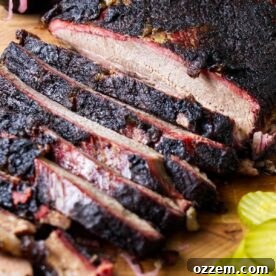
Pellet Grill Brisket
Equipment
- Pellet grill
- Butcher paper or foil
- Probe thermometer and instant-read thermometer
- Sharp slicing knife and cutting board
Ingredients
- 1 whole packer brisket, 12–14 lb
- 1/4 cup kosher salt
- 1/4 cup coarse black pepper, freshly ground
Instructions
- Preheat the pellet grill to 225°F using your preferred pellets.
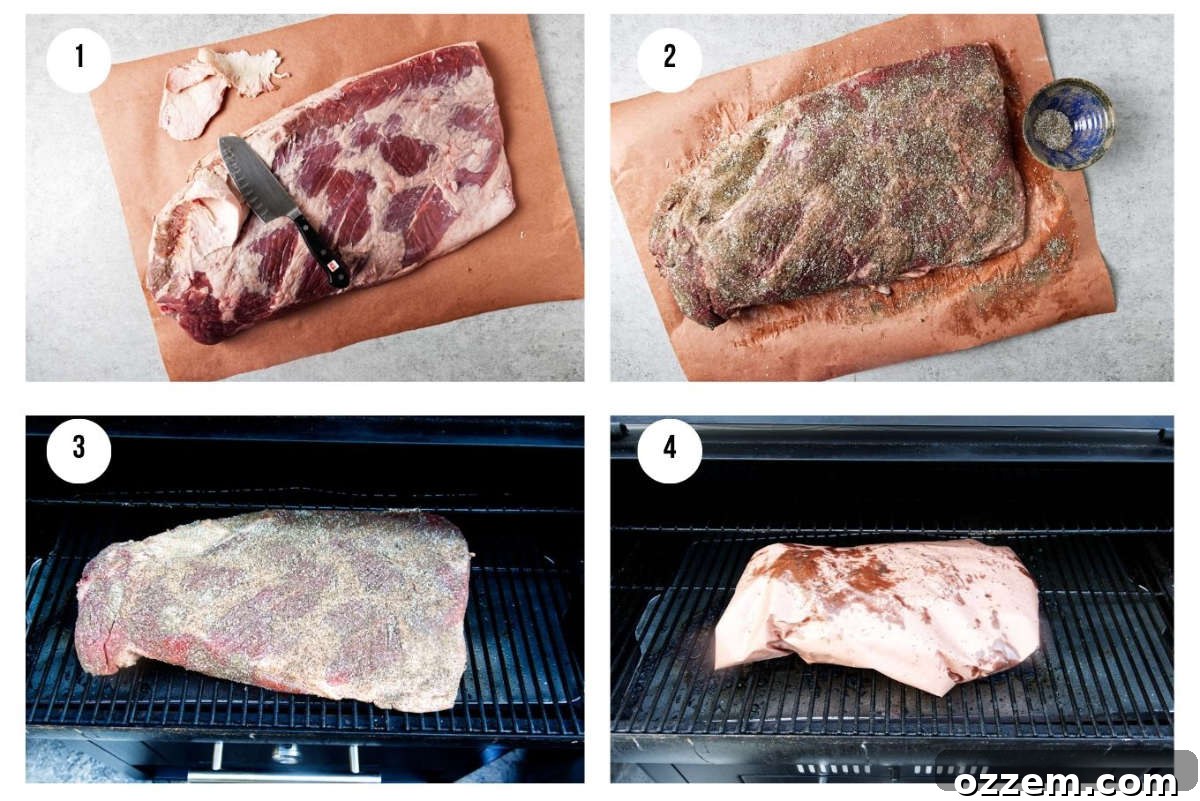
- Trim the brisket cold: remove loose edges and hard pockets of fat, square the sides, and leave roughly 1/4 inch of fat on the cap.
- Mix the salt and pepper and season the brisket evenly on all sides, including edges. Let it sit while the grill comes to temperature or refrigerate uncovered if seasoning ahead.
- Place the brisket on the grill, fat side down, with the point toward the hotter side if your grill has a hot zone.
- Smoke unwrapped until the bark is dark and sets (usually 165°F–170°F in the thickest part of the flat), about 8–12 hours depending on conditions.
- Wrap tightly in peach butcher paper (or foil if you need to speed the cook) and return to the smoker seam side down.
- Continue cooking until the thickest part of the flat is probe-tender—often around 200°F–203°F.
- Wrap the brisket in a towel and place it in a cooler to rest for at least 2 hours. Keep the internal temperature above 140°F while holding.
- Slice the flat across the grain in pencil-thick slices. Rotate or separate the point and slice against the grain for each piece.
Notes
Timing varies. A 12–14 lb brisket usually takes 16–20 hours at 225°F. Rely on bark, texture, and probe tenderness rather than the clock. Butcher paper preserves bark better; foil cooks faster but softens the bark.
Nutrition
Serving: 1 | Calories: 520 kcal | Protein: 44 g | Fat: 38 g | Sodium: 650 mg (approximate)
Nutrition information is an estimate and should be used as a guide only.