
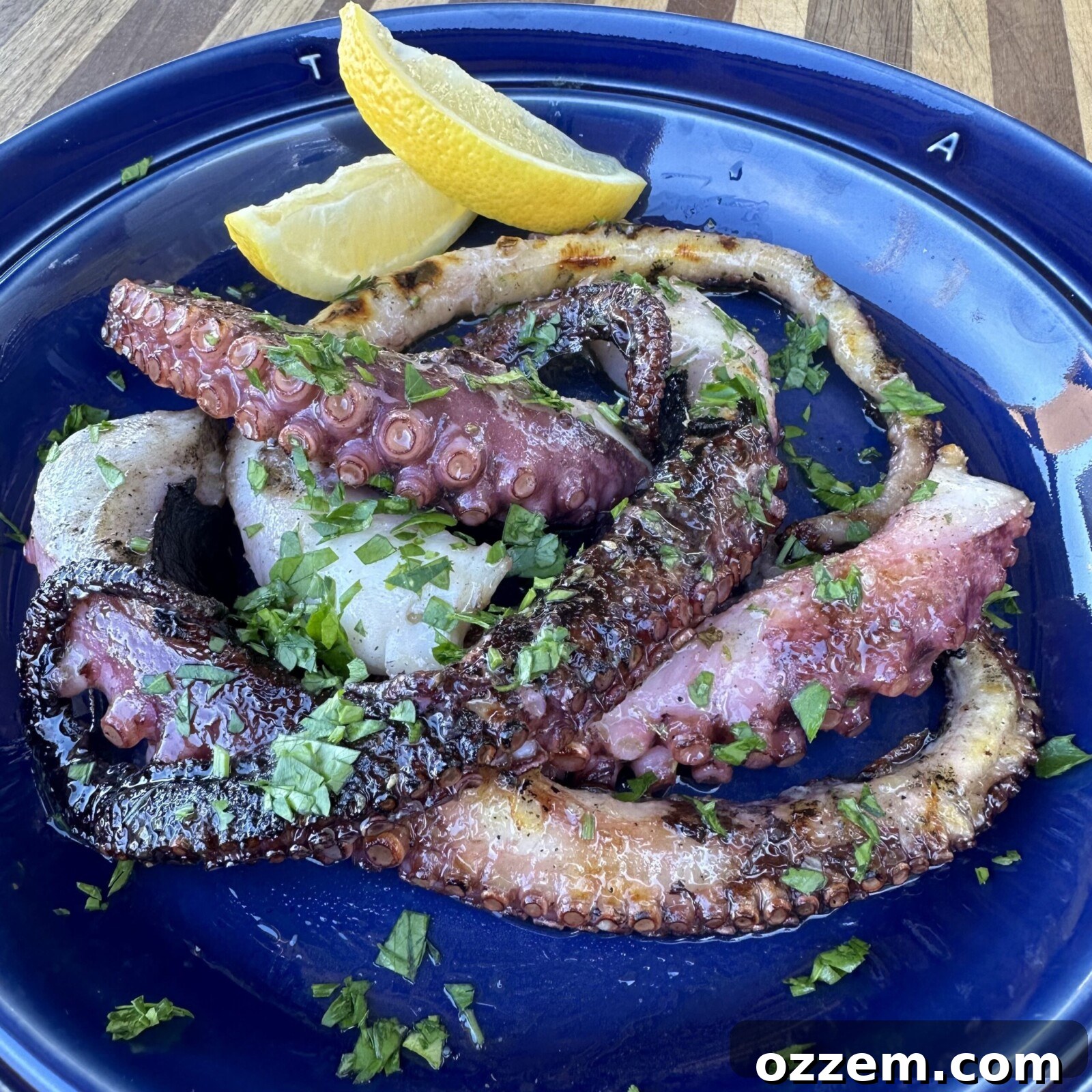
There’s something uniquely captivating about grilled octopus. It evokes images of sun-drenched Mediterranean coasts, bustling seaside tavernas, and flavors that dance between smoky char and bright, acidic notes. For many, it’s a dish reserved for restaurant menus, an exotic indulgence. But what if you could recreate that magic in your own backyard, even in the middle of a frosty winter? This guide will show you how to master the art of grilling octopus, transforming humble tentacles into a tender, flavorful masterpiece that will transport your taste buds to a tropical paradise, no matter the weather outside. Forget the intimidation; with a few simple steps and the right technique, you’ll be serving up restaurant-quality grilled octopus that’s both impressive and incredibly satisfying.
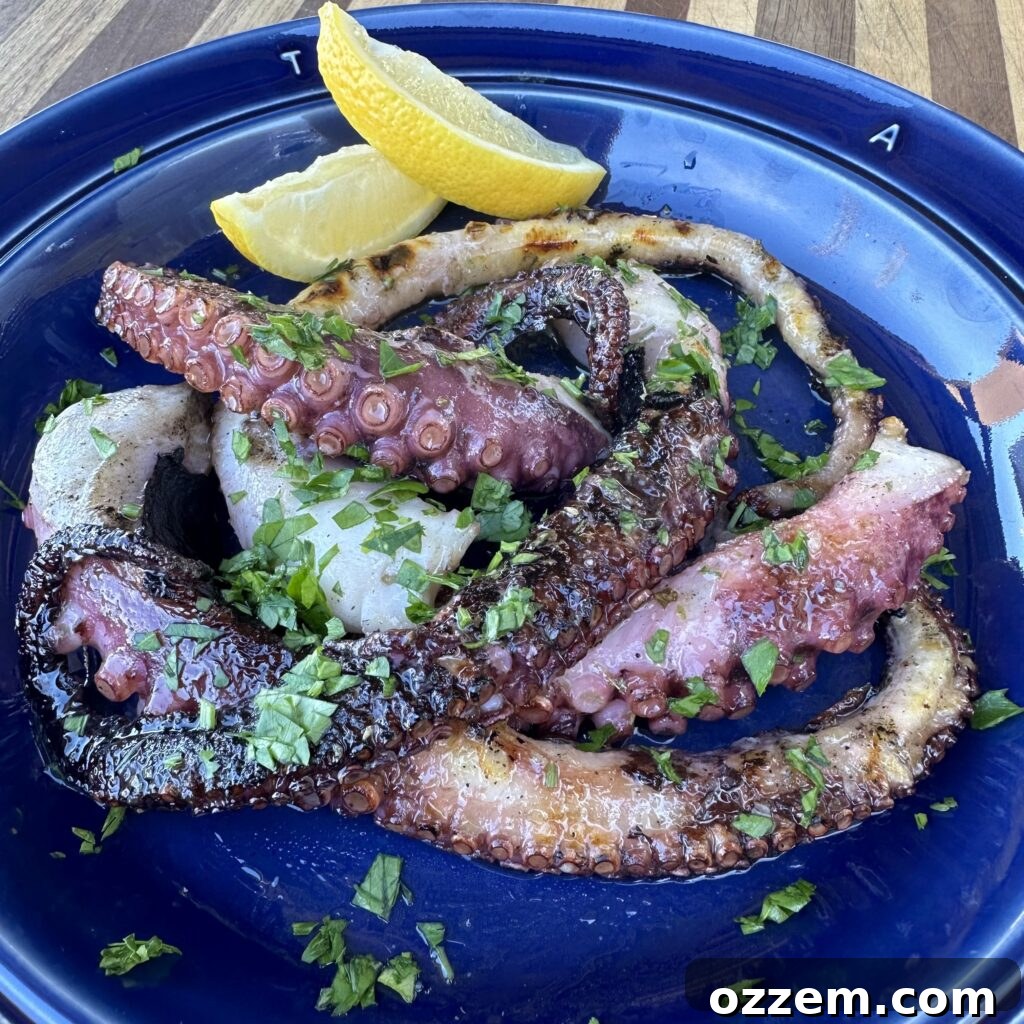
Table of Contents
- The Allure of Grilled Octopus: A Mediterranean Delicacy
- Understanding Octopus: Fresh vs. Pre-Cooked
- Crafting the Zesty Lemon Herb Dressing
- Mastering the Grill: Achieving Perfect Char and Tenderness
- Serving Your Grilled Octopus: Perfect Pairings
- Frequently Asked Questions
- Similar Recipe Ideas
- Grilled Octopus Recipe
The Allure of Grilled Octopus: A Mediterranean Delicacy
The thought of grilling octopus might seem daunting at first, but this exquisite seafood dish is surprisingly accessible and profoundly rewarding. Imagine the rich, savory taste of tender octopus, kissed by the flames of your grill, then brightened with a vibrant lemon and herb dressing. It’s a sensory experience that transports you straight to the shores of the Mediterranean, even if you’re cooking it during a chilly evening. This recipe celebrates the simplicity and bold flavors inherent in traditional coastal cuisine, proving that you don’t need a passport to embark on a delicious culinary adventure.
The unique charm of grilled octopus lies in the delightful contrast it offers: the inherent sweetness and unique texture of the octopus against the smoky char from the grill, all balanced by the sharp, refreshing notes of lemon and red wine vinegar. Beyond its incredible taste, octopus is also a lean protein source, rich in essential minerals like iron, potassium, and vitamin B12, making it a healthy and delectable choice for your next meal. We’ll guide you through every step, from selecting your octopus to achieving that perfect char and tenderness that makes this dish a true showstopper.
Understanding Octopus: Fresh vs. Pre-Cooked
The foundation of a great grilled octopus dish begins with choosing the right octopus. You essentially have two main options: fresh octopus or blanched (pre-cooked) octopus. Each choice comes with its own set of preparation steps, and understanding them is crucial for achieving that desired tender texture.
Fresh Octopus: Embracing the Traditional Prep
If you’re an ambitious home chef who enjoys the full culinary journey, fresh octopus offers a truly authentic experience. When purchasing fresh octopus, look for vibrant color, firm flesh, and a mild, oceanic scent. Avoid any octopus that smells overly fishy or appears slimy. Preparing fresh octopus involves a few critical steps to ensure tenderness. First, it needs to be thoroughly cleaned. This typically means removing the beak (located at the center of the tentacles where they meet the body), the eyes, and any internal organs or ink sac from the head. Most reputable fishmongers can do this for you, which is highly recommended for convenience.
Once cleaned, the most vital step for fresh octopus is tenderization. Raw octopus is naturally quite tough. The classic method involves boiling: Submerge the octopus in a large pot of lightly salted water. Many chefs add a bay leaf, a few peppercorns, or even a wine cork to the water, believing these additions contribute to tenderness or flavor. Bring the water to a boil, then reduce the heat to a gentle simmer. Cook the octopus for approximately 45 to 60 minutes, or longer for very large specimens, until a fork or knife can easily pierce the thickest part of a tentacle without resistance. The cooking time is paramount; undercooked octopus will be rubbery, while overcooked will be mushy. After boiling, allow the octopus to cool completely in its cooking liquid. This slow cooling process further tenderizes the meat and helps it retain moisture, resulting in a more succulent final product on the grill. Alternatively, some chefs recommend freezing fresh octopus overnight and then thawing it. The formation of ice crystals helps break down the muscle fibers, aiding in tenderization.
Blanched Octopus: The Shortcut to Deliciousness
For those who prefer a quicker path to the grill without sacrificing quality, blanched octopus is an absolute game-changer. Blanched octopus has already undergone the cleaning and tenderizing process, meaning it arrives at your kitchen ready for its final char. This convenience significantly reduces prep time, making it an ideal option for weeknight meals or when you want to impress without extensive effort. I frequently use blanched octopus, readily available at many specialty seafood counters or well-stocked grocery stores like Mariano’s, to simplify the process. With blanched octopus, you can skip directly to the grilling stage, focusing purely on developing that irresistible smoky char and crisp exterior.
Elevate Your Grill Game with Premium Seasonings
Unlock deeper flavors and impress your guests with a sprinkle of magic. Quality seasonings are a must for any grilling enthusiast, transforming good food into extraordinary culinary experiences!
Crafting the Zesty Lemon Herb Dressing
The dressing is more than just a topping for this grilled octopus; it’s a vital component that injects a burst of Mediterranean freshness and cuts through the smoky richness of the seafood. The beauty of this sauce lies in its simplicity, relying on a few high-quality ingredients to deliver maximum flavor.
Start with the vibrant essence of fresh lemons. You’ll need the juice from two medium-sized lemons. This provides the primary zesty, acidic kick that is so characteristic of Mediterranean cuisine. Next, introduce four tablespoons of red wine vinegar. While similar to lemon in its acidity, red wine vinegar adds a deeper, more complex tang and a subtle vinous note that complements the seafood beautifully. To emulsify and enrich the dressing, a generous quarter cup of good quality extra virgin olive oil is essential. This not only carries the flavors but also adds a luxurious mouthfeel. For aromatic depth, one tablespoon of finely minced garlic is a must; fresh garlic provides an undeniable pungency and warmth. Finally, a teaspoon of your preferred garlic and herb seasoning blend will harmoniously tie all these elements together, contributing savory undertones and a delicate herbal aroma. Whisk all these ingredients together vigorously until they are well combined and slightly emulsified. Set this bright, fragrant dressing aside, allowing the flavors to meld and develop while you prepare your octopus for the grill. This simple concoction promises to elevate every succulent bite of grilled octopus.
Mastering the Grill: Achieving Perfect Char and Tenderness
Once your octopus is tender (either through pre-cooking fresh octopus or by starting with blanched), the grilling process is quick, impactful, and truly defines the dish. The goal is to achieve a beautiful, smoky char on the exterior without making the already tender meat rubbery. This step is about imparting flavor and texture, not further cooking the octopus through.
Setting Up Your Grill for Success
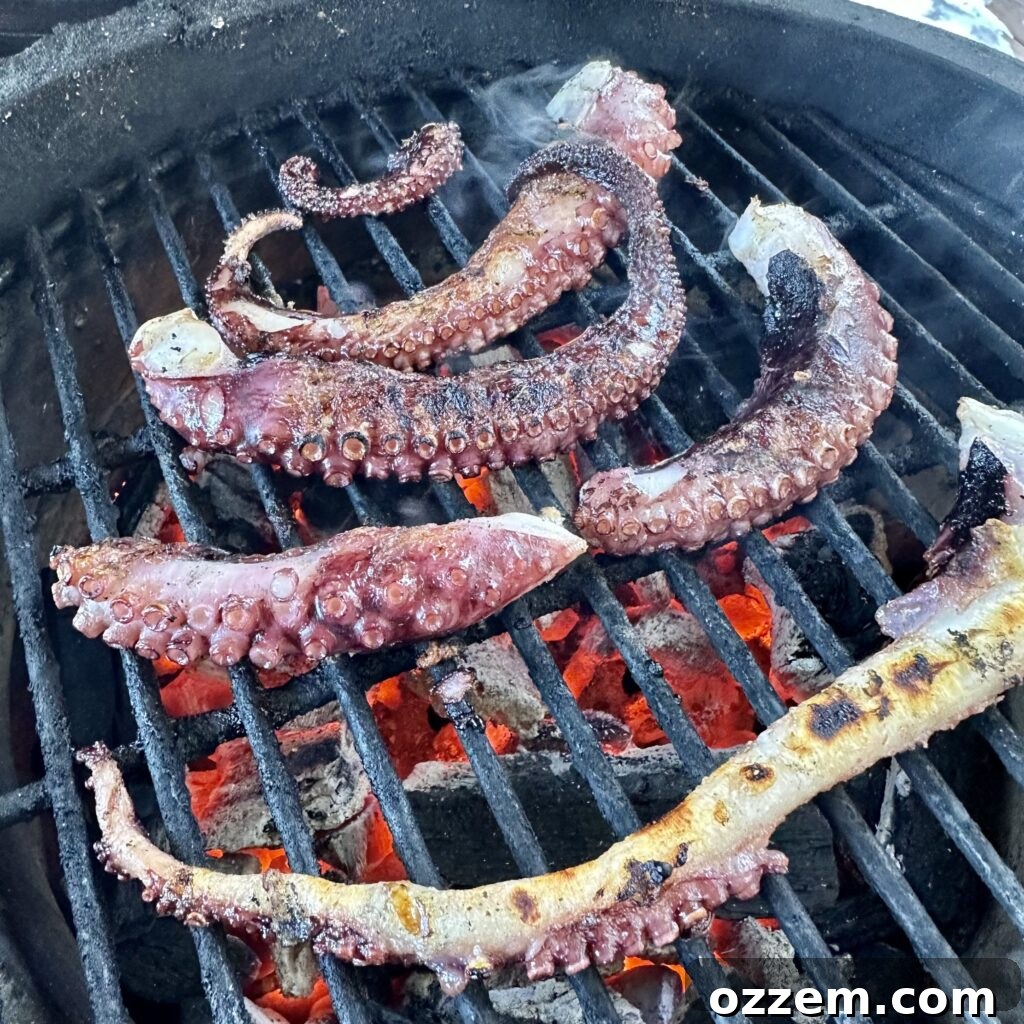
Begin by preheating your grill to a high temperature, ideally around 500 degrees Fahrenheit (260 degrees Celsius). High heat is paramount here, as it allows for rapid searing and charring, which are essential for that characteristic grilled flavor. Make sure your grill is set for direct heat, meaning the flame or coals are directly beneath the cooking surface. For gas grills, turn all burners to high and let it heat for at least 10-15 minutes. If you’re using a charcoal grill, arrange your coals to create a very hot, direct cooking zone. Clean your grill grates thoroughly to prevent sticking, and for extra measure, you can lightly oil them before placing the octopus.
The Grilling Process
Before placing them on the grill, lightly brush the pre-tenderized octopus tentacles with a little extra virgin olive oil. This helps prevent sticking and promotes an even char. Carefully place the tentacles directly onto the hot grates. Grill each side for approximately 2 to 3 minutes. What you’re looking for is distinct grill marks and a slight crispness on the exterior. The octopus should not spend too much time on the grill; prolonged cooking at this stage is the primary cause of rubbery octopus. The high heat creates a fantastic texture and smoky flavor profile quickly, while the interior remains wonderfully tender from the pre-cooking.
As soon as the octopus is beautifully charred and heated through, remove it from the grill and immediately transfer it to a large bowl. Pour the bright, zesty lemon herb dressing over the warm octopus tentacles. Toss gently to ensure every piece is thoroughly coated in the fragrant sauce; the warmth of the octopus will help it absorb these flavors optimally. For a final flourish, sprinkle a generous amount of freshly chopped parsley over the dish. The fresh green herbs not only add a burst of color but also a vibrant, clean aroma that perfectly complements the rich seafood. Serve your grilled octopus promptly to enjoy it at its peak tenderness and flavor.
Serving Your Grilled Octopus: Perfect Pairings
Grilled octopus is a versatile dish that can shine as a sophisticated appetizer or a delightful main course. Its robust flavor and unique texture make it an excellent centerpiece for a Mediterranean-inspired meal.
For a truly authentic experience, consider serving your grilled octopus alongside classic Greek accompaniments. A fresh, vibrant Greek salad, with its crisp lettuce, juicy tomatoes, cool cucumbers, sharp red onion, Kalamata olives, and crumbled feta cheese, provides a fantastic textual and flavor contrast. Don’t forget a basket of warm, crusty bread to sop up any leftover lemon herb dressing—it’s too good to waste! Other excellent pairings include fluffy rice pilaf, roasted new potatoes, or a medley of grilled vegetables such such as zucchini, bell peppers, and asparagus, which echo the smoky notes of the octopus. To complete your culinary journey, pair this dish with a crisp, dry white wine like a Sauvignon Blanc or an Assyrtiko from Greece, or even a refreshing chilled rosé. These wines enhance the delicate flavors of the seafood without overpowering them, making for a truly memorable dining experience.
Frequently Asked Questions
Yes, absolutely! While grilling offers a distinct smoky char that is hard to beat, you can certainly achieve a delicious result using indoor cooking methods. For the oven, preheat it to a high temperature, around 450°F (230°C). Place the tenderized octopus tentacles on a baking sheet, lightly brushed with olive oil, and roast for about 10-15 minutes, flipping them halfway, until they are slightly browned and caramelized. For a stovetop, use a heavy-bottomed pan or a cast-iron skillet over medium-high heat with a tablespoon of olive oil. Sear the octopus tentacles for 3-4 minutes per side until they develop a beautiful golden-brown crust and are heated through. The key for all methods is high heat for a short duration to develop flavor and texture without overcooking.
The secret to tender grilled octopus lies almost entirely in the pre-grilling preparation. If you’re using fresh octopus, the initial boiling step for 45-60 minutes until it’s very tender is non-negotiable. Skipping this will result in rubbery octopus, regardless of how you grill it. If you’re using blanched (pre-cooked) octopus, it’s already tender. The grilling itself should be very quick—2-3 minutes per side over high heat—just enough to create char marks and warm the octopus through. Over-grilling a tenderized octopus will dry it out and make it tough again, so watch it carefully!
Absolutely! Preparing the lemon herb dressing in advance is a great way to save time and allow the flavors to deepen. You can whisk it together up to 2-3 days before you plan to serve the octopus. Store it in an airtight container or jar in the refrigerator. Just be sure to give it a good shake or whisk again right before tossing it with the warm grilled octopus, as the oil and vinegar may separate while sitting.
For home grilling, medium-sized octopus or baby octopus (typically weighing 1 to 2 pounds) are the most manageable and popular choices. They cook more evenly and are easier to tenderize. As highlighted in the article, blanched (pre-cooked) octopus is an excellent convenient option that bypasses much of the preparation work. If buying fresh, always opt for a reputable fishmonger and look for clear eyes, firm flesh, and a fresh, clean sea smell. Avoid any octopus that has a strong, pungent odor or feels excessively slimy.
Similar Recipe Ideas
Fish & Seafood
Butter Smoked Shrimp
Fish & Seafood
Crab Stuffed Salmon
Fish & Seafood
Chili Glazed Citrus Salmon
Fish & Seafood
Smoked Stuffed Shrimp
Find the printer-friendly recipe below for easy cooking:
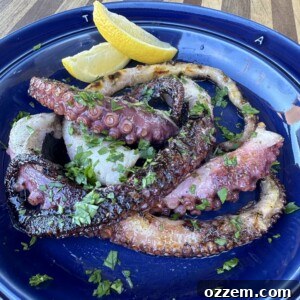
Grilled Octopus
Maciek Zurawski
5 minutes
6 minutes
2
People
Ingredients
- 10 oz Blanched octopus tentacles
- 2 Lemons, juiced
- 1 tbsp Minced garlic
- 4 tbsp Red wine vinegar
- 1/4 cup Olive oil
- 1 tsp Garlic and herb seasoning
- 2 tbsp Fresh parsley, chopped (for garnish)
Instructions
-
1. Prepare the Lemon Herb Dressing: In a medium bowl, squeeze the juice from 2 lemons. Add the red wine vinegar, olive oil, minced garlic, and garlic and herb seasoning. Whisk all ingredients together until well combined and slightly emulsified. Set aside.
-
2. Prepare the Octopus (if fresh): If using fresh octopus, ensure it is cleaned (beak, eyes, and ink sac removed). Boil the fresh octopus in lightly salted water for 45-60 minutes, or until very tender when pierced with a knife. Allow it to cool completely. If using blanched (pre-cooked) octopus, no additional boiling is needed. Lightly brush the tenderized octopus tentacles with a little olive oil before grilling.
-
3. Preheat the Grill: Preheat your grill to a high temperature, around 500°F (260°C), setting it for direct heat. Allow it to heat thoroughly for 10-15 minutes to ensure an even high temperature.
-
4. Grill the Octopus: Place the octopus tentacles directly on the hot grill grates. Grill each side for 2-3 minutes, aiming for distinct char marks and a smoky flavor without overcooking. Be careful not to grill for too long, as this will make the octopus chewy.
-
5. Dress and Serve: Immediately transfer the hot grilled octopus to a large bowl. Pour the prepared lemon herb dressing over the octopus and toss gently to coat thoroughly. Sprinkle with freshly chopped parsley. Serve hot and enjoy!
Nutrition
Enjoyed this recipe? Share your thoughts below!
We love hearing from you. Let us know how your grilled octopus turned out!
Don’t stop the grilling adventure here! Check out our Recipes Page for other tantalizing ideas and expand your culinary horizons. Happy grilling!