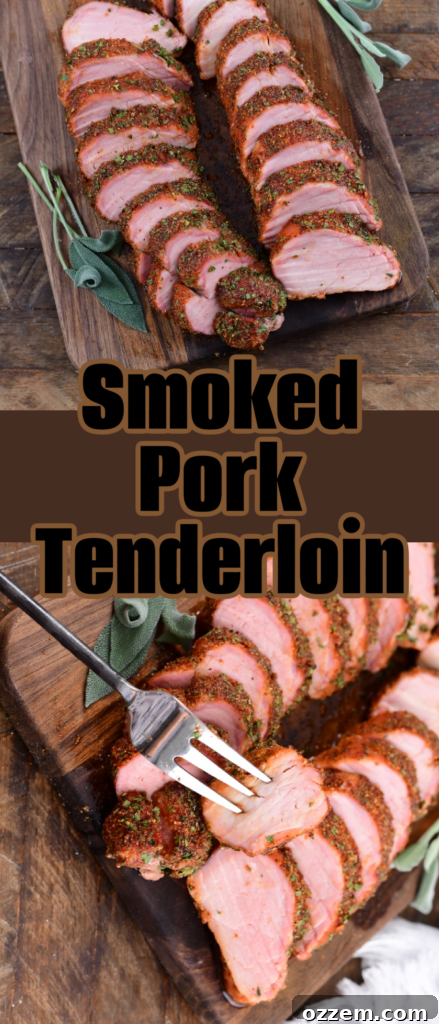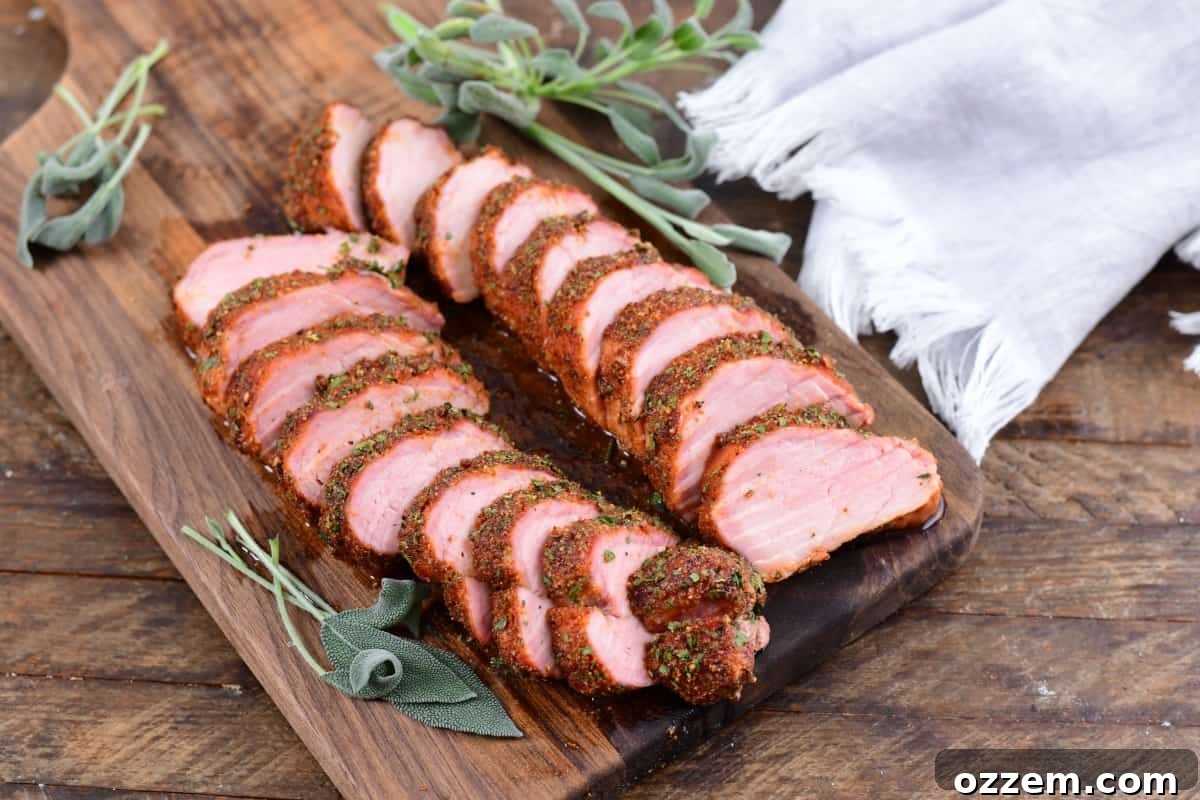
Prepare to elevate your grilling game with the ultimate guide to creating the most succulent and flavorful smoked pork tenderloin. This dish isn’t just a meal; it’s an experience, a symphony of smoky notes and tender textures that will make it the undeniable star of your next barbecue. When cooked low and slow, pork tenderloin transforms into an incredibly juicy cut, imbued with a rich, smoky flavor and enveloped in a perfectly seasoned crust. It’s a culinary masterpiece that promises melt-in-your-mouth goodness with every single bite.
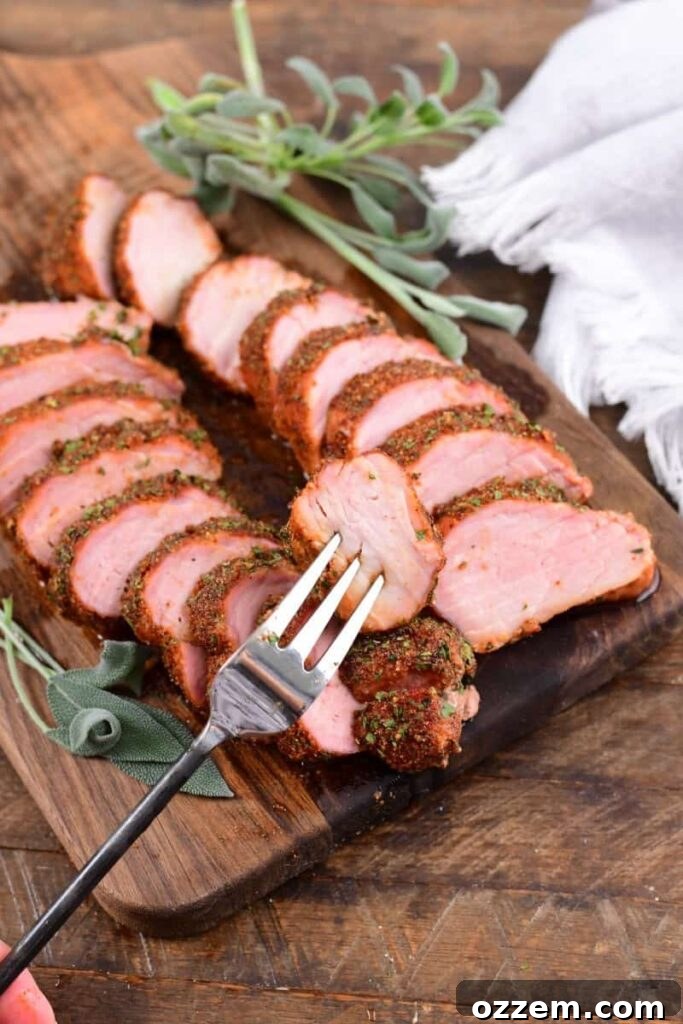
Unlocking Flavor: The Art of Smoked Pork Tenderloin
While roasted pork tenderloin is undoubtedly a classic and beloved dish, there’s a transformative magic that happens when this lean and delicate cut meets the gentle, consistent heat of a smoker. Smoked pork tenderloin takes an already amazing piece of meat and infuses it with an unparalleled depth of flavor. We’re not just talking about tenderness – which pork tenderloin inherently possesses – but an added layer of smoky goodness that elevates it to an entirely new level. This simple yet sophisticated method makes it a standout entrée for any outdoor gathering or a special weeknight meal.
Despite the “low and slow” approach often associated with smoking, this particular cut is remarkably quick to prepare and cook. From seasoning to pulling it off the smoker, you’re looking at approximately an hour and a half of active cooking time, making it an accessible option even for those new to smoking. Pork tenderloin is a long, narrow cut of meat, incredibly lean and tender, sourced from the muscle that runs along the hog’s backbone. Typically, its delicate nature means it’s best cooked quickly at high temperatures to prevent drying out. However, smoking presents a glorious exception to this rule, allowing for slow infusion of flavor without sacrificing its inherent juiciness.
Many home cooks might consider roasting their favorite way to prepare this tender cut of pork, but one taste of the smoked version, and you’ll likely never look back. The subtle char on the exterior, the aromatic wood smoke permeating the meat, and the impossibly tender interior create a culinary experience that’s truly unmatched. For a perfect pairing, consider serving your smoked pork tenderloin with light, refreshing sides like a Grilled Corn Salad or crisp Grilled Zucchini.
Should you find yourself with any delightful leftovers – a rare occurrence, we warn you – be sure to reheat them gently and quickly to maintain their tenderness and prevent overcooking, which can lead to dry meat. Leftovers shine in incredible smokey sandwiches, especially when combined with your favorite cheese and a dollop of tangy barbecue sauce or a creamy aioli. The versatility of smoked pork tenderloin ensures that every last morsel can be enjoyed to its fullest potential, offering endless creative possibilities.
Crafting Perfection: How to Make Smoked Pork Tenderloin
Creating exceptional smoked pork tenderloin begins with selecting quality ingredients and applying a robust dry rub that enhances the meat’s natural flavors. The beauty of this recipe lies in its simplicity, yielding incredibly complex flavors with minimal effort. Follow these steps to achieve tender, smoky perfection.
The Secret to Flavor: Our Signature Pork Dry Rub
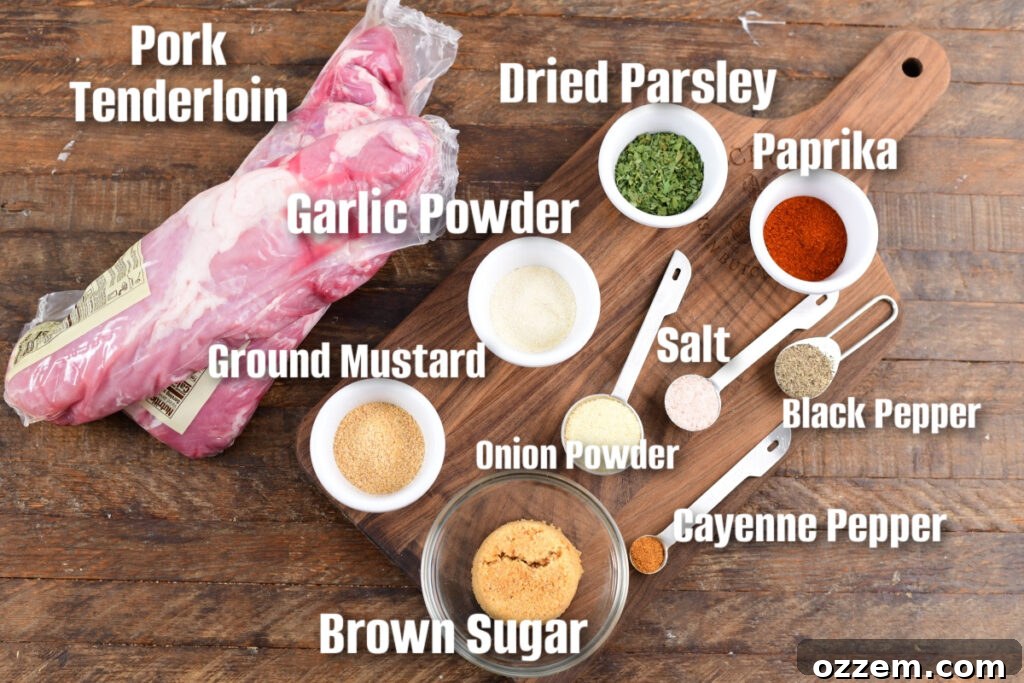
A phenomenal dry rub is the cornerstone of any great smoked meat, and our signature pork rub is meticulously crafted to complement the delicate flavor of pork tenderloin. Each ingredient plays a crucial role in building a complex flavor profile that is both sweet and savory, with a hint of spice. We always begin with the fundamental aromatics and seasonings: salt, which is essential for seasoning and tenderizing; black pepper, offering a classic mild spice; and the foundational savory notes of onion powder and garlic powder, which contribute to a deep umami base.
To balance these savory elements, we introduce a touch of sweetness with brown sugar. This is vital for dry rubs, as the sugar not only provides a delicious caramelization on the exterior of the meat, creating a beautiful bark, but also helps to tenderize and ensure a moist finish without relying on a sauce. This sweetness is particularly important for leaner cuts like pork tenderloin.
To further elevate the sweet and savory notes, we incorporate the rich, warm, and slightly earthy flavor of paprika. Smoked paprika can add an extra layer of smoky depth even before the meat hits the smoker. For a subtle, yet invigorating kick, a pinch of cayenne pepper is added, providing just enough heat to awaken the palate without overpowering the delicate pork. And, of course, no pork rub would be complete without a touch of mustard. Ground mustard powder brings a unique tang and depth, a time-honored pairing with pork that enhances its natural flavor. Finally, to finish, we add dried parsley, providing a fresh, herbaceous note that brightens the overall profile without being overwhelming. This blend ensures a perfect harmony of flavors, making every bite an unforgettable experience.
Preparing this rub is incredibly straightforward. Simply combine all the specified ingredients—salt, black pepper, brown sugar, paprika, garlic powder, onion powder, cayenne pepper, ground mustard, and dried parsley—in a mixing bowl. Stir them thoroughly until all components are evenly incorporated. Once mixed, the rub can be transferred into an airtight glass jar for future use, or, ideally, used immediately to season your pork tenderloin for optimal flavor infusion.
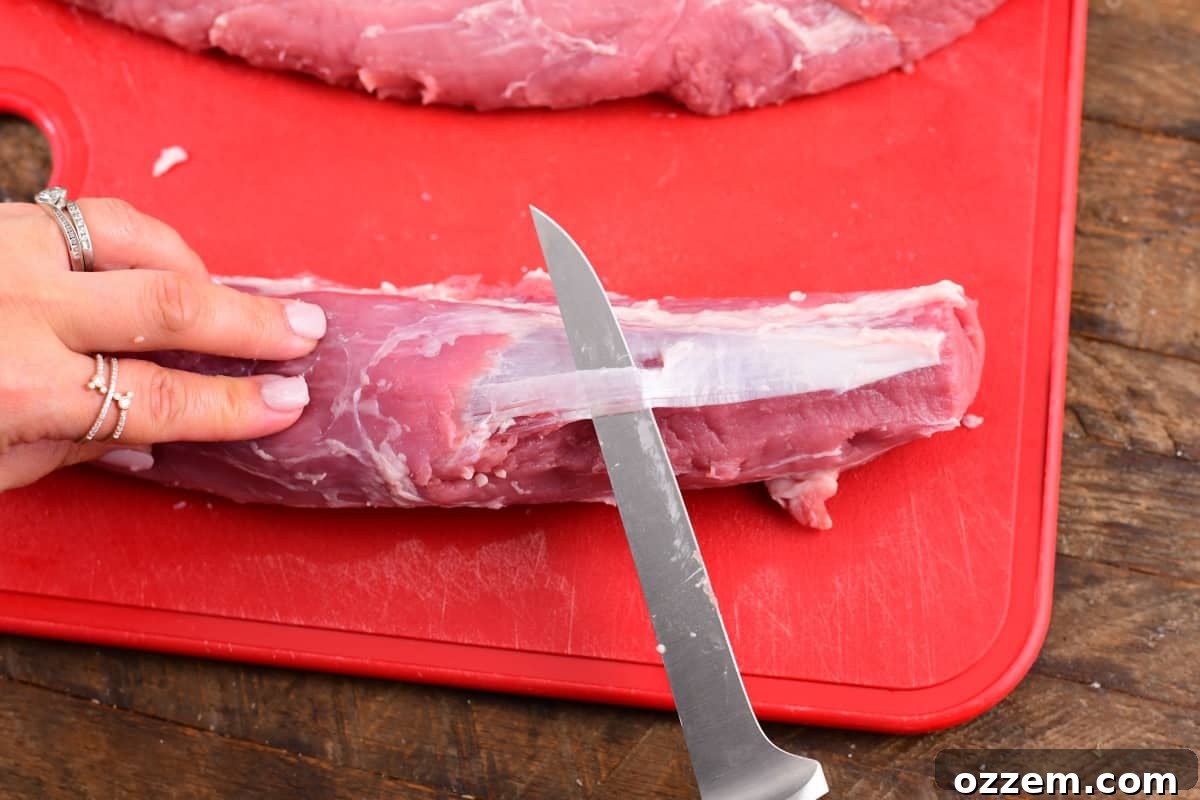
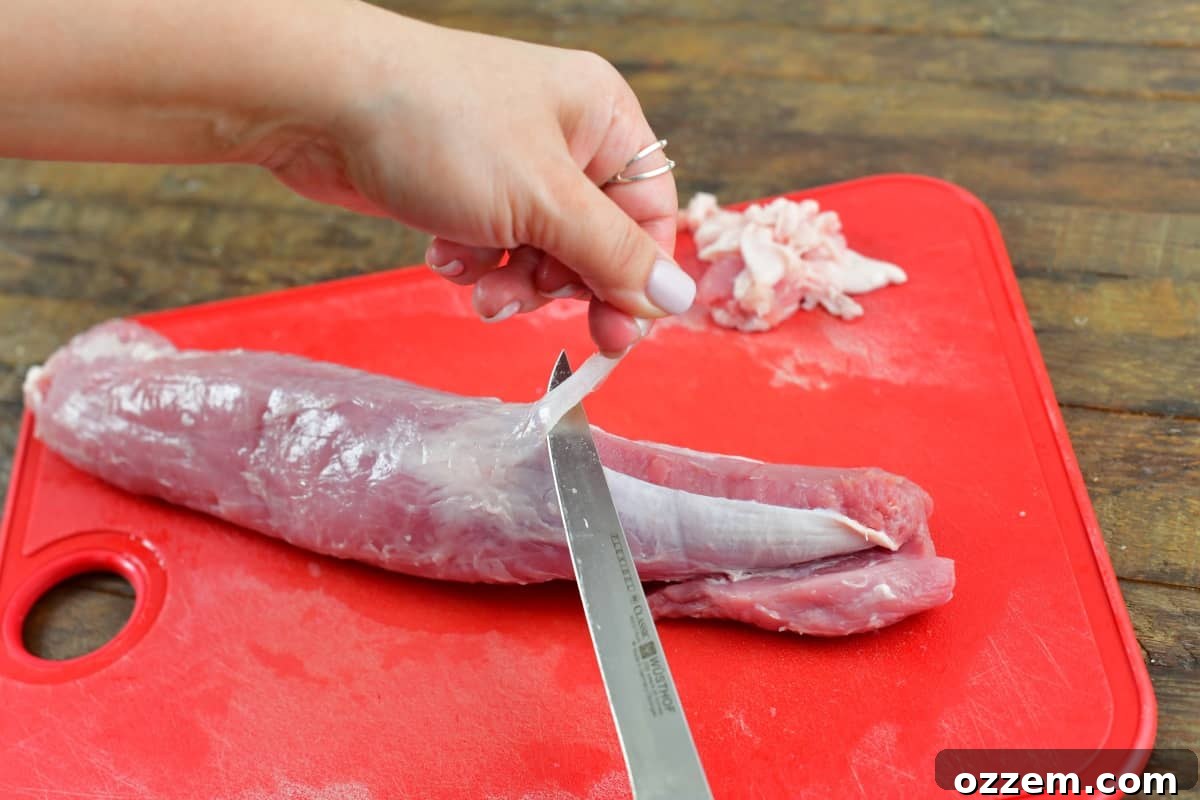
Essential Preparation: Preparing the Pork Tenderloin for Smoking
Proper preparation of the pork tenderloin is a critical step for achieving the best results. Begin by removing the pork tenderloins from their packaging. It’s imperative to pat them thoroughly dry with paper towels. This step helps the rub adhere better to the meat and promotes a more desirable crust during smoking. Next, place the tenderloins on a large cutting board. The most crucial part of preparing the tenderloin is to remove any silver skin that may still be attached. Silver skin is a thin, silvery membrane found on certain cuts of meat. Unlike fat, it does not render down or soften during cooking; instead, it becomes tough and chewy, making the meat unpleasant to eat. To remove it, slide the tip of a sharp knife under the silver skin, angling it slightly upwards. Grasp the silver skin firmly and gently pull it taut while carefully running the knife along its underside, separating it from the meat. Take your time to remove as much of it as possible without losing too much precious meat. A clean tenderloin ensures a consistently tender bite throughout.
The Smoking Process: How to Smoke Pork Tenderloin to Perfection
With your pork tenderloin prepared and your rub mixed, it’s time to fire up the smoker. Begin by preparing your smoker according to its manufacturer’s instructions and preheating it to a consistent temperature of 225°F (107°C). The type of wood you choose for smoking will significantly influence the final flavor profile of your pork. For this dish, we recommend using maple wood, which imparts a beautifully sweet and mild smoky flavor that complements pork exceptionally well. While many instinctively reach for apple wood when smoking pork, and it is an excellent choice, don’t be afraid to experiment with other sweet woods like cherry or pecan. The goal is to select a wood that harmonizes with the pork, adding a layer of sweet smoke rather than overpowering its delicate flavor.
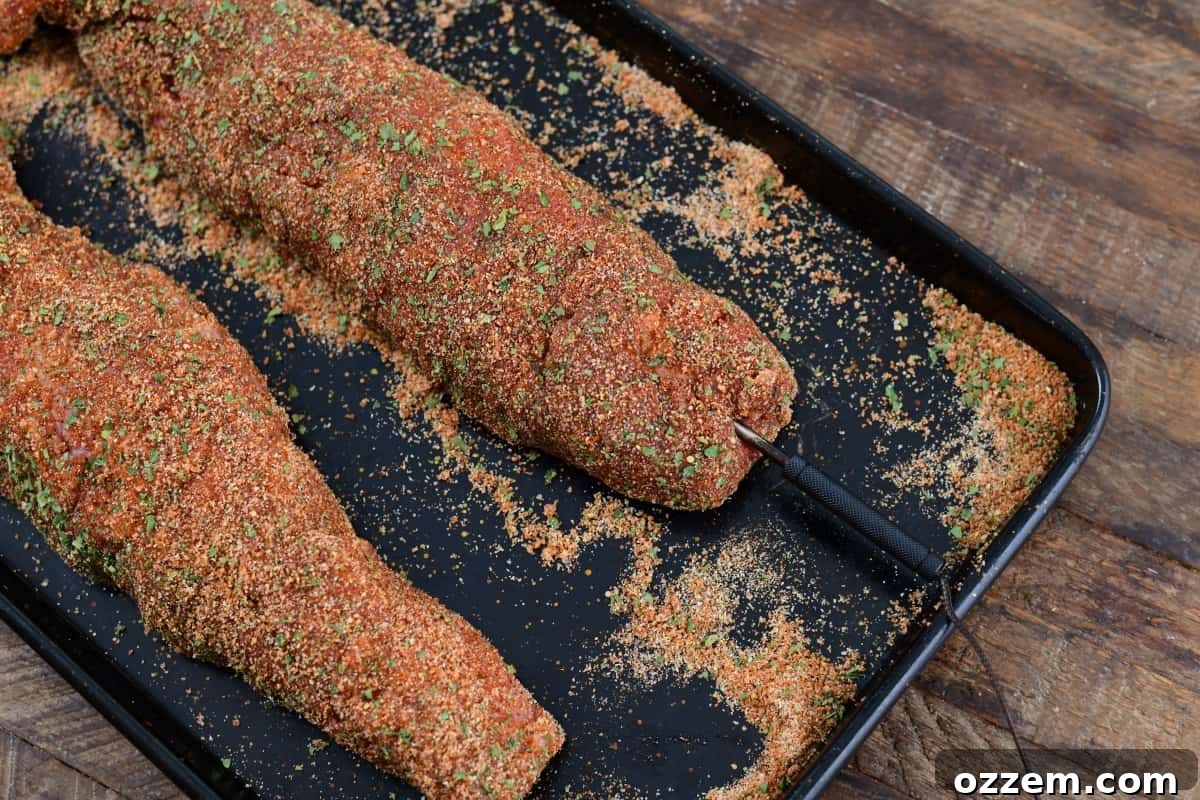
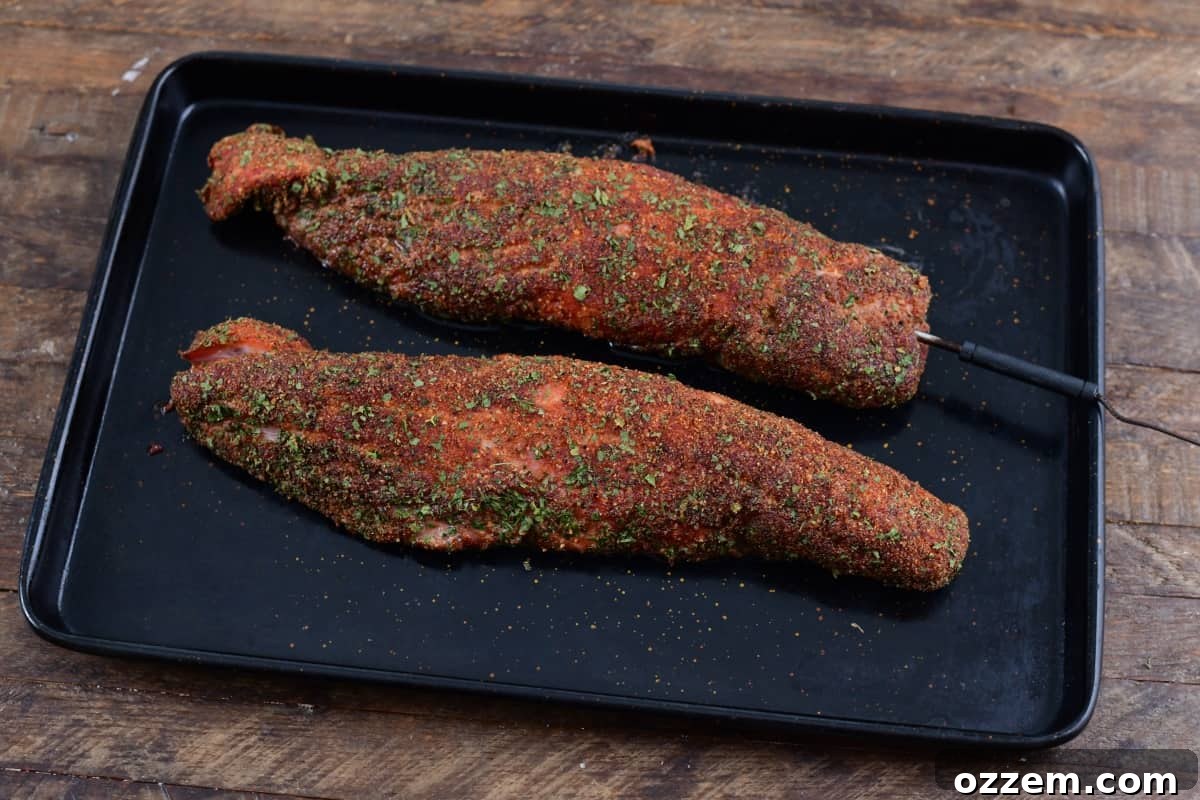
Once your smoker is at the correct temperature and your wood choice is ready, it’s time to apply the rub. Place the trimmed and dried tenderloins either into a rimmed baking dish or directly onto a large cutting board. Generously coat the entire surface of the pork with your prepared seasoning blend. Don’t just sprinkle it; really press the rub into the meat, ensuring an even and thorough coating. This creates that flavorful crust, or “bark,” during the smoking process and helps the flavors penetrate deeper into the meat.
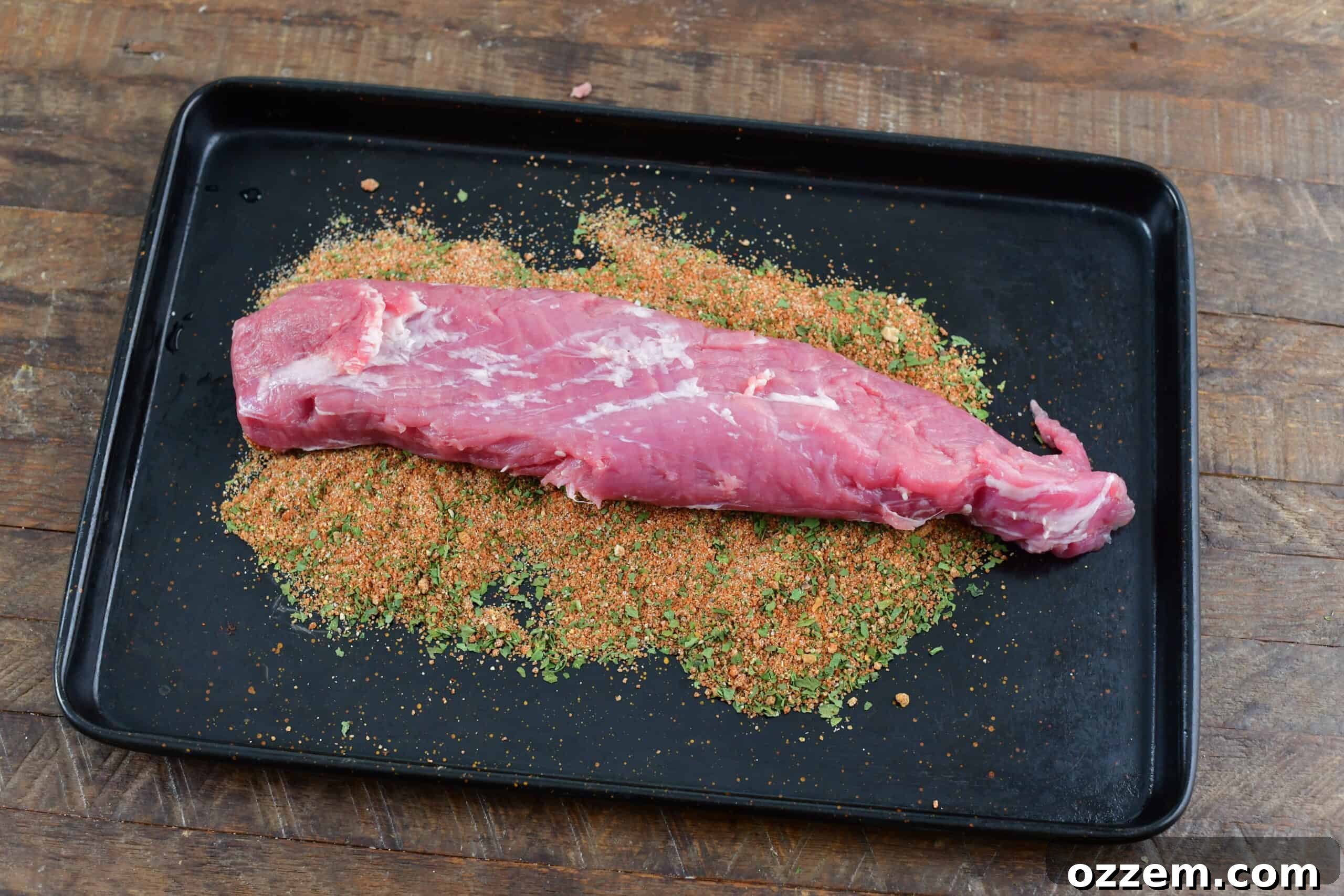
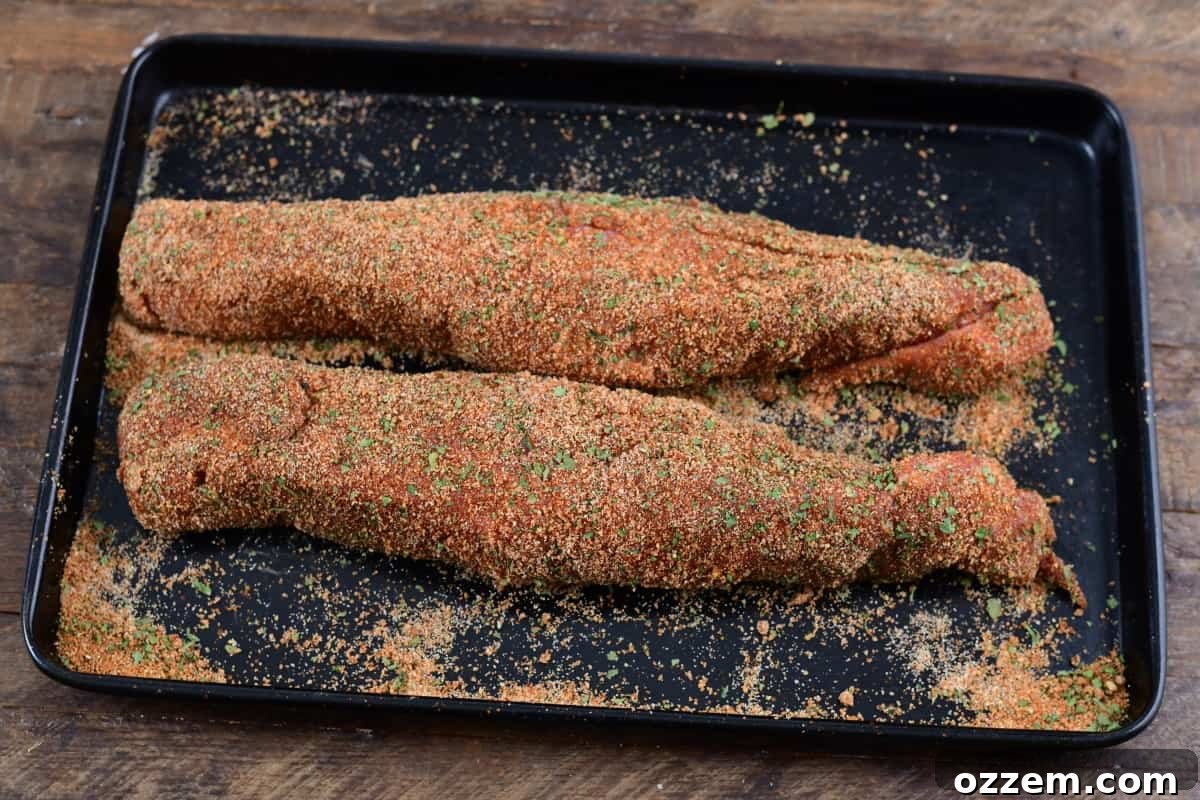
Before placing the pork into the smoker, insert a reliable meat thermometer into the thickest part of one of the tenderloins, ensuring it does not touch any bone. This is crucial for accurately monitoring the internal temperature and achieving perfect doneness. With your smoker steadily maintaining 225°F, carefully place your seasoned tenderloins into the center of the smoker grates, allowing plenty of space around them for the smoke to circulate evenly. Let the pork cook undisturbed for approximately 1.5 to 2 hours. The exact timing will depend on the thickness of your tenderloins and the consistency of your smoker’s temperature.
One of the truly magical properties of smoking meats, especially leaner cuts like tenderloin, is how incredibly tender the end product becomes. While pork tenderloin is delicate, the low and slow smoking process allows the connective tissues to break down gently, resulting in an exceptionally succulent texture. This method also allows a little more leeway with internal temperatures compared to high-heat cooking. However, as with all meats, pork does have a minimum safe cooked temperature. For pork tenderloin, the target internal temperature is 145°F (63°C). You absolutely do not want to remove the pork tenderloin before it reaches this all-important benchmark, but cooking much beyond it can lead to dryness. Once your pork tenderloin consistently registers 145°F in its thickest part, carefully remove it from the smoker. Transfer it to a clean cutting board and, crucially, allow it to rest for at least 10 minutes. This resting period allows the juices to redistribute throughout the meat, ensuring maximum flavor and moisture.
Frequently Asked Questions About Smoked Pork Tenderloin
Absolutely, and it is often desired! According to USDA guidelines, pork is safe to eat when it reaches an internal temperature of 145°F (63°C). At this temperature, the center of the pork tenderloin may still have a delicate pink hue. This slight pinkness indicates that the meat is perfectly cooked to a safe temperature, retaining its natural juices and ensuring it remains incredibly tender and moist. Overcooking pork, especially a lean cut like tenderloin, beyond 145°F will result in dry, tough, and less flavorful meat. Always use a reliable meat thermometer to ensure accuracy.
For pork tenderloin, which has a delicate flavor, it’s best to choose milder, sweeter woods that complement rather than overpower it. Excellent choices include:
- Applewood: A classic choice for pork, offering a mild, fruity, and slightly sweet smoke.
- Maple: Similar to apple, maple provides a sweet, mild, and nuanced smoky flavor.
- Cherry: Delivers a beautiful dark red color to the meat and a sweet, slightly fruity smoke.
- Pecan: Offers a nutty, rich, and slightly sweet smoke, a bit stronger than apple but still excellent for pork.
Avoid strong woods like mesquite or hickory for tenderloin, as they can easily dominate its subtle taste.
Smoking pork tenderloin at 225°F (107°C) typically takes between 1.5 to 2 hours. However, the exact cooking time can vary based on several factors, including the thickness and size of your tenderloins, the consistency of your smoker’s temperature, and external weather conditions. The most accurate way to determine doneness is by internal temperature, not by time. Always aim for an internal temperature of 145°F (63°C) in the thickest part of the meat.
Yes, you absolutely can marinate pork tenderloin before smoking! A marinade can add an extra layer of moisture and flavor, especially if you prefer a different flavor profile than a dry rub. Choose a marinade that complements the smoky flavor, perhaps one with citrus, herbs, or a touch of sweetness. Marinate for at least 30 minutes, but ideally 2-4 hours, in the refrigerator. Before applying your dry rub (if using both), ensure you pat the tenderloin very dry after marinating to allow the rub to adhere properly and form a good crust.
To store leftover smoked pork tenderloin, allow it to cool completely, then slice it or keep it whole and place it in an airtight container. Refrigerate promptly, where it will stay fresh for 3-4 days. For reheating, slice the tenderloin into thin medallions. To prevent drying out, reheat gently in a skillet over medium-low heat with a splash of broth or water, or wrap loosely in foil and warm in an oven at 250-275°F (120-135°C) until just heated through. Avoid high heat or long reheating times, as pork tenderloin can quickly become dry and tough.
Serving Suggestions for Your Smoked Pork Tenderloin
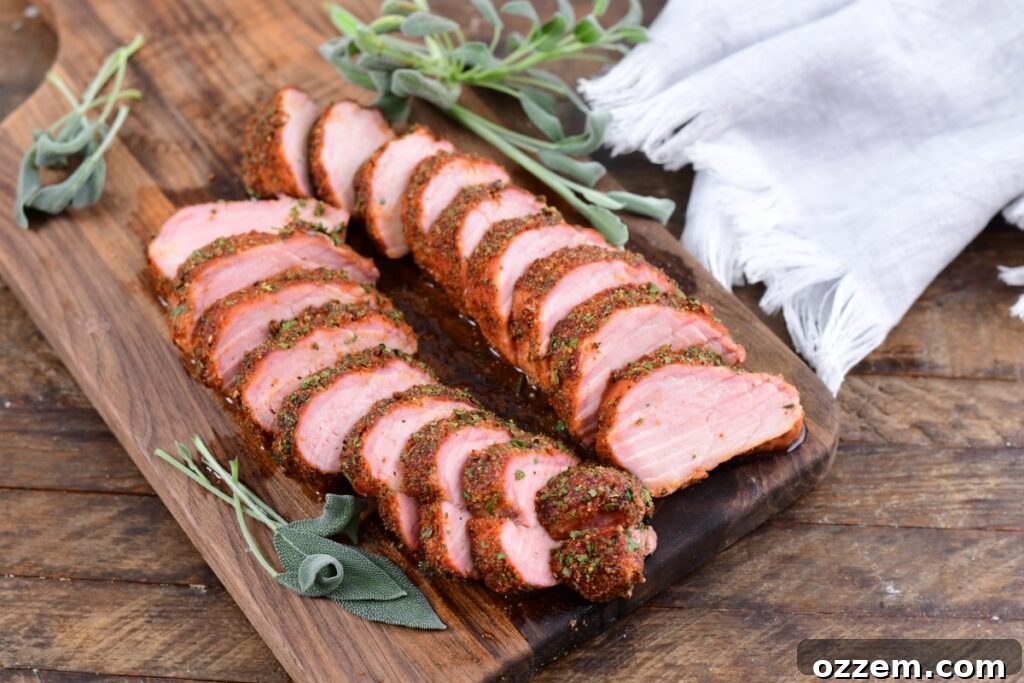
Once your exquisite smoked pork tenderloin has rested for the crucial 10 minutes, slice it into medallions, against the grain, and prepare to savor every tender, smoky bite. This versatile meat pairs beautifully with an array of side dishes, making it a fantastic centerpiece for any meal, from casual weeknights to celebratory gatherings.
Just like chicken, pork’s mild flavor profile means it can be served with almost anything. Looking for something light and refreshing to balance the richness of the pork? A crisp garden salad, some steamed green beans, or our Our Favorite Potato Salad make excellent choices. If you’re craving something a little more substantial and comforting, the tenderloin truly shines alongside heartier accompaniments. Our creamy Smoked Scalloped Potatoes are always a crowd-pleaser, or consider classic macaroni and cheese, roasted root vegetables, or even a flavorful wild rice pilaf. The options are limitless, allowing you to tailor your meal to any preference or occasion.
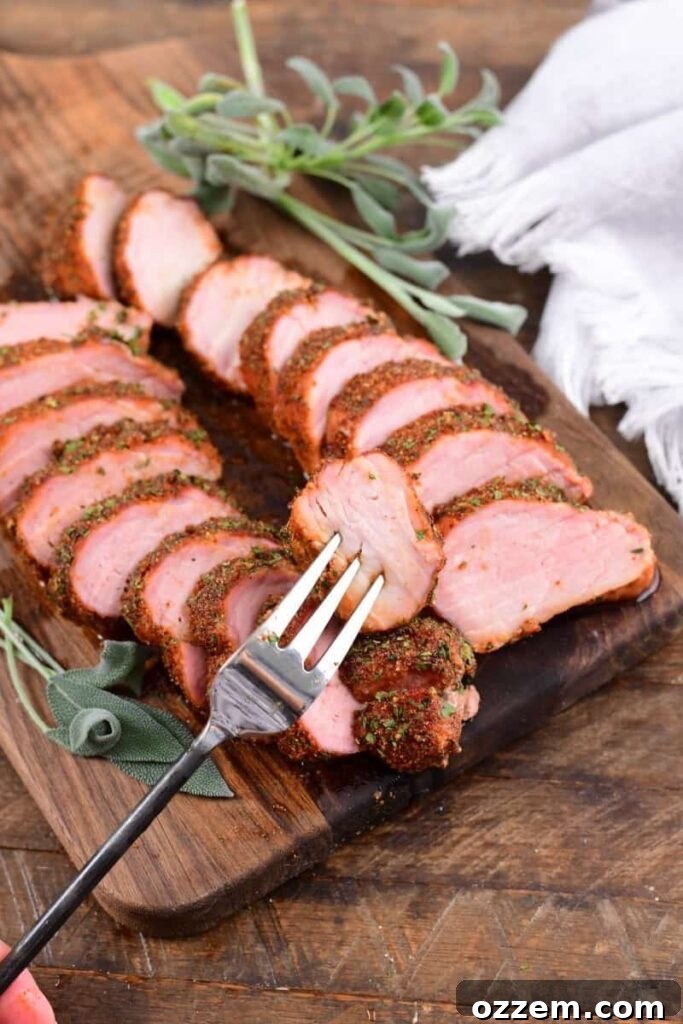
CLICK TO PIN THIS SMOKED PORK TENDERLOIN FOR LATER

Smoked Pork Tenderloin
Pin Recipe
Main Course
American
15 minutes
1 hour 30 minutes
1 hour 45 minutes
6 people
277 kcal
Lyuba
Ingredients
Pork
- 2.5 lbs pork tenderloin
Pork Dry Rub
- 1/4 cup brown sugar
- 1 tbsp paprika
- 2 tsp salt
- 1 tsp black pepper
- 2 tsp garlic powder
- 2 tsp onion powder
- 3 tsp ground mustard
- 1 tbsp dried parsley
- 1/4 tsp cayenne pepper
Instructions
- Prepare your smoker as needed and preheat it to the temperature of 225°F (107°C). For this dish, maple wood is recommended for a sweet, mild smoky flavor.
- In a small bowl, combine all ingredients for the pork seasoning and mix them well until evenly incorporated.
- Take tenderloins out of the package, pat them thoroughly dry with paper towels, and remove any silver skin. Place them into a rimmed baking dish or on a large cutting board and generously coat with the seasoning, pressing it into the meat.
- Insert a meat thermometer into the center of the thickest part of the meat, ensuring it does not touch any bone, and place the tenderloins in the smoker.
- Smoke for about 1.5 to 2 hours, or until the internal temperature reaches 145°F (63°C). Exact time will depend on the size of the meat and smoker consistency.
- Once the internal temperature is reached, remove the tenderloin from the smoker and transfer it to a cutting board. Let it rest for about 10 minutes before slicing and serving to allow the juices to redistribute.
Nutrition