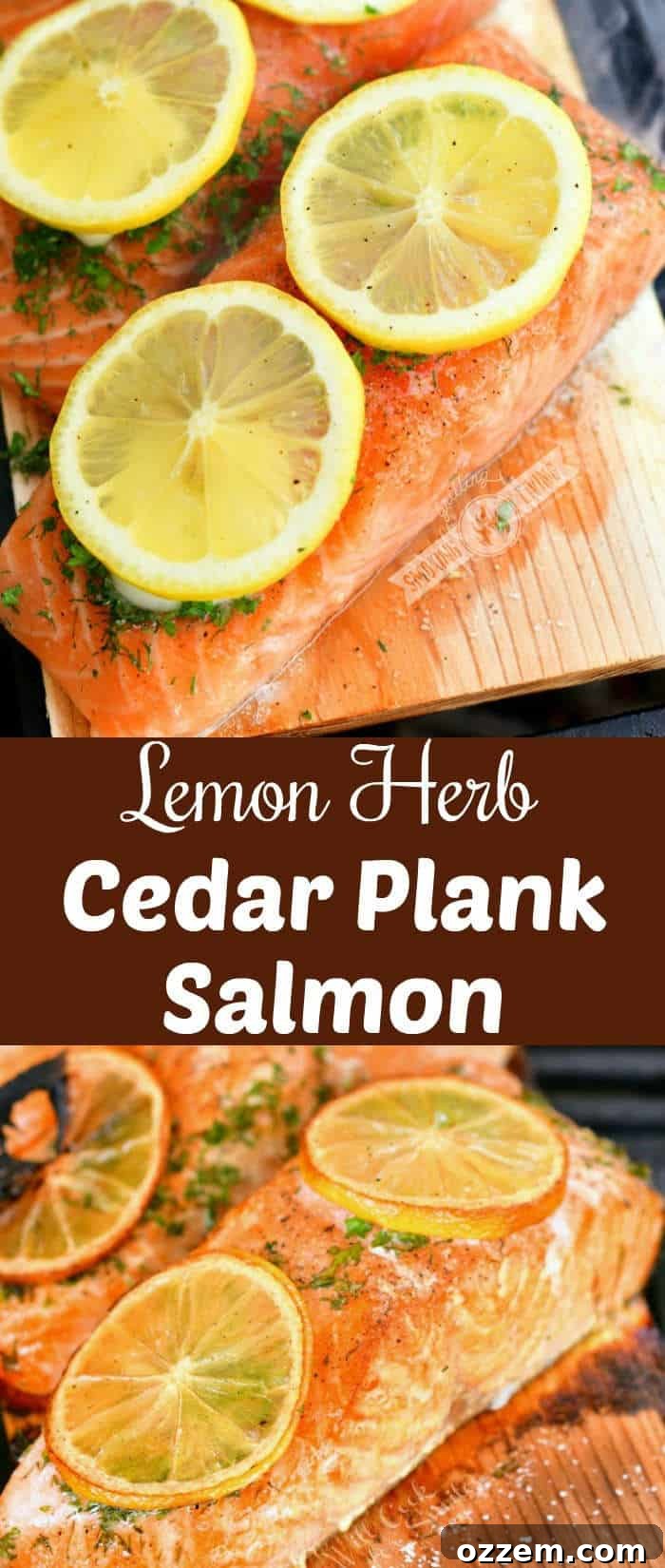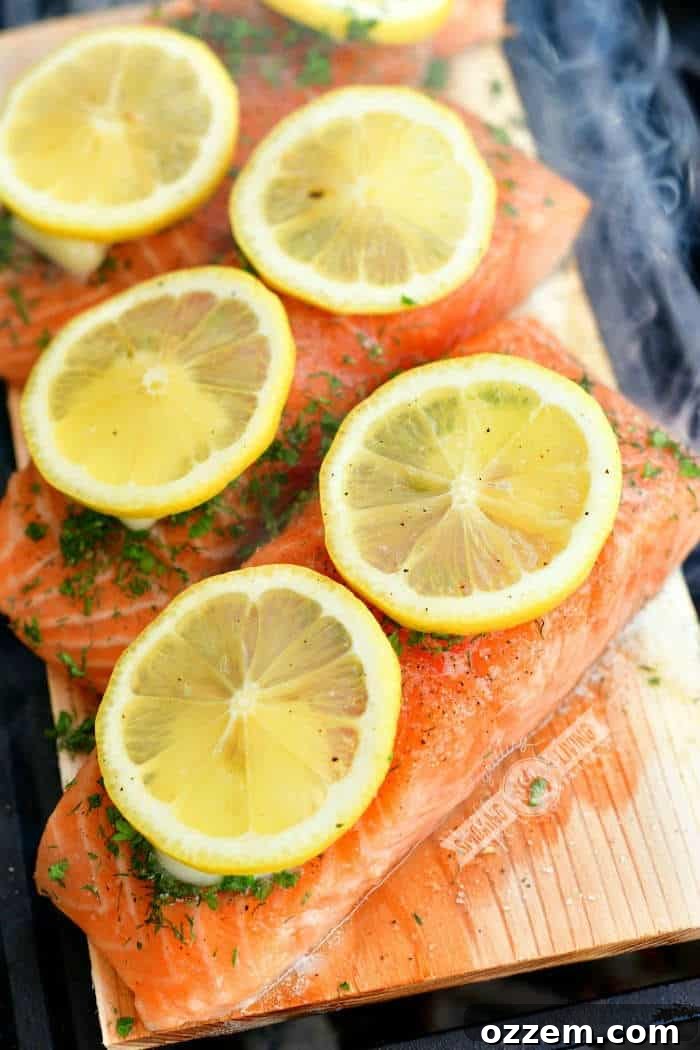
Experience the ultimate in grilling perfection with our guide to making juicy, buttery cedar plank salmon. This recipe transforms simple ingredients like fresh herbs, rich butter, and bright lemon into an unforgettable meal, perfectly complementing the natural richness of salmon. Infused with a delicate, smoky wood flavor from the cedar plank, this dish promises a tender, moist, and incredibly flavorful result every time. Whether you’re a seasoned grill master or a beginner, cedar plank salmon is a simple yet elegant way to elevate your weeknight dinner or impress guests at your next backyard gathering. Prepare to savor every succulent bite of this healthy and delicious grilled masterpiece.
Why Grill Salmon on a Cedar Plank?
Salmon is an incredibly versatile fish, lending itself beautifully to various cooking methods, especially on the grill. While direct grilling on the grates offers a tantalizing crispy skin and a quick cooking time, cooking salmon on a cedar plank provides an entirely different, yet equally rewarding, culinary experience. This method is celebrated for its ability to create exceptionally tender, moist, and flavorful fish, making it a favorite among seafood lovers.
The Magic of Plank Grilling: Steam, Smoke, and Flavor
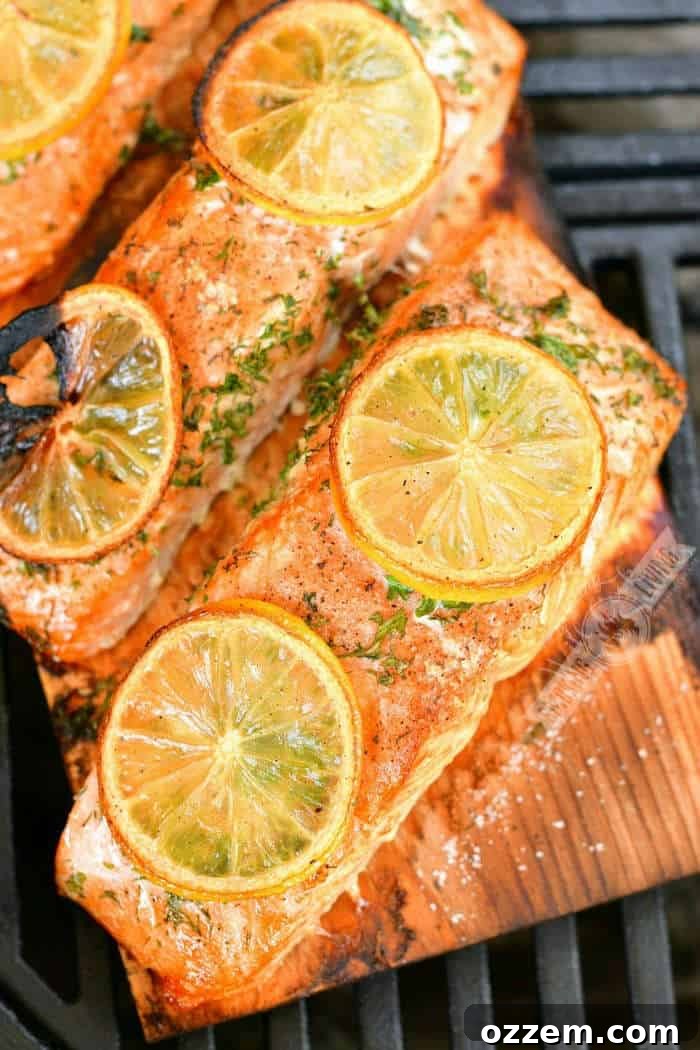
Unlike direct grilling, where radiant heat cooks the food, cedar plank grilling relies on a unique steaming process. When a soaked wooden plank is placed over direct heat, it gradually heats up, causing the absorbed water to turn into steam. This steam then gently cooks the salmon from below, preventing it from drying out and locking in its natural juices. The result is a wonderfully flaky and succulent fillet that practically melts in your mouth.
Beyond the tender texture, the true magic of cedar plank cooking lies in the infusion of smoky, aromatic wood flavor. As the plank heats, it releases its distinct cedar notes, which are absorbed by the salmon. This subtle, earthy smokiness perfectly complements the rich, buttery flavor of the fish, adding a layer of complexity that’s simply irresistible. It’s a taste profile that can’t be replicated with other grilling methods, making cedar plank salmon a truly gourmet experience.
Grate vs. Plank: Understanding the Differences
Choosing between grilling directly on the grates and using a plank depends on your desired outcome. Direct grilling, often done over high heat, results in a more pronounced char and a wonderfully crispy skin, ideal for those who love that textural contrast. It’s also generally faster. However, it requires more attention to prevent overcooking and can sometimes lead to drier fish if not managed carefully.
Plank grilling, conversely, offers a more forgiving cooking environment. The indirect heat and steaming action ensure the salmon stays incredibly moist, even if cooked a few minutes longer than intended. While it doesn’t produce crispy skin, it delivers unparalleled tenderness and a unique smoky essence. It’s a fantastic method for achieving restaurant-quality salmon at home with minimal fuss, emphasizing flavor infusion and moisture retention.
Choosing Your Salmon: A Guide to Perfect Fillets
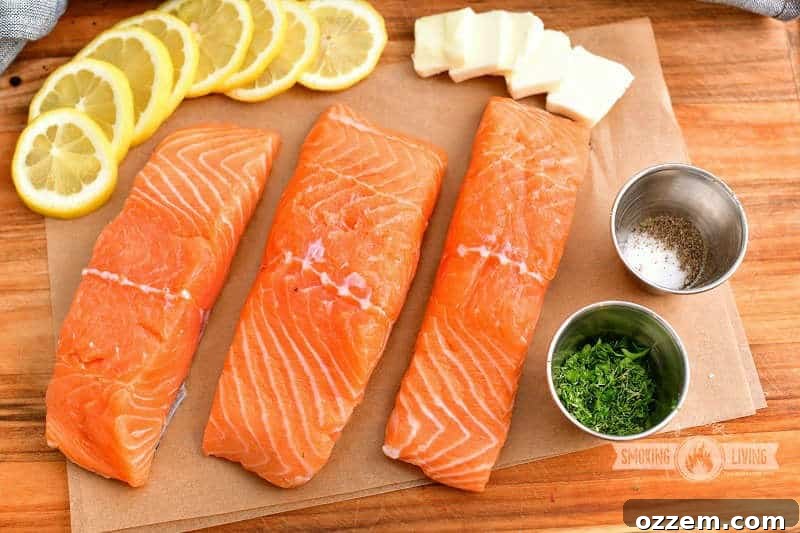
The quality of your salmon significantly impacts the final dish. Understanding the different types and what to look for at the seafood counter will ensure you select the best possible fillets for your cedar plank masterpiece.
Types of Salmon
Several varieties of salmon are available, each with slightly different characteristics:
- Atlantic Salmon: Commonly farmed, Atlantic salmon has a high fat content, making it very rich, moist, and buttery. Its mild flavor makes it a versatile choice that readily absorbs the cedar and herb flavors.
- Sockeye Salmon: Known for its vibrant red-orange flesh and robust flavor, sockeye is leaner than Atlantic salmon. It offers a distinct “salmon” taste that pairs well with the smoky plank.
- King (Chinook) Salmon: The largest and often considered the most prized, King salmon boasts the highest fat content of all wild species, resulting in a rich, luxurious flavor and tender texture.
- Coho (Silver) Salmon: With firm, orange-red flesh and a delicate flavor, Coho salmon is a good middle-ground option, offering both richness and a clean taste.
- Pink and Chum Salmon: These are typically smaller, leaner, and milder in flavor, often used for canning or smoking. While still delicious, they might not offer the same succulent experience on a plank as the fattier varieties.
For cedar plank grilling, fattier salmon varieties like Atlantic or King salmon are often preferred due to their inherent moisture and ability to absorb flavors beautifully. However, any quality salmon fillet will yield delicious results.
Fresh vs. Frozen & What to Look For
When selecting salmon, prioritize freshness. If possible, opt for wild-caught salmon, which often has a superior flavor and texture compared to farmed varieties, though farmed salmon is widely available and more affordable.
- Appearance: Look for firm, bright, moist flesh with a vibrant color (ranging from orange to deep red, depending on the type). Avoid salmon that looks dull, dry, or discolored.
- Smell: Fresh salmon should have a mild, oceanic scent, not a strong, fishy odor.
- Skin: If buying skin-on fillets, the skin should be intact and shiny.
- Fresh vs. Frozen: While fresh is ideal, high-quality frozen salmon can be an excellent alternative, especially if you don’t have access to fresh seafood. Ensure it’s properly thawed in the refrigerator before use.
How Much Salmon Per Person?
Portion control is key for a satisfying meal. Whether you’re purchasing a whole salmon fillet to cut yourself or pre-portioned steaks, it’s easy to estimate the right amount. A standard serving of salmon, often found in restaurants or pre-cut at the seafood counter, typically ranges from 6 to 8 ounces. This translates to roughly 1/3 to 1/2 pound per adult.
To ensure everyone gets a generous and satisfying portion, plan for approximately 1/2 pound (8 ounces) of salmon per adult. So, if you’re cooking for two adults, aim for 1 pound of salmon. For a party of four, 2 pounds would be appropriate. If serving alongside several hearty side dishes, you might slightly reduce the portion, but 1/2 pound is a good general guideline to ensure a fulfilling main course.
All About Your Cedar Plank
The cedar plank isn’t just a cooking vessel; it’s an integral part of the flavor profile. Understanding how to use and care for it is crucial for a successful and safe grilling experience.
The Essential Step: Soaking Your Wood Plank
This step is absolutely non-negotiable! You must soak your wooden plank thoroughly before grilling. A dry plank will quickly ignite over the hot coals or flames, defeating the purpose of slow, steamy cooking. The goal of plank grilling is to create a moist, smoky environment that infuses flavor and keeps the salmon tender, and this relies entirely on the plank being saturated with water.
How to Soak:
- Choose a dish larger than your plank, such as a casserole dish, a roasting pan, or even a clean cooler.
- Submerge the plank completely in water. Since wood floats, you’ll need to place something heavy on top – like a weighty bowl, a few cans of food, or another oven-safe dish – to keep it fully submerged.
- Soak the plank for a minimum of one hour, but ideally two hours, before you plan to grill. The longer it soaks, the less likely it is to catch fire and the more steam it will generate.
Some grillers like to soak their planks in wine, beer, or apple juice for an added layer of subtle flavor. Experimentation can lead to delightful discoveries!
Beyond Cedar: Exploring Other Wood Options
While cedar is the most popular and readily available wood for plank grilling, you have several other fantastic options, each imparting a distinct flavor profile:
- Alder: A great choice for seafood, Alder offers a very mild, slightly sweet smoke flavor that enhances rather than overpowers delicate fish.
- Hickory: Known for its strong, distinctive, and somewhat bacony smoke flavor, hickory is best for those who prefer a more intense smoky taste. Use with caution, as it can easily dominate the fish if you’re not careful.
- Maple: Provides a subtle, sweet, and mild smoke, perfect for a gentle flavor infusion that complements salmon beautifully.
- Cherry: Offers a fruity, mild, and slightly sweet smoke, adding a beautiful color to the food it cooks. It’s excellent for a sweeter, more nuanced flavor.
- Apple: Similar to cherry, applewood imparts a very mild, sweet, and fruity smoke, making it another excellent choice for fish and poultry.
- Pecan: Offers a rich, nutty, and mildly fruity flavor, which is less intense than hickory but more robust than apple or cherry.
Cedar remains the most popular for a reason – its aromatic properties are a classic match for salmon, and it’s widely accessible in most grocery stores and hardware sections.
Can You Reuse a Cedar Plank?
Generally, reusing a cooking wood plank is not recommended, and here’s why. After its first use, the plank will absorb residues from the food and the smoke, making it tricky to clean effectively. It might also become singed or charred, affecting its structural integrity and future performance. Furthermore, if you plan to reuse it, you should ideally use it for the same type of meat or vegetable to avoid flavor cross-contamination, which can be hard to remember.
However, if the plank is only lightly singed and you intend to cook the exact same food type (e.g., salmon again), you *might* be able to reuse it. To attempt this:
- Immediately after grilling, scrape off any food residue.
- Clean the used plank with a soft scrub sponge and hot water only – absolutely no soap, as the wood will absorb the soap and taint future meals.
- Wipe it dry with a towel.
- Store it in the freezer to prevent mold growth and keep it fresh until its next use.
For best results and food safety, most grill enthusiasts prefer to use a fresh plank for each cooking session. The relatively low cost of planks makes this an easy decision for many.
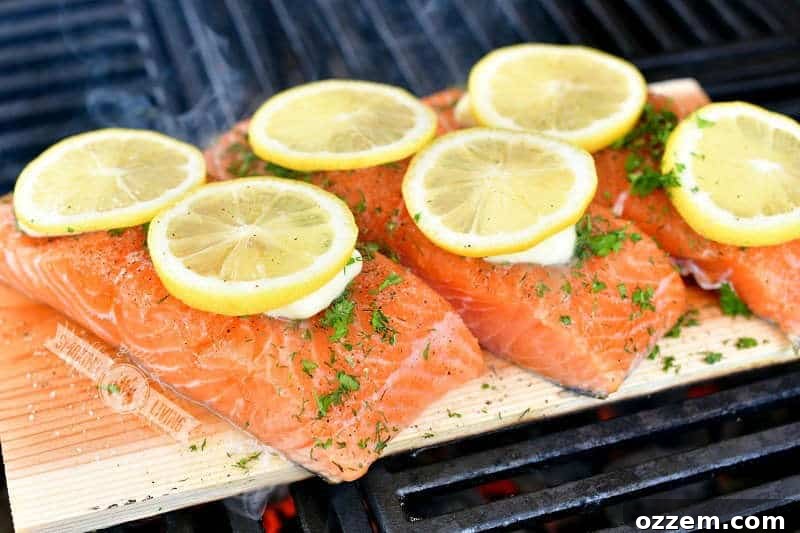
Step-by-Step: Grilling Delicious Cedar Plank Salmon
Now that you’re well-versed in the nuances of salmon and cedar planks, let’s walk through the simple steps to create a truly memorable meal.
Ingredients You’ll Need:
- 1 cedar plank (or other preferred wood plank)
- 1 lb skin-on salmon fillets
- 1 tbsp canola oil (to rub the skin)
- 2 tbsp butter, sliced
- 1/2 lemon, sliced
- 1 tbsp fresh minced parsley
- 1 tbsp fresh minced dill weed
- Salt to taste
- Black pepper to taste
Preparation is Key
- Soak Your Plank: As discussed, this is paramount. Fill a dish larger than your plank with water, submerge the plank, and weigh it down. Soak for 1-2 hours.
- Prepare Salmon: While the plank soaks, prepare your salmon. Gently pat the salmon fillets dry with paper towels. This helps seasonings adhere better.
- Oil the Skin: Lightly rub the skin side of the salmon with canola oil. This helps prevent sticking to the plank and keeps the skin moist.
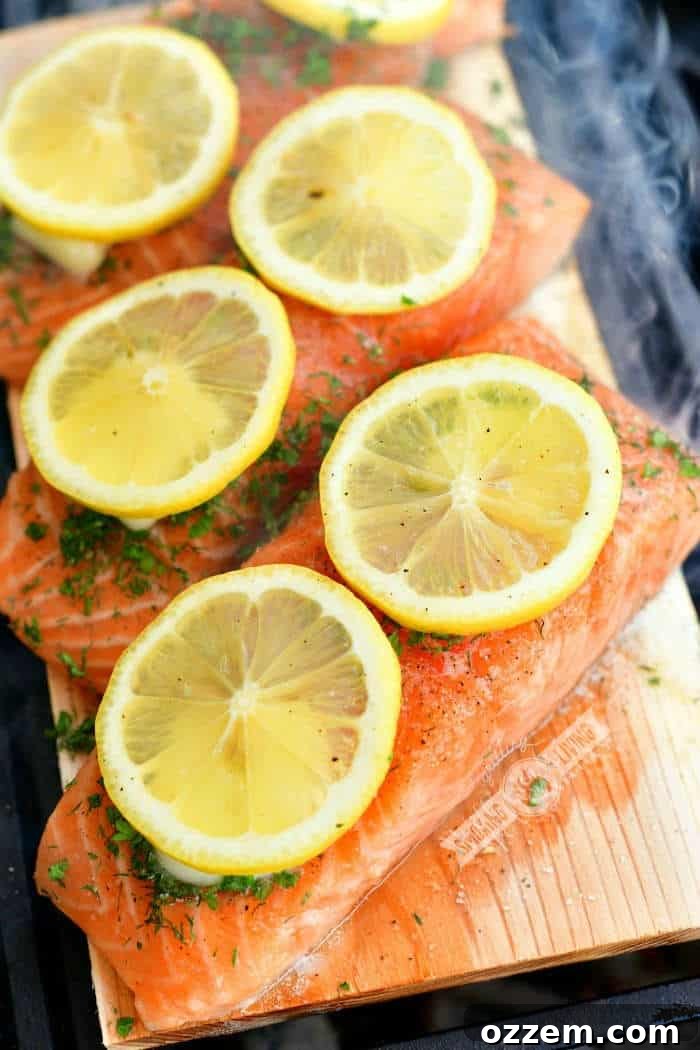
- Season Generously: Season the salmon fillets liberally with salt and black pepper on all sides. Then, sprinkle the fresh minced parsley and dill weed evenly over the top and sides. These herbs bring a bright, fresh flavor that complements salmon perfectly.
- Butter and Lemon: Place a few thin slices of cold butter on top of each salmon fillet. The butter will melt into the fish, adding richness and moisture. Arrange a couple of lemon slices over the butter. The lemon will gently steam and impart its zesty aroma during cooking.
- Set Aside: Let the prepared salmon rest at room temperature for about 15-20 minutes while you set up the grill. This helps the fish cook more evenly.
Setting Up Your Grill
Whether you’re using a charcoal or gas grill, preparing it correctly is vital for consistent results.
- Preheat the Grill: Preheat your grill to a medium heat setting (around 350-400°F or 175-200°C). It’s a good practice to set up a two-zone fire if possible, with one side for direct heat and the other for indirect heat, giving you flexibility.
- Heat the Plank: Once the grill is preheated, carefully place the soaked cedar plank directly over the medium heat. Close the lid and let the plank heat up for about 3-5 minutes. You want it to start lightly smoking and charring slightly on the bottom. This initial heating helps activate the wood’s aromatic compounds.
- Position Salmon: Using tongs, flip the heated plank over so the charred side is facing up. Immediately place your prepared salmon fillets, skin-side down, onto the hot plank.
Grilling to Perfection
- Cook Indirectly: If you’re using a two-zone fire, it’s often best to move the plank to the indirect heat side of the grill at this point, especially if the plank is smoking heavily or starting to flame up. If not, keep it over medium direct heat, but keep an eye on it.
- Close the Lid: Close the grill lid. This traps the heat and, crucially, the flavorful steam and smoke from the plank, allowing them to fully infuse into the salmon.
- Cook Time: The cooking time for cedar plank salmon can vary significantly based on the thickness of your salmon fillets and the exact temperature of your grill. Generally, individual fillets will take anywhere from 12 to 20 minutes. A thicker, whole salmon fillet could require 20-30 minutes or even longer.
Ensuring Doneness: Temperature and Visual Cues
The key to perfectly cooked salmon is reaching the right internal temperature without overcooking. Overcooked salmon becomes dry and tough, losing its prized juiciness.
- Internal Temperature: For the most accurate assessment, use an instant-read thermometer. Insert it into the thickest part of the salmon fillet. Many chefs prefer salmon cooked to 135°F (57°C) for a moist, medium-rare to medium doneness, as it will continue to cook slightly after being removed from the heat. The USDA recommends a safe internal temperature of 145°F (63°C), though some find this results in salmon that is slightly overdone for their taste.
- Visual Cues: Beyond temperature, look for visual indicators:
- The flesh should become opaque throughout, turning from translucent pink to a paler pink.
- It should flake easily with a fork when gently pressed.
- A little bit of white albumin (a protein) may appear on the surface; this is normal and indicates the salmon is cooking.
Once cooked to your desired doneness, carefully remove the plank with the salmon from the grill. Let it rest for a few minutes before serving. This allows the juices to redistribute, ensuring maximum flavor and moisture.
Enhancing Your Cedar Plank Salmon
While the classic lemon and herb preparation is exquisite, cedar plank salmon is a fantastic canvas for culinary creativity. Here are some ideas to further elevate your dish and perfect side pairings.
Flavor Variations and Marinades
Experiment with different rubs and marinades to explore new taste sensations:
- Honey Garlic Glaze: Whisk together honey, minced garlic, soy sauce, and a touch of rice vinegar. Brush this glaze over the salmon during the last 5-7 minutes of cooking for a sweet and savory finish.
- Spicy Southwest Rub: Combine chili powder, cumin, smoked paprika, a pinch of cayenne, garlic powder, and onion powder. Rub generously on the salmon before grilling for a vibrant kick.
- Teriyaki Salmon: Marinate the salmon in your favorite teriyaki sauce for 30 minutes before placing it on the plank. The sweet and umami flavors will be wonderfully infused.
- Dijon Herb Crust: Mix Dijon mustard with chopped fresh rosemary and thyme. Spread a thin layer over the salmon before adding butter and lemon for a sophisticated, herbaceous crust.
Perfect Side Dishes
Cedar plank salmon pairs beautifully with a variety of sides that complement its rich flavor without overpowering it:
- Grilled Vegetables: Asparagus, zucchini, bell peppers, or corn on the cob grilled alongside the salmon are excellent choices. Their smoky char enhances the meal.
- Roasted Potatoes or Rice Pilaf: Simple starches like roasted baby potatoes with rosemary or a fragrant rice pilaf provide a comforting base.
- Fresh Salad: A crisp green salad with a light vinaigrette offers a refreshing counterpoint to the richness of the salmon.
- Quinoa or Couscous: For a healthier grain option, quinoa or couscous mixed with fresh herbs and a squeeze of lemon makes a light and flavorful accompaniment.
Explore More Seafood Delights
If you’ve fallen in love with grilling seafood, there’s a whole world of delicious recipes to discover!
Spicy grilled shrimp is a fantastic option for a quick, flavorful, and easy weeknight dinner that packs a punch.
For another exceptional salmon experience, try a cedar plank salmon recipe rubbed with a sweetened mustard sauce. It offers a delightful twist on the classic.
And for a truly indulgent treat, who could ever say no to succulent Grilled Lobster Tails? They are surprisingly simple to prepare and undeniably impressive.

Connect with Us!
If you’ve tried any of our recipes and shared your creations on Instagram, be sure to tag us @grillingsmokingliving and use #grillingsmokingliving. We love seeing what you’re cooking up!
Stay connected with Grilling Smoking Living and never miss a new recipe. Follow us on our social media channels:
Facebook | Instagram | Pinterest | Twitter
PIN THIS RECIPE FOR LATER

Lemon Herb Cedar Plank Salmon
Juicy, buttery cedar plank salmon is a very simple dinner but has a lot of delicious flavor. This salmon recipe features simple ingredients like herbs, butter, and lemon that complement the natural salmon flavor perfectly.
Print Recipe | Pin Recipe
Course: Main Course
Cuisine: American
Prep Time: 15 minutes
Cook Time: 15 minutes
Soak plank: 1 hour
Total Time: 1 hour 30 minutes
Servings: 2
Calories: 487 kcal
Author: Lyuba
Ingredients
- 1 cedar plank (or other wood plank)
- 1 lb skin-on salmon fillets
- 1 tbsp canola oil (to rub the skin)
- 2 tbsp butter
- 1/2 lemon
- 1 tbsp fresh minced parsley
- 1 tbsp fresh minced dill weed
- Salt to taste
- Black pepper to taste
Instructions
- Soak the wood plank! Fill a dish that is bigger than the plank, like a casserole pan or an aluminum baking pan, with water and then place the wooden plank into it. The plank will float so you want to put something heavy on top and make sure the plank is submerged under water. Soak it for 1-2 hours.
- Slice lemon and cold butter into several slices.
- Rub bottom of the salmon skin with some oil.
- Season salmon with salt and pepper on all sides and sprinkle herbs over the top and sides evenly.
- Place a couple of slices of butter on top of each salmon and a couple slices of lemon over butter. Set it aside until ready to put on the plank to grill.
- Preheat the grill to medium heat with a two-zone fire just in case. Place soaked wood planks on the grill and heat it up for about 5 minutes. Flip the plank and place salmon on it, skin down.
- Close the lid and cook salmon until it’s done. We prefer to cook it until it reaches 135°F (57°C) in the thickest part. (USDA recommends salmon safe temperature to be 145°F / 63°C but some people feel that it is overdone.) Depending on the thickness of salmon piece, that could take from 12-20 minutes. A whole salmon fillet that is thick could take well over 20 minutes. You will have to check the temperature with an instant-read thermometer.
Nutrition
Calories: 487kcal | Carbohydrates: 1g | Protein: 45g | Fat: 33g | Saturated Fat: 10g | Cholesterol: 155mg | Sodium: 202mg | Potassium: 1111mg | Sugar: 1g | Vitamin A: 614IU | Vitamin C: 3mg | Calcium: 27mg | Iron: 2mg